Blue Door

Gault & Millau UAE Selected Restaurant
Our verdict
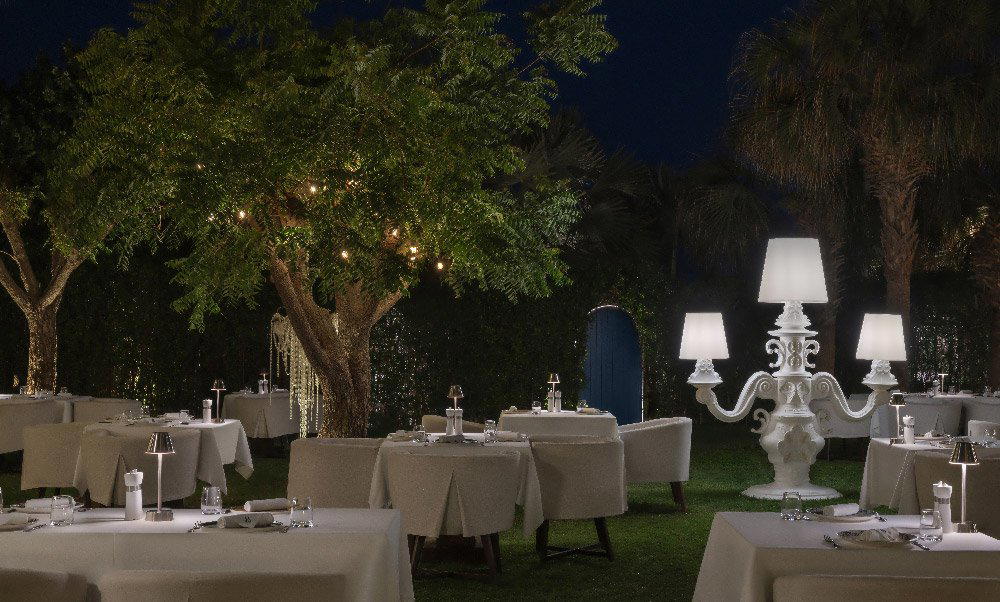
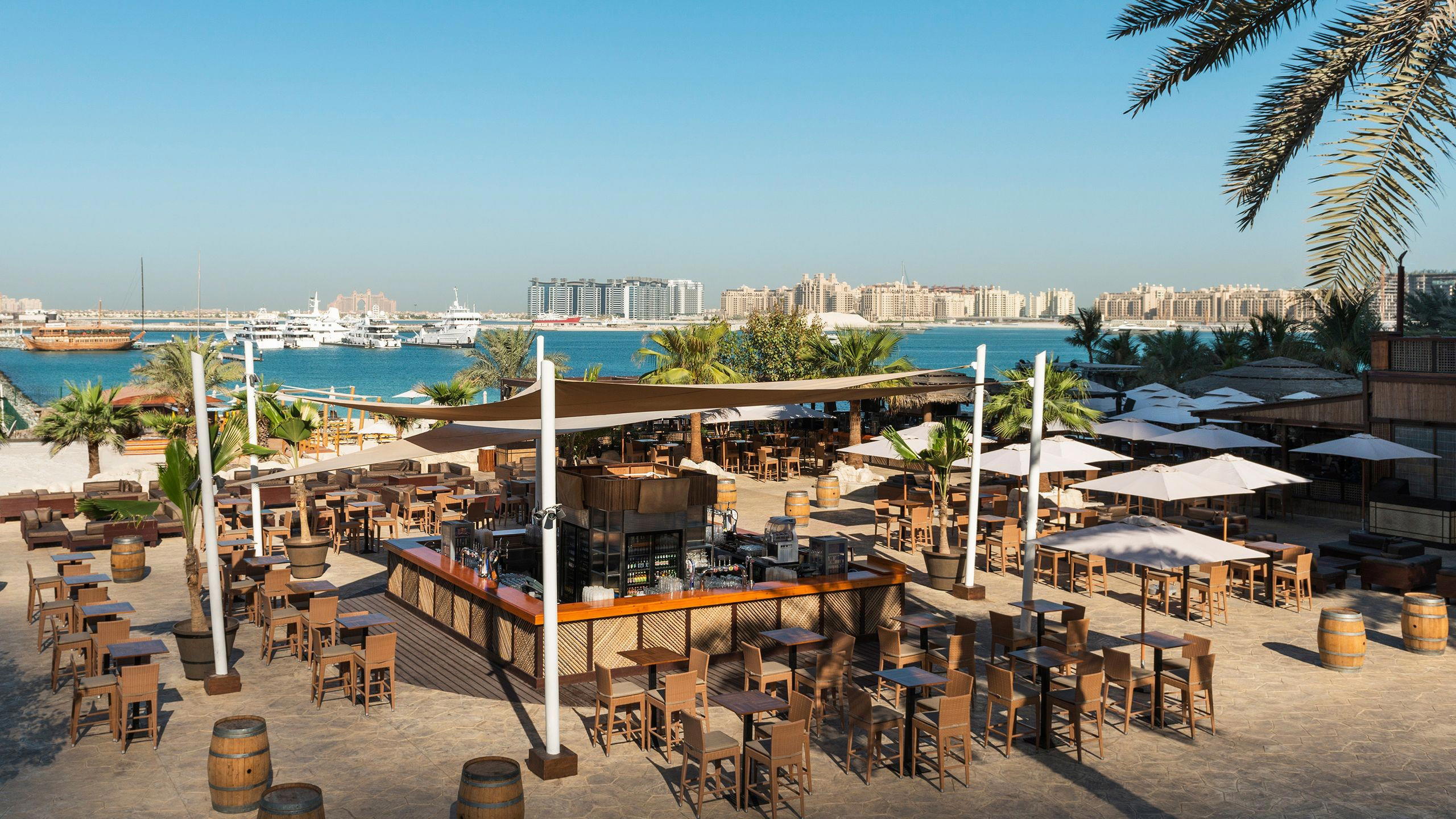
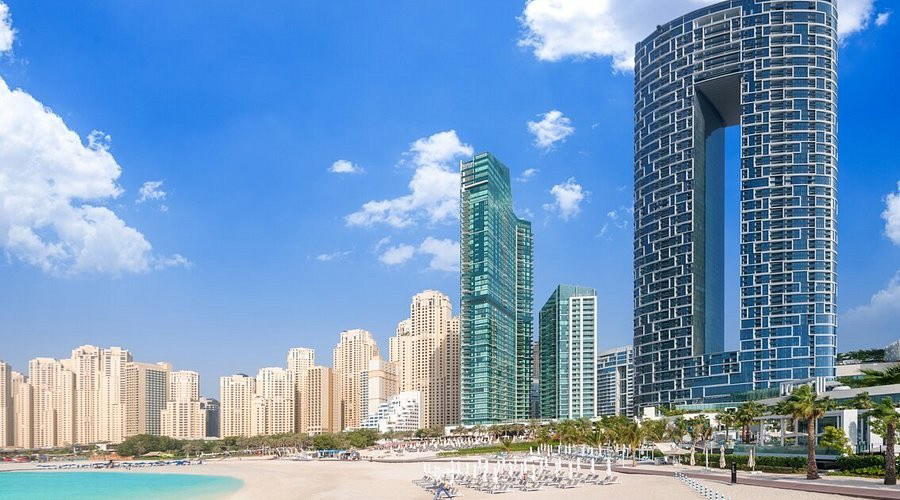
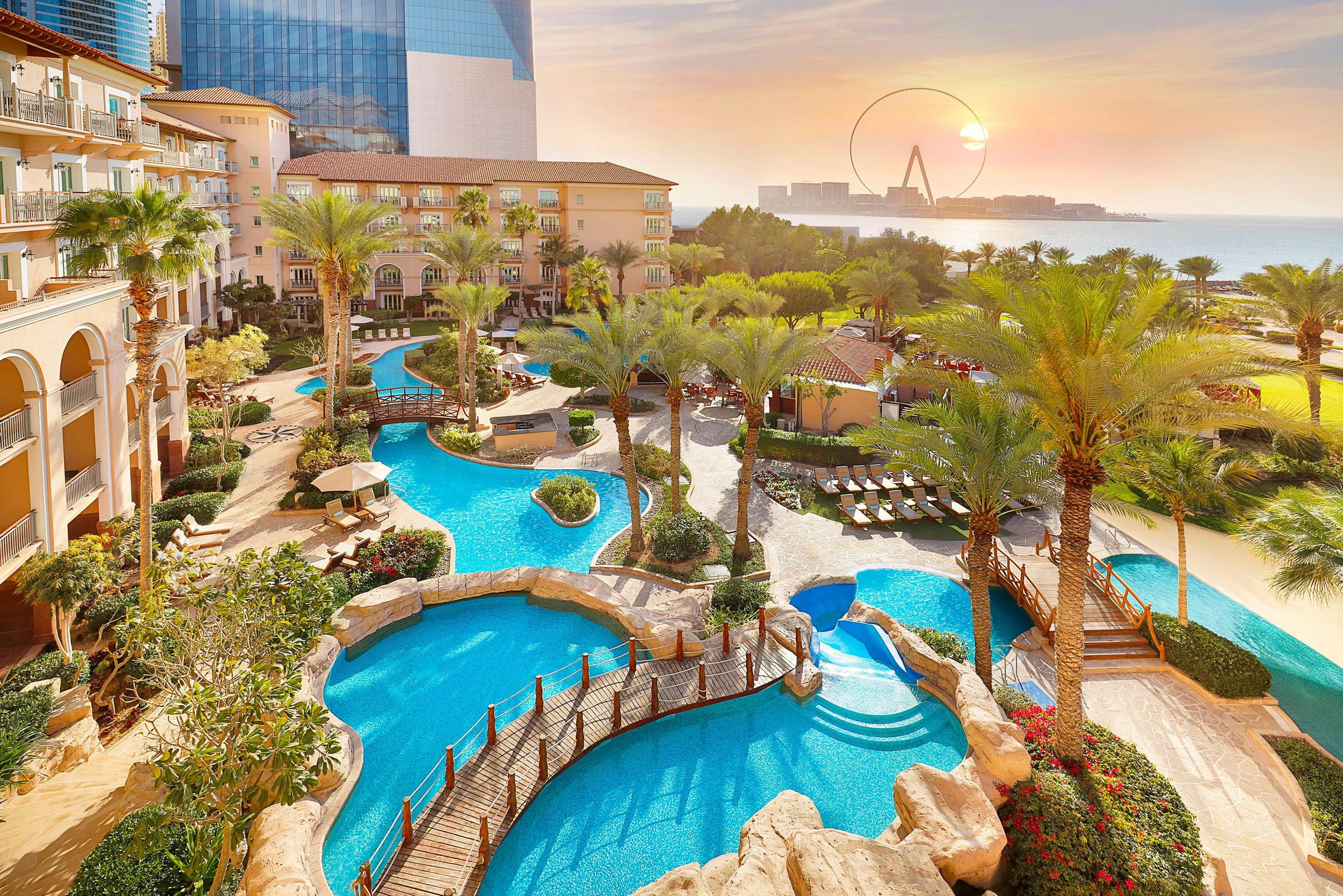
Blue Door sits in Dubai’s Bluewaters Island dining orbit, where resort restaurants compete on setting as much as cuisine. Its alfresco garden address gives it a calmer register than the city’s enclosed dining rooms, with the strongest editorial case resting on open-air pacing, island-side atmosphere, and the way Dubai’s produce-driven menus increasingly frame freshness as a luxury signal.

Pearl is the En Primeur Club membership app, where members save venues, book tables and use the concierge.
The menu
What to order
- Adana kebab
- Blue Door mixed kebab platter
- Turkish Garden Breakfast set menu
- Whole sea bass in salt crust
- Manti (Turkish dumplings)
Dubai changes the rhythm of dinner before the menu arrives. The approach is open-air, resort-lined and exposed to the city’s evening air, with the alfresco garden setting at Blue Door placing the meal closer to Dubai’s outdoor social culture than to the sealed dining rooms that dominate much of the high-end restaurant circuit. In a city where climate, real estate and spectacle often dictate the dining experience, that matters: open-air restaurants here are judged not only by what reaches the table, but by how well they handle pace, comfort and the transition from late-afternoon heat to night service.
The sharper way to read Blue Door is through Dubai’s current appetite for provenance. Across the city, ingredient sourcing has become a quiet status marker, especially in restaurants that want to move beyond international-luxury sameness. Diners are paying closer attention to where seafood, vegetables, oils, breads and herbs come from, and to whether a kitchen can make those choices visible without turning the meal into a lecture. Blue Door’s setting gives that sourcing conversation a useful frame: garden dining works when freshness is not treated as decoration, but as the organizing principle of the plate.
Dubai dining, without the sealed-room formality
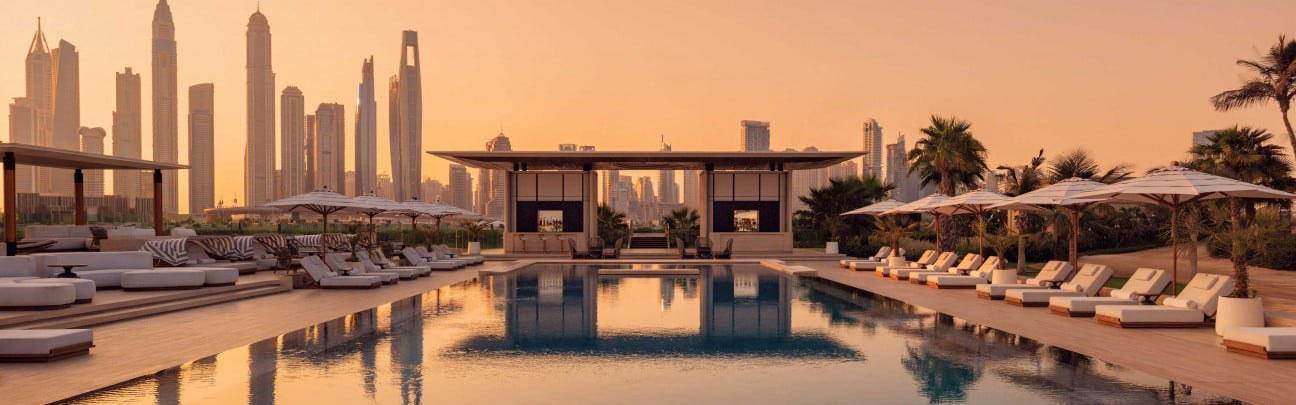
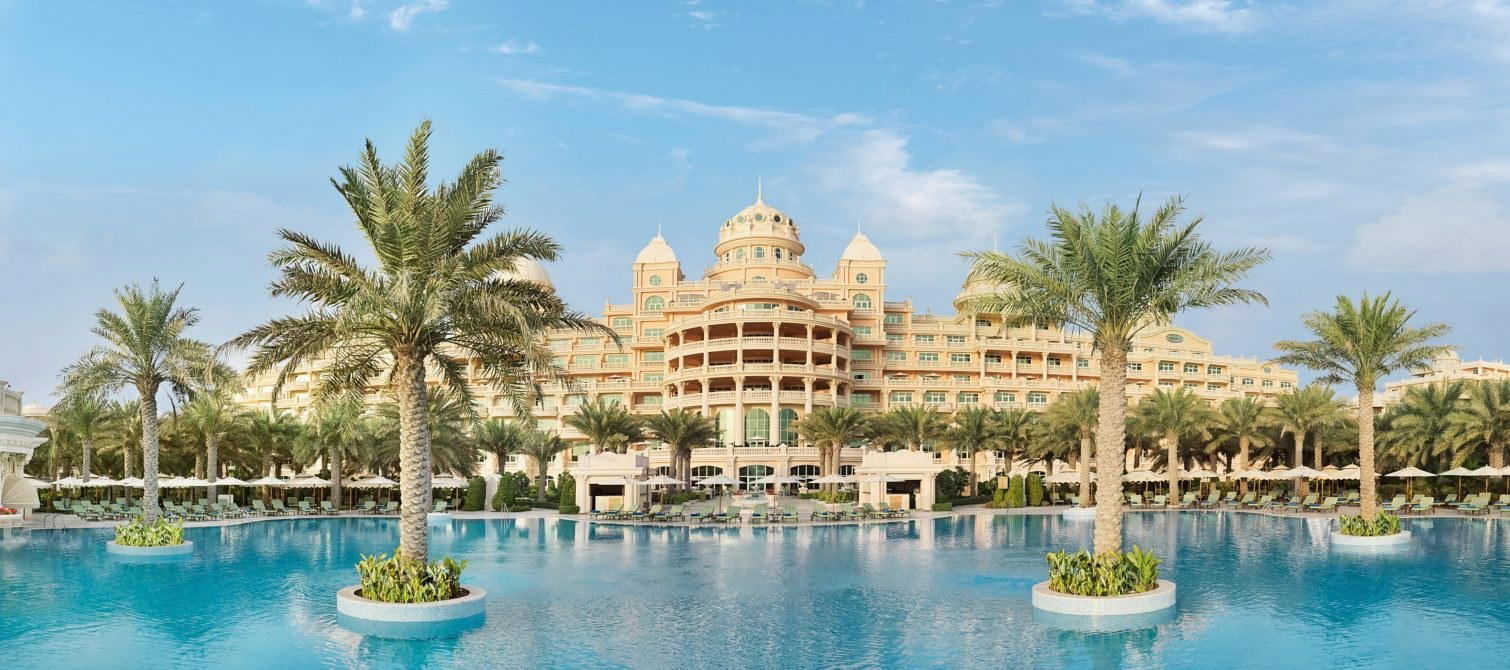
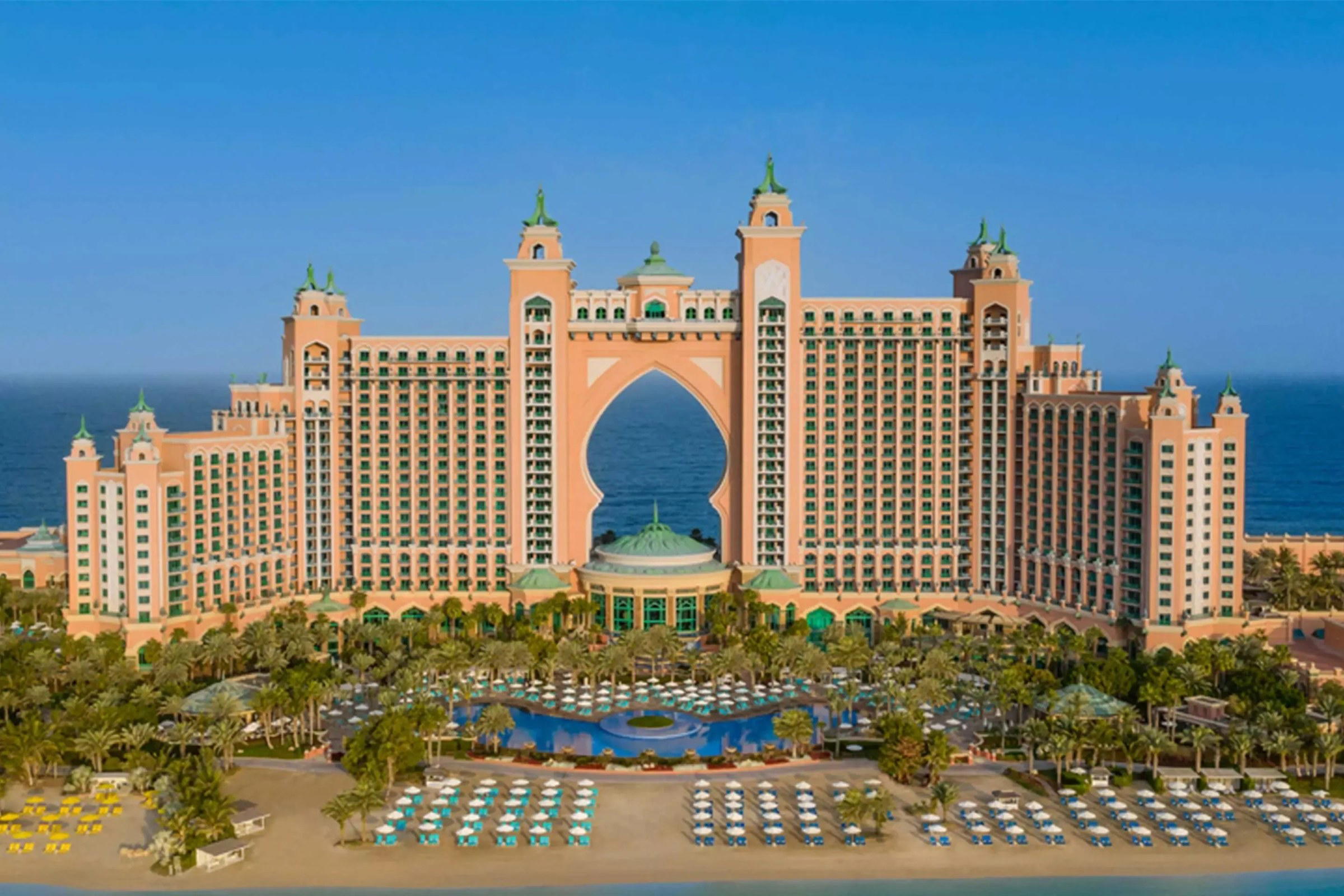
Dubai’s restaurant geography is unusually split. There are hotel dining rooms built for ceremony, neighbourhood restaurants with regulars, beachfront addresses that trade on sunset, and destination venues designed for visitors moving between hotels, beach clubs and late-night bars. Blue Door belongs to the last category, but its alfresco garden address softens the usual resort polish. The point is not seclusion; it is controlled exposure, with the city close enough to feel present and the meal staged outdoors rather than behind glass.
That distinction matters for readers choosing between Dubai formats. Some contemporary dining rooms signal seriousness through restraint and a tighter restaurant grammar. Other venues carry their identity through regional cooking and a more grounded neighbourhood sensibility. Blue Door sits in a different decision set: it is about outdoor resort dining in Dubai, where atmosphere and menu clarity have to work together because the room itself is part of the proposition.
For broader context, Dubai’s restaurant field now ranges from hotel-led dining to tighter-format addresses and destination concepts. That range has made the city less dependent on imported glamour alone. The more persuasive restaurants now give diners a clear reason to choose their format: counter precision, regional specificity, fire-led cooking, beachside ease or garden dining with a produce-forward logic.
Ingredient sourcing is the test, not the slogan
Dubai has always been a trading city, and its kitchens reflect that. The local dining scene depends on a mix of regional supply, international imports and hotel purchasing networks, which means ingredient quality can vary sharply between restaurants at similar price levels. In this context, sourcing is not a romantic idea; it is a practical discipline. Seafood must travel well, vegetables need to hold texture in heat, and lighter outdoor menus need acidity, herbs and clean seasoning rather than heavy sauces that make sense only in air-conditioned rooms.
Blue Door is strongest as an editorial proposition when viewed through that lens. An alfresco garden restaurant has to justify its setting through food that feels aligned with climate and tempo. In Dubai, that often means produce-led starters, grilled or simply handled proteins, shareable plates and a beverage rhythm that suits long outdoor tables. Without published menu specifics, the useful guidance is categorical rather than item-by-item: look for dishes where freshness is central, not incidental, and where the kitchen’s sourcing choices are visible through restraint.
The comparison set in Dubai also matters. Resort and leisure concepts such as Alizée, Delano Pool & Beach, La Cantine Beach and Teppanyaki: The Delano Way operate in the same broad dining orbit, while The Spaniel adds another polished restaurant reference point in Dubai’s dining economy. Against that field, Blue Door’s alfresco garden positioning gives it a narrower but clearer role: it is for diners who want the resort setting without making the meal only about spectacle.
How to place it in a Dubai itinerary
Blue Door makes the most sense when the evening is built around Dubai rather than treated as a rushed errand. Dubai traffic and hotel geography reward clustering: dinner here pairs naturally with a relaxed walk or a later drink in the same part of town, while a tightly timed multi-stop itinerary across the city can turn a relaxed outdoor meal into a logistics exercise. For wider planning, Our full Dubai restaurants guide, Our full Dubai hotels guide and Our full Dubai bars guide map the city by category rather than by hype cycle.
Travelers building a broader UAE food route should also look beyond Dubai’s resort districts. The national dining map includes other addresses across Abu Dhabi, desert and inland restaurants, plus emirate-specific stops in Sharjah and Al Dhafra. For travelers extending the trip across categories, Our full Dubai wineries guide and Our full Dubai experiences guide keep the planning frame wider than restaurants alone.
The verdict is practical rather than breathless: choose Blue Door for an outdoor Dubai meal where the setting is central and the right ordering strategy is freshness-led. Readers chasing counter technique may prefer a narrower specialist format; those wanting a resort evening with garden air and a sourcing-aware lens will understand the appeal. For a wider international comparison of casual precision, look to other dining rooms where format, sourcing and setting carry as much weight as the menu category printed at the door.
Frequently asked questions
Where is Blue Door located?
Blue Door is located in Dubai.
How far ahead should I plan for Blue Door?
Blue Door is in Dubai, so it works well as a planned stop rather than an impulse detour. For dinner on a busy Dubai evening, allow extra time for getting there and for an outdoor table if that is the preferred setting.
What has Blue Door built its reputation on?
The clearest draw is the alfresco garden setting in Dubai. That outdoor format shapes the experience more than any stated chef profile or cuisine label.
Is Blue Door good for vegetarians?
There is no cuisine type listed for Blue Door, so any vegetarian read has to start with the venue’s setting rather than a named menu. In Dubai, alfresco restaurants often have enough flexibility for plant-forward ordering, but the actual range depends on the day’s menu.
Is Blue Door child-friendly?
The alfresco garden format suggests a more relaxed setting than a sealed dining room in Dubai. For families, that usually makes timing and movement easier, especially when the meal is planned around an outdoor table.
How would you describe the vibe at Blue Door?
It is an open-air garden restaurant in Dubai. The mood should feel looser and less formal than a sealed hotel dining room, with the outdoor setting doing much of the work.
Comparable Spots, Quickly
Side-by-side context: comparable cuisine and price.
| Venue | Cuisine | Price | Awards | Notes |
|---|---|---|---|---|
| Blue DoorThis venue (the venue you are viewing) | Coastal Anatolian Turkish & Mediterranean | $50–100 | Gault & Millau UAE Selected Restaurant | Not listed |
| Alizée | Contemporary French Riviera Bistro | $50–100 | Not listed | Not listed |
| Delano Pool & Beach | Mediterranean & international poolside dining | $50–100 | Not listed | Not listed |
| La Cantine Beach | French-Mediterranean Beachfront Dining | Not listed | Not listed | Not listed |
| Teppanyaki: The Delano Way | Japanese Teppanyaki | $200–300 | Not listed | Not listed |
| The Spaniel | Modern British Brasserie | Not listed | Michelin Plate · Gault & Millau UAE Selected Restaurant | British Contemporary |
Recognition history
Dated appearances from independent guides and award organizations, with the underlying list record or original source where available.
Gault & Millau UAE Selected Restaurant
Gault & Millau · Gault & Millau UAE 2026 - Selected Restaurant
Continue exploring
More in Dubai
Restaurants in Dubai
All restaurants in Dubai →
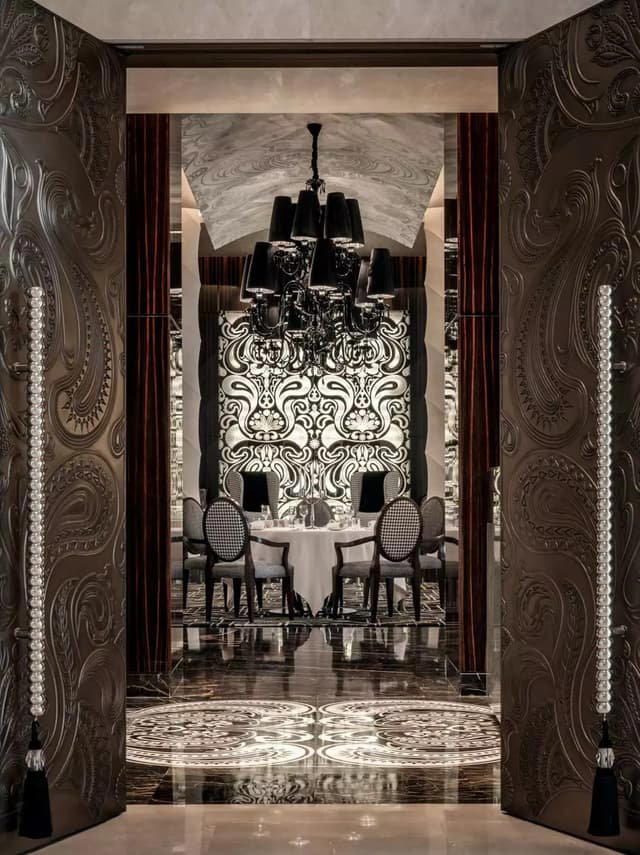
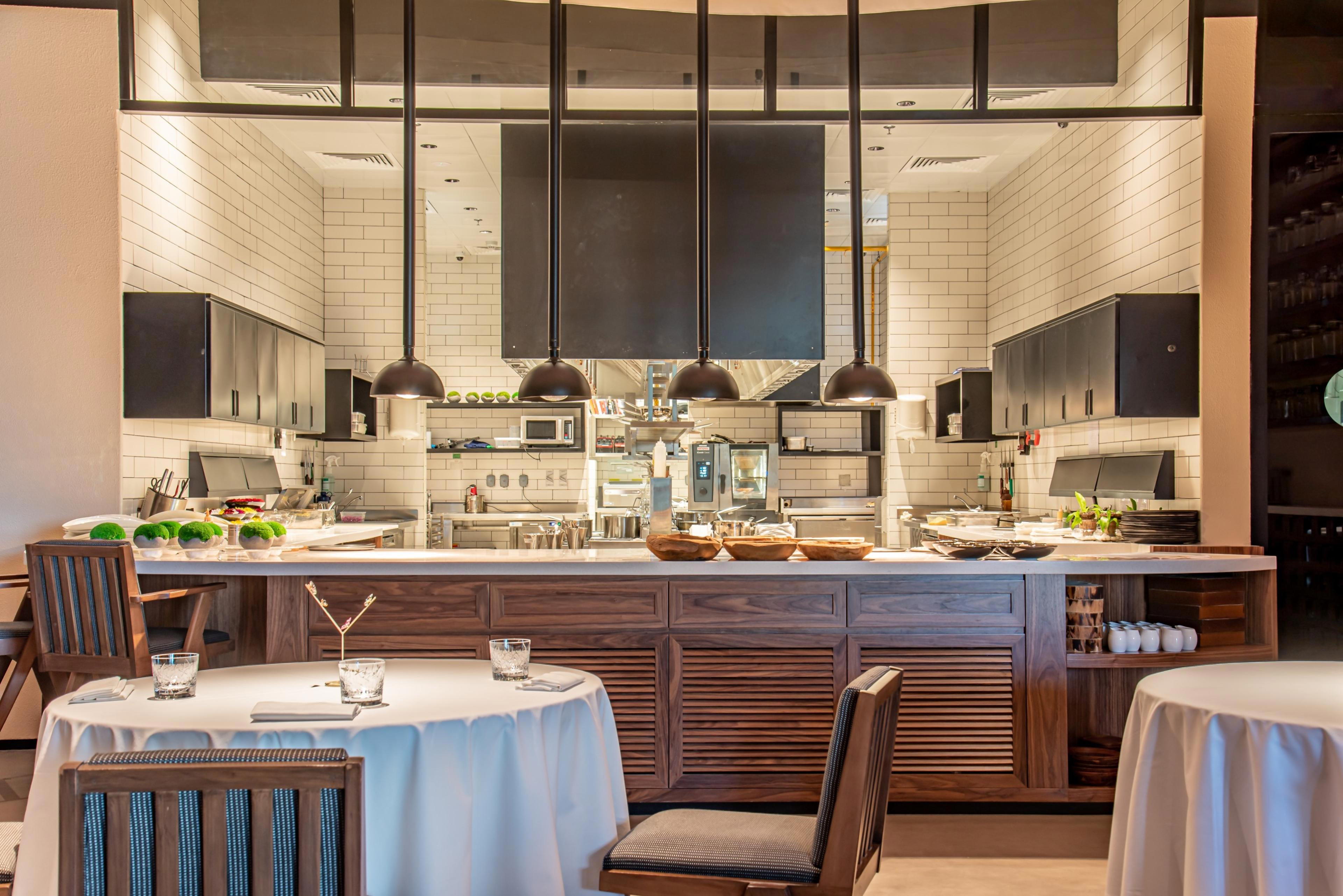
Bars in Dubai
All bars in Dubai →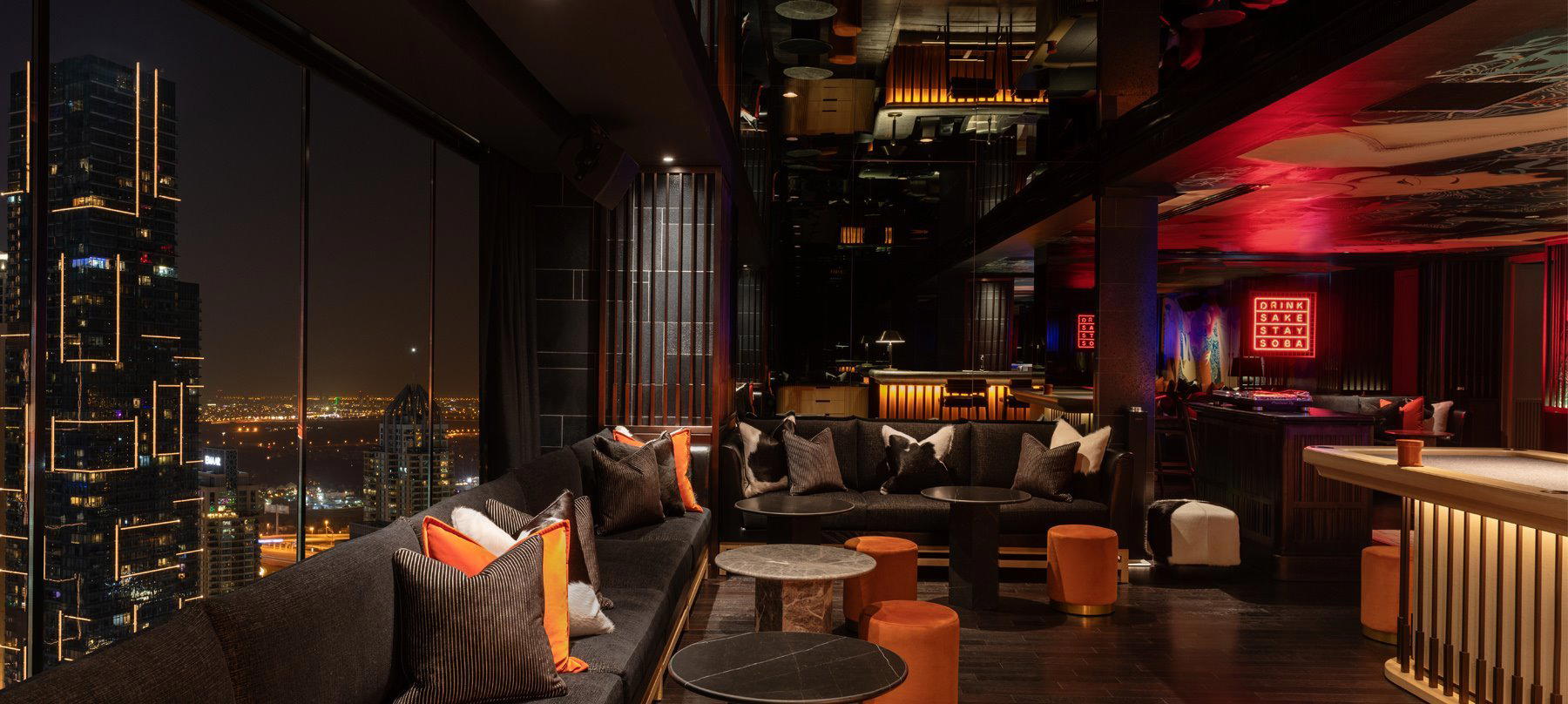
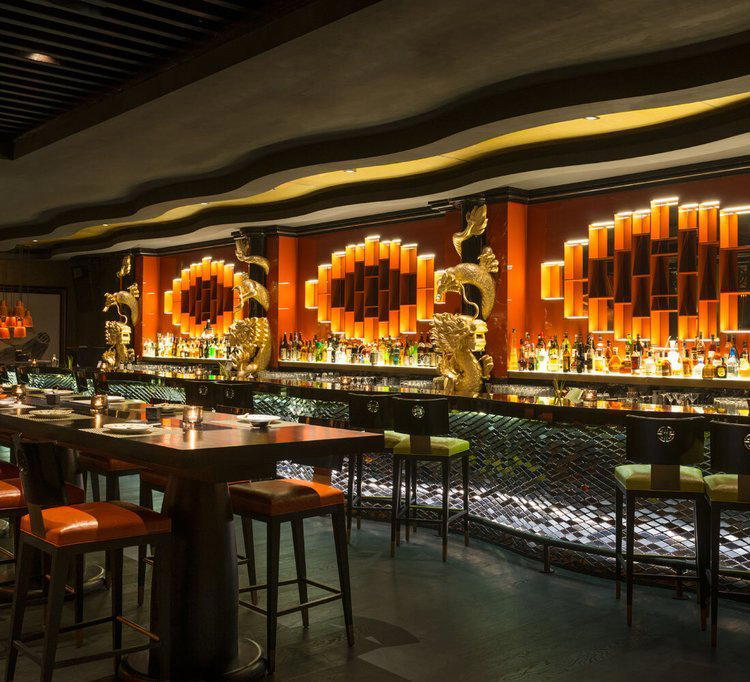
Details
- Elegant
- Scenic
- Romantic
- Sophisticated
- Cozy
- Date Night
- Group Dining
- Family
- Celebration
- Special Occasion
- Late Night
- Private Event
- Waterfront
- Garden
- Terrace
- Courtyard
- Design Destination
- Hotel Restaurant
- Private Dining
- Craft Cocktails
- Local Sourcing
- Waterfront
- Garden
- A La Carte
- Set Menu
- Small Plates
- Cocktails
- Shisha
- Wine
- Vegetarian Friendly
- Pescatarian Friendly
- Halal
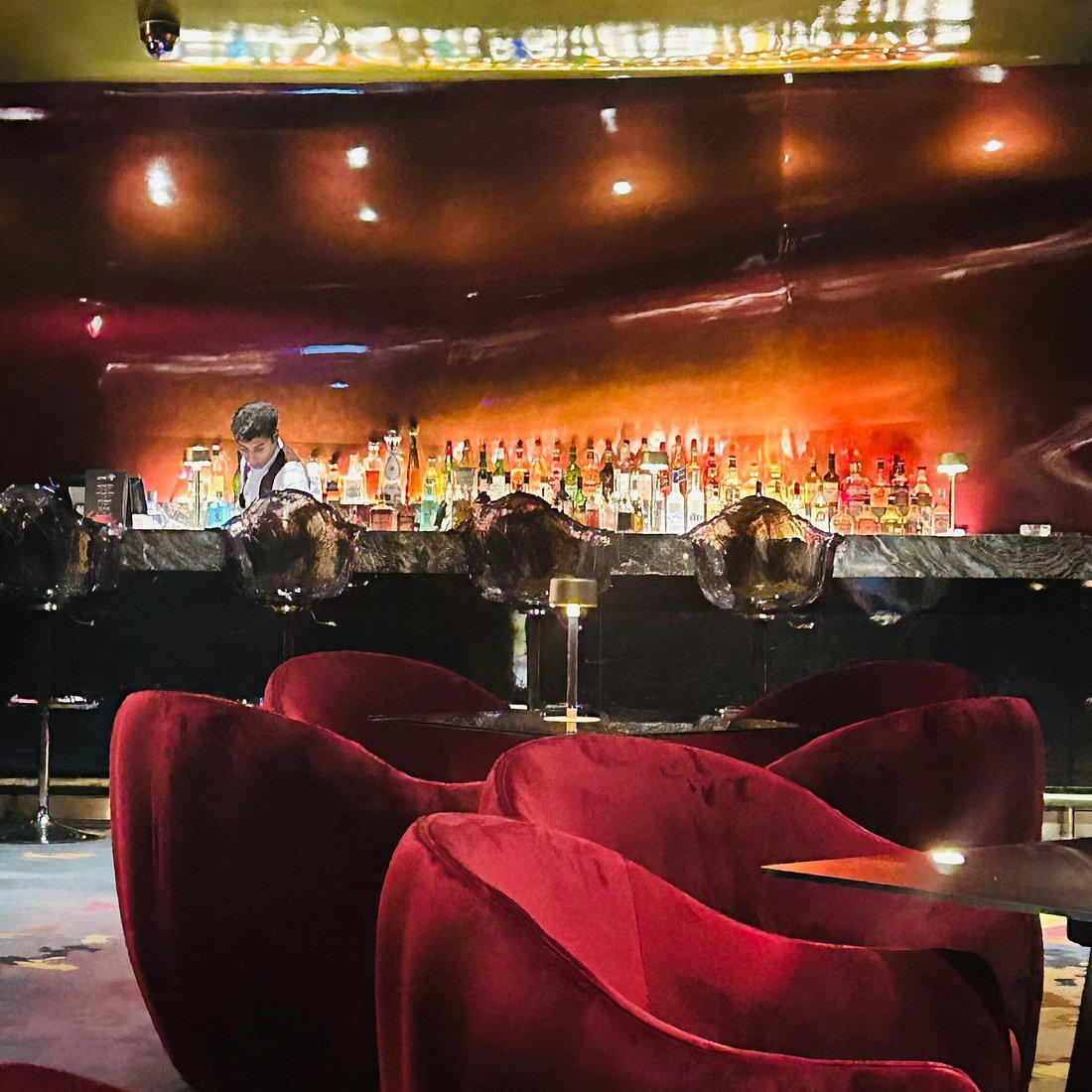
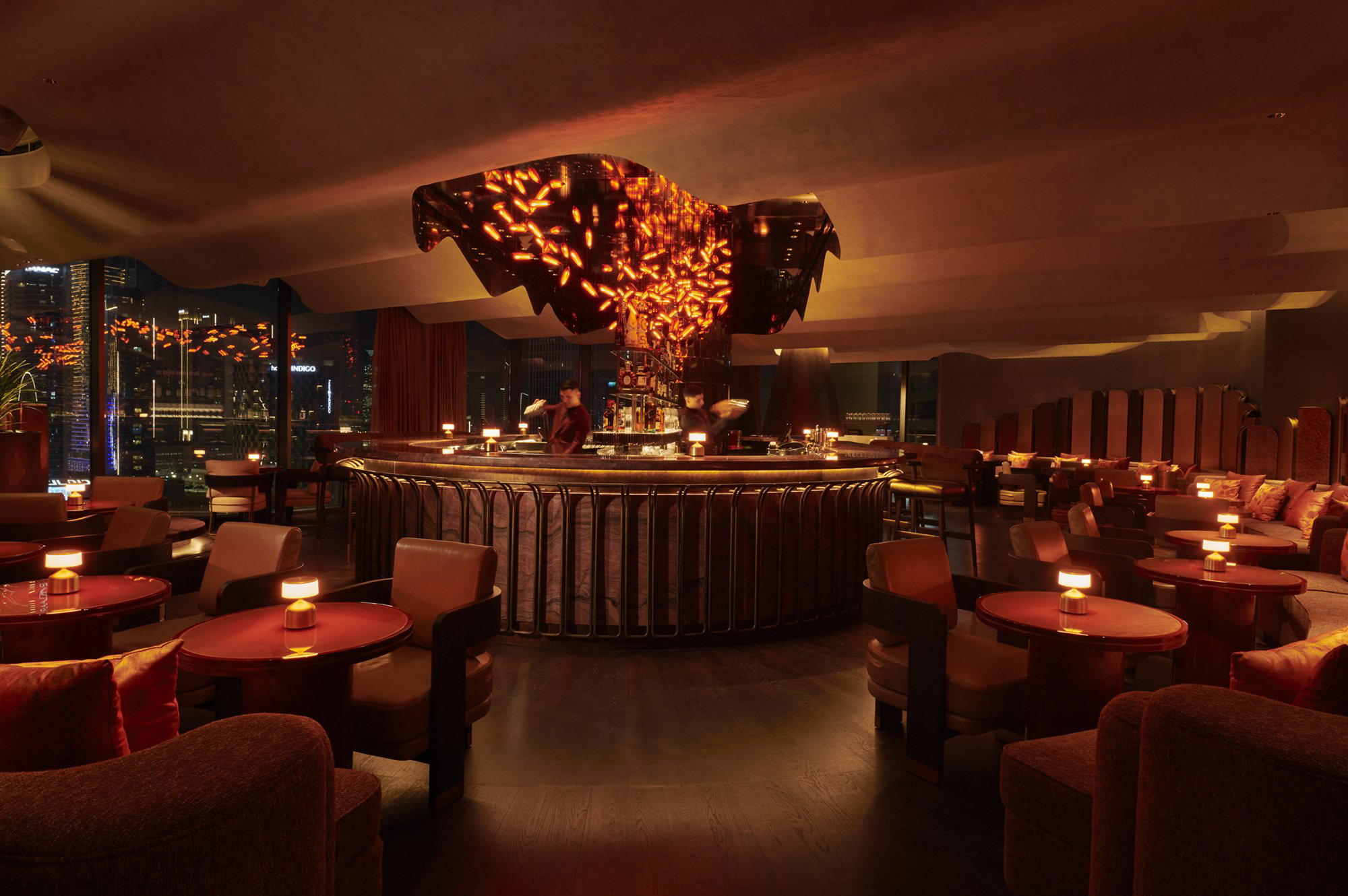
Chic, garden-like seaside setting with a relaxed but refined atmosphere, combining intimate alfresco seating, shisha lounge vibes, and polished hotel-restaurant service.