Our verdict
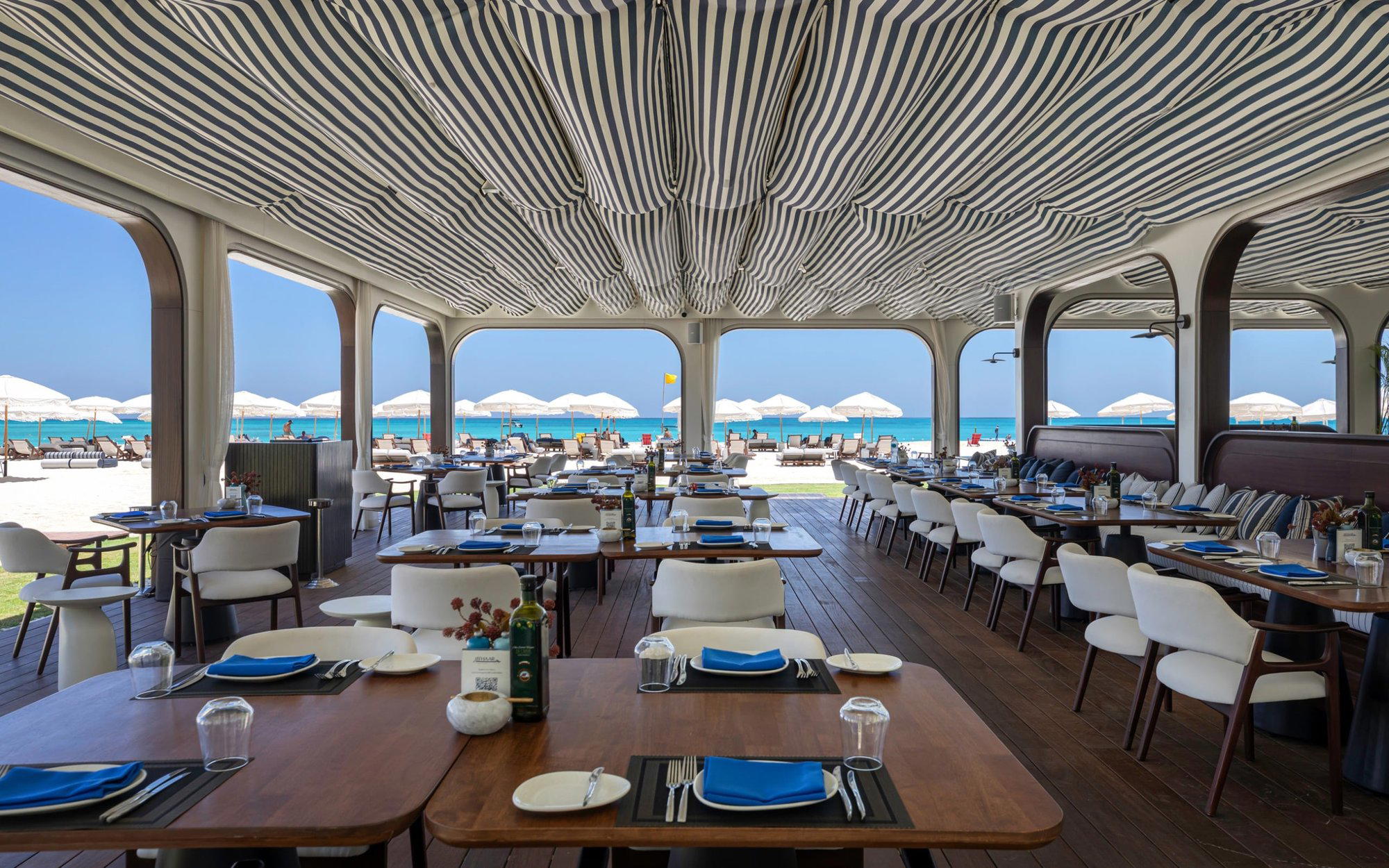
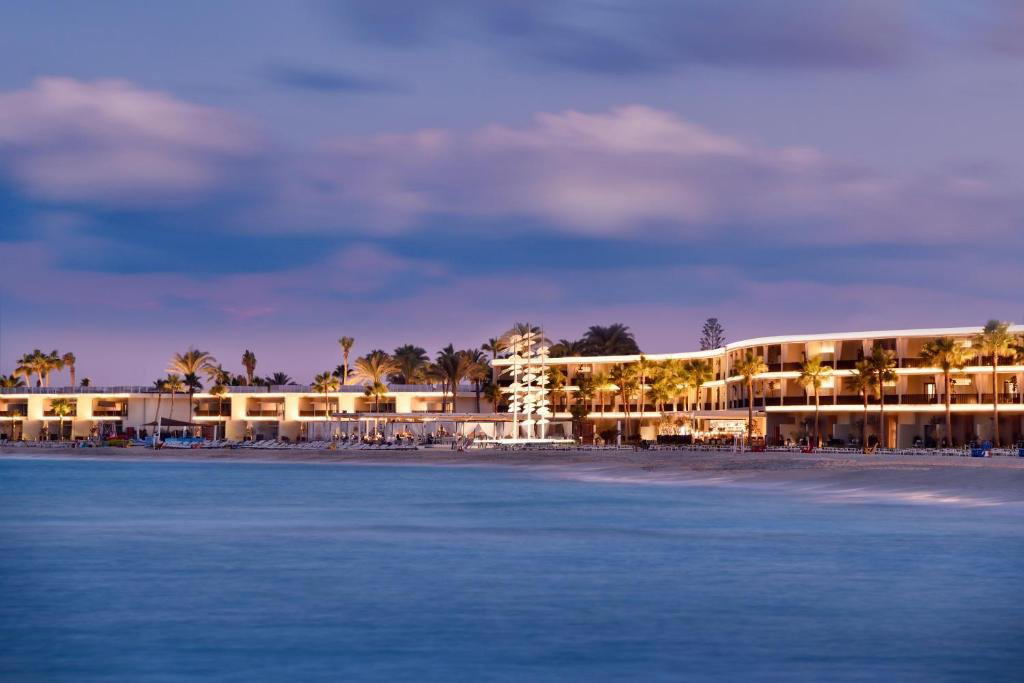
Blé sits in Marassi on Egypt’s North Coast, where resort dining is shaped by summer traffic, coastal produce routes, and a clientele moving between beach clubs, hotels, and late dinners. Treat it as part of Sidi Abd El Rahman’s seasonal restaurant circuit rather than a stand-alone destination: the appeal depends on timing, group needs, and how its kitchen handles freshness in a resort setting.

Pearl is the En Primeur Club membership app — saves, bookings, and concierge access live there. Same editors, same standards.
- Address
- Kilo 129, Marassi, Alexandria - Marsa Matrouh Rd, Egypt, El Alamein, Marsa Matrouh Governorate, Egypt
- Phone
- +20 46 4681717
- Website
- addresshotels.com
- Directions
- Get directions
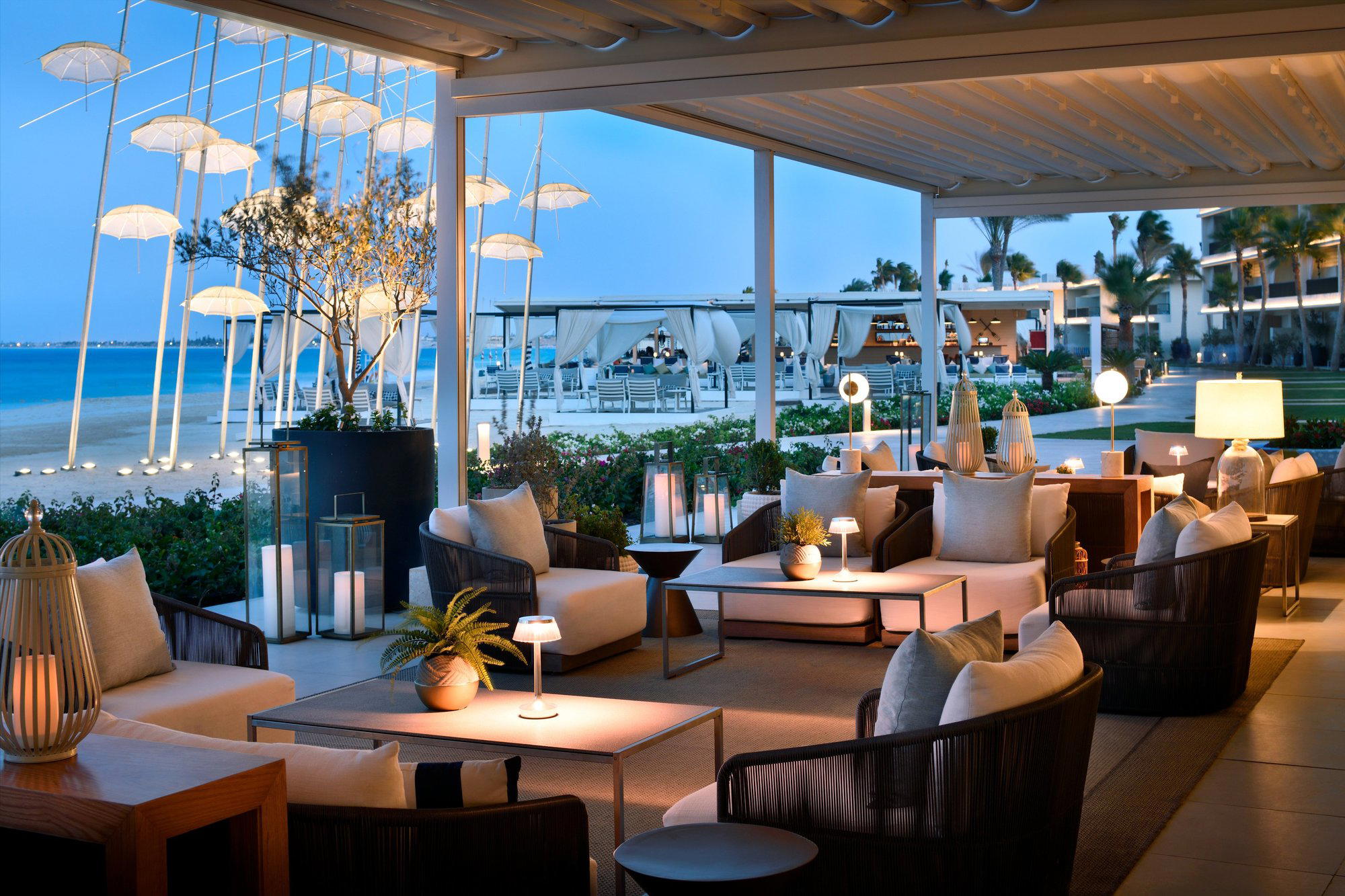
The approach to Sidi Abd El Rahman dining is defined less by a single street than by a summer rhythm: cars moving along the coast, families shifting from beach days to late dinners, and restaurants working within a resort market that compresses much of its demand into the North Coast season. Blé belongs to that Sidi Abd El Rahman circuit, where the central question is not only what a kitchen serves, but how well it handles sourcing, turnover, and consistency in a place built around peak-period volume.
North Coast dining is a supply-chain test before it is a style statement
Ingredient sourcing matters differently on Egypt’s Mediterranean coast than it does in Cairo. In the capital, a restaurant can lean on daily supplier density, permanent staffing, and year-round footfall. Around Sidi Abd El Rahman, seasonality changes the equation. Produce, seafood, bakery items, dairy, and imported goods all move through a resort corridor with sharp demand spikes, so a kitchen’s credibility rests on restraint: menus that suit the coast, preparations that travel through service without fatigue, and enough discipline to avoid pretending a beach-season restaurant can operate like a city dining room.
That context is useful when reading Blé against nearby names such as B'HAAR, Bay. Root, Nooraï, and Streats. The local set is less about formal tasting-menu hierarchy and more about occasion: family dinners, resort groups, late tables after the beach, and menus broad enough to satisfy mixed parties. Blé’s place in the category is best read through the North Coast brief itself: flexible dining formats carry weight in resort towns because they can work across different parts of the day without demanding a single formal occasion.
Sidi Abd El Rahman changes the restaurant brief
Sidi Abd El Rahman is not a neutral backdrop. It brings resort traffic, second-home owners, and visitors who may be comparing a North Coast meal with Cairo, Alexandria, or the Red Sea rather than with a single neighbourhood benchmark. That makes positioning more practical than ceremonial. A restaurant here has to read the table quickly: children, mixed diets, late arrivals, heat, and the post-beach appetite all shape the meal before any plate lands.
For readers mapping the wider scene, the Sidi Abd El Rahman cluster is better understood alongside the city’s broader hospitality rails: Our full Sidi Abd El Rahman restaurants guide, Our full Sidi Abd El Rahman hotels guide, Our full Sidi Abd El Rahman bars guide, Our full Sidi Abd El Rahman wineries guide, and Our full Sidi Abd El Rahman experiences guide. The point is pattern recognition. Restaurants on this strip often function as part of a full-day itinerary rather than a single-purpose dinner booking.
How to place it within Egypt's broader dining map
Egypt’s restaurant culture is split across several registers: polished hotel dining, old-family grill institutions, coastal resort rooms, Nile-facing heritage formats, and casual urban counters. Blé sits in the coastal-resort lane, so comparisons with Cairo or Luxor should be about function, not hierarchy. A formal city dining room answers a different brief from a family table on the North Coast. The same applies to other Egyptian dining rooms where heritage, grill culture, or urban dining habits drive the meal.
Coastal and resort comparisons are more instructive for service expectations. Other dining rooms in seaside, city, or hotel settings show how location changes the restaurant contract: sea, city, or resort context alters pace, sourcing, and guest expectation. International comparisons underline the same principle at a different scale: format matters, and a venue should be judged against the job it is built to perform.
The editorial read is simple. Blé is relevant for readers planning around Sidi Abd El Rahman rather than chasing unsupported chef-led mythology. Go in with North Coast expectations: seasonality, group flexibility, and ingredient handling matter more than ceremony. In Sidi Abd El Rahman, that is often the difference between a restaurant that merely fills a resort slot and one that makes sense within the day’s rhythm.
Frequently asked questions
Is Blé good for families?
Blé is in Sidi Abd El Rahman, where family groups are common. The North Coast setting suits mixed-age dining more naturally than a city-center room.
What kind of setting is Blé?
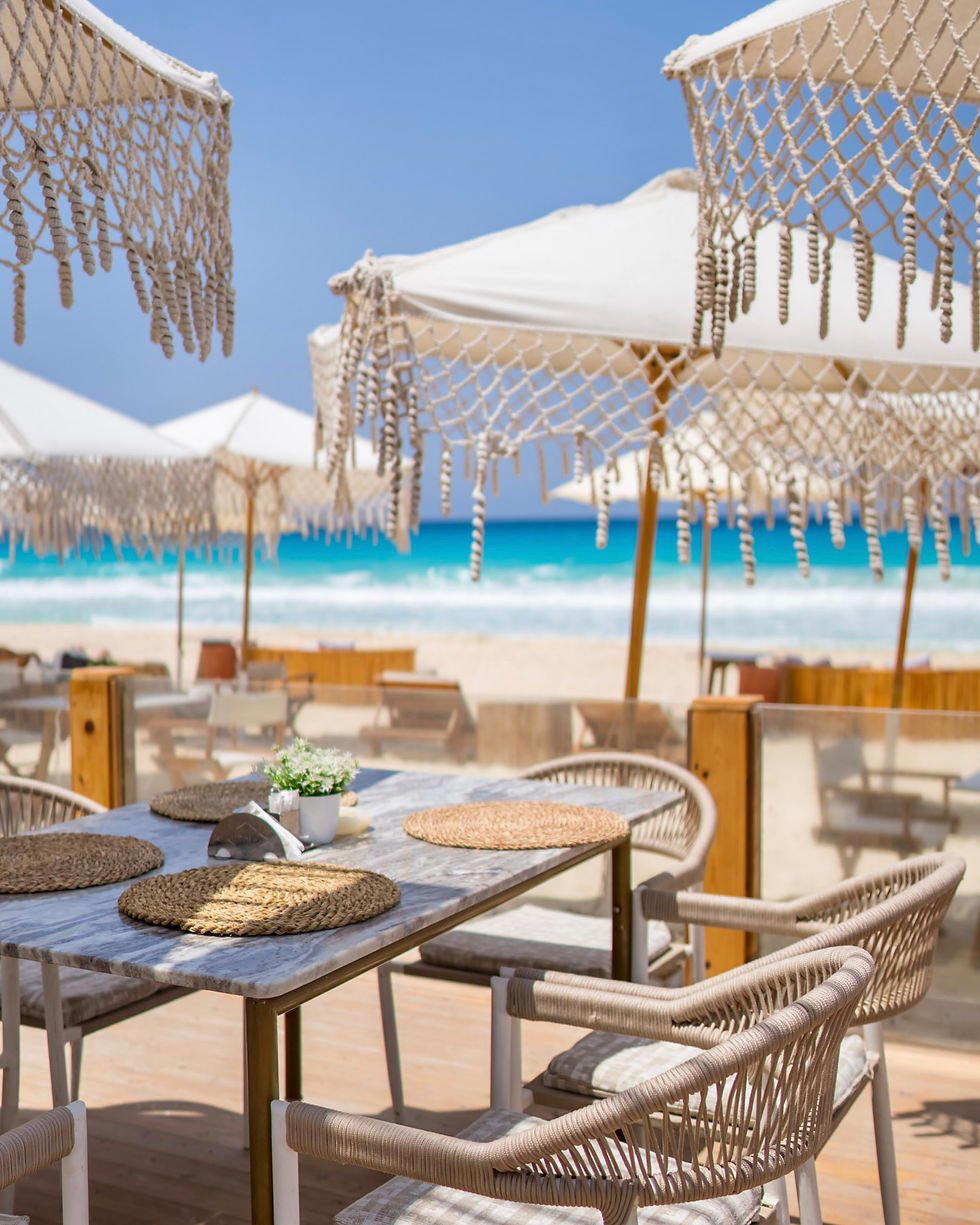
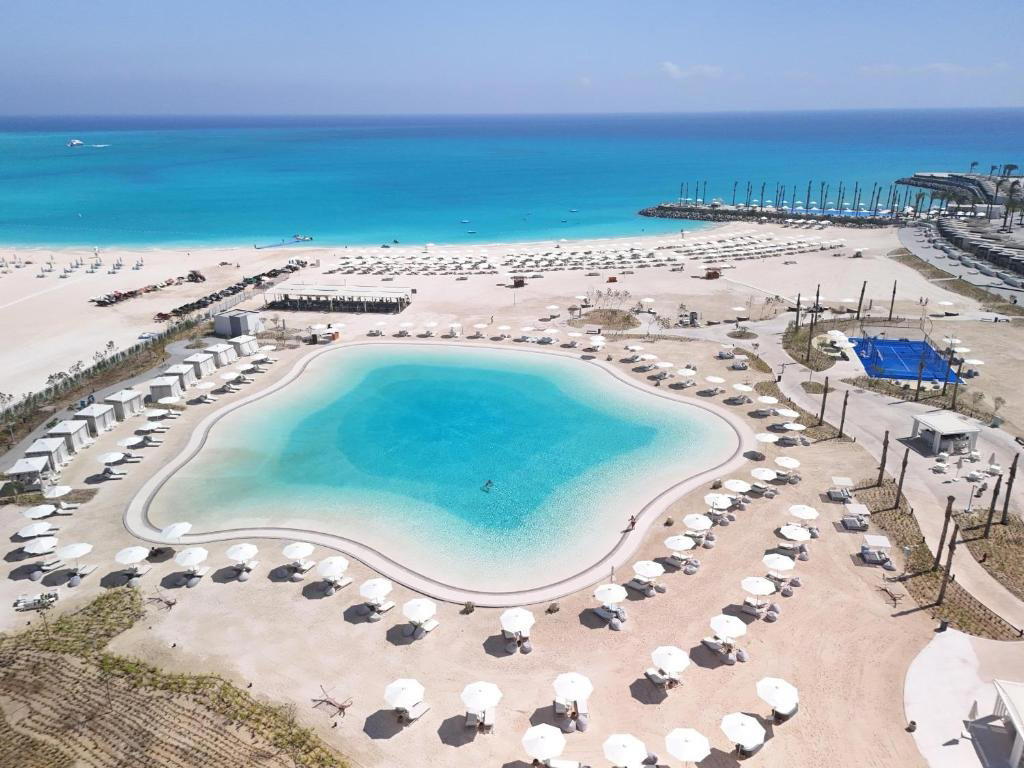
Blé sits in Sidi Abd El Rahman, so the setting is resort-led rather than urban. The location puts it inside the North Coast holiday circuit.
What's Blé's location?
Sidi Abd El Rahman.
How hard is it to get a table at Blé?
Table demand is likely tied to North Coast traffic because Blé is set in Sidi Abd El Rahman. Peak weekends and holiday periods tend to carry the most pressure in that part of the coast.
What is Blé known for?
Blé is identified above all by its Sidi Abd El Rahman setting. That places it within Egypt’s North Coast resort dining scene.
Can Blé handle vegetarian requests?
In the North Coast context, the practical reference point is the location itself: Sidi Abd El Rahman.
At-a-Glance Comparison
Comparable venues by cuisine and price in the same metro.
Continue exploring
More in Sidi Abd El Rahman
Restaurants in Sidi Abd El Rahman
Browse all →

Bars in Sidi Abd El Rahman
Browse all →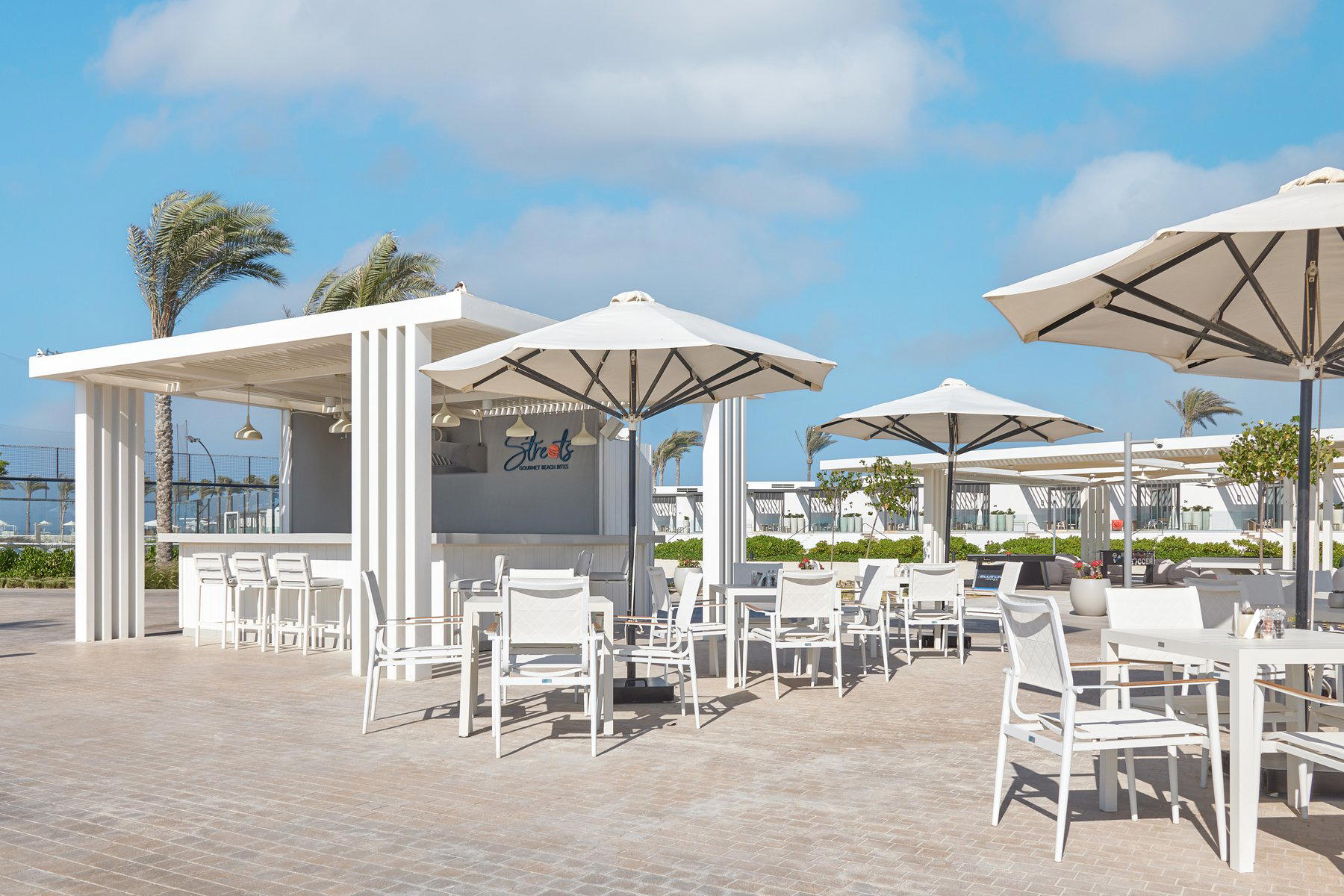
Details
- Hotel Restaurant