Our verdict
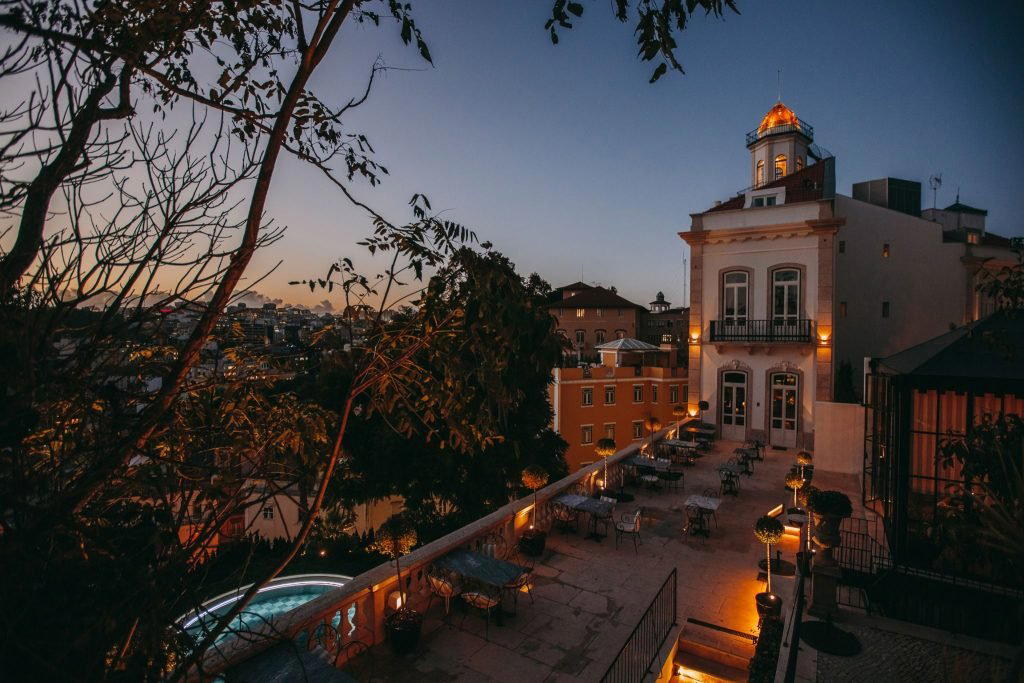
Black Pavilion places a restaurant inside Lisbon’s hotel-dining conversation, where setting and menu architecture matter as much as category labels. Inside Torel Palace Lisbon, it belongs to the city’s smaller-format end of the scene, useful for readers comparing palace-hotel dining with creative counters, Portuguese classics, and design-led restaurants across the centre.

Pearl is the En Primeur Club membership app, where members save venues, book tables and use the concierge.
The menu
What to order
- Veal tartar with truffle
- Octopus carpaccio
- Salmon gravlax with beetroot and apple salad
Approaching Black Pavilion means entering the quieter side of Lisbon’s central hospitality circuit: not the street-level tasca rhythm of the city, and not the open theatre of the city’s creative counters, but the more controlled atmosphere of a restaurant set inside a hotel address. That context matters. Lisbon has been splitting into several dining tracks at once: ambitious tasting-menu rooms, polished hotel restaurants, seafood houses built around product, and casual petiscos counters where the format is looser and the spend is easier to read. Black Pavilion belongs to the hotel-restaurant track, where the room is part of the meal’s architecture and the menu has to justify itself beyond convenience for overnight guests.
A hotel dining room in a city moving beyond hotel dining clichés
Lisbon’s better hotel restaurants now compete with independent dining rooms rather than living off captive guest traffic. That shift has changed expectations. A restaurant inside a hotel has to do more than offer a safe dinner near the lift; it needs a point of view on pacing, portioning, wine service, and how much Portuguese reference it wants to show. Black Pavilion’s hotel setting places it in that conversation, where atmosphere arrives before the first course and where the room itself frames the evening.
The useful comparison is not with every restaurant in Lisbon, but with the city’s different formats. 2Monkeys represents the creative, high-commitment end of the spectrum; other Lisbon dining rooms sit in the city’s modern Portuguese and creative lane; and luxury hotel restaurants add another reference point within the capital’s dining field. Against those, Black Pavilion reads less as a destination built around a public chef narrative and more as a room where menu structure, setting, and hospitality tempo carry the argument.
Menu architecture matters more than labels here
When a restaurant does not trade publicly on a single cuisine label, the relevant question is how the menu is built. Lisbon diners now read format quickly: a tasting menu signals time and commitment; à la carte suggests flexibility; petiscos invite grazing; seafood-led restaurants foreground product and season. Black Pavilion’s editorial interest sits in that middle zone where the menu’s sequencing becomes the story. A hotel restaurant in this tier has to handle multiple use cases: a full evening meal, a composed dinner before or after a cultural booking, and a table for travellers who want Lisbon context without committing to a highly technical counter format.
That is a harder brief than it sounds. Lisbon’s classic dining identity still leans on cod, shellfish, rice dishes, grilled fish, and pork-rich regional cooking, while the newer creative rooms use fermentation, tasting-menu pacing, and international technique to reframe Portuguese references. A restaurant in a palace-hotel environment can either flatten that tension into generic luxury or use structure to make the meal feel local without turning it into a checklist. The distinction is visible in how menus present choice: whether starters read as snacks or formal openings, whether mains anchor the table, whether dessert is treated as a finish rather than an afterthought, and whether wine supports Portuguese producers rather than defaulting to international safe bets.
For readers mapping Lisbon by style, alternatives help sharpen the choice. Some polished city-centre restaurants serve hotel and business traffic, while more casual Portuguese small-plates rooms point toward a looser grammar. Solar dos Presuntos and Bonjardim, both long associated with traditional Lisbon eating, show the enduring pull of unfussy local formats. Black Pavilion sits apart from that register, not because it rejects Portuguese context, but because its frame is quieter, more composed, and more dependent on the relationship between room and sequence.
How to place it in a Lisbon itinerary
Black Pavilion makes sense for a Lisbon evening when the decision is less about collecting trophy bookings and more about matching setting to pace. The restaurant’s hotel context puts it within the city’s hotel-dining network rather than the late-night bar circuit or the market-adjacent casual scene. That makes it better suited to a planned dinner than an improvised crawl, especially for travellers comparing restaurant-led hotels with independent dining rooms across the city.
Use it as a lens on Lisbon’s current range rather than as a stand-alone trophy booking. For a broader read on the city, compare it with our full Lisbon restaurants guide, then widen the trip planning through our full Lisbon hotels guide, our full Lisbon bars guide, our full Lisbon wineries guide, and our full Lisbon experiences guide. Portugal’s restaurant map also changes sharply outside the capital, where northern hotel dining, wine-country restaurants, coastal addresses, and regional rooms can all change the brief. For a different international comparison in compact-format eating and drinking, look to small-format bars and casual specialist counters abroad as a reminder that format often tells the diner more than adjectives do.
Frequently asked questions
Where is Black Pavilion in Lisbon?
Black Pavilion is in Lisbon.
Can I walk in to Black Pavilion?
Black Pavilion reads as a hotel dining room rather than a stand-alone walk-in address. For a Lisbon dinner, planning ahead is the safer approach.
What is Black Pavilion known for?
Black Pavilion is known for its hotel-dining-room profile in Lisbon, which is the main context available here.
Is Black Pavilion allergy-friendly?
For allergy requests, contact the team before dining. That lets the kitchen confirm ingredients and handling directly for a meal in Lisbon.
Where the Accolades Land
Comparable venues by cuisine and price in the same metro.
| Venue | Cuisine | Price | Awards |
|---|---|---|---|
| Black PavilionThis venue (the venue you are viewing) | Seasonal Mediterranean comfort food with a fine-dining touch | $30–50 | Not listed |
| 2Monkeys | Modern European Contemporary with Portuguese Flavors | $200–300 | 1 Michelin Star · Falstaff Restaurant - 93 Falstaff Points |
| Condes de Ericeira Restaurant | Portuguese Market Cuisine with Mediterranean Influence | $50–100 | Not listed |
| Casa de Dura | Mexican Tacos | Not listed | Not listed |
| Solar dos Presuntos | Traditional Portuguese | $50–100 | Star Wine List |
| Bonjardim | Portuguese Roast Chicken (Frango Assado) | $10–20 | Not listed |
Continue exploring
More in Lisbon
Restaurants in Lisbon
All restaurants in Lisbon →
Bars in Lisbon
All bars in Lisbon →

Details
- Scenic
- Elegant
- Modern
- Cozy
- Sophisticated
- Date Night
- Business Dinner
- Group Dining
- Special Occasion
- Celebration
- After Work
- Rooftop
- Garden
- Terrace
- Panoramic View
- Hotel Restaurant
- Design Destination
- Private Dining
- Craft Cocktails
- Extensive Wine List
- Local Sourcing
- Farm To Table
- Skyline
- Garden
- A La Carte
- Tasting Menu
- Cocktails
- Wine
- Vegetarian Friendly
- Vegan Options
Current opening hours
- Monday
- 12:30 PM–12 AM
- Tuesday
- 12:30 PM–12 AM
- Wednesday
- 12:30 PM–12 AM
- Thursday
- 12:30 PM–12 AM
- Friday
- 12:30 PM–12 AM
- Saturday
- 12:30 PM–12 AM
- Sunday
- 12:30 PM–12 AM
Hours can change for holidays and private events. Hours as of .
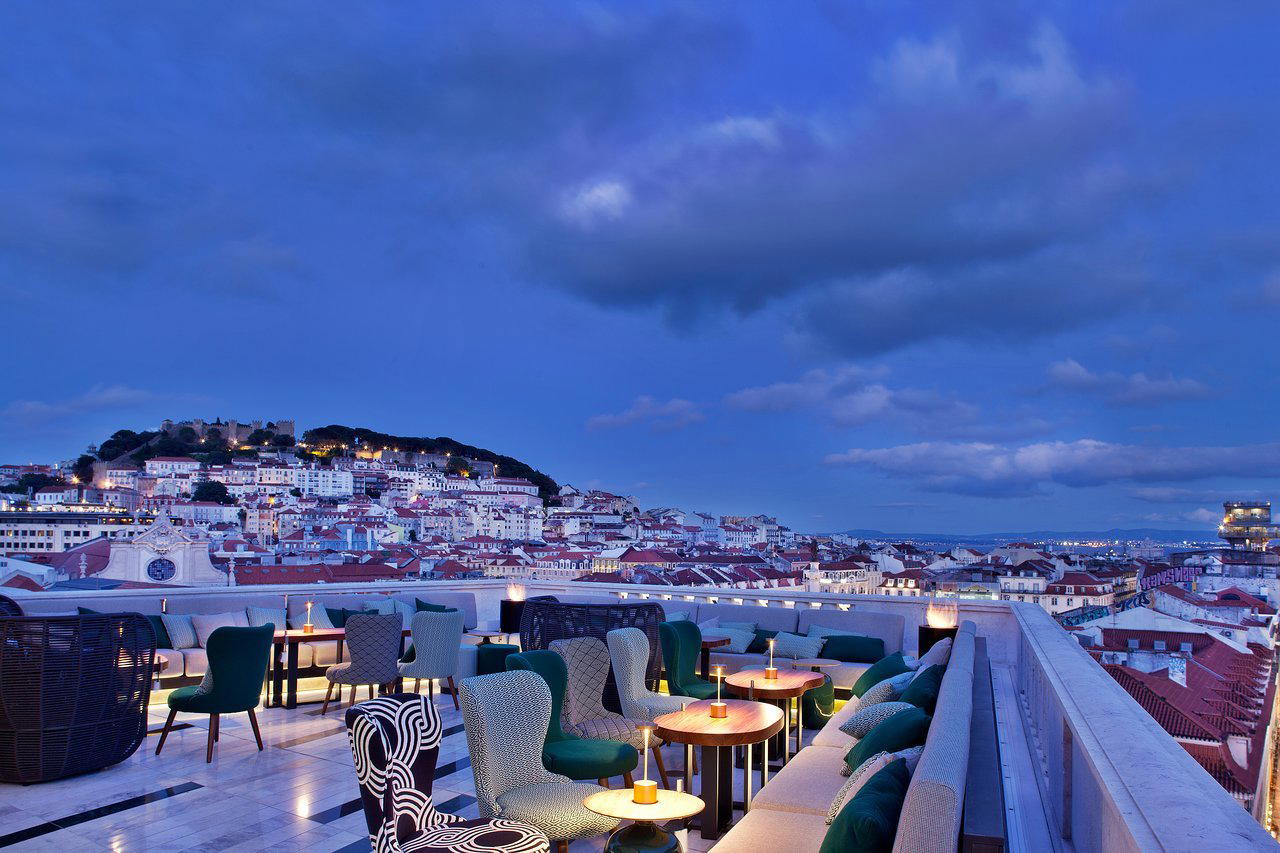
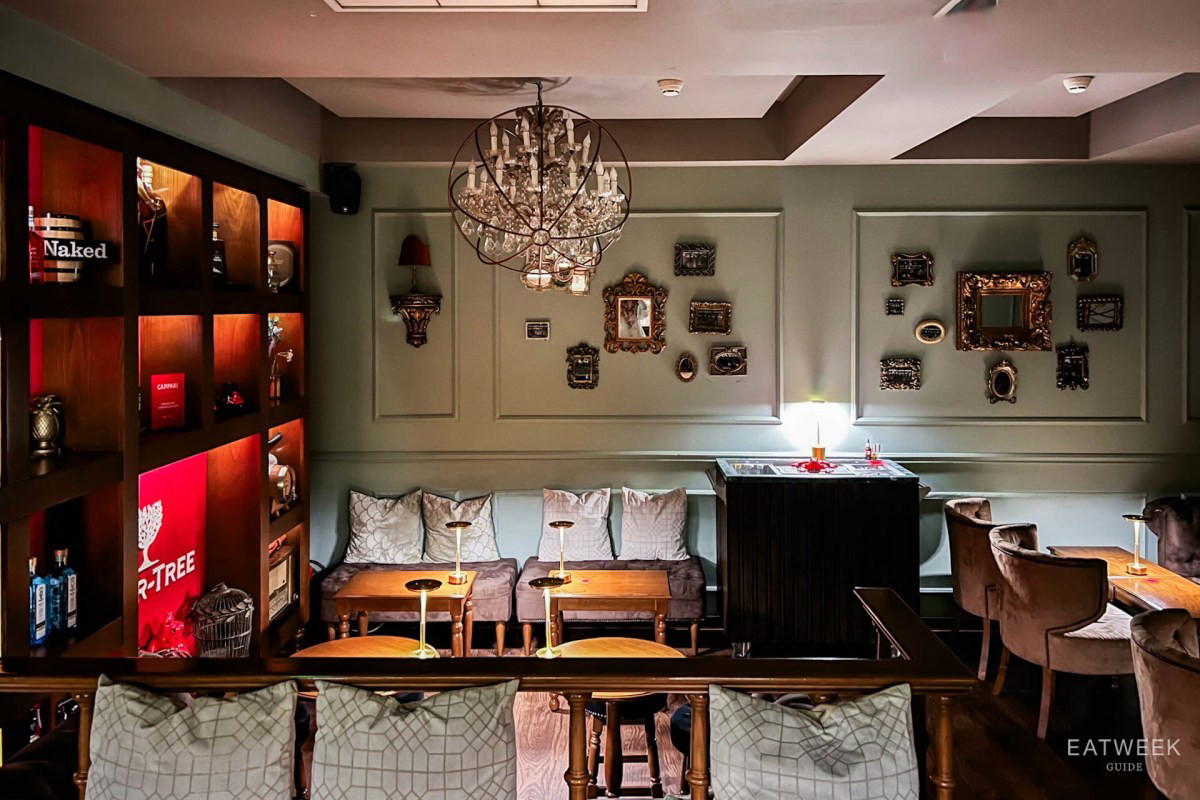
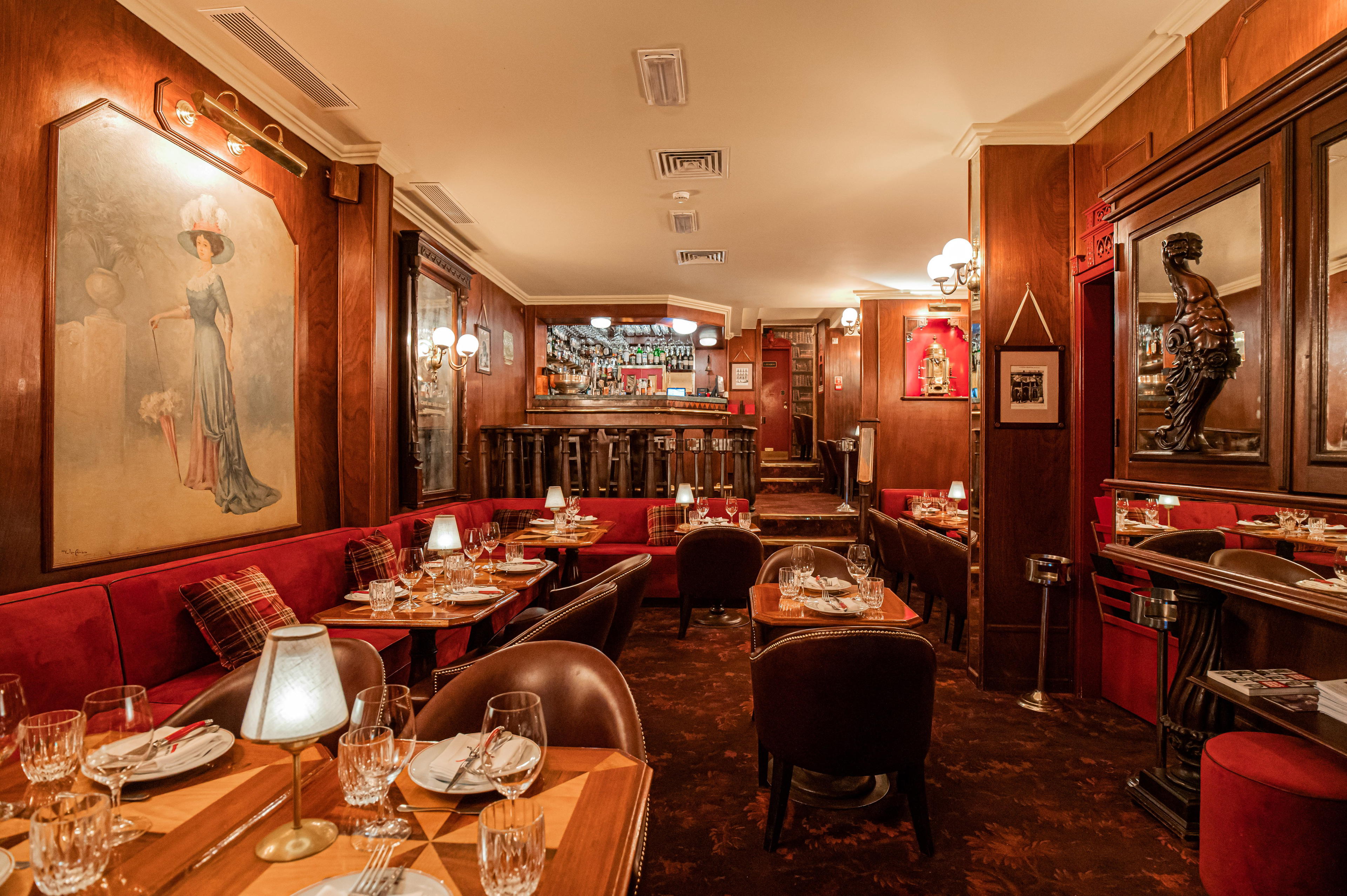
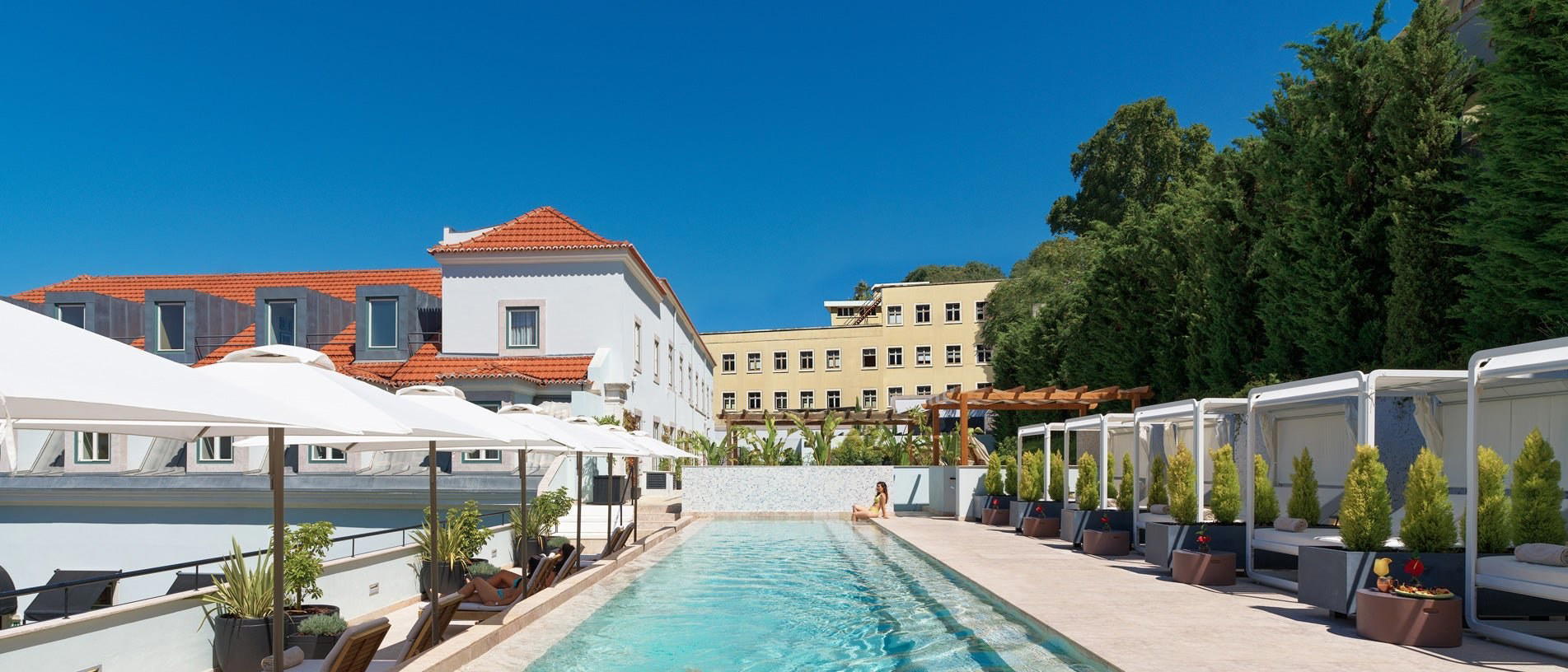
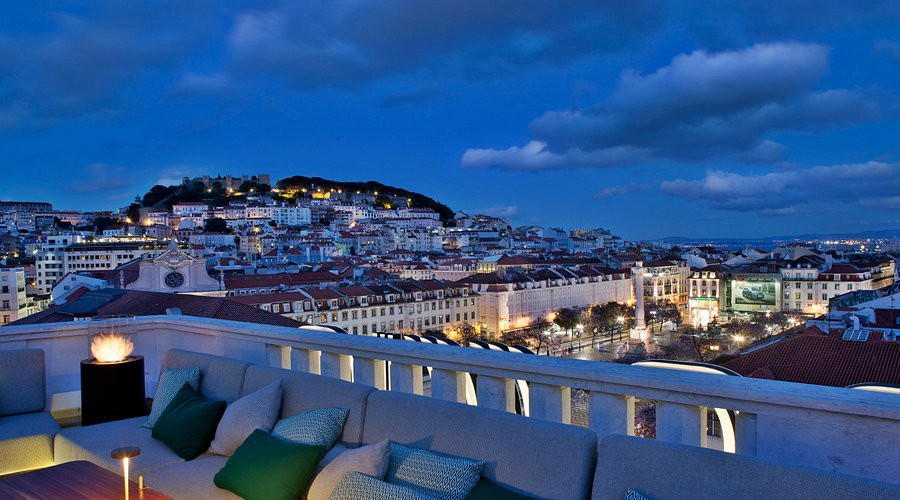
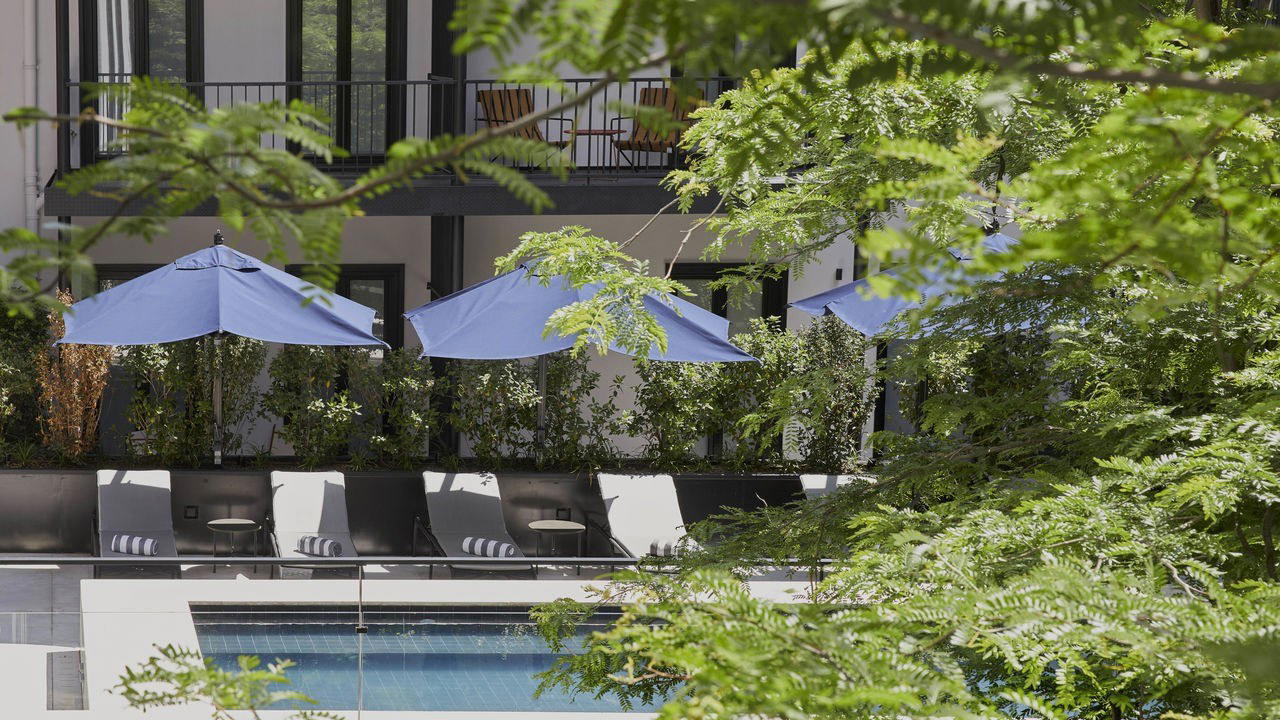
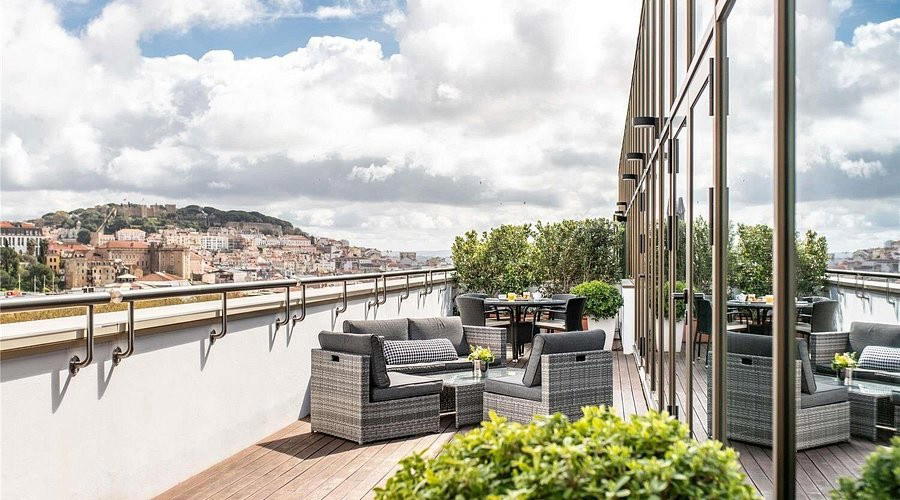
An elegant yet relaxed setting combining a glass-and-steel winter garden, lush terrace, and cozy bar, with panoramic city views that create a refined but comfortable atmosphere for lingering meals.