Bistrot Kulm
Bistrot Kulm belongs to Maloja’s high-valley dining rhythm, where altitude, weather, and cross-border Alpine habits shape the meal as much as any formal cuisine label. The appeal is less about ceremony than placement: a Bregaglia address in a mountain village where practical, ingredient-led cooking makes sense before or after time outdoors.
Pearl is the En Primeur Club membership app — saves, bookings, and concierge access live there. Same editors, same standards.
- Address
- 7516 Bregaglia, Switzerland (In front of the building)
- Directions
- Get directions
 Saves & bookings on Pearl
Approaching a dining room in Maloja is rarely a neutral act. The village sits high in a mountain passage, where stone, larch, wind, and road traffic create a sharper sense of place than resort gloss. Bistrot Kulm fits that setting: not a destination built around spectacle, but a mountain-table address whose logic begins with altitude and locality.
In this part of Switzerland, ingredient context is not an abstract virtue. Short seasons, local habits, and cross-border travel patterns all shape what feels natural around the table. The smarter reading of a Maloja bistro is therefore not to ask whether it behaves like a city restaurant, but whether it understands the scale of the village around it. Bistrot Kulm is strongest as part of that context, where the meal should feel connected to weather, walking routes, and the practical appetite of a mountain day.
Alpine sourcing matters more here than menu theater
Maloja occupies a particular mountain seam. It is Swiss, but not culturally sealed off from nearby influences; Alpine, but not identical to the dining found in larger resort towns. The area’s food culture is built from durable mountain habits, regional comfort, and the cross-border feeling of roads through the high valley. A bistro in this village has little need for overworked presentation when the setting already gives the kitchen a clear brief.
That is the useful frame for Bistrot Kulm. Rather than leaning on unsupported chef or menu claims, the reader should judge it within the village’s everyday dining field rather than against tasting-menu rooms elsewhere in Switzerland. Nearby options such as Restaurant Maloja Kulm and Stüa Colani help map the local range: Maloja dining tends to be compact, seasonal in mood, and shaped by hotel traffic, walkers, skiers, and drivers crossing the area. The point is not abundance; it is fit.
That fit matters because mountain restaurants often fail when they try to perform urban luxury in a place that rewards directness. The stronger model is grounded, not plain: a confident sense of place, unfussy pacing, and a table that can move between lunch practicality and evening warmth without losing the village’s accent. In Maloja, that can be more persuasive than a long list of imported luxuries.
The room belongs to Maloja's slower dining tempo
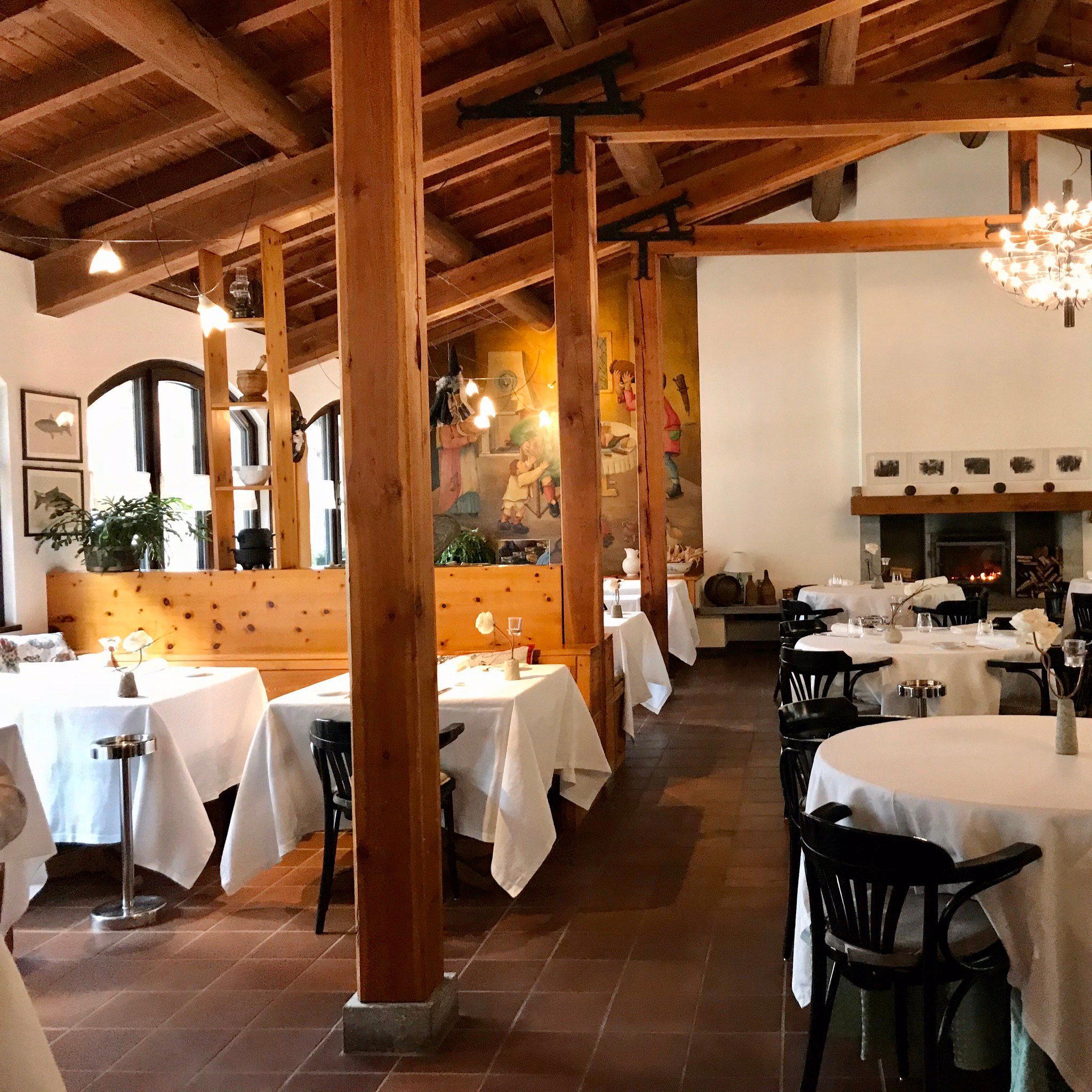
The atmosphere to expect is governed by the village before it is governed by any interior detail. Maloja is quieter than grander resort addresses, less performative than more famous Swiss destinations, and more exposed to the everyday rhythms of transit, weather, and outdoor plans. A meal here usually sits around the day rather than replacing it: after a walk, before a road crossing, or as a low-key evening anchor when the village slows down.
That makes Bistrot Kulm a sensible choice for readers who prefer a meal rooted in place over a heavily staged format. Expectations should be calibrated to the information available rather than inflated by unsupported claims. The editorial case rests on context: a bistro in a small Swiss mountain village, useful for understanding how Maloja dining operates at ground level. For more formal benchmarking across Switzerland, the contrast is clear when set against larger city or resort dining rooms, where the brief is shaped by a different scale of hospitality.
The better comparison is local and practical. Maloja is not a city with endless fallback tables; it is a small village where dining plans benefit from intention, especially during ski periods, summer walking season, and weekends. Readers building a trip should scan our full Maloja restaurants guide alongside our full Maloja hotels guide, because meal planning and lodging tend to interact more tightly in mountain villages than in large urban markets.
Where it sits in a wider Swiss itinerary
For a Switzerland itinerary, Bistrot Kulm works as a place-context stop rather than a trophy reservation. That distinction is useful. In larger Swiss cities and better-known resort towns, restaurant choice often revolves around design, wine programs, chef reputation, and urban competition. In Maloja, the sharper question is whether the table serves the rhythm of the village. Travelers comparing across regions can look at other Swiss dining rooms generically to see how the country’s restaurant culture changes by altitude, audience, and format.
The broader planning point is simple: Maloja rewards travelers who think beyond the plate. Bars, wineries, and experiences are thinner categories here than in larger cities, but they still help define how much time to allocate. Use our full Maloja bars guide, our full Maloja wineries guide, and our full Maloja experiences guide to decide whether the village is a lunch stop, an overnight pause, or a slower base. For readers extending beyond Switzerland, contrast the direct Alpine model here with more specialized dining and drinking formats elsewhere, where category focus rather than mountain context drives the decision.
Continue exploring
More in Maloja
Restaurants in Maloja
Browse all →
Bars in Maloja
Browse all →

Hotels in Maloja
Browse all →

At a Glance
- Cozy
- Rustic
- Scenic
- Casual
- Casual Hangout
- After Work
- Solo
- Family
- Group Dining
- Panoramic View
- Hotel Restaurant
- Terrace
- Beer Program
- Local Sourcing
- Mountain
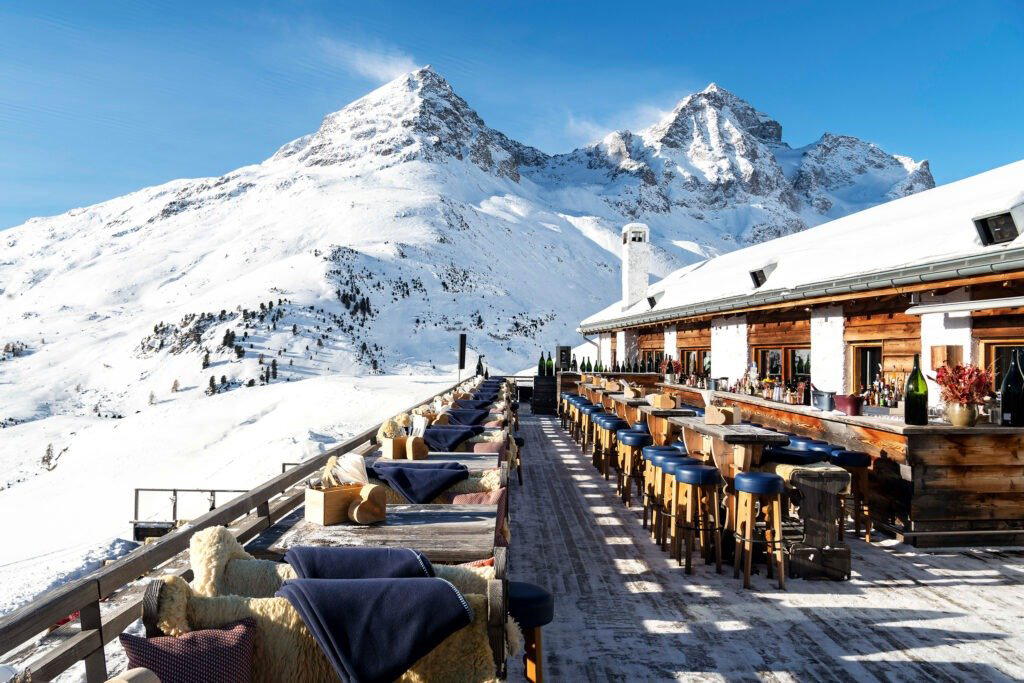
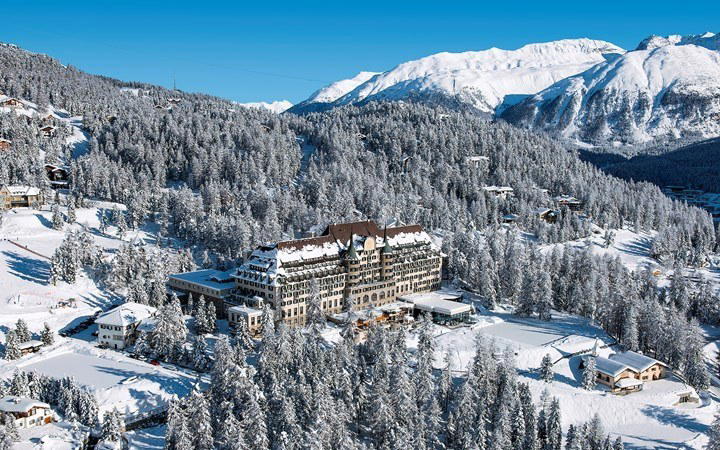
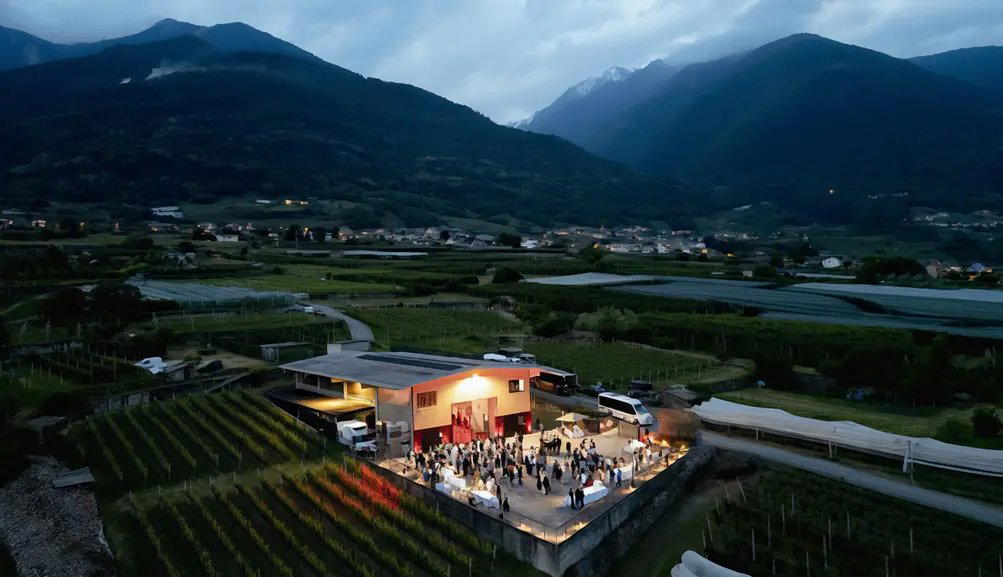
Casual and relaxed kiosk atmosphere geared to hikers and passers‑by, with an alpine, outdoorsy feel and views toward the Engadine valley and surrounding mountains.
Know Before You Go
- Reservations
- Walk in friendly
- Dress code
- Casual
- Getting there
- 7516 Bregaglia, Switzerland (In front of the building)