Barefoot Grill
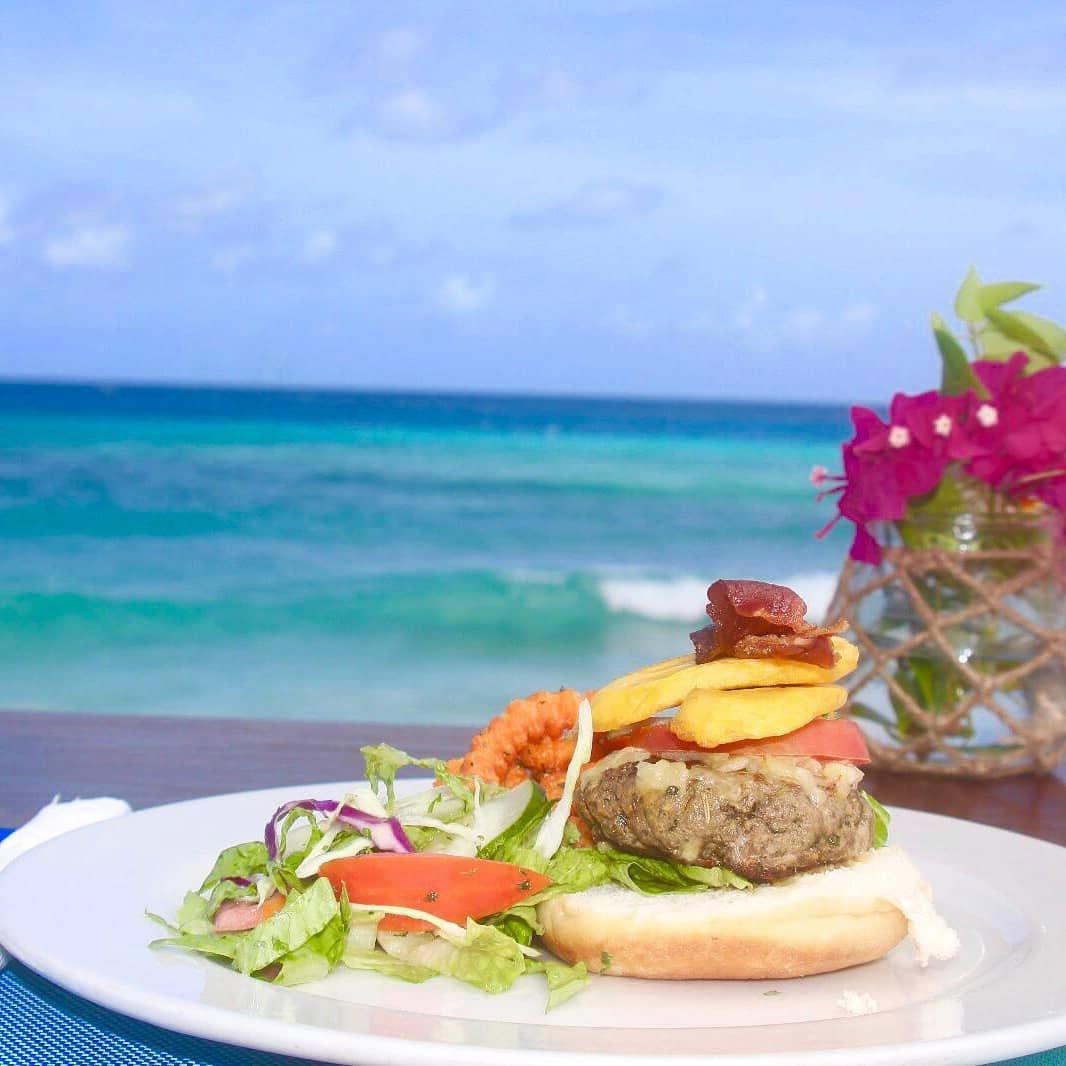
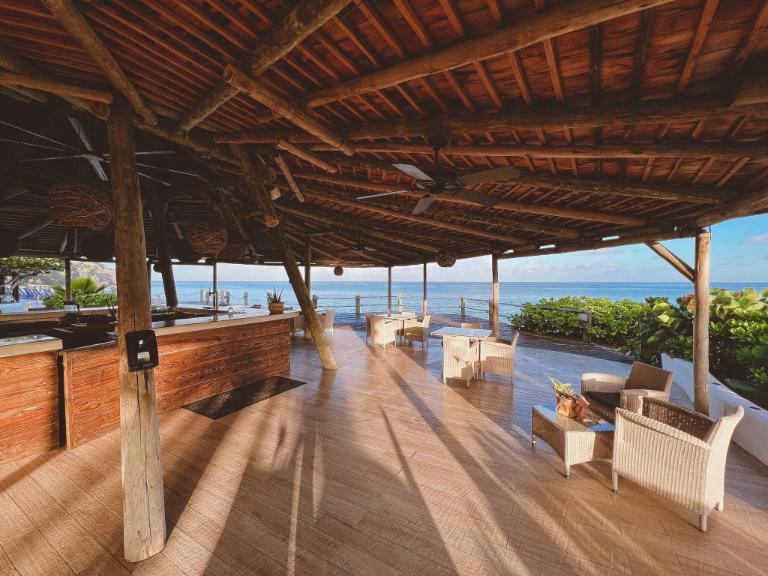
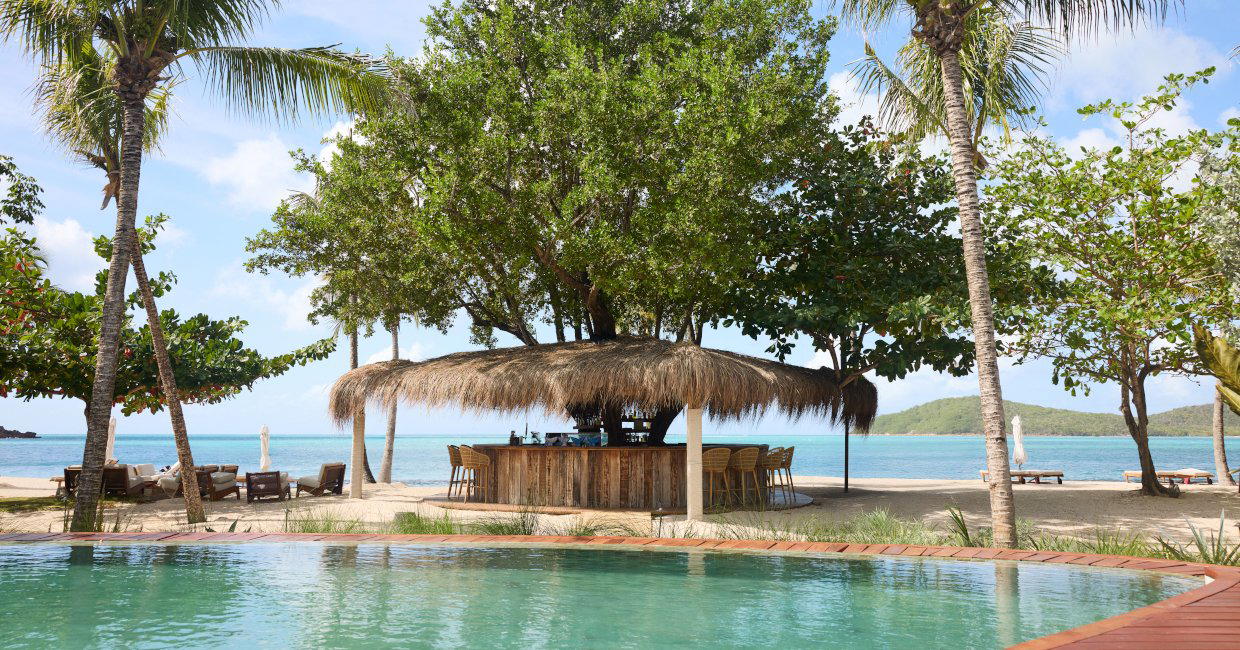
Barefoot Grill belongs to the casual, ingredient-led side of St. John’s dining, where the island’s appeal is less about ceremony than proximity to sea, produce, and open-air meals. In Five Islands Village, it reads as a useful counterpoint to resort dining: informal in tone, coastal in setting, and better understood as part of Antigua’s beach-adjacent food culture than as a chef-driven destination.
Pearl is the En Primeur Club membership app — saves, bookings, and concierge access live there. Same editors, same standards.
- Address
- Five Islands Village, St Johns, Antigua & Barbuda
- Phone
- +1 268-484-3300
- Website
- galleybayresort.com
- Directions
- Get directions
 Saves & bookings on Pearl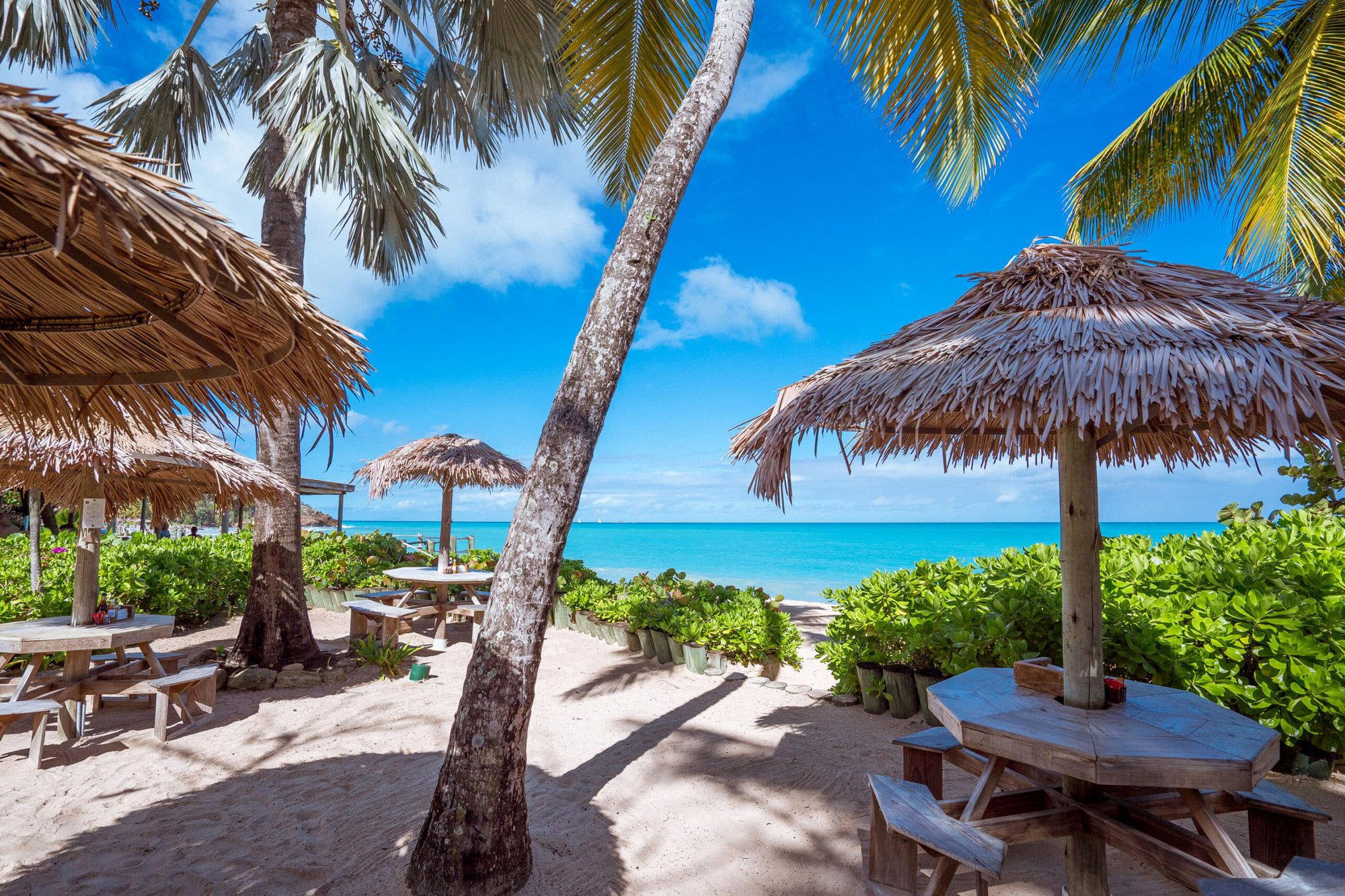
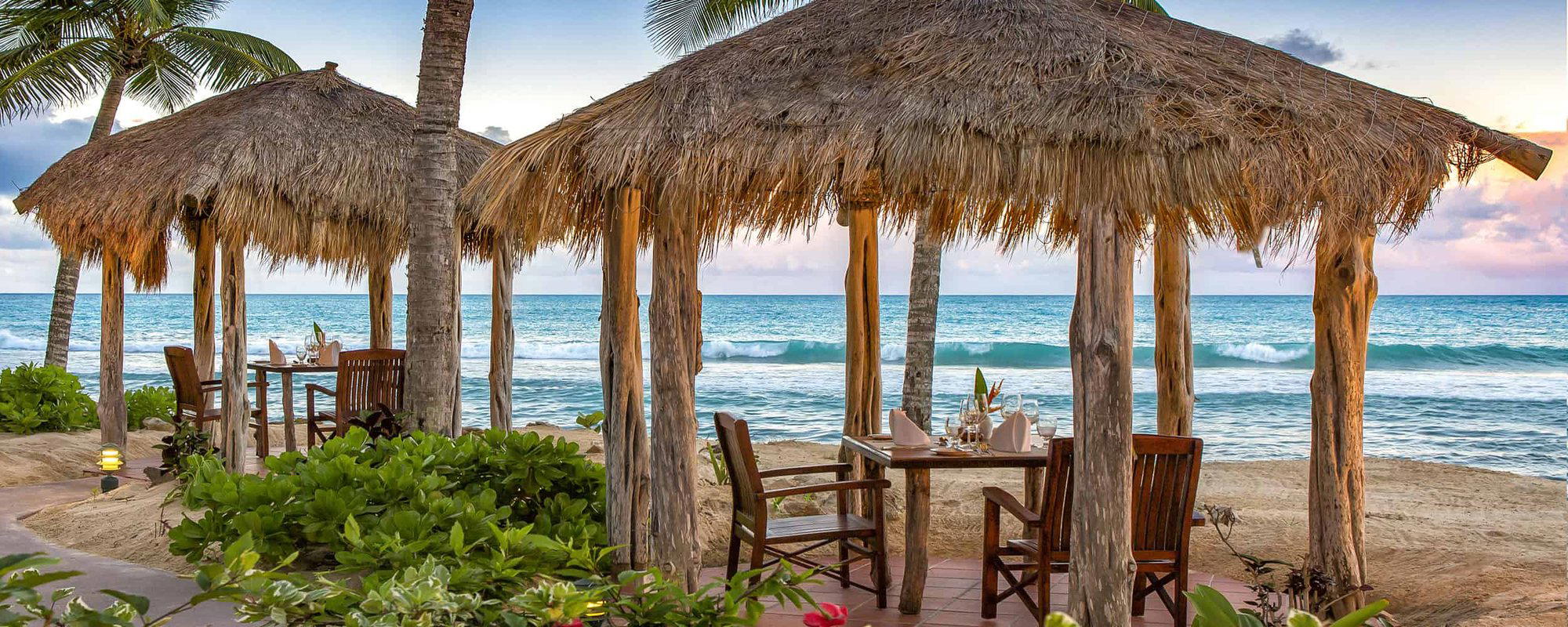
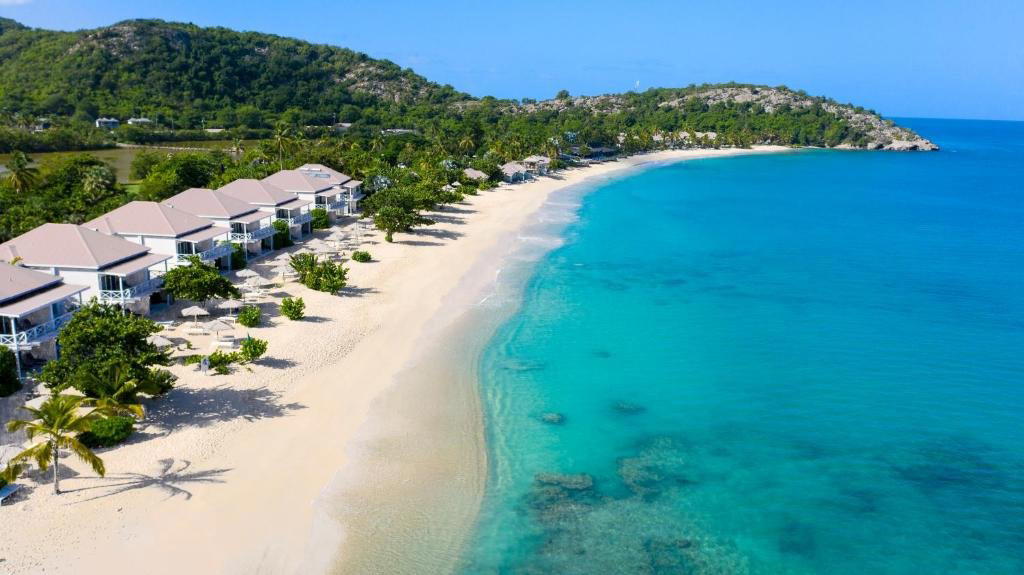
The western edge of Antigua changes the dining rhythm around St. John’s. Streets give way to resort roads, beach access, and salt air; meals become less formal, and the question shifts from tasting-menu architecture to where the fish, fruit, and grill smoke fit into the day. Barefoot Grill sits in Five Islands Village, close enough to the capital to belong to the St. John’s orbit, but far enough from the denser commercial centre to feel shaped by the coast rather than the city grid.
That distinction matters in Antigua and Barbuda, where restaurant culture splits between hotel dining rooms, beach bars, and small-format local addresses. The island does not need every meal to carry the weight of culinary theatre. Its more persuasive tables often work from immediacy: seafood, heat, citrus, rice, plantain, and the relaxed pacing of a shoreline lunch. Barefoot Grill fits that grammar. The name signals informality, but the more useful reading is logistical and culinary: this is the kind of place to assess through setting, sourcing logic, and how it serves the beach-day appetite.
Five Islands dining, read through the grill rather than the dining room
Ingredient sourcing is the lens that makes sense here. In Caribbean coastal dining, freshness is not a decorative claim; it is the operating premise. Fish and shellfish are valuable because they can move from boat to kitchen quickly, while tropical produce gives acidity, sweetness, and texture without demanding elaborate technique. A grill format suits that economy. It rewards clean handling, direct heat, and seasoning that works with the climate rather than against it.
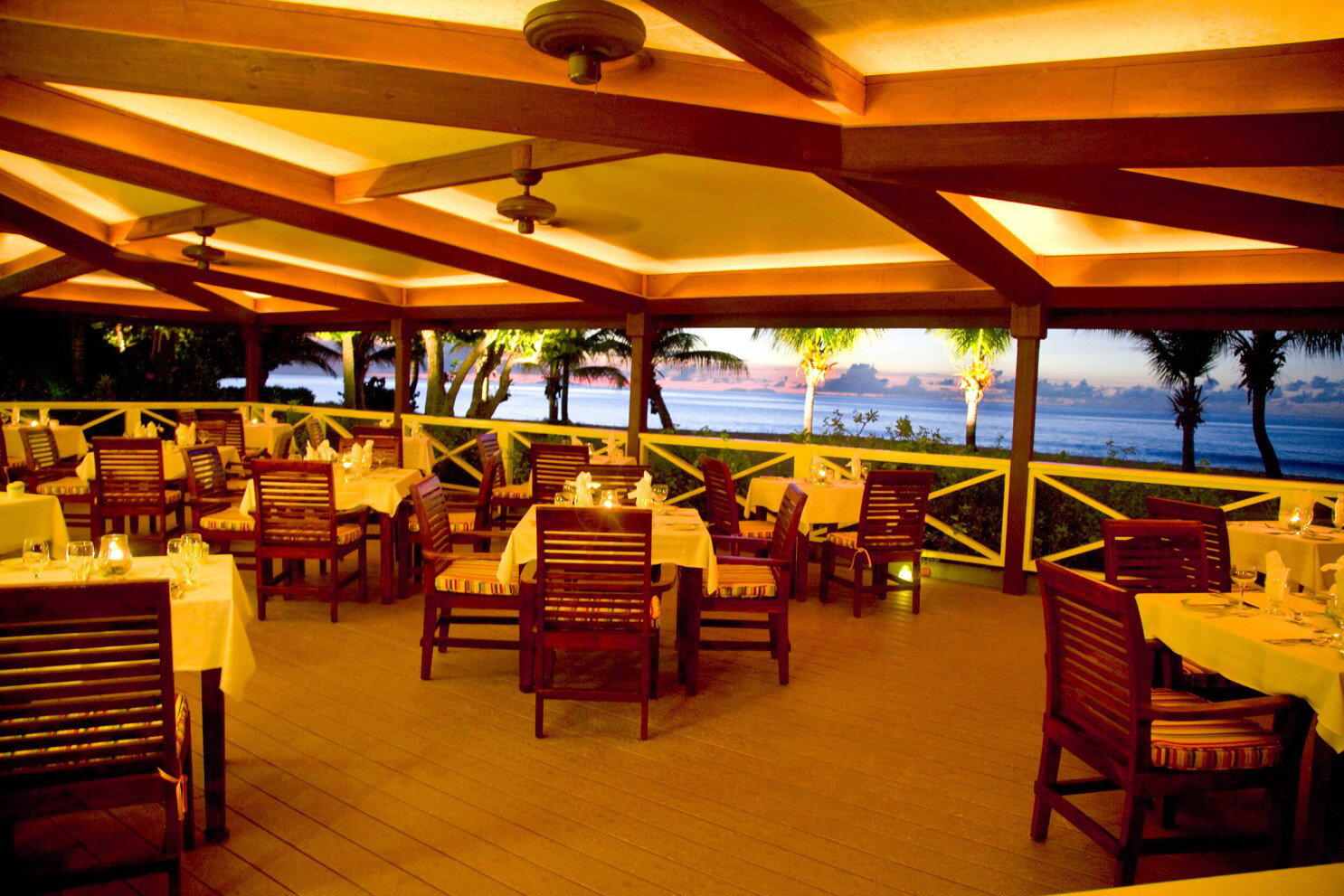
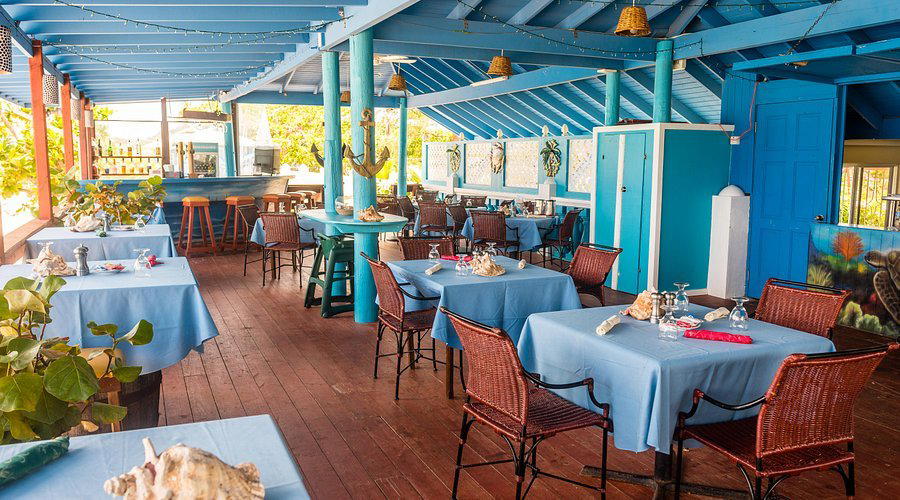
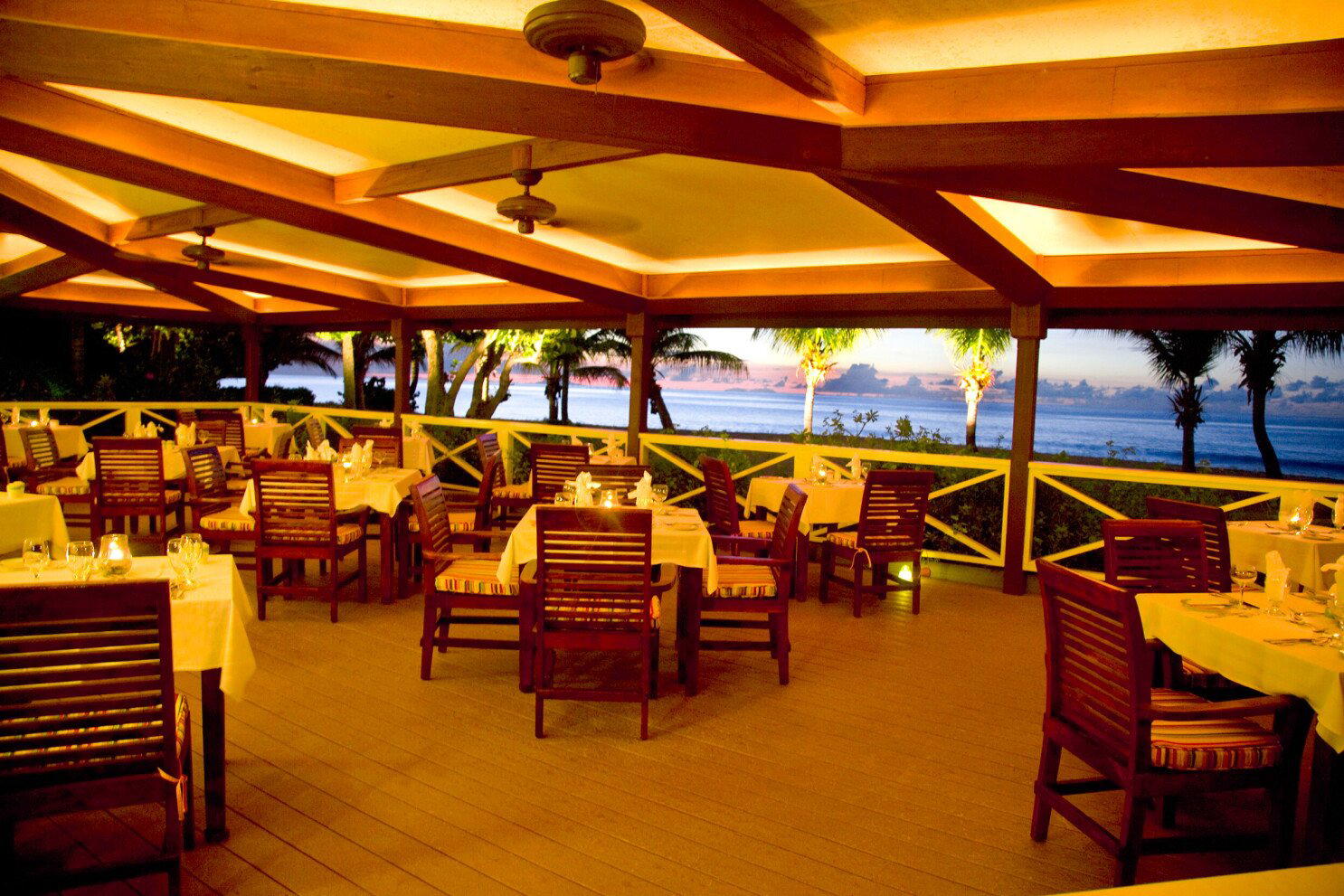
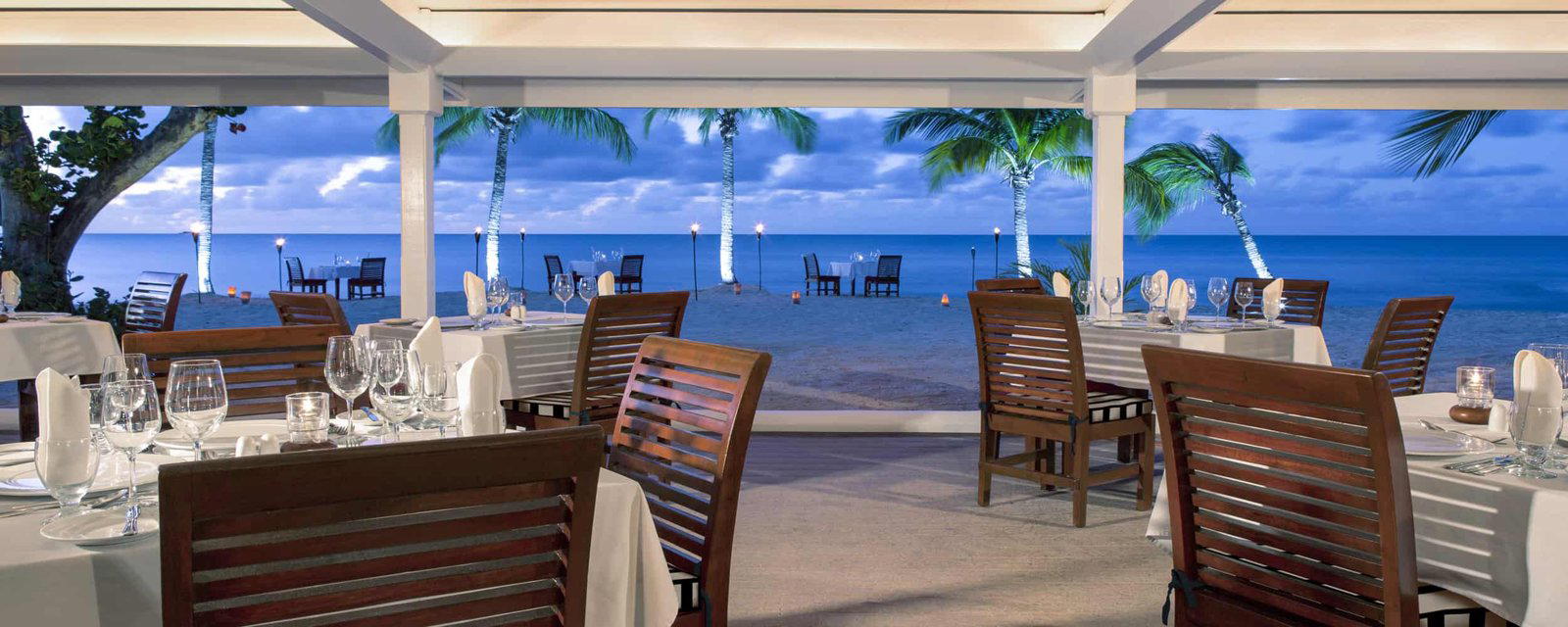
St. John’s has a broader range than first-time visitors often expect. Resort-linked restaurants such as Gauguin Restaurant and Gauguin Restaurant & Bar pull diners toward composed service and hotel infrastructure, while Ismay's Restaurant, Ismay's Restaurant & Bar, and Sea Grape Restaurant & Bar point to the island’s slower, waterfront register. Barefoot Grill belongs closer to the latter camp: less about staged formality, more about a meal that makes sense before or after time by the water.
The better comparison is not with capital-city restaurants that trade on polished room design, but with Antigua addresses where location and ingredients carry much of the argument. Coco Beach Restaurant & Bar in St Paul S, Curtain Bluff Resort in Old Road, Irina’s Bistro in Saint Philips, Roddy's, Barbuda in Bay, Seagrape Restaurant in Road, and Sheer rocks in St. Mary's each map a different version of that island equation: beach proximity, hotel polish, local cooking, or destination dining. The restaurant is useful in this map because it keeps the emphasis on casual coastal eating near St. John’s rather than turning dinner into an occasion that has to justify itself.
Why casual Antiguan meals reward restraint
Caribbean cooking can be misread by visitors as a single category of spice and sweetness. Antigua is more varied than that. The strongest casual meals often come from restraint: grilled fish rather than heavy sauces, fruit used for lift rather than novelty, and sides that make the plate feel anchored in the region. A venue in the Five Islands area does not need a long list of credentials to be relevant; its value comes from whether the meal matches the landscape and avoids overcomplication.
For travellers building a St. John’s dining plan, the restaurant works as a daytime or early-evening counterweight to more formal resort meals. The capital and its surrounding villages can absorb both styles in the same trip: a structured hotel dinner one night, an open-air grill meal the next. That rhythm is often more revealing than chasing a single grand reservation. The island’s food culture is not only in the dining room; it is in the movement between harbour, beach, hotel terrace, roadside kitchen, and village grill.
The practical read is simple: treat this as a casual coastal stop in the St. John’s area, not as a high-ceremony restaurant. Families and mixed groups tend to fare better with this kind of format because the experience is less rigid than a formal dining room, though travellers should confirm current operating details before making plans. For wider planning, use Our full St. John’s restaurants guide alongside Our full St. John’s hotels guide, Our full St. John’s bars guide, Our full St. John’s wineries guide, and Our full St. John’s experiences guide. Travellers extending the comparison beyond Antigua can read it against compact specialist formats such as Jōdo Saké Bar in Los Angeles and Onigiri Time in Pasadena, where a narrow format also defines the experience more than decorative luxury.
Side-by-Side Snapshot
Comparable venues by cuisine and price in the same metro.
| Venue | Cuisine |
|---|---|
| Barefoot Grill | This venue |
Continue exploring
More in St. John’s
Restaurants in St. John’s
Browse all →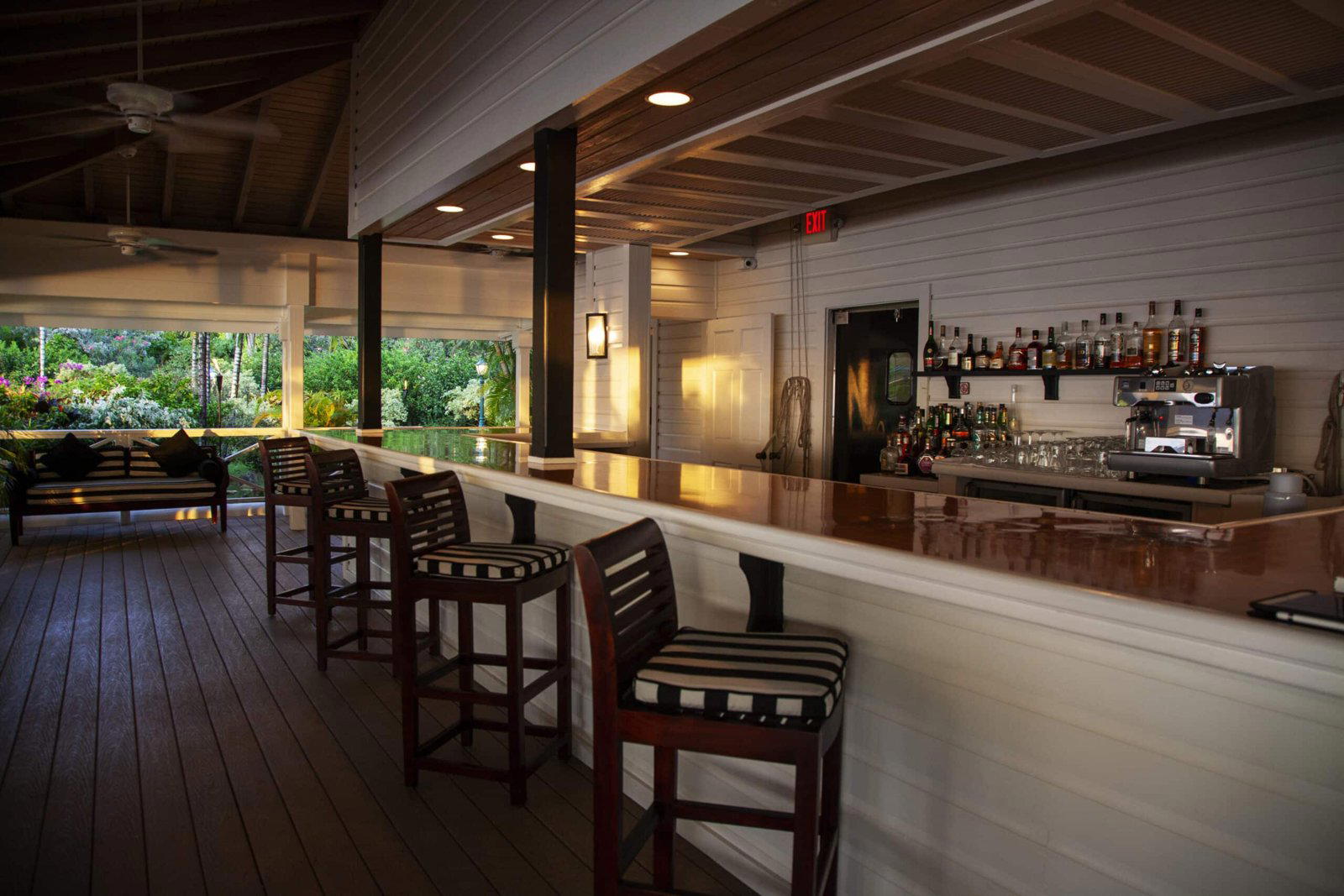
Bars in St. John’s
Browse all →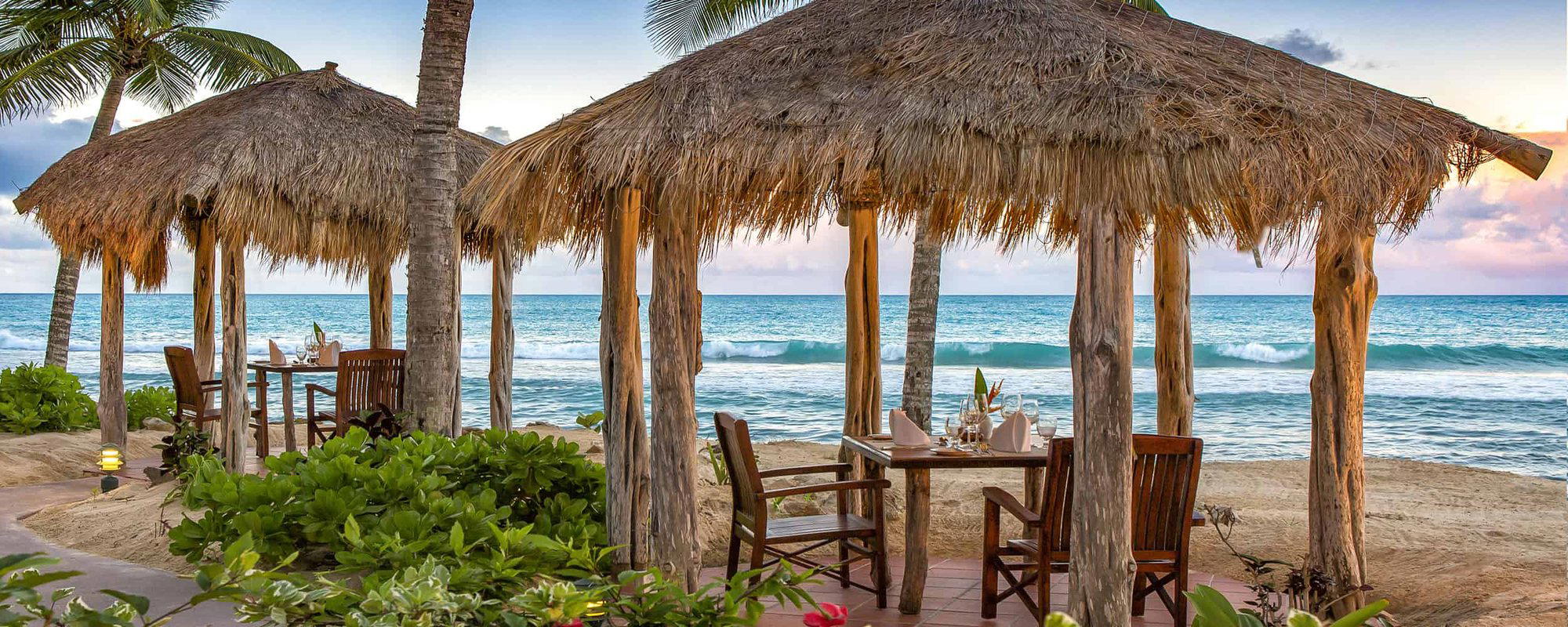
At a Glance
- Date Night
- Hotel Restaurant
- Farm To Table