Ballaró
Ballaró belongs to Dubai’s high-rise dining belt, where international menus are shaped as much by logistics as by appetite. The stronger way to read it is through sourcing: in a city built on imported produce, regional seafood, and hotel-driven service systems, the serious question is not novelty but how clearly a kitchen handles origin, season, and restraint.
Pearl is the En Primeur Club membership app — saves, bookings, and concierge access live there. Same editors, same standards.
- Address
- 6th Floor - Sheikh Zayed Rd - Trade Center First - Dubai - United Arab Emirates
- Phone
- +971 4 444 7444
- Website
- hilton.com
- Directions
- Get directions
 Saves & bookings on Pearl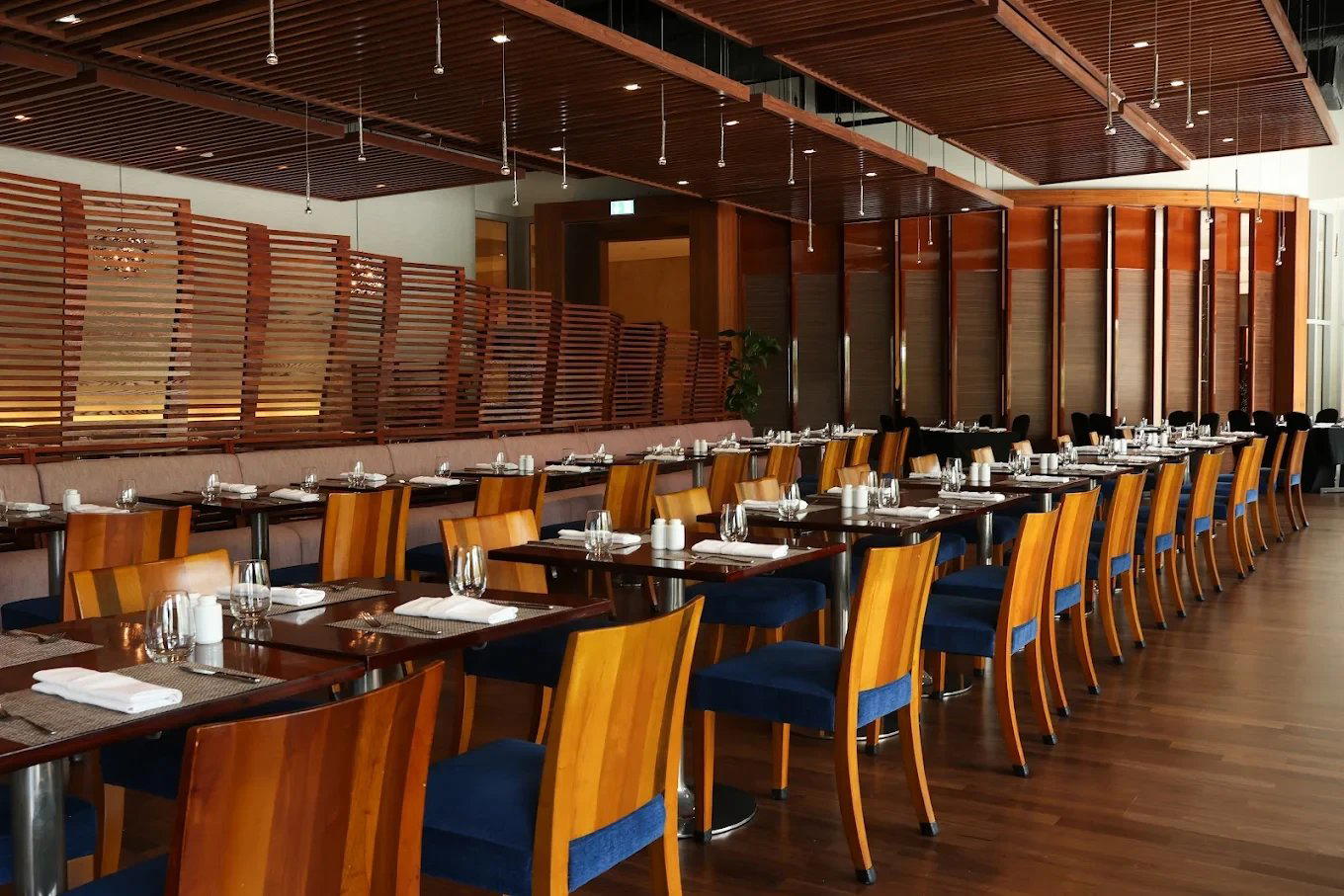
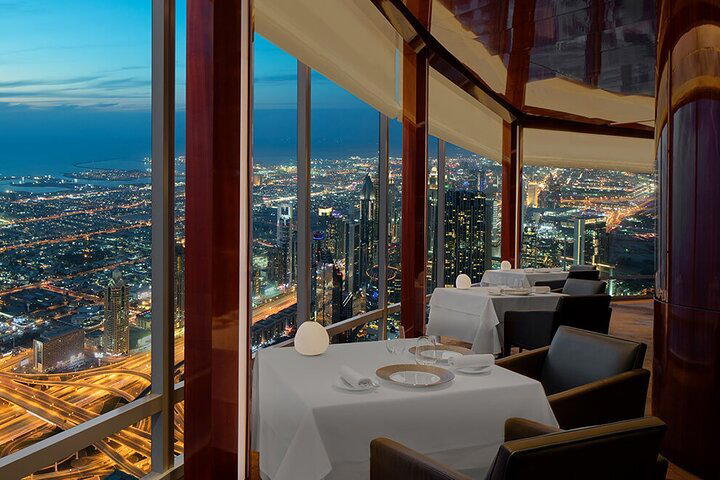
Above Dubai, the city changes character: traffic noise drops, glass towers take over the view, and dining becomes part of the city’s vertical rhythm rather than its street life. Ballaró sits in Dubai, a setting where restaurants are judged not only by atmosphere but by consistency, sourcing discipline, and the ability to serve a mixed room without losing focus.
Dubai’s dining culture has matured quickly because it has had to. The city does not have the agricultural hinterland of older restaurant capitals, so serious kitchens often work through a hybrid supply chain: imported dairy, oils, grains, and luxury produce can sit beside Gulf seafood, regional herbs, dates, citrus, and spice routes that predate the skyscrapers. That tension matters. It separates restaurants that simply assemble international menus from those that understand how climate, shipping, freshness windows, and seasonality shape what reaches the plate.
Ingredient discipline matters more than theatre in Dubai dining
Dubai’s dining corridors are built for repeat use: lunches, breakfasts, dinners after events, and meals planned around traffic rather than long neighbourhood wandering. In that context, the value of a restaurant is not measured by spectacle alone. It is measured by how reliably the kitchen treats core ingredients, how clearly the menu reads, and whether the room can move between different occasions without turning stiff.
Ballaró’s Dubai setting places it in the same urban dining conversation as restaurants that prioritise accessibility, broad appeal, and operational steadiness. That is a different competitive set from smaller destination formats or tightly limited tasting-menu rooms. It asks for range, but range only works when procurement is controlled: vegetables that survive the city’s heat, seafood handled with speed, and pantry staples chosen for clarity rather than decorative excess.
This is where Dubai has become more interesting. The city’s stronger restaurants no longer treat imported ingredients as status symbols by default. Better menus now ask whether an ingredient has a reason to travel, whether a regional substitute would be sharper, and whether richness needs balancing against the climate. A dining room in this city succeeds when it understands that a heavy, international menu can feel out of step at midday, while a lighter sourcing-led approach can make sense across seasons.
How Ballaró fits Dubai's broader restaurant map
Dubai’s restaurant scene is not one market. It is several overlapping ones: restaurants built for scale, independent rooms built around owner identity, counter formats built around scarcity, and destination dining attached to luxury hospitality. Ballaró belongs to Dubai’s broader restaurant map, where location and reliability can carry as much weight as secrecy or trend-chasing.
For readers mapping the city, the useful comparison is categorical rather than decorative. & More by Sheraton also reflects a broad-service restaurant model, while other Dubai dining rooms point to different ways restaurants define themselves: open-kitchen focus, period styling, regional identity, and counter-format precision. Ballaró is better read against the city’s accessible service model, where the question is how well a kitchen maintains standards across a broad audience.
That makes sourcing a practical lens rather than a fashionable one. In Dubai, supply chains are part of the dining experience even when the menu does not announce them loudly. Imported products can be excellent, but they need purpose; local and regional ingredients can bring freshness, but they need technical handling. The stronger restaurants in this lane are the ones that make those choices feel coherent instead of merely abundant.
Planning a meal around Dubai's central corridor
Ballaró works for travellers already moving through Dubai: meetings, exhibition schedules, city stays, and evenings when crossing the city for a single meal makes little sense. Dubai rewards practical planning. Pairing a restaurant here with nearby plans is more rational than treating it as a standalone destination from another part of the city.
For a wider read on the city, use Our full Dubai restaurants guide alongside Our full Dubai hotels guide, Our full Dubai bars guide, Our full Dubai wineries guide, and Our full Dubai experiences guide. The broader UAE map also matters: other dining rooms across the Emirates show how restaurants shift once the context moves beyond Dubai. Further afield, international examples are useful reminders that format and sourcing read differently when the city, climate, and supply chain change.
The editorial case for Ballaró is therefore not built on unverified chef mythology or decorative claims. It is built on fit: a Dubai restaurant where ingredient decisions, service rhythm, and logistical ease define the meal. Readers looking for a small, personality-driven counter may want another part of the city. Readers who need a polished Dubai restaurant should judge Ballaró by the clarity of its sourcing and the steadiness of its execution.
At a Glance
- Elegant
- Lively
- Modern
- Sophisticated
- Family
- Group Dining
- Business Dinner
- Casual Hangout
- Brunch
- Terrace
- Hotel Restaurant
- Live Music
- Private Dining
- Craft Cocktails
- Extensive Wine List
- Zero Proof
- Skyline
Current opening hours
- Monday
- 6 AM–11 PM
- Tuesday
- 6 AM–11 PM
- Wednesday
- 6 AM–11 PM
- Thursday
- 6 AM–11 PM
- Friday
- 6 AM–11 PM
- Saturday
- 6 AM–11 PM
- Sunday
- 6 AM–11 PM
Hours can change for holidays and private events. Last verified .
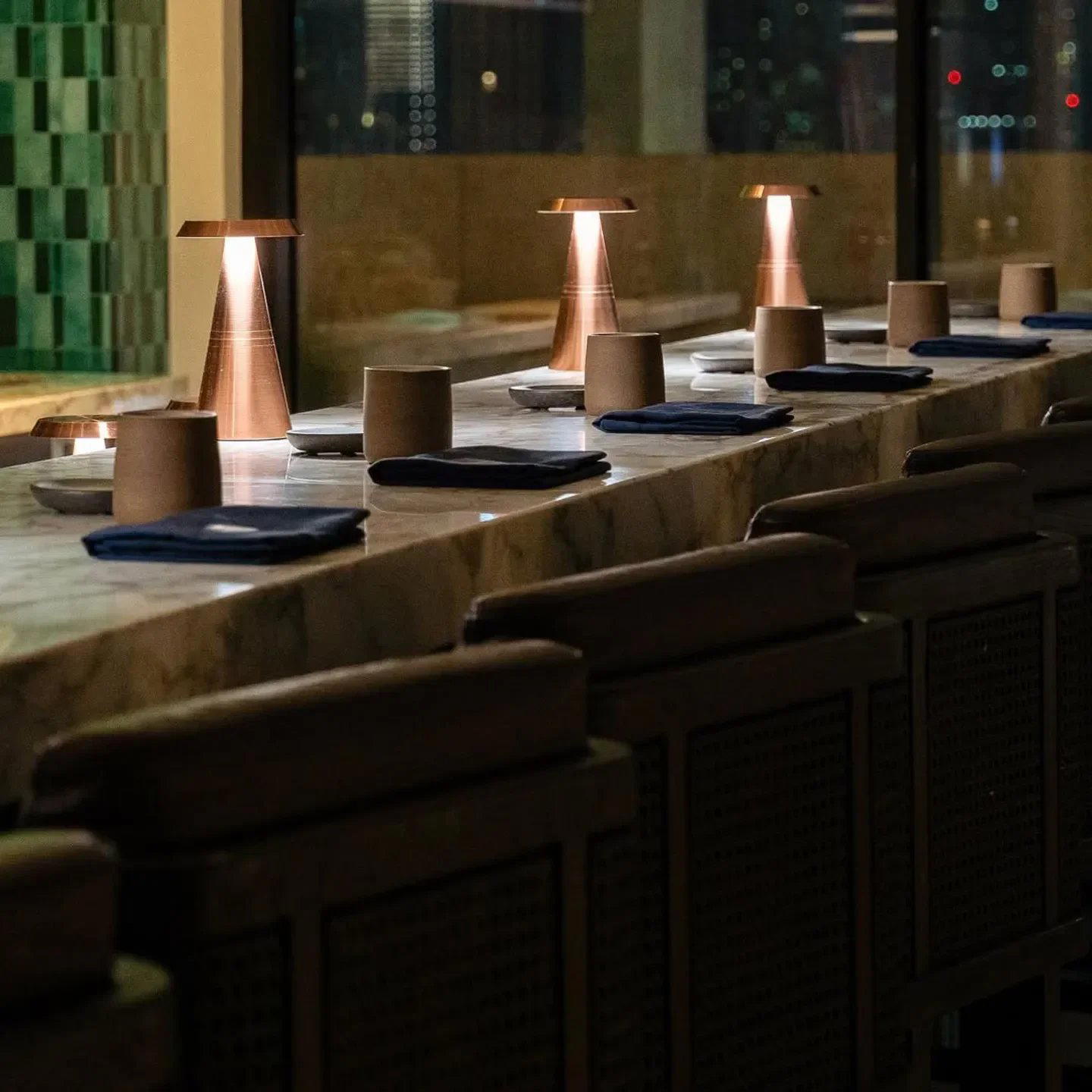
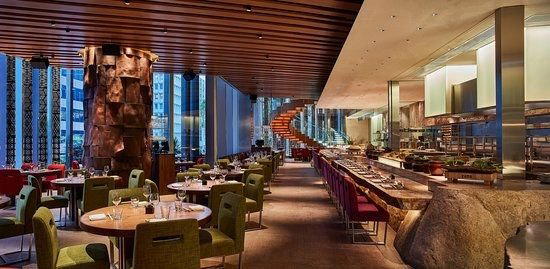
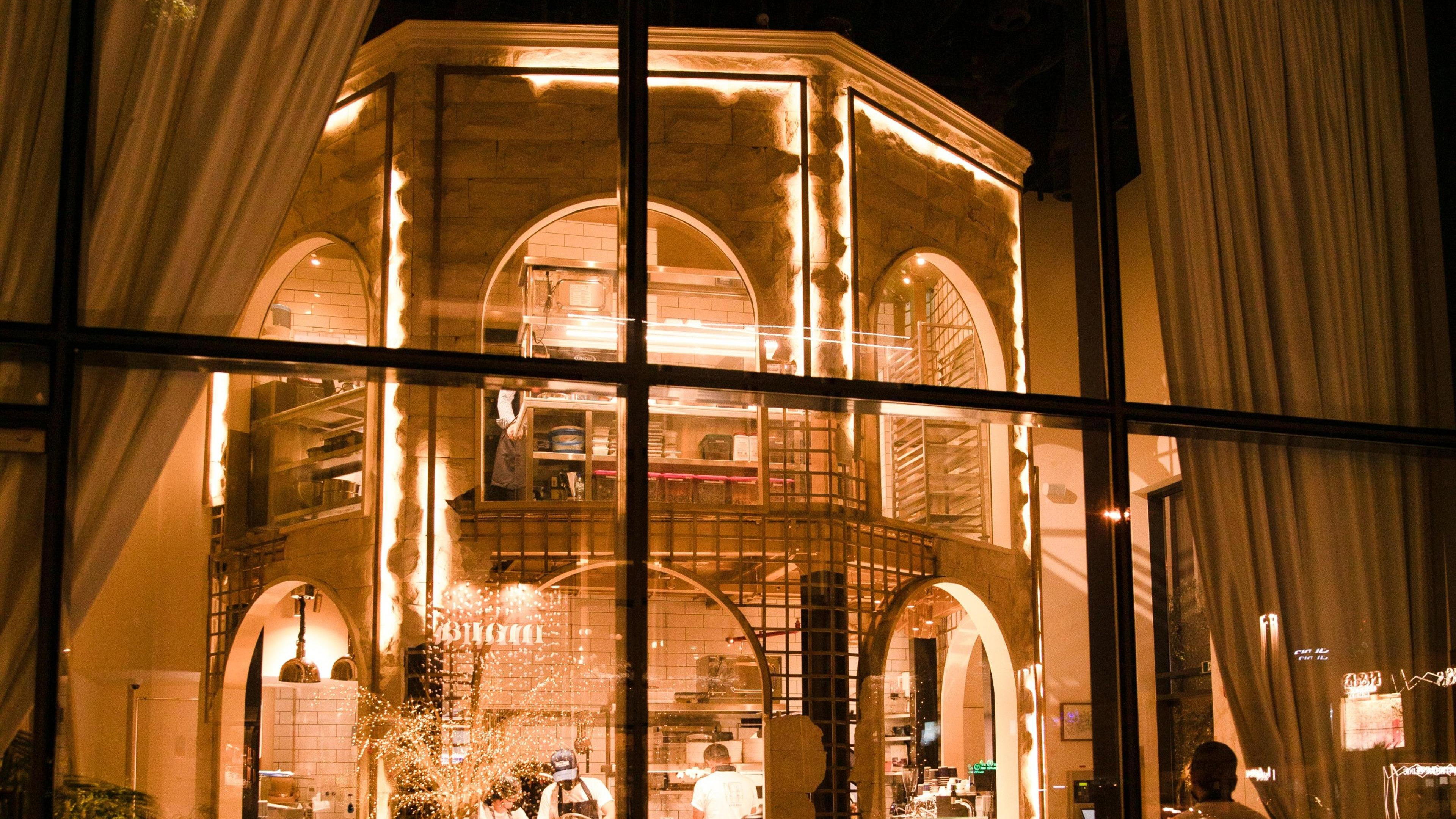
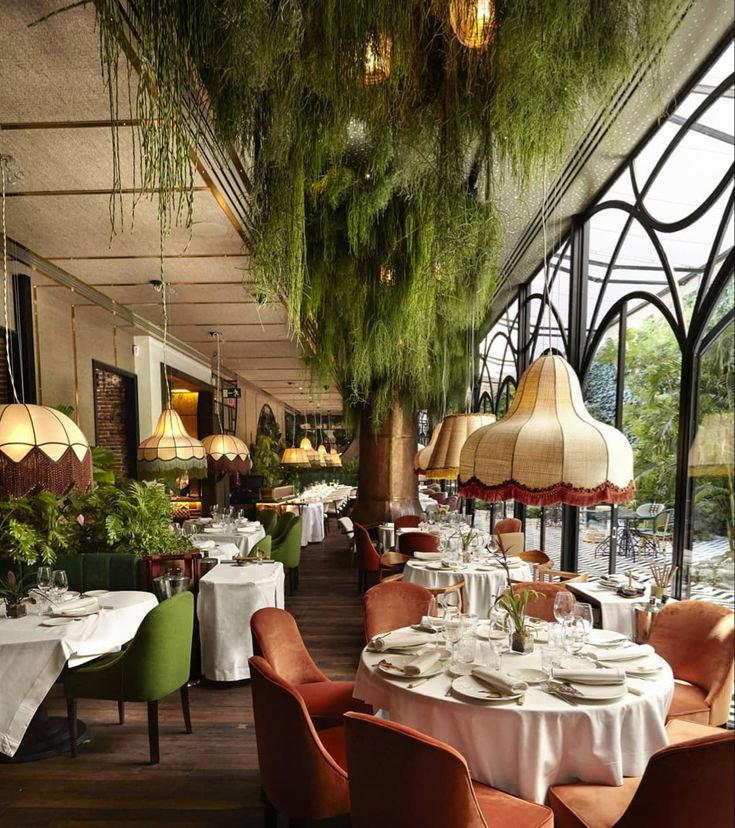
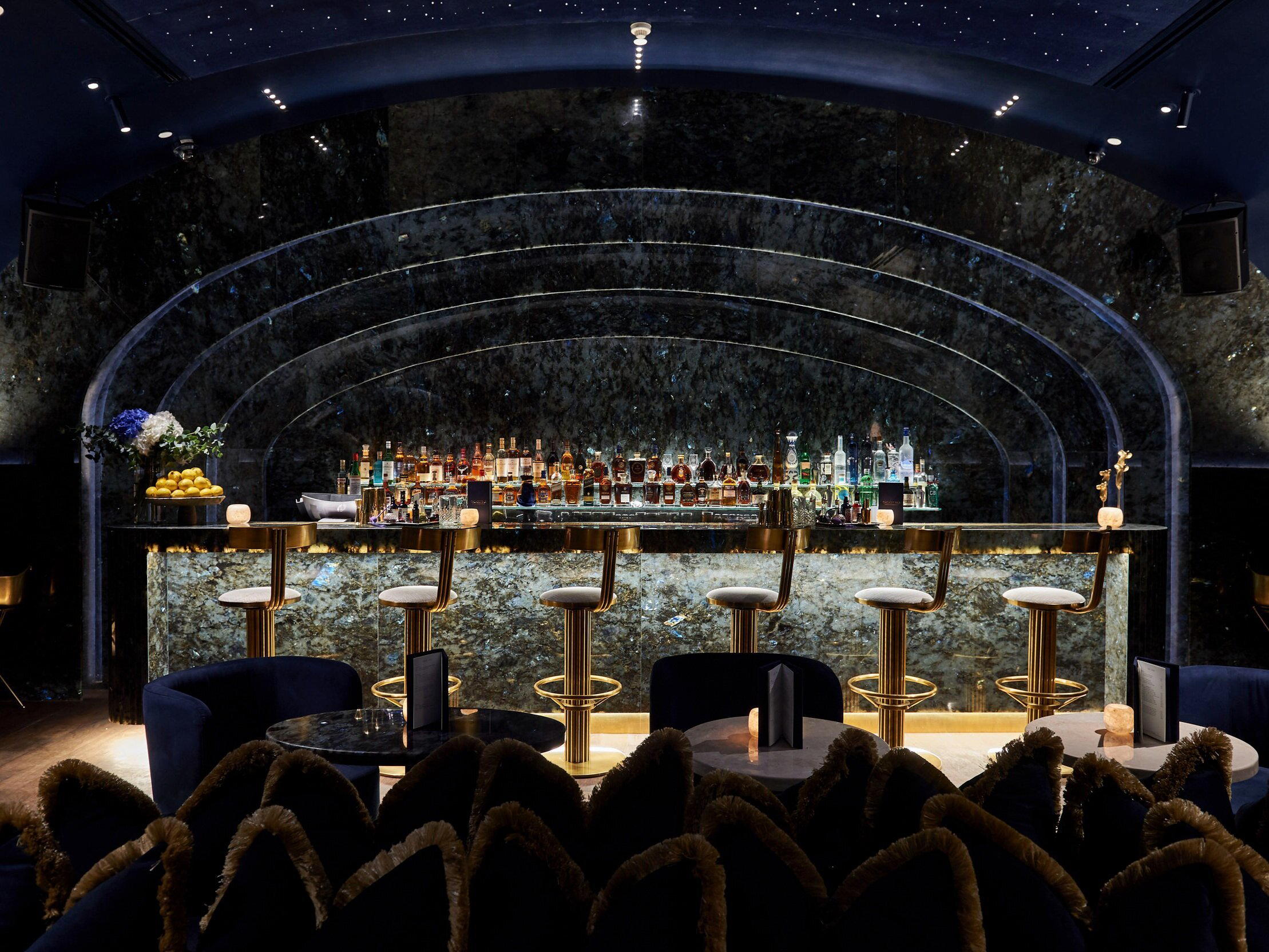
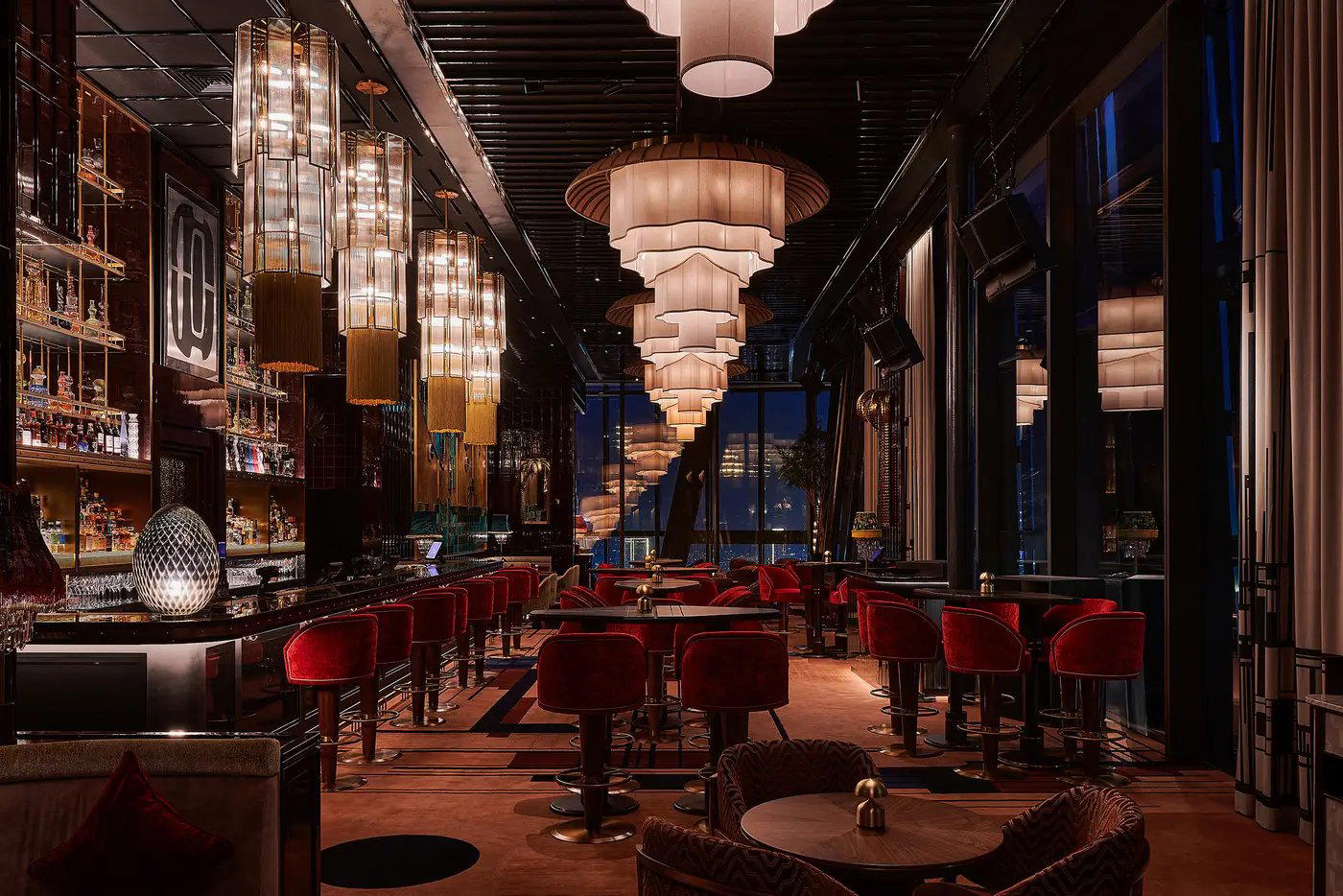
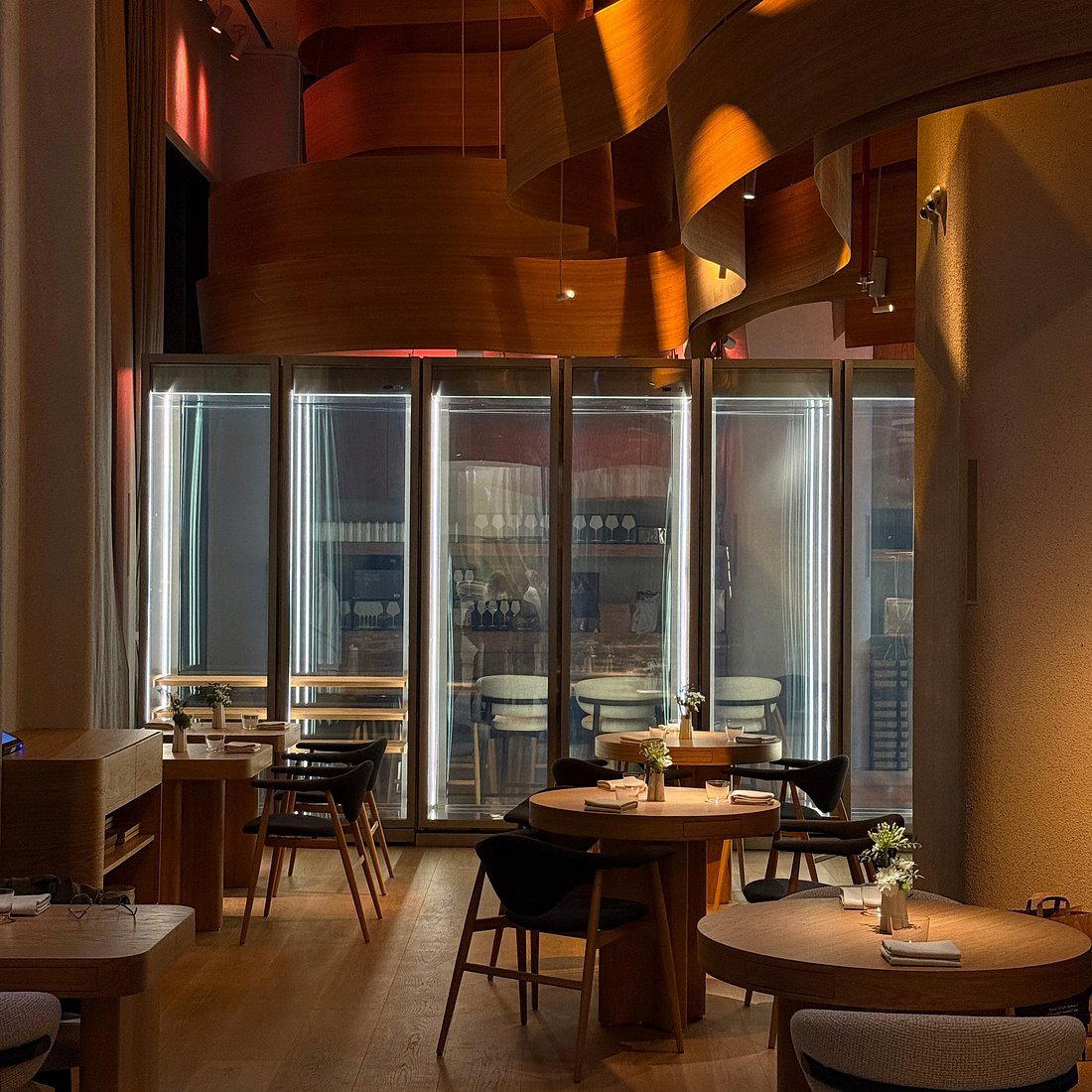
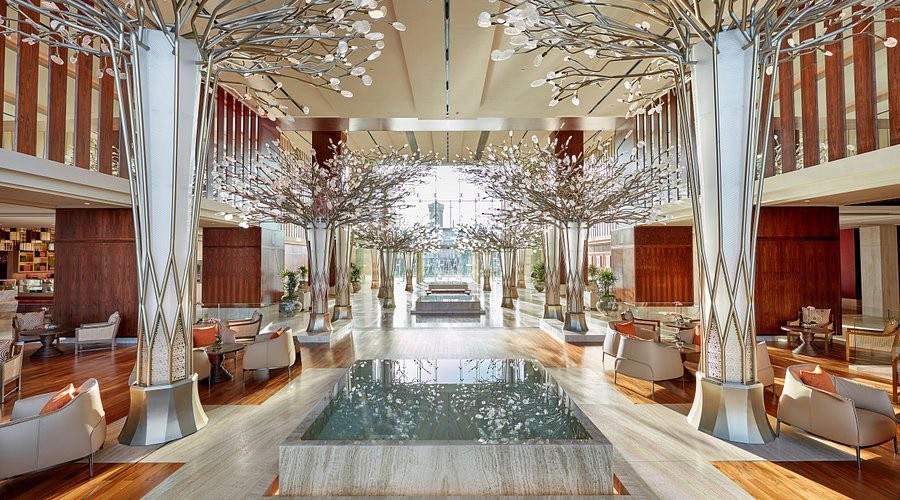
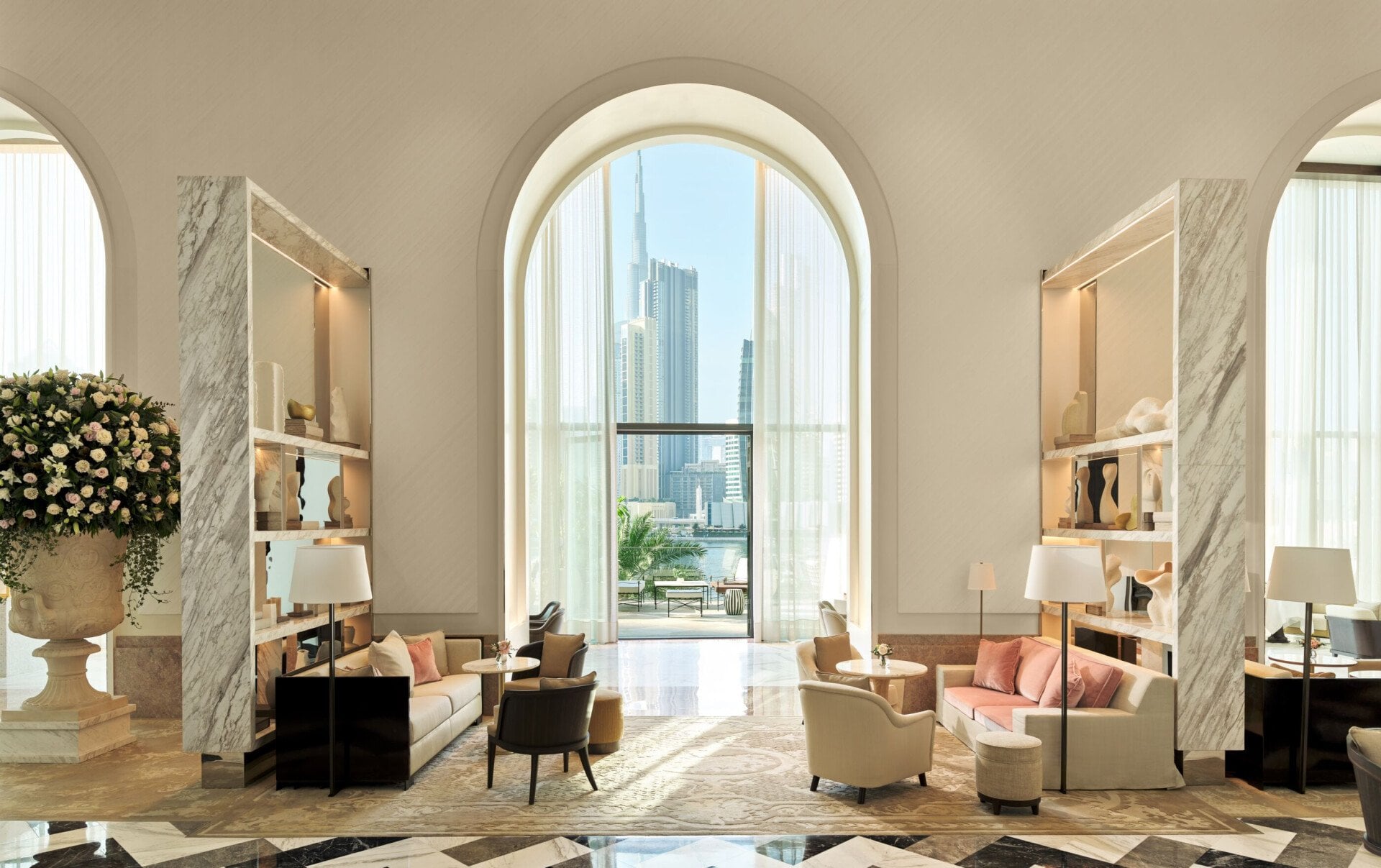
Bright and modern hotel dining room opening onto a terrace, with buffet stations and live cooking creating a lively, upscale yet relaxed atmosphere that shifts from bustling breakfast energy to a more elegant, loungey feel in the evening.
Know Before You Go
- Reservations
- Recommended
- Dress code
- Smart casual
- Getting there
- 6th Floor - Sheikh Zayed Rd - Trade Center First - Dubai - United Arab Emirates