
Tabelog 100 #58
Our verdict
Senrei Zushi JR sendai eki 3 kai ten brings Sendai’s station dining culture into a compact standing-sushi format, with counter pacing rather than long-form omakase ceremony. Its Tabelog Sushi EAST 100 selection in 2025 gives the address a credible signal within a city where seafood, rail travel, and quick meals often overlap.

Pearl is the En Primeur Club membership app, where members save venues, book tables and use the concierge.
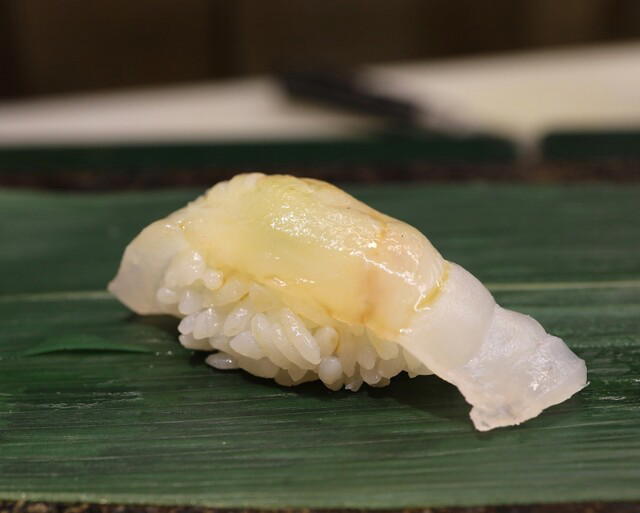
The menu
What to order
- Sanriku sea urchin
- Salmon roe
- Abalone
- Grilled kinki (rockfish)
Sendai has its own dining rhythm: luggage wheels, office workers crossing the city, and small counters built for meals that do not ask the day to pause. In that setting, standing sushi is not a novelty act. It is a practical dining ritual, closer to a controlled exchange than a leisurely restaurant sitting: choose, eat, move on, and let the counter set the tempo.
Senrei Zushi JR sendai eki 3 kai ten sits inside that ritual rather than outside it. The format is stand-up sushi, so the experience depends less on ceremony and more on timing, proximity, and the ability to read the room. This is sushi as Sendai diners and visitors can actually use it, not a long evening built around a chef’s biography.
Standing sushi turns the city into a serious counter
Japan’s city restaurants are often misunderstood by visitors who separate movement from dining. In major urban settings, that division does not always hold. Busy areas concentrate regional demand, short time windows, and repeat local traffic; weak restaurants rarely survive on convenience alone. Sendai adds another layer, because the city has a broad casual dining culture, and sushi can carry real local weight even in a compact, practical format.
The counter format matters. Standing sushi compresses the usual sushi-house signals: no private room, no drawn-out tasting-menu arc, no table choreography. The etiquette is simpler and sharper. Order clearly, occupy only the space needed, and treat pacing as part of the meal. For travelers accustomed to reservation-led counters elsewhere in Japan, the appeal here is not luxury coding. It is the discipline of a small format that keeps sushi close to daily life.
The public recognition is useful context. Tabelog Hyakumeiten recognition in 2025 places the restaurant within a curated field, and its Tabelog score of 3.68 suggests more than simple convenience. That distinction is especially relevant in Sendai, where dining ranges from snack counters and casual sweets to beef and sushi addresses. Compared with Shiogama Sushi Tetsu S-PAL sendai ten, Senrei Zushi JR sendai eki 3 kai ten occupies a more agile lane: compact, sushi-focused, and built around the immediacy of the counter.
The meal is about pace, not performance
Standing sushi has a different social contract from seated omakase. The diner gives up comfort and lingering time; in exchange, the meal becomes direct. The counter’s small scale keeps attention on the exchange between order, preparation, and eating, without the room trying to become an occasion. That is why the category works so well in a busy city setting. The environment already supplies movement. The sushi counter gives that movement a fixed point.
The framing points to a classic Japanese counter logic rather than restaurant-as-theater reinvention. The food emphasis is sushi, which sounds obvious until compared with the broader Sendai mix, where beef, sweets, rice snacks, and casual cafés compete for the same traveler. A stand-up sushi counter with Tabelog Hyakumeiten recognition gives this lane a clearer editorial signal.
For a wider Sendai eating plan, this address belongs beside quick, local, and format-specific stops rather than destination tasting rooms. The city’s compact dining map makes that useful. A snack-led stop such as ankoya Ekimae ten serves a different purpose, while other Sendai dining rooms and casual specialists help show how varied the city’s serious informal dining can be. The point is not to rank them against one another; it is to understand Sendai as a city where format carries meaning.
How to place it in a Sendai itinerary
This is a strong fit when the meal needs to be precise rather than expansive. The Sendai setting makes it logical around a day of movement, but the better reason to go is the format itself: a short standing counter meal with enough recognition to separate it from anonymous casual dining. It is also useful for visitors who want sushi in Sendai without committing an evening to a more formal counter.
The practical limitations are part of the experience. A standing counter rewards solo diners and pairs more naturally than larger groups. The format sets the tone, so the best visit is one that respects pace, space, and the directness of the exchange. The listed budget, Dinner: JPY 2,000 - JPY 2,999 and Lunch: JPY 2,000 - JPY 2,999, also keeps the restaurant in an accessible range for a focused stop.
Travelers building a broader city plan should treat this meal as a starting point, not the whole story. Our full Sendai restaurants guide maps the dining field more widely, while Our full Sendai hotels guide, Our full Sendai bars guide, Our full Sendai wineries guide, and Our full Sendai experiences guide place the meal inside a larger visit. For wider Japan and overseas comparisons across casual formats, look to other unnamed counters, bars, cafés, and quick-service specialists rather than treating Senrei Zushi JR sendai eki 3 kai ten as an isolated case.
Frequently asked questions
Would Senrei Zushi JR sendai eki 3 kai ten be comfortable with kids?
The confirmed format is stand-up sushi, so comfort depends on whether a brisk counter meal suits the group. The listed budget is Dinner: JPY 2,000 - JPY 2,999; Lunch: JPY 2,000 - JPY 2,999. Check the venue's official channels for the latest practical details.
What is the atmosphere like at Senrei Zushi JR sendai eki 3 kai ten?
It is a stand-up sushi venue, so the pace is brisk and focused rather than lingering. Its Sendai setting, plus its Tabelog Hyakumeiten recognition for 2025, gives it the feel of a practical counter that is treated seriously.
What price level is Senrei Zushi JR sendai eki 3 kai ten?
Pricing at Senrei Zushi JR sendai eki 3 kai ten is listed as JPY 2,000 - JPY 2,999 JPY 2,000 - JPY 2,999.
What are Senrei Zushi JR sendai eki 3 kai ten's hours?
Check the venue's official channels for the latest schedule before visiting Senrei Zushi JR sendai eki 3 kai ten in Sendai.
Cuisine and Awards Snapshot
Comparable options at the same price tier.
| Venue | Cuisine | Price | Awards | Notes |
|---|---|---|---|---|
| Senrei Zushi JR sendai eki 3 kai tenThis venue (the venue you are viewing) | Standing sushi counter with Sanriku seafood | $30–50 | Tabelog 100 #58 | Not listed |
| 鮨德 | Japanese Restaurant | Not listed | Tabelog 100 #73 | Sendai |
| Banshaku to Bangohan Choutsugahi | Japanese Izakaya | $30–50 | Tabelog 100 #47 | Ichibancho |
| Tempura Azumi | Seasonal Tempura Omakase Counter | $50–100 | Tabelog 100 #61 | Kokubuncho, Aoba Ward |
| Yonezawa Gyuu Yakiniku Kotora Sendai ekimae ten | Premium Yonezawa Wagyu Yakiniku | $50–100 | Tabelog 100 #21 | Aoba-ku Chuo (Sendai Station area) |
| Yakiniku Kotora - Clisroad | Premium Wagyu Yakiniku | $20–30 | Tabelog 100 #27 | Clisroad Shopping Street |
Recognition history
Dated appearances from independent guides and award organizations, with the underlying list record or original source where available.
Tabelog 100 #58 · No. 58
Tabelog · Tabelog 100 - Sushi - EAST - 2025
Continue exploring
More in Sendai
Restaurants in Sendai
All restaurants in Sendai →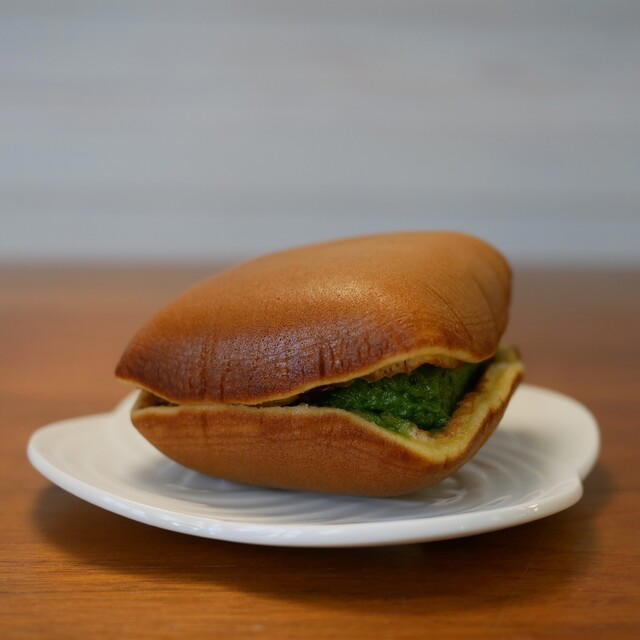
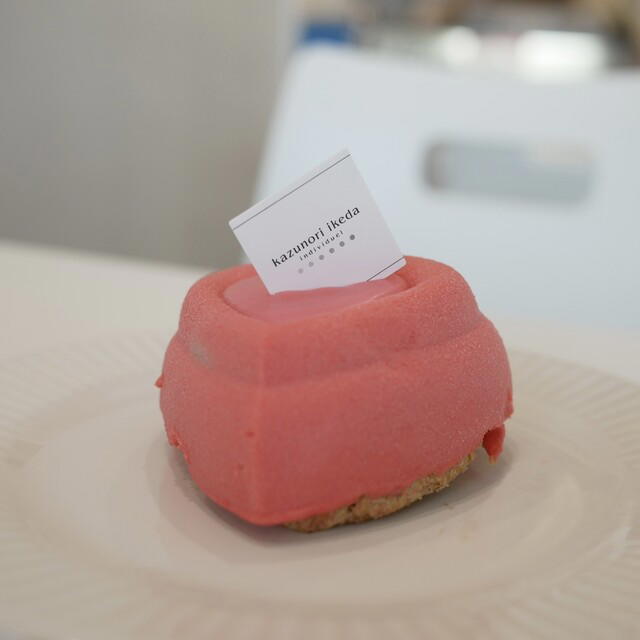
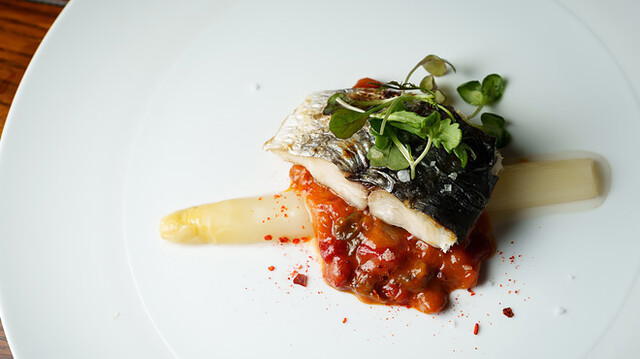
Hotels in Sendai
Browse all →

Wineries in Sendai
All wineries in Sendai →
Details
- Lively
- Casual
- Solo
- After Work
- Casual Hangout
- Family
- Chefs Counter
- Standalone
- Sustainable Seafood
- A La Carte
- Counter Dining
- Beer
- Sake
- Pescatarian Friendly
Current opening hours
- Monday
- 11 AM–9:30 PM
- Tuesday
- 11 AM–9:30 PM
- Wednesday
- 11 AM–9:30 PM
- Thursday
- 11 AM–9:30 PM
- Friday
- 11 AM–9:30 PM
- Saturday
- 11 AM–9:30 PM
- Sunday
- 11 AM–9:30 PM
Hours can change for holidays and private events. Hours as of .
Busy station-front standing bar with a simple counter-only setup, bright functional lighting, and an energetic atmosphere driven by constant foot traffic and quick-turnover sushi service.