Avara
Our verdict
Avara sits in Miami Beach, where restaurant identity is often shaped by Florida produce, Gulf and Atlantic seafood, and the city’s appetite for polished rooms that do not need to shout. With little public detail on format or pricing, the useful read is contextual: place it within a Miami Beach dining scene increasingly judged by sourcing discipline rather than spectacle.

Pearl is the En Primeur Club membership app, where members save venues, book tables and use the concierge.
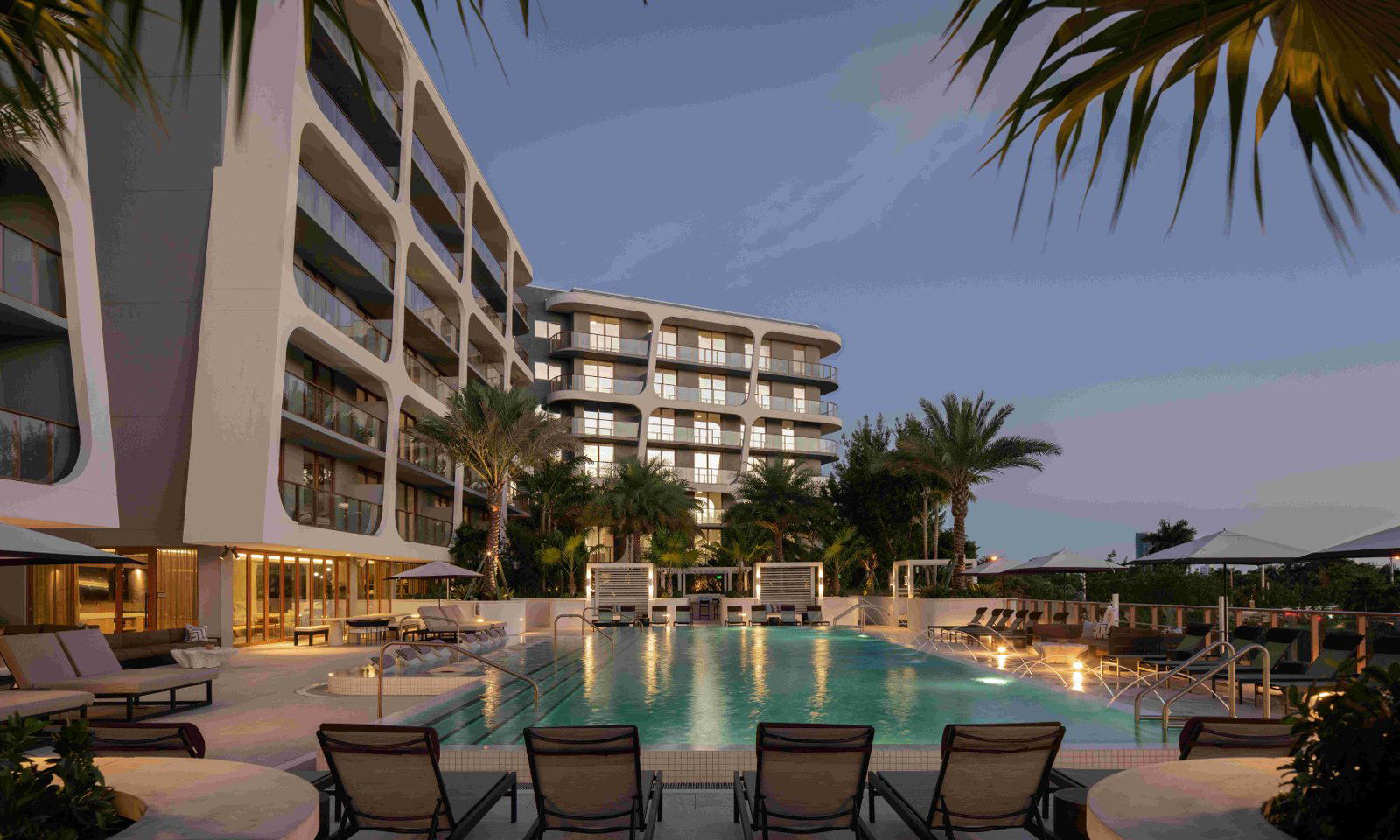
Approaching a Miami Beach restaurant away from the oceanfront changes the register. The soundtrack is less resort promenade, more residential traffic and neighborhood routine; the dining room has to earn attention without beach views doing the work. Avara belongs to that inland Miami Beach category, where the test is not postcard scenery but whether the kitchen can make the city’s raw materials feel intentional.
Miami Beach dining is shifting from scene value to sourcing value
Miami Beach has long rewarded restaurants that understand theater: lighting, pace, cocktails, room energy, the confidence to handle a table that may be dressed for three different evenings at once. The more interesting movement now is quieter. Diners are paying closer attention to where seafood comes from, how tropical produce is used, and whether a menu reflects South Florida rather than importing a generic coastal-luxury template.
That matters because Miami has unusual advantages and obvious traps. The region sits between the Atlantic, the Gulf, the Caribbean, and one of the country’s more distinctive agricultural corridors. Stone fruit, citrus, herbs, roots, snapper, grouper, shrimp, and warm-weather vegetables can give a kitchen a clear local grammar. The trap is dilution: menus that use Florida ingredients as decoration while leaning on dishes that is served in any high-rent dining room from Los Angeles to Dubai.
For Avara, the stronger editorial question is not whether it fits a single cuisine label, since none is publicly fixed here, but whether it reads as part of this sourcing-aware Miami Beach moment. The city’s better contemporary restaurants tend to show restraint when they let acidity, heat, and freshness do the structural work. That approach suits the climate. Heavy menus can feel out of step by the second course; sharper, produce-led cooking has a natural advantage in a humid coastal city.
What to look for on the plate when cuisine labels are less useful
In a market this fluid, cuisine type can be a blunt instrument. Miami Beach restaurants often borrow across Latin American, Mediterranean, American coastal, and Japanese-influenced formats without declaring full allegiance to any one tradition. The useful read is compositional: how much of the menu is seafood-led, whether vegetables appear as serious dishes rather than garnish, how acidity is handled, and whether sauces support rather than flatten the ingredients.
Avara should be judged against that standard. A kitchen in this city does not need a long manifesto to make sourcing legible. It needs a menu that understands season, a produce rhythm that changes with South Florida’s growing calendar, and seafood choices that feel tied to proximity rather than procurement convenience. When those elements are present, Miami Beach dining becomes more than resort consumption; it becomes a conversation with the peninsula’s farms, docks, and immigrant foodways.
The competitive context is broad rather than neatly matched. For a diner mapping the area, 11th Street Diner represents the city’s late-night democratic streak, while A Fish Called Avalon speaks to the seafood-and-hospitality tradition closer to Ocean Drive. Smaller-format neighborhood choices such as A La Folie, a'Riva, and AC Kitchen help show how fragmented Miami Beach dining can be across mood, budget, and occasion.
The reader decision: go for the Miami Beach context, then read the menu closely
With no public awards, chef attribution, seat count, or listed price structure attached to Avara, the decision should be made through fit rather than reputation chasing. The strongest reason to consider it is contextual: Miami Beach is increasingly interesting when restaurants move away from imported luxury cues and toward ingredients that make sense in South Florida’s climate. The weaker reason would be name recognition, since there is no major award signal to lean on here.
That makes advance menu reading useful. Look for Florida seafood, seasonal produce, citrus, herbs, and dishes that use heat and brightness with control. If the menu leans into those materials, Avara fits the more compelling side of the city’s current dining culture. If it reads as a generic upscale room, the surrounding neighborhood will not compensate on its own.
For broader planning, use Our full Miami Beach restaurants guide alongside Our full Miami Beach hotels guide, Our full Miami Beach bars guide, Our full Miami Beach wineries guide, and Our full Miami Beach experiences guide. For a wider sense of how ingredient identity changes by city, compare the editorial patterns at Jōdo Saké Bar in Los Angeles, Onigiri Time in Pasadena, ¿Por Qué No? in Portland, 'Ai Love Nalo in Waimanalo Beach, 'āina in San Francisco, 'Ama 'Ama in Kapolei, -Grilled beef Sukiyaki- KAMAKURA TANUKIAN 鎌倉 たぬき庵 in Kamakura, and ¡Salud! in Los Angeles.
Frequently asked questions
Is Avara okay with children?
Avara’s Miami Beach address at 3900 Alton Rd points to a standard restaurant setting, so children should fit as they would in a normal dinner-out spot. For families, the practical question is timing and table choice rather than any formal room format.
What's the overall feel of Avara?
Avara reads as a Miami Beach dining address first, anchored by its location on Alton Rd rather than by any fixed cuisine label. That usually means a flexible, everyday restaurant feel instead of a rigid special-occasion format.
What part of town is Avara in?
Avara is located in Miami Beach.
Should I book Avara in advance?
Advance booking is sensible in Miami Beach, and Avara’s address on 3900 Alton Rd places it in a part of the city where dinner tables can fill quickly. A reservation is the safer plan if the timing matters.
Comparable venues nearby, for context on price, style, and recognition.
| Venue | Cuisine | Price | Notes |
|---|---|---|---|
| AvaraThis venue (the venue you are viewing) | Dining | Not listed | Not listed |
| Coyote Taqueria | Traditional Mexican Taqueria | $20–30 | South Beach |
| Havana Vieja | Authentic Cuban | $20–30 | South Beach |
| TAP TAP RESTAURANT | Authentic Haitian Caribbean | Not listed | South Beach |
| Yue Chinese | Northern Chinese & Sichuan Fusion | $20–30 | South Beach |
| Fratelli La Bufala | Authentic Neapolitan Pizza & Pasta | $30–50 | South of 5th (SoFi) |
Continue exploring