AUBERGE DE QUILINEN
Auberge de Quilinen sits in the Breton countryside of Landrévarzec, Finistère, where the auberge tradition runs deep and the surrounding farmland and coastline shape what ends up on the plate. The address alone, a named lieu-dit outside a village most French diners have never heard of, tells you something about the positioning: this is destination dining rooted in place, not urban prestige.
Pearl is the En Primeur Club membership app — saves, bookings, and concierge access live there. Same editors, same standards.
- Address
- 11 Lieu-dit, Quilinen, 29510 Landrévarzec, France
- Phone
- +33298579363
- Website
- aubergedequilinen.com
- Directions
- Get directions
 Saves & bookings on Pearl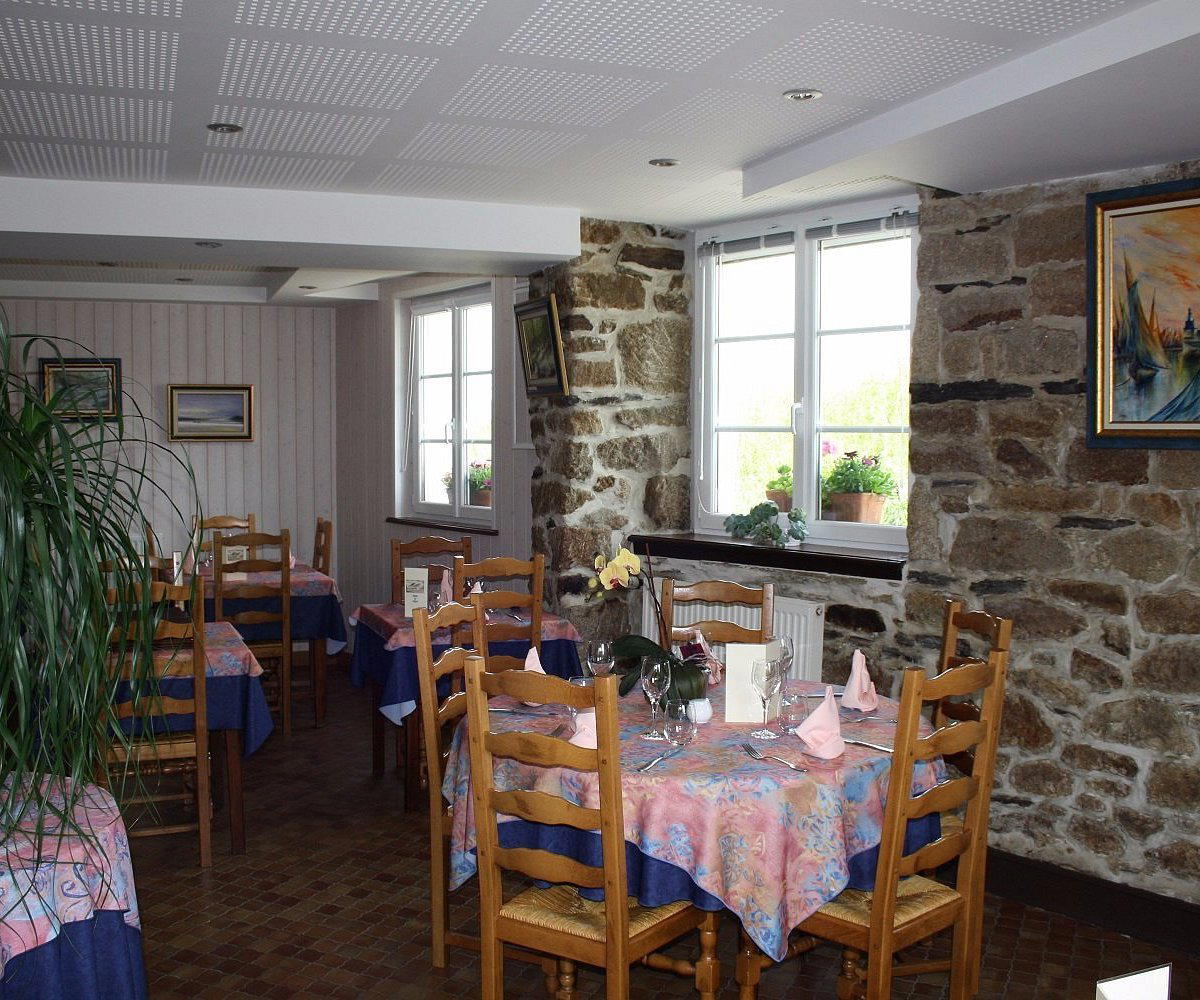
A Breton Countryside Address with Deliberate Distance from the City
Brittany has always maintained a different relationship with its food than Paris or Lyon. The region's identity at the table is built on proximity: oysters from the Belon and Cancale beds, lamb grazed on the salt marshes of the Presqu'île de Guérande, butter from Isigny and the creameries of Finistère, buckwheat grown in the same bocage landscape that surrounds the table where it's eventually served. Auberge de Quilinen, addressed at the lieu-dit Quilinen in Landrévarzec, a commune in the Finistère department, deep in Cornouaille, sits inside this tradition rather than commenting on it from a comfortable urban remove.
Landrévarzec is not a destination that accumulates restaurants. The broader context matters here: Landrévarzec is not a destination that accumulates restaurants. An auberge in this kind of setting earns its diners through reputation and word of mouth across a regional radius, not through foot traffic or tourism infrastructure. That changes what guests should expect when they make the drive.
The Auberge Format in Rural Finistère
The auberge as a French dining category occupies specific territory. It implies a building with history, a dining room that feels inhabited rather than designed, and cooking that draws from the countryside immediately around it rather than from a global pantry assembled by a logistics chain. Brittany's auberge tradition is particularly intact compared to other French regions, partly because the region's geography encouraged agricultural self-sufficiency and partly because Breton culinary identity has resisted homogenisation with unusual consistency.
In the broader French fine-dining circuit, the auberge-in-the-country format has produced some of the country's most durable and serious kitchens. Auberge de l'Ill in Illhaeusern in Alsace represents one end of that spectrum: multi-generational, Michelin-weighted, architectural. Auberge du Vieux Puits in Fontjoncouse in Languedoc represents another variant: hyper-local sourcing in a village most visitors would otherwise bypass entirely. Quilinen occupies its own coordinates in this tradition, anchored in Brittany's specific terroir rather than any wider national narrative.
Why Provenance Defines the Plate in Finistère
The editorial angle for any serious auberge in this part of France has to start with ingredient sourcing, because the land and sea around Finistère produce with a specificity that is difficult to replicate. The Pays Bigouden to the southwest produces some of Brittany's most documented cauliflower and artichoke crops. Finistère's coastline generates shellfish across a range of microclimates. Inland, the bocage around Quimper and its surrounding communes supports dairy, pork, and lamb traditions that predate any contemporary farm-to-table framing by several centuries.
This is the culinary geography that a kitchen at Quilinen draws from, or should draw from, by sheer virtue of where it sits. Particularly compelling auberge kitchens in rural France are not making philosophical statements about sourcing. They are using what is available nearby because the logistics and economics of rural operation make that one rational approach, and the flavour outcomes confirm the decision repeatedly. That's a different argument from the one urban restaurants make when they hire a sourcing coordinator and build a provenance narrative into their menu copy.
Compared to the high-production, globally sourced palettes of Paris restaurants like Alléno Paris au Pavillon Ledoyen or the Mediterranean-latitude terroir that defines Mirazur in Menton, the Breton countryside auberge works within tighter seasonal and geographic constraints. Those constraints are not a limitation, they are the source of coherence.
Rural Destination Dining and the French Provincial Tradition
France's most serious provincial kitchens have often operated at distances that require genuine commitment from their guests. Bras in Laguiole on the Aubrac plateau, Les Prés d'Eugénie in Eugénie-les-Bains, and Georges Blanc in Vonnas all require diners to travel toward the kitchen rather than the reverse. That dynamic concentrates the guest base toward people who have specifically chosen the experience, which tends to produce a more focused dining room atmosphere than city restaurants managing mixed tourist and local traffic.
Quilinen fits that structural pattern. A lieu-dit address outside a Finistère village filters out incidental visitors. The diners who arrive have made a decision, which means the room tends to run at a different register than a Quimper brasserie absorbing Saturday evening walk-ins. Whether the kitchen rises to meet that level of guest intention is the critical question.
For comparison with the mountain end of France's serious provincial dining spectrum, Flocons de Sel in Megève and Le 1947 à Cheval Blanc in Courchevel represent how altitude and ski-resort geography shape a different version of destination dining. The Breton countryside operates without those resort economics, which generally keeps pricing grounded and the clientele more local.
Getting There and Practical Orientation
Landrévarzec sits in inland Finistère, southeast of Quimper by a short drive along departmental roads. Quimper is the nearest city of meaningful scale and has a TGV connection to Paris Montparnasse that makes a weekend trip from the capital viable, though the drive from Quimper to the lieu-dit adds time and requires a car. For visitors already based in Finistère, Quimper, Douarnenez, Concarneau, the address is within easy reach for an evening out. The restaurant is open Tuesday through Sunday, with Monday closed. The surrounding Cornouaille countryside warrants a longer visit if the trip is being made specifically for the table: the Menez-Hom ridge, the Crozon peninsula, and the estuary at Châteaulin are all within range.
The restaurant is recommended for reservations. Rural auberges in this tier of the French dining circuit frequently operate on reduced weekly schedules, with midweek closures common outside peak summer season.
Placing Quilinen in a Wider comparable set
The French auberge category that Quilinen belongs to sits in a different competitive frame from the palatial Provençal addresses like L'Oustau de Baumanière in Les Baux or the grand maisons of Burgundy such as Maison Lameloise in Chagny. Those addresses carry multi-decade award histories and hotel infrastructure. The rural Breton auberge model trades on immediacy of place rather than institutional prestige, and the guest calculus is correspondingly different. What it asks in return is that diners meet it where it is, geographically and philosophically.
For those building a longer French dining itinerary, the tonal distance between a table at Quilinen and one at Paul Bocuse's Auberge du Pont de Collonges or Troisgros in Ouches is significant. The latter two carry decades of documented national identity. Quilinen operates at a quieter register, and that quietness is part of what the address offers to diners willing to seek it out. For transatlantic visitors considering France as part of a broader culinary itinerary, Le Bernardin in New York City and Lazy Bear in San Francisco offer reference points in how destination-minded kitchens build identity through sourcing discipline and deliberate format choices, the same principles that the leading rural French auberges have applied for generations, without ever needing to articulate them as a brand strategy.
Comparison Snapshot
Comparable venues nearby, for context on price, style, and recognition.
| Venue | Cuisine | Price | Notes |
|---|---|---|---|
| AUBERGE DE QUILINENThis venue — the venue you are viewing | Traditional French Market Bistro | $$ | Not listed |
| L’aventure | French Mountain Grill | $$ | Oz en Oisans |
| Désordre | French Market Bistro | $$ | Saint-Louis |
| KANAILLES | French Bistro | $$ | Locquirec |
| Creperie | Breton Creperie | $$ | Sizun |
| Brume | Modern French Bistro with Seafood | $$ | Port Haliguen |
Continue exploring
More in Landrevarzec
Restaurants in Landrevarzec
Browse all →
At a Glance
- Rustic
- Cozy
- Intimate
- Classic
- Family
- Special Occasion
- Historic Building
- Standalone
- Local Sourcing
Current opening hours
- Monday
- Closed
- Tuesday
- 9:30 AM–6 PM
- Wednesday
- 9:30 AM–6 PM
- Thursday
- 9:30 AM–6 PM
- Friday
- 9:30 AM–8:30 PM
- Saturday
- 9:30 AM–8:30 PM
- Sunday
- 9:30 AM–1:30 PM
Hours can change for holidays and private events. Last verified .
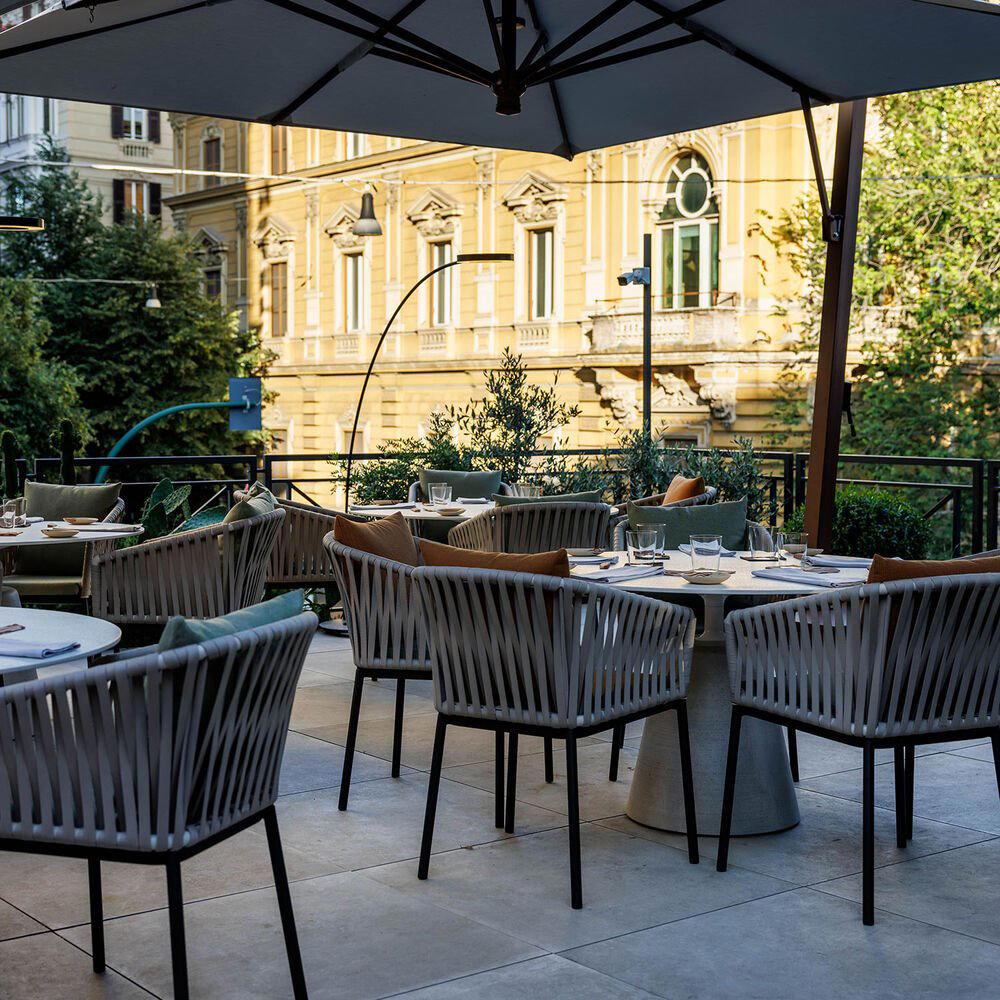
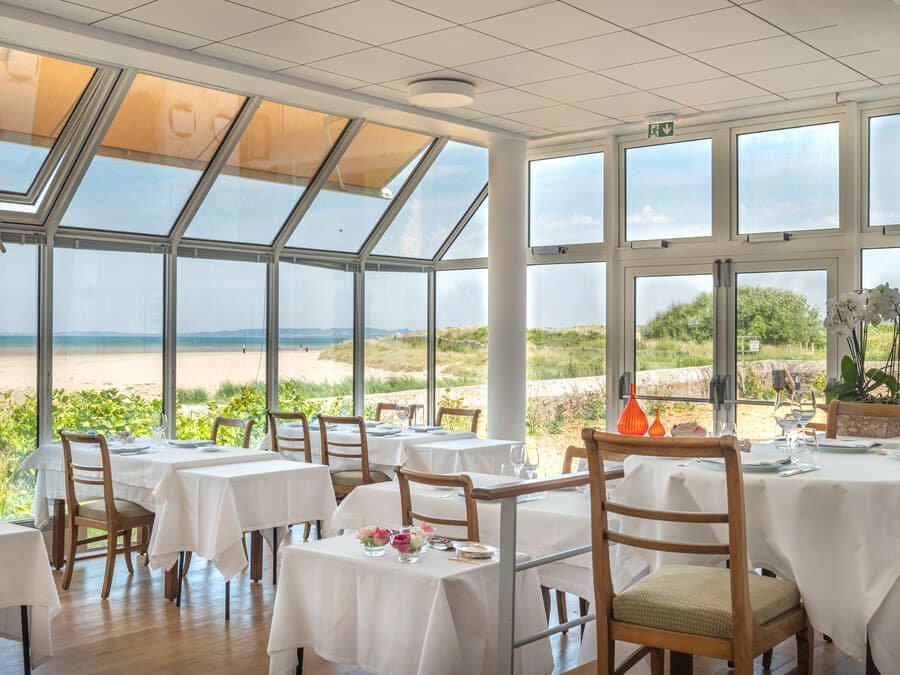
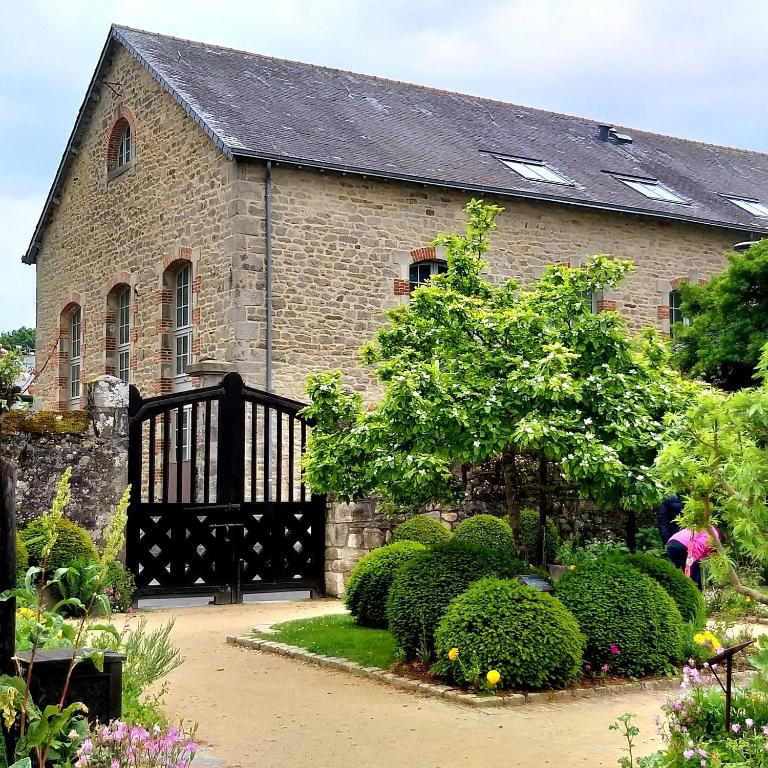
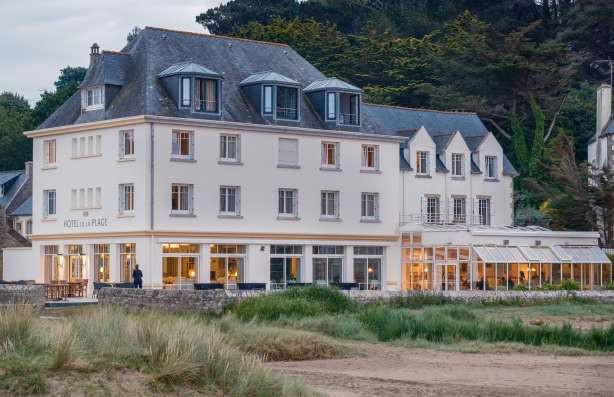
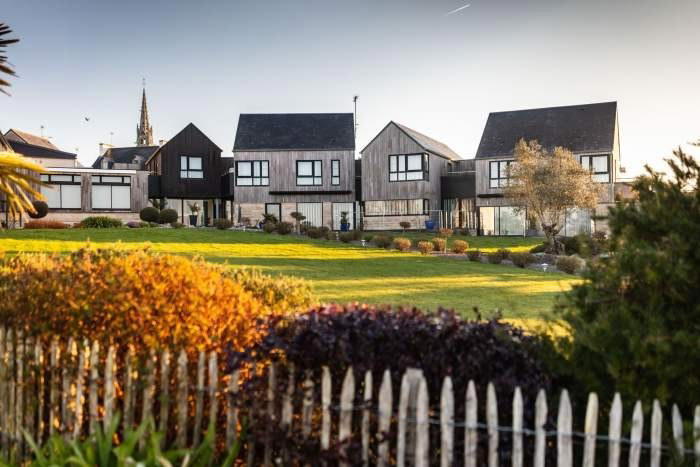
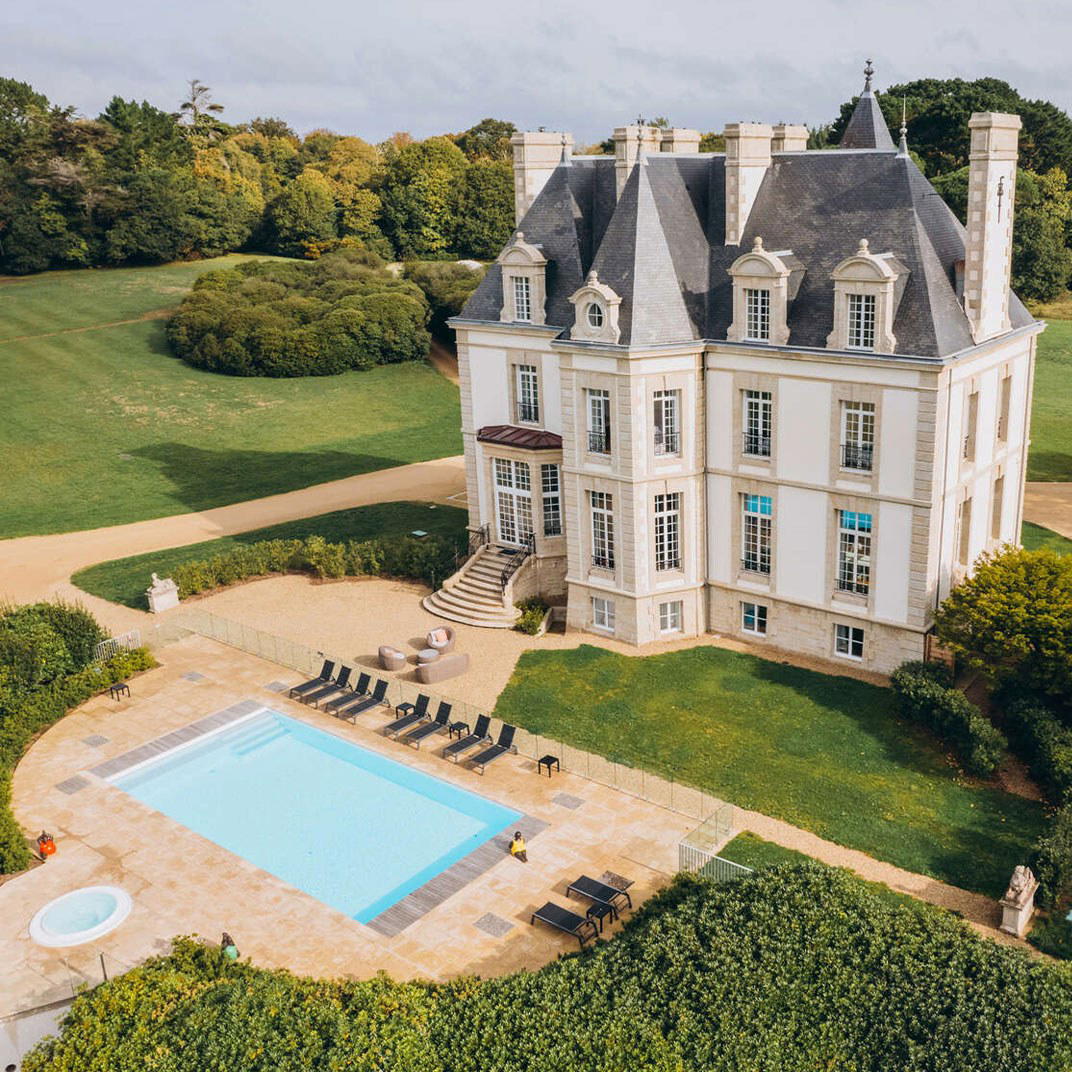
Rustic chic atmosphere in a traditional Breton house with warm, intimate seating for about 26 guests and a welcoming, attentive service.