
Michelin Plate
Our verdict
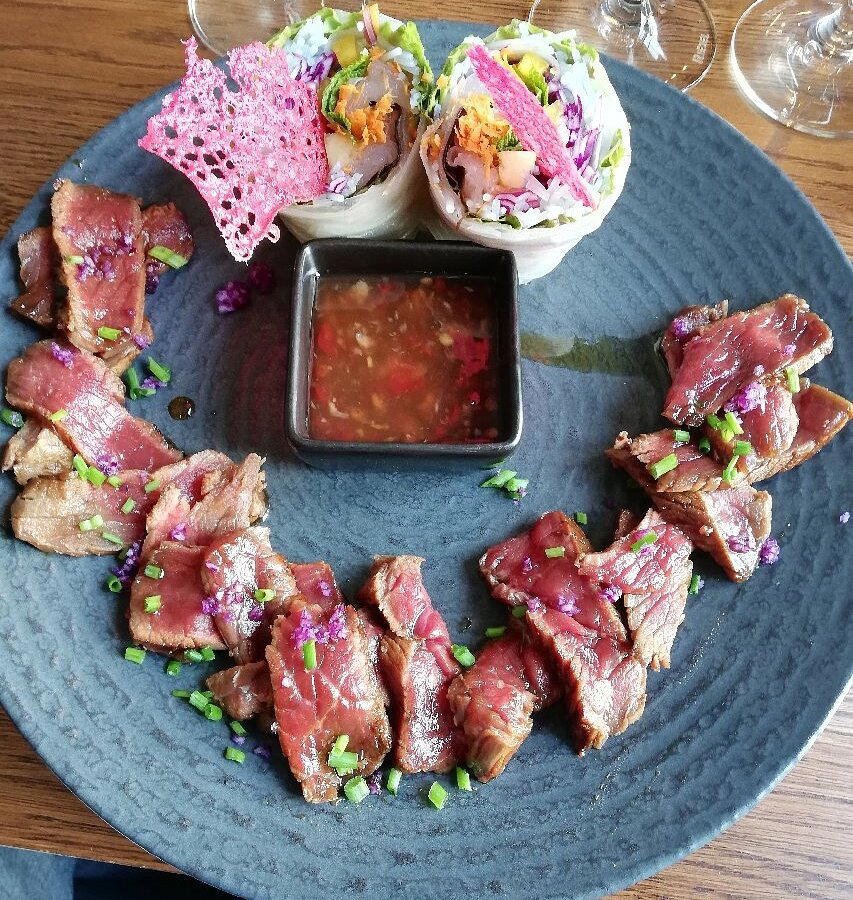
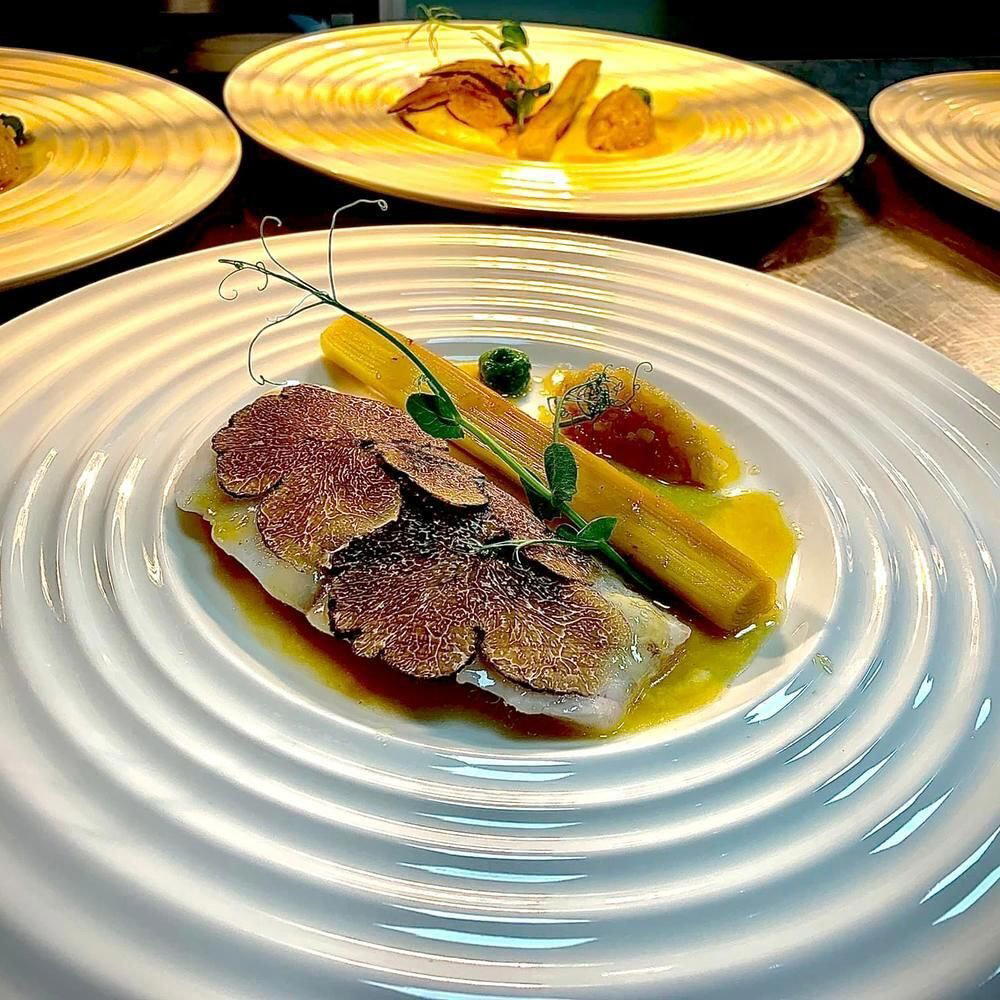
A Michelin Plate-recognised country inn in the Creuse valley, Auberge de la Vallée earns its recognition through disciplined sourcing: locally reared lamb, veal, and beef, goat's cheeses from the region, and vegetables grown in the chef's own market garden.

Pearl is the En Primeur Club membership app — saves, bookings, and concierge access live there. Same editors, same standards.
- Address
- 14 Rue Armand Guillaumin, 23160 Crozant, France
- Phone
- +33 5 55 89 80 03
- Hours
- Mon–Tue ClosedWed 12–2 PMThu–Sat 12–2 PM, 7:30–9 PMSun 12–2 PM
- Website
- laubergedelavallee.fr
- Directions
- Get directions
The menu
What to order
- Médaillons de foie gras aux 7 sésames
- Filet de pigeon rôti au miel de Crozant
- Mignon de veau du limousin
Sourcing as a culinary argument
The ingredient sourcing at Auberge de la Vallée amounts to an editorial position on what regional French cooking should be. The Creuse is not a gastronomic region that appears regularly in the same conversations as, say, the Périgord or the Loire, but its pastoral character produces raw materials that reward a kitchen willing to work close to source rather than importing prestige ingredients from elsewhere.
The cheese selection leans into the regional goat's milk tradition. Goat farming is embedded in the agricultural fabric of the Creuse and its neighbouring départements, and the fromages that appear on the Auberge's board reflect that geography directly rather than drawing from a national cheese list assembled for variety. This specificity, unfashionable in the era of multi-regional tasting menus, is precisely what the Michelin Plate recognition signals: consistent, honest execution of a defined culinary territory.
Kitchen's market garden adds a further layer of coherence. Growing vegetables on-site, or at close proximity, removes the intermediary steps that tend to erode quality between field and plate in rural areas where supply chains are thinner than in urban restaurant markets. It also means the menu responds to what is actually ready to harvest, which imposes a seasonal discipline that no amount of supplier relationships fully replicates. For context on how seriously French regional kitchens take this approach at varying price points, the sourcing rigour visible at addresses like Bras in Laguiole or Flocons de Sel in Megève shares a philosophical root with what happens here, even if the ambition and investment differ entirely.
Where it sits in the French auberge tradition
French auberge model has two broadly different commercial expressions. One has been refined and modernised into destination dining, generating the kind of multi-generational reputation that Auberge de l'Ill in Illhaeusern or Auberge du Vieux Puits in Fontjoncouse represent. The other, far more common expression remains a working rural inn where the cooking is defined by whatever the surrounding land produces leading. Auberge de la Vallée belongs unambiguously to the second category, which is not a lesser category, only a different one with a different set of criteria for what success looks like.
At the €€ price tier, the Auberge sits in a bracket where value is often decided by whether the kitchen takes its sourcing and execution seriously enough to justify the visit over a simpler brasserie meal. It is not the passive accumulation of ratings that high-footfall urban restaurants collect. Comparable regional addresses worth understanding as part of the same conversation include Auberge Grand'Maison in Mûr-de-Bretagne, which operates in a similar traditional-cuisine register in Brittany.
The Michelin Plate awarded in 2025 confirms what the review pattern suggests: the kitchen is producing food good enough to warrant a specific visit, not merely a convenient stop. The Plate sits below Star level and is designed precisely for restaurants where cooking quality is real but the format is not oriented toward the kind of progressive or creative ambition that Michelin rewards with Stars. For reference, the creative end of French restaurant cooking at Star level looks entirely different, with addresses like Alléno Paris au Pavillon Ledoyen or Mirazur in Menton occupying a separate world of ambition and price. The Auberge de la Vallée does not compete with those addresses and makes no claim to do so. That clarity of identity is part of what makes it work. Given the rural location and the kitchen's dependence on seasonal produce and local supply, visiting with advance planning on timing is sensible: the Creuse grows a different range of vegetables in summer than in the shoulder months, and the meat programme is tied to regional livestock rhythms that shift across the calendar. At the €€ price point, the Auberge is accessible for most budgets, making it a practical argument for building a longer Creuse itinerary that uses the area's landscape and heritage as the frame. For everything else to do and stay in the area, see our full Crozant restaurants guide, our Crozant hotels guide, our Crozant bars guide, our Crozant wineries guide, and our Crozant experiences guide.
Frequently asked questions
What kind of setting is Auberge de la Vallée? It operates as a traditional French country inn at the €€ price tier, with Michelin Plate recognition in 2025 confirming the kitchen's consistent quality. The setting is unpretentious and rural, positioned in a region better known for its valley landscapes and Impressionist painting history than for restaurant tourism.What dish is Auberge de la Vallée famous for?
Is Auberge de la Vallée suitable for children?
Fast Comparison
| Venue | Cuisine | Price | Awards |
|---|---|---|---|
| Auberge de la ValléeThis venue — the venue you are viewing | Traditional French Regional | $50–100 | Michelin Plate |
| Alléno Paris au Pavillon Ledoyen | Creative | Not listed | Michelin 3 Star |
| Kei | Contemporary French, Modern Cuisine | Not listed | Michelin 3 Star |
| L'Ambroisie | French, Classic Cuisine | Not listed | Michelin 3 Star |
| Le Cinq - Four Seasons Hôtel George V | French, Modern Cuisine | Not listed | Michelin 3 Star |
| Plénitude | Contemporary French | Not listed | Michelin 3 Star |
Recognition history
Dated appearances from independent guides and award organizations, with the underlying list record or original source where available.
Michelin Plate
Michelin
Full recognition history (3 entries)
Michelin Plate
Michelin
Michelin Plate
Michelin
Details
- Rustic
- Cozy
- Scenic
- Intimate
- Family
- Special Occasion
- Date Night
- Historic Building
- Local Sourcing
- Waterfront
- A La Carte
- Prix Fixe
- Vegetarian Friendly
Current opening hours
- Monday
- Closed
- Tuesday
- Closed
- Wednesday
- 12–2 PM
- Thursday
- 12–2 PM, 7:30–9 PM
- Friday
- 12–2 PM, 7:30–9 PM
- Saturday
- 12–2 PM, 7:30–9 PM
- Sunday
- 12–2 PM
Hours can change for holidays and private events. Last verified .
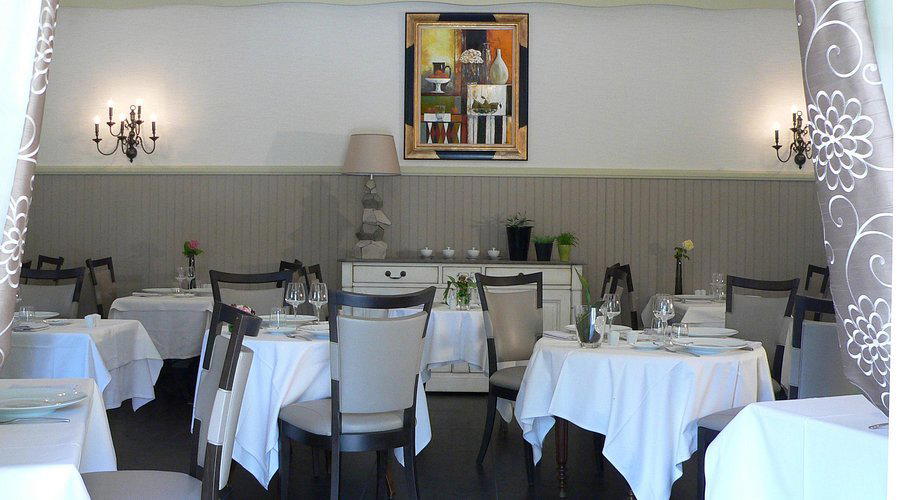
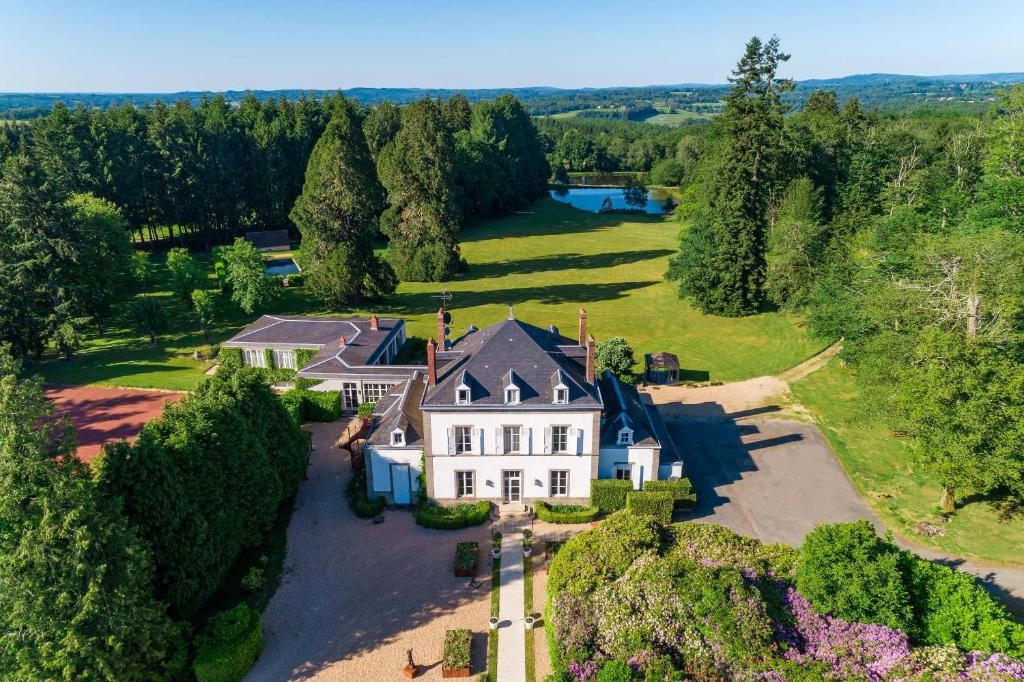
Charming bourgeois house decor with a warm, inviting, and authentic countryside atmosphere.