
Michelin Plate
Our verdict
A Michelin Plate-recognised address in the Haute-Savoie village of Groisy, Auberge de Groisy serves traditional French cuisine at the €€€ price tier, drawing consistently strong ratings from local and regional diners. Rooted in the produce rhythms of the Alpine foothills, it represents the kind of considered village cooking that city restaurants increasingly try to imitate.

Pearl is the En Primeur Club membership app, where members save venues, book tables and use the concierge.

The menu
What to order
- Soupe chaude de foie gras de canard et sa gelée de poule aux truffes
- Homard laqué aux épices
Village Auberges and the Case for Cooking Where the Food Comes From
There is a particular logic to eating at a village auberge in the Haute-Savoie that no amount of sourcing partnerships can replicate in an urban kitchen. The food moves a shorter distance from field to plate. The cook knows the producer by name. And the menu adjusts not by seasonal marketing calendar, but by what actually arrived that week. Auberge de Groisy, positioned along the Route du Chef Lieu in the small commune of Groisy, operates within that logic.
Groisy sits in the Avant-Pays Savoyard, the transitional zone between the flatlands of the Genevois basin and the steeper Alpine terrain rising toward the Aravis range. This geography is not incidental to what ends up on the plate. The region produces some of France's more interesting dairy, mountain-grazed lamb, and freshwater fish from rivers fed by snowmelt. The supply chain is compressed by proximity in a way that Parisian restaurants spending considerably more on ingredient logistics cannot match.
Traditional Cuisine in Its Natural Habitat
French traditional cuisine is experiencing something of a critical reappraisal. For two decades, the prestige conversation ran almost entirely through creative and contemporary formats: the kind of work represented at the leading end by addresses like Alléno Paris au Pavillon Ledoyen in Paris or Mirazur in Menton. But the appetite for cooking grounded in regional identity and classical method has not diminished among the people who actually live in these regions. The auberge format, historically a resting place for travellers that evolved into a community dining institution, carries that regional identity in its structure as much as in its recipes.
At this price tier, €€€, a village auberge like Auberge de Groisy positions itself meaningfully above the bistro tier without entering the tasting-menu formality of starred restaurants. That gap is where regional traditional cuisine tends to do its most interesting work: technically serious, but not theatrical; ingredient-led, but not minimalist. The Michelin Plate designation, which the guide awards to restaurants offering good cooking without star elevation, confirms the kitchen is operating with discipline. Two consecutive years of that recognition, in 2024 and 2025, suggests the standard is stable rather than a one-season result.
For context on what the Michelin Plate tier means in practice: the guide uses it to mark kitchens where quality is consistent and the cooking is genuinely good, sitting below the starred tier but above restaurants receiving no recognition at all. In a region with significant starred competition, from Flocons de Sel in Megève to the multi-generational institution of Auberge de l'Ill in Illhaeusern, holding a Plate in consecutive years carries more meaning than the designation might suggest in a less competitive national context.
What the Sourcing Reality Looks Like in Haute-Savoie
The Alpine foothills around Groisy are not a single-ingredient region. Reblochon and Abondance cheese come from nearby valleys. Mountain streams supply trout and omble chevalier, a coldwater char species that features in serious Savoyard cooking. Farms at lower elevations produce vegetables across a longer season than the higher-altitude communes, while cheesemakers, honey producers, and small-scale butchers operate at distances measurable in minutes rather than hours. For a kitchen committed to traditional cuisine, this supply environment is an operational advantage that shapes what can realistically appear on the menu at any given time.
France's broader tradition of auberge cooking was built on exactly this dynamic: a cook positioned within a productive agricultural zone, using proximity as a culinary method. The tradition runs through the country's most respected regional addresses, from Bras in Laguiole at the high end, where the Aubrac plateau's terroir became a defining creative concept, to more modest expressions of the same instinct in village dining rooms throughout the French provinces. Auberge de Groisy operates in the latter register, without the tasting-menu architecture, but within the same underlying philosophy of cooking from where you are.
Among traditional cuisine addresses at the €€€ tier with Michelin recognition, the competitive comparison is less about fine dining peers and more about a specific type of French regional restaurant: serious without being ceremonial, local without being parochial. Relevant comparisons include Auberge Grand'Maison in Mûr-de-Bretagne and Auga in Gijón, both of which operate within the tradition of regional produce-led cooking with professional kitchens. Within France specifically, the auberge category carries enough institutional weight that Michelin has consistently tracked it as a distinct format, separate from both brasseries and destination fine dining.
The wider alpine region also rewards attention to addresses like Troisgros - Le Bois sans Feuilles in Ouches and Paul Bocuse - L'Auberge du Pont de Collonges in Collonges-au-Mont-d'Or, though those operate at a categorically different price point and scale.
Planning a Visit
Auberge de Groisy sits at 34 Route du Chef Lieu, Groisy, in the Haute-Savoie department. The village is accessible from Annecy, approximately 20 kilometres to the south, and from Geneva, making it plausible as a destination for visitors using either city as a base. At the €€€ price tier, the spend per head is meaningful but not exceptional for the region, placing it within reach for a considered meal rather than a special-occasion blowout. Booking ahead is the sensible approach for any meal here.
For more ideas in the area, see the Groisy experiences guide.
Frequently asked questions
What's Auberge de Groisy known for in terms of accolades?
Auberge de Groisy has received recognition including: Michelin Plate (2025); Michelin Plate (2024).
How would you describe the cuisine at Auberge de Groisy?
Auberge de Groisy is a traditional-cuisine restaurant.
At-a-Glance Comparison
Comparable venues for quick context.
| Venue | Cuisine | Price | Awards | Notes |
|---|---|---|---|---|
| Auberge de GroisyThis venue (the venue you are viewing) | Traditional French Gastronomic | $50–100 | Michelin Plate | Not listed |
| Alléno Paris au Pavillon Ledoyen | Modern French Fine Dining | $150–200 | 3 Michelin Stars · World's 50 Best #79 | Creative |
| Kei | Contemporary French, Modern Cuisine | Not listed | Michelin 3 Star | Not listed |
| L'Ambroisie | Classic French Haute Cuisine | $300–500 | 2 Michelin Stars · World's 50 Best #23 | French, Classic Cuisine |
| Le Cinq - Four Seasons Hôtel George V | Modern French Fine Dining | $300–500 | 3 Michelin Stars · World's 50 Best #24 | French, Modern Cuisine |
| Plénitude | Modern French Sauce-Led Fine Dining | $300–500 | 3 Michelin Stars · World's 50 Best #14 | Contemporary French |
Recognition history
Dated appearances from independent guides and award organizations, with the underlying list record or original source where available.
Michelin Plate
Michelin
Full recognition history (3 entries)
Michelin Plate
Michelin
Michelin Plate
Michelin
Continue exploring
More in Groisy
Restaurants in Groisy
All restaurants in Groisy →
Bars in Groisy
Browse all →

Details
- Romantic
- Cozy
- Elegant
- Rustic
- Intimate
- Date Night
- Special Occasion
- Terrace
- Historic Building
- Local Sourcing
- Mountain
- A La Carte
Current opening hours
- Monday
- Closed
- Tuesday
- Closed
- Wednesday
- 12–2 PM, 7:30–9 PM
- Thursday
- 12–2 PM, 7:30–9 PM
- Friday
- 12–2 PM, 7:30–9 PM
- Saturday
- 12–2 PM, 7:30–9 PM
- Sunday
- 12–2 PM
Hours can change for holidays and private events. Hours as of .
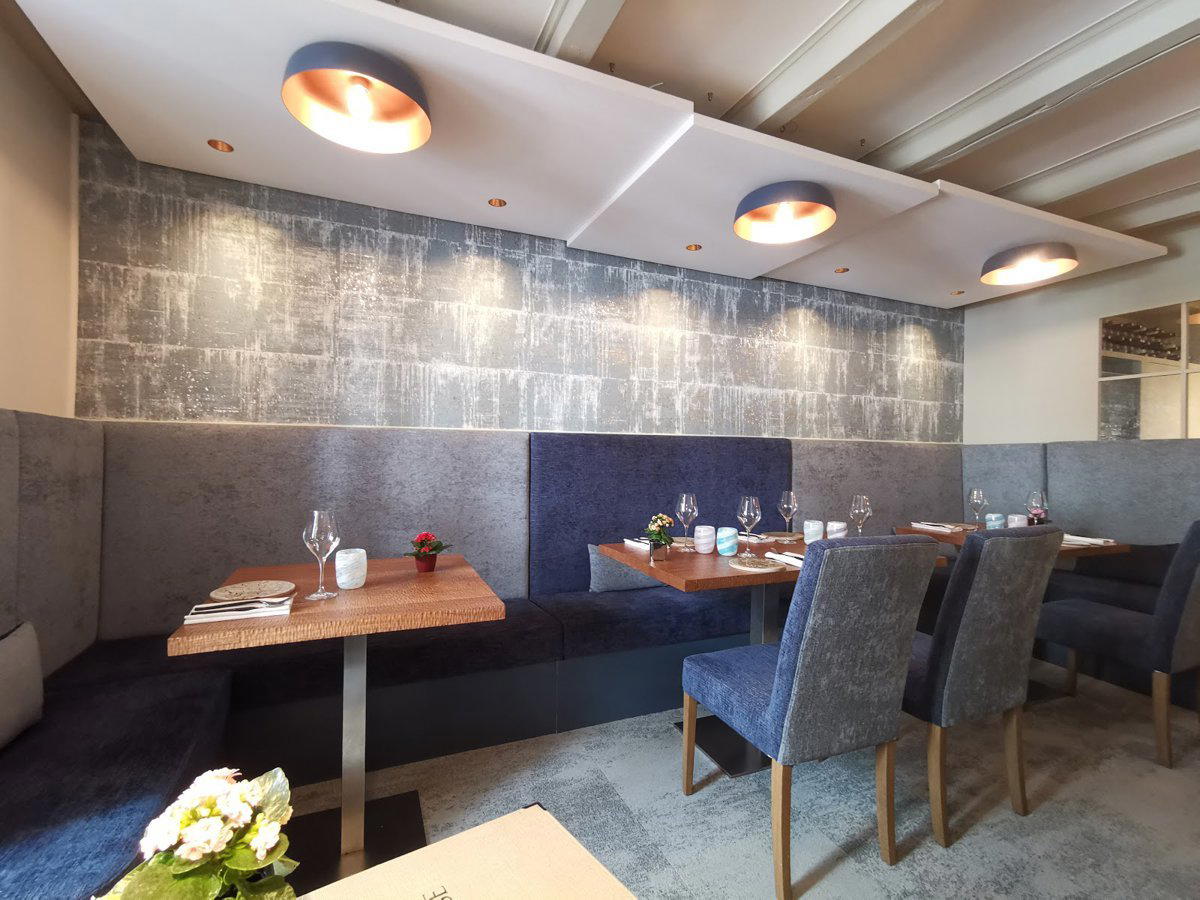
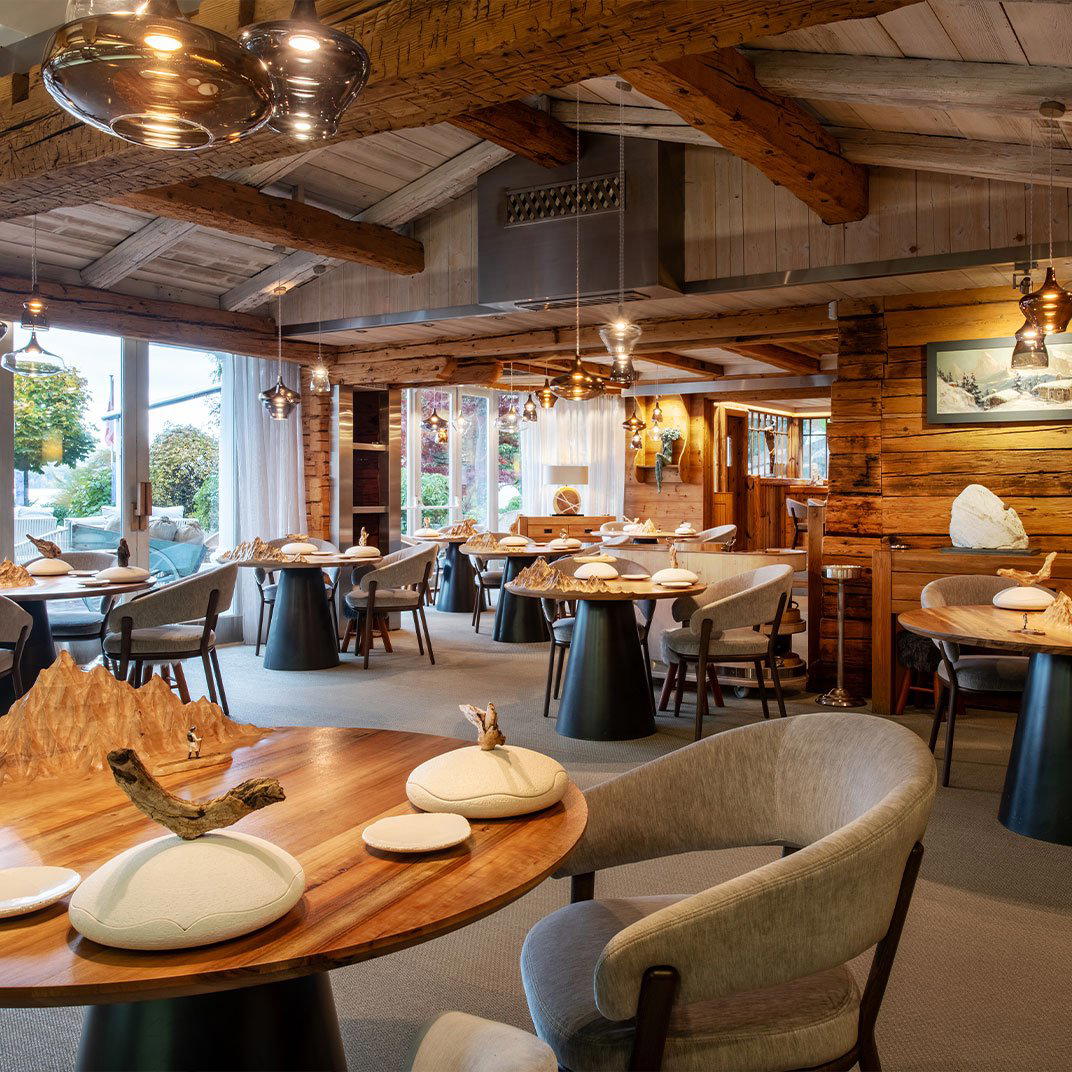
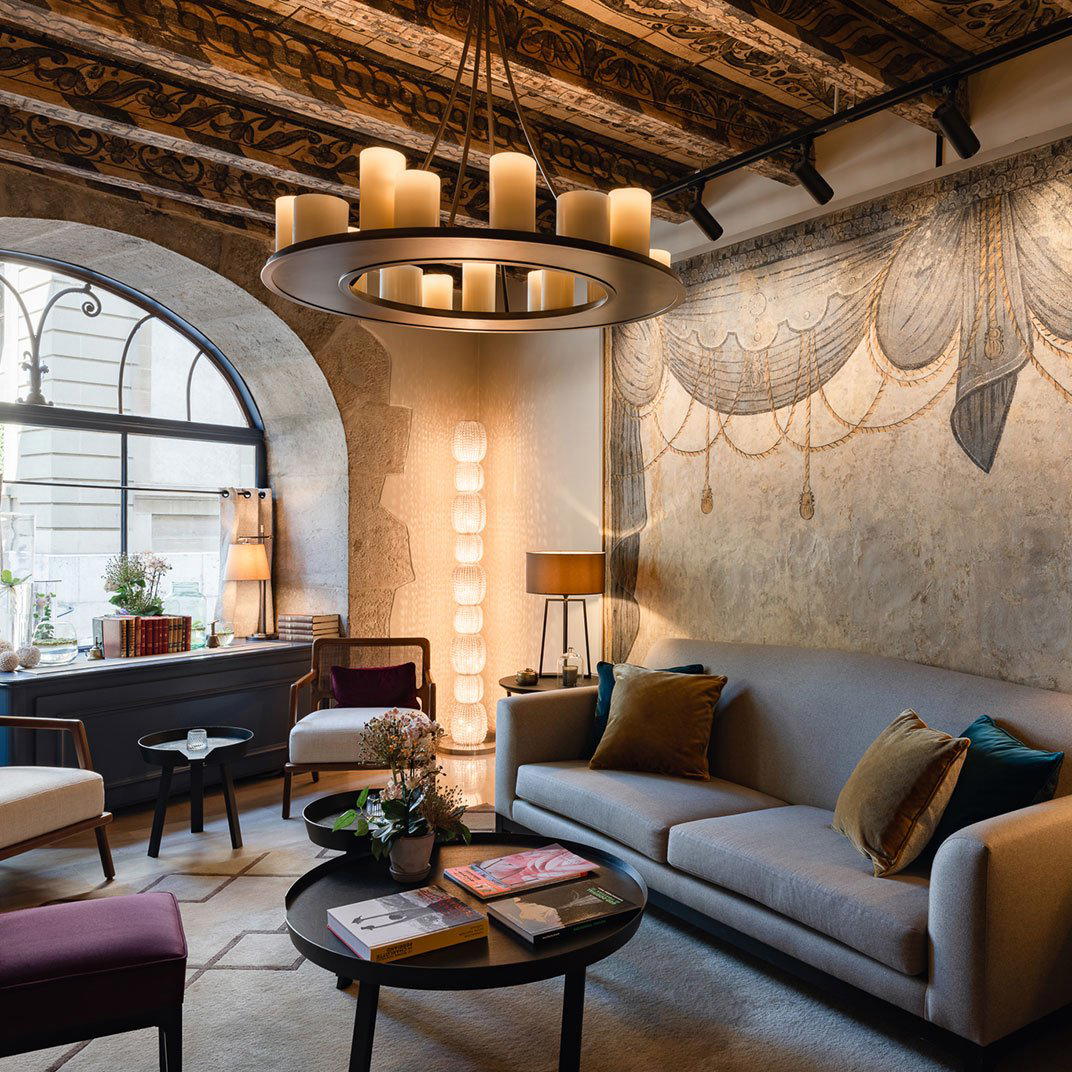
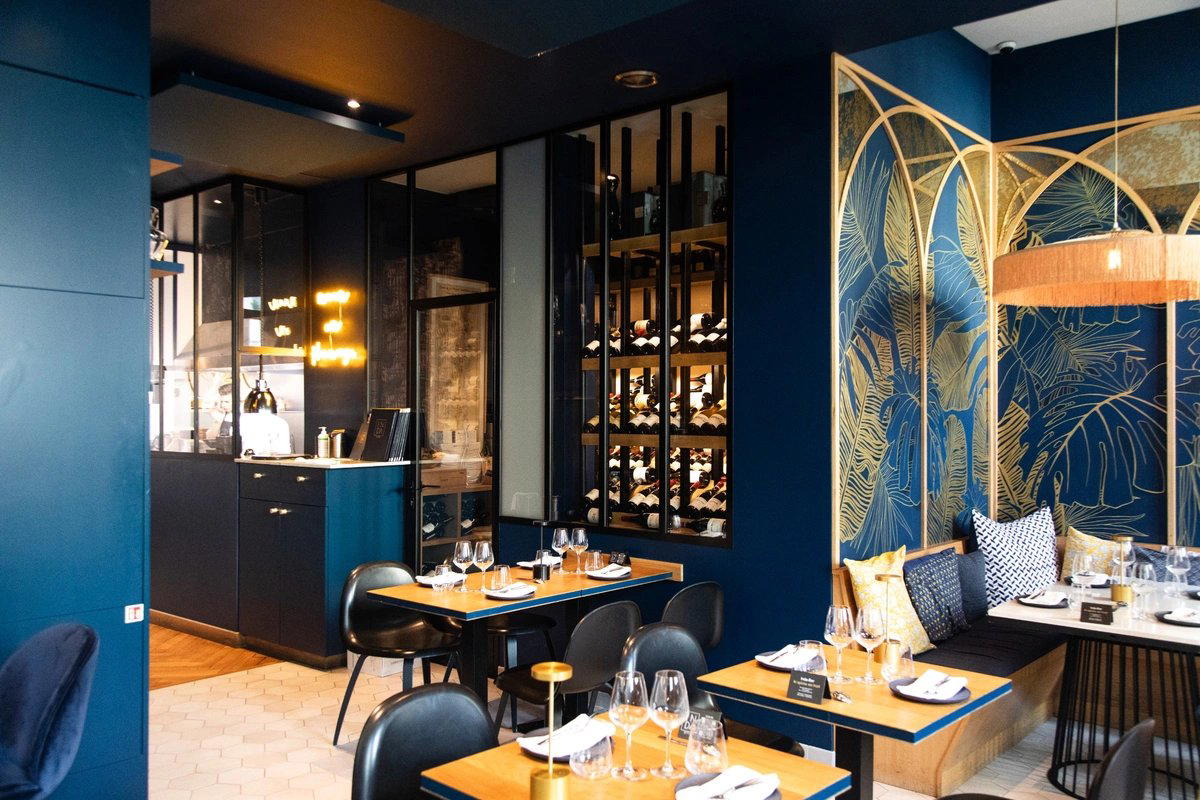
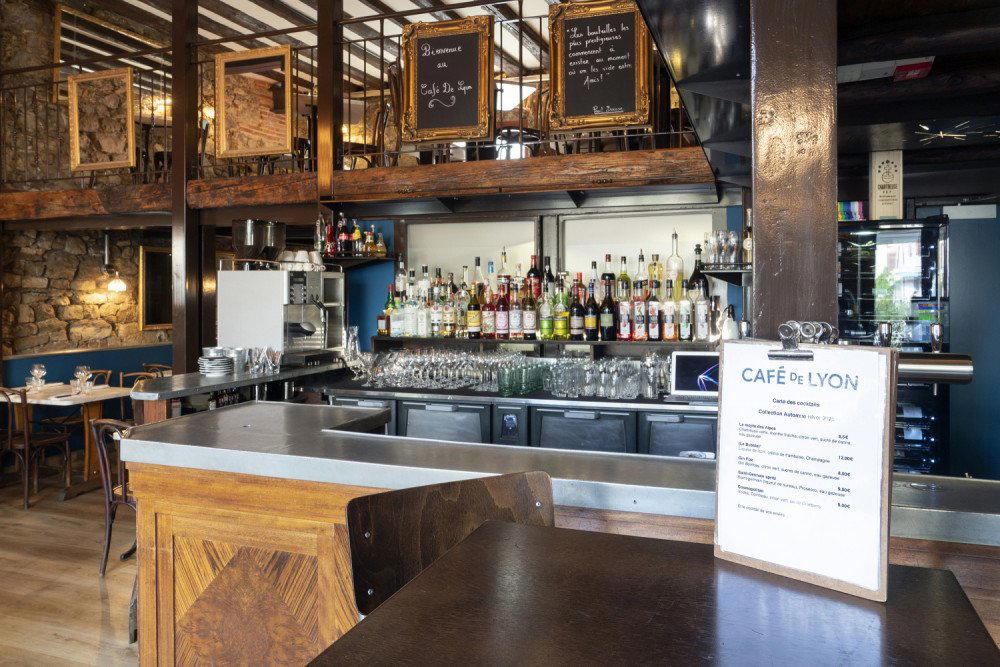
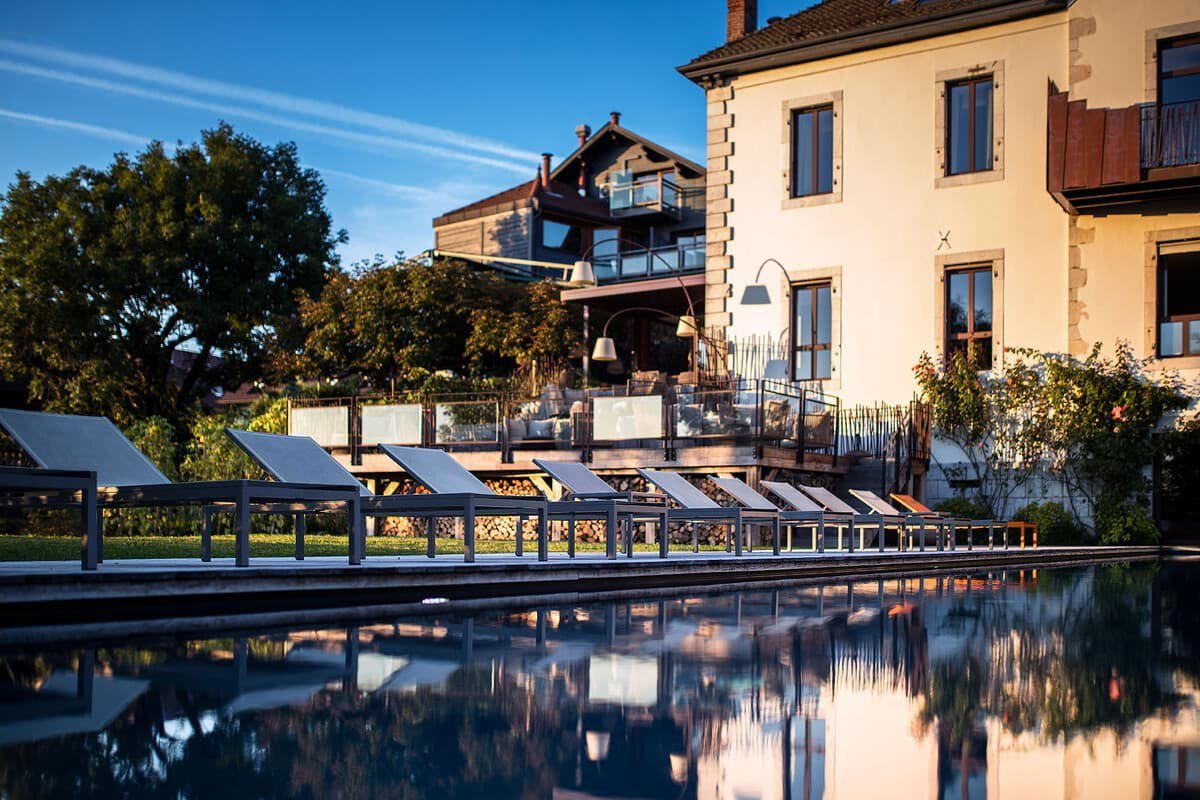
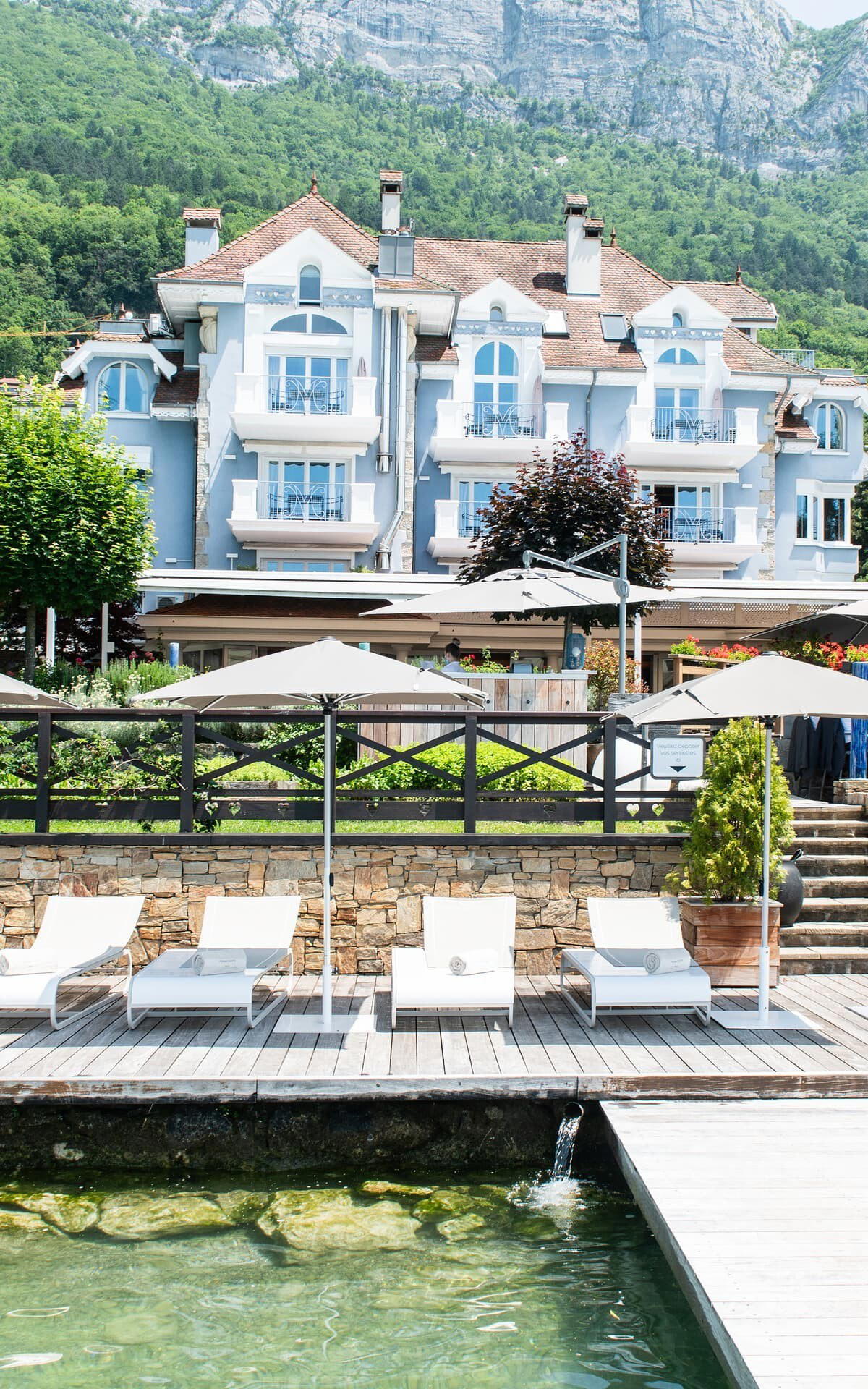
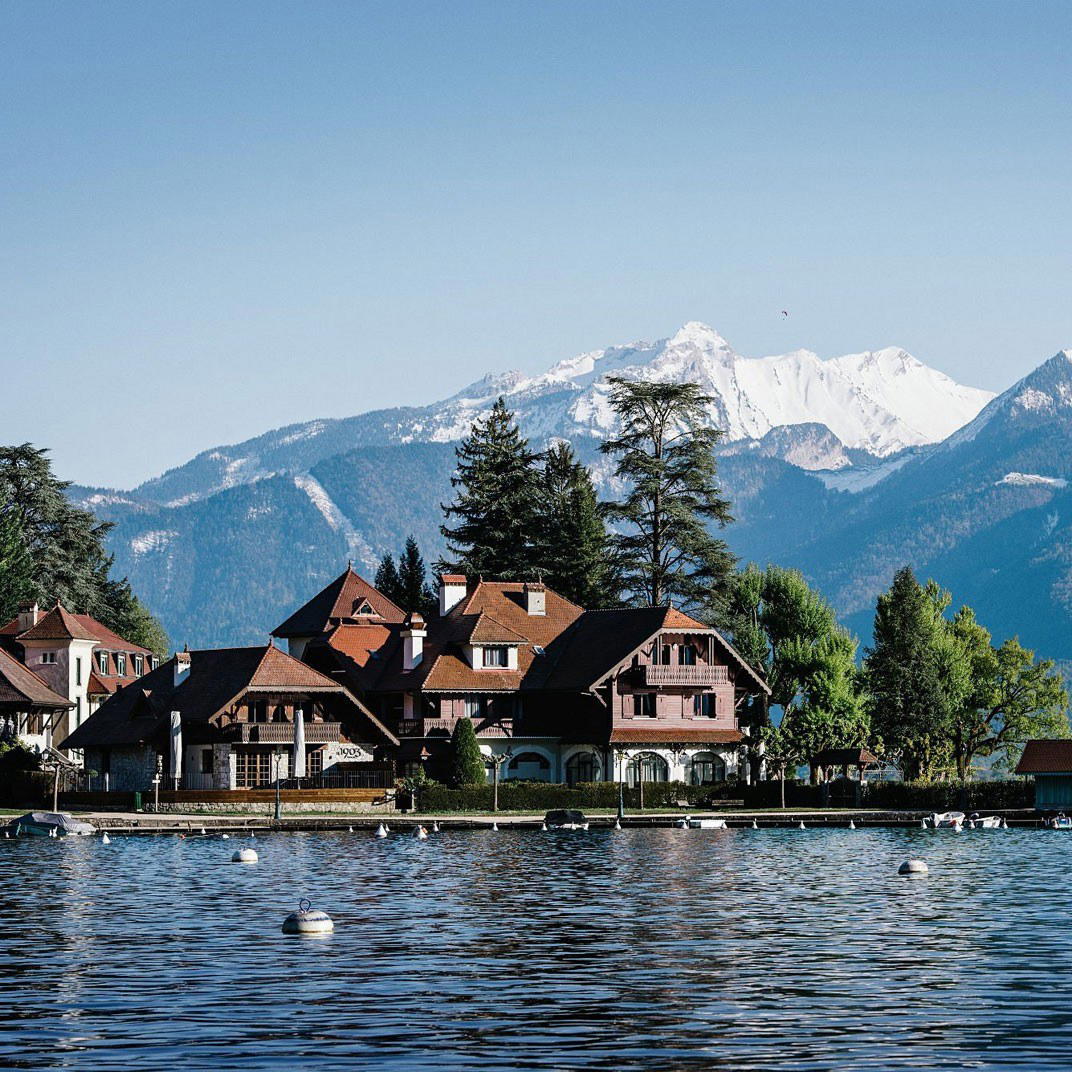
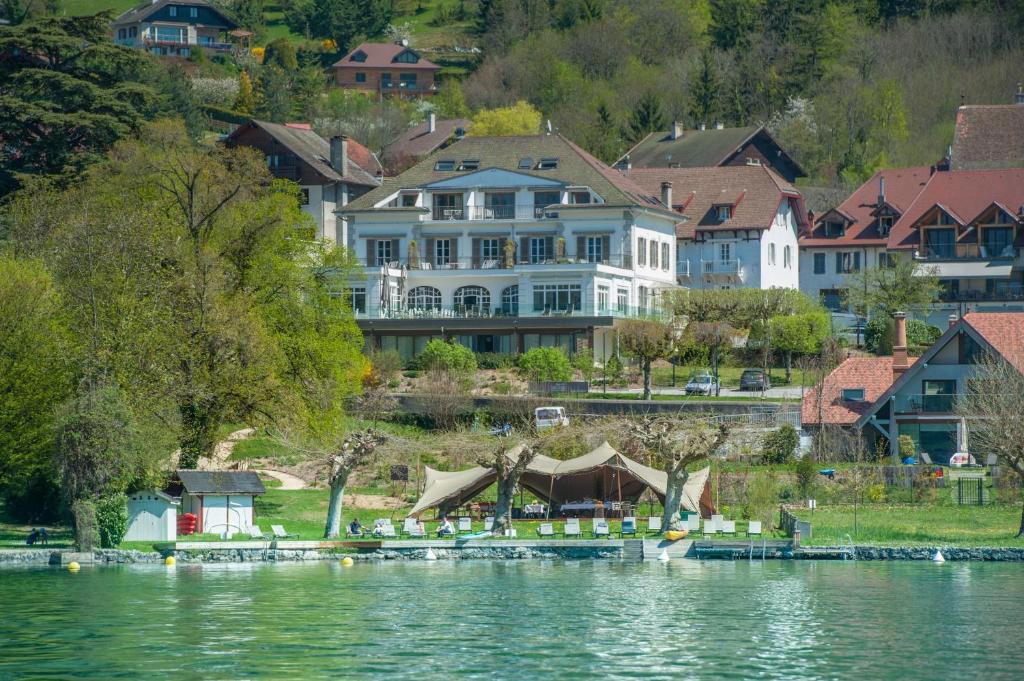
Contemporary and luminous spaces with stone and whitewashed wood, cozy intimate rooms, and a peaceful bucolic setting.