Our verdict
Arrel belongs to the quieter side of Barcelona dining: a place to read through ingredients, sourcing and Catalan context rather than chase spectacle. Its Sants-Montjuïc address puts it near the city’s civic and cultural axis, where restaurant choices range from tapas counters to modern tasting formats.

Pearl is the En Primeur Club membership app, where members save venues, book tables and use the concierge.
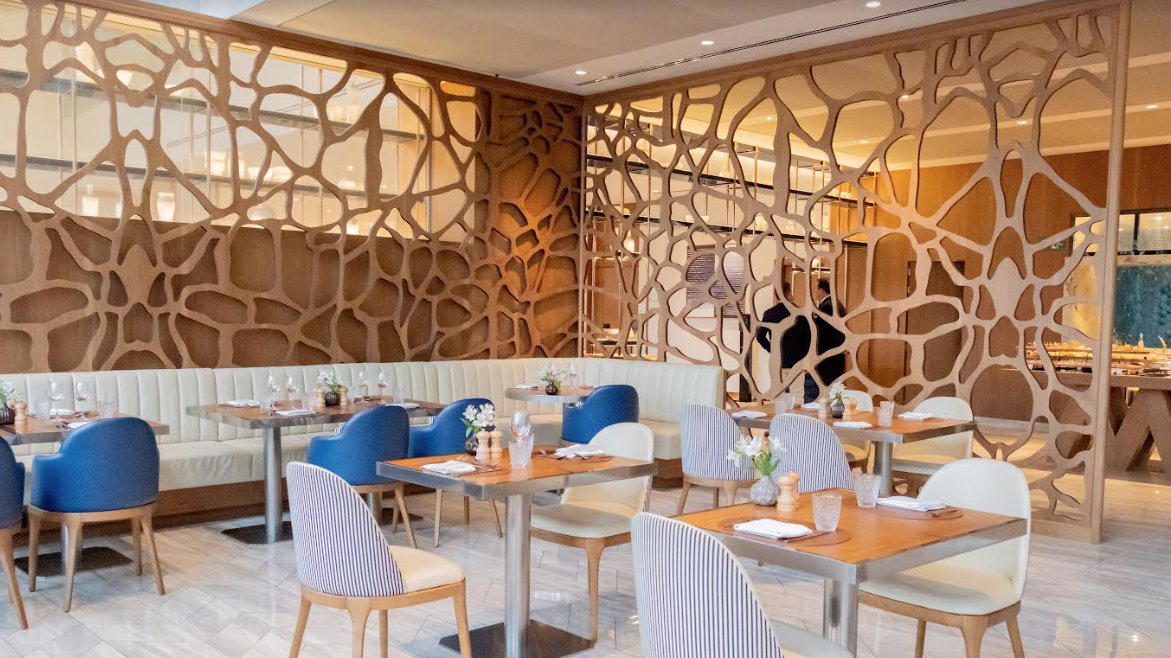
Approaching Barcelona, the city changes register from one dining mood to another. The city’s restaurant conversation is often framed by central rooms, busy visitor corridors and tasting-menu addresses found across town, but Arrel belongs to a different rhythm: urban, practical, and less dependent on theatrical arrival. Arrel sits inside that Barcelona, where the question is less about scenery and more about what a kitchen chooses to put in the foreground.
The name points toward roots, and that matters in a city where local cooking can be pulled between market fidelity, visitor shorthand and polished modern dining. The more useful way to read Arrel is through ingredient sourcing as an editorial lens: not as a claim of rusticity, but as a signal that the plate should be judged by how clearly it connects produce, season and place. In Barcelona, that can mean restraint. It can also mean refusing to reduce the city’s food culture to a few familiar dishes and display-counter expectations.
Barcelona produce culture without the postcard version
Barcelona dining has always been tied to supply lines: coast, agricultural hinterland, inland traditions, olive oil, pulses, rice and seasonal produce. Contemporary Barcelona kitchens use that inheritance in different ways. Some lean into informal velocity, some into more formal roomcraft, others into contemporary formats with longer-menu architecture. Arrel is better understood within that broad sourcing conversation than as a venue defined by a single cuisine label.
That distinction is useful for travellers comparing Barcelona restaurants. RíasKru belongs to a different decision set, with its own room logic and expectations. Casa de Tapas Cañota sits closer to a more convivial Barcelona format. Quirat occupies a more composed contemporary lane, while Alapar works from a different brief again. Arrel’s appeal is quieter: the editorial promise is that ingredients, rather than format alone, carry the argument.
For a wider read on how this fits across the city, Our full Barcelona restaurants guide is the cleaner starting point. Other Barcelona dining rooms each map different slices of the city’s eating habits, from classic local formats to contemporary cooking and more informal meals.
Why Barcelona changes the dining brief
Location matters in Barcelona because the city can shape the meal before the menu does. Some restaurants work around foot traffic and historic atmosphere. Others can support longer formats and polished rooms. Certain rooms carry expectations before the first order. Arrel brings a more mixed brief: local diners, cultural visitors, event traffic and guests looking beyond the most obvious restaurant corridors.
That context gives Arrel a useful role. It is not being asked to perform a postcard fantasy of Barcelona. The setting encourages a meal read through place rather than scenery, with ingredient choices doing the interpretive work. For travellers, that can be a more accurate way into the city’s food culture: less spectacle, more attention to what local kitchens decide to preserve, edit or modernise.
The practical implication is simple. Arrel makes sense when the day is already oriented around Barcelona, rather than as a detour planned only for a restaurant name. Visitors building a fuller itinerary can pair the restaurant decision with Our full Barcelona hotels guide, Our full Barcelona bars guide, Our full Barcelona wineries guide and Our full Barcelona experiences guide.
How to place it in a Spain-wide restaurant itinerary
Spain rewards diners who stop treating every meal as a hunt for the same format. Barcelona’s ingredient-led cooking should not be judged by the same criteria as Madrid’s urban dining rooms, Basque counter culture, Andalusian tapas routes or island destination restaurants. The smarter itinerary uses contrast: one meal for market clarity, one for seafood, one for local tradition, one for contemporary technique.
Arrel belongs in that first category. It is the kind of Barcelona address to consider when provenance and local grammar matter more than a trophy meal. That does not make it a substitute for a specialist dining room, a historic local address or a high-gloss modern tasting menu; it makes it a useful counterweight to them.
For readers comparing Spain beyond Barcelona, the broader EP Club restaurant map includes dining rooms across the country, from capital-city addresses to tapas stops, island restaurants and wine-country meals. For contrast outside Spain, other international dining rooms are useful reminders that ingredient-led dining reads differently when the cultural base changes.
The critical read: Arrel is for diners who want Barcelona without reducing it to a checklist. The stronger reason to pay attention is contextual rather than trophy-based: Barcelona setting, sourcing cues and a dining brief that points back to product. In a city crowded with louder restaurant narratives, that is a valid reason to look closer.
Frequently asked questions
Is Arrel suitable for children?
Arrel is in Barcelona, and the available public details do not confirm a specific children policy. Check the venue's official channels for the latest details.
How would you describe the vibe at Arrel?
Arrel reads as a Barcelona dining room rather than a high-traffic tourist stop. The meal is framed less by spectacle and more by the relationship between place, produce and the plate.
What's Arrel's location?
Arrel is located in Barcelona.
Do they take walk-ins at Arrel?
The public record for Arrel in Barcelona does not list walk-in policy details. It is sensible to plan ahead rather than rely on a spontaneous arrival. Check the venue's official channels for the latest details.
How It Stacks Up
Comparable venues by cuisine and price in the same metro.
| Venue | Cuisine | Price | Awards |
|---|---|---|---|
| ArrelThis venue (the venue you are viewing) | Mediterranean & Spanish hotel restaurant | $30–50 | Not listed |
| Quirat | Modern Catalan Fine Dining | $50–100 | 1 Michelin Star · Falstaff Restaurant - 93 Falstaff Points |
| Casa de Tapas Cañota | Galician Tapas & Seafood | $30–50 | Not listed |
| RíasKru | Modern Galician Seafood with Japanese Influences | $50–100 | Michelin Plate |
| Alapar | Mediterranean-Japanese Omakase Izakaya | $100–150 | Michelin Plate · Macarfi 7.9 Food Rating |
| El Camarote de Tomás | Traditional Catalan Seafood & Marisqueria | $50–100 | Macarfi 7.7 Food Rating |
Continue exploring
More in Barcelona
Restaurants in Barcelona
All restaurants in Barcelona →
Bars in Barcelona
All bars in Barcelona →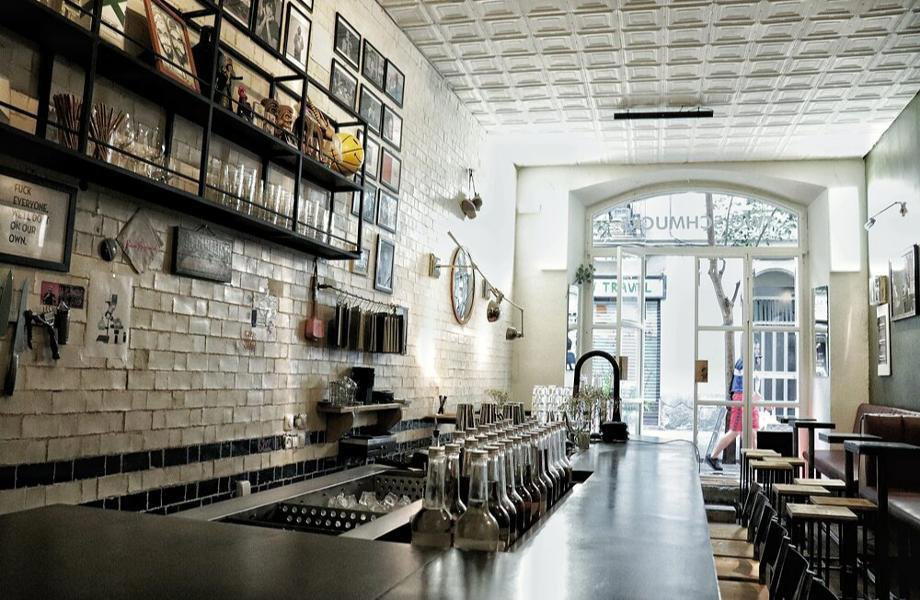

Details
- Modern
- Elegant
- Sophisticated
- Business Dinner
- Group Dining
- Family
- Brunch
- After Work
- Special Occasion
- Open Kitchen
- Hotel Restaurant
- Design Destination
- Private Dining
- Extensive Wine List
- Craft Cocktails
- Local Sourcing
- Buffet
- A La Carte
- Set Menu
- Small Plates
- Wine
- Cocktails
- Vegetarian Friendly
- Gluten Free Options
Current opening hours
- Monday
- 12:30–3:30 PM, 7:30–10:30 PM
- Tuesday
- 12:30–3:30 PM, 7:30–10:30 PM
- Wednesday
- 12:30–3:30 PM, 7:30–10:30 PM
- Thursday
- 12:30–3:30 PM, 7:30–10:30 PM
- Friday
- 12:30–3:30 PM, 7:30–10:30 PM
- Saturday
- 12:30–3:30 PM, 7:30–10:30 PM
- Sunday
- 12:30–3:30 PM, 7:30–10:30 PM
Hours can change for holidays and private events. Hours as of .
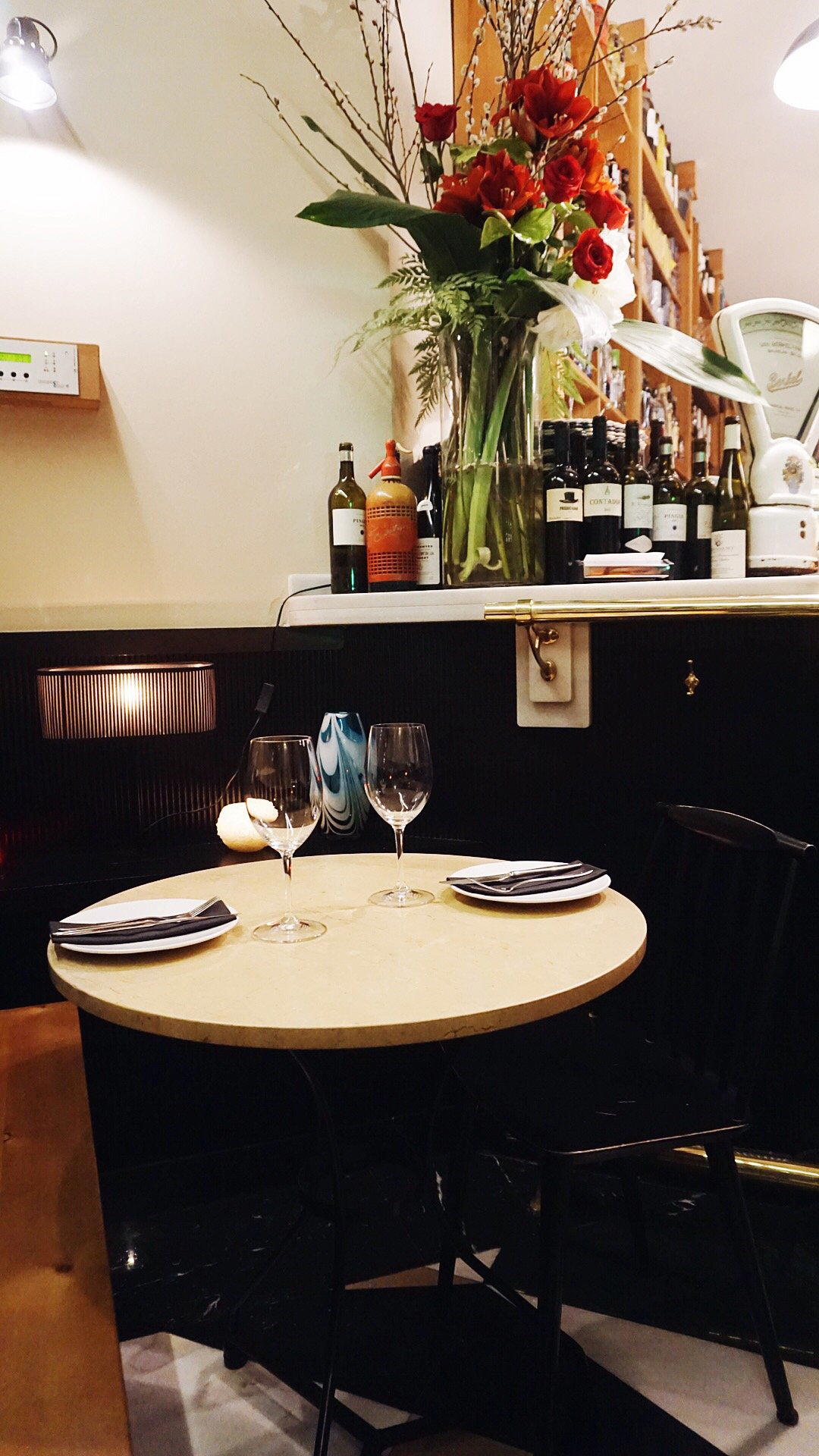
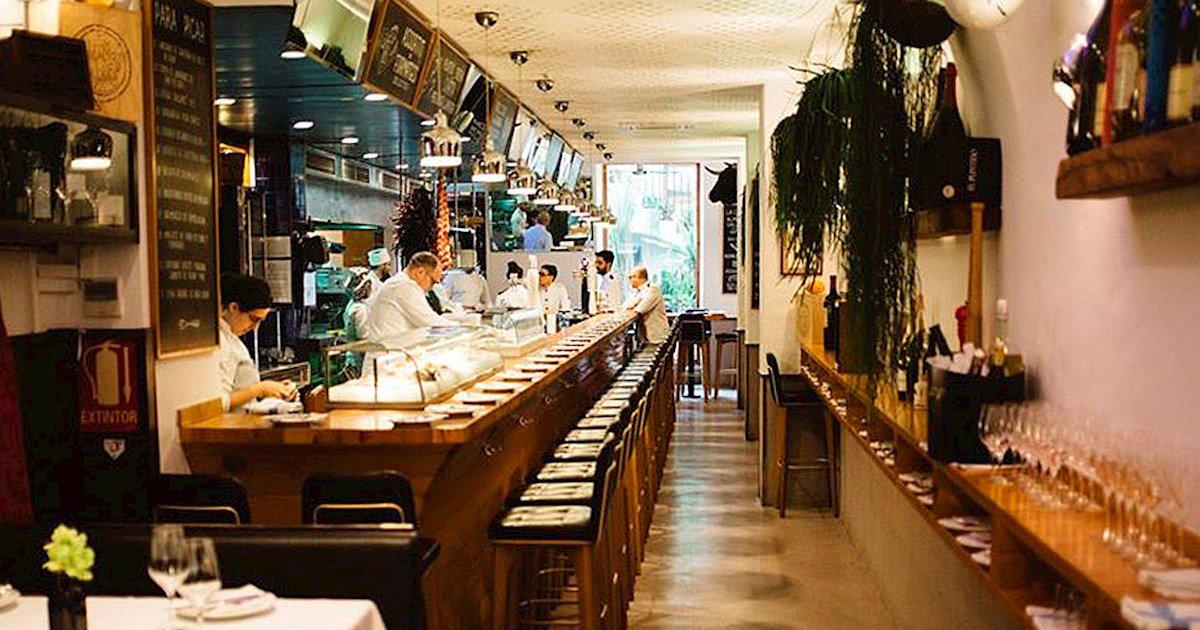
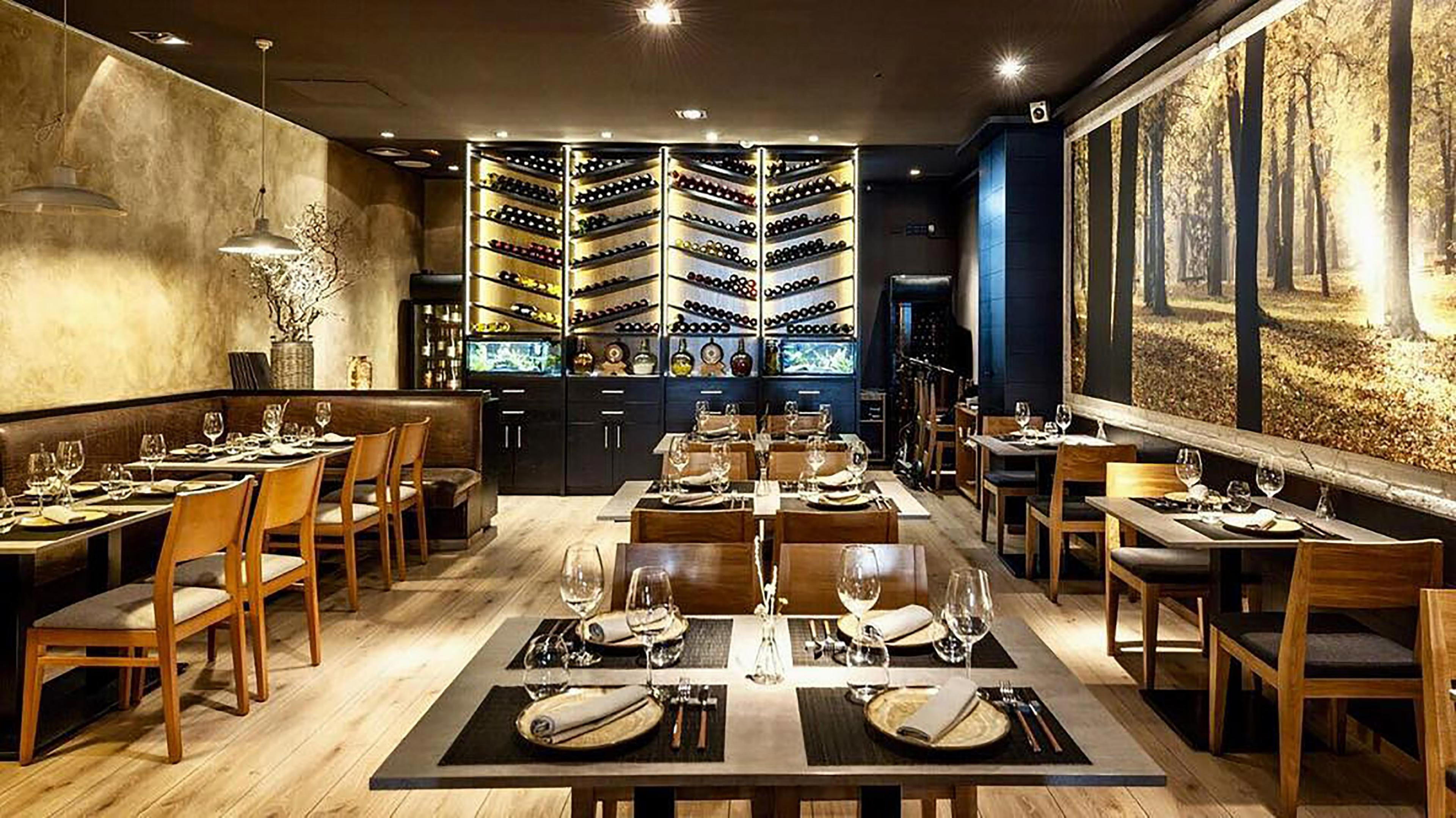
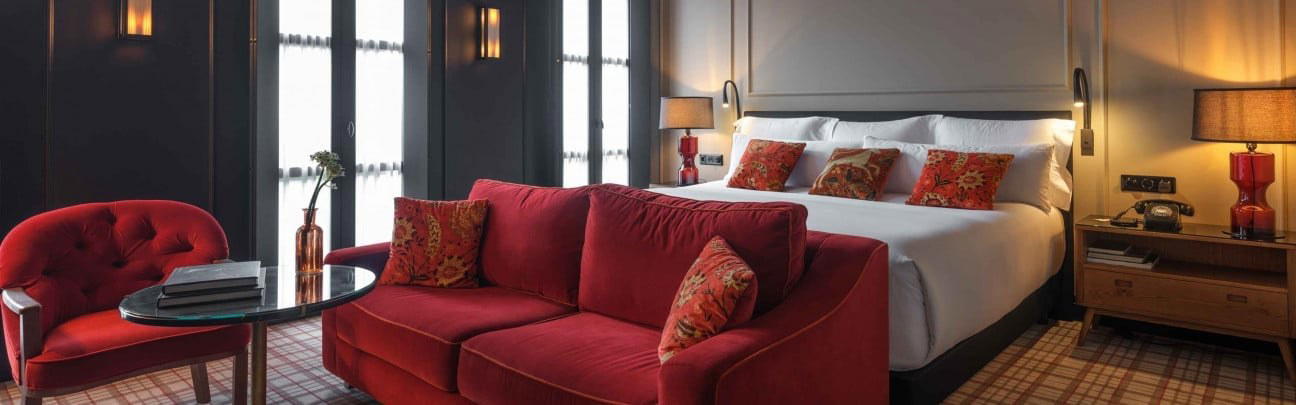
Contemporary hotel-restaurant setting with a striking root-shaped lattice at the entrance, open kitchen, and a polished yet relaxed atmosphere suited to both hotel guests and external diners.