Aperçu des spécialités culinaires
Aperçu des spécialités culinaires is better read as a Mahé resort-dining lens than as a chef-led destination table: the interest lies in how Seychelles cooking translates local fish, fruit, spice, and Creole habits for an international hotel audience. In Baie Lazare, that means island produce and coastal context matter more than ceremony, with the wider Mahé scene close enough for comparison.
Pearl is the En Primeur Club membership app — saves, bookings, and concierge access live there. Same editors, same standards.
- Address
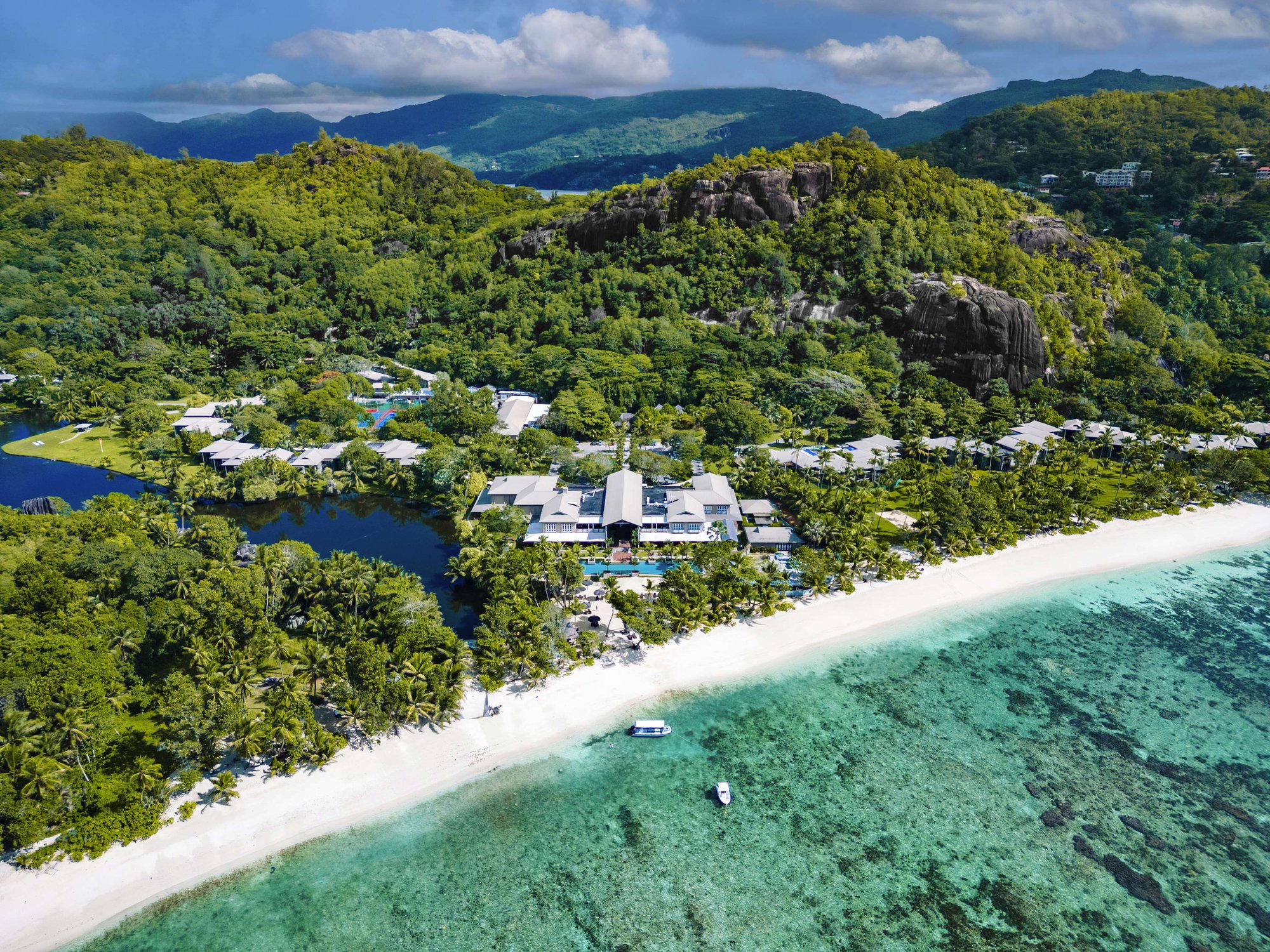
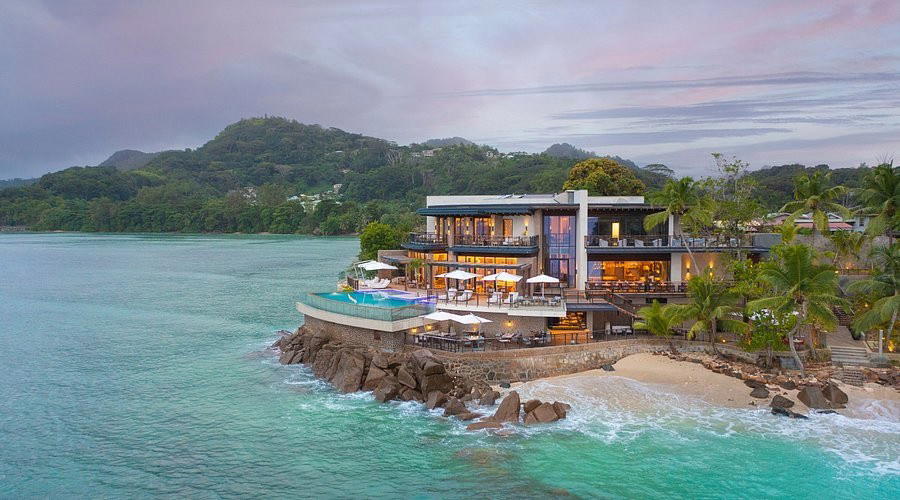
- Kempinski Seychelles Resort Baie Lazare Mahe, Island, Seychelles
- Phone
- +248 4 386 666
- Website
- lepetitchef.com
- Directions
- Get directions
 Saves & bookings on Pearl
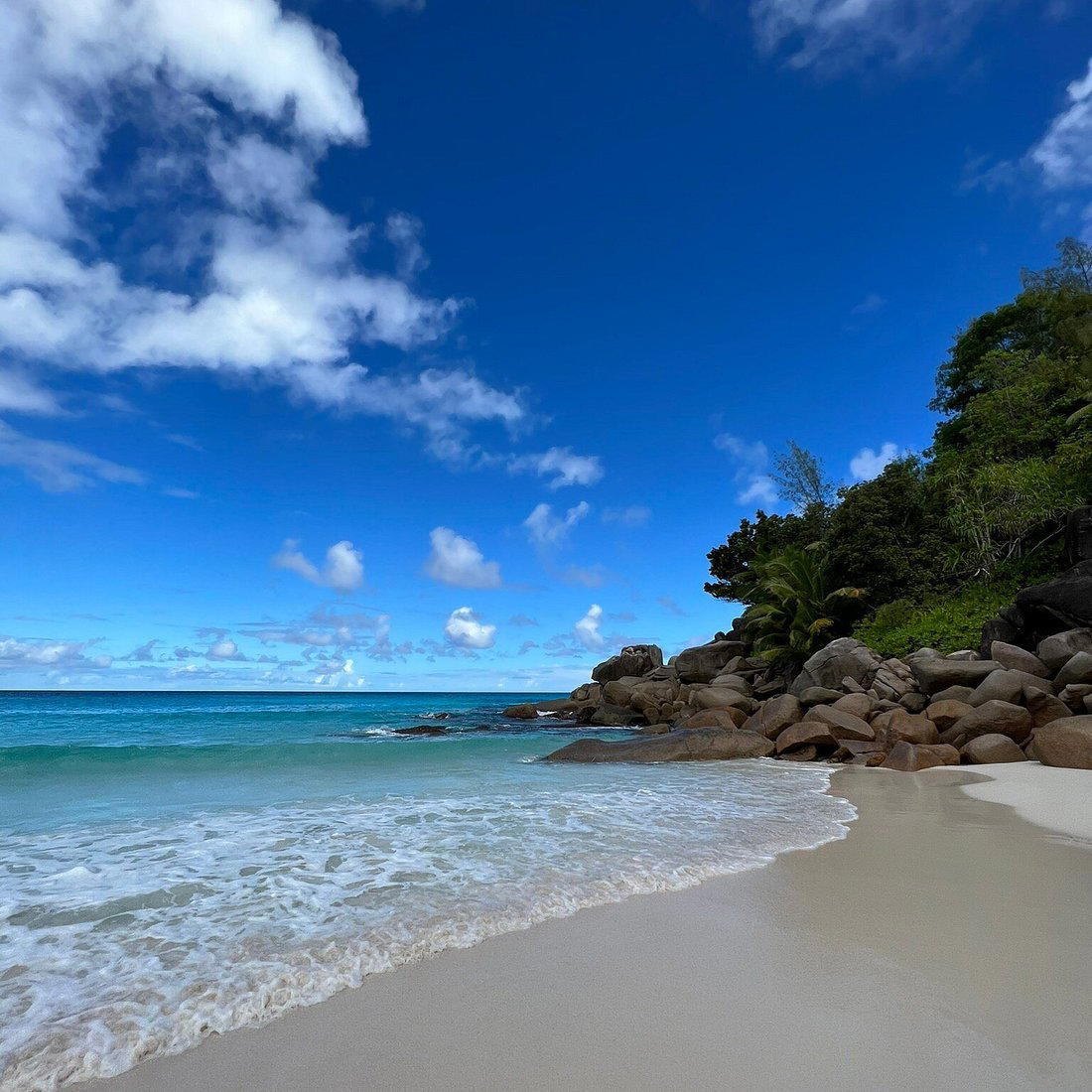
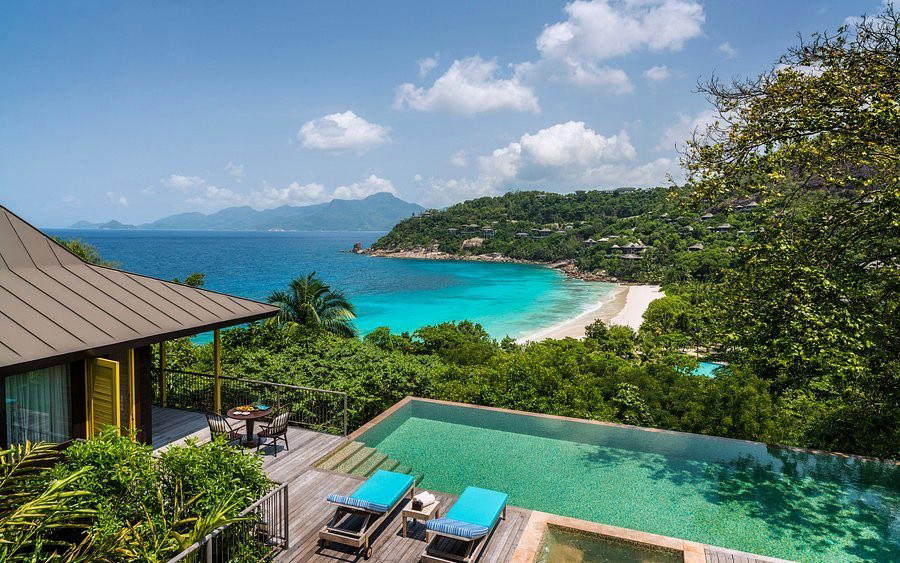
Approaching the dining rooms of southwest Mahé, the first cue is usually not the menu but the setting: granite slopes behind, humid salt air ahead, and a resort rhythm that slows service into island time. Aperçu des spécialités culinaires belongs to that Seychelles category where the table is asked to explain place before technique. The better question is not whether the cooking chases metropolitan polish, but how clearly it translates the ingredients that define the archipelago: reef fish, coconut, breadfruit, tropical fruit, cinnamon, vanilla, chilli, and the Creole habit of making acidity do real work.
Mahé’s restaurant scene splits into two broad registers. One is the self-contained resort table, built for guests who want context without leaving the property. The other is the island circuit, where hotel restaurants, beach bars, and independent kitchens form a loose map of Creole, pan-Asian, grill, and Mediterranean influences. Aperçu des spécialités culinaires sits in the first register, and should be judged accordingly. It is not trying to behave like a capital-city tasting-menu room; its purpose is to make Seychelles legible through sourcing, seasoning, and setting.
Island ingredients matter more than imported theatre
Seychellois cooking is an Indian Ocean cuisine before it is a resort cuisine. Its grammar comes from fish landed close to shore, rice and lentils, grilled or curried preparations, chutneys, pickles, coconut milk, and fruit used with savoury intent. In this context, ingredient sourcing is not a fashionable talking point. It is the difference between a hotel meal that could happen anywhere warm and a table that feels anchored to Mahé.
The strongest resort kitchens in Seychelles understand that restraint matters. Reef fish does not need heavy sauces; tropical fruit can turn cloying if treated as decoration; spice should sharpen rather than flatten. Aperçu des spécialités culinaires is most persuasive when read through that lens: a place where the local pantry should lead and imported luxury signals should stay secondary. In a destination where many guests arrive expecting lobster, sunsets, and beachside romance, the more interesting measure is whether the cooking gives equal respect to humbler island staples.
That distinction also explains why Mahé rewards comparison across formats. Café Lazare provides another resort-side reference point in Mahé, while Koi and Kannel show how hotel dining on the island can move between Asian-inflected polish, poolside ease, and Creole-adjacent cooking. None of these rooms should be read in isolation. Together, they show how Mahé hotels use food to answer the same problem: how to satisfy international guests without sanding away the island’s own culinary habits.
Baie Lazare asks for a slower, more local reading
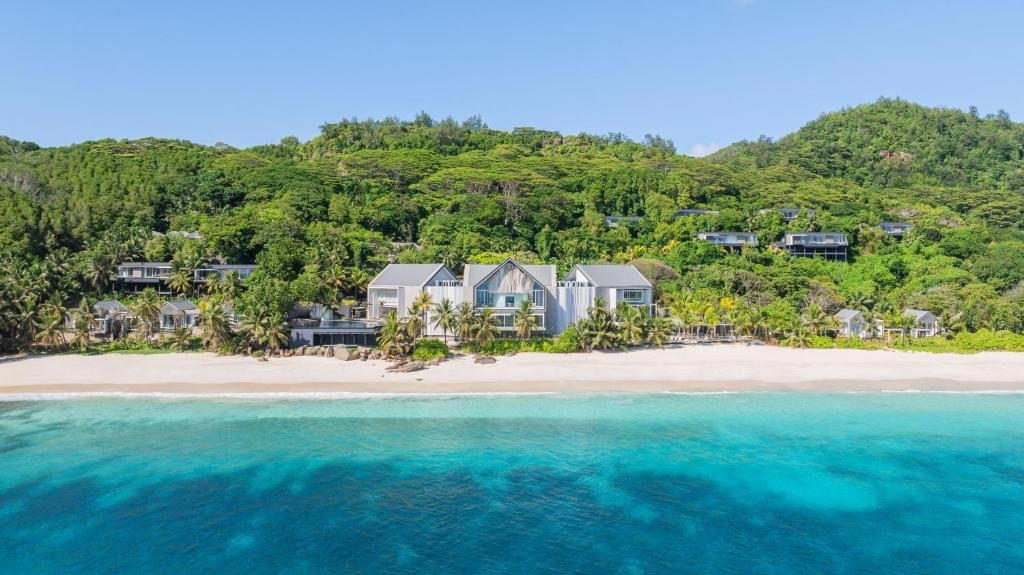
Baie Lazare gives this kind of dining a particular frame. The southwest coast of Mahé is quieter than the busier northern resort belt, with longer drives, fewer walk-in alternatives, and a stronger sense that dinner is part of the evening rather than a prelude to something else. That changes the value proposition. A restaurant here does not need to compete on urban velocity. It needs to justify staying put, especially for travellers who have already spent the day moving between beaches, viewpoints, and boat transfers.
The Kempinski setting places the restaurant inside the resort economy, which brings both strengths and limits. Service tends to be designed for mixed audiences, from couples to families, and menus in this category often balance local dishes with familiar international anchors. For EP Club readers, the useful approach is to look past generic luxury cues and read the plate for Seychelles specificity: fish handled simply, coconut used with discipline, chilli present but not performative, fruit given savoury purpose, and Creole references that feel structural rather than decorative.
For a wider island itinerary, the page is better used as one Mahé data point rather than the whole dining plan. Cyann Restaurant and Cyann Restaurant, Constance Ephelia point toward the resort fine-dining end of the island conversation, while Our full Mahé restaurants guide is the cleaner way to build a multi-night route. Travellers pairing dinner with the broader destination can also use Our full Mahé hotels guide, Our full Mahé bars guide, Our full Mahé wineries guide, and Our full Mahé experiences guide to understand where food, lodging, drinks, and excursions overlap.
How it fits into a Seychelles dining trip
The Seychelles rewards travellers who treat each island as a different dining context. Mahé carries the broadest range, but the outer-island resorts often sharpen the relationship between isolation, supply chains, and menu design. Ahi in Desroches Island, Anse Bambous Beach Bar & Restaurant in Fregate Island, Aria in Silhouette Island, Curieuse in Praslin, Island Cafe in Félicité, and La Perle in Platte Island are useful counterpoints because island logistics shape what restaurants can credibly serve.
The restaurant is strongest as a contextual stop for travellers already in the Baie Lazare orbit, especially those interested in how resort kitchens frame Creole and Indian Ocean ingredients for a broad audience. It is less compelling as a stand-alone reason to cross Mahé if the evening is meant to chase chef authorship, awards, or a tightly defined tasting format. The more intelligent read is simpler: use it to understand how Seychelles hospitality presents its pantry when the beach, the resort, and the island’s Creole food culture are all part of the same meal.
For readers comparing beyond Seychelles, the contrast with city-specific Japanese formats such as Jōdo Saké Bar in Los Angeles or Onigiri Time in Pasadena is instructive. Those places depend on focused category discipline. Mahé resort dining depends on translation: taking a scattered island pantry and making it readable to guests who may only have a few meals to understand where they are.
Quick Comparison
Comparable venues by cuisine and price in the same metro.
| Venue | Cuisine |
|---|---|
| Aperçu des spécialités culinaires | This venue |
Continue exploring
More in Mahé
Bars in Mahé
Browse all →
At a Glance
- Whimsical
- Modern
- Elegant
- Intimate
- Special Occasion
- Celebration
- Date Night
- Group Dining
- Family
- Private Event
- Design Destination
- Hotel Restaurant
- Private Dining
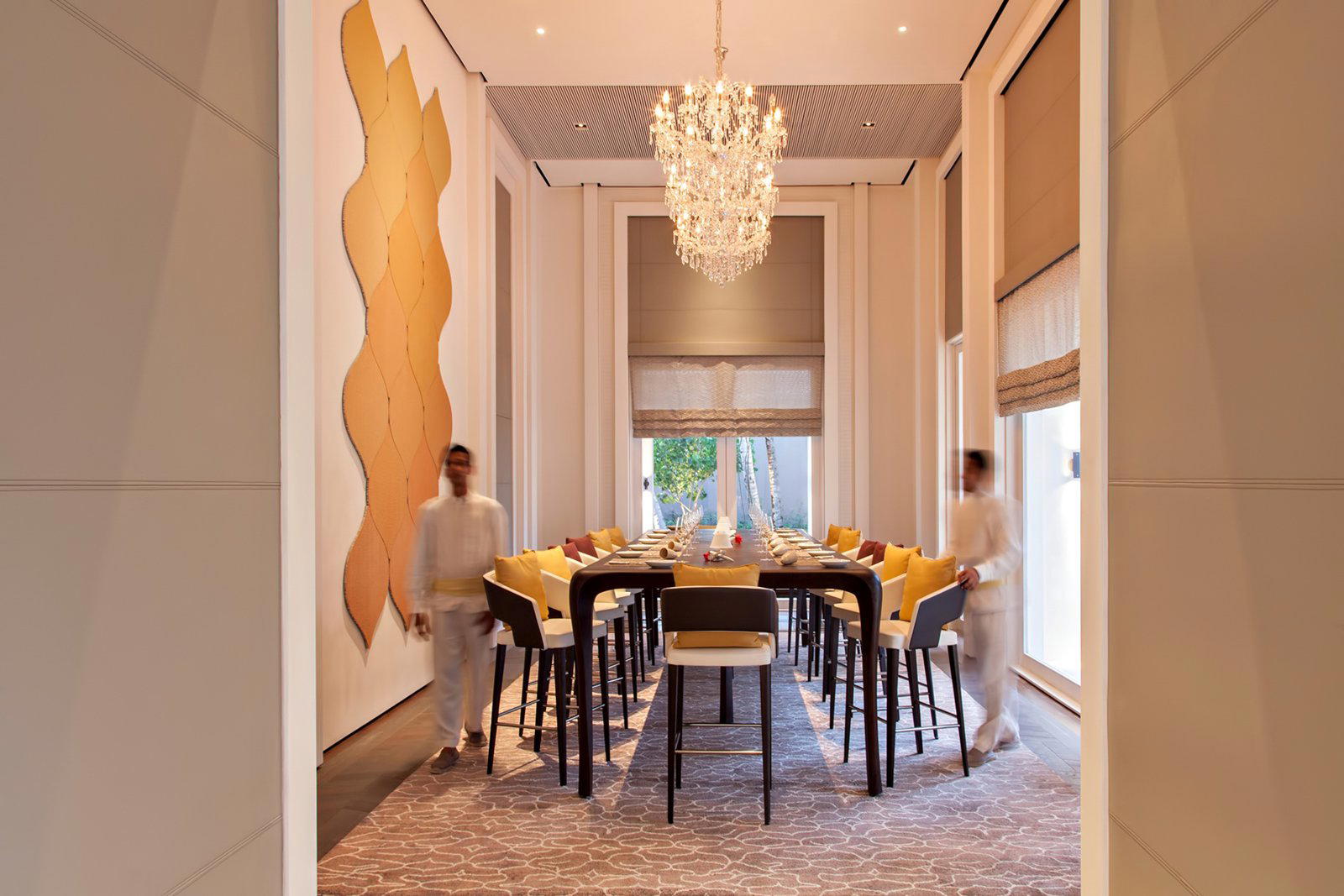
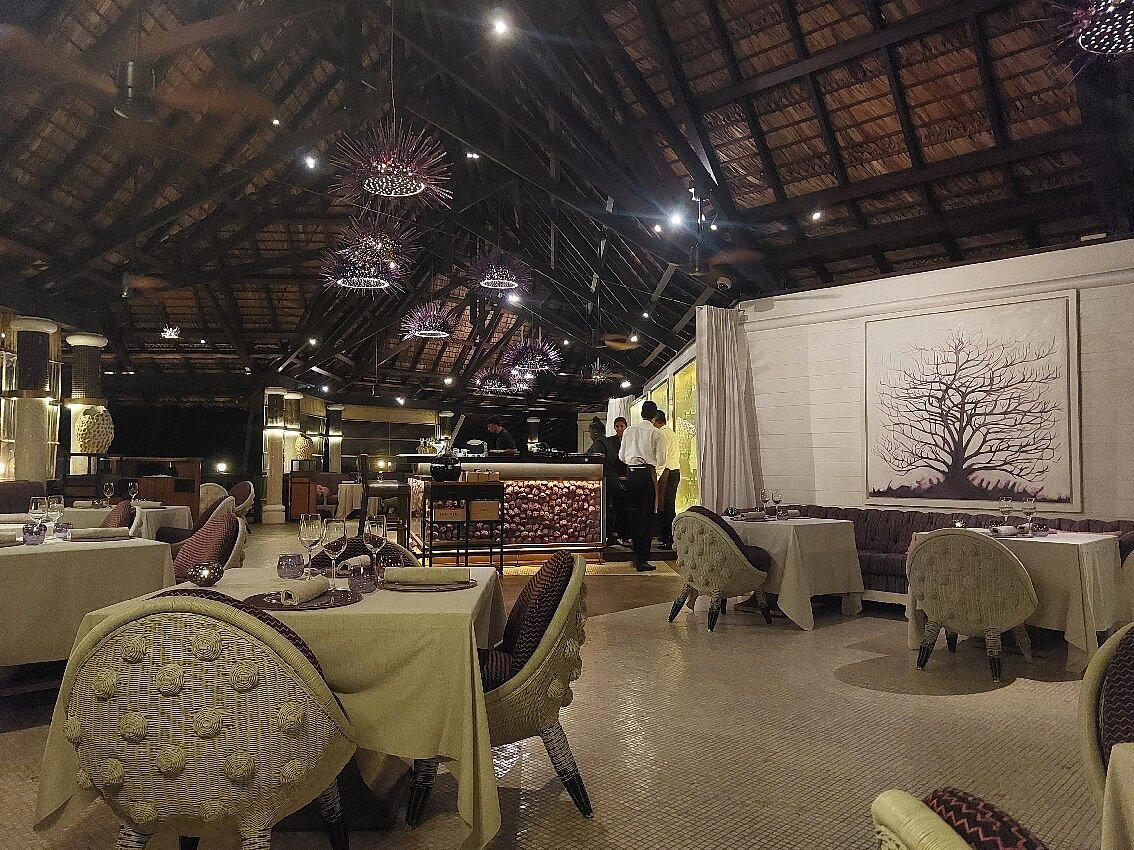
Darkened, theatre-like room with the table used as a projection stage, synchronized music and props, creating a cinematic, playful and high-tech dining atmosphere rather than a traditional restaurant feel.