Alchymist Restaurant
Our verdict
Alchymist Restaurant sits in Malá Strana, where Prague dining leans on historic rooms, cellar-level intimacy, and the tension between Czech tradition and international hotel-restaurant polish. With no public awards, chef name, price band, or menu format listed, it reads less as a trophy booking and more as a context-driven Prague choice: useful when setting, neighbourhood, and a calmer dining rhythm matter.

Pearl is the En Primeur Club membership app, where members save venues, book tables and use the concierge.
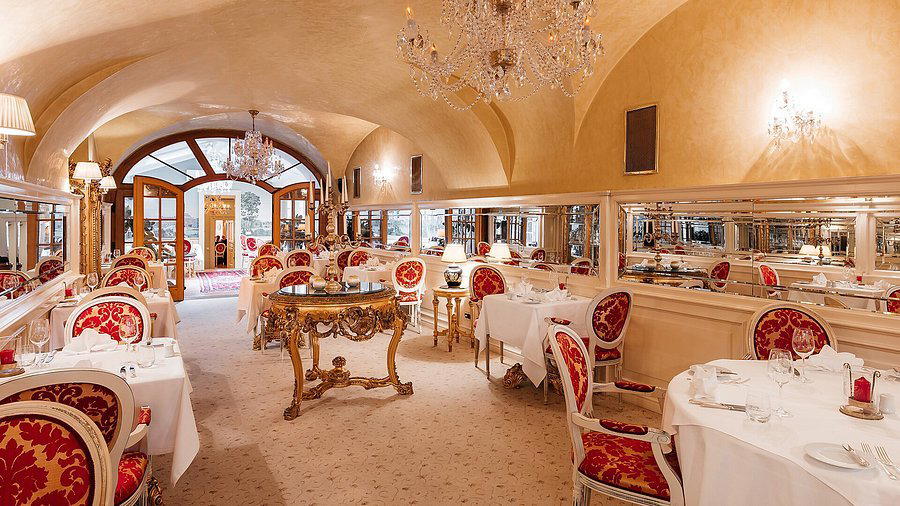
Approaching dining rooms in Prague changes the terms of a meal before a menu appears. The city is built from narrow streets, thick walls, courtyards, historic façades, and hotel dining rooms where atmosphere often carries as much weight as culinary ambition. Alchymist Restaurant belongs to that side of the city: Prague as a historic dining setting rather than a contemporary open-kitchen performance.
That matters because central Prague has split into several restaurant languages. There is a polished modern tier, a more current Czech-facing conversation around newer addresses, and a separate lane of destination rooms built around ambience, old-city architecture, and slower service. Alchymist Restaurant is better read through that third lane than through the city’s sharper new-wave dining debates.
Prague dining is about setting before technique
Prague’s historic dining culture differs from the energy of more casual, high-turnover restaurant districts. The city has rooms shaped by hotel guests, diplomatic traffic, and visitors already committed to a classic Prague itinerary. It rewards restaurants that can hold a quiet evening, not just deliver a technically ambitious plate. In that context, sourcing becomes less about a named farm list and more about how a kitchen positions itself between seasonality, Central European comfort, and international expectations.
The sharper Prague kitchens increasingly signal their sourcing through producer language, tasting formats, fermentation, or a visible seasonal brief. When those signals are absent, the editorial read has to be stricter: the room may matter more than ingredient authorship. That is not a dismissal. In Prague, historic-location restaurants often serve a different purpose from tasting-menu counters: they give travellers a sense of place through architecture, pacing, and the old-city habit of lingering over a meal rather than chasing novelty.
For readers comparing across the city, other Prague dining rooms point toward the city’s international diversification, while established hotel restaurants sit closer to the traditional hospitality model. Coda, tāst restaurant, Kuchyň, U Modré Kachničky, and CODA Restaurant all occupy related decision space for visitors weighing setting, Czech reference points, and occasion dining. The useful question is not which room has the loudest reputation; it is whether the evening calls for contemporary culinary authorship or a composed Prague setting.
Ingredient sourcing matters when the kitchen makes it visible
The strongest current Czech restaurants tend to make provenance legible. Menus often reference local fish, game, dairy, mushrooms, root vegetables, orchard fruit, and Central European preserving traditions; that language tells a diner how closely the kitchen is tied to the region. Alchymist Restaurant does not publish enough public detail to judge that system at ingredient level, so expectations should be calibrated accordingly. Treat it as a setting-led Prague restaurant unless a current menu gives clearer evidence of producer-driven cooking.
This distinction is useful across the country. Outside Prague, regional Czech dining can pull attention away from the capital’s historic core, with smaller cities and suburban addresses using local supply with more directness. The national conversation is no longer only about capital-city grandeur; it is also about regional restaurants, hotel dining rooms, and destination addresses that make provenance easier to read.
That contrast clarifies the decision. If the priority is ingredient transparency, look for a current menu that names suppliers, seasons, or regional products before committing. If the priority is a quieter Prague evening, the calculus changes: the value sits in mood, pacing, and the usefulness of a formal room after a day spent moving through the city.
How to place it in a Prague itinerary
Alchymist Restaurant makes the most sense as part of a Prague day rather than as a cross-town culinary mission. Pair it with the city’s slower historic rhythm, then use other nights for sharper contemporary cooking or a bar-led route. For broader planning, Our full Prague restaurants guide gives the dining spread, while Our full Prague hotels guide, Our full Prague bars guide, Our full Prague wineries guide, and Our full Prague experiences guide help place the meal inside the rest of the city.
The editorial verdict is measured: choose this for atmosphere-led Prague dining, not for a ranking chase or a chef-led tasting narrative. Travellers looking for entirely different drinking and snack formats would be in another category, which underlines the point: category discipline matters. In Prague, this is an occasion decision first, an ingredient-sourcing argument only if the current menu proves it.
Frequently asked questions
Can I bring kids to Alchymist Restaurant?
The Prague setting suggests a standard dining room rather than a bar-led venue, so family dinners are a plausible fit. It reads more comfortably as an early-evening meal than a late, adult-focused reservation.
Is Alchymist Restaurant better for a quiet night or a lively one?
The Prague setting points toward a quieter dinner rather than a lively night out. In city terms, it reads as the kind of restaurant that rewards a slower table.
How do I find Alchymist Restaurant?
Alchymist Restaurant is located in Prague.
Can I walk in to Alchymist Restaurant?
A restaurant in Prague with this kind of occasion-dining profile is the kind of place where reservations are usually the safer option, especially for dinner. Walk-ins may be possible if there is space, but planning ahead is the better read.
What do critics highlight about Alchymist Restaurant?
The strongest point of reference is its Prague setting.
Is Alchymist Restaurant good for vegetarians?
In a formal dining room, vegetable-led plates may be available, but it is best to ask directly before booking.
Side-by-Side Snapshot
Comparable venues by cuisine and price in the same metro.
| Venue | Cuisine | Price |
|---|---|---|
| Alchymist RestaurantThis venue (the venue you are viewing) | Seasonal Czech–Italian–French Fine Dining | $50–100 |
| Coda | Modern Czech & European Fine Dining | $100–150 |
| tāst restaurant | Modern Czech | $30–50 |
| Kuchyň | Modern Czech | $30–50 |
| U Modré Kachničky | Traditional Czech Fine Dining | $50–100 |
Continue exploring
More in Prague
Restaurants in Prague
All restaurants in Prague →
Bars in Prague
All bars in Prague →
Details
- Romantic
- Elegant
- Classic
- Cozy
- Intimate
- Ornate
- Date Night
- Business Dinner
- Group Dining
- Special Occasion
- Celebration
- Private Event
- Garden
- Courtyard
- Historic Building
- Design Destination
- Hotel Restaurant
- Private Dining
- Extensive Wine List
- Garden
- Tasting Menu
- A La Carte
- Wine
- Vegetarian Friendly
- Gluten Free Options
Current opening hours
- Monday
- 12–10:30 PM
- Tuesday
- 12–10:30 PM
- Wednesday
- 12–10:30 PM
- Thursday
- 12–10:30 PM
- Friday
- 12–10:30 PM
- Saturday
- 12–10:30 PM
- Sunday
- 12–10:30 PM
Hours can change for holidays and private events. Hours as of .
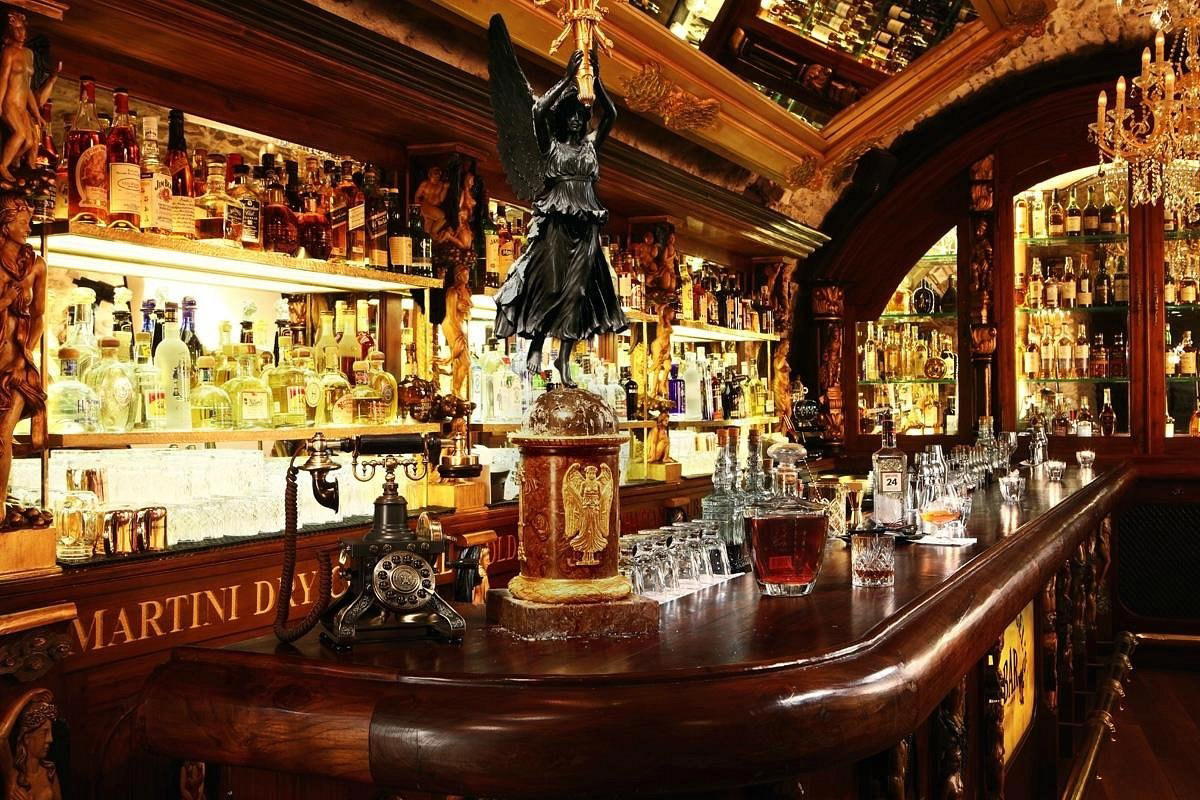
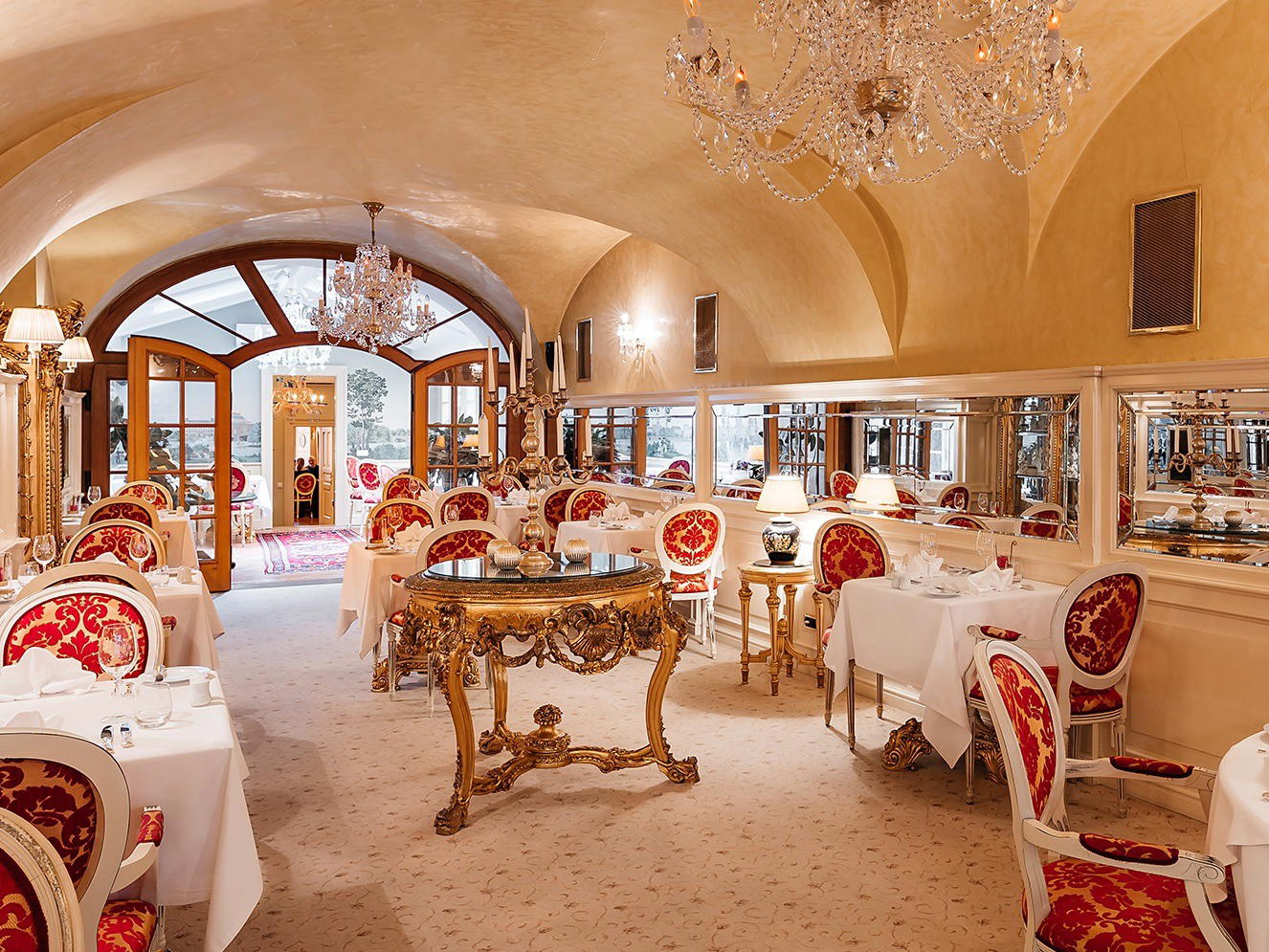
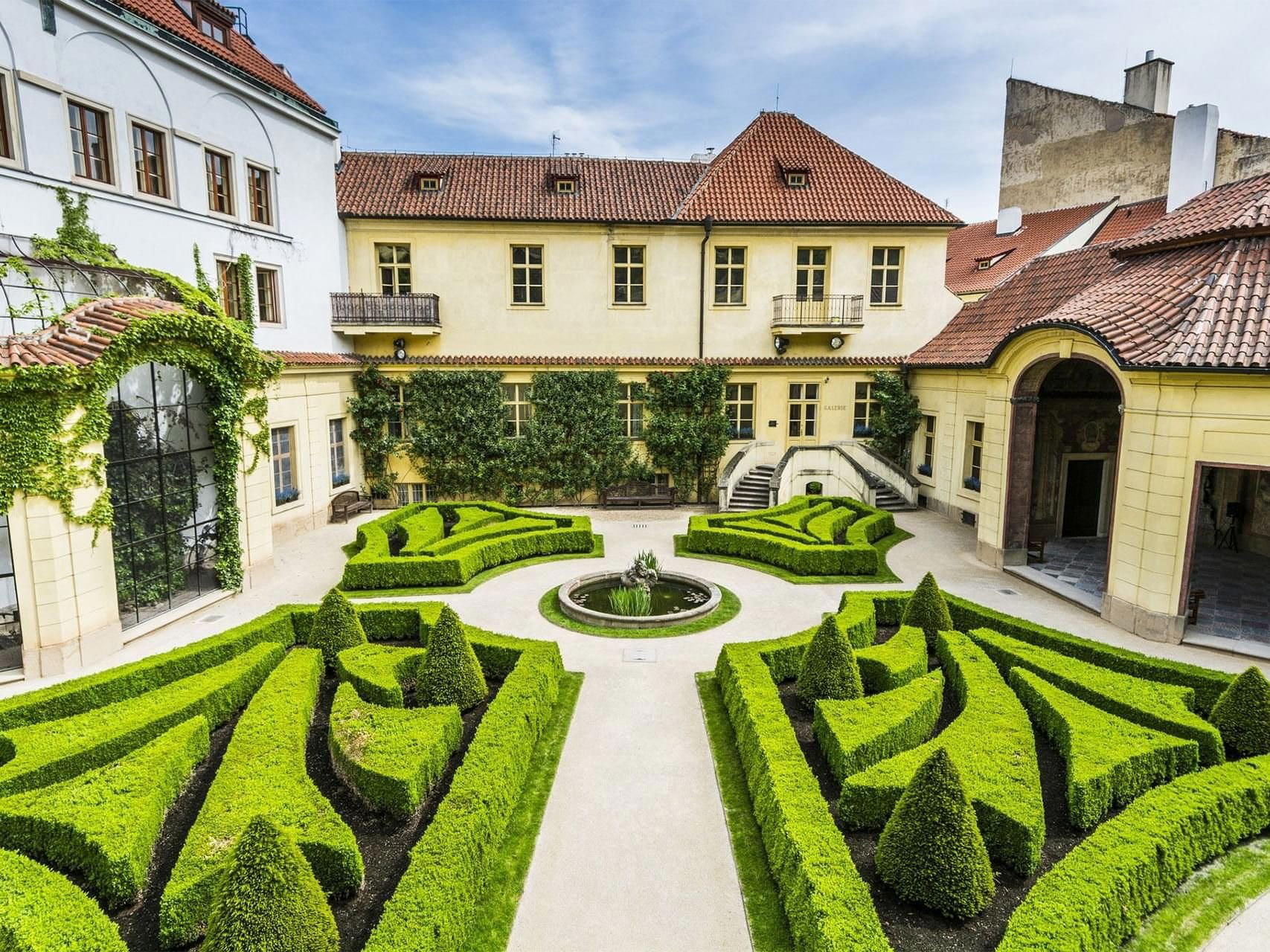
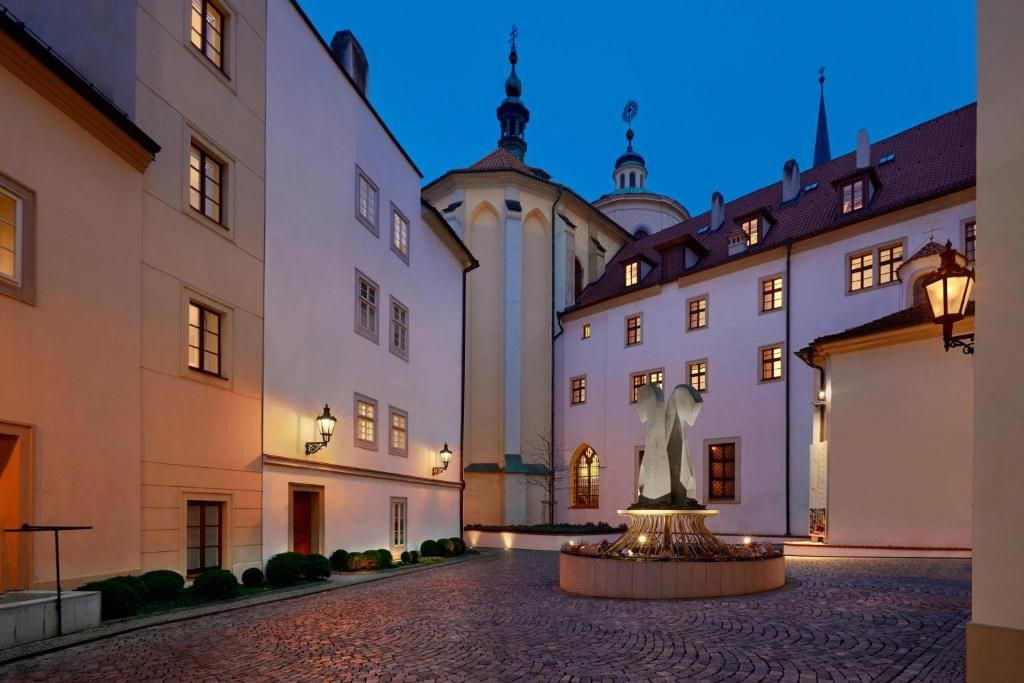
Historic and luxurious with Venetian stucco, hand-painted murals, antique furniture and Baroque details, creating an intimate, romantic atmosphere that feels like a fairy-tale chateau, with a calmer, refined courtyard vibe in summer.