Our verdict
Al Matbakh belongs to the Souq Waqif side of Doha dining, where setting matters because the market still frames how regional food is read: spice, smoke, bread, rice, grilled meat, and shared plates rather than chef-led theatre. With no public awards or chef billing attached, its appeal is less about formal ranking than about how it fits the old-market rhythm of the city.
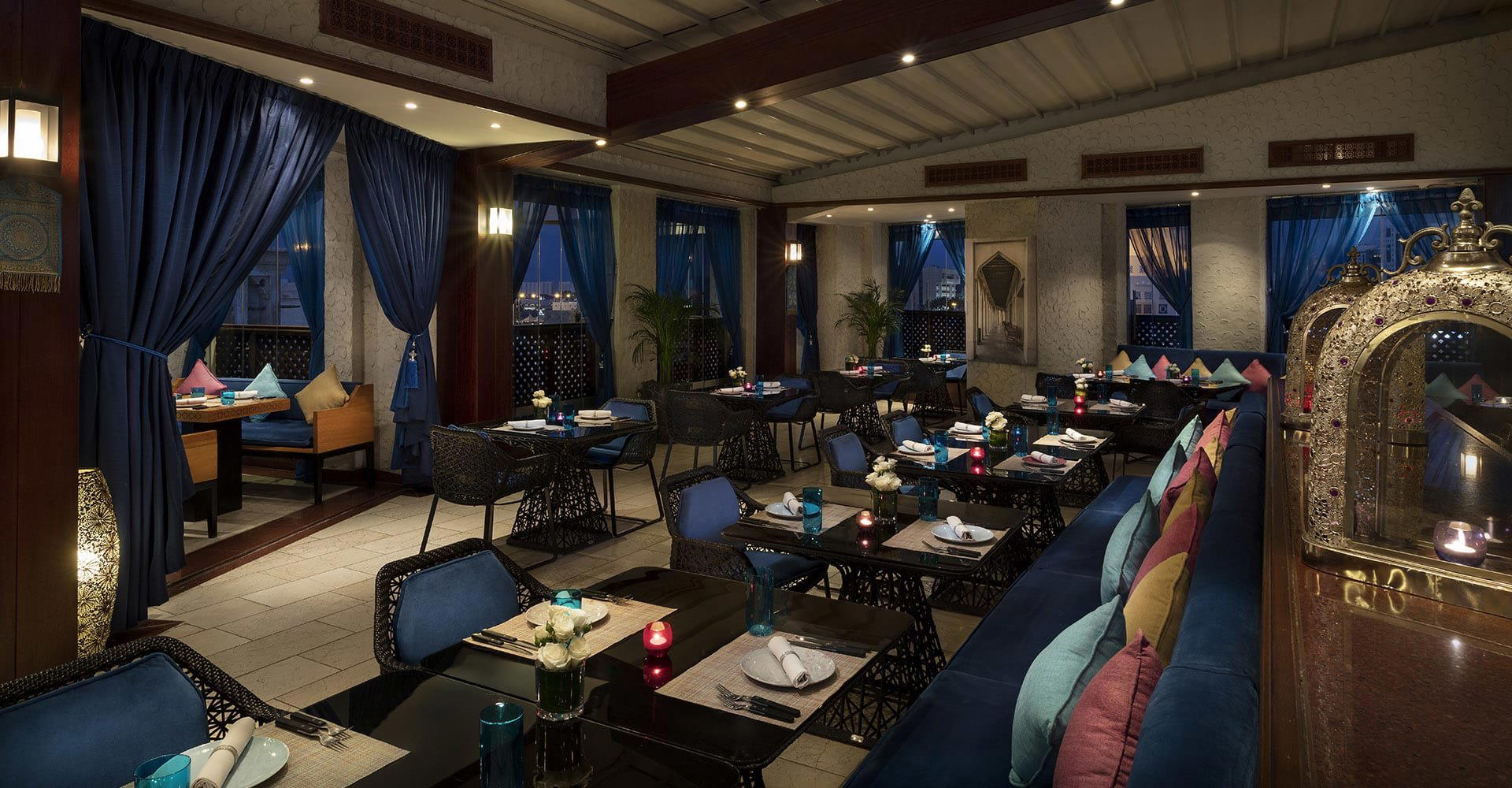
The menu
What to order
- Pani Poori
- Jaipuri Paneer Fingers
- Charcoal Fish Amritsari
- Tandoori Chicken
- Seekh Kebab
Approaching dinner in Doha means entering the city at its most immediate: evening light, busy tables, conversation in the air, and the sense that meals are part of the rhythm of the night rather than a staged performance. In that setting, a restaurant does not need spectacle to make sense. The city already supplies the frame. Al Matbakh sits inside this dining grammar, where the value of a meal is tied to cues that diners can read quickly: a room that feels settled, service that supports the evening, and cooking that aims to satisfy rather than distract with decorative theatre.
Doha dining rewards ingredient logic over restaurant theatre
Doha’s restaurant scene often splits between hotel-led international dining and places whose identity comes from the city’s wider regional and global influences. Al Matbakh belongs most naturally to the second reading: a restaurant whose appeal comes from how comfortably it fits a Doha meal, rather than from a highly choreographed format. The city’s dining appeal is not only design or setting; it is the way food traditions remain legible at table level. Menus in this category tend to favour dishes built for groups, late meals, and appetite rather than tasting-menu progression. Ingredient handling matters here because the cooking has little to hide behind when the room is built around straightforward pleasure.
That context explains how Al Matbakh should be judged. It is not best understood through an unsupported chef biography, a heavily publicised tasting format, or ceremony-led positioning. The stronger reading is city fit: a Doha address places it among restaurants that serve visitors and residents moving through the capital, rather than a destination dining room detached from its surroundings. Nearby references sharpen the point. AL TERRACE, Argan, Asherg, Desert Rose Café, and La Piazza each suggest different versions of Doha dining, while Al Matbakh is best read through a simpler competitive measure: does the restaurant feel coherent with the city around it?
The sourcing story is regional, not ornamental
Ingredient-led cooking in Qatar does not need to borrow the farm-to-table language common in cooler-climate destinations. The more relevant question is how a kitchen handles the staples, seasonings, textures, and service patterns that make sense in Doha. In this context, ingredients carry cultural weight because they connect restaurant food to shared meals, family tables, travel, and the city’s wider dining habits. The point is not to turn provenance into decoration, but to make the meal feel grounded rather than generic.
Al Matbakh therefore reads as part of a broader Doha pattern: restaurants that are not trying to detach ingredients from their social use. Shared ordering, generous pacing, and dishes designed for conversation make more sense here than a rigid sequence. This is where the room’s setting does editorial work. Doha is a city where a visitor can move between traditional-feeling meals, contemporary dining rooms, hotel restaurants, and casual local stops within the same itinerary. That continuity is why ingredient quality and restraint matter. Heavy signalling and generic luxury cues would weaken the point; clarity, freshness, and careful handling are the tests that matter in this category.
Within Doha, useful comparisons stay close to format and mood rather than unsupported cuisine labels alone. Argan, Desert Rose Café, Asherg, AL TERRACE, and La Piazza show how the city supports several versions of accessible dining without needing every room to compete on the same terms. Al Matbakh’s advantage is contextual rather than dependent on a single badge: it belongs to a Doha setting where a grounded meal feels expected, not themed.
How to place it in a Doha itinerary
For travellers building a food-led Doha schedule, this is a sensible city meal rather than the city’s formal dining statement. Pair it with unhurried time in Doha, not a rushed transfer between appointments. The sharper itinerary is to use Al Matbakh for a grounded restaurant experience, then compare it with other Doha dining on other nights. That contrast gives the city shape: market-style evenings, contemporary rooms, hotel dining, family-friendly restaurants, and international imports all sit within the same capital.
For broader planning, use Our full Doha restaurants guide alongside Our full Doha hotels guide, Our full Doha bars guide, Our full Doha wineries guide, and Our full Doha experiences guide. Travellers comparing different dining formats can also look at other restaurants across Doha, from casual rooms to more polished hotel-led spaces, without assuming they all serve the same purpose. For contrast beyond Qatar, other dining cultures show the same principle in different form: local context often defines a meal more persuasively than branding, spectacle, or imported restaurant language.
Frequently asked questions
Where do I go for Al Matbakh?
Doha.
Can I walk in to Al Matbakh?
A walk-in may be possible, especially outside peak meal times, because Al Matbakh is a Doha restaurant rather than a fixed-format tasting counter. That said, Doha dining can draw steady traffic, so earlier seating or checking ahead is the safer bet for a smoother arrival.
What do critics highlight about Al Matbakh?
The main draw is its Doha setting, where the meal is judged by ingredient logic rather than dining-room theatre. Critics tend to value restaurants like this for how they fit the city and its broader dining style.
Can Al Matbakh adjust for dietary needs?
As a Doha restaurant, it may be able to handle basic requests if they are raised in advance. For specific needs, the most useful anchor is the venue itself: contact Al Matbakh directly before booking or arriving.
Would Al Matbakh be comfortable with kids?
The Doha setting makes Al Matbakh a practical choice for families compared with more formal tasting-menu rooms. Its straightforward restaurant profile also points to a setting that may be easier to manage with children than a high-ritual dining counter.
Comparison Snapshot
Comparable venues by cuisine and price in the same metro.
| Venue | Cuisine | Price | Awards | Notes |
|---|---|---|---|---|
| Al MatbakhThis venue (the venue you are viewing) | Indian / Middle Eastern with Arabic and Mexican mentions | $50–100 | Not listed | Not listed |
| AL TERRACE | Qatari & Indian Terrace Dining | $30–50 | Not listed | Not listed |
| Desert Rose Café | Ukrainian-Arabic Fusion | $10–20 | Michelin Plate | Middle Eastern, ﷼ |
| La Piazza | Italian | Not listed | Not listed | Not listed |
| Asherg | Middle Eastern Cafe | $10–20 | Not listed | Not listed |
| Argan | Authentic Moroccan | $20–30 | Michelin Bib Gourmand | Moroccan, ﷼ |
Continue exploring
More in Doha
Restaurants in Doha
All restaurants in Doha →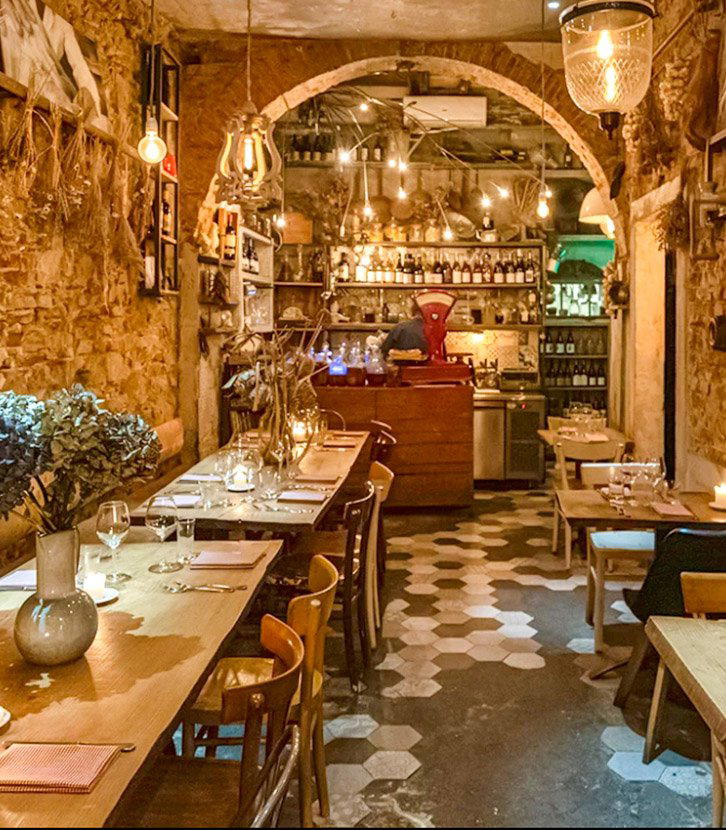
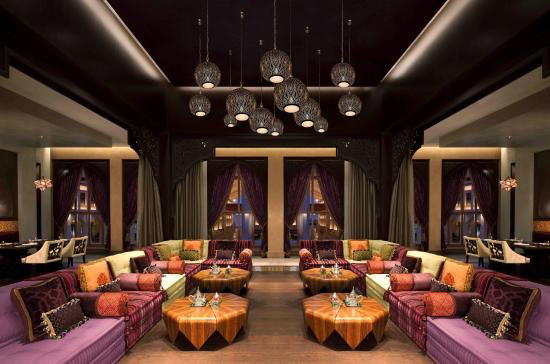
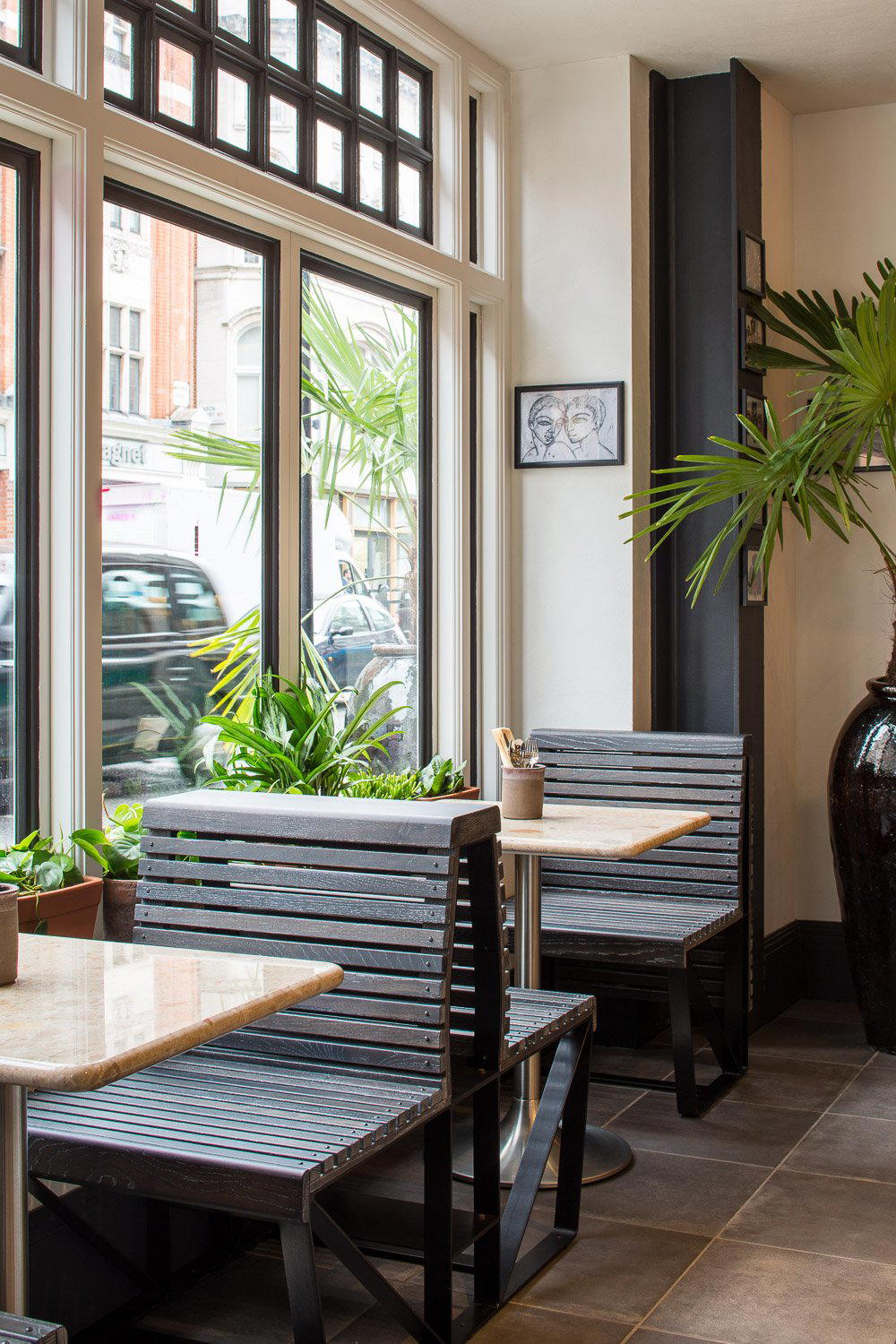

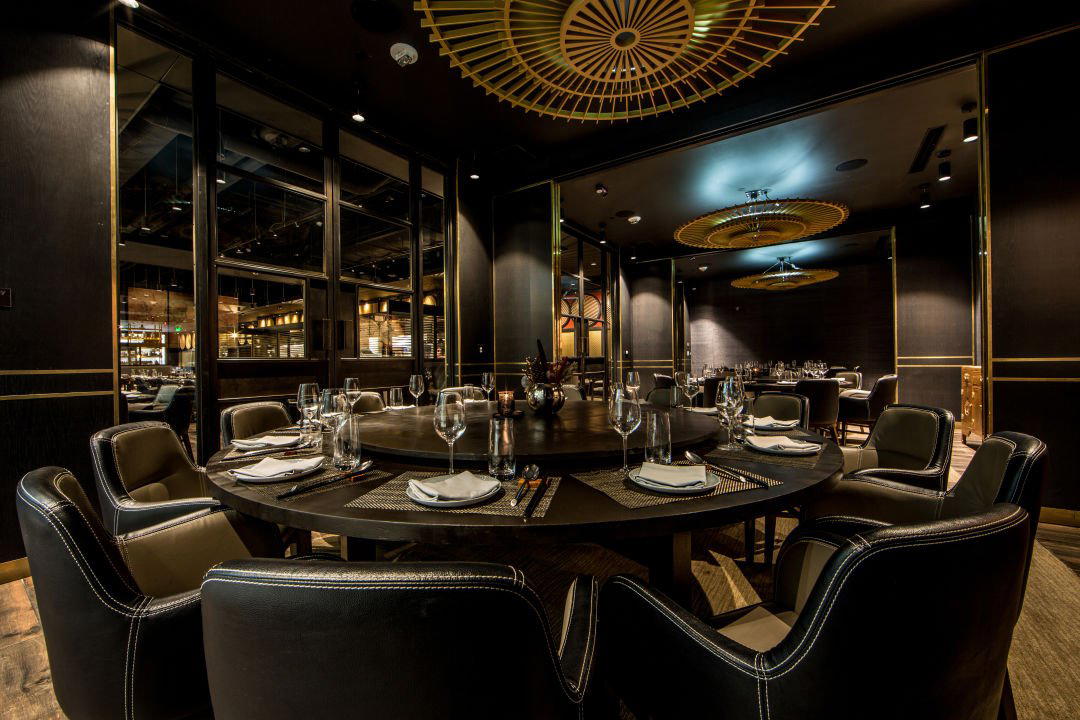
Bars in Doha
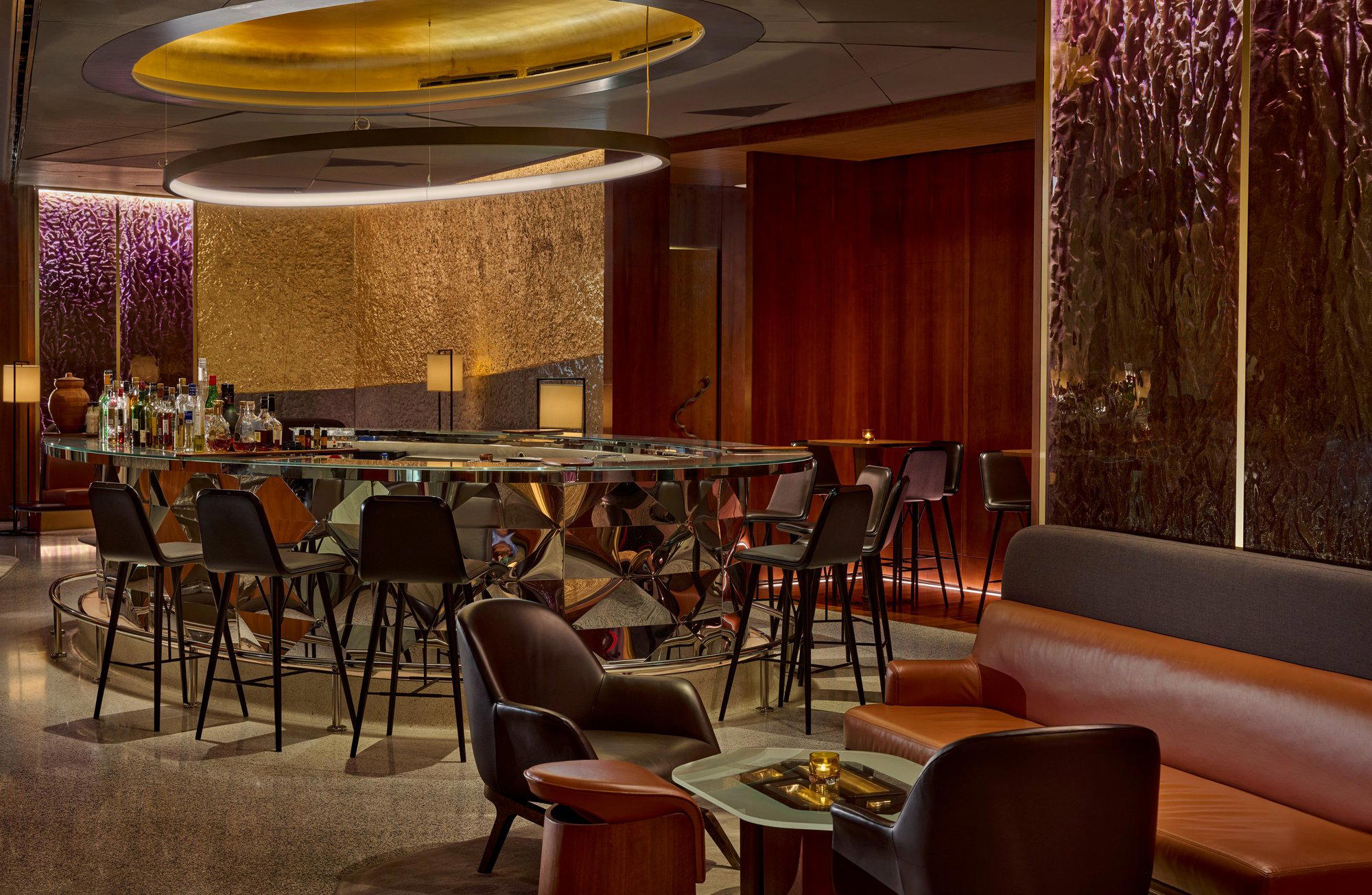
All bars in Doha →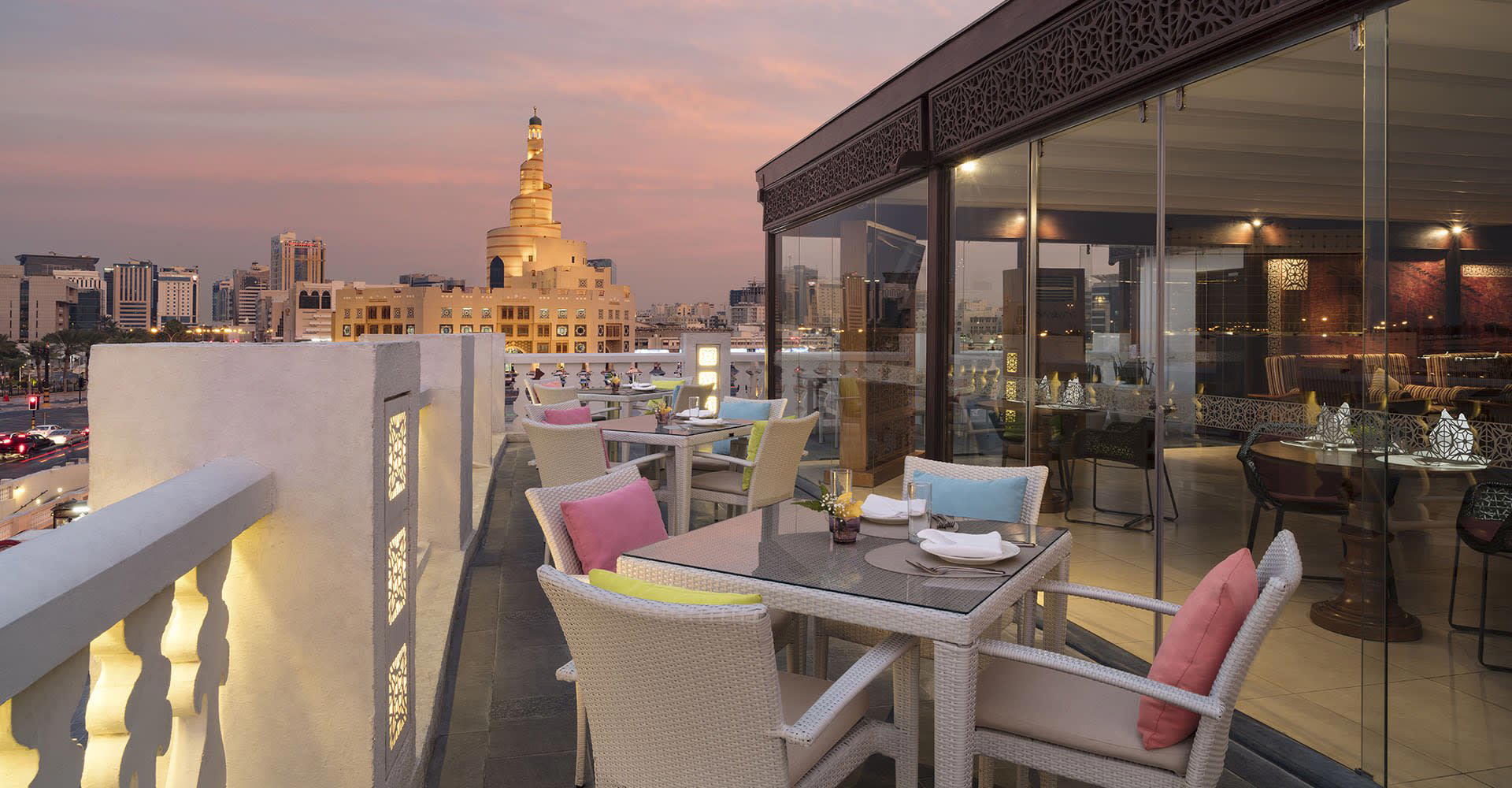
Details
- Romantic
- Cozy
- Modern
- Scenic
- Intimate
- Sophisticated
- Date Night
- Group Dining
- Casual Hangout
- Special Occasion
- Rooftop
- Open Kitchen
- Panoramic View
- Hotel Restaurant
- Beer Program
- Skyline
- A La Carte
- Vegetarian Friendly
- Halal
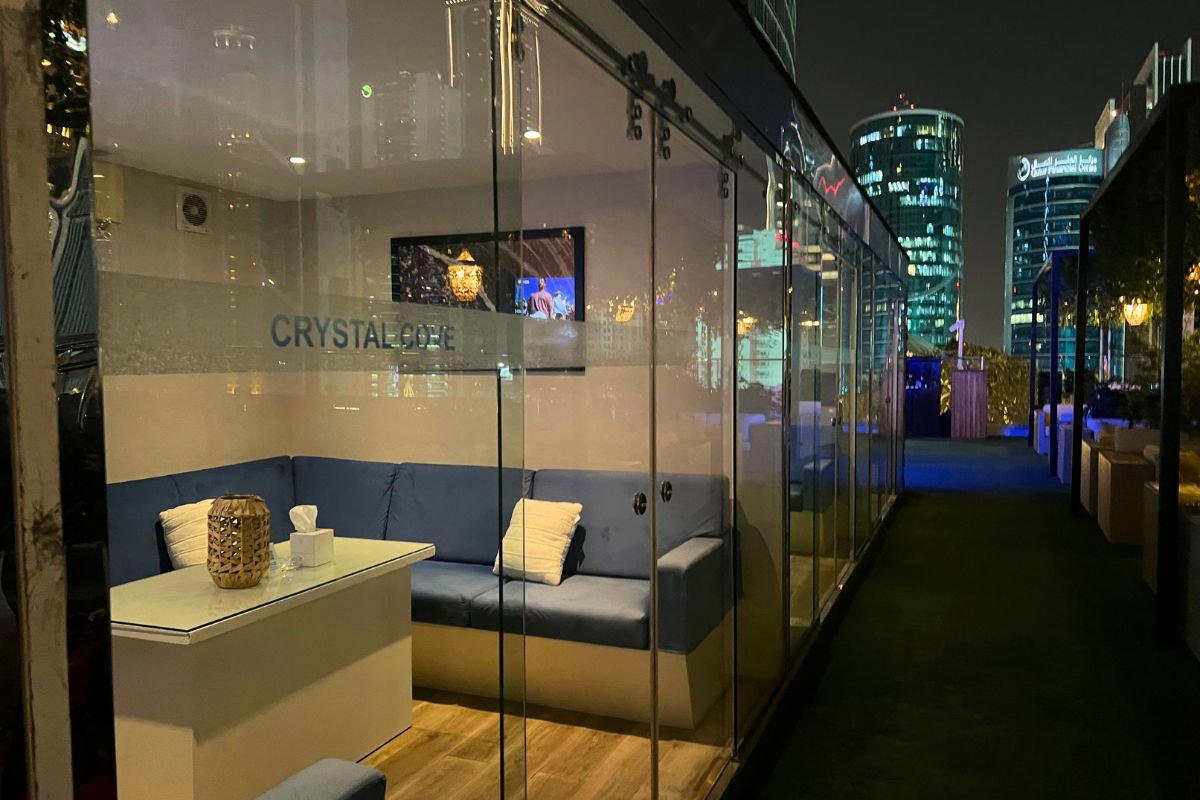
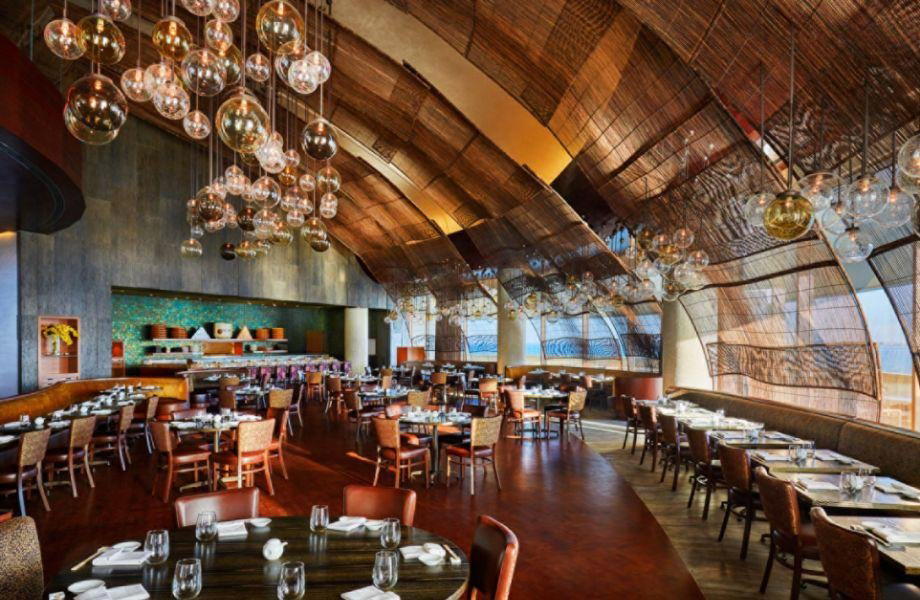
Cozy, casual, and relaxing with a welcoming atmosphere; reviewers and the hotel describe it as stylish contemporary rooftop dining with an open kitchen and panoramic city views.