24 Degrees Restaurant
Our verdict
Where the Indian Ocean Sets the Menu Dining in the Maldives has always been shaped by a geographic reality that few other resort destinations share: the nearest significant landmass is hours away, the surrounding water is among the most productive in the Indian Ocean, and the logistics of supplying a remote island mean that sourcing decisions carry consequences that go well beyond culinary preference. 24 Degrees Restaurant, located on Emboodhu Finolhu in South Malé Atoll, sits inside that context. The name itself references the latitude band where the island sits, roughly 4 degrees north of the equator, and that detail is more than decorative. It signals an orientation toward place that the better resort restaurants in this archipelago have learned to treat as a competitive asset rather than a constraint. South Malé Atoll occupies a different tier in the Maldives resort hierarchy than the remote northern atolls that require seaplane transfers of forty minutes or more. Emboodhu Finolhu is reachable by speedboat from Velana International Airport in approximately twenty minutes, which compresses the distance between arrival and the first meal in a way that affects how the whole stay is framed. Guests arrive without the travel fatigue that longer transfers accumulate, and the restaurant benefits from that: the first evening carries more energy when it starts within an hour of landing rather than after an extended aerial leg. The Sourcing Logic of an Indian Ocean Island Kitchen The ingredient question is where Maldivian resort restaurants diverge most sharply from one another. At the lower end of the spectrum, resort kitchens rely almost entirely on flown-in produce, treating the ocean outside as scenery rather than pantry. At the other end, properties with genuine sourcing commitments build menus around what the surrounding waters and regional supply chains can actually deliver: yellowfin tuna caught within the atoll, reef fish sourced through local fishermen, coconut-based preparations that draw on Sri Lankan and South Indian culinary traditions carried across the water for centuries. For a restaurant positioned on an island as close to the capital as Emboodhu Finolhu, the access to Male's wholesale market and the fishing community around the southern atolls creates options that more remote properties cannot replicate as easily. The Maldivian fishing tradition is built around pole-and-line tuna fishing, a method that produces lower bycatch and is increasingly recognized by international sustainability bodies as a benchmark for responsible Indian Ocean fisheries. A kitchen that draws on that supply chain is not making a token gesture toward sustainability; it is working with one of the more coherent fishing traditions in the region. Across the Maldives dining circuit, the restaurants that have developed the strongest reputations tend to be the ones that resolve this sourcing tension with some clarity. Terra Maldives in Ithaafushi has built its identity around local and regional ingredients at the table level. Aragu at Velaa Private Island operates a modern French framework over a Maldivian foundation. Le 1947 at Cheval Blanc Randheli takes a French-Maldivian approach that treats the fusion as a design decision rather than an accident. Each of these properties has made a legible choice about where its ingredients come from and what culinary tradition it is working within. The stronger the sourcing story, the more the dining experience coheres beyond the view. Setting, Format, and the Overwater Dining Question Resort restaurants in the Maldives are subject to a format pressure that their urban counterparts do not face: the setting is so dominant that it can overwhelm the food. Sunset decks, overwater platforms, and subaquatic dining rooms, see Ithaa in Rangali and Sea Underwater Restaurant in Kihavah Huravalhi as examples at the extreme end, generate Instagram reach but do not always generate culinary focus. The better resort restaurants treat their physical setting as context rather than content, letting the view frame the meal without replacing it. Emboodhu Finolhu's position in South Malé Atoll means the surrounding water is the Indian Ocean lagoon at its most accessible: shallow reef gradients, consistent visibility, and the kind of aquamarine light that changes register between midday and the late afternoon. A restaurant working with that setting well uses it to reinforce the sourcing narrative rather than compete with it. When the fish on the plate came from water you can see from your table, the connection between kitchen and ocean is no longer rhetorical. Within South Malé Atoll's dining scene, the competitive set for a resort restaurant at this address includes properties spread across several quality tiers. Ozen Reserve Bolifushi, also in the southern atoll group, operates an all-inclusive model that bundles dining into a broader luxury proposition. Ozen Life Maadhoo follows a similar format. JOALI BEING in Meedhupparu takes a wellness-integrated approach to its food program. Further out, Alizee at Moofushi and Constance Moofushi represent the Moofushi Island tier of the atoll. The range is significant, and where a restaurant sits within it depends on decisions about format, sourcing, and culinary ambition that are distinct from the resort brand's broader positioning. Jing at Constance Halaveli and Li Long have both staked out positions in the Chinese-influenced tier of Maldivian resort dining, a niche that reflects the significant portion of the archipelago's visitors arriving from China and East Asia. Alba in Vommuli takes a different angle. Each of these restaurants answers the format question with some specificity. The same question applies to 24 Degrees: what does it do, and does it do it with conviction? Planning a Visit Emboodhu Finolhu is a short speedboat ride from Velana International Airport, which keeps it inside the category of Maldives properties that work for stays of two or three nights rather than requiring the longer commitment that seaplane-access atolls demand. For dining specifically, the practical consideration is whether the restaurant operates independently of resort-only guest policies, a distinction that determines whether visitors staying elsewhere can book a table. Visitors who want a comparative frame for Maldivian resort dining at the highest level would do well to consider the reference points set by properties like Alila Kothaifaru Maldives before arriving, since that context helps in reading what 24 Degrees is and is not trying to do. For those building an itinerary that combines Maldivian resort dining with international reference points, the sourcing-forward approach at its finest in the Indian Ocean draws interesting comparisons with the seafood focus at Le Bernardin in New York City or the producer-driven ethos at Lazy Bear in San Francisco, restaurants that have made ingredient provenance central to their critical identity. The Maldives operates in a completely different register, but the underlying question, what does this place do with what is genuinely available to it, is the same. Frequently Asked Questions Is 24 Degrees Restaurant suitable for children?Resort restaurants in South Malé Atoll generally accommodate families, and the accessible speedboat transfer from the airport at Emboodhu Finolhu makes the property less demanding logistically than remote seaplane-access islands. Whether 24 Degrees specifically offers a children's menu or adjusted service is best confirmed directly with the property, since pricing structure and format vary by resort and neither detail is publicly documented at this time.How would you describe the vibe at 24 Degrees Restaurant?South Malé Atoll's proximity to the capital gives its resort restaurants a slightly less isolated, more varied-guest character than the outer atolls. Without formal awards data or a declared culinary style on record, the atmosphere at 24 Degrees is most accurately read through its physical setting on Emboodhu Finolhu: Indian Ocean lagoon surrounds, a short transfer from Velana Airport, and a resort context that tends toward relaxed luxury rather than formal dining ritual. at 24 Degrees Restaurant?What is clear from the broader Maldivian context is that restaurants at this address have access to pole-and-line caught tuna from one of the Indian Ocean's most coherent fishing traditions. Any preparation built around that supply chain is likely to reflect the kitchen's leading sourcing advantage.What's the ideal way to book 24 Degrees Restaurant?No booking platform, phone number, or website is currently listed for 24 Degrees Restaurant. The standard approach for resort restaurants in South Malé Atoll is to contact the property directly through the resort's main reservation channel, particularly for non-resident diners, since access policies differ between properties.What's the standout thing about 24 Degrees Restaurant?The address itself is the clearest differentiator: Emboodhu Finolhu in South Malé Atoll sits within speedboat distance of Velana Airport, placing it in a smaller category of Maldivian dining destinations that combine genuine resort isolation with practical accessibility. Without documented awards or a declared culinary program, the location's sourcing potential and the surrounding lagoon setting are the most verifiable points of distinction.Does the restaurant's name have any significance to its location or food philosophy?The name 24 Degrees references the approximate latitude band of the Maldives archipelago, positioning the restaurant within a broader Indian Ocean geographic identity. In the context of Maldivian resort dining, where provenance and place are increasingly used as culinary anchors, a latitude-referenced name suggests an orientation toward the surrounding ocean as a sourcing and sensory reference point, though the specific menu approach has not been documented in the public record.

Pearl is the En Primeur Club membership app — saves, bookings, and concierge access live there. Same editors, same standards.
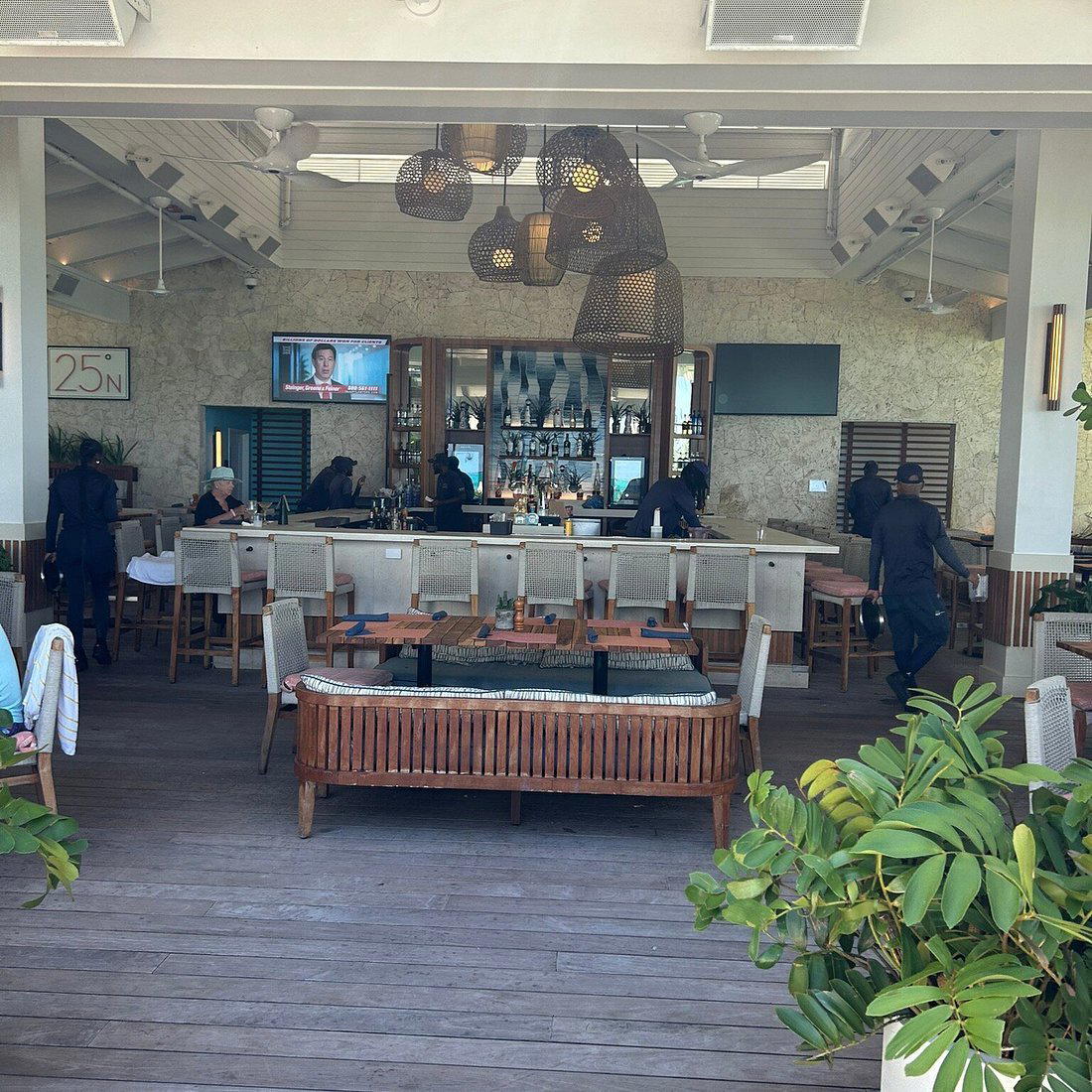
The menu
What to order
- Achari Paneer Tikka
- New Zealand Lamb Chops
- Reef Lobster
Where the Indian Ocean Sets the Menu
Dining in the Maldives has always been shaped by a geographic reality that few other resort destinations share: the nearest significant landmass is hours away, the surrounding water is among the most productive in the Indian Ocean, and the logistics of supplying a remote island mean that sourcing decisions carry consequences that go well beyond culinary preference. 24 Degrees Restaurant, located on Emboodhu Finolhu in South Malé Atoll, sits inside that context. The name itself references the latitude band where the island sits, roughly 4 degrees north of the equator, and that detail is more than decorative. It signals an orientation toward place that the better resort restaurants in this archipelago have learned to treat as a competitive asset rather than a constraint.
South Malé Atoll occupies a different tier in the Maldives resort hierarchy than the remote northern atolls that require seaplane transfers of forty minutes or more. Emboodhu Finolhu is reachable by speedboat from Velana International Airport in approximately twenty minutes, which compresses the distance between arrival and the first meal in a way that affects how the whole stay is framed. Guests arrive without the travel fatigue that longer transfers accumulate, and the restaurant benefits from that: the first evening carries more energy when it starts within an hour of landing rather than after an extended aerial leg.
The Sourcing Logic of an Indian Ocean Island Kitchen
The ingredient question is where Maldivian resort restaurants diverge most sharply from one another. At the lower end of the spectrum, resort kitchens rely almost entirely on flown-in produce, treating the ocean outside as scenery rather than pantry. At the other end, properties with genuine sourcing commitments build menus around what the surrounding waters and regional supply chains can actually deliver: yellowfin tuna caught within the atoll, reef fish sourced through local fishermen, coconut-based preparations that draw on Sri Lankan and South Indian culinary traditions carried across the water for centuries.
For a restaurant positioned on an island as close to the capital as Emboodhu Finolhu, the access to Male's wholesale market and the fishing community around the southern atolls creates options that more remote properties cannot replicate as easily. The Maldivian fishing tradition is built around pole-and-line tuna fishing, a method that produces lower bycatch and is increasingly recognized by international sustainability bodies as a benchmark for responsible Indian Ocean fisheries. A kitchen that draws on that supply chain is not making a token gesture toward sustainability; it is working with one of the more coherent fishing traditions in the region.
Across the Maldives dining circuit, the restaurants that have developed the strongest reputations tend to be the ones that resolve this sourcing tension with some clarity. Terra Maldives in Ithaafushi has built its identity around local and regional ingredients at the table level. Aragu at Velaa Private Island operates a modern French framework over a Maldivian foundation. Le 1947 at Cheval Blanc Randheli takes a French-Maldivian approach that treats the fusion as a design decision rather than an accident. Each of these properties has made a legible choice about where its ingredients come from and what culinary tradition it is working within. The stronger the sourcing story, the more the dining experience coheres beyond the view.
Setting, Format, and the Overwater Dining Question
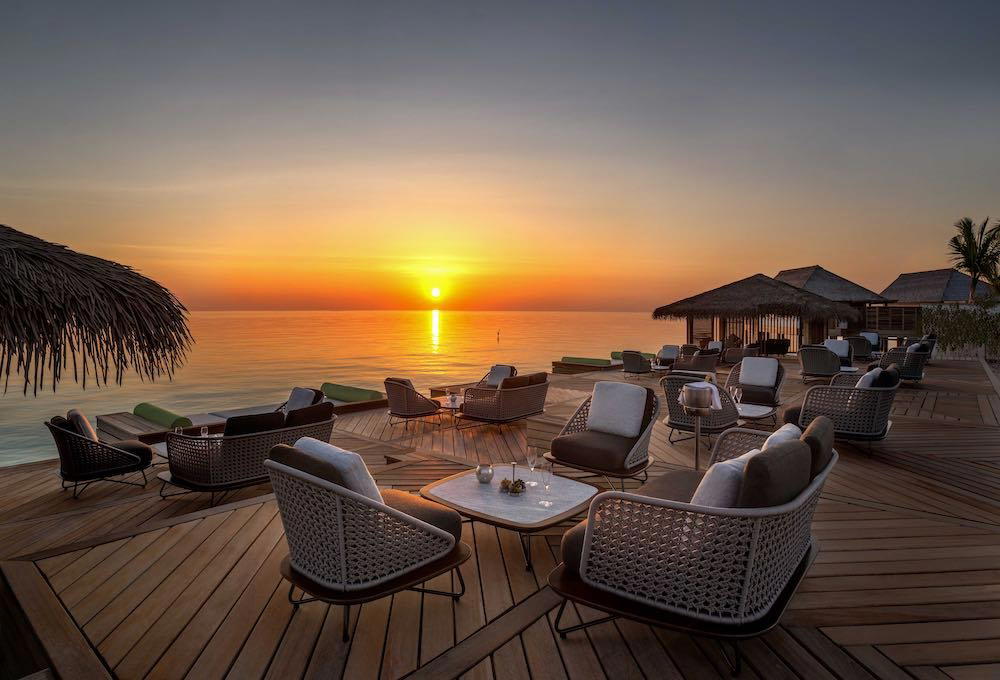
Resort restaurants in the Maldives are subject to a format pressure that their urban counterparts do not face: the setting is so dominant that it can overwhelm the food. Sunset decks, overwater platforms, and subaquatic dining rooms, see Ithaa in Rangali and Sea Underwater Restaurant in Kihavah Huravalhi as examples at the extreme end, generate Instagram reach but do not always generate culinary focus. The better resort restaurants treat their physical setting as context rather than content, letting the view frame the meal without replacing it.
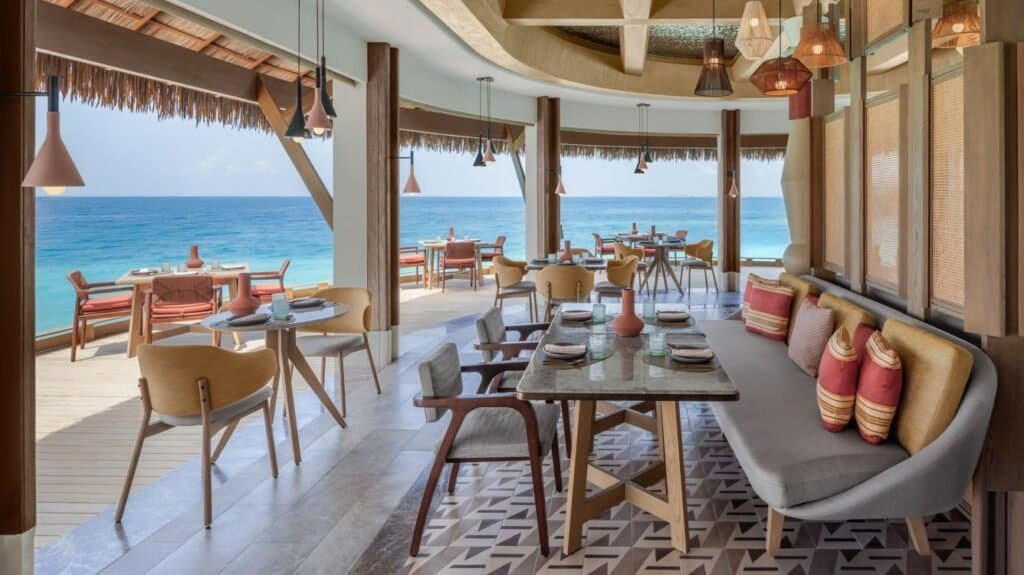
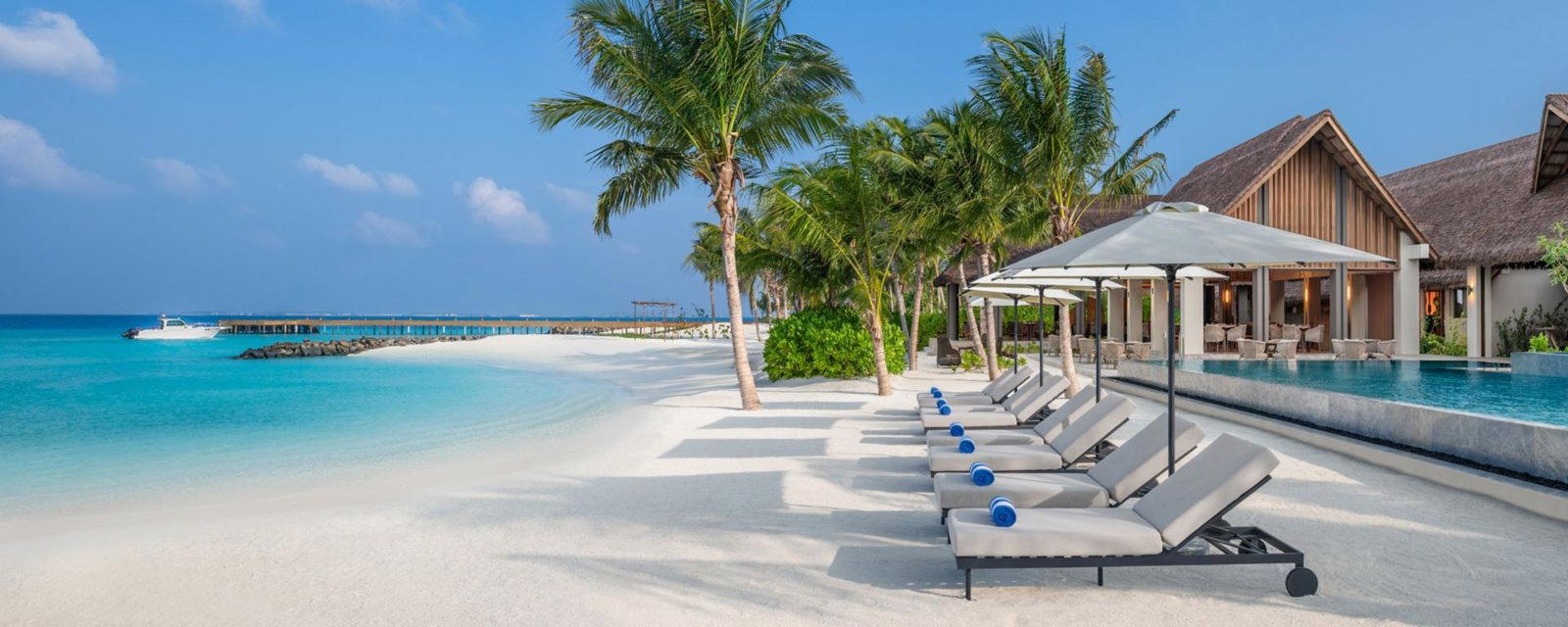
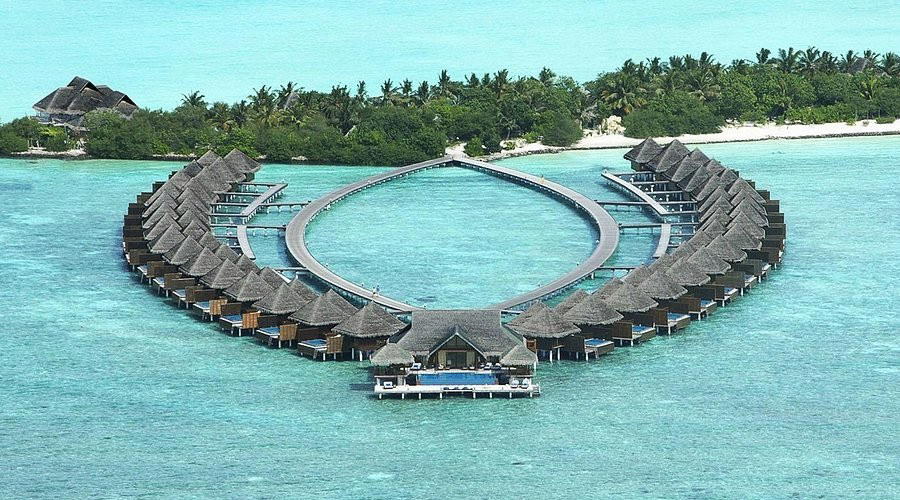
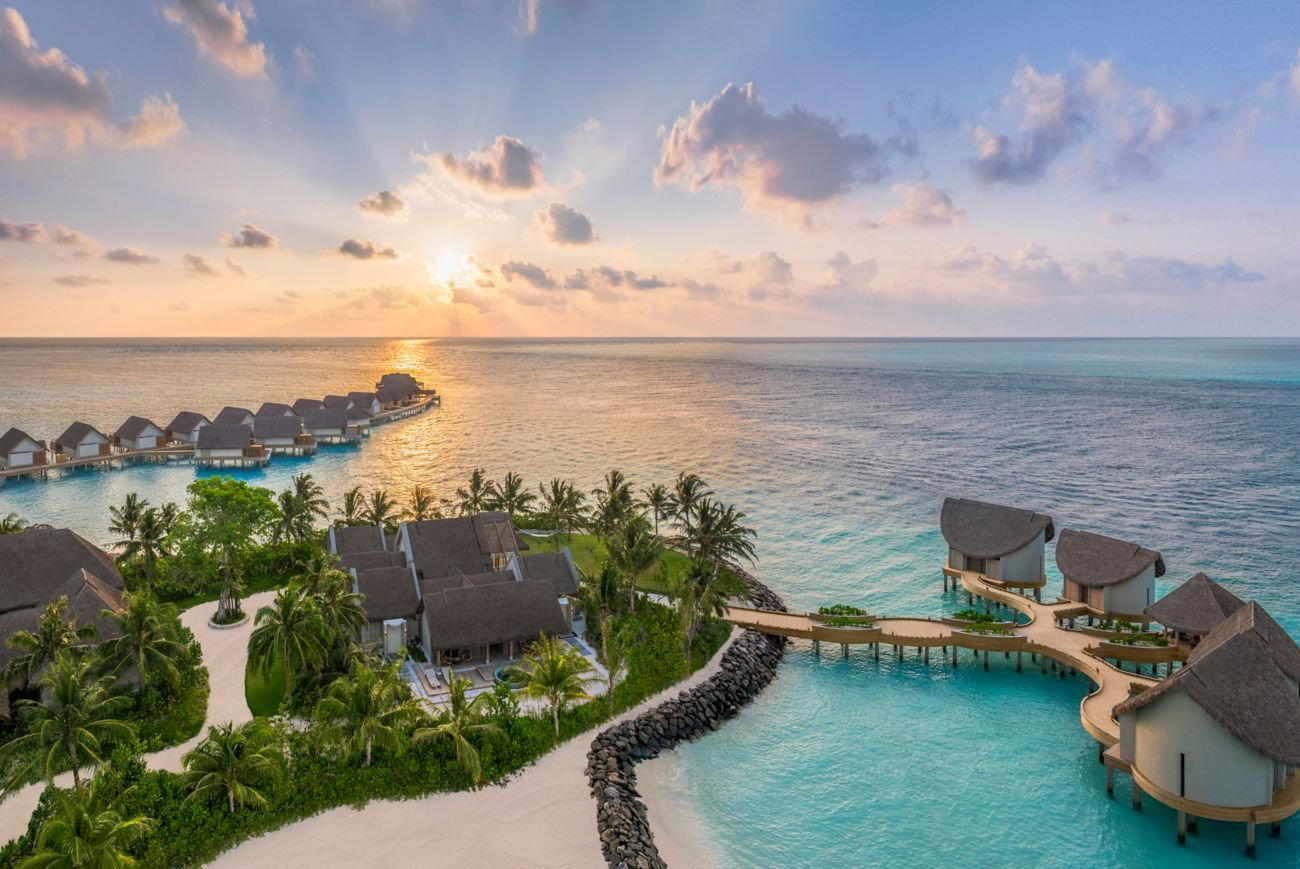
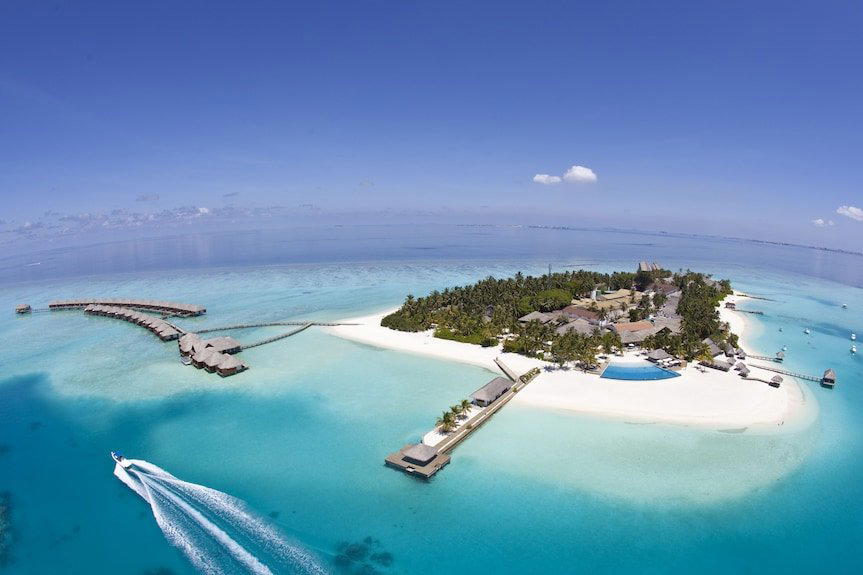
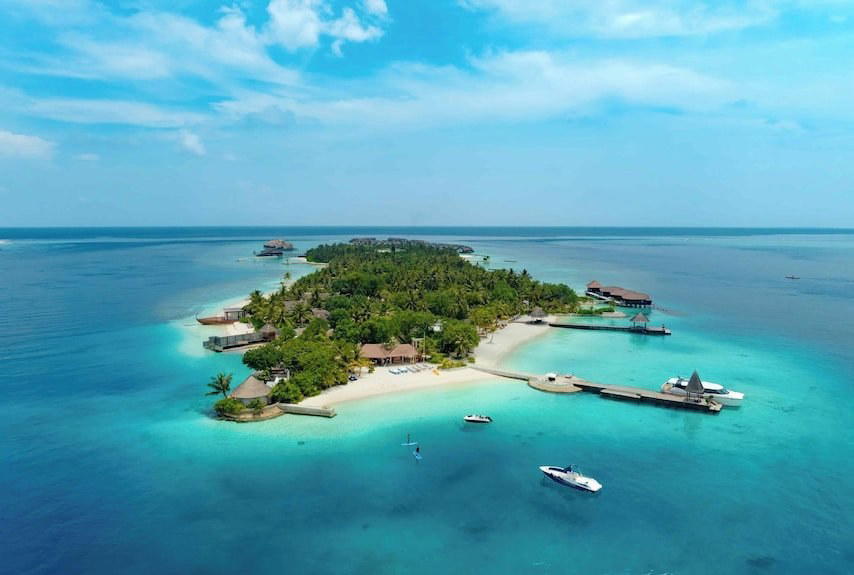
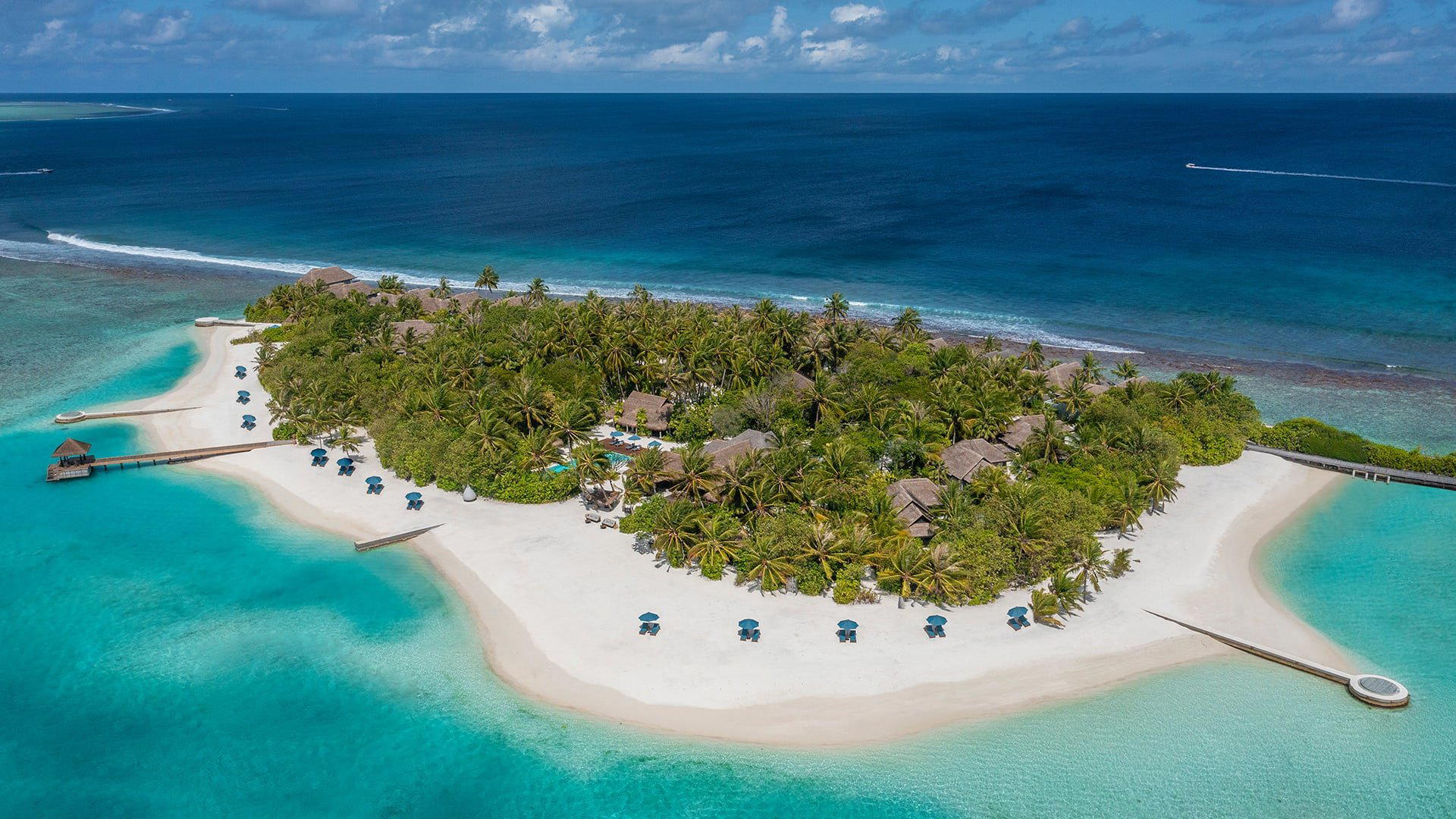
Emboodhu Finolhu's position in South Malé Atoll means the surrounding water is the Indian Ocean lagoon at its most accessible: shallow reef gradients, consistent visibility, and the kind of aquamarine light that changes register between midday and the late afternoon. A restaurant working with that setting well uses it to reinforce the sourcing narrative rather than compete with it. When the fish on the plate came from water you can see from your table, the connection between kitchen and ocean is no longer rhetorical.
Within South Malé Atoll's dining scene, the competitive set for a resort restaurant at this address includes properties spread across several quality tiers. Ozen Reserve Bolifushi, also in the southern atoll group, operates an all-inclusive model that bundles dining into a broader luxury proposition. Ozen Life Maadhoo follows a similar format. JOALI BEING in Meedhupparu takes a wellness-integrated approach to its food program. Further out, Alizee at Moofushi and Constance Moofushi represent the Moofushi Island tier of the atoll. The range is significant, and where a restaurant sits within it depends on decisions about format, sourcing, and culinary ambition that are distinct from the resort brand's broader positioning.
Jing at Constance Halaveli and Li Long have both staked out positions in the Chinese-influenced tier of Maldivian resort dining, a niche that reflects the significant portion of the archipelago's visitors arriving from China and East Asia. Alba in Vommuli takes a different angle. Each of these restaurants answers the format question with some specificity. The same question applies to 24 Degrees: what does it do, and does it do it with conviction?
Planning a Visit
Emboodhu Finolhu is a short speedboat ride from Velana International Airport, which keeps it inside the category of Maldives properties that work for stays of two or three nights rather than requiring the longer commitment that seaplane-access atolls demand. For dining specifically, the practical consideration is whether the restaurant operates independently of resort-only guest policies, a distinction that determines whether visitors staying elsewhere can book a table. Visitors who want a comparative frame for Maldivian resort dining at the highest level would do well to consider the reference points set by properties like Alila Kothaifaru Maldives before arriving, since that context helps in reading what 24 Degrees is and is not trying to do.
For those building an itinerary that combines Maldivian resort dining with international reference points, the sourcing-forward approach at its finest in the Indian Ocean draws interesting comparisons with the seafood focus at Le Bernardin in New York City or the producer-driven ethos at Lazy Bear in San Francisco, restaurants that have made ingredient provenance central to their critical identity. The Maldives operates in a completely different register, but the underlying question, what does this place do with what is genuinely available to it, is the same.
Frequently asked questions
Is 24 Degrees Restaurant suitable for children?
How would you describe the vibe at 24 Degrees Restaurant?
at 24 Degrees Restaurant?
What's the ideal way to book 24 Degrees Restaurant?
What's the standout thing about 24 Degrees Restaurant?
Does the restaurant's name have any significance to its location or food philosophy?
Continue exploring
More in South Malé Atoll
Restaurants in South Malé Atoll
All restaurants in South Malé Atoll →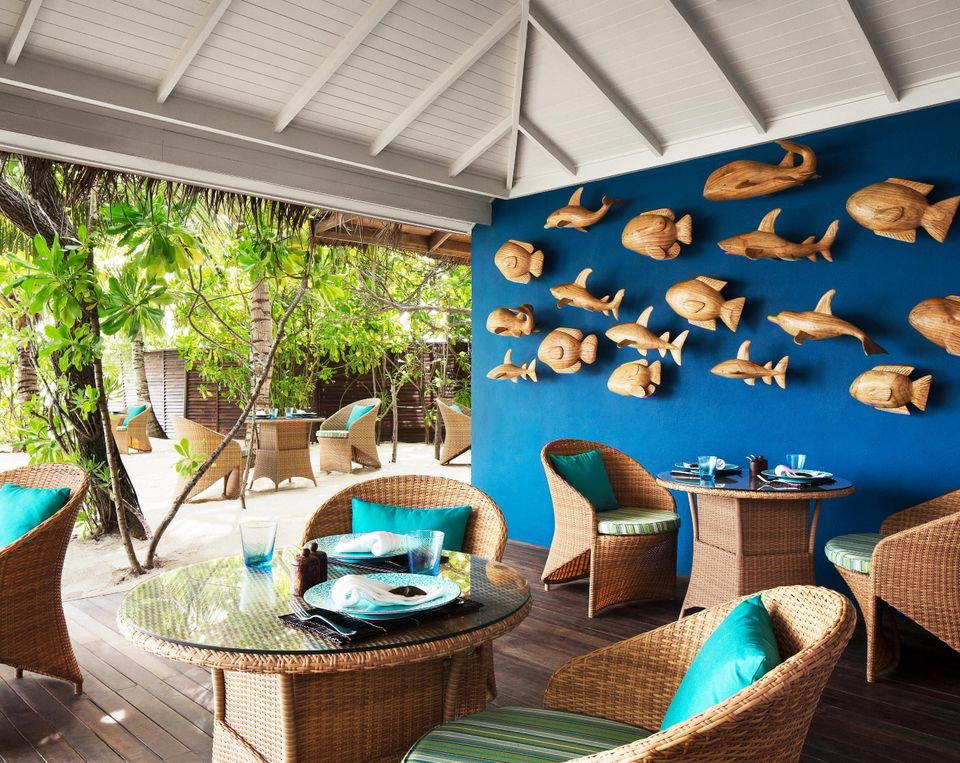
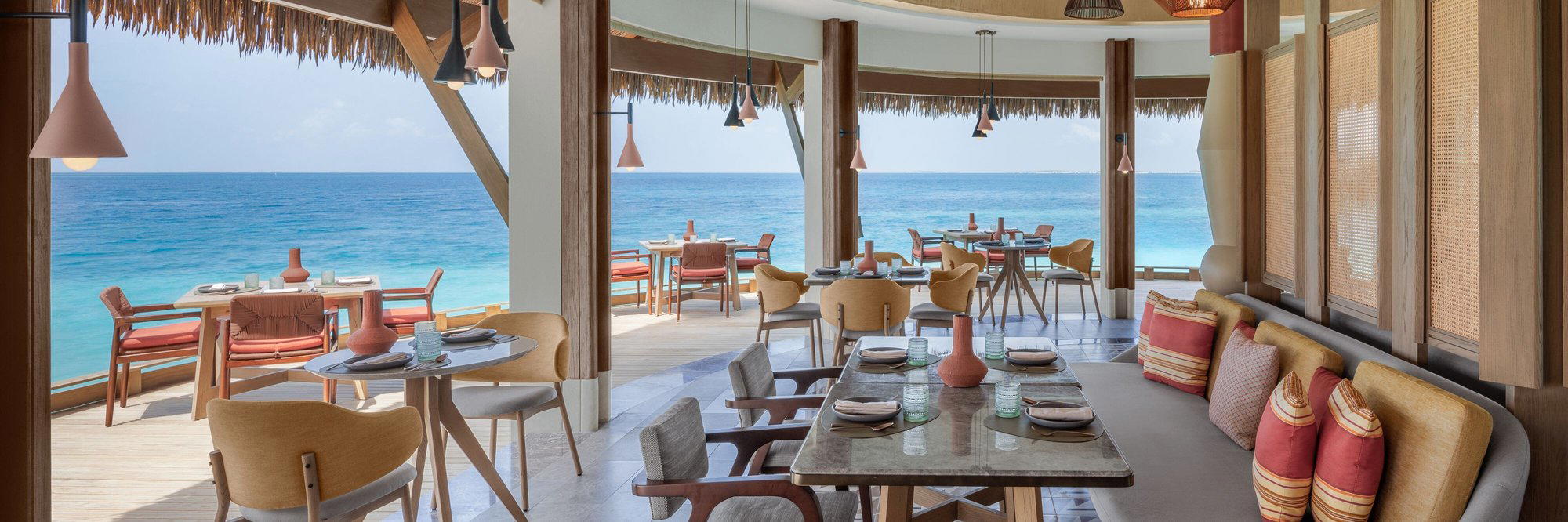
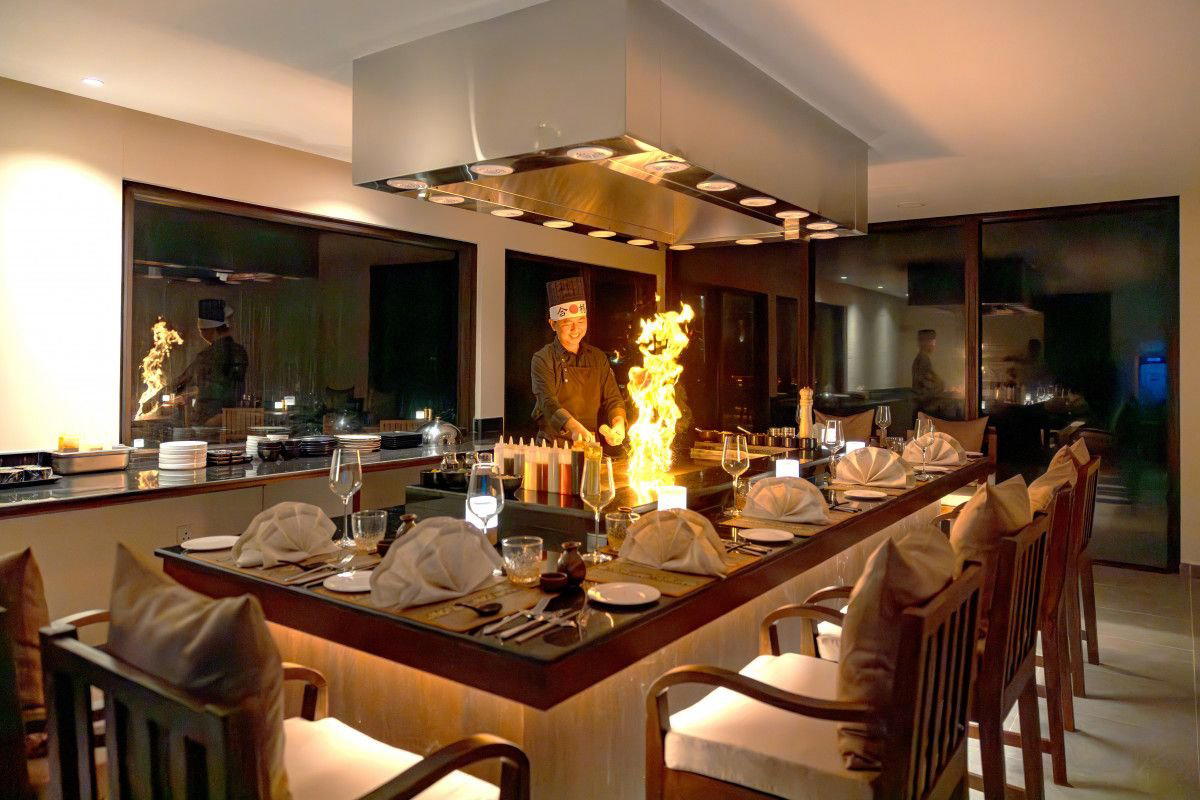
Bars in South Malé Atoll
All bars in South Malé Atoll →
Details
- Scenic
- Elegant
- Sophisticated
- Family
- Casual Hangout
- Waterfront
- Hotel Restaurant
- Local Sourcing
- Waterfront
- A La Carte
- Vegetarian Friendly
Current opening hours
- Monday
- 7–10 AM, 12–2:30 PM, 7–10 PM
- Tuesday
- 7–10 AM, 12–2:30 PM, 7–10 PM
- Wednesday
- 7–10 AM, 12–2:30 PM, 7–10 PM
- Thursday
- 7–10 AM, 12–2:30 PM, 7–10 PM
- Friday
- 7–10 AM, 12–2:30 PM, 7–10 PM
- Saturday
- 7–10 AM, 12–2:30 PM, 7–10 PM
- Sunday
- 7–10 AM, 12–2:30 PM, 7–10 PM
Hours can change for holidays and private events. Last verified .
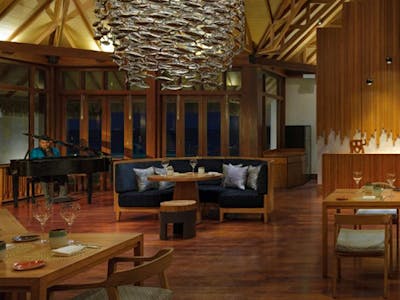
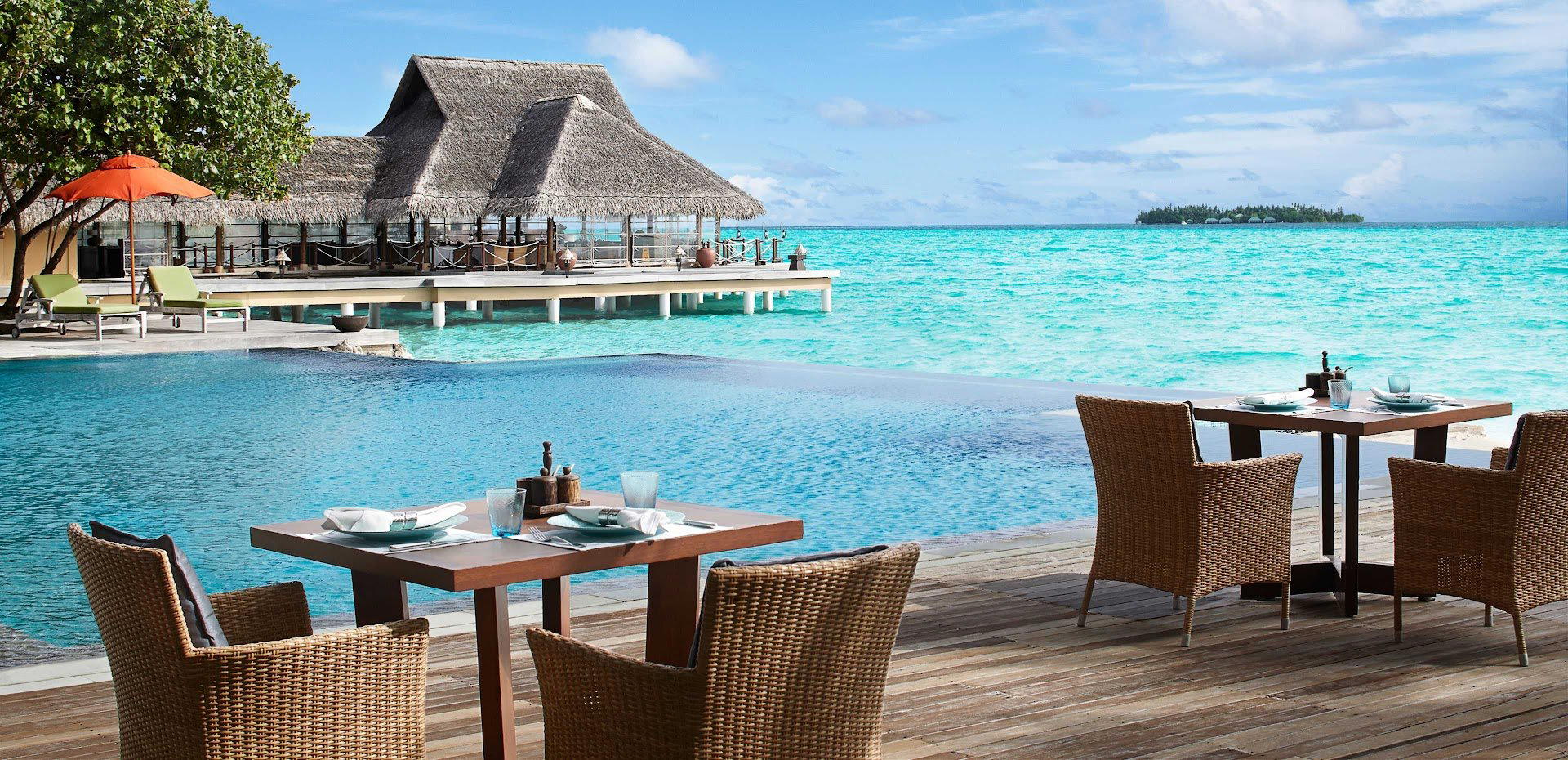
Relaxed beachfront setting with ocean breezes, cool seaside atmosphere, and dramatic blue views, well-suited for leisurely family meals.