Athiri
Our verdict
Athiri gives Kaafu Atoll’s resort-dining circuit a grill-led counterpoint: open-fire cooking in a setting where imported luxury and island supply chains meet. The useful way to read it is not through awards or chef mythology, but through sourcing, heat, and the Maldives’ constant negotiation between seafood proximity and resort logistics.

Pearl is the En Primeur Club membership app — saves, bookings, and concierge access live there. Same editors, same standards.
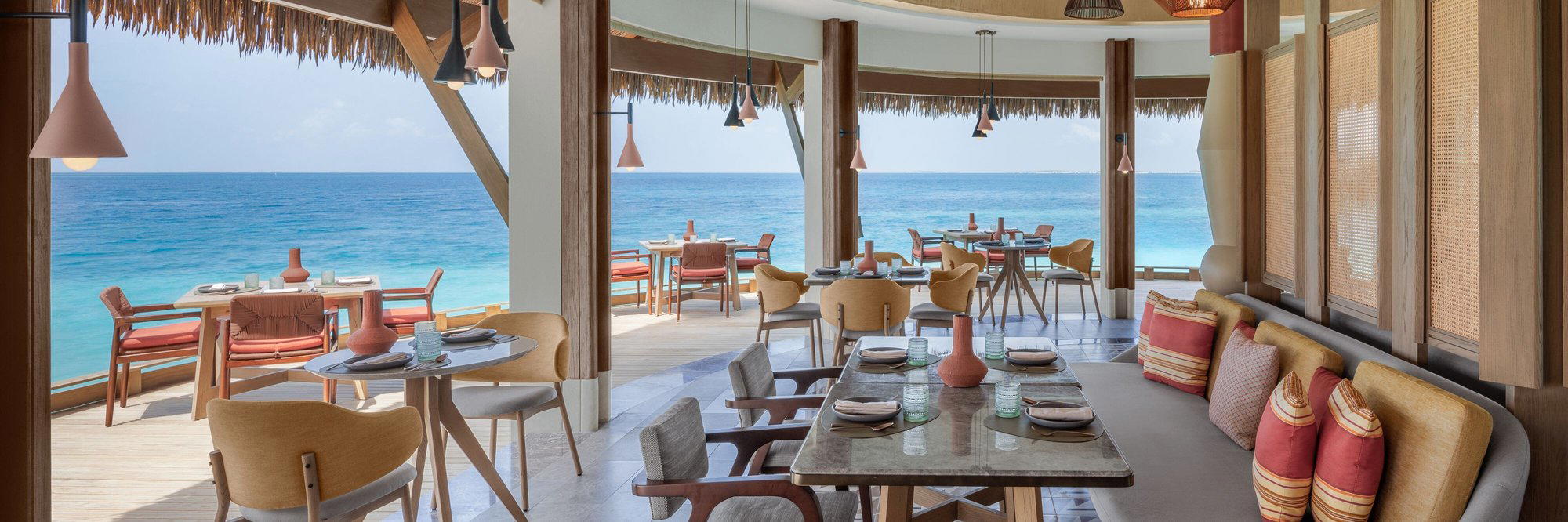
The menu
What to order
- Aged prime cuts from the charcoal grill
- Charcoal-grilled fresh seafood
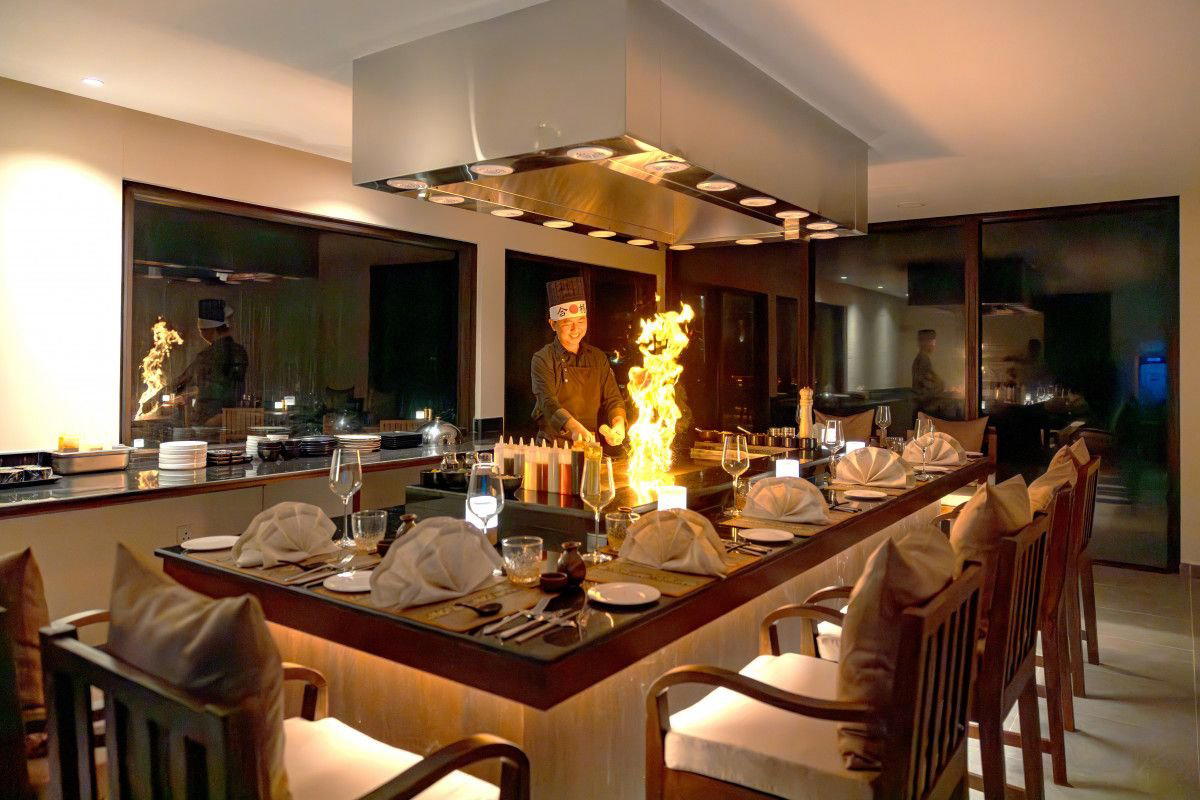
Approach a grill house in Kaafu Atoll and the first cue is rarely the menu. It is the change in temperature, the shift from lagoon air to cooking heat, and the practical theatre of flame in a resort environment built around water. Athiri sits inside that Maldivian contradiction: a parrilla format in a country where the surrounding sea shapes expectation, yet resort kitchens must also manage supply, controlled service, and guests arriving with different ideas of island dining.
That context matters because the Maldives is not a conventional restaurant city. Kaafu Atoll dining is distributed across islands, resorts, transfers, and house formats rather than street-level neighbourhoods. A grill house here competes less with a local high street than with the resort’s own counters, dining rooms, bar programs, and private-dining options. Readers comparing the wider scene should place Athiri alongside Kaafu Atoll addresses such as Pure, Riva, Savor by JW, and Veyo, where format is often the real differentiator.
Fire cooking changes the usual Maldives resort script
Open-fire dining brings a useful discipline to resort menus. It reduces the margin for decorative cooking and puts sourcing, seasoning, and timing under pressure. In the Maldives, that pressure is interesting because the sea is close but the pantry is not automatically simple. Local expectations, resort logistics, island transfers, and premium supply chains all shape what reaches the table. A parrilla format makes that tension visible: the plate has to justify what comes from the surrounding setting, what travels to the island, and what benefits from direct heat rather than elaborate plating.
This is where Athiri’s category does more work than a long chef biography would. A grill house in Kaafu Atoll gives travellers a different decision from a tasting-style room or a broad resort restaurant. It suits diners who want a clearer relationship between ingredient and technique: smoke, char, seasoning, balance. That does not make the format casual by default; in resort Maldives, even relaxed formats sit inside a premium hospitality frame. The question is whether the meal feels anchored in its setting rather than interchangeable with a beach-club grill anywhere in the Indian Ocean.
The wider Kaafu Atoll restaurant circuit rewards that kind of specificity. All-day resort dining, destination-led rooms, and setting-driven formats across the Maldives show how heavily island restaurants rely on atmosphere and structure. Athiri belongs to the more elemental side of that spectrum: less spectacle, more fire.
Sourcing is the real test of the island grill
Ingredient sourcing is the useful lens for reading any premium Maldivian grill. The country’s geography creates a seductive but incomplete story: the ocean is visible, so diners assume an easy sense of place. In practice, resort cooking is a negotiation between available catch, imported ingredients, storage constraints, and the timing of transfers. A grill house makes those choices harder to hide. Seafood needs freshness and restraint; proteins need consistency; vegetables and sides need enough character to survive the fire rather than serve as garnish.
That is why the parrilla cue is significant. Grill traditions typically value embers, heat control, fat management, and simple accompaniments; transposed to the Maldives, the format only works when the kitchen resists turning it into generic luxury resort theatre. Athiri’s appeal should be judged on whether the grill frames the ingredient rather than masking it. In a destination where many meals are sold through views, that is a sharper editorial test than asking whether the room photographs well.
For travellers building a broader Kaafu Atoll itinerary, the comparison should be by occasion rather than ranking. A fire-led dinner plays a different role from a tasting-menu evening, a lagoon-side lunch, or a bar-led night. The useful planning move is to read across the area rather than treat one reservation as the whole story: Our full Kaafu Atoll restaurants guide maps the dining field, while Our full Kaafu Atoll hotels guide, Our full Kaafu Atoll bars guide, Our full Kaafu Atoll wineries guide, and Our full Kaafu Atoll experiences guide show how resort choice, drinking, and activities shape the table before anyone orders.
Where Athiri fits among resort dining decisions
Athiri is strongest as a category choice: choose it when the evening calls for grill technique, direct flavours, and a meal that does not depend on a long procession of courses. Families may find that kind of format easier than formal tasting rooms, though the fit depends on the resort’s current menu, seating rhythm, and children’s policies. Couples and small groups should read it as a warm-weather dinner built around fire rather than ceremony.
Available recognition should be handled carefully rather than overstated. This is not a page to dress the restaurant in borrowed prestige. The trust signal is format and place: a named parrilla grill house in Kaafu Atoll, operating inside one of the world’s more logistically complex resort-dining regions. That is enough to frame the decision. Diners who want external accolades should check the latest listings accordingly; diners who want the Maldives interpreted through flame, sourcing, and a less ornate resort grammar have a clearer reason to look here.
Across Kaafu Atoll, other resort restaurants widen the comparison and show how island dining rooms define themselves by format as much as cuisine. For a useful contrast, compact specialist formats elsewhere show the same editorial principle: the tighter the format, the easier it is to judge whether sourcing and technique are doing real work.
Frequently asked questions
Does Athiri work for a family meal?
Yes, Athiri can suit a family meal if the group wants a grill-house setting rather than a formal tasting menu. Its Kaafu Atoll location points to a resort dining room where flexible, shared dining may be part of the appeal.
How would you describe the vibe at Athiri?
Athiri reads as a parrilla grill house first, so the mood is centered on fire, timing, and direct service rather than ceremony. In Kaafu Atoll, that usually means a relaxed resort dinner room with the kitchen as the main event.
Where do I go for Athiri?
Kaafu Atoll.
Should I book Athiri in advance?
Advance booking is sensible for Athiri, especially because it is a resort grill house in Kaafu Atoll. Dining rooms tied to island resorts tend to work on tighter service windows than city restaurants.
What's the signature at Athiri?
Athiri’s defining feature is its parrilla grill house format, not a named dish. The Kaafu Atoll setting supports the point: a fire-led menu style is the main draw.
What if I have allergies at Athiri?
State any allergies clearly when booking and repeat them on arrival, especially at a grill house like Athiri in Kaafu Atoll. A fire-led kitchen may be able to discuss preparations and sauces, but the staff need the information early.
Side-by-Side Snapshot
Comparable venues by cuisine and price in the same metro.
| Venue | Cuisine |
|---|---|
| AthiriThis venue — the venue you are viewing | South American charcoal grill & seafood |
| Riva | Indian Ocean Fine Dining |
| Savor by JW | Seafood and Premium Steaks |
| Veyo | International Resort Dining |
Continue exploring
More in Kaafu Atoll
Restaurants in Kaafu Atoll
All restaurants in Kaafu Atoll →
Bars in Kaafu Atoll
Browse all →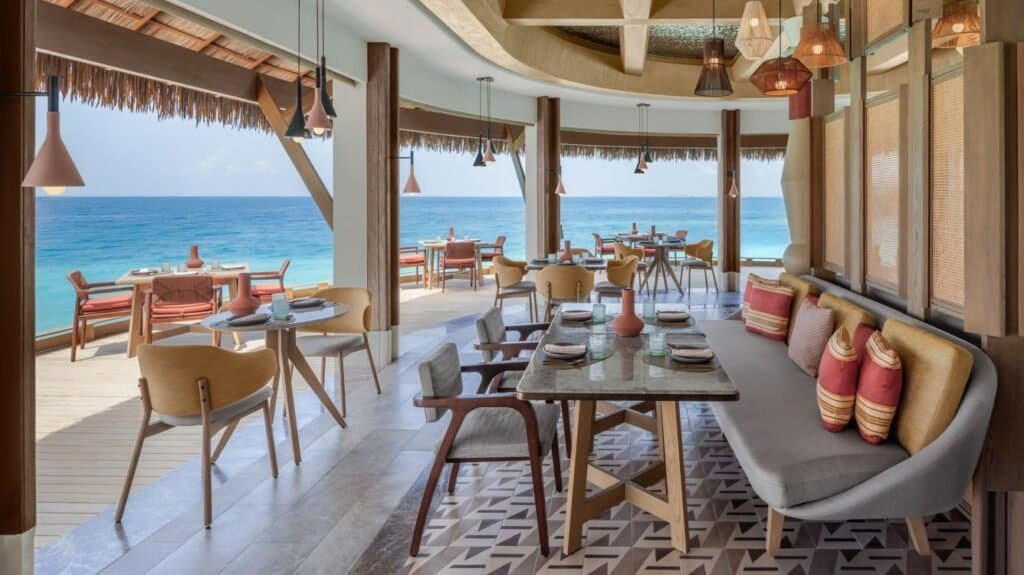

Details
- Romantic
- Scenic
- Elegant
- Modern
- Intimate
- Date Night
- Celebration
- Group Dining
- Special Occasion
- Waterfront
- Panoramic View
- Design Destination
- Hotel Restaurant
- Craft Cocktails
- Sustainable Seafood
- Waterfront
- A La Carte
- Cocktails
- Wine
- Pescatarian Friendly
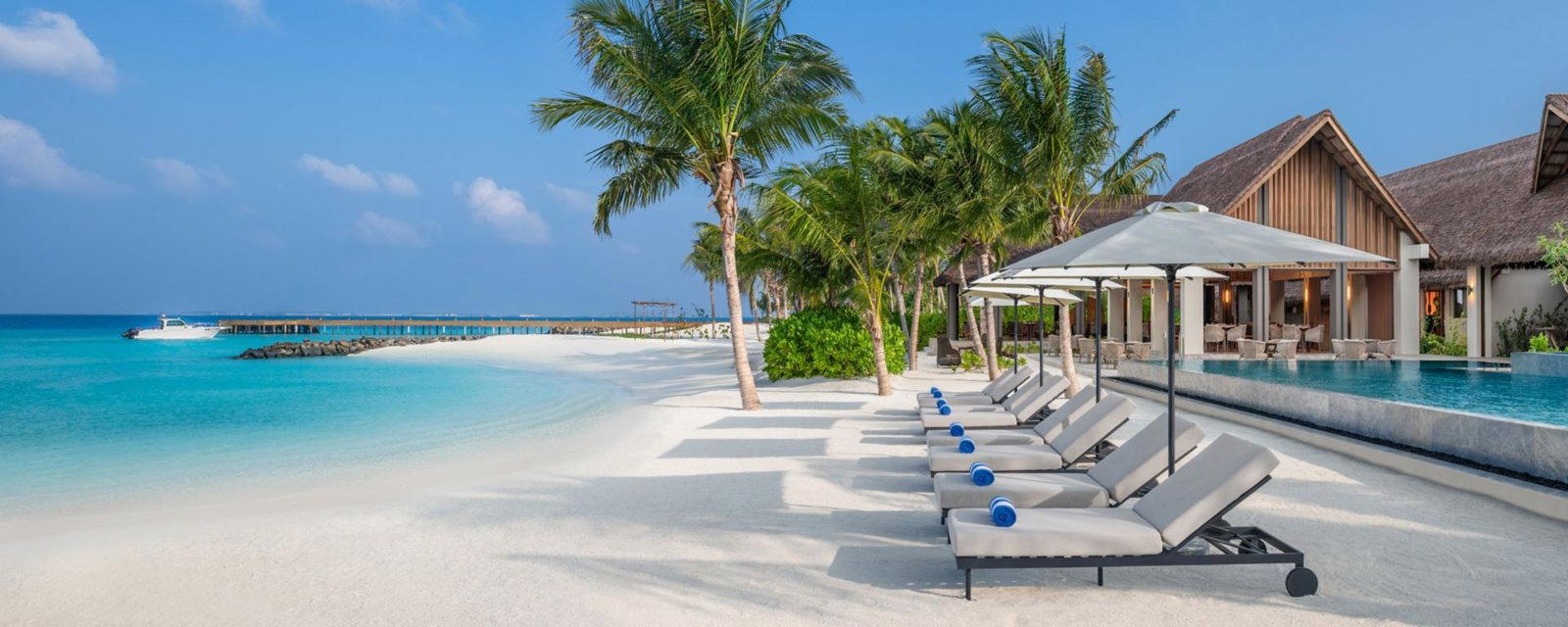
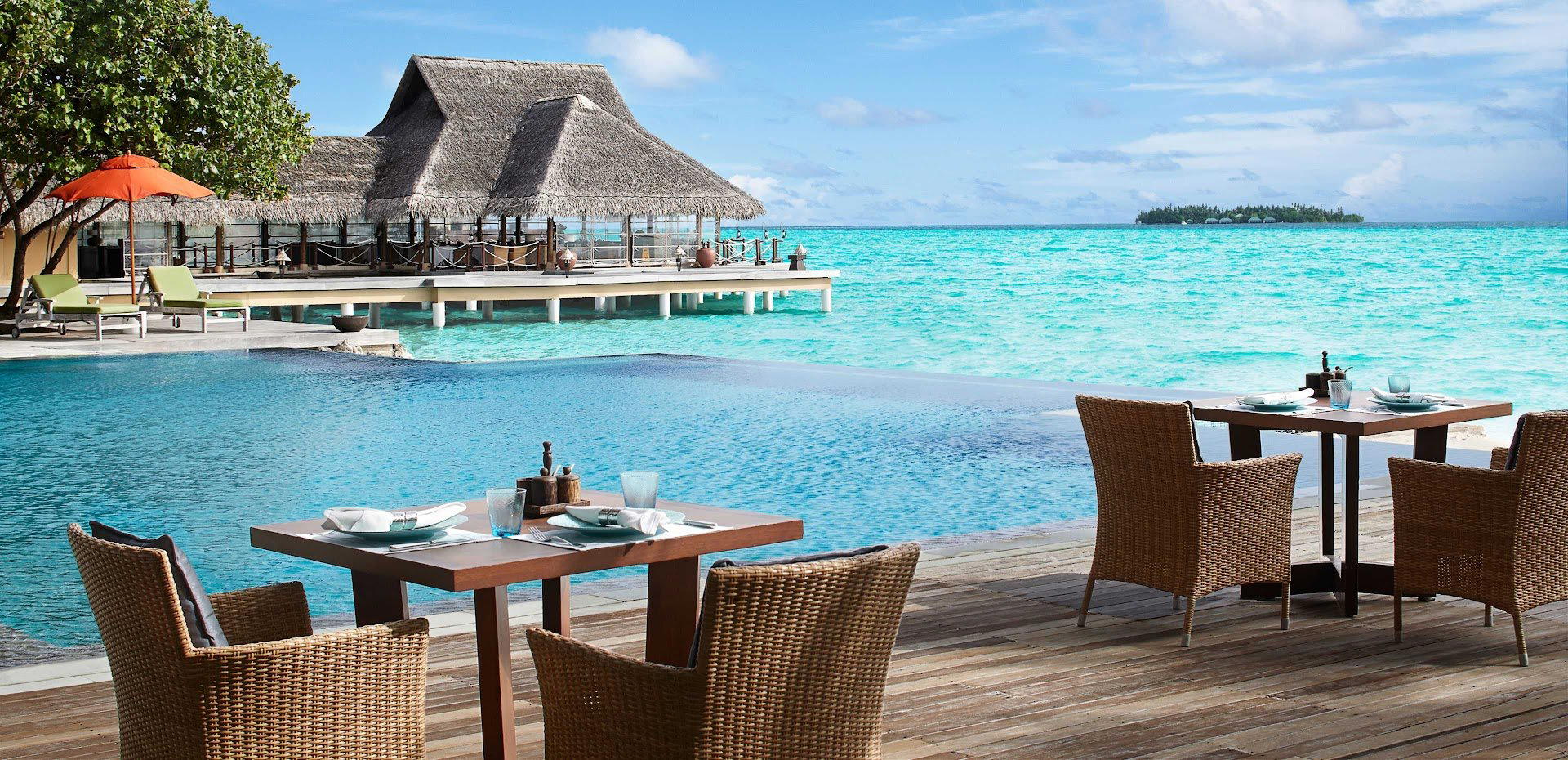
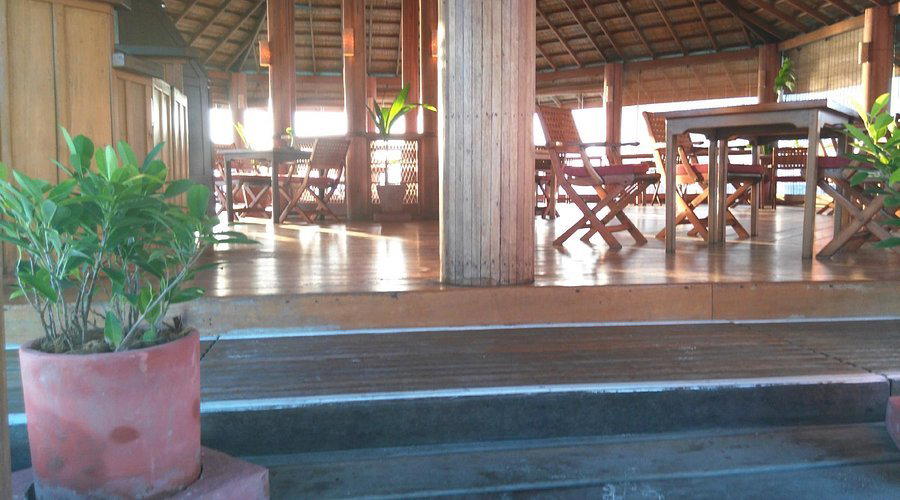
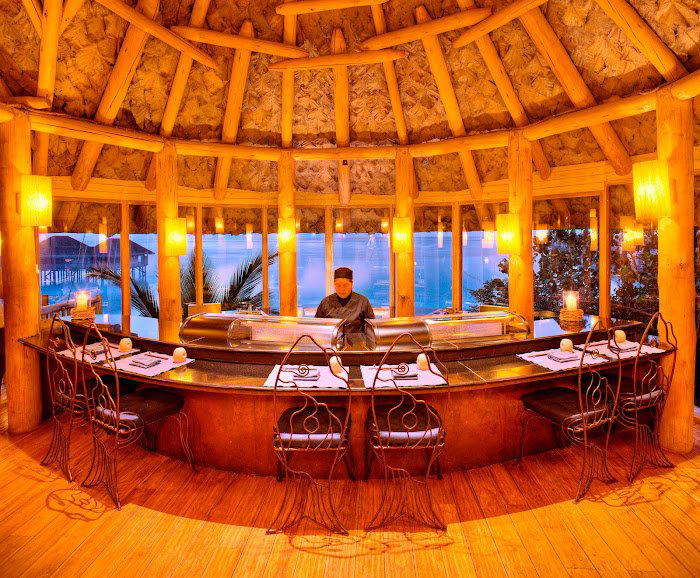
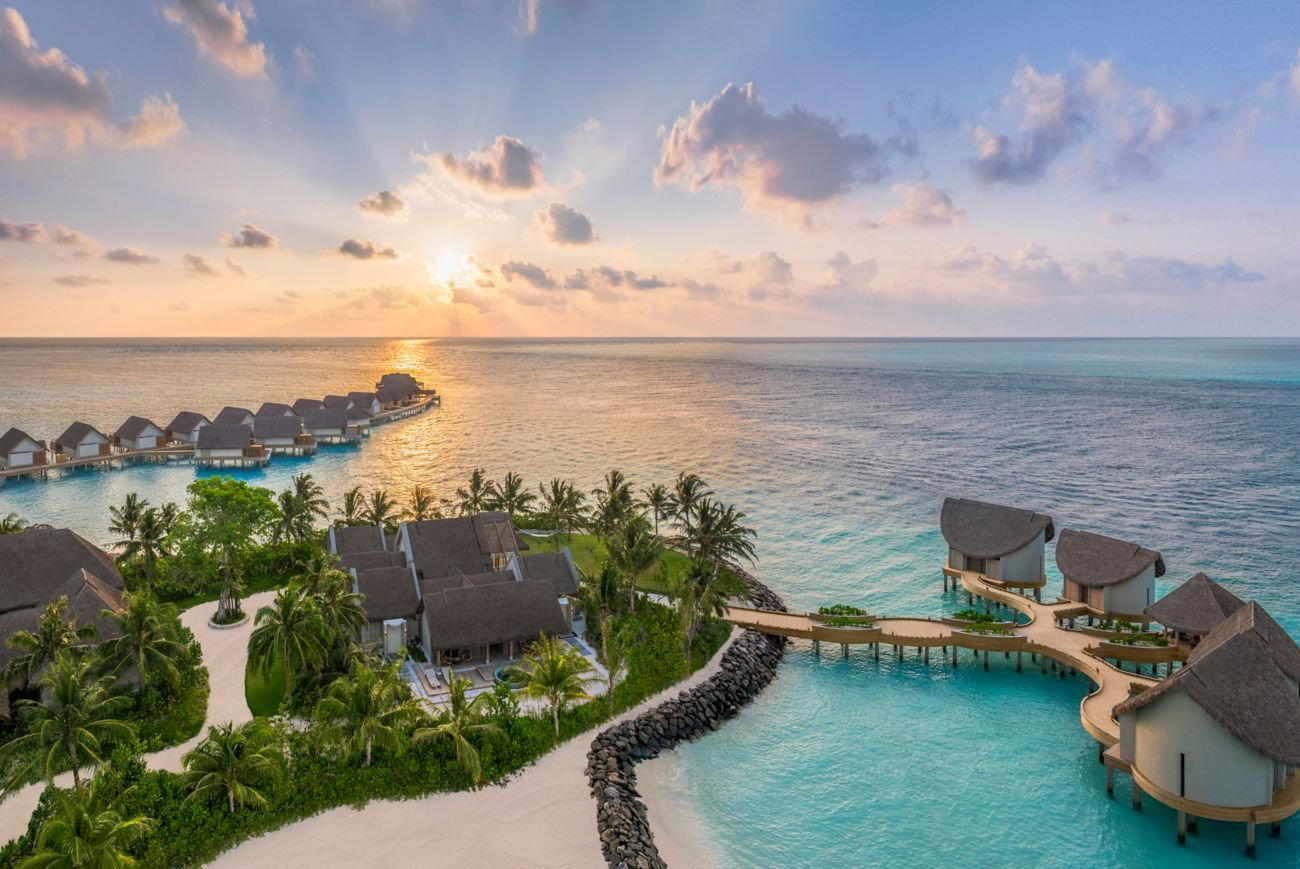
Upscale yet relaxed beachfront atmosphere with a lively, fire-and-smoke-driven South American grill concept, combining ocean views, open-air seating, and warm evening lighting for romantic dinners and intimate celebrations.