1890

Wine Spectator Award of Excellence
Our verdict
Where Todos Santos Eats Close to the Source The streets around Todos Santos' centro historic move at a different pace from the resort corridor further north. Low-slung adobe buildings face onto dusty sidewalks, mango trees push through courtyard walls, and the Pacific moisture settles over everything by late afternoon. It is in this texture — agricultural town meeting art colony, fishing culture meeting a small but serious dining scene — that 1890 operates, at Av. Legaspy 33a, a short walk from the town plaza that anchors daily life in this part of southern Baja California Sur. Todos Santos sits in a geographic position that shapes what kitchens here can do. The Sierra de la Laguna foothills hold small farms producing tomatoes, chiles, herbs, and tropical fruit at altitudes that moderate the desert heat. The Pacific coast, reachable in minutes, supplies the sea catch that defines much of regional Baja cooking. Restaurants that take that proximity seriously, and the better ones in town do, are working with shorter supply chains than most of Mexico's major dining cities can claim. That immediacy shows up on the plate when kitchens commit to it. Ingredient Geography: Why Baja Sur Matters The farm-to-table argument is made more easily in Todos Santos than in most Mexican cities because the distances are genuinely short. Valle de Guadalupe, further north in Baja California, has received considerable attention for its wine-country dining model, places like Animalón in Valle de Guadalupe and Lunario in El Porvenir have built national reputations around that terroir-first approach. Todos Santos works a parallel logic but with a different pantry: tropical rather than Mediterranean, Pacific-facing rather than wine-country, and still small enough that farm relationships tend to be direct rather than mediated through distributors. Across Mexico, this sourcing model has become one of the defining currents in serious cooking. Pujol in Mexico City, Levadura de Olla in Oaxaca, and KOLI Cocina de Origen in Monterrey each frame ingredient origin as a primary editorial statement. In coastal Baja, that conversation extends naturally to the sea: the same instinct that drives kitchens to name their vegetable farms drives them toward day-boat fish, local oysters, and the regional shellfish that the Pacific supplies in quantity. Oystera in Todos Santos takes that seafood focus to a dedicated format; Olivea Farm to Table in Ensenada pursues a comparable philosophy further up the peninsula. The Todos Santos Dining Tier Todos Santos' restaurant scene punches above the town's population for reasons that have accumulated over decades. The art community drew visitors with money and palate; the proximity to Cabo San Lucas brought a secondary wave of travellers willing to make the 80-kilometre drive north for something quieter; and the town's agricultural identity gave kitchens a reason to cook seasonally before that became a marketing point. The result is a dining tier that includes a handful of addresses worth travelling for, several good neighbourhood restaurants, and a price spread that runs from casual taquerias to the higher brackets occupied by venues like DŪM and TENOCH by Paradero Todos Santos. Within that tier, 1890 occupies the centro address on Av. Legaspy that puts it in the oldest part of town. The name references the year that anchors local historical identity in Todos Santos, a signal of the kind of rooted positioning that distinguishes it from the newer resort-adjacent openings. Restaurants at this end of the centro tend to draw a mix of long-term expat residents, Mexican visitors from the peninsula cities, and international travellers who have done enough research to move beyond the obvious beach-resort options. For comparison across the broader Todos Santos dining field, the full Todos Santos restaurants guide maps the range. Sourcing in Context: What the Regional Model Produces A kitchen working within serious distance of its ingredients in Baja Sur has access to a specific set of materials that shapes the cooking decisively. Pacific fish, yellowtail, tuna, snapper, corvina, are caught locally and move through informal supply relationships that larger city restaurants cannot replicate. Tropical produce from the sierra foothills includes varieties of mango, papaya, and citrus that differ from the standardised supermarket versions. Chiles grown at altitude in the sierra carry flavour profiles tied to the specific microclimate. When kitchens in Todos Santos are doing this well, the sourcing is legible on the plate without being announced. The comparison with places that have to work harder for this, HA' in Playa del Carmen on the Caribbean coast, or Arca in Tulum, is instructive. Both are serious operations working with regional ingredients, but the Yucatán pantry and the Baja Sur pantry are fundamentally different, and the cooking they produce diverges accordingly. Todos Santos kitchens, at their most focused, express a Pacific-coastal-agricultural identity that is specific enough to be worth seeking out. The parallel holds internationally: the sourcing logic that drives places like Le Bernardin in New York and Lazy Bear in San Francisco is fundamentally about knowing where your materials come from and letting that knowledge structure the menu. Planning a Visit The Av. Legaspy address puts 1890 within easy walking distance of the central plaza, the Todos Santos church, and the main concentration of galleries and independent shops that define the centro experience. Arriving on foot from the plaza takes under five minutes. The town itself is most comfortable between November and April, when temperatures sit in the mid-twenties and the heavy summer humidity has passed; this is also when the restaurant scene operates at full capacity and reservations at the better addresses become more competitive. Visitors combining 1890 with other dining in the centro area often also book at Benno, which offers Italian-Mexican cooking a short walk away, making the centro a viable base for a focused dining evening without needing a vehicle. For those building a wider Baja dining itinerary, the peninsula offers enough serious cooking to justify multiple nights. The farm-and-sea model that Todos Santos represents connects logically to comparable operations in Ensenada to the north and to the wine country of Valle de Guadalupe, where Alcalde in Guadalajara and Pangea in San Pedro Garza García have built reputations on similar ingredient-first principles in inland cities. The Le Chique in Puerto Morelos comparison shows how the sourcing argument plays out in a completely different coastal setting. What they share is a commitment to the specific over the generic, and in Todos Santos, that specificity is one of the town's most consistent dining assets. Frequently Asked Questions What kind of setting is 1890?1890 occupies a centro address in Todos Santos, in the older part of town near the main plaza. The setting fits the colonial-agricultural character of this part of Baja California Sur rather than the resort aesthetic further south toward Cabo. Pricing context for the Todos Santos scene ranges across tiers, and the centro location positions the restaurant within the town's more grounded dining cluster rather than the higher-bracket resort-adjacent openings.What dish is 1890 famous for? What is documented is that the kitchen operates within the Baja Sur sourcing model, which means Pacific coastal fish, sierra-grown produce, and regional chiles form the likely building blocks of the menu. For verified dish details, checking directly with the restaurant on arrival or through local contacts in Todos Santos is the reliable approach.Do I need a reservation for 1890?Todos Santos' better dining addresses across all price tiers tend to fill during the November-to-April high season, when the town's population of visitors increases substantially. Booking ahead is the practical choice for any evening in the centro dining cluster during that window, regardless of price tier. Outside high season, walk-in availability improves across most venues in town.Is 1890 a family-friendly restaurant?Todos Santos' centro restaurants generally operate in a relaxed, low-formality register compared to resort-strip dining in larger Baja cities, which makes the environment accessible for families. The price tier and setting context suggest a casual-to-mid-range positioning rather than a tasting-menu format that would limit family suitability. Confirming specific policies directly with the venue is advisable before booking with children.What do critics highlight about 1890? The restaurant's position within Todos Santos' ingredient-focused dining culture and its centro location are the distinguishing contextual markers. For venues in the same city with documented critical recognition, the Todos Santos restaurants guide provides a mapped overview of the current scene.How does 1890's name connect to Todos Santos, and does that history shape the dining experience?The name 1890 references a specific moment in Todos Santos' documented local history, grounding the restaurant in the town's agricultural and colonial identity rather than positioning it as a generic resort destination. This kind of rooted naming is a recurring signal in the Baja Sur dining scene, where kitchens that take regional identity seriously tend to express it through sourcing, menu language, and address choice as much as through explicit branding. The centro location on Av. Legaspy reinforces that positioning, placing the restaurant in the oldest continuous part of town.

Pearl is the En Primeur Club membership app — saves, bookings, and concierge access live there. Same editors, same standards.
- Address
- Av. Legaspy 33 a, El Centro, 23305 Todos Santos, B.C.S., Mexico
- Phone
- +52 612 145 0040
- Hours
- Mon–Thu 8 AM–9:30 PMFri–Sun 8 AM–10:30 PM
- Website
- hoteltodossantos.com
- Directions
- Get directions
- Booking
- Book on OpenTable
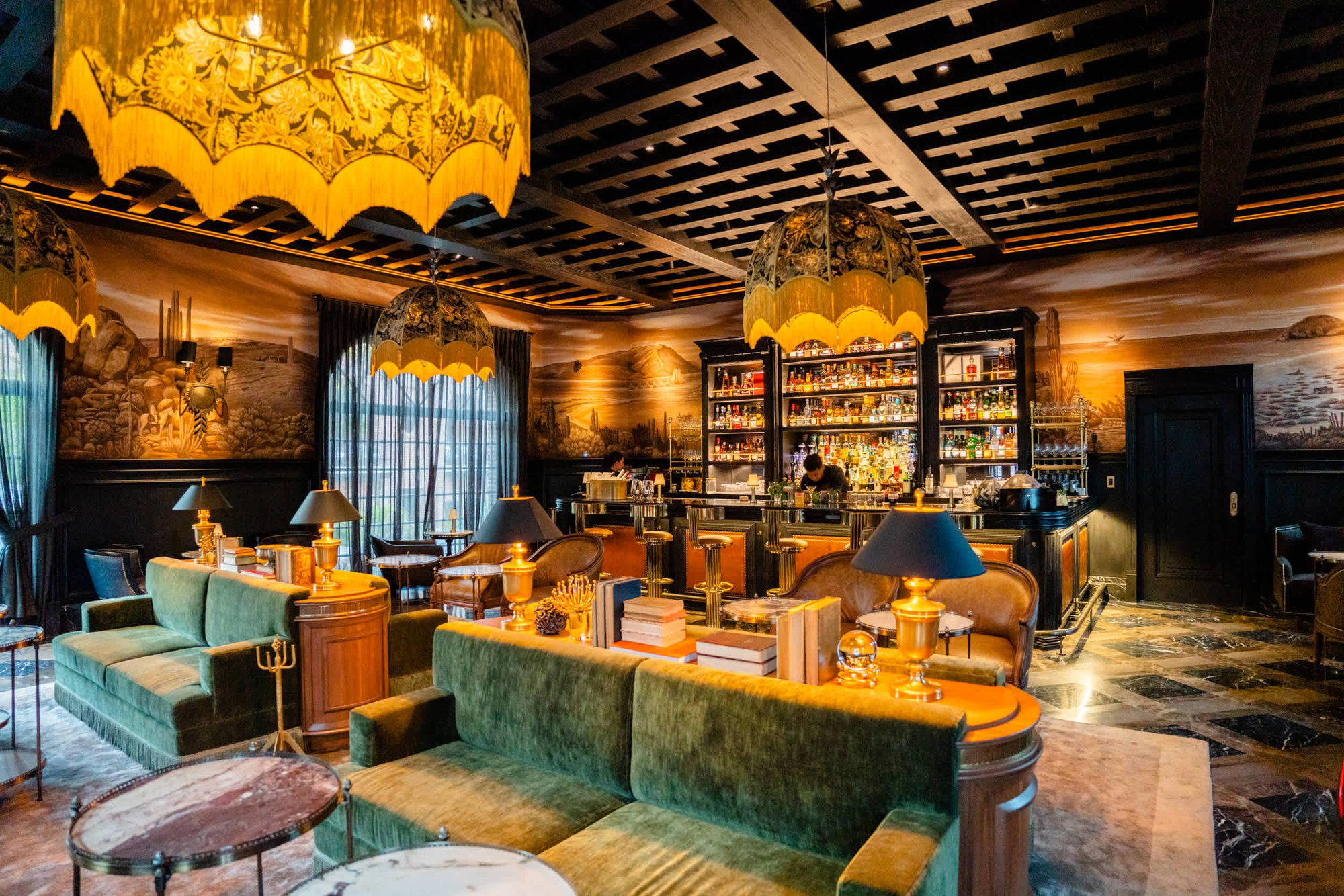
Where Todos Santos Eats Close to the Source
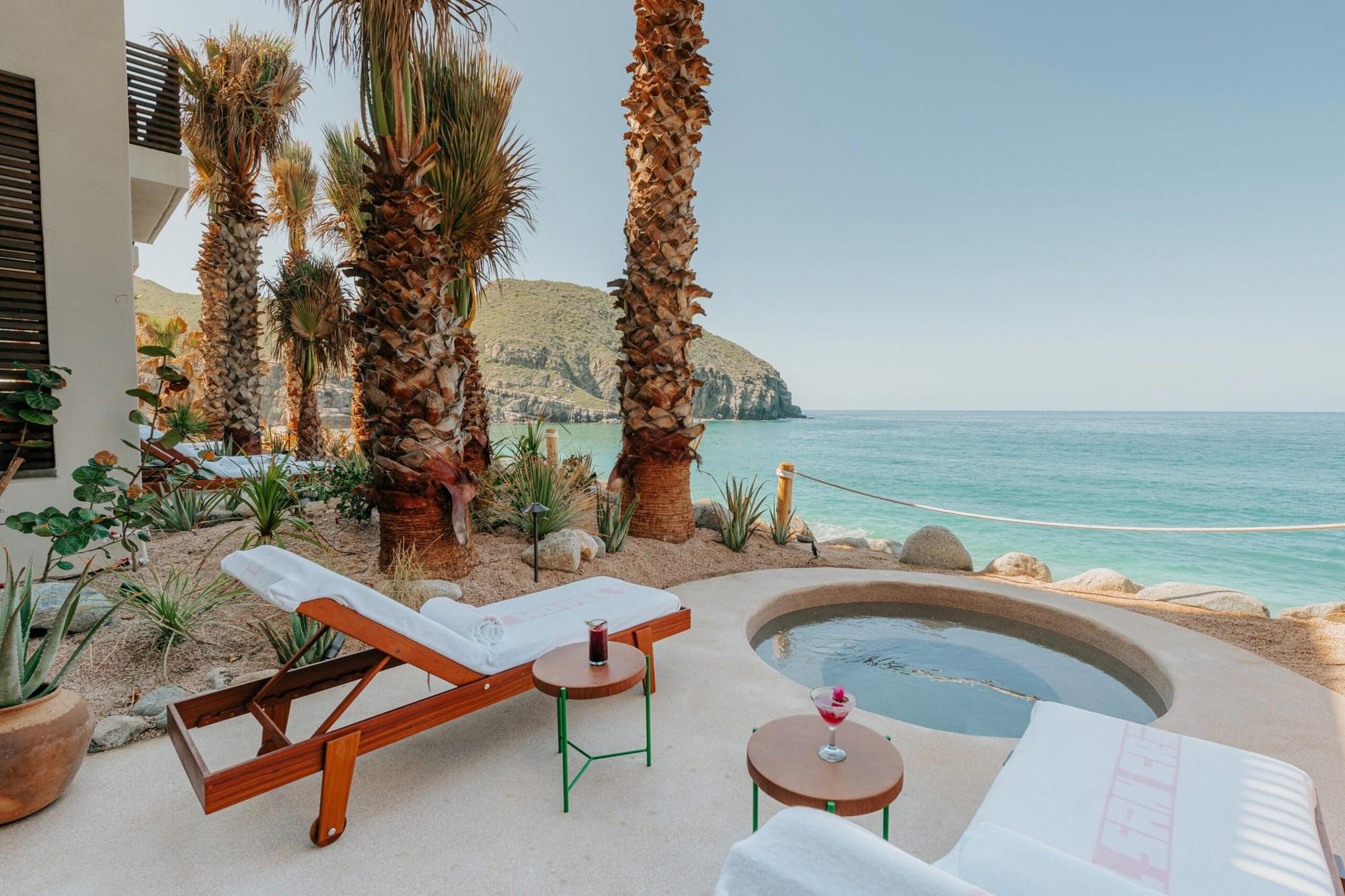
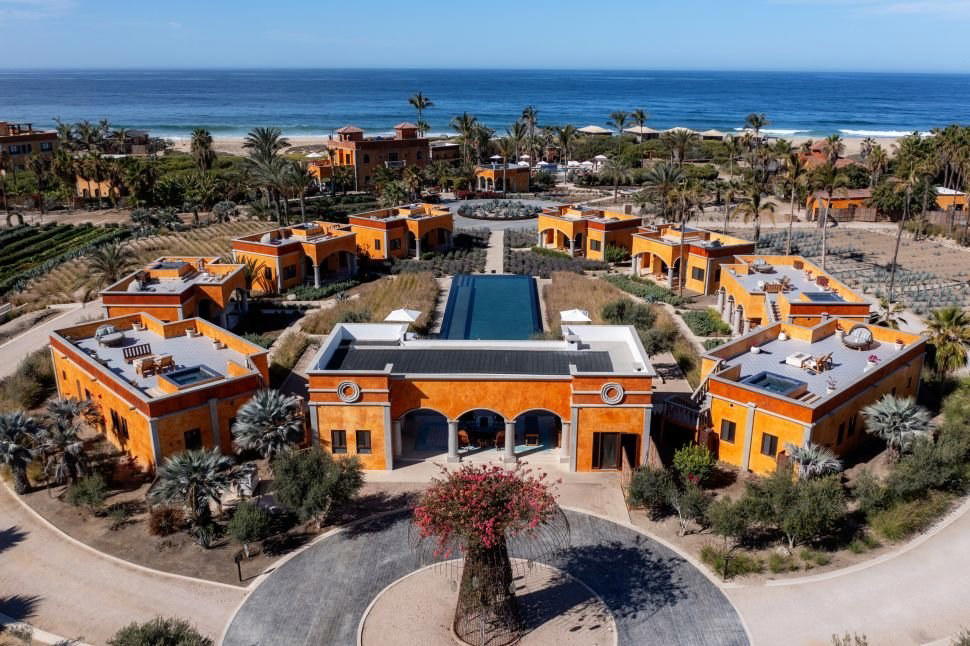
The streets around Todos Santos' centro historic move at a different pace from the resort corridor further north. Low-slung adobe buildings face onto dusty sidewalks, mango trees push through courtyard walls, and the Pacific moisture settles over everything by late afternoon. It is in this texture — agricultural town meeting art colony, fishing culture meeting a small but serious dining scene — that 1890 operates, at Av. Legaspy 33a, a short walk from the town plaza that anchors daily life in this part of southern Baja California Sur.
Todos Santos sits in a geographic position that shapes what kitchens here can do. The Sierra de la Laguna foothills hold small farms producing tomatoes, chiles, herbs, and tropical fruit at altitudes that moderate the desert heat. The Pacific coast, reachable in minutes, supplies the sea catch that defines much of regional Baja cooking. Restaurants that take that proximity seriously, and the better ones in town do, are working with shorter supply chains than most of Mexico's major dining cities can claim. That immediacy shows up on the plate when kitchens commit to it.
Ingredient Geography: Why Baja Sur Matters
The farm-to-table argument is made more easily in Todos Santos than in most Mexican cities because the distances are genuinely short. Valle de Guadalupe, further north in Baja California, has received considerable attention for its wine-country dining model, places like Animalón in Valle de Guadalupe and Lunario in El Porvenir have built national reputations around that terroir-first approach. Todos Santos works a parallel logic but with a different pantry: tropical rather than Mediterranean, Pacific-facing rather than wine-country, and still small enough that farm relationships tend to be direct rather than mediated through distributors.
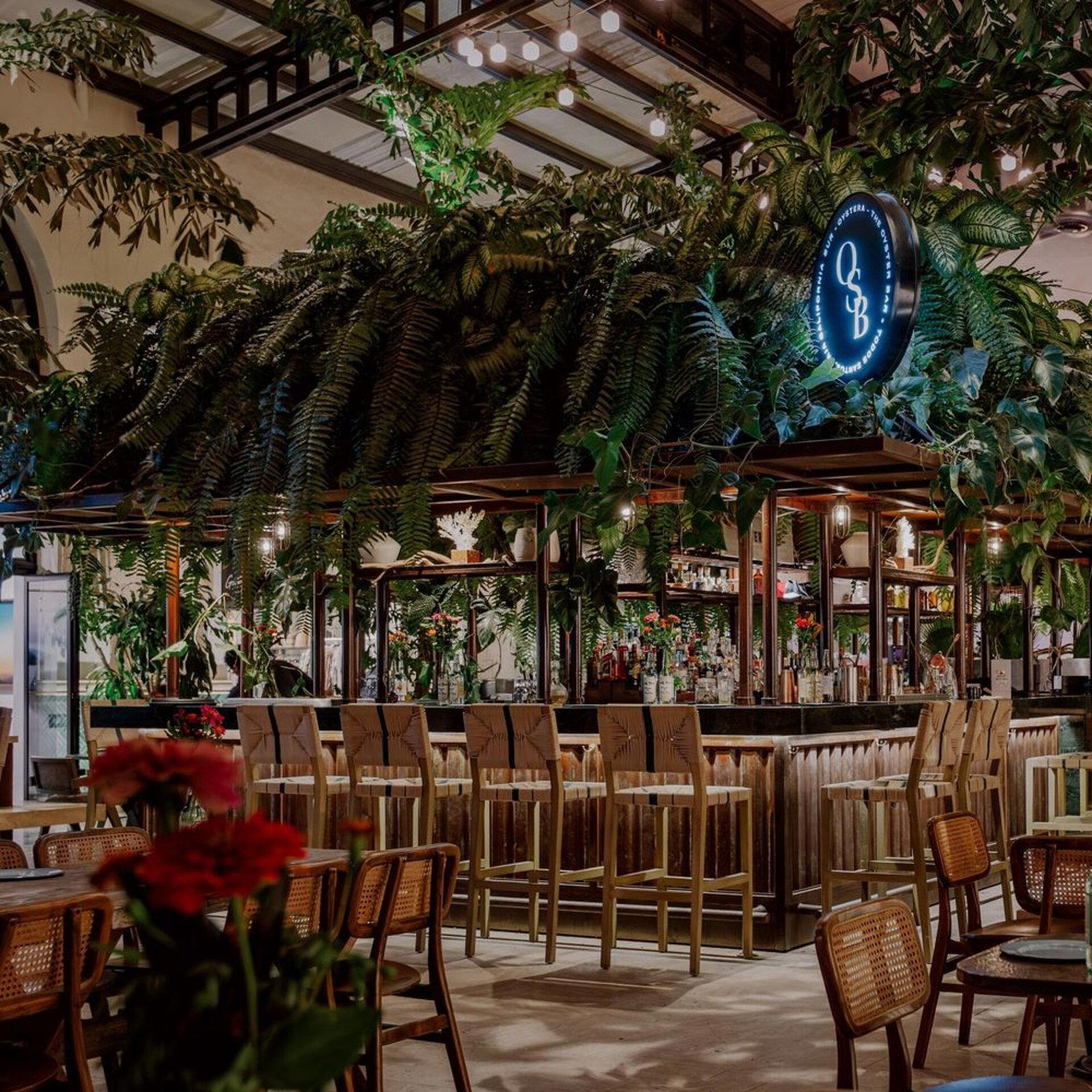
Across Mexico, this sourcing model has become one of the defining currents in serious cooking. Pujol in Mexico City, Levadura de Olla in Oaxaca, and KOLI Cocina de Origen in Monterrey each frame ingredient origin as a primary editorial statement. In coastal Baja, that conversation extends naturally to the sea: the same instinct that drives kitchens to name their vegetable farms drives them toward day-boat fish, local oysters, and the regional shellfish that the Pacific supplies in quantity. Oystera in Todos Santos takes that seafood focus to a dedicated format; Olivea Farm to Table in Ensenada pursues a comparable philosophy further up the peninsula.
The Todos Santos Dining Tier
Todos Santos' restaurant scene punches above the town's population for reasons that have accumulated over decades. The art community drew visitors with money and palate; the proximity to Cabo San Lucas brought a secondary wave of travellers willing to make the 80-kilometre drive north for something quieter; and the town's agricultural identity gave kitchens a reason to cook seasonally before that became a marketing point. The result is a dining tier that includes a handful of addresses worth travelling for, several good neighbourhood restaurants, and a price spread that runs from casual taquerias to the higher brackets occupied by venues like DŪM and TENOCH by Paradero Todos Santos.
Within that tier, 1890 occupies the centro address on Av. Legaspy that puts it in the oldest part of town. The name references the year that anchors local historical identity in Todos Santos, a signal of the kind of rooted positioning that distinguishes it from the newer resort-adjacent openings. Restaurants at this end of the centro tend to draw a mix of long-term expat residents, Mexican visitors from the peninsula cities, and international travellers who have done enough research to move beyond the obvious beach-resort options. For comparison across the broader Todos Santos dining field, the full Todos Santos restaurants guide maps the range.
Sourcing in Context: What the Regional Model Produces
A kitchen working within serious distance of its ingredients in Baja Sur has access to a specific set of materials that shapes the cooking decisively. Pacific fish, yellowtail, tuna, snapper, corvina, are caught locally and move through informal supply relationships that larger city restaurants cannot replicate. Tropical produce from the sierra foothills includes varieties of mango, papaya, and citrus that differ from the standardised supermarket versions. Chiles grown at altitude in the sierra carry flavour profiles tied to the specific microclimate. When kitchens in Todos Santos are doing this well, the sourcing is legible on the plate without being announced.
The comparison with places that have to work harder for this, HA' in Playa del Carmen on the Caribbean coast, or Arca in Tulum, is instructive. Both are serious operations working with regional ingredients, but the Yucatán pantry and the Baja Sur pantry are fundamentally different, and the cooking they produce diverges accordingly. Todos Santos kitchens, at their most focused, express a Pacific-coastal-agricultural identity that is specific enough to be worth seeking out. The parallel holds internationally: the sourcing logic that drives places like Le Bernardin in New York and Lazy Bear in San Francisco is fundamentally about knowing where your materials come from and letting that knowledge structure the menu.
Planning a Visit
The Av. Legaspy address puts 1890 within easy walking distance of the central plaza, the Todos Santos church, and the main concentration of galleries and independent shops that define the centro experience. Arriving on foot from the plaza takes under five minutes. The town itself is most comfortable between November and April, when temperatures sit in the mid-twenties and the heavy summer humidity has passed; this is also when the restaurant scene operates at full capacity and reservations at the better addresses become more competitive. Visitors combining 1890 with other dining in the centro area often also book at Benno, which offers Italian-Mexican cooking a short walk away, making the centro a viable base for a focused dining evening without needing a vehicle.
For those building a wider Baja dining itinerary, the peninsula offers enough serious cooking to justify multiple nights. The farm-and-sea model that Todos Santos represents connects logically to comparable operations in Ensenada to the north and to the wine country of Valle de Guadalupe, where Alcalde in Guadalajara and Pangea in San Pedro Garza García have built reputations on similar ingredient-first principles in inland cities. The Le Chique in Puerto Morelos comparison shows how the sourcing argument plays out in a completely different coastal setting. What they share is a commitment to the specific over the generic, and in Todos Santos, that specificity is one of the town's most consistent dining assets.
Frequently asked questions
What kind of setting is 1890?
What dish is 1890 famous for?
Do I need a reservation for 1890?
Is 1890 a family-friendly restaurant?
What do critics highlight about 1890?
How does 1890's name connect to Todos Santos, and does that history shape the dining experience?
Recognition history
Dated appearances from independent guides and award organizations, with the underlying list record or original source where available.
Wine Spectator Award of Excellence
Wine Spectator
Continue exploring
More in Todos Santos
Restaurants in Todos Santos
Browse all →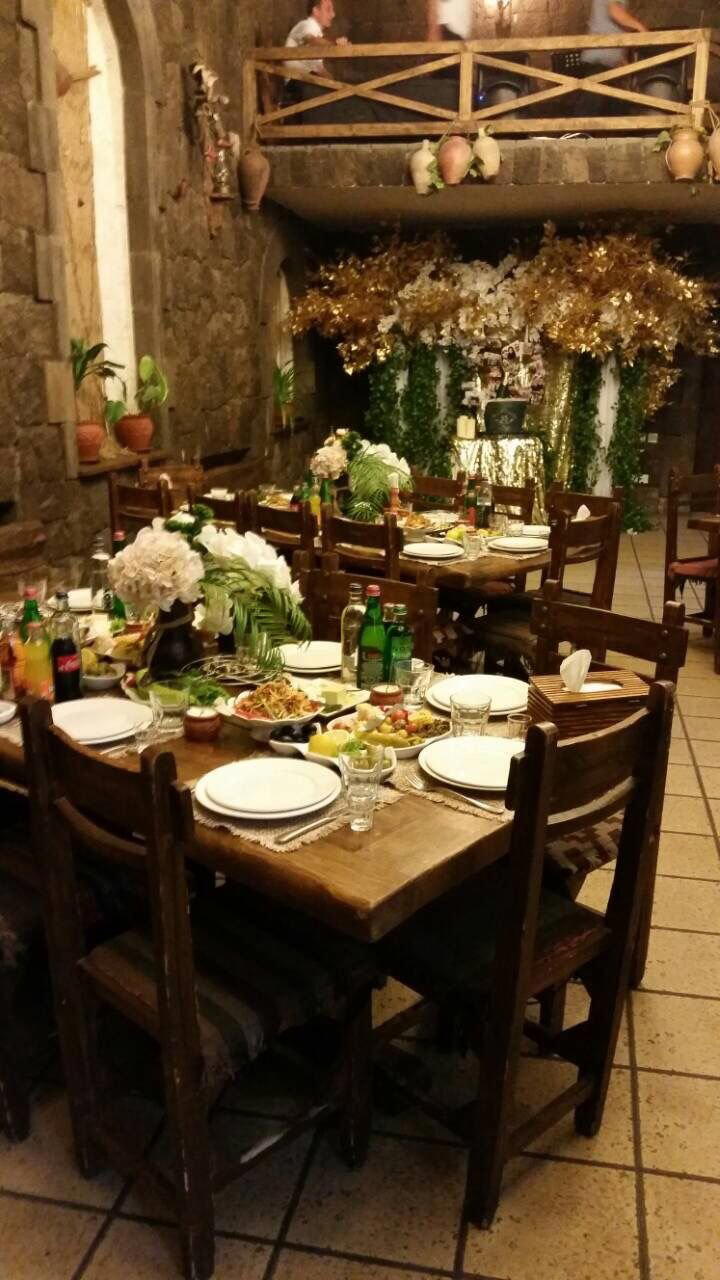
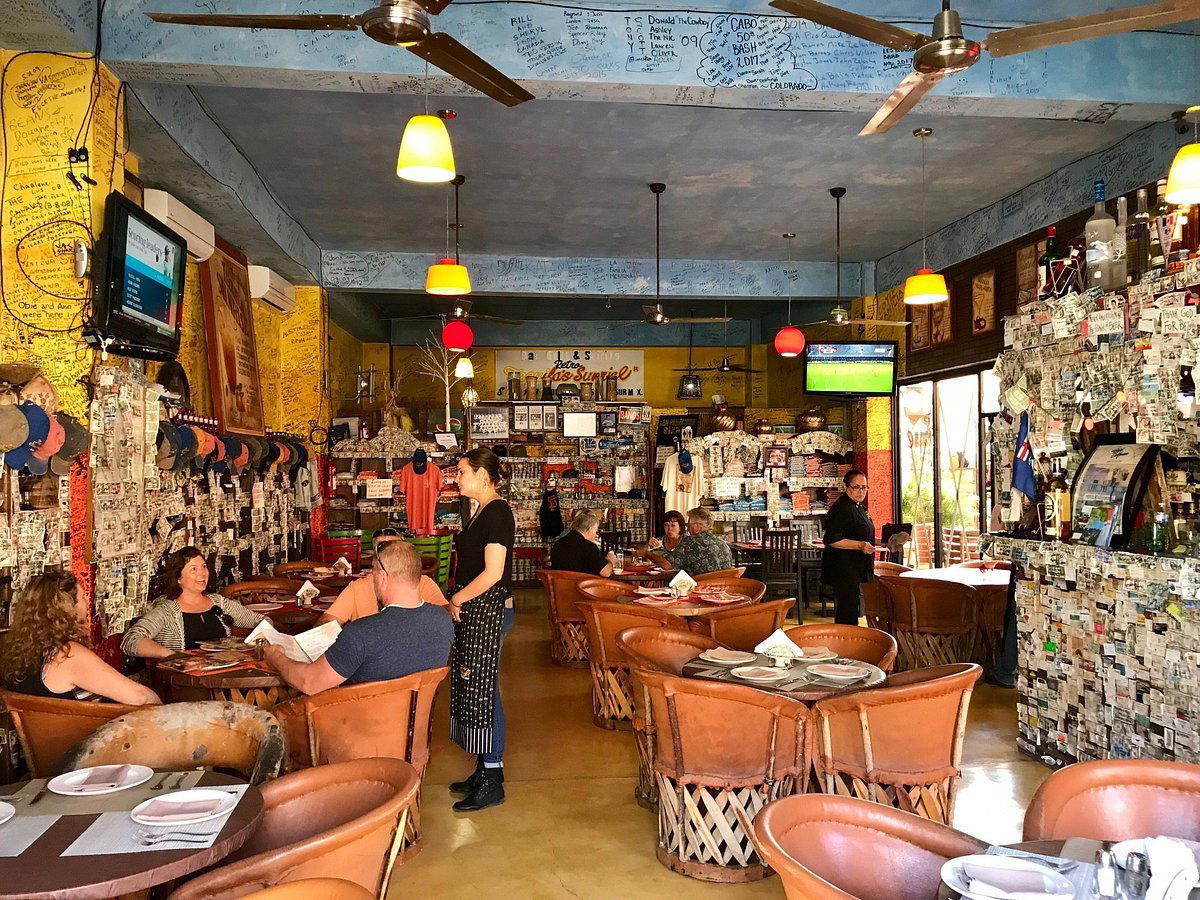

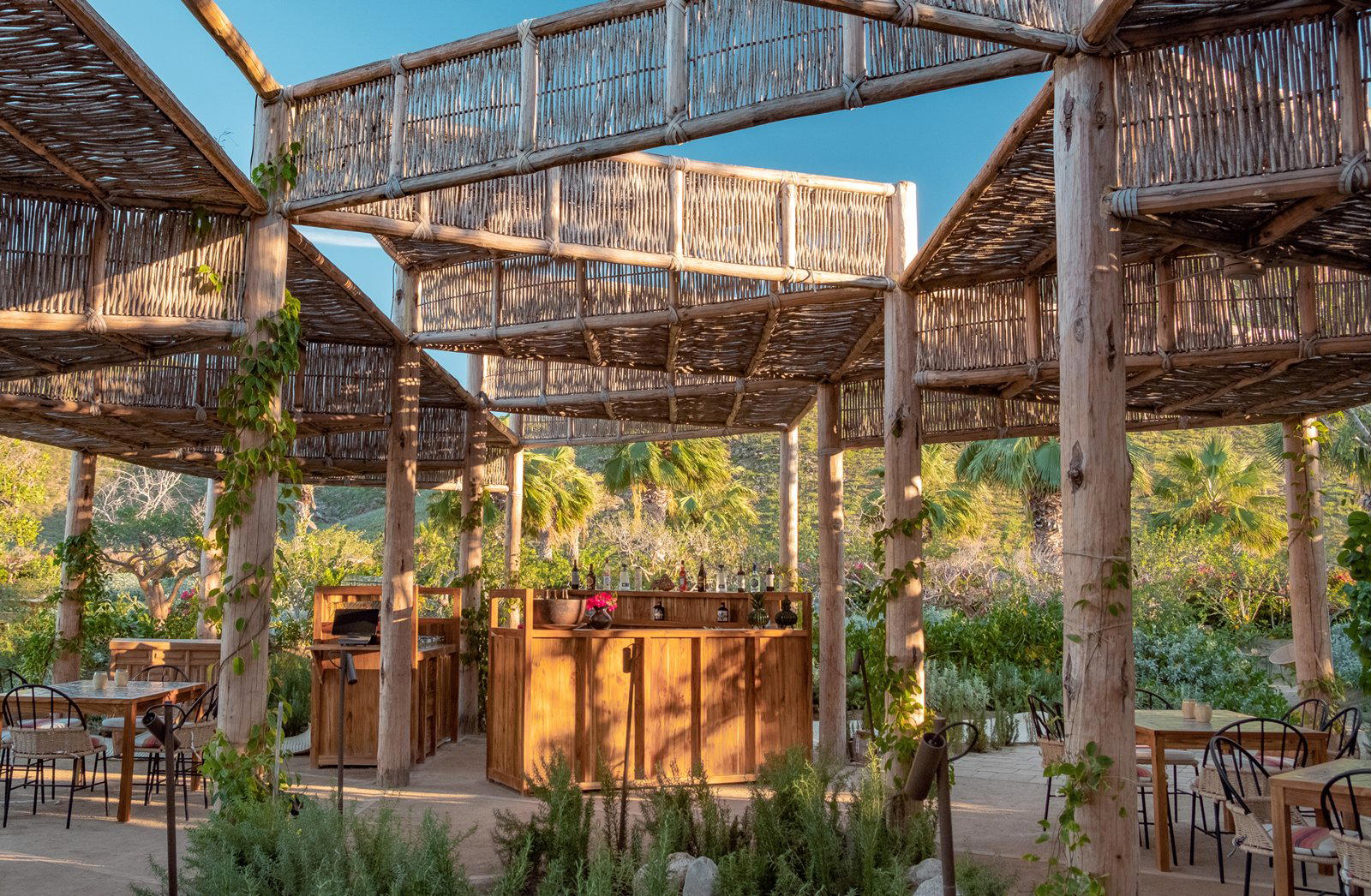
Bars in Todos Santos
Browse all →


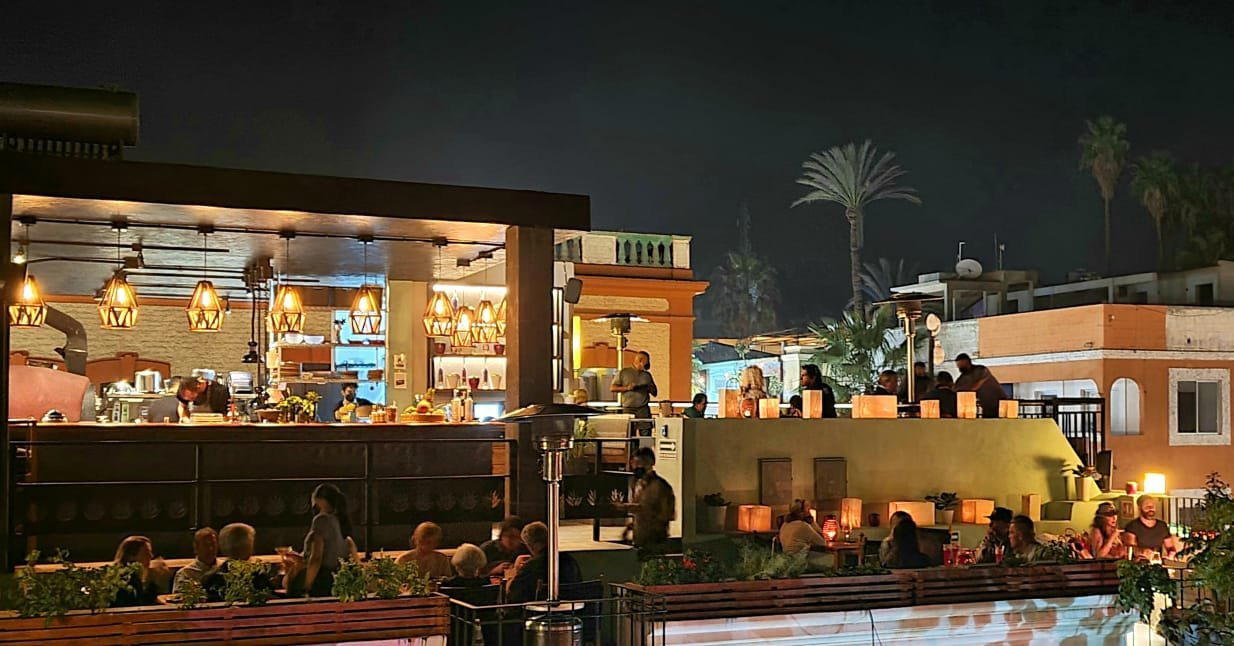


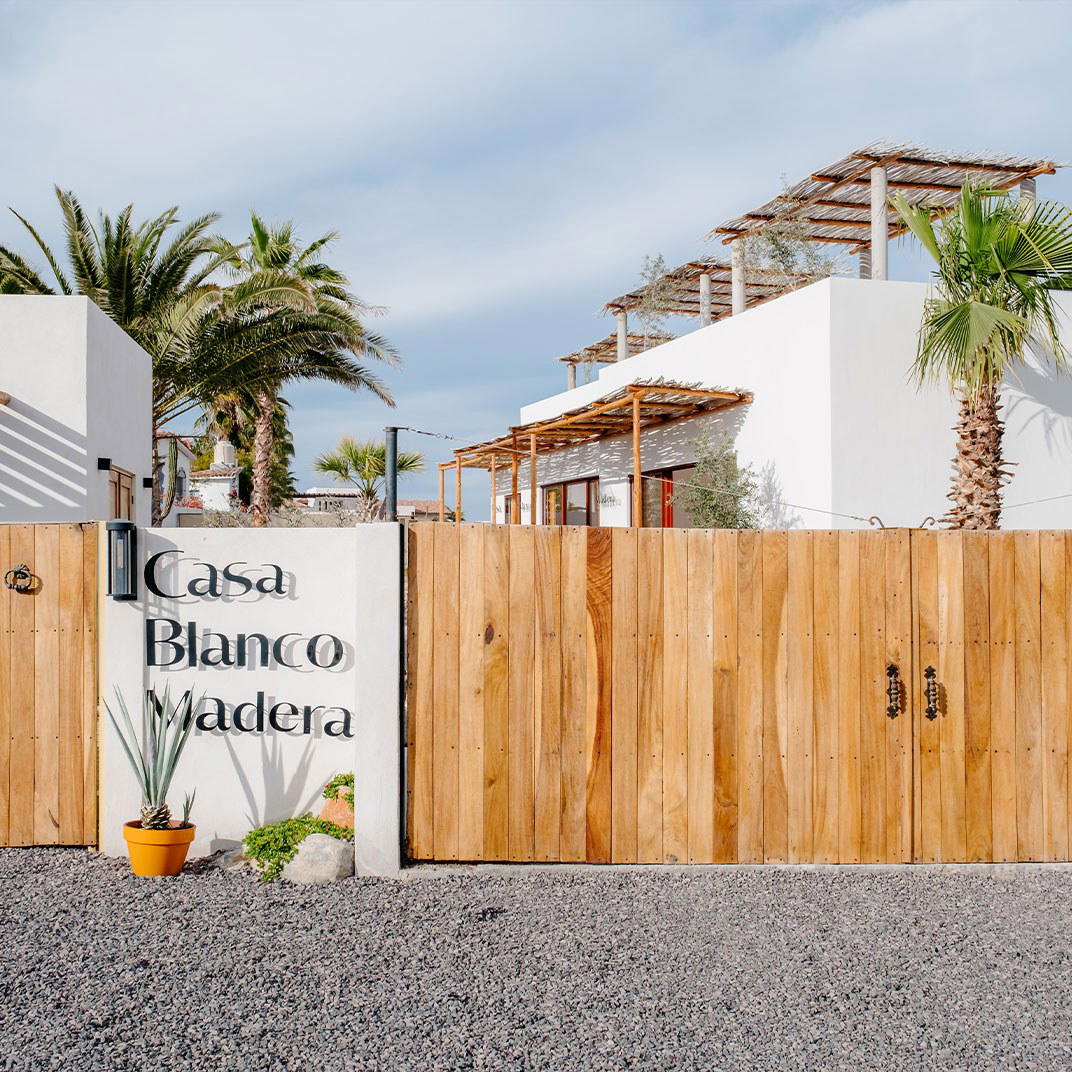
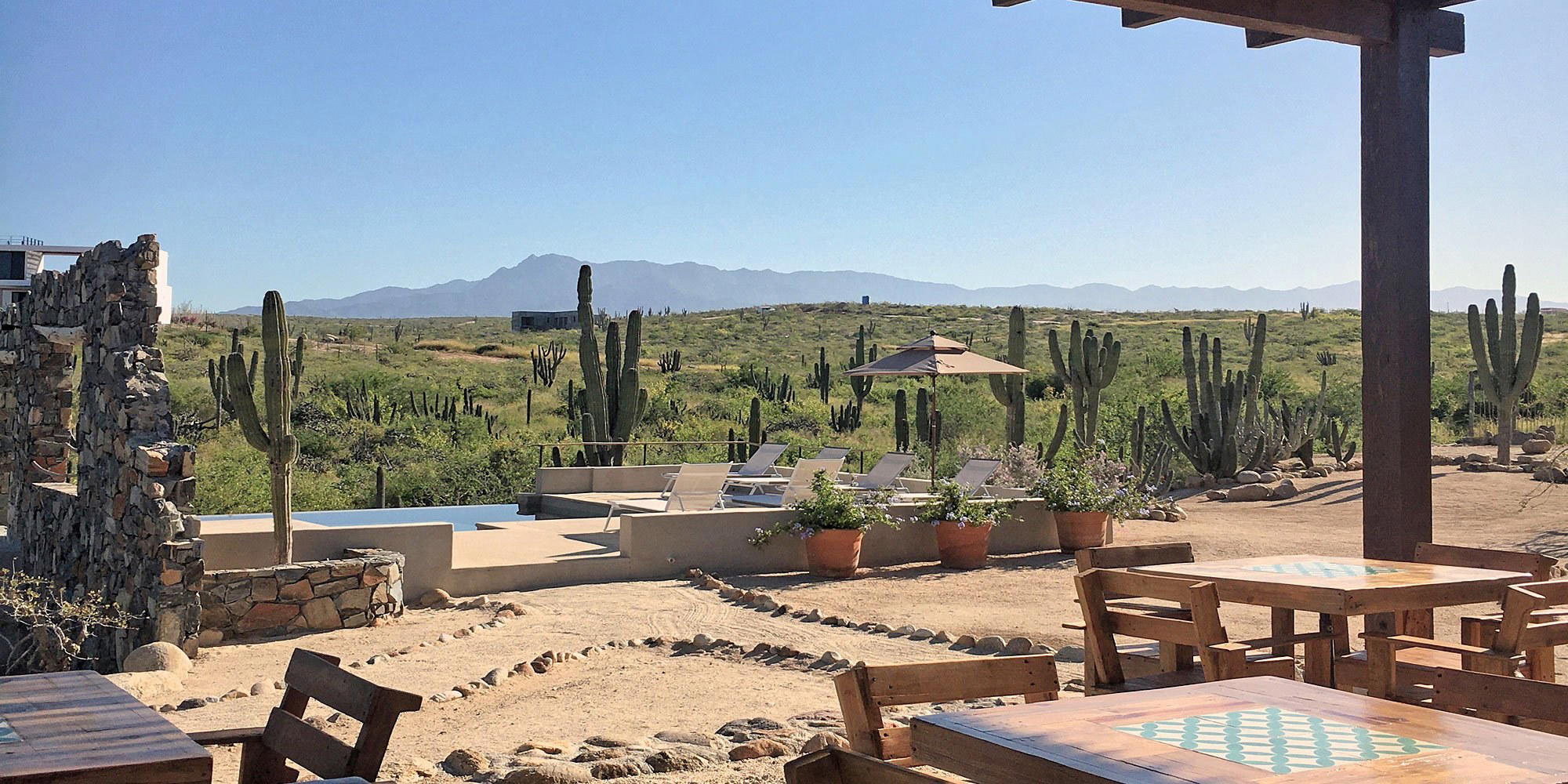
Details
- Elegant
- Sophisticated
- Romantic
- Modern
- Intimate
- Date Night
- Special Occasion
- Brunch
- Open Kitchen
- Wine Cellar
- Hotel Restaurant
- Private Dining
- Extensive Wine List
- Farm To Table
- Local Sourcing
- A La Carte
- Wine
- Full Bar
Current opening hours
- Monday
- 8 AM–9:30 PM
- Tuesday
- 8 AM–9:30 PM
- Wednesday
- 8 AM–9:30 PM
- Thursday
- 8 AM–9:30 PM
- Friday
- 8 AM–10:30 PM
- Saturday
- 8 AM–10:30 PM
- Sunday
- 8 AM–10:30 PM
Hours can change for holidays and private events. Last verified .
Glamorous and elegant with dramatic chandeliers, leather booths, marble staircases, and a jade-tiled open kitchen.