Agave Spirits on the Corridor: What This Address Represents The Tourist Corridor that runs between San José del Cabo and Cabo San Lucas is highway-speed hospitality by design — resort entrances, marina-facing restaurants, and bars calibrated for volume and sun exposure. Against that backdrop, a venue built around agave spirit education and tasting occupies a genuinely different register. The category itself has matured considerably across Mexico over the past decade, with dedicated mezcal and tequila tasting rooms emerging in Oaxaca, Mexico City, and the colonial heartland as a counterpoint to nightlife-oriented consumption. Agave Tasting Room at Km 17.3 on the Transpeninsular represents that same impulse arriving in Los Cabos, a market that has historically skewed toward high-volume resort bars and celebrity-chef dining rooms. That context matters because it shapes who comes and what they expect. The address sits in Corredor Turístico, technically within the municipality of San José del Cabo, placing it roughly equidistant between the two main town centers. Visitors driving in from either direction are making a deliberate choice rather than a convenience stop — which tends to self-select for guests with genuine interest in the spirits rather than those seeking ambient beachside drinking. For those guests, the format promises something the broader corridor bar scene does not: structured engagement with agave as a category rather than as a mixer. The Agave Category and Why It Earns Dedicated Space Mexico's agave spirits span a wider range than most international visitors initially understand. Tequila, produced exclusively from blue agave in designated regions centered on Jalisco, is the most recognised internationally, but mezcal, made from multiple agave varieties across several states including Oaxaca, Guerrero, and San Luis Potosí, has claimed significant critical attention over the past fifteen years. Beyond those two, sotol, raicilla, bacanora, and other regional distillates represent a spectrum of terroir, production method, and cultural geography that no single category label captures. A tasting room format, when executed with depth, gives that complexity room to breathe in a way a cocktail menu cannot. The dedicated agave tasting room as a venue type has precedents across Mexico that reward comparison. La Capilla in Tequila operates as a historic benchmark for engagement with a single spirit and its origins. Sabina Sabe in Oaxaca sits within a mezcal-producing heartland and draws visitors specifically for immersive mezcal programming. Agave Tasting Room in Los Cabos operates within a different economic and geographic context, resort-adjacent, Baja California Sur rather than a spirits-producing state, but the programmatic intent, connecting a visiting audience to agave depth, runs along similar lines. The Cocktail Program as Delivery Mechanism The editorial angle on any agave-focused bar is always the same question: does the program use spirits as ingredients in cocktails that could work with any base, or does the cocktail format serve as a lens through which the agave itself becomes more legible? The stronger tasting rooms in Mexico tend toward the latter. A mezcal Negroni variation works because the smoke and grassiness of the spirit reshapes the bitter-sweet balance in ways gin cannot replicate. A tequila highball built with restraint can demonstrate the floral character of a highland blanco more clearly than a frozen preparation would. Within Los Cabos, the bar program conversation involves a handful of addresses with distinct positioning. Acre Restaurant operates within an off-grid farm setting where the bar program connects to ingredient-driven cooking. El Merkado takes a market-hall approach with broader food and drink breadth. Jazz on the Rocks brings a performance context to its drinking. 51 Bar operates at a different end of the social register. For comparative context across Mexico's cocktail bar scene, programs worth tracking include Bekeb in San Miguel de Allende, which has built recognition around Mexican spirits in a colonial-city context, and Arca in Tulum, where the bar program operates as a complement to a destination dining experience. Both illustrate that serious agave programming has found traction across multiple Mexican markets and traveller segments, not only in producing regions. Atmosphere and the Corridor Setting The physical experience of arriving at Km 17.3 on the Transpeninsular is shaped by the corridor's character: a road built for resort transit, punctuated by gates and valet stands, with the Pacific and Sea of Cortez visible at intervals on either side. A tasting room in this location operates in contrast to that motion rather than as part of it. The expectation is deceleration, a format that asks visitors to sit with a pour, consider what they're tasting, and engage with the material in front of them. That tonal shift is relevant to how you plan a visit. The Corridor is not a walkable bar-hop zone in the way that San José del Cabo's art district can be, or Cabo San Lucas's marina strip is on a Saturday night. Getting to Agave Tasting Room requires transport, which concentrates the visit and argues for treating it as a programmatic stop rather than a casual drop-in. Visitors who approach it that way, arriving with some curiosity about agave spirits and allocating an hour or two rather than fifteen minutes, tend to extract more from the format. Those looking for the high-energy, high-volume side of Cabo drinking will find more natural fits elsewhere; Coco Bongo in Cancún represents that end of the Mexican resort bar spectrum, and the contrast clarifies what a tasting room format is and is not built to deliver. Planning Your Visit The address, Carr. Transpeninsular Km 17.3, Corredor Turístico, places the venue accessible by taxi or rideshare from both San José del Cabo and Cabo San Lucas, with the Corridor's resort zone between them. For visitors building a broader drinks itinerary in Baja, pairing this stop with the farm-to-table bar context at Acre covers two meaningfully different points on the Los Cabos drinks map. Our full Los Cabos restaurants guide maps the wider food and drink scene for visitors building a multi-day itinerary. For those extending a Mexico trip beyond Baja, Aruba Day Drink in Tijuana and Café La Trova in Miami represent the range of Latin-inflected drinking culture worth tracking across borders. Frequently Asked Questions Is Agave Tasting Room more low-key or high-energy?The tasting room format and Corridor location both point toward a low-key register. Without the walkable density of Cabo San Lucas's marina strip or the resort-pool energy that drives higher-volume bars in the area, this address suits focused, conversation-paced visits rather than a big night out. Travellers whose Cabo priorities run toward the latter will find the format misaligned with those expectations.What cocktail do people recommend at Agave Tasting Room?What the format implies, a program organised around agave education and tasting, suggests that the strongest choices will be preparations that foreground the spirit's character rather than obscure it. Asking the bartender for a pour that demonstrates the difference between two production methods or agave varieties is a better use of a tasting room visit than defaulting to a frozen margarita.Is Agave Tasting Room a good option for visitors who are new to mezcal and want to learn the difference between agave spirits?A dedicated agave tasting room format is precisely suited to that kind of introduction. The category spans tequila, mezcal, sotol, raicilla, and several other regional distillates, each with distinct production geographies and flavor profiles that a structured tasting can clarify in ways a cocktail menu alone cannot. For visitors arriving from resort hotels along the Corridor without prior agave knowledge, the address at Km 17.3 offers a more deliberate entry point into Mexican spirits than the margarita-heavy programs that dominate the region's beach bars.

Pearl is the En Primeur Club membership app — saves, bookings, and concierge access live there. Same editors, same standards.
- Address
- Carr. Transpeninsular Km 17.3, Tourist Corridor, Corredor Turístico, 23405 San José del Cabo, B.C.S., Mexico
- Phone
- +52 866 707 5690
- Directions
- Get directions
- Booking
- Book on the venue's website
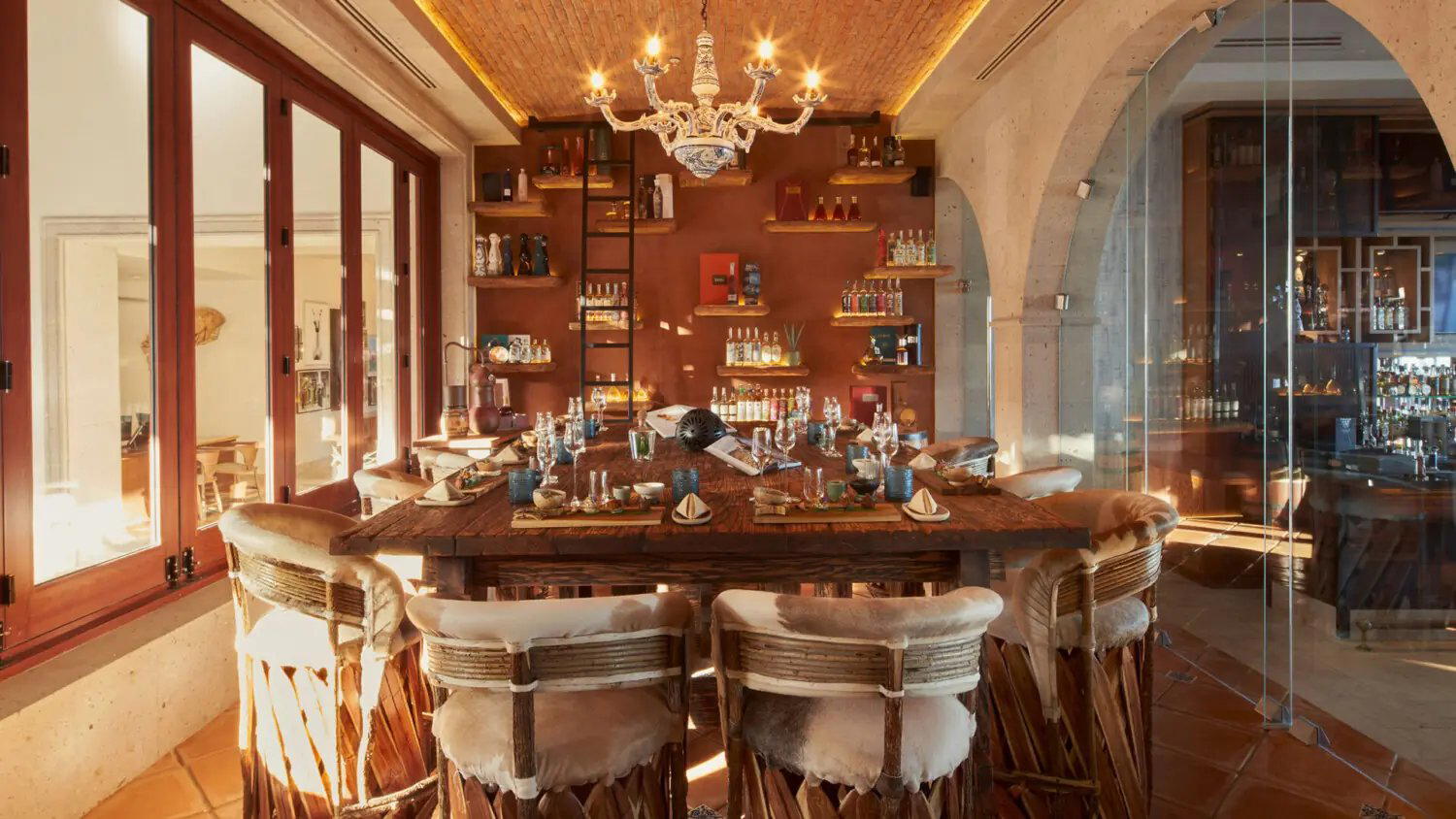
Agave Spirits on the Corridor: What This Address Represents
The Tourist Corridor that runs between San José del Cabo and Cabo San Lucas is highway-speed hospitality by design — resort entrances, marina-facing restaurants, and bars calibrated for volume and sun exposure. Against that backdrop, a venue built around agave spirit education and tasting occupies a genuinely different register. The category itself has matured considerably across Mexico over the past decade, with dedicated mezcal and tequila tasting rooms emerging in Oaxaca, Mexico City, and the colonial heartland as a counterpoint to nightlife-oriented consumption. Agave Tasting Room at Km 17.3 on the Transpeninsular represents that same impulse arriving in Los Cabos, a market that has historically skewed toward high-volume resort bars and celebrity-chef dining rooms.
That context matters because it shapes who comes and what they expect. The address sits in Corredor Turístico, technically within the municipality of San José del Cabo, placing it roughly equidistant between the two main town centers. Visitors driving in from either direction are making a deliberate choice rather than a convenience stop — which tends to self-select for guests with genuine interest in the spirits rather than those seeking ambient beachside drinking. For those guests, the format promises something the broader corridor bar scene does not: structured engagement with agave as a category rather than as a mixer.
The Agave Category and Why It Earns Dedicated Space
Mexico's agave spirits span a wider range than most international visitors initially understand. Tequila, produced exclusively from blue agave in designated regions centered on Jalisco, is the most recognised internationally, but mezcal, made from multiple agave varieties across several states including Oaxaca, Guerrero, and San Luis Potosí, has claimed significant critical attention over the past fifteen years. Beyond those two, sotol, raicilla, bacanora, and other regional distillates represent a spectrum of terroir, production method, and cultural geography that no single category label captures. A tasting room format, when executed with depth, gives that complexity room to breathe in a way a cocktail menu cannot.
The dedicated agave tasting room as a venue type has precedents across Mexico that reward comparison. La Capilla in Tequila operates as a historic benchmark for engagement with a single spirit and its origins. Sabina Sabe in Oaxaca sits within a mezcal-producing heartland and draws visitors specifically for immersive mezcal programming. Agave Tasting Room in Los Cabos operates within a different economic and geographic context, resort-adjacent, Baja California Sur rather than a spirits-producing state, but the programmatic intent, connecting a visiting audience to agave depth, runs along similar lines.
The Cocktail Program as Delivery Mechanism
The editorial angle on any agave-focused bar is always the same question: does the program use spirits as ingredients in cocktails that could work with any base, or does the cocktail format serve as a lens through which the agave itself becomes more legible? The stronger tasting rooms in Mexico tend toward the latter. A mezcal Negroni variation works because the smoke and grassiness of the spirit reshapes the bitter-sweet balance in ways gin cannot replicate. A tequila highball built with restraint can demonstrate the floral character of a highland blanco more clearly than a frozen preparation would.
Within Los Cabos, the bar program conversation involves a handful of addresses with distinct positioning. Acre Restaurant operates within an off-grid farm setting where the bar program connects to ingredient-driven cooking. El Merkado takes a market-hall approach with broader food and drink breadth. Jazz on the Rocks brings a performance context to its drinking. 51 Bar operates at a different end of the social register.
For comparative context across Mexico's cocktail bar scene, programs worth tracking include Bekeb in San Miguel de Allende, which has built recognition around Mexican spirits in a colonial-city context, and Arca in Tulum, where the bar program operates as a complement to a destination dining experience. Both illustrate that serious agave programming has found traction across multiple Mexican markets and traveller segments, not only in producing regions.
Atmosphere and the Corridor Setting
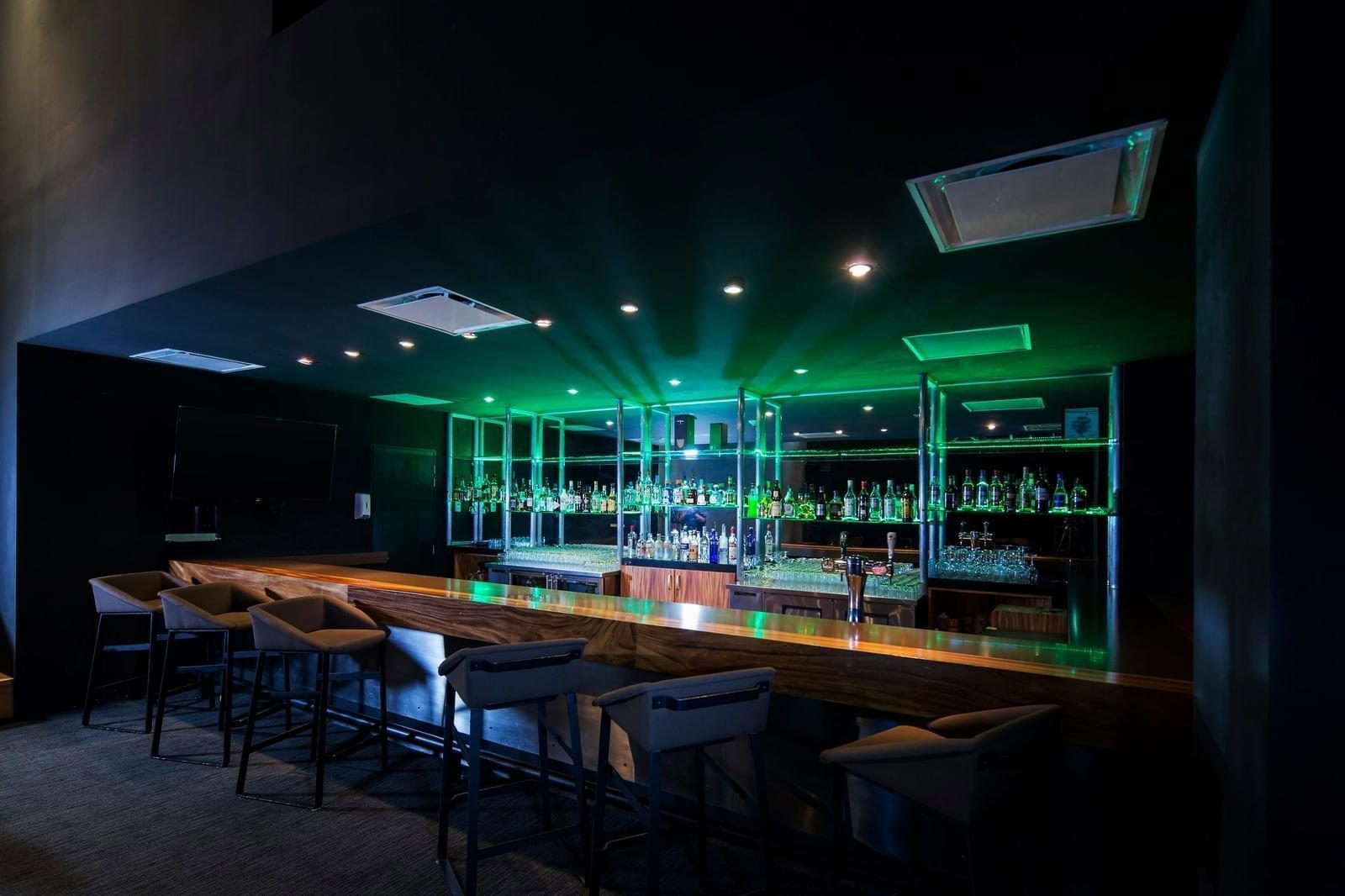
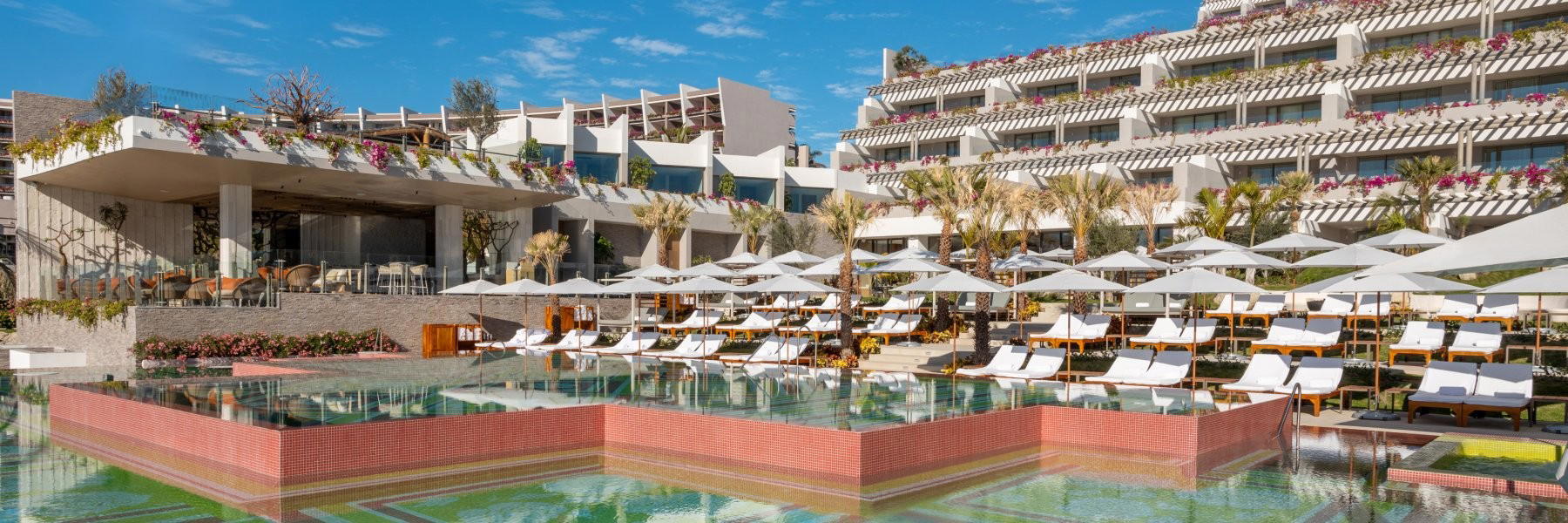
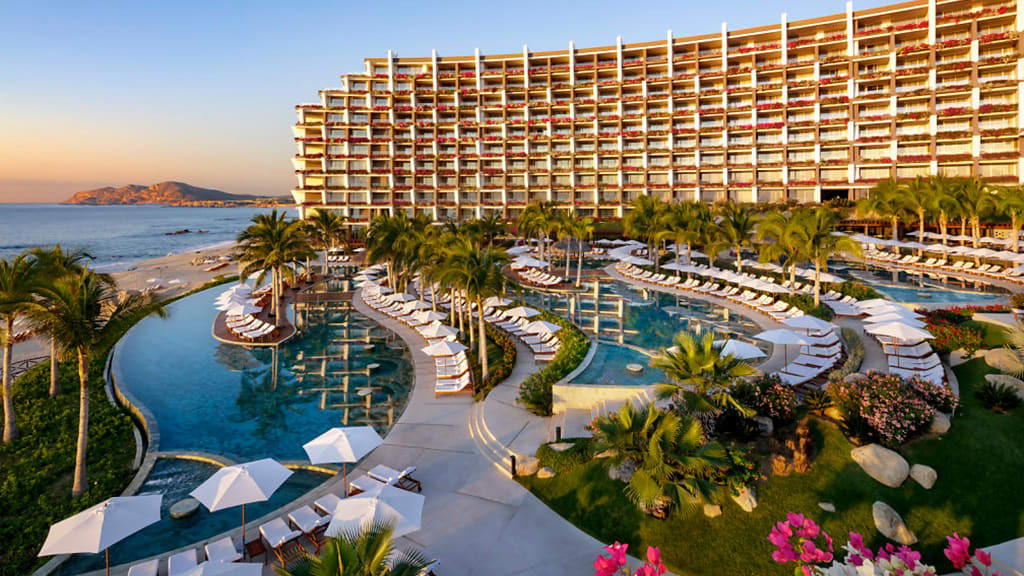
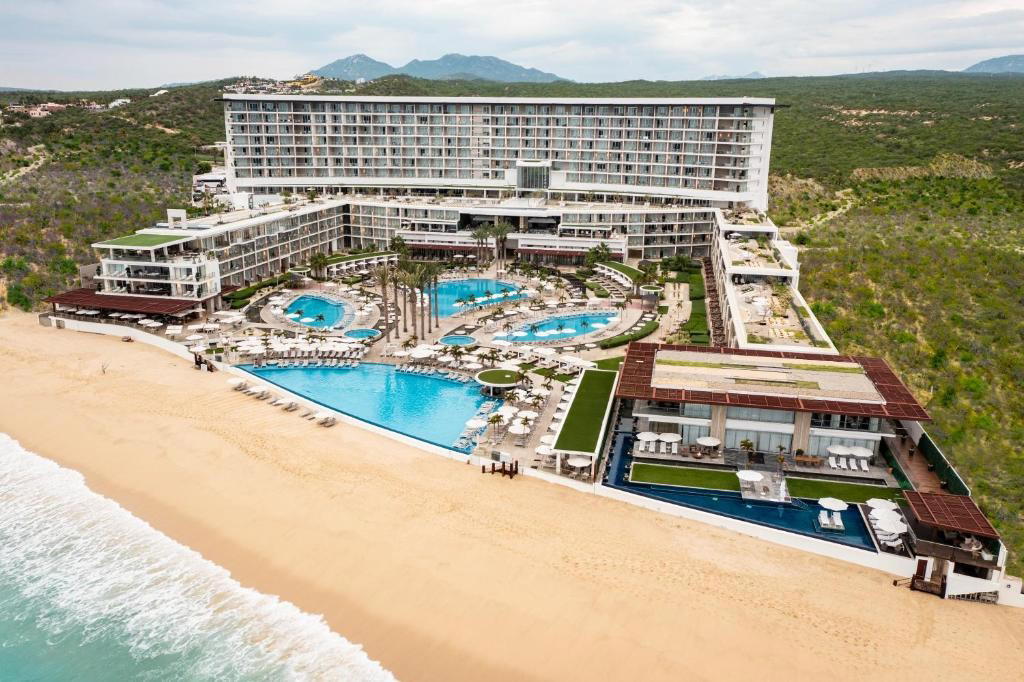
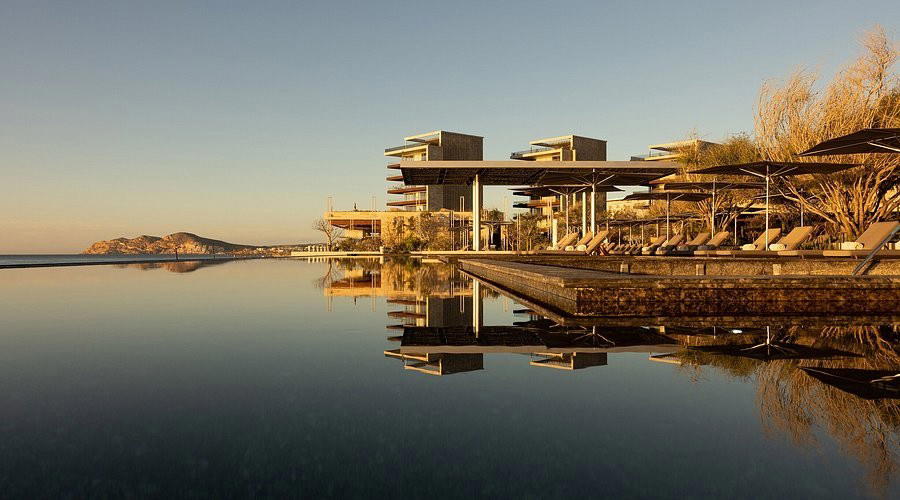
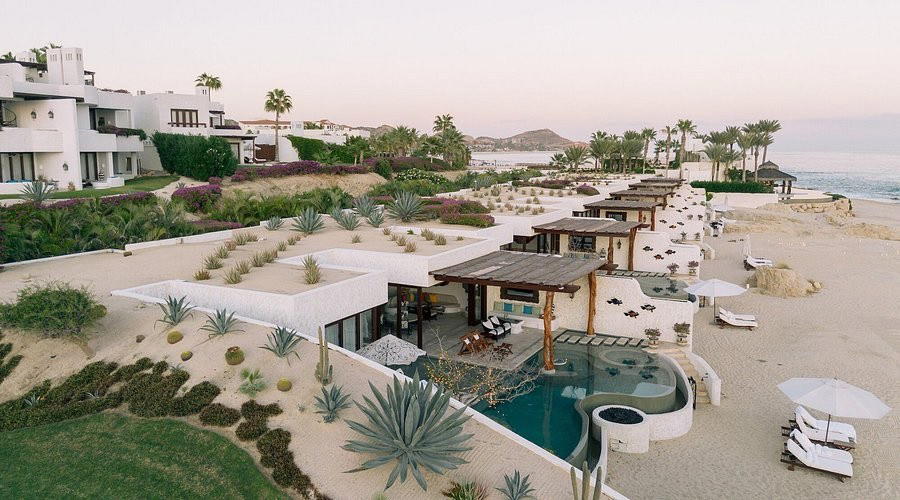
The physical experience of arriving at Km 17.3 on the Transpeninsular is shaped by the corridor's character: a road built for resort transit, punctuated by gates and valet stands, with the Pacific and Sea of Cortez visible at intervals on either side. A tasting room in this location operates in contrast to that motion rather than as part of it. The expectation is deceleration, a format that asks visitors to sit with a pour, consider what they're tasting, and engage with the material in front of them.
That tonal shift is relevant to how you plan a visit. The Corridor is not a walkable bar-hop zone in the way that San José del Cabo's art district can be, or Cabo San Lucas's marina strip is on a Saturday night. Getting to Agave Tasting Room requires transport, which concentrates the visit and argues for treating it as a programmatic stop rather than a casual drop-in. Visitors who approach it that way, arriving with some curiosity about agave spirits and allocating an hour or two rather than fifteen minutes, tend to extract more from the format. Those looking for the high-energy, high-volume side of Cabo drinking will find more natural fits elsewhere; Coco Bongo in Cancún represents that end of the Mexican resort bar spectrum, and the contrast clarifies what a tasting room format is and is not built to deliver.
Planning Your Visit
The address, Carr. Transpeninsular Km 17.3, Corredor Turístico, places the venue accessible by taxi or rideshare from both San José del Cabo and Cabo San Lucas, with the Corridor's resort zone between them. For visitors building a broader drinks itinerary in Baja, pairing this stop with the farm-to-table bar context at Acre covers two meaningfully different points on the Los Cabos drinks map. Our full Los Cabos restaurants guide maps the wider food and drink scene for visitors building a multi-day itinerary. For those extending a Mexico trip beyond Baja, Aruba Day Drink in Tijuana and Café La Trova in Miami represent the range of Latin-inflected drinking culture worth tracking across borders.
Continue exploring
More in Los Cabos
Bars in Los Cabos
Browse all →
Restaurants in Los Cabos
Browse all →
Details
- Intimate
- Sophisticated
- Elegant
- Scenic
- Special Occasion
- Private Event
- Date Night
- Hotel Bar
- Standalone
- Design Destination
- Seated Bar
- Private Rooms
- Mezcal
- Tequila
- Craft Cocktails
- Zero Proof
- Waterfront
Intimate, appointment-only tasting-room atmosphere with a refined luxury resort setting and a focus on guided agave education.