Agave Tasting Room
Where the Corridor Gets Serious About Agave The road between Cabo San Lucas and San José del Cabo — Carretera Transpeninsular, kilometer by kilometer — is mostly resort infrastructure: gate entrances, golf course perimeters, hotel lobbies positioned to catch the Pacific light. At Km. 17.3, Agave Tasting Room breaks that pattern. The format here is deliberate: a space configured around Mexican spirits, specifically agave-derived ones, in a way that the hotel bars and beachfront cantinas along the same stretch are not. The distinction matters because the Corridor tends to flatten drinking culture toward poolside familiarity. A room built around tasting, rather than consumption, shifts the frame entirely. Agave-focused tasting rooms have expanded across Mexico in the past decade alongside the international rise of mezcal and the premiumization of tequila. Venues like Sabina Sabe in Oaxaca and Bekeb in San Miguel de Allende operate in cities where agave culture is embedded in local identity. Baja California Sur sits on different terrain, geographically and culturally, which makes the presence of a dedicated tasting format along the Corridor a less obvious choice and, for that reason, a more considered one. The Agave Tasting Room is not filling a gap that locals created. It is meeting an audience of travelers who arrive with growing awareness of what Mexican spirits can be beyond the margarita default. The Physical Logic of a Tasting Environment Tasting rooms, when they function correctly, slow the pace of drinking down. The architecture of the format, smaller pours, comparative flights, some degree of guided sequencing, imposes a tempo that nightlife venues and resort bars resist. At this address on the Transpeninsular, that slower tempo is partly a product of location: you are not walking here from the marina or wandering in after dinner in the Cabo centro. Reaching Km. 17.3 requires intent, which self-selects the room's clientele toward people who came specifically for this, rather than those who arrived looking for the nearest drink. That self-selection shapes the atmosphere more than any interior design decision can. Rooms that attract visitors by purpose tend to operate at a different register than rooms that catch them by proximity. The conversation at the counter, about production methods, regional variation, the difference between highland and lowland agave expressions, becomes possible when the person across from you chose to be there. This is the condition that specialist agave venues in more obvious markets like Oaxaca have always relied on, and it translates to the Corridor with some adjustments for the resort context. For comparison, the resort-adjacent bar format in Cabo tends toward high-volume service and brand-name spirits. Bar Esquina and Campestre each operate with their own distinct character within the Cabo circuit, while 51 Bar represents a different point on that spectrum. The Agave Tasting Room's address on the Corridor, rather than within the Cabo town grid, separates it from that competitive set by geography and by intent. Agave as Subject, Not Backdrop Mexican agave spirits span a wider range than the international market has historically acknowledged. Tequila, restricted by denomination to blue agave, primarily in Jalisco, is the category most travelers arrive knowing. Mezcal, with its broader geographic scope and multi-species base, has gained serious recognition in the past several years, driven partly by bartenders in cities like Mexico City, New York, and London integrating it into serious cocktail programs. Beyond those two, sotol, raicilla, and bacanora each carry their own regional identity and production logic, though international distribution remains limited for most expressions. A venue structured around agave tasting has the opportunity to move a visitor through that range in a single sitting. The comparative format, which spirit, from which region, made from which agave variety, using which production method, is educational in a way that ordering a mezcal from a standard bar menu is not. The difference between a espadin-based mezcal from the Central Valleys of Oaxaca and a tobalá expression from the same state, or between those and a Baja-adjacent spirit, is legible when placed side by side. Rooms designed around that comparison serve a different function than bars that happen to stock good agave selections. For travelers whose interest in Mexican spirits extends beyond Cabo, La Capilla in Tequila provides the benchmark cantina experience in the denomination's home territory, while Agave Study at Peacock Alley brings a similarly focused format to a very different context. The category has found dedicated venues across Mexico and internationally, which positions the Agave Tasting Room as part of a broader pattern rather than an isolated concept. Planning Your Visit The address at Km. 17.3 on the Transpeninsular sits within the Corridor's resort zone, which means most visitors arrive by car or arranged transport rather than on foot. From central Cabo San Lucas, the drive runs along the coastal highway; from San José del Cabo, the approach is the mirror of that. Neither end of the Corridor is distant, but the location rewards visitors who build it into an itinerary rather than treating it as an impromptu stop. Given the tasting format, arriving with time and transport arranged in advance is the practical posture. Cabo San Lucas as a city offers a range of drinking and dining options across very different formats. Visitors moving through the broader Baja peninsula or comparing the resort-coast experience against Mexico's interior bar culture might also consider Aruba Day Drink in Tijuana for a different Baja register entirely. For those extending travel to the Caribbean coast, Arca in Tulum and Coco Bongo in Cancún represent opposite ends of that market's hospitality spectrum. Closer to home, Café La Trova in Miami shows how Latin spirits culture translates into the North American context. For a full picture of where the Agave Tasting Room sits within Cabo's drinking and dining options, see our full Cabo San Lucas restaurants guide. Frequently Asked Questions What's the general vibe of Agave Tasting Room?The Agave Tasting Room operates at a slower, more deliberate pace than the resort bars and marina venues that define most of Cabo's drinking circuit. Located at Km. 17.3 on the Transpeninsular Corridor, away from the town center, it attracts visitors who have made a specific choice to be there, which shapes the atmosphere toward focused engagement with the spirits rather than ambient nightlife energy. at Agave Tasting Room?The format is built around comparative agave tasting rather than individual cocktails, which suggests the strongest approach is a structured flight that moves across spirit categories or production styles. Tequila and mezcal form the backbone of what any serious agave program stocks, and the tasting format gives visitors the chance to distinguish between expressions that a standard bar menu does not.What is Agave Tasting Room known for?Agave Tasting Room is known for bringing a dedicated spirits-education format to the Cabo Corridor, a stretch of Baja California Sur otherwise dominated by resort and volume-service drinking. Within Cabo's bar scene, it represents the specialist end of the agave category, positioning Mexican spirits as the subject of the visit rather than incidental to it.Is Agave Tasting Room a good stop for someone new to mezcal and tequila?A dedicated tasting room is, in many ways, a better introduction to agave spirits than a full bar, because the comparative flight format makes distinctions between categories and regions concrete rather than abstract. Visitors unfamiliar with the difference between tequila and mezcal production, or between agave varieties, leave with a framework that carries through subsequent encounters with these spirits, whether in Oaxaca, Jalisco, or at home.

Pearl is the En Primeur Club membership app — saves, bookings, and concierge access live there. Same editors, same standards.
- Address
- Carretera Transpeninsular Km., 17.3 Corredor Turistico, Baja California Sur
- Directions
- Get directions
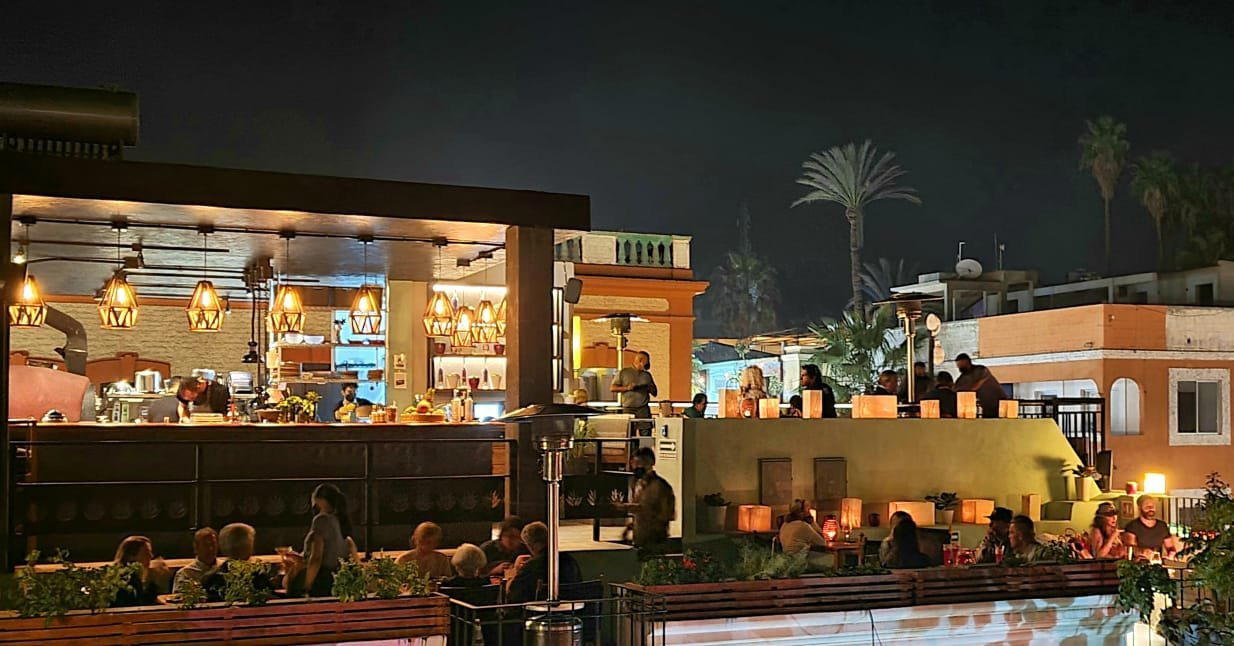
Where the Corridor Gets Serious About Agave
The road between Cabo San Lucas and San José del Cabo — Carretera Transpeninsular, kilometer by kilometer — is mostly resort infrastructure: gate entrances, golf course perimeters, hotel lobbies positioned to catch the Pacific light. At Km. 17.3, Agave Tasting Room breaks that pattern. The format here is deliberate: a space configured around Mexican spirits, specifically agave-derived ones, in a way that the hotel bars and beachfront cantinas along the same stretch are not. The distinction matters because the Corridor tends to flatten drinking culture toward poolside familiarity. A room built around tasting, rather than consumption, shifts the frame entirely.
Agave-focused tasting rooms have expanded across Mexico in the past decade alongside the international rise of mezcal and the premiumization of tequila. Venues like Sabina Sabe in Oaxaca and Bekeb in San Miguel de Allende operate in cities where agave culture is embedded in local identity. Baja California Sur sits on different terrain, geographically and culturally, which makes the presence of a dedicated tasting format along the Corridor a less obvious choice and, for that reason, a more considered one. The Agave Tasting Room is not filling a gap that locals created. It is meeting an audience of travelers who arrive with growing awareness of what Mexican spirits can be beyond the margarita default.
The Physical Logic of a Tasting Environment
Tasting rooms, when they function correctly, slow the pace of drinking down. The architecture of the format, smaller pours, comparative flights, some degree of guided sequencing, imposes a tempo that nightlife venues and resort bars resist. At this address on the Transpeninsular, that slower tempo is partly a product of location: you are not walking here from the marina or wandering in after dinner in the Cabo centro. Reaching Km. 17.3 requires intent, which self-selects the room's clientele toward people who came specifically for this, rather than those who arrived looking for the nearest drink.
That self-selection shapes the atmosphere more than any interior design decision can. Rooms that attract visitors by purpose tend to operate at a different register than rooms that catch them by proximity. The conversation at the counter, about production methods, regional variation, the difference between highland and lowland agave expressions, becomes possible when the person across from you chose to be there. This is the condition that specialist agave venues in more obvious markets like Oaxaca have always relied on, and it translates to the Corridor with some adjustments for the resort context.
For comparison, the resort-adjacent bar format in Cabo tends toward high-volume service and brand-name spirits. Bar Esquina and Campestre each operate with their own distinct character within the Cabo circuit, while 51 Bar represents a different point on that spectrum. The Agave Tasting Room's address on the Corridor, rather than within the Cabo town grid, separates it from that competitive set by geography and by intent.
Agave as Subject, Not Backdrop
Mexican agave spirits span a wider range than the international market has historically acknowledged. Tequila, restricted by denomination to blue agave, primarily in Jalisco, is the category most travelers arrive knowing. Mezcal, with its broader geographic scope and multi-species base, has gained serious recognition in the past several years, driven partly by bartenders in cities like Mexico City, New York, and London integrating it into serious cocktail programs. Beyond those two, sotol, raicilla, and bacanora each carry their own regional identity and production logic, though international distribution remains limited for most expressions.
A venue structured around agave tasting has the opportunity to move a visitor through that range in a single sitting. The comparative format, which spirit, from which region, made from which agave variety, using which production method, is educational in a way that ordering a mezcal from a standard bar menu is not. The difference between a espadin-based mezcal from the Central Valleys of Oaxaca and a tobalá expression from the same state, or between those and a Baja-adjacent spirit, is legible when placed side by side. Rooms designed around that comparison serve a different function than bars that happen to stock good agave selections.
For travelers whose interest in Mexican spirits extends beyond Cabo, La Capilla in Tequila provides the benchmark cantina experience in the denomination's home territory, while Agave Study at Peacock Alley brings a similarly focused format to a very different context. The category has found dedicated venues across Mexico and internationally, which positions the Agave Tasting Room as part of a broader pattern rather than an isolated concept.
Planning Your Visit
The address at Km. 17.3 on the Transpeninsular sits within the Corridor's resort zone, which means most visitors arrive by car or arranged transport rather than on foot. From central Cabo San Lucas, the drive runs along the coastal highway; from San José del Cabo, the approach is the mirror of that. Neither end of the Corridor is distant, but the location rewards visitors who build it into an itinerary rather than treating it as an impromptu stop. Given the tasting format, arriving with time and transport arranged in advance is the practical posture.
Cabo San Lucas as a city offers a range of drinking and dining options across very different formats. Visitors moving through the broader Baja peninsula or comparing the resort-coast experience against Mexico's interior bar culture might also consider Aruba Day Drink in Tijuana for a different Baja register entirely. For those extending travel to the Caribbean coast, Arca in Tulum and Coco Bongo in Cancún represent opposite ends of that market's hospitality spectrum. Closer to home, Café La Trova in Miami shows how Latin spirits culture translates into the North American context. For a full picture of where the Agave Tasting Room sits within Cabo's drinking and dining options, see our full Cabo San Lucas restaurants guide.
Continue exploring
More in Cabo San Lucas
Bars in Cabo San Lucas
Browse all →
Restaurants in Cabo San Lucas
Browse all →
Details
- Elegant
- Sophisticated
- Romantic
- Scenic
- Date Night
- Special Occasion
- Celebration
- Private Event
- Rooftop
- Waterfront
- Terrace
- Panoramic View
- Hotel Bar
- Design Destination
- Seated Bar
- Lounge Seating
- Outdoor Terrace
- Private Rooms
- Tequila
- Mezcal
- Craft Cocktails
- Natural Wine
- Waterfront
- Garden
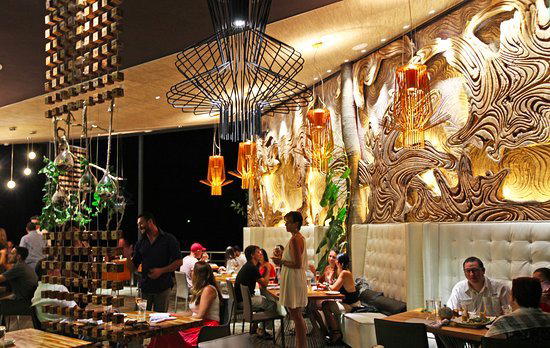
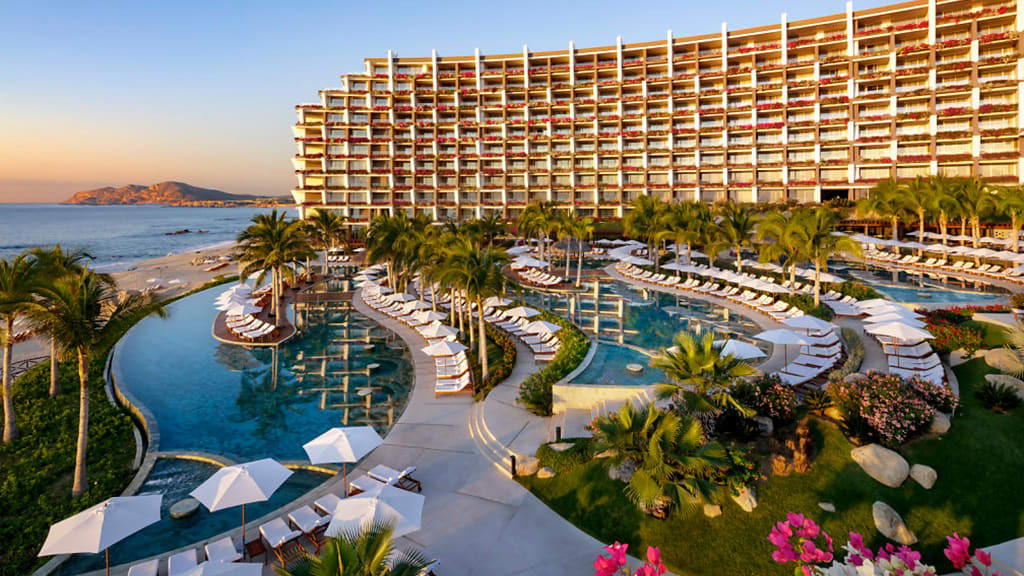
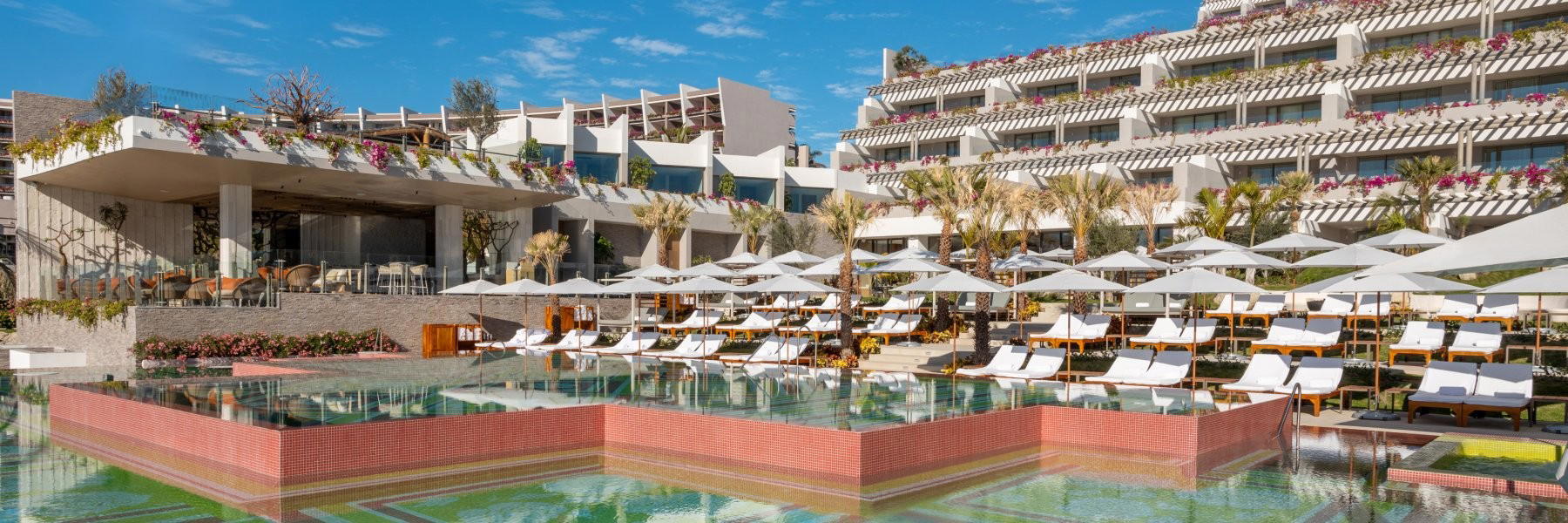
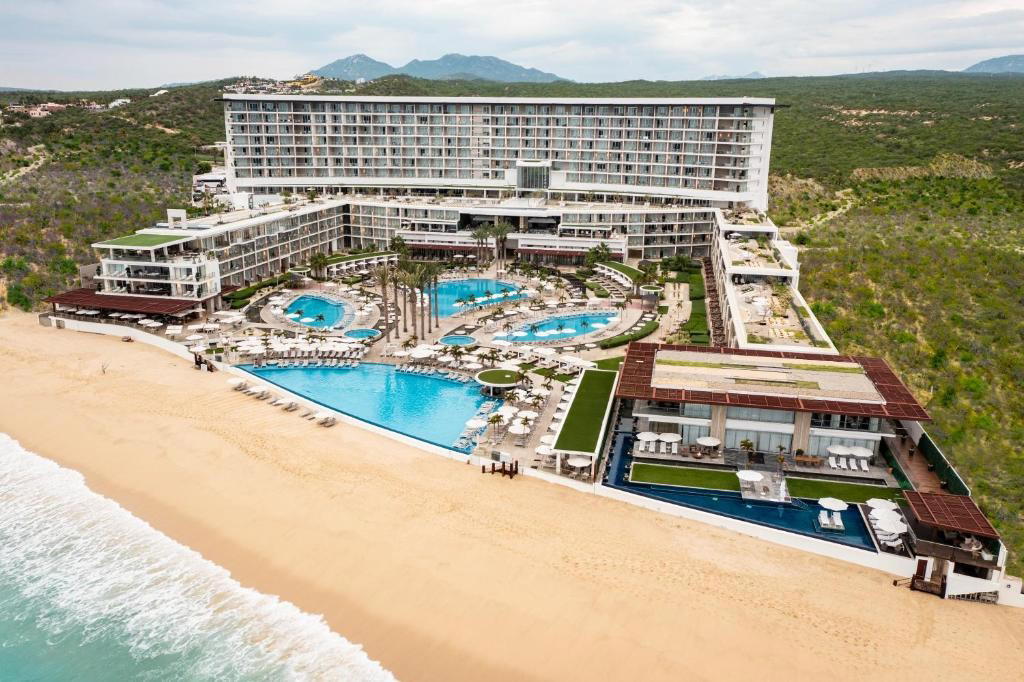
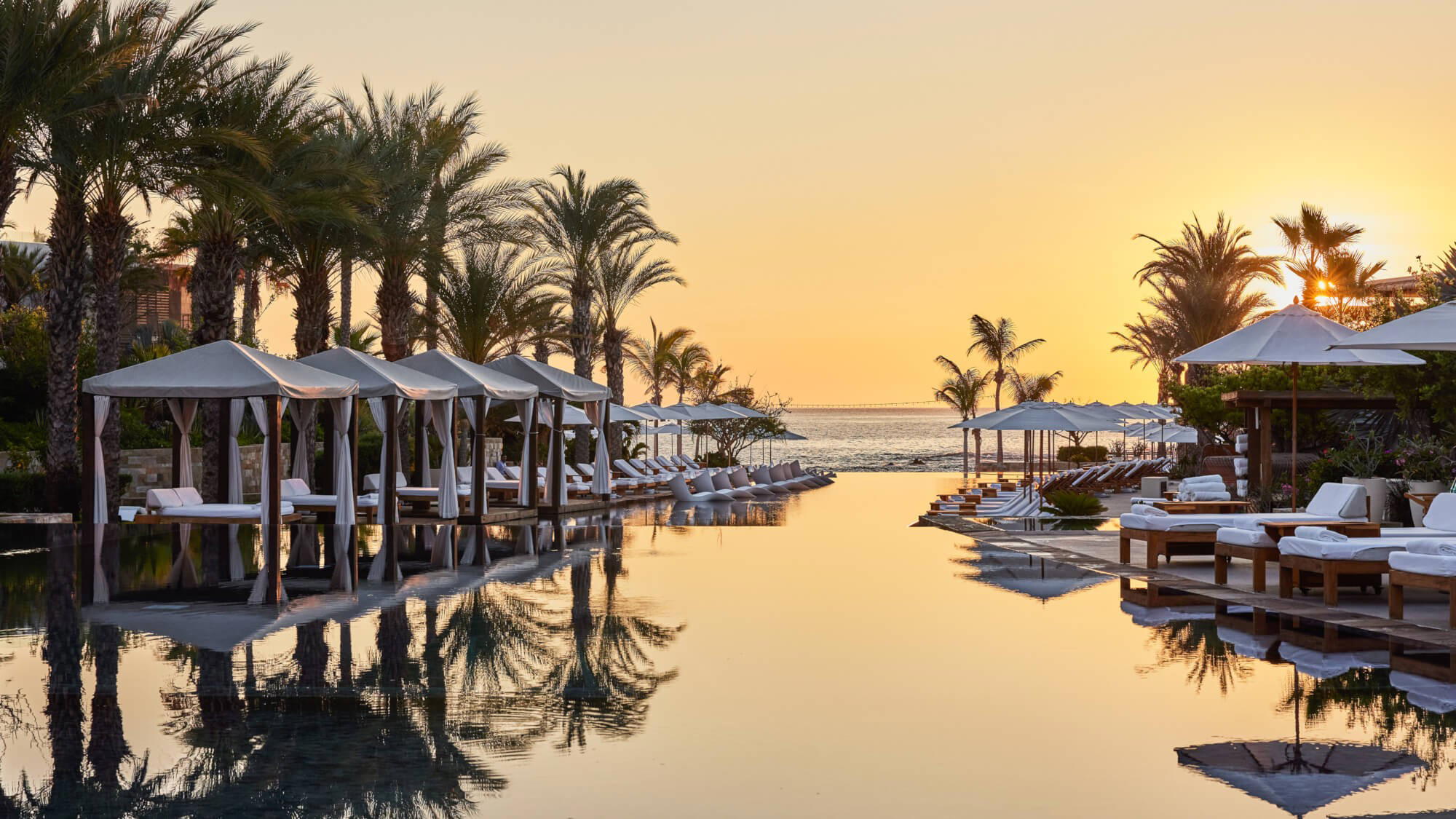
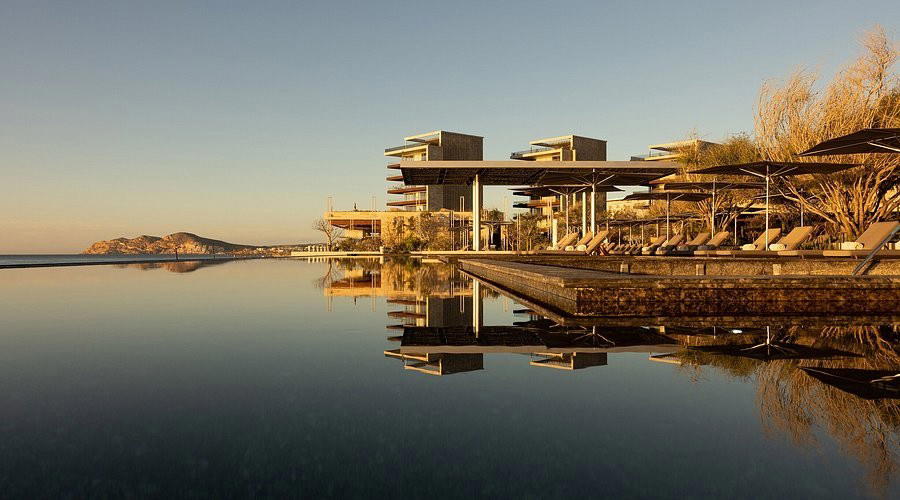
Sophisticated and refined atmosphere with ocean views, designed as a tribute to Mexico's authentic spirits heritage with an inviting, elegant ambiance.