The Oberoi Beach Resort, Mauritius





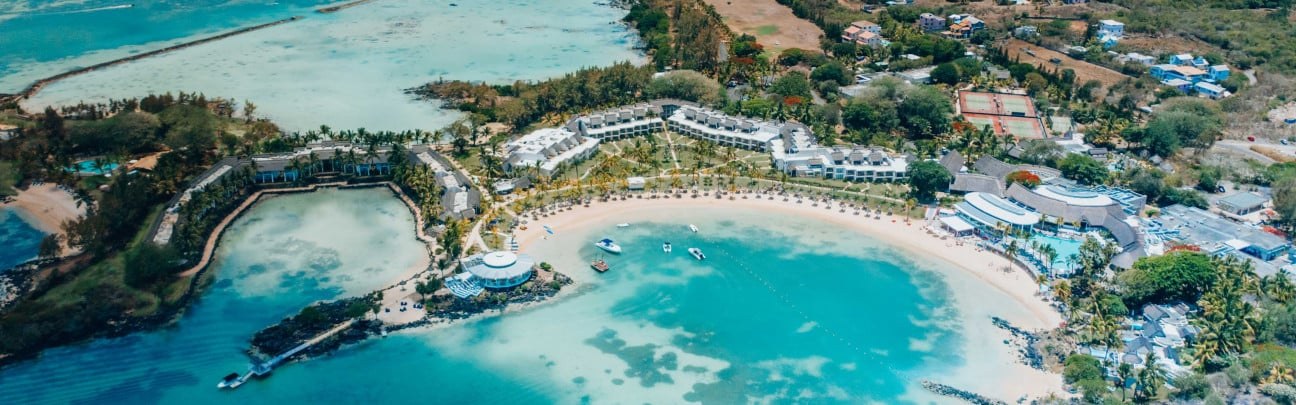
Set on Turtle Bay's northwest coast, The Oberoi Beach Resort Mauritius spreads across 20 acres of tropical gardens and 71 thatched-roof pavilions and villas designed by Thai architect Lek Bunnag and landscape architect Bill Bensley. A La Liste Top Hotels 97.5-point rating in 2026 and the World Travel Awards 2025 Mauritius Leading Luxury Hotel Villa confirm its place at the upper tier of Indian Ocean resort properties. Starting rates from $1,081 per night position it firmly in the premium bracket.
 Discover on Pearl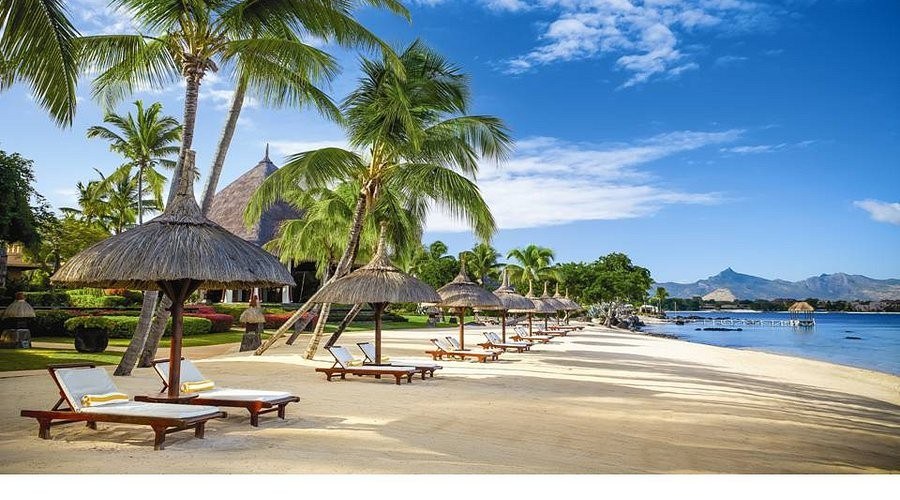
Where the Architecture Does the Storytelling
On Mauritius's northwest coast, the dominant design mode for luxury resorts has long been grandeur through scale: vast lobbies, manicured symmetry, colonial-revival facades that signal wealth before a guest has unpacked. The Oberoi Beach Resort takes a different position. Thai architect Lek Bunnag and American landscape architect Bill Bensley spread the property's 71 pavilions and villas across 20 acres of tropical gardens, choosing horizontality and concealment over monument-building. The thatched roofs, stone walls, and timber detailing don't attempt to import an aesthetic from elsewhere — they read as a deliberate negotiation between Mauritian vernacular and the Oberoi Group's established service register. Approached from the coastal road at Pointe aux Piments, the resort's low-slung silhouette barely announces itself. That restraint is the first design statement.
A Collaboration That Shaped the Northwest Shore
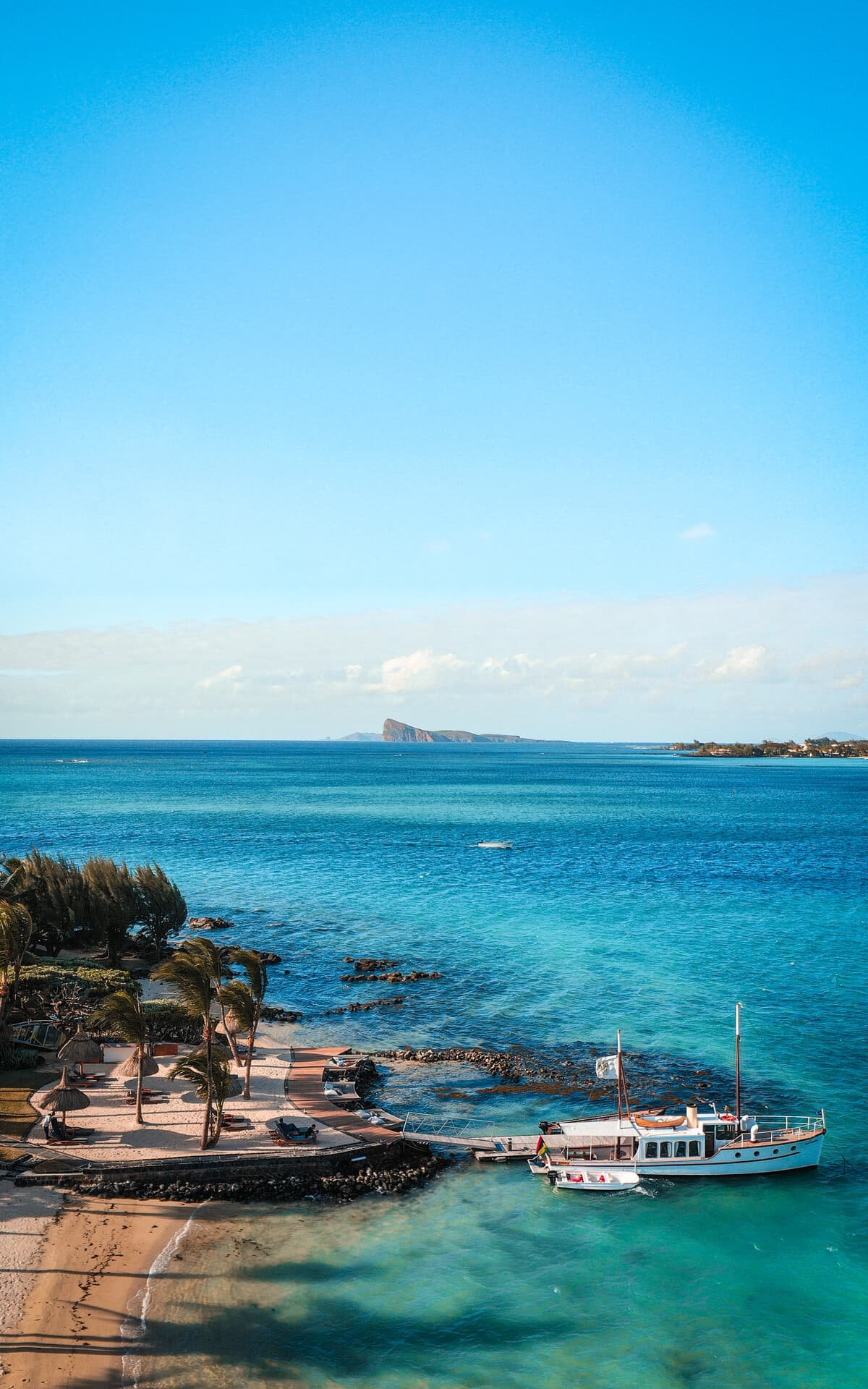
The Bunnag-Bensley pairing is worth pausing on. Both operate in a tier where commissions come with significant editorial latitude, and both have built careers around site-responsive work rather than exportable signatures. The result at Turtle Bay is an environment where the 600 metres of ocean frontage feel like the primary architectural event, with the built structures arranged to serve rather than compete with the view. The northwest coast's particular quality of evening light — the sunsets over the lagoon are among the island's most cited , becomes a recurring design element at the property, framed by open-sided pavilions and the bar's positioning. Guests at comparably priced properties on the island's east coast, such as the Four Seasons Resort Mauritius at Anahita in Beau Champ or Constance Belle Mare Plage in Poste de Flacq, encounter a different register: longer beaches, more conventional resort geometry. The Oberoi's northwest position trades beach width for light quality and relative seclusion.
The Rooms: Pavilion Logic
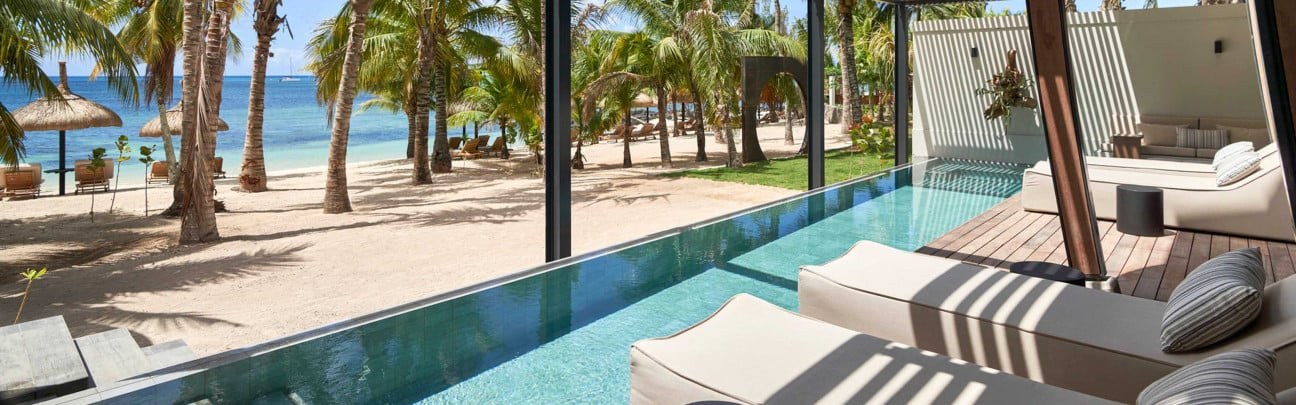
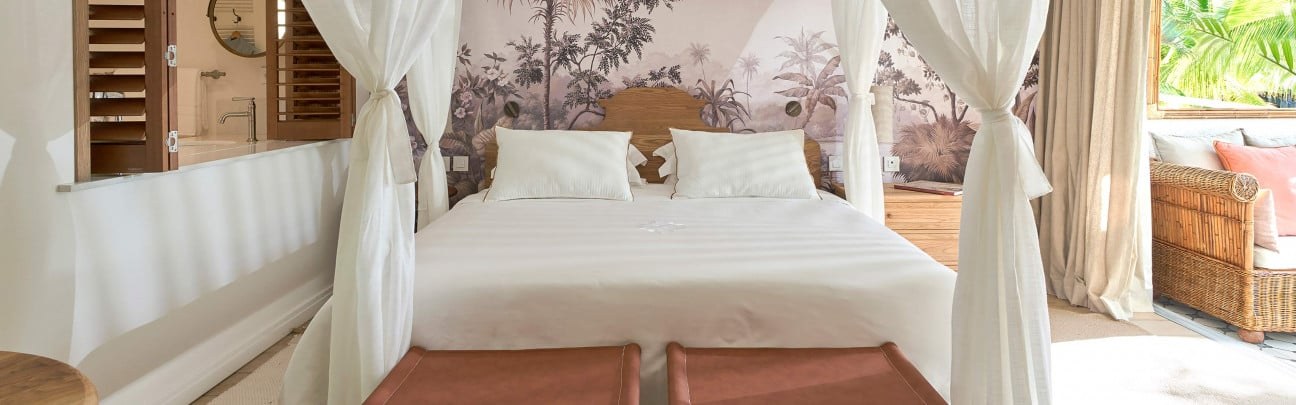
The 71 accommodations are arranged as pavilions and villas rather than hotel blocks, a format that prioritises privacy over density. Four-poster beds, marble bathrooms with sunken tubs, and furnished terraces are consistent across categories. The logic of stepping up through room types is clearer here than at properties that layer category names without meaningfully differentiating the experience: Premier Villas with Private Pool add a heated pool within a walled courtyard and a private alfresco dining pavilion, which shifts the unit from hotel room to self-contained retreat. At the upper end, the 7,000-square-foot Royal Villa with Private Pool earned the World Travel Awards 2025 designation for Mauritius's Leading Luxury Hotel Villa , a category-specific credential that reflects the accommodation's scale and sea-facing infinity pool rather than general property prestige. The living room pavilion's vaulted ceilings and Mauritian artifact collection give it a character that larger suites in international chain properties rarely achieve. At a starting rate of $1,081 per night, the property sits in the upper bracket of Mauritius luxury, pricing against the Le Touessrok in Trou d'Eau Douce and the Dinarobin Beachcomber Golf Resort in Le Morne rather than mid-market options.
Dining in a Former Munitions Store
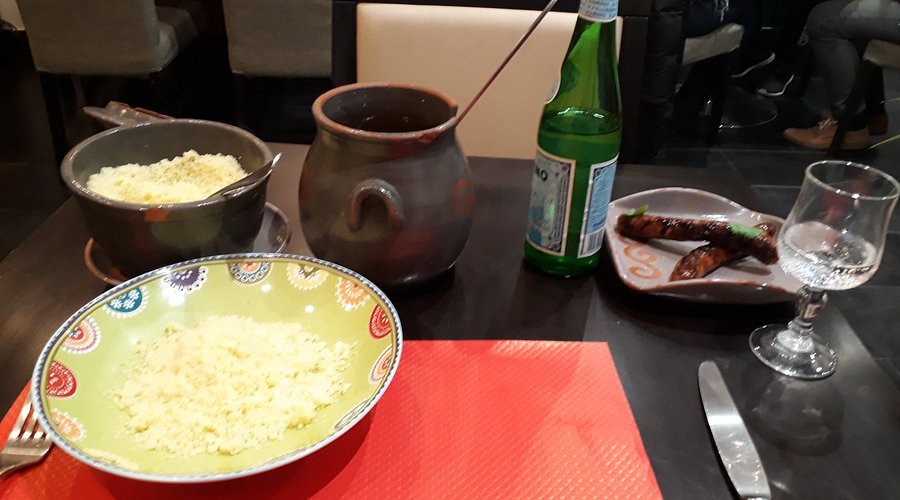
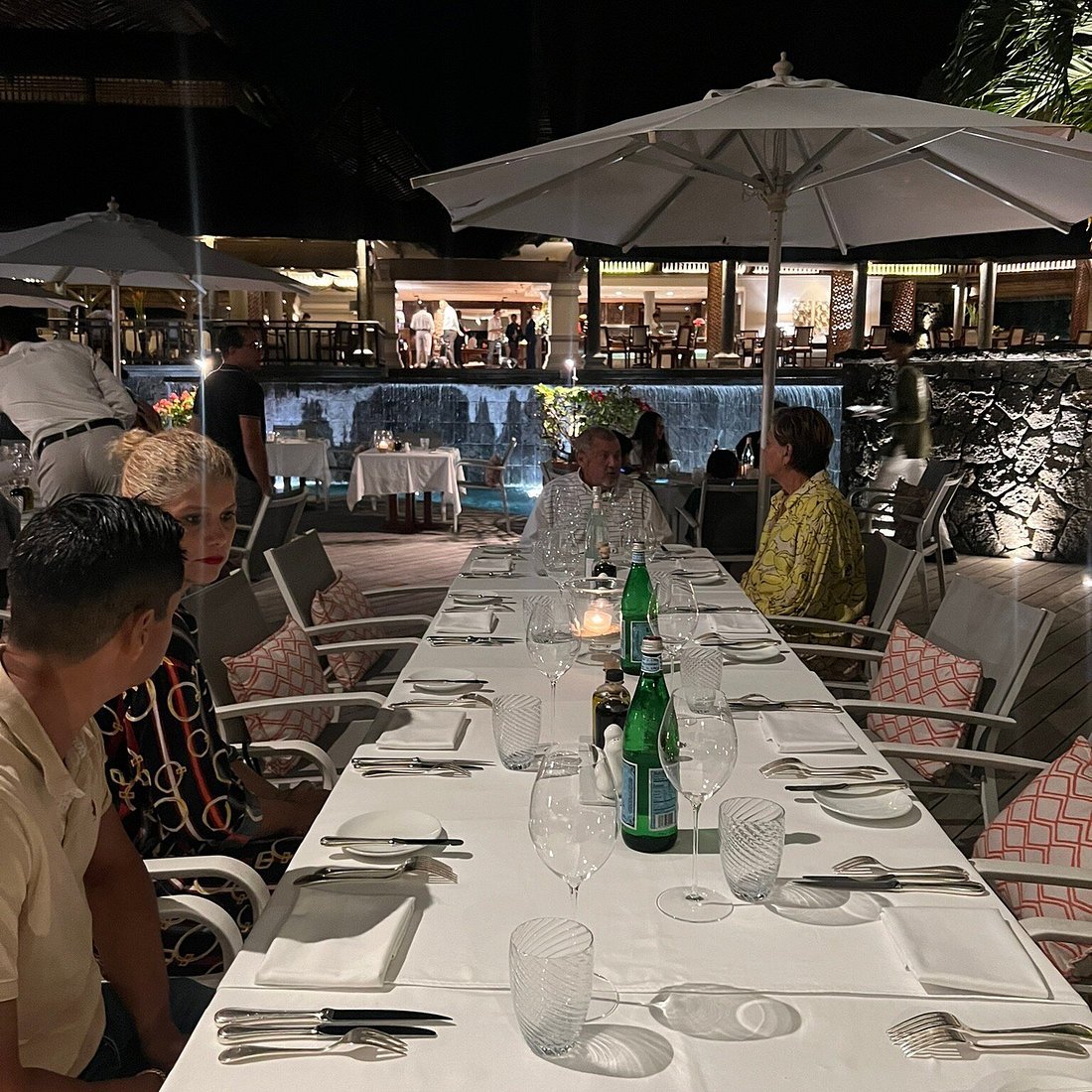
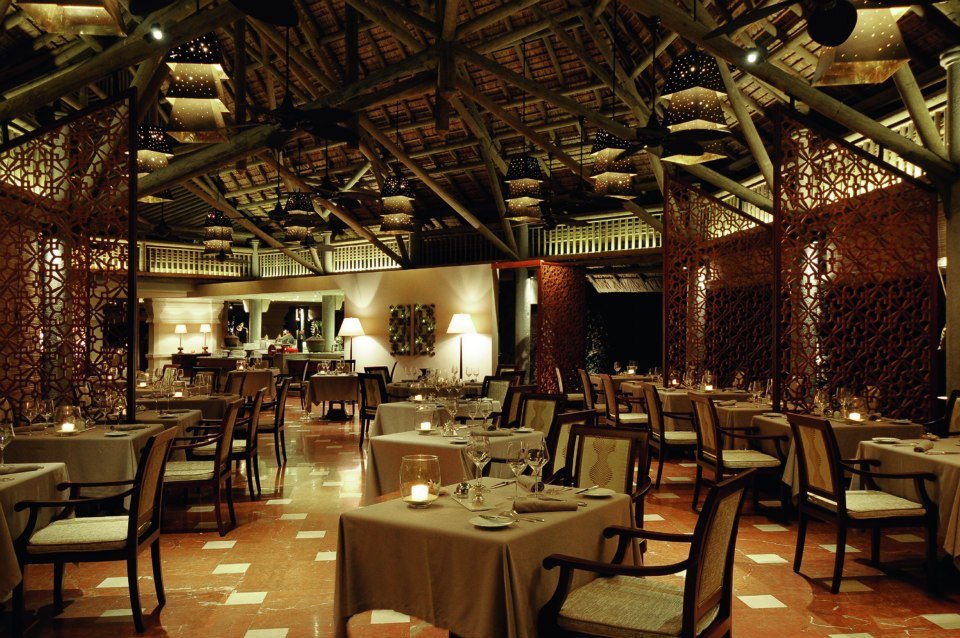
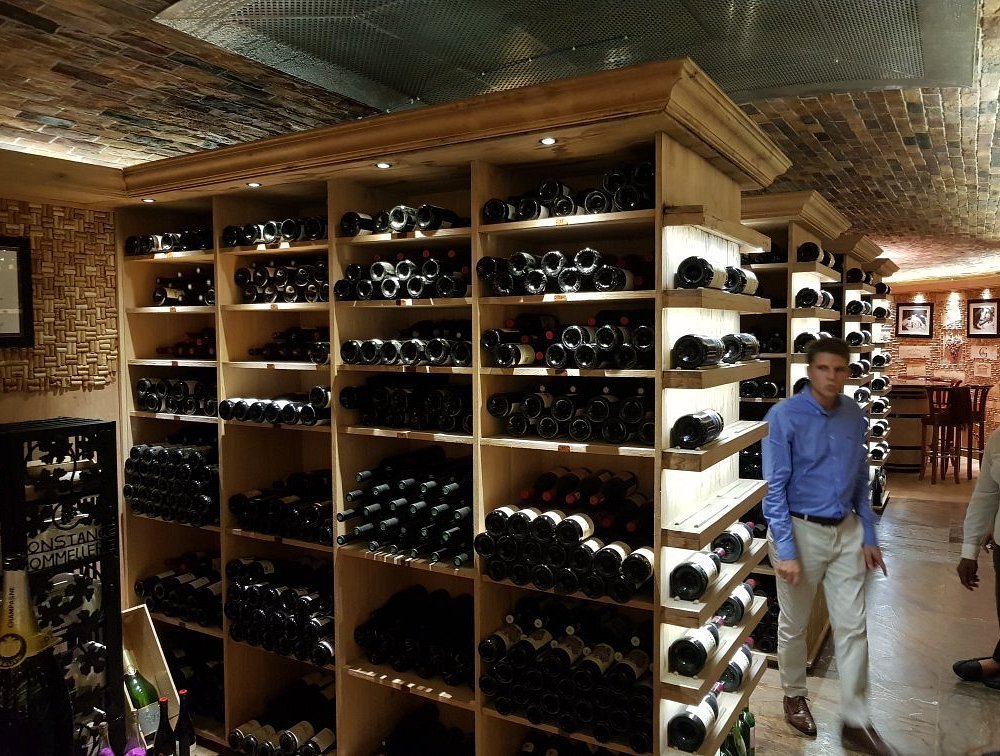
Gunpowder Room is one of the more genuinely unusual dining contexts in Mauritius: a fine-dining venue housed in an 18th-century French ammunition storage facility, with the original stone walls, antique wine barrels, and period chandeliers intact. Creole cuisine is the primary register, which maps correctly onto Mauritius's own culinary history , the island's cooking tradition draws from French, African, Indian, and Chinese sources, a layering that Creole preparation formalises rather than flattens. The addition of a Japanese omakase menu on Tuesdays and Thursdays is an interesting programming decision, less strange than it might appear given the global demand for the format at premium properties. Complimentary wine tastings take place in the same space, which extends the Gunpowder Room's role beyond a single meal occasion. The open-air thatched-roof restaurant overlooks the ocean and runs a broad multi-cuisine format , a more casual counterpoint to the Gunpowder Room's specificity. For a fuller picture of dining options in the area, our full Pointe aux Piments restaurants guide covers the northwest coast's wider offer.
The Spa and the Activity Programme
Indian Ocean resort spas have converged on a fairly consistent format: treatment rooms with garden or ocean adjacency, a menu of Ayurvedic and Western treatments, regional ingredient naming. The Oberoi Spa works within that tradition but grounds its treatments in locally sourced materials , rooibos leaf, sea salt, and baobab oil feature in the menu, and the Terre Blanche body mask uses bentonite clay alongside South African buchu and aloe. Treatment rooms are positioned within the tropical garden and designed to admit natural light, which makes the environment itself part of the treatment logic rather than a neutral backdrop. Yoga classes are included in the programme at no additional charge.
Water sports at the property are complimentary and include kayaking, windsurfing, waterskiing, and snorkeling in the lagoon. Daily glass-bottom boat tours depart from the on-site boathouse and run for approximately one hour. The cultural activity strand , the Touching Senses programme , covers stargazing with Hindu mythology context, a visit to Maheswarnath Mandir temple, painting lessons, and a cocktail-making class using local fruits. This breadth reflects the property's awareness of its multicultural setting: Mauritius's Creole, Hindu, Muslim, and Chinese communities each have a visible presence on the island, and the programme attempts to make that accessible rather than decorative. Two floodlit tennis courts and two swimming pools, including one adjacent to the beach, complete the on-property leisure offer.
Placing the Oberoi in the Mauritius Luxury Set
La Liste's 2026 Leading Hotels ranking assigned the property 97.5 points, a result that places it in company with globally recognised resort properties. Among Indian Ocean alternatives, the difference in character is clearest when comparing against the island's eastern corridor. Properties like Long Beach in Belle Mare or LUX* Grand Gaube serve a different stretch of coastline with a different beach profile. On the northwest, the Oberoi's closest geographic neighbours include Paradise Cove Boutique Hotel in Anse La Raie and Maradiva Villas Resort and Spa in Flic en Flac. Design-led alternatives elsewhere in the Indian Ocean region include 20 Degrés Sud in Grand Baie and La Maison 20 Degrés Sud in Pointe aux Canonniers, both operating in the boutique tier with a smaller room count. For further contrast outside the island, Heritage Le Telfair in Bel Ombre and Shanti Maurice Resort in St. Felix represent the south coast's golf-and-wellness positioning. Sands Suites Resort in Black River occupies a more accessible price point on the west coast.
A practical note: the northwest beaches at Turtle Bay are rockier than those on the island's southern end. The lagoon swimming is clear and calm, but water shoes are advisable for ocean entry. The property's service culture trends toward couples and honeymooners, though The Hub kids' club , with a heated pool, foosball, ping pong, a mini bowling alley, and a tree house , makes the property functional for families. Twenty-four-hour private dining and in-room check-in are standard across the 71 units. Guests arriving from Sir Seewoosagur Ramgoolam International Airport on the island's southeast can expect approximately 90 minutes of drive time to the northwest coast.
Quick Comparison
These are the closest comparables we have in our database for quick context.
Continue exploring
More in Pointe aux Piments
Hotels in Pointe aux Piments
Browse all →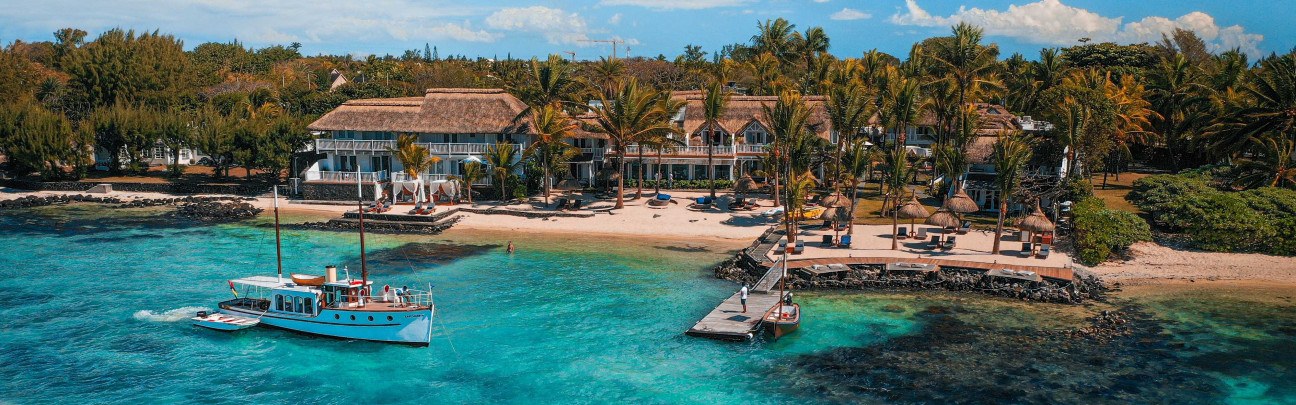
At a Glance
- Romantic
- Elegant
- Scenic
- Sophisticated
- Honeymoon
- Romantic Getaway
- Family Vacation
- Anniversary
- Wellness Retreat
- Beachfront
- Private Villa
- Destination Spa
- Waterfront
- Garden
- Terrace
- Panoramic View
- Private Dining
- Wifi
- Pool
- Spa
- Fitness Center
- Room Service
- Concierge
- Kids Club
- Beach Access
- Tennis Courts
- Water Sports
- Restaurant
- Bar
- Steam Room
- Waterfront
- Garden
Naturally lit open-sided pavilions with high thatched roofs, candlelit intimate settings, and alfresco dining with panoramic ocean views; serene and refined with tropical garden surroundings.