
Michelin Selected
A Michelin Selected retreat on Queensland's Sunshine Coast hinterland, Spicers Tamarind Retreat at 88 Obi Lane South sits within the rainforest-edged hills above Maleny.

Pearl is the En Primeur Club membership app — saves, bookings, and concierge access live there. Same editors, same standards.
- Address
- 88 Obi Lane South, Maleny, Australia
- Phone
- +61 1300 311 429
- Directions
- Get directions
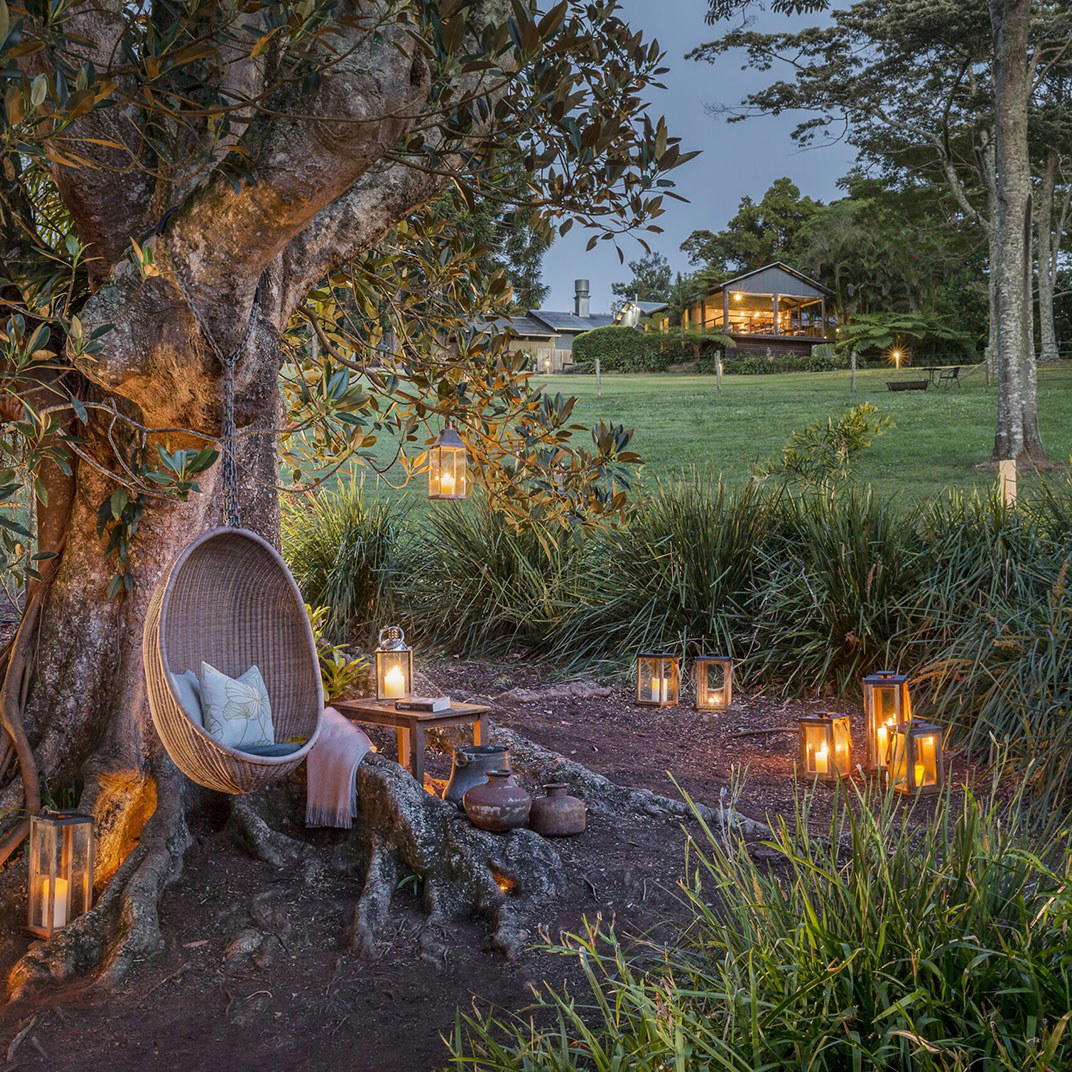
Rainforest Edge: How Maleny's Hinterland Retreat Tradition Took Shape
The Sunshine Coast hinterland has long operated as a counterpoint to the coast below. While Noosa and the Glass House Mountains corridor draw visitors with surf and spectacle, the farming plateau around Maleny has cultivated a quieter hospitality identity: properties that use the surrounding subtropical rainforest and volcanic ridge views as the primary design material, rather than as backdrop. Spicers Tamarind Retreat, at 88 Obi Lane South, sits within that tradition and takes it seriously.
The broader Spicers group operates across Queensland and New South Wales, placing boutique retreats in rural and semi-rural settings that sit apart from the major city hotel circuits represented by properties like Capella Sydney or The Calile in Brisbane. Tamarind Retreat is the group's hinterland expression, and it earns a MICHELIN Selected distinction in the 2025 Michelin Hotels guide — a recognition that places it within a curated tier of Australian properties rather than the broader mass of accommodation options in the region. For context on what that tier looks like nationally, see our full Maleny restaurants and accommodation guide.
The Physical Experience: Architecture in a Wet Subtropical Setting
Arriving at Obi Lane South, the property announces itself through subtraction rather than addition. The architectural approach here belongs to a school of thought common to Australia's better rural retreats: use materials that absorb the environment rather than contrast with it, keep building heights low, and let the canopy do the work that a lobby chandelier might do elsewhere. This is not the polished urban minimalism of a city design hotel. It is something closer to considered restraint applied to a site where the site itself demands deference.
Subtropical Queensland presents particular design challenges. Humidity, rainfall, and the rapid growth patterns of hinterland vegetation mean that a building either works with its context or spends considerable effort fighting it. The properties that age well in this region tend to share certain characteristics: covered outdoor circulation, materials that develop character rather than deteriorate, and an approach to natural light that acknowledges the intensity of Queensland sun without shutting it out entirely. These are the same principles that inform stronger entries in the Australian rural retreat category, from Emirates One&Only; Wolgan Valley in the Blue Mountains to Southern Ocean Lodge on Kangaroo Island.
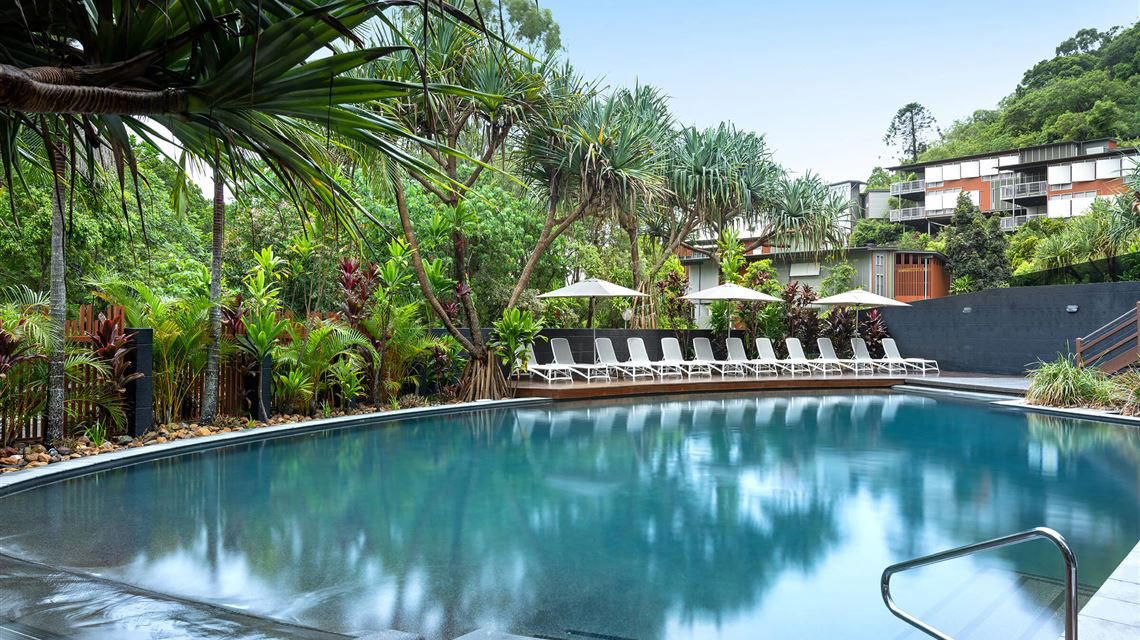
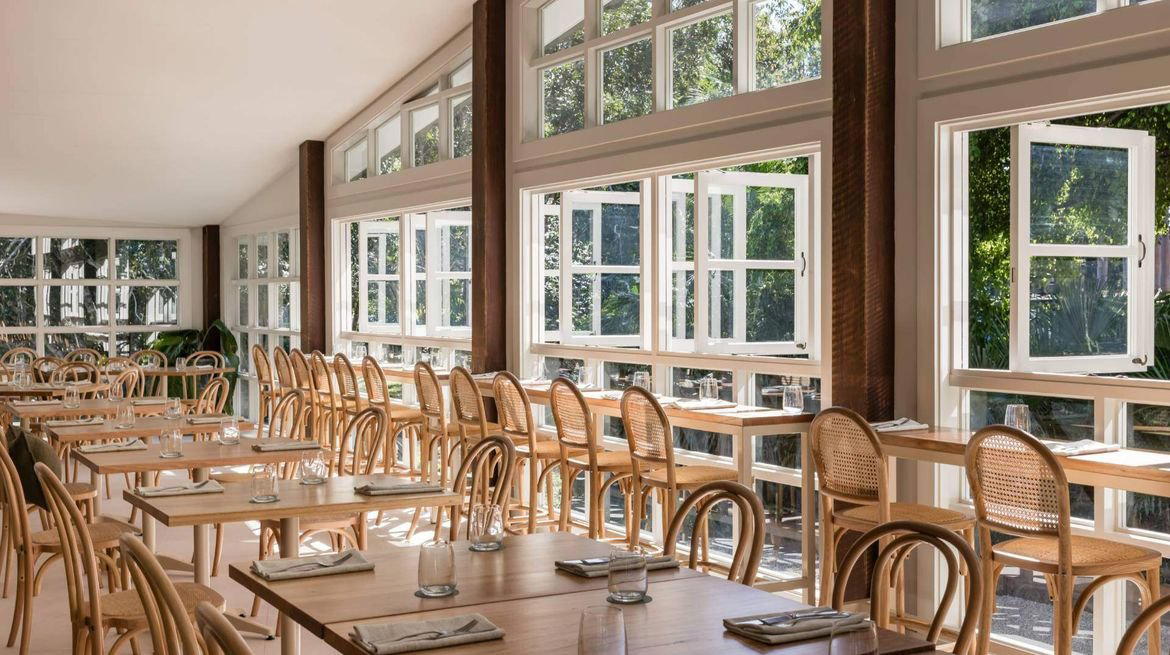
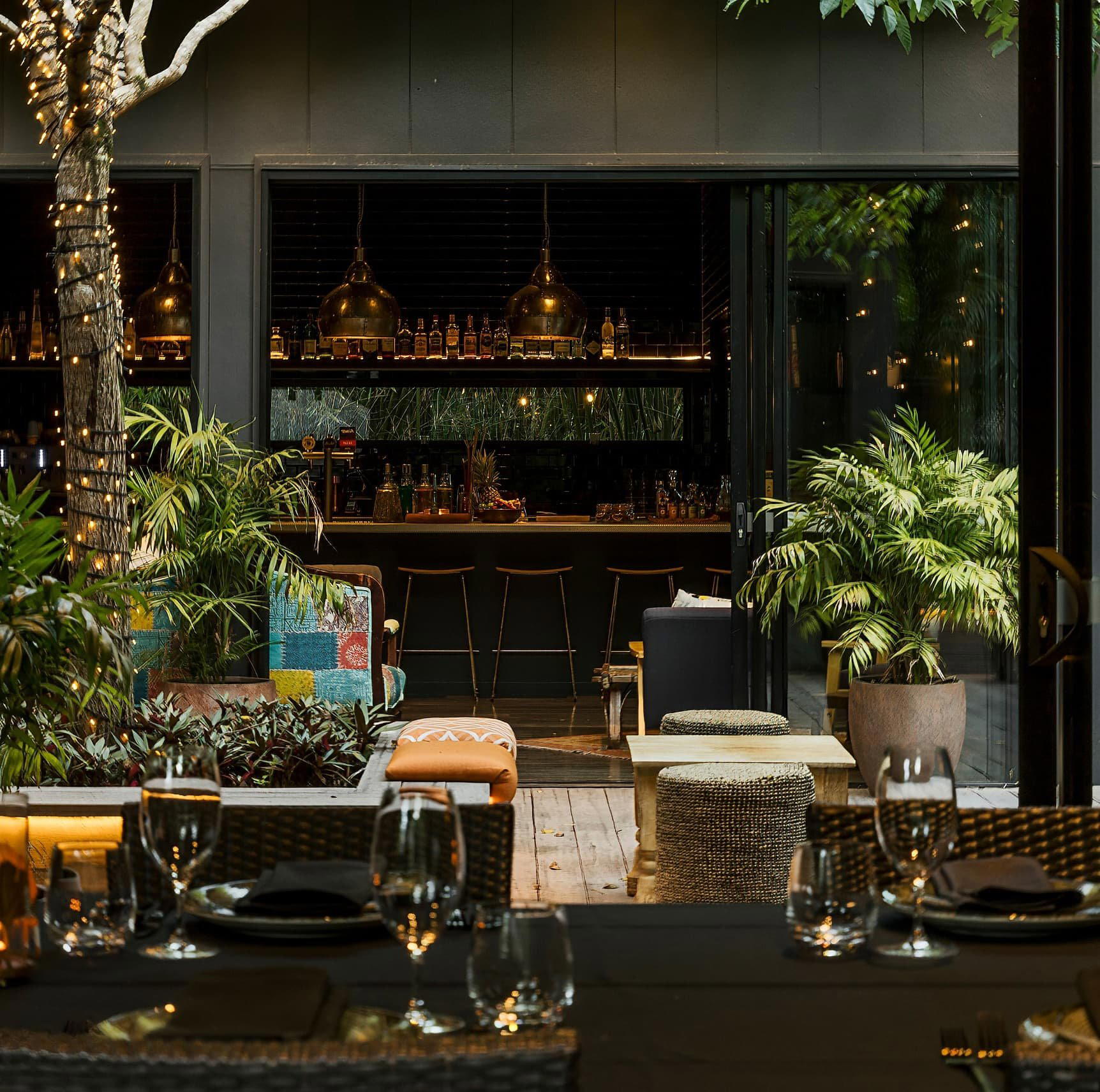
At Tamarind, the relationship between interior and exterior is the design's central argument. Guest accommodation is configured to draw the rainforest setting into the room rather than frame it at a distance through picture windows. The result is a stay experience weighted toward sensory immersion in the hinterland setting, which is precisely what the location justifies.
Where Tamarind Sits in the Australian Retreat Market
Australia's premium rural retreat market has split into two broad categories over the past decade. The first is the large-footprint wilderness lodge, typically offering high activity programming, significant dining infrastructure, and a price tier that competes with international luxury equivalents — properties like Wildman Wilderness Lodge in the Northern Territory belong to this cohort. The second is the smaller, design-focused escape that prioritises intimacy and environment over programming breadth, where the room itself and the immediate landscape carry most of the experiential weight.
Spicers Tamarind Retreat operates in the second category. Its Michelin Selected status positions it in a credentialled subset of that tier, alongside properties that have been evaluated against international hospitality standards rather than purely domestic ones. For Queensland specifically, that distinction matters: the state's premium accommodation offer is often dominated by coastal resort infrastructure, and the hinterland segment remains a smaller, more specialist market. Properties in that segment that carry external validation occupy a different competitive position than those that do not.
Comparisons worth drawing include Osborn House in Bundanoon and Piermont Retreat in Dolphin Sands, both of which operate in the same design-led rural escape format across different Australian states. Each applies a similar logic: low key count, strong site integration, and a guest experience built around the specific character of its landscape.
Maleny as a Setting: What the Location Provides
Maleny sits on the Blackall Range at roughly 400 metres elevation, which gives the town a noticeably cooler and wetter climate than the coast 30 kilometres to the east. The plateau receives consistent rainfall, which sustains the dairy farming and subtropical forest character that define the area's identity. The Glass House Mountains are visible from higher ground on clear days, and the road up from the Sunshine Coast motorway passes through a landscape that shifts perceptibly from coastal scrub to lush valley pasture.
This is not a remote wilderness location in the way that the Australian interior or Tasmania's southwest qualify as remote. Maleny is accessible and increasingly well-serviced, with a small town centre that has developed a regional food culture drawing on local produce. The retreat benefits from that proximity without being absorbed into it: Obi Lane South sits outside the town's immediate residential character, using the address to claim hinterland seclusion while remaining within reasonable reach of the coast and the Sunshine Coast Airport, which serves the Brisbane corridor.
For travellers calibrating a Queensland itinerary, Tamarind functions as a decompression counterpoint to Brisbane's urban hotels or the Gold Coast's resort density. Properties like JW Marriott Gold Coast Resort and Spa or Mondrian Gold Coast operate on an entirely different register: high-density coastal leisure infrastructure. Tamarind is the opposite proposition, and the Maleny setting makes it credible.
Planning Your Stay
Bookings for Spicers Tamarind Retreat are handled through the Spicers group's central reservation system; the property address is 88 Obi Lane South, Maleny, Queensland. The Sunshine Coast hinterland runs cooler than the coast year-round, with the wettest months falling between December and March, the same window when the rainforest is at its most intense but when intermittent heavy rain may limit outdoor time. The drier months from May through September offer the most consistent conditions for guests whose stay is oriented around the landscape. Advance booking is advisable for school holiday periods and long weekends, when Brisbane and Sunshine Coast day-tripper and short-stay demand compresses availability at the limited number of properties in this category.
Travellers building a broader Australian itinerary around design-led properties at a similar standard might also consider Lilianfels in the Blue Mountains, The Tasman in Hobart, or Empire Spa Retreat in Yallingup as complementary stops that each anchor a different regional landscape. For city bookends, Melbourne Place and Harbour Rocks Hotel in Sydney's Rocks represent the smaller-footprint urban equivalent of the same design sensibility. Beyond Australia, properties in the Michelin Hotels universe at a comparable designation level include The Fifth Avenue Hotel in New York and Badrutt's Palace in St. Moritz, though both operate at a significantly different scale and setting.
Comparison Snapshot
Comparable venues nearby, for context on price, style, and recognition.
| Venue | Cuisine | Price | Awards | Notes |
|---|---|---|---|---|
| Spicers Tamarind RetreatThis venue — the venue you are viewing | Private rainforest villas with Asian influences | Not listed | Michelin Selected | Not listed |
| Dorsett Brisbane | Large-scale integrated resort hotel within a major mixed-use precinct. | Not listed | Not listed | Brisbane CBD |
| Pumphouse Point | Restored 1940s hydropower pumphouse in Tasmanian wilderness | $750–1,000 | La Liste Top Hotels · Fodor's Most Incredible Hotels in the World | Lake St Clair |
| Saint Hotel | beachside boutique hotel | Not listed | Not listed | St Kilda |
| Wildman Wilderness Lodge | Luxury eco-lodge glamping retreat combining Indigenous Australian cultural connection with contemporary safari-style hospitality | Not listed | Not listed | Marrakai |
| Panorama Hotel | A newly constructed, multi-venue suburban lifestyle hotel that positions itself as a total hospitality destination for dining, drinking and accommodation near Adelaide’s southern health and education hubs. | $1–100 | Not listed | Panorama |
Recognition history
Dated appearances from independent guides and award organizations, with the underlying list record or original source where available.
Michelin Selected
Michelin
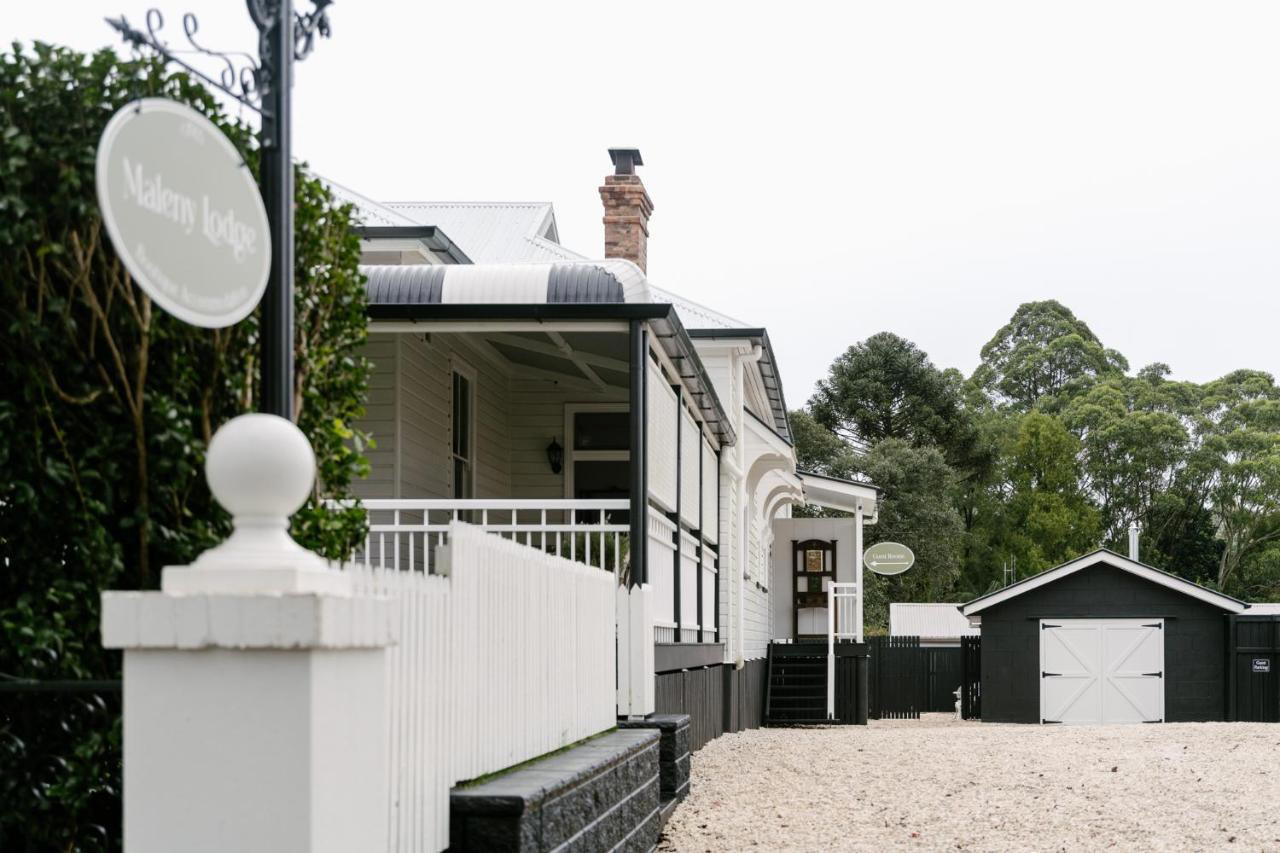
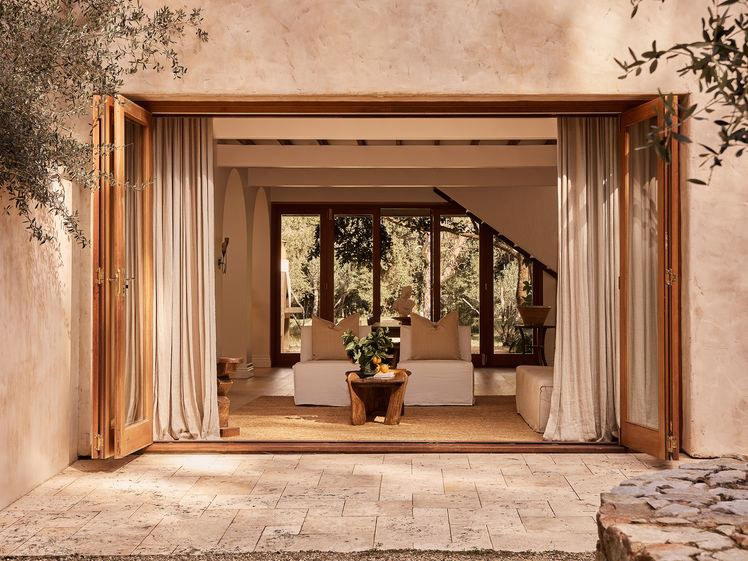
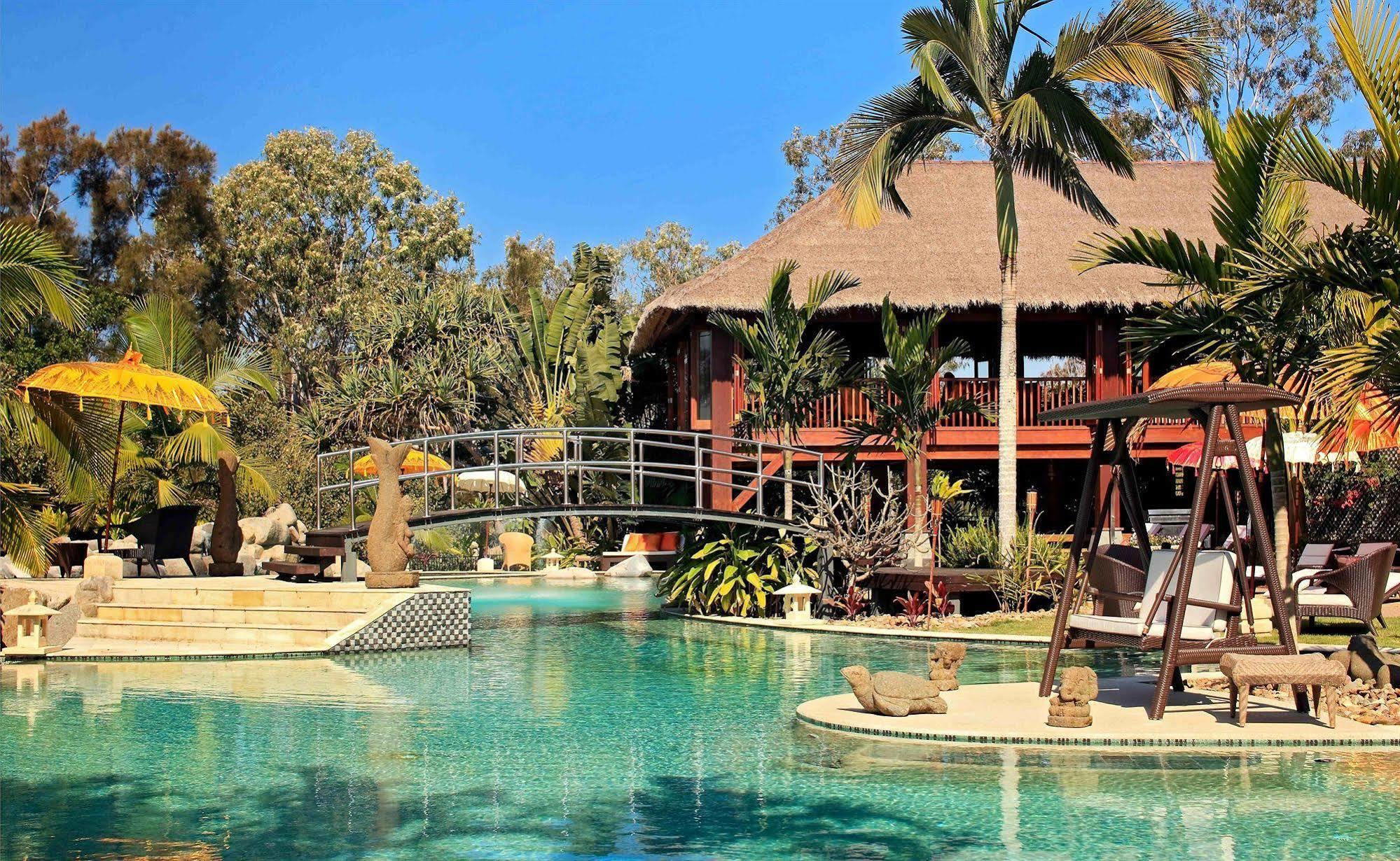
Details
- Romantic
- Quiet
- Scenic
- Intimate
- Elegant
- Romantic Getaway
- Wellness Retreat
- Honeymoon
- Weekend Escape
- Private Villa
- Panoramic View
- Pool
- Spa
- Wi Fi
- Restaurant
- Hot Tub
- Free Parking
- Garden
- Mountain
- Wheelchair Accessible
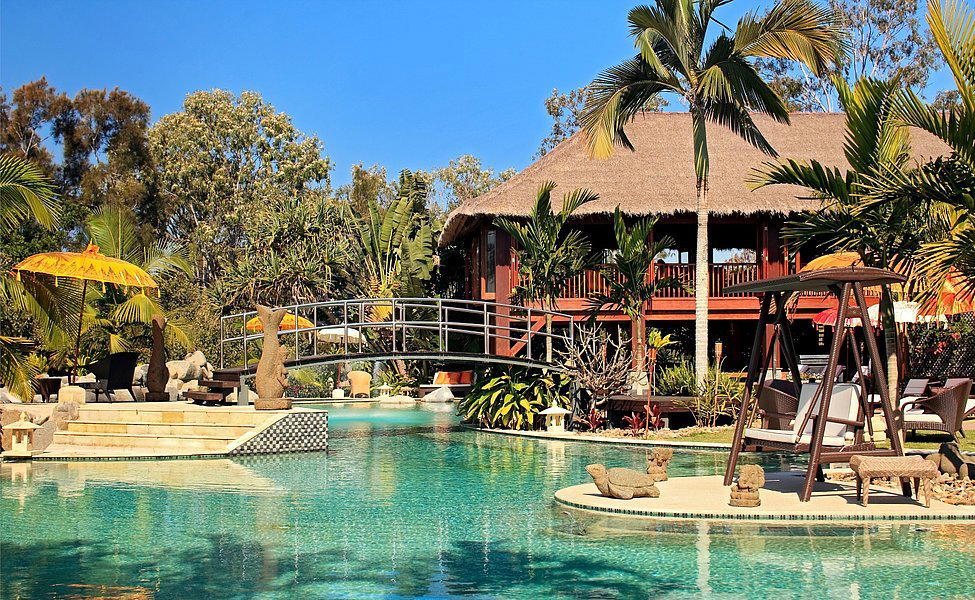
Peaceful and zen rainforest sanctuary with a Southeast Asian jungle vibe, featuring private villas with fireplaces and natural surroundings that promote relaxation and tranquility.