Mizner Plaza Hotel
Mizner Plaza Hotel sits in Boca Raton by name and expectation, a city where Mediterranean Revival cues, resort polish, and residential calm shape the hospitality mood.

Pearl is the En Primeur Club membership app — saves, bookings, and concierge access live there. Same editors, same standards.
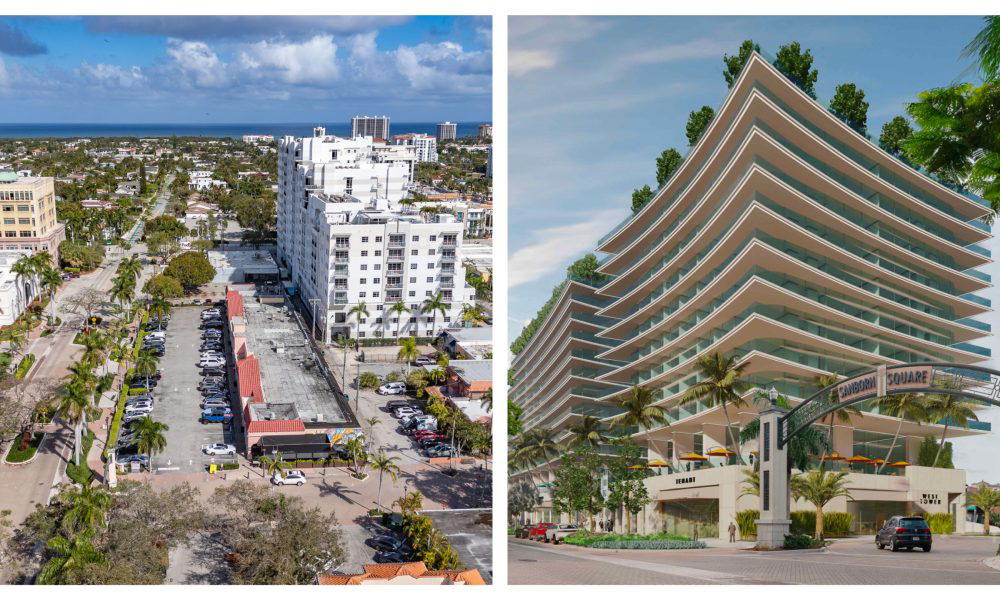
First impression: Boca Raton through architecture, not spectacle
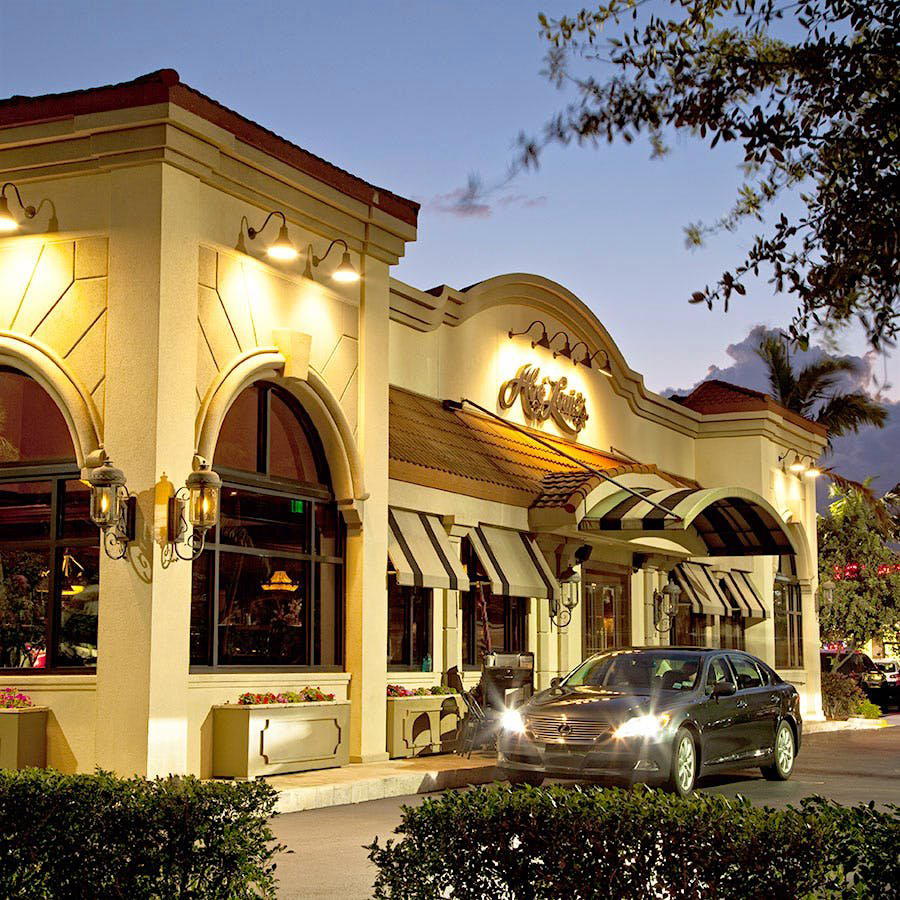
Approaching a hotel in Boca Raton sets a different expectation from arriving in Miami Beach or Palm Beach. The city’s hospitality grammar is lower, warmer, and more residential: stucco tones, shaded arcades, tile roofs, clipped landscaping, and an appetite for order rather than theatrical arrival. Mizner Plaza Hotel belongs to that Boca Raton frame by name and setting, and the useful way to read it is through the city’s architectural inheritance rather than through resort hyperbole. The “Mizner” reference immediately points the reader toward Addison Mizner’s Mediterranean Revival influence, the design language that helped define Boca Raton’s early 20th-century visual identity and still shapes how luxury is signalled here.
That context matters because Boca Raton’s hotel scene does not compete only on beach frontage or nightlife proximity. It competes on controlled atmosphere: quiet entrances, private-feeling courtyards, clubby interiors, and easy movement between restaurants, shopping districts, golf, beach clubs, and residential enclaves. In that market, the name Mizner Plaza Hotel suggests a property to judge by how convincingly it fits the city’s architectural code. The strongest confirmed fact is location: Boca Raton, United States. The rest should be treated as planning intelligence to verify, not as settled promise.
Why design carries so much weight in Boca Raton
Boca Raton has a more deliberate visual identity than many South Florida resort cities. Its luxury vocabulary was shaped by Addison Mizner, the architect and developer whose Mediterranean Revival work in the 1920s helped establish the city’s signature look: arcades, loggias, barrel-tile roofs, fountains, courtyards, and a Florida interpretation of Spanish and Italian precedents. That influence survives not only in landmark properties but also in the way newer hospitality projects borrow proportion, shade, and softened form to feel locally anchored.
For travelers comparing Boca Raton hotels, this design inheritance is not decorative background. It affects the stay. A property that understands the city usually privileges thresholds, shaded transitions, and a certain resort-residential hush. A property that misses the code can feel transplanted from any affluent suburb. Mizner Plaza Hotel, with its Boca Raton placement and Mizner reference, should be read against that local standard. The relevant question is not whether the building photographs well, but whether its architecture gives a convincing sense of place in a city where sense of place has been unusually codified.
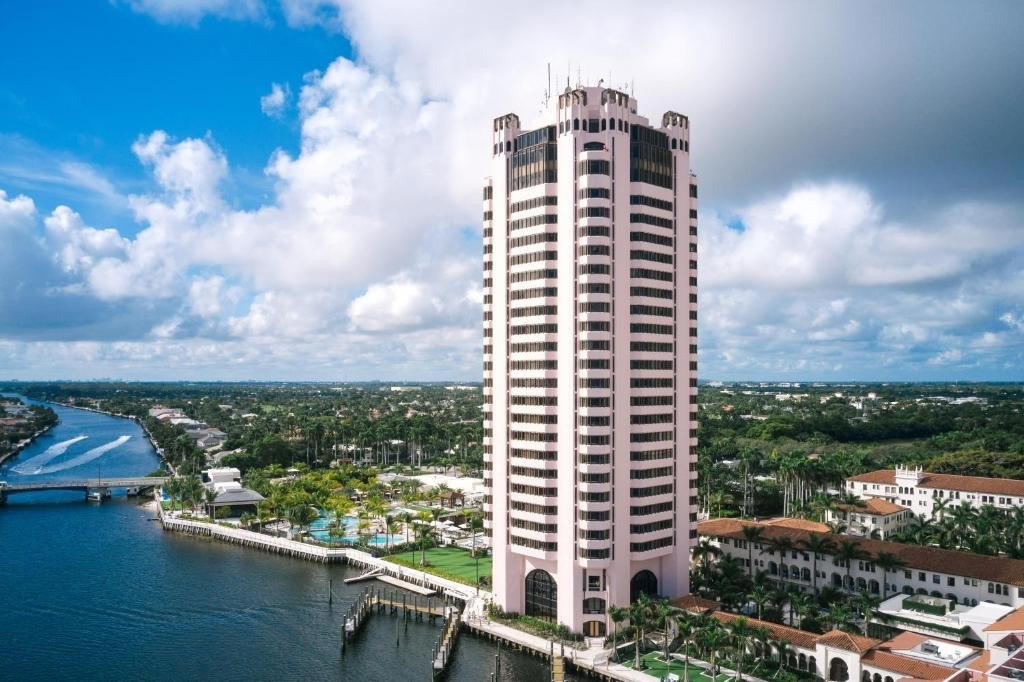
The nearby competitive set reinforces the point. The Boca Raton occupies the city’s grand resort lane, while Tower at The Boca Raton and Bungalows at The Boca Raton show how one resort ecosystem can split into vertical glamour, club-resort scale, and lower-slung residential formats. That absence of data is meaningful for a premium traveler: a Boca Raton hotel with limited public detail should be checked against the alternatives before dates are fixed.
The local hotel mood: polished, planned, and quieter than the coast suggests
Boca Raton can be misread by travelers who expect South Florida to mean late-night energy by default. The city’s upscale hospitality is more calibrated. Restaurants may be polished, clubs may be private, and shopping districts may be immaculate, but the rhythm tends toward reservation-based evenings, valet arrivals, early dinner traffic, and hotel lobbies that favor composure over volume. In that context, a hotel under the Mizner name should be assessed for low-key confidence rather than high-energy programming.
This is where the lack of published venue detail becomes useful rather than merely limiting. EP Club lists no awards, price band, star category, restaurant concept, chef, or formal amenities for Mizner Plaza Hotel. Without those signals, the reader should not assume the presence of a destination dining room, spa circuit, beach club, or major event calendar. The safer editorial stance is to position it as a Boca Raton hotel name that requires direct verification, especially for travelers deciding between a quiet base and a full-service resort compound.
For broader planning, the city’s hospitality map works better when split by purpose. Dining-focused travelers should compare hotel convenience with Our full Boca Raton restaurants guide. Those prioritizing lodging categories should use Our full Boca Raton hotels guide. Evening plans sit better with Our full Boca Raton bars guide, while regional drink culture and cellar-led excursions can be cross-checked through Our full Boca Raton wineries guide. For structured cultural or leisure formats, Our full Boca Raton experiences guide gives the surrounding trip more shape.
How Mizner Plaza Hotel compares with design-led American stays
American luxury hotels increasingly divide into two camps. One camp sells scale: multiple restaurants, extensive wellness facilities, branded residences, beach or mountain acreage, and a high staff-to-guest infrastructure. The other sells atmosphere: a building with character, a strong neighborhood relationship, controlled room count, and design choices that do not need constant explanation.
That comparison becomes sharper when set against other EP Club hotel references. The Fifth Avenue Hotel in New York City uses urban architecture and interiors to create a strong sense of address. The Beverly Hills Hotel in Los Angeles belongs to a legacy hospitality model where architecture, celebrity history, and neighborhood myth reinforce one another. Four Seasons at The Surf Club in Surfside shows how South Florida heritage can be reframed through contemporary luxury management. Boca Raton’s design tradition is different: less oceanfront mythology, more planned Mediterranean Revival order.
Resort architecture elsewhere makes the contrast even clearer. Amangiri in Canyon Point is inseparable from desert geometry. Post Ranch Inn in Big Sur depends on coastal topography. Kona Village, A Rosewood Resort in Kailua Kona belongs to a Hawaiian resort conversation grounded in landscape and cultural framing. Boca Raton asks a subtler question: can a hotel feel regionally specific in a manicured, affluent city where visual restraint is part of the code?
What, and what it does not
It does not provide address, telephone number, official website, price range, hotel group, star rating, awards, review count, room count, dining format, chef name, hours, dress code, or booking method. That is not a minor omission for a premium hotel page. Those fields usually establish the reader’s confidence: whether the property is independent or group-managed, whether rates sit in a luxury bracket, whether there is a serious food and beverage program, and whether booking requires a direct channel or conventional hotel platform.
Because those details are absent, any stay planning should begin with verification through a current official source. Travelers should confirm the exact address, booking status, room categories, cancellation terms, parking arrangements, dining availability, accessibility, and any resort or service fees before treating the property as a fixed part of an itinerary.
The practical reading is simple: Mizner Plaza Hotel may fit a traveler who wants a Boca Raton base associated with the city’s design language, but the lack of published EP Club details makes it unsuitable for blind booking. For a stay anchored around guaranteed amenities, compare it against fully documented Boca Raton properties and larger resort operations. For a traveler already committed to the area and comfortable verifying details directly, it can remain on the research list.
Planning the stay around Boca Raton rather than a single hotel claim
Boca Raton rewards a planned itinerary. The city is comfortable rather than spontaneous in the way major urban dining districts are spontaneous. Restaurant reservations, club access, retail hours, beach timing, and transport all benefit from advance confirmation. If Mizner Plaza Hotel is being considered, the planning sequence should start with the hotel’s verified address, then move outward: dinner proximity, beach or pool expectations, airport transfer, and whether the stay is meant to be quiet, social, or resort-heavy.
Travelers using Boca Raton as a South Florida base should also compare the city with adjacent luxury hotel models. Palm Beach leans older, more club-coded, and more explicitly social. Miami Beach is more nightlife-forward and design-spectacle driven. Surfside and Bal Harbour offer oceanfront polish with easier Miami access. Boca Raton’s appeal is controlled ease: polished restaurants, residential quiet, country-club undertones, and a design language that feels planned rather than improvised. Mizner Plaza Hotel, on the confirmed data alone, should be considered within that quieter Boca Raton expectation.
For travelers who use hotel design as a deciding factor, comparisons outside Florida can clarify priorities. Troutbeck in Amenia speaks through Hudson Valley estate culture. Raffles Boston in Boston operates in a vertical urban luxury register. SingleThread Farm Inn in Healdsburg ties lodging to an acclaimed culinary ecosystem. Auberge du Soleil in Napa and Meadowood Napa Valley in St. Helena link hospitality to wine-country rhythms. Those properties have clearer public identities. Mizner Plaza Hotel requires more due diligence before it can be judged in the same way.
Design context beyond Florida
One useful way to assess a Boca Raton hotel is to ask whether its architecture behaves as an address or as decoration. In Europe, palace hotels often make that distinction obvious. Hôtel de Paris Monte-Carlo in Monte Carlo is tied to casino-square formality and Riviera social ritual. Badrutt's Palace Hotel in St. Moritz belongs to Alpine grand-hotel culture. Aman Venice in Venice depends on palazzo architecture and canal-city ceremony. Boca Raton is younger and more planned, but the same principle applies: architecture should explain where the traveler is.
American resort properties can also become legible through setting. Sage Lodge in Pray uses Montana scale and outdoor access as core identity. Canyon Ranch Tucson in Tucson is built around wellness infrastructure in a desert setting. Little Palm Island Resort & Spa in Little Torch Key depends on island separation. If the property delivers on that lens, it belongs in the quieter, place-aware side of South Florida hospitality. If it does not, the name alone cannot carry the stay.
Who should consider it
Mizner Plaza Hotel is better suited to a traveler who is already choosing Boca Raton for its calmer rhythm and wants a stay aligned with the city’s architectural identity. It is not the obvious choice for someone who needs a fully documented resort program, published awards, a known restaurant, a named chef, or confirmed luxury rating before making a decision.
The editorial recommendation is measured: keep it on the shortlist only if direct verification confirms the fundamentals. Confirm address, operating status, room standards, rate structure, cancellation terms, on-site services, and booking channel. Then compare those facts against Boca Raton’s better-documented hotel options. In a city where design heritage carries genuine weight, a Mizner-associated name has promise, but promise is not the same as verified hospitality performance.
In Context
Comparable venues nearby, for context on price, style, and recognition.
| Venue | Price | Awards | Notes |
|---|---|---|---|
| Mizner Plaza HotelThis venue (the venue you are viewing) | Not listed | Not listed | Not listed |
| The Boca Raton | $300–500 | Star Wine List · Virtuoso Luxury Hotel Partner | Boca Raton, Luxury beachfront resort steeped in Old Florida heritage with contemporary reimagined spaces, blending classic elegance with modern coastal design across multiple distinct buildings. |
| Bungalows at The Boca Raton | Not listed | Virtuoso Luxury Hotel Partner | East Boca Raton, Residential-style bungalows within a historic resort |
| Tower at The Boca Raton | $1,000–1,500 | 1 Michelin Key · Forbes 4-Star | Boca Raton, Polished luxury resort tower with contemporary coastal design |
| Casa Cañita | $300–500 | Not listed | South Beach, Chic boutique oceanfront in historic Art Deco building |
| Casa Faena | Not listed | Michelin Selected | Mid Beach, Historic beachside guesthouse with residential-style guestrooms. |
Continue exploring
More in Boca Raton
Hotels in Boca Raton
All hotels in Boca Raton →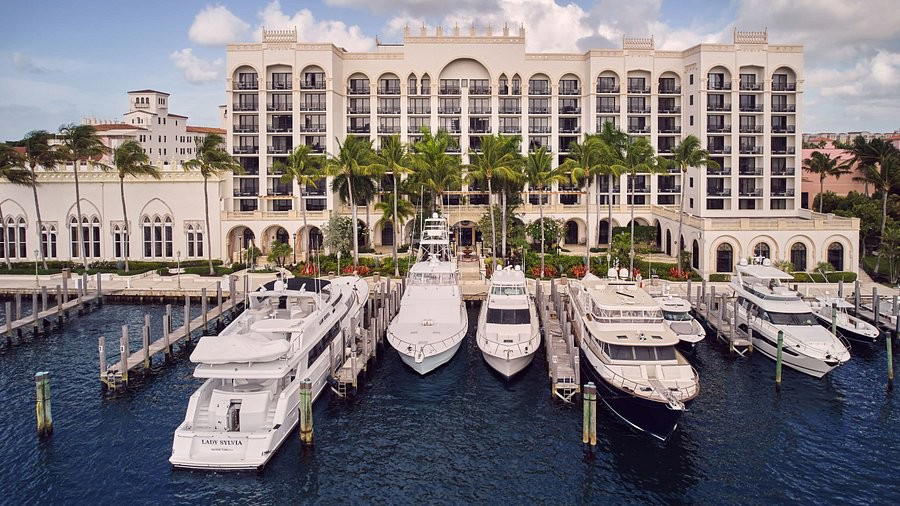
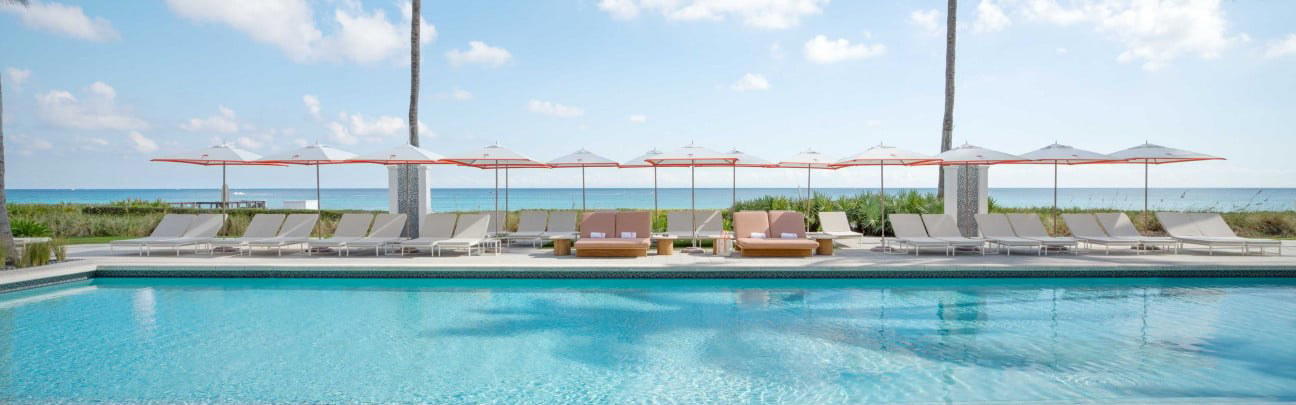
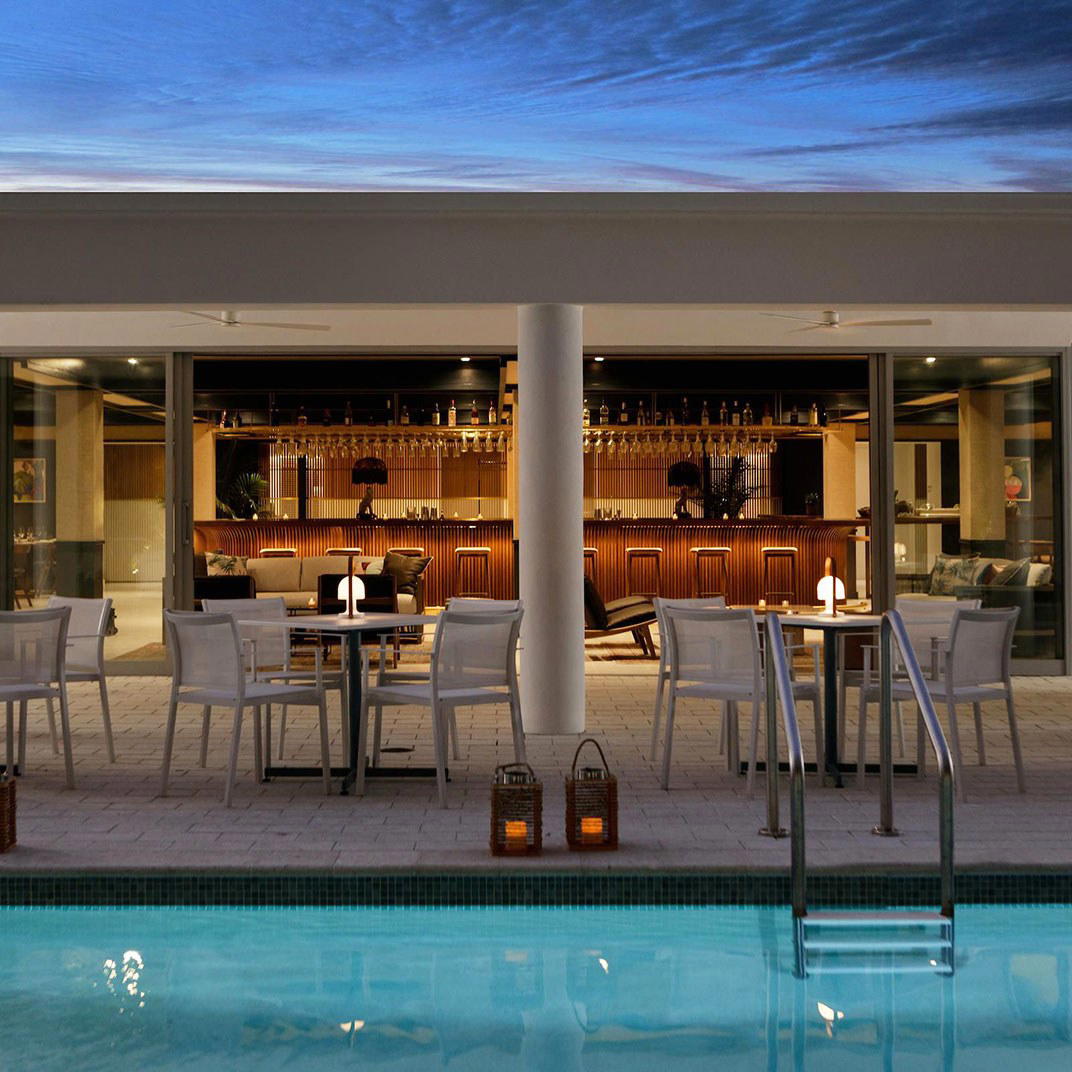
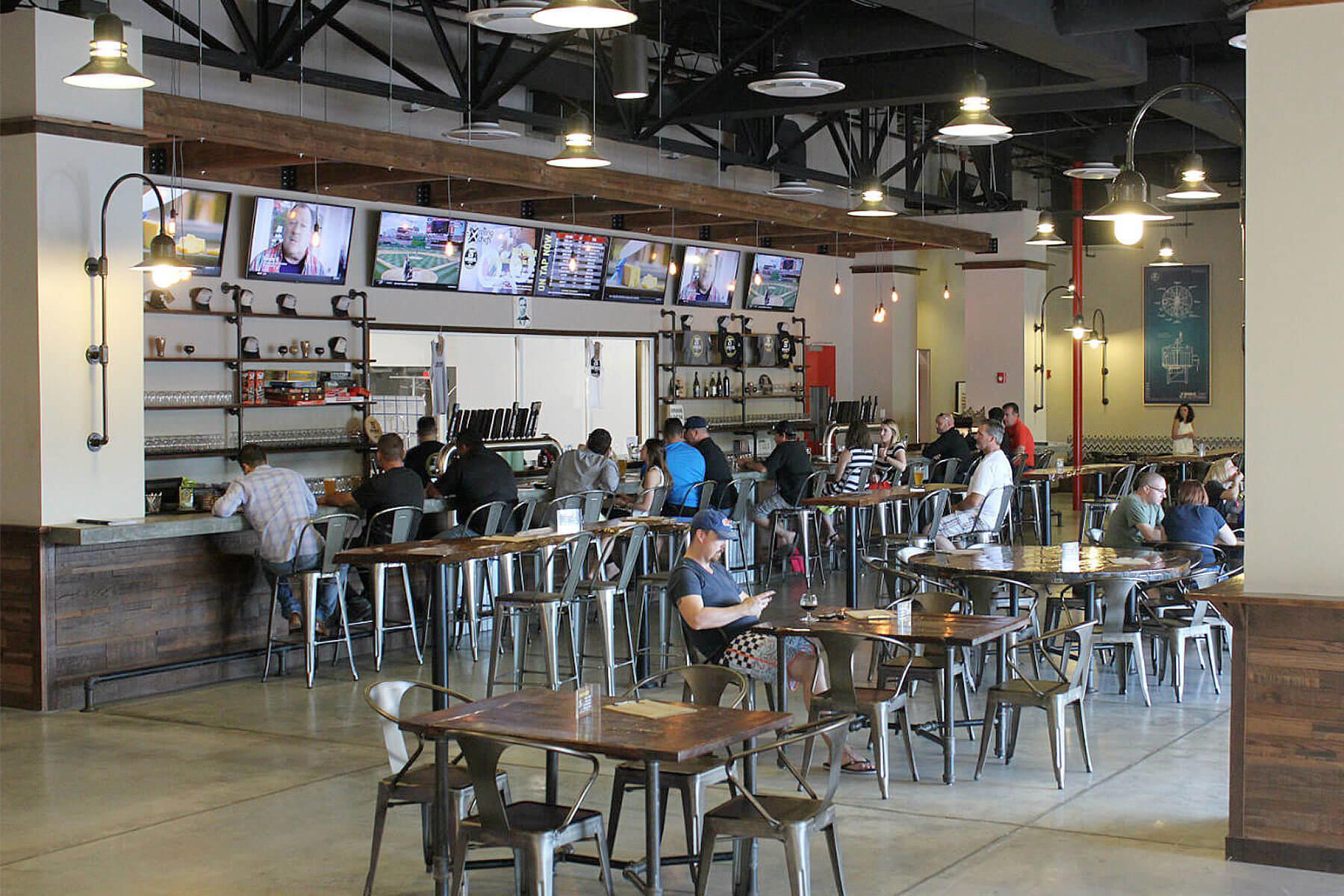
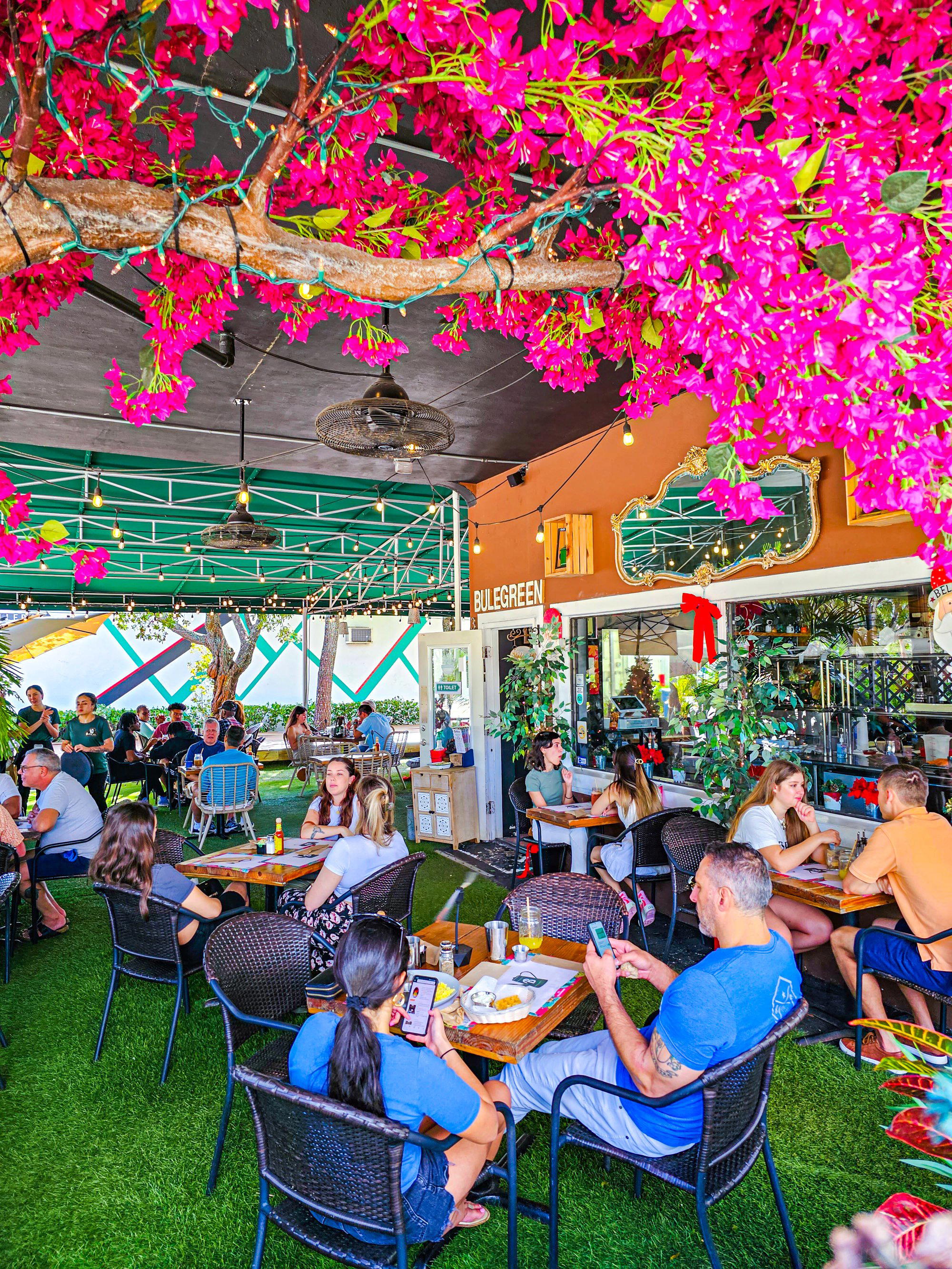
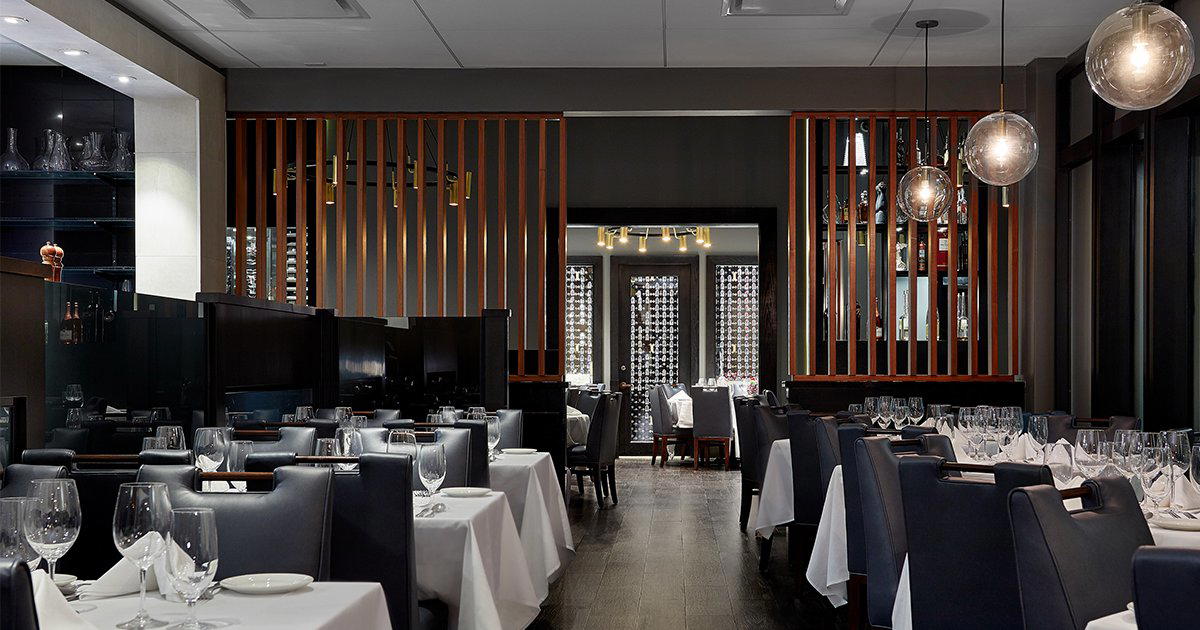
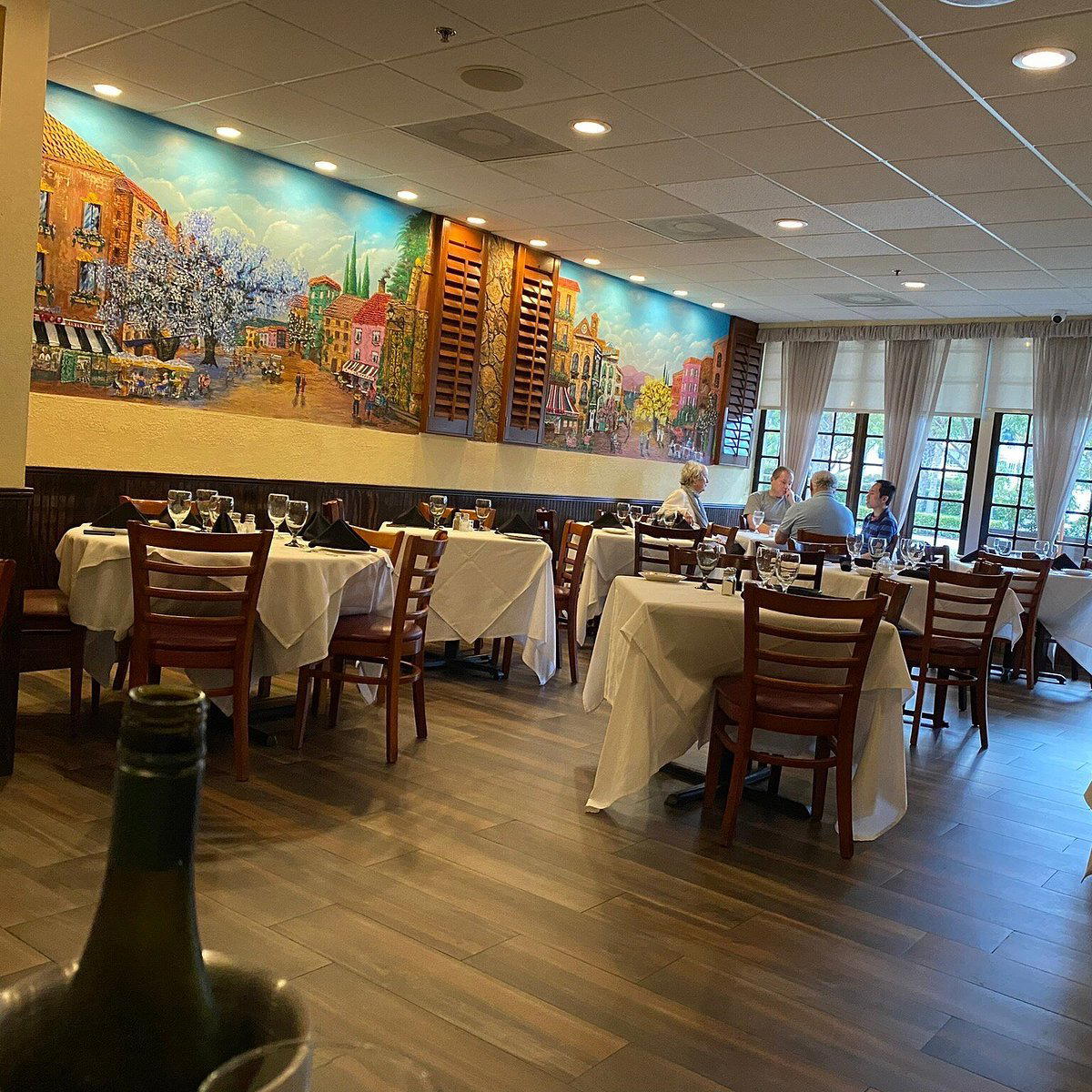
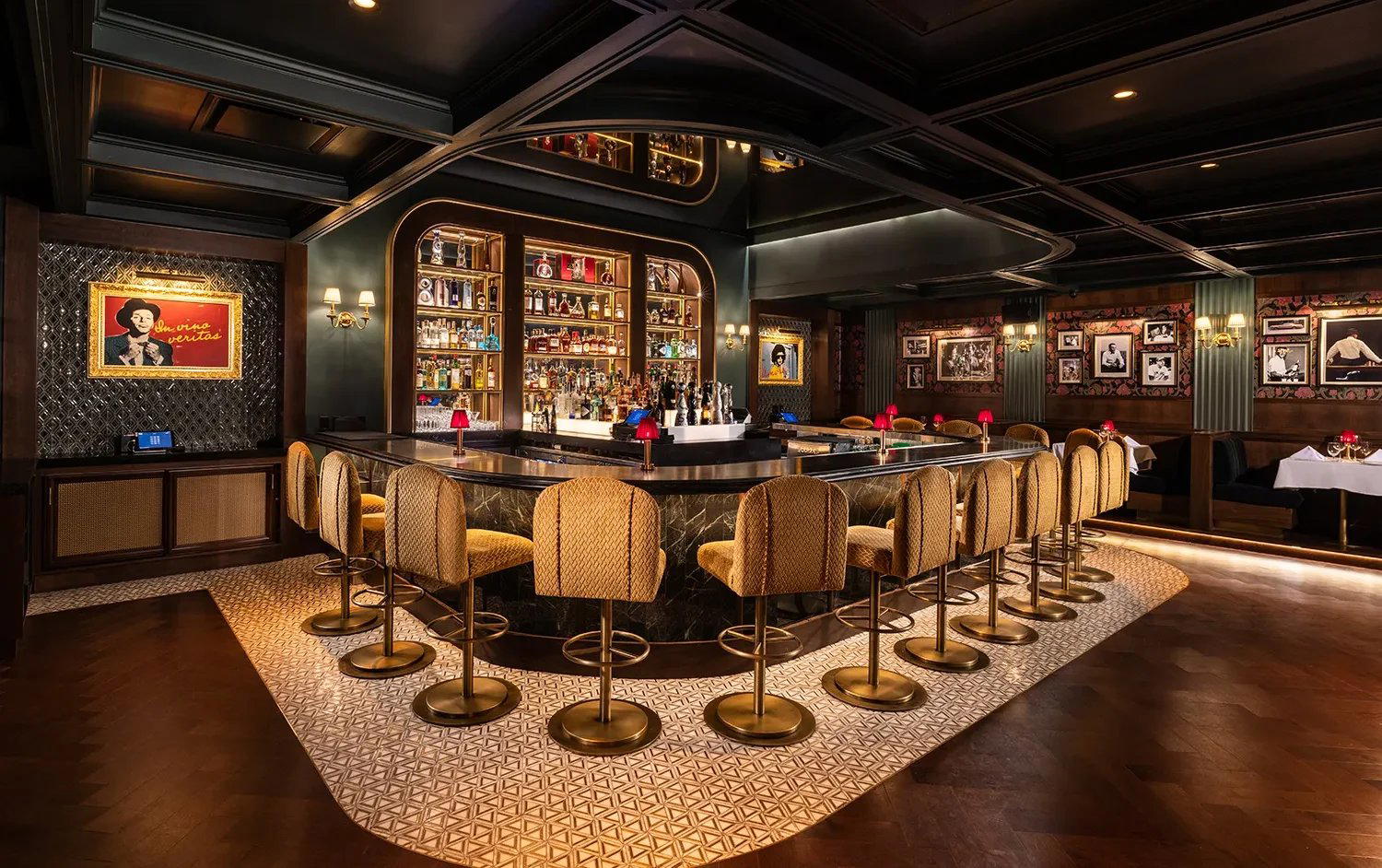
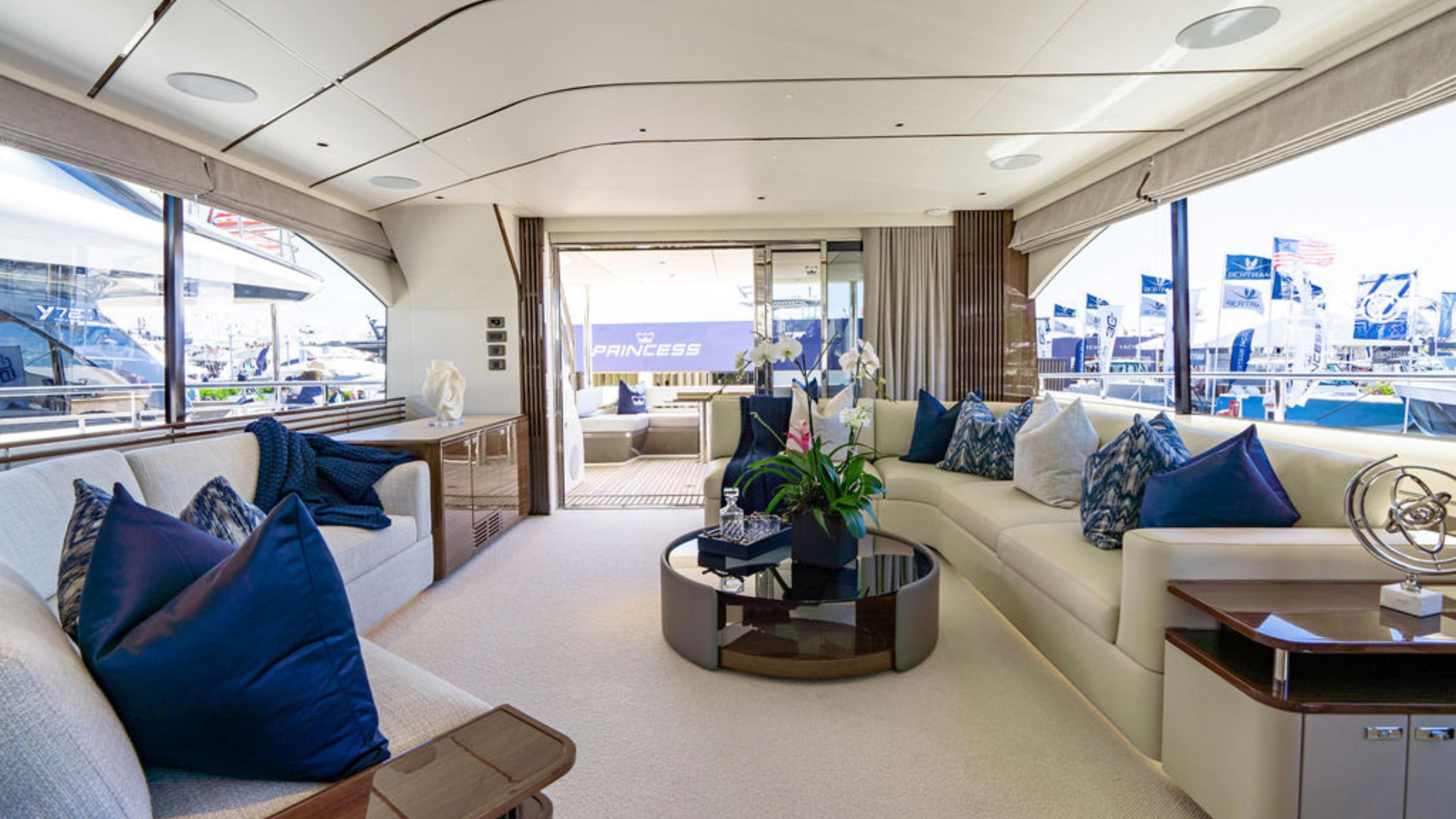
Details
- Modern
- Elegant
- Well Known
- Sophisticated
- Business Trip
- Weekend Escape
- Group Retreat
- Celebration
- Design Destination
- Panoramic View
- Terrace
- Fitness Center
- Pool
- Valet Parking
- Business Center
- Street Scene
Planned as a contemporary, vertically integrated urban hotel framed as an “well-known, distinctive development,” with lively public steps, pocket park, and high-end retail and dining aimed at creating a world‑class downtown experience.