
Michelin Selected
Hotel Mono sits on Mosque Street in Singapore's Chinatown Conservation Area, carrying a 2025 MICHELIN Selected designation that places it among a small tier of boutique hotels recognised for character over scale. The address puts guests within walking distance of Chinatown's shophouse streets, Maxwell Food Centre, and the emerging Tanjong Pagar dining corridor, a position that larger city-centre properties simply cannot replicate.

Pearl is the En Primeur Club membership app, where members save venues, book tables and use the concierge.
A Chinatown Address That Does the Work
Singapore's hotel market divides sharply between large-footprint properties on Orchard Road and Marina Bay, and a smaller cohort of design-led boutique hotels that trade scale for neighbourhood access. Hotel Mono, at 18 Mosque Street in the Chinatown Conservation Area, belongs firmly to the second group. The address is not incidental to the experience, it is the experience. Mosque Street sits at the junction of Singapore's most intact shophouse district, where five-foot-way arcades, clan association buildings, and century-old terracotta tiles survive in a form that the city's newer precincts have largely replaced with glass and steel.
For travellers who want to read Singapore as a city with a layered history rather than as a financial centre with hotel corridors attached, this part of Chinatown is one of the few remaining places where that reading remains possible. The Como Metropolitan Singapore and Andaz Singapore offer strong mid-city alternatives, but neither address delivers the same pedestrian-level engagement with pre-war Singapore architecture.
MICHELIN Selected in a Crowded Market
The 2025 MICHELIN Selected designation places Hotel Mono within the Michelin guide's recommended hotel tier for Singapore, a list that spans everything from grand heritage institutions like Raffles Hotel Singapore to design-focused smaller properties. The Selected category is not a starred ranking, but it represents Michelin's editorial endorsement of character and quality at a given price point, a meaningful signal in a city where the hotel supply ranges from value hostels to some of the most expensive urban rooms in Asia.
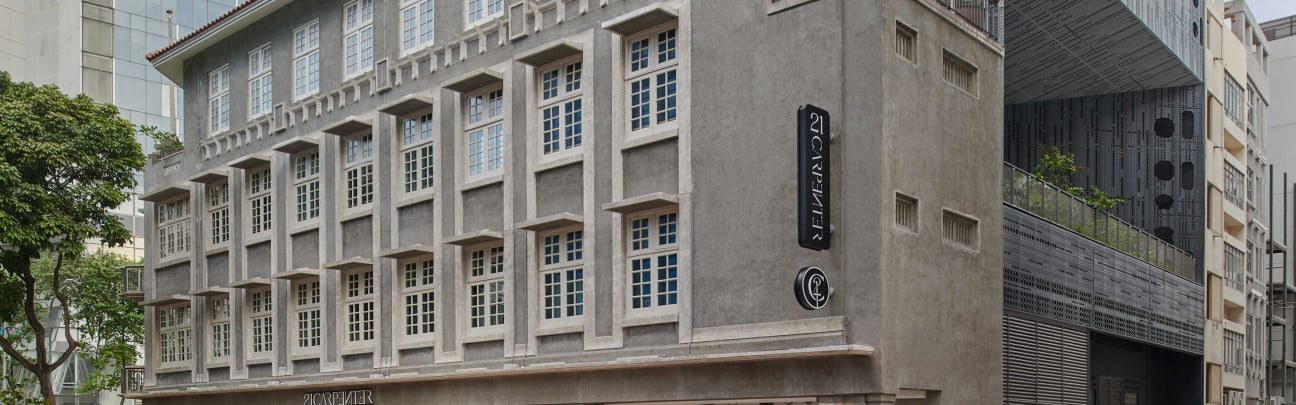
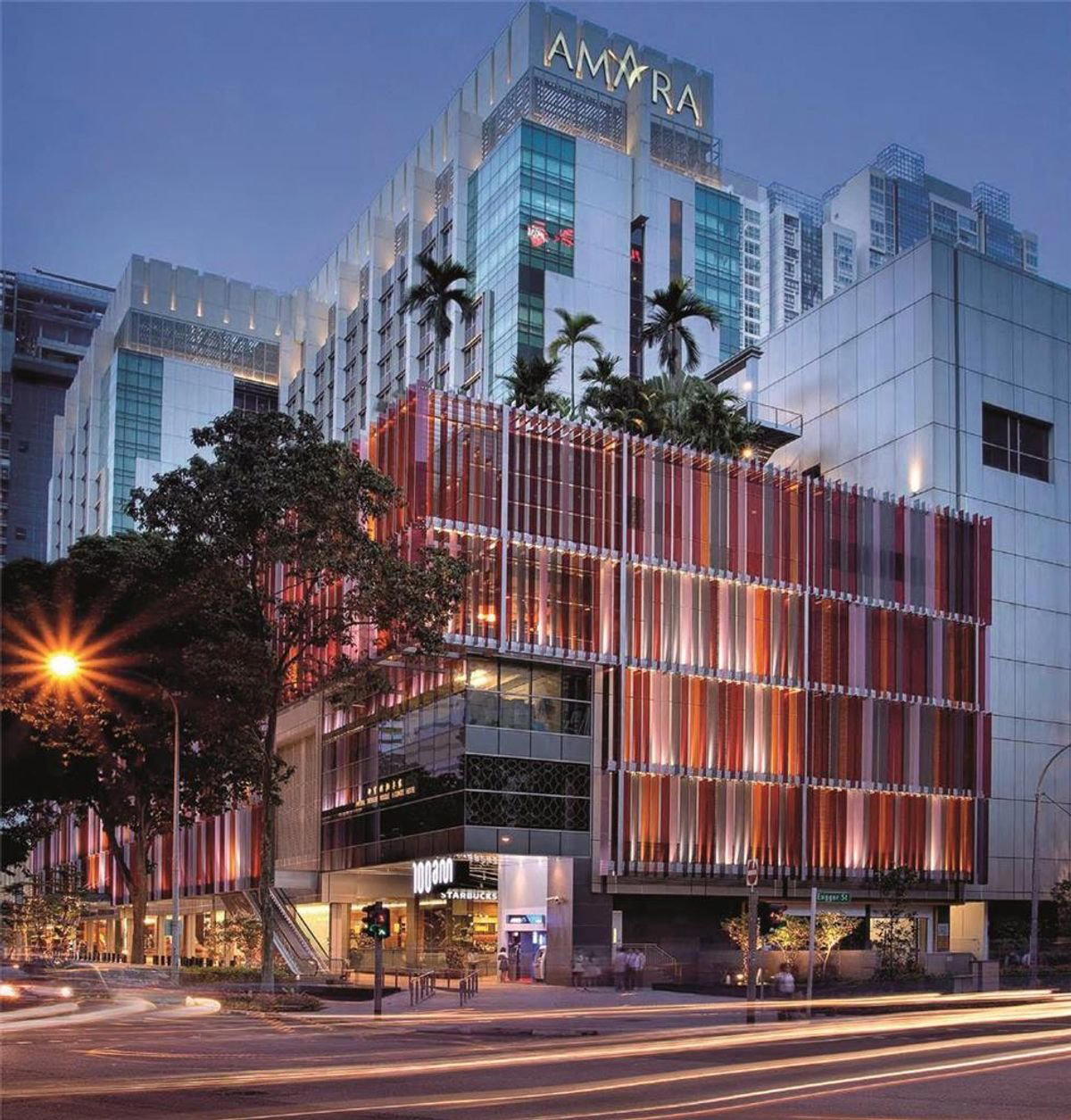
Within the Chinatown and CBD-fringe zone, Hotel Mono competes in a boutique tier that also includes properties like 21 Carpenter and Amara Singapore.
The Neighbourhood as Itinerary
The strongest argument for Hotel Mono is not the property itself but what the address unlocks on foot. Maxwell Food Centre, one of the city's most referenced hawker centres, sits less than a ten-minute walk south. The Tanjong Pagar corridor, which has developed into one of Singapore's more concentrated clusters of serious restaurants and wine bars, extends further down the same axis. Chinatown's temple precinct, Sri Mariamman Temple, Thian Hock Keng, and the Buddha Tooth Relic Temple, forms a walkable cultural circuit that takes the better part of a morning to cover properly.
The contrast with the Marina Bay cluster is instructive. Properties like Capella Singapore on Sentosa, or the large-format hotels along Marina Bay's waterfront, position guests at a remove from street-level Singapore. The trade-off for Hotel Mono guests runs the other way: less visual spectacle from the room, more immediate access to the texture of the city. For guests whose primary interest is eating and moving through Singapore's older districts, that trade-off is a direct one.
MRT connection is also practical: Chinatown station on the North-East and Downtown Lines sits within easy walking distance of Mosque Street, making the CBD, Clarke Quay, and the Orchard corridor all accessible without taxis. Travellers staying further out at, say, The Outpost Hotel Sentosa will spend more time and money getting in and out of the city's older neighbourhoods.
What the Conservation Setting Means in Practice
Singapore's Urban Redevelopment Authority enforces strict guidelines on Conservation Area properties, which limits what owners can change about the building envelope. For Hotel Mono, the shophouse format means rooms that may differ from the standardised geometries of purpose-built hotel blocks. Ceiling heights, window placement, and room configurations can vary between units in ways that larger hotel operators typically engineer out. That variability, which a branded chain would classify as a problem, is part of what gives conservation-zone stays their character.
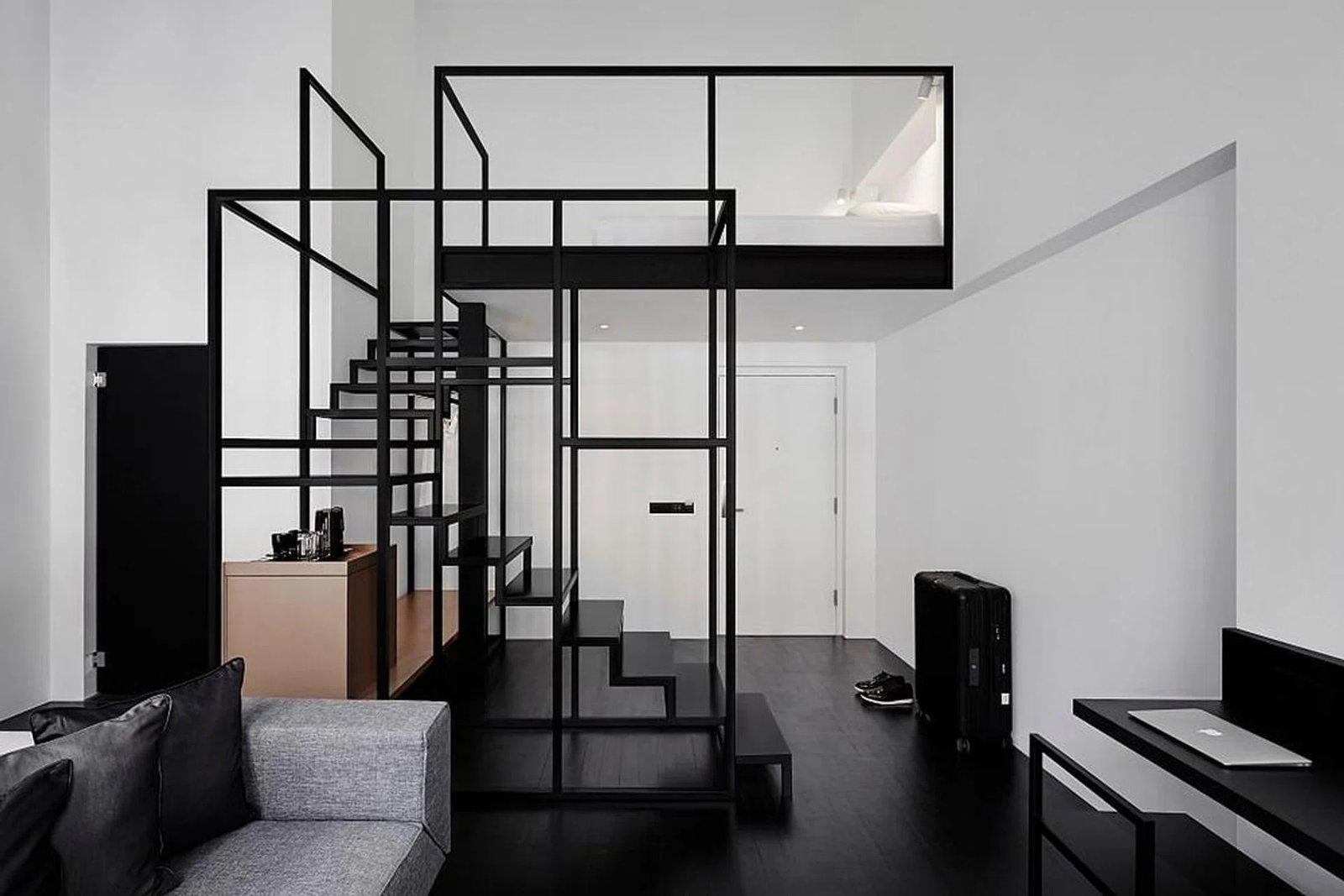
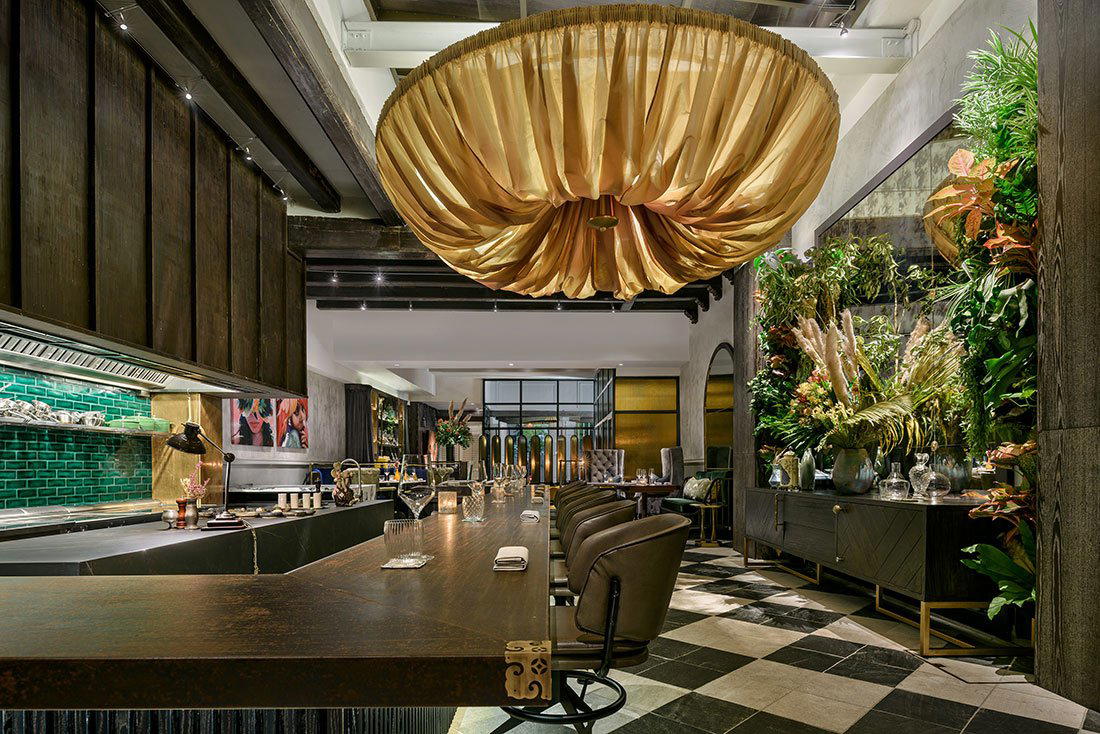
The monochromatic design concept, which the property pursues through its name and visual identity, sits logically within this context. Shophouse interiors, stripped of competing colour palettes, tend to foreground the quality of materials and the proportions of the space. In a city where hotel design often defaults to tropical maximalism or corporate neutral, Hotel Mono's position is legible and deliberate.
Planning a Stay
Hotel Mono's Mosque Street address is most useful for travellers who intend to spend meaningful time in Chinatown, Tanjong Pagar, and the CBD-fringe restaurant corridor rather than those anchored to Orchard Road retail or Marina Bay spectacle. The Carlton Hotel Singapore or Artyzen Singapore suit the latter priorities better. For the former, the Mosque Street location is genuinely efficient, the neighbourhood is walkable, the MRT is close, and the hawker and restaurant options within a short radius are among the city's most concentrated.
Singapore's hotel market runs at high occupancy for much of the year, with Formula 1 weekend in September and the major MICE calendar creating sharp demand spikes. Booking well ahead of those windows is standard practice across the city's boutique tier. For context on how Singapore's broader hotel and dining scene is distributed, see our full Singapore restaurants and hotels guide.
Travellers comparing boutique Chinatown stays against the city's grand-hotel tier, properties like Raffles or the large Marina Bay flagships, are making a different kind of choice. The institutional luxury of Le Bristol Paris, Hotel Sacher Wien, or Badrutt's Palace Hotel rests on a completely different set of signals than a MICHELIN Selected conservation shophouse hotel. Hotel Mono's case is built on location specificity and design restraint, not on room size or amenity breadth. That is a coherent proposition, but it requires the guest to arrive with the right expectations.
Compact Comparison
Comparable venues nearby, for context on price, style, and recognition.
| Venue | Price | Awards | Notes |
|---|---|---|---|
| Hotel MonoThis venue (the venue you are viewing) | $100–200 | Michelin Selected | Not listed |
| The Standard, Singapore | $300–500 | Michelin Selected · Mr & Mrs Smith Seal of Approval | Orchard, Mid-century modern tropical oasis with irreverent luxury positioning and culture-driven hospitality |
| lyf Bugis Singapore | $100–200 | Michelin Guide New Hotels New Hotel · Michelin Selected | Bugis, Contemporary co-living concept blending modern comfort with cultural immersion, designed for digital nomads and socially-engaged travelers. |
| Amara Singapore | $100–200 | Preferred Hotels Preferred Residences | ANSON, Contemporary luxury hotel with Balinese-inspired wellness facilities; positioned as a lively community hub blending modern design with local cultural elements. |
| voco Orchard Singapore | $200–300 | Michelin Selected | Orchard Road, Contemporary urban hotel blending local heritage with modern comfort and sustainability focus |
| Lloyd's Inn | $100–200 | Michelin Selected | OXLEY, Contemporary minimalist boutique hotel designed as an urban oasis with emphasis on space, light, and nature integration. |
Recognition history
Dated appearances from independent guides and award organizations, with the underlying list record or original source where available.
Michelin Selected
Michelin
Continue exploring
More in Singapore
Hotels in Singapore
All hotels in Singapore →
Bars in Singapore
All bars in Singapore →
Details
- Modern
- Minimalist
- Quiet
- Trendy
- Weekend Escape
- Historic Building
- Design Destination
- Wi Fi
- Room Service
- Concierge
- Elevator
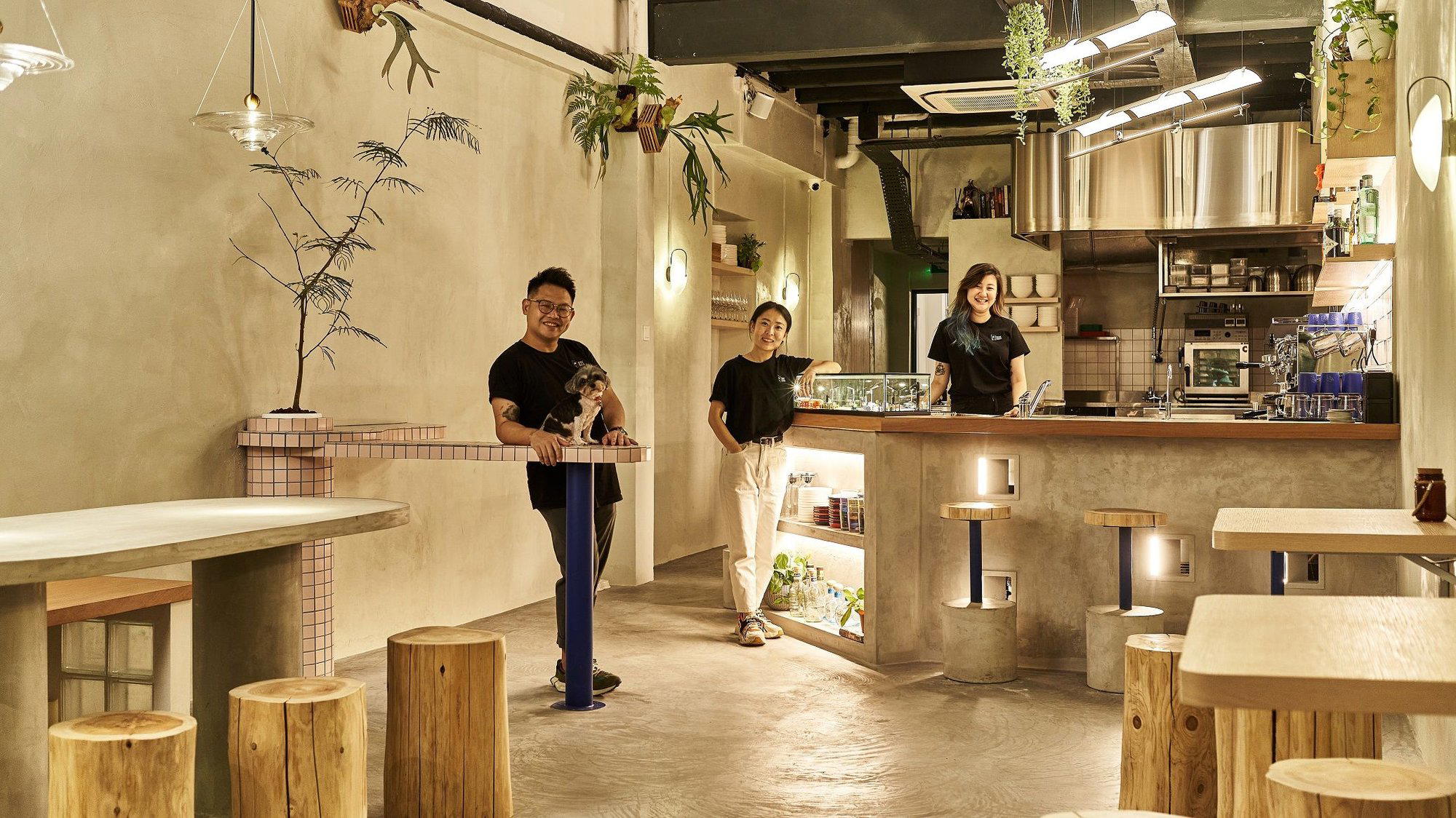
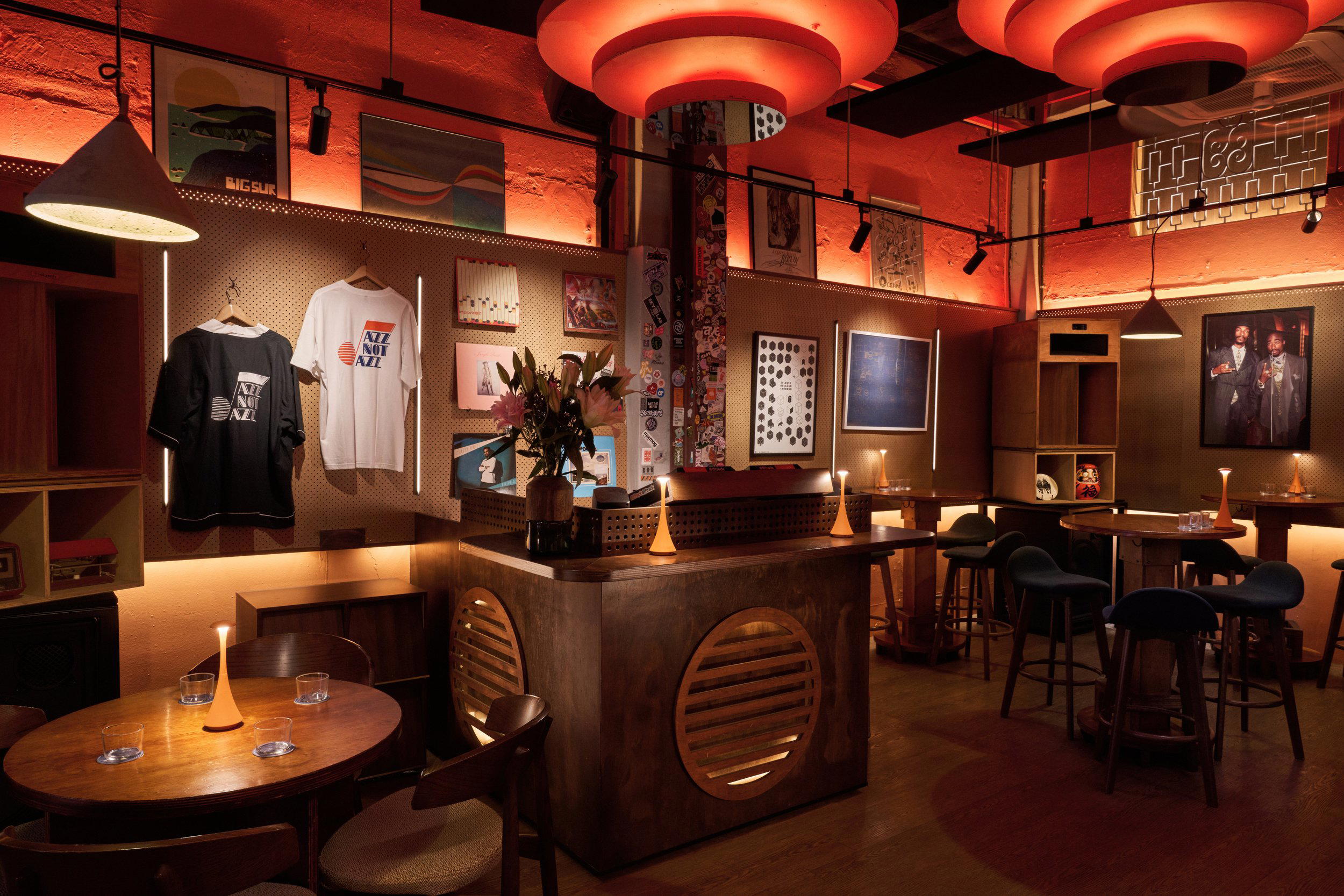
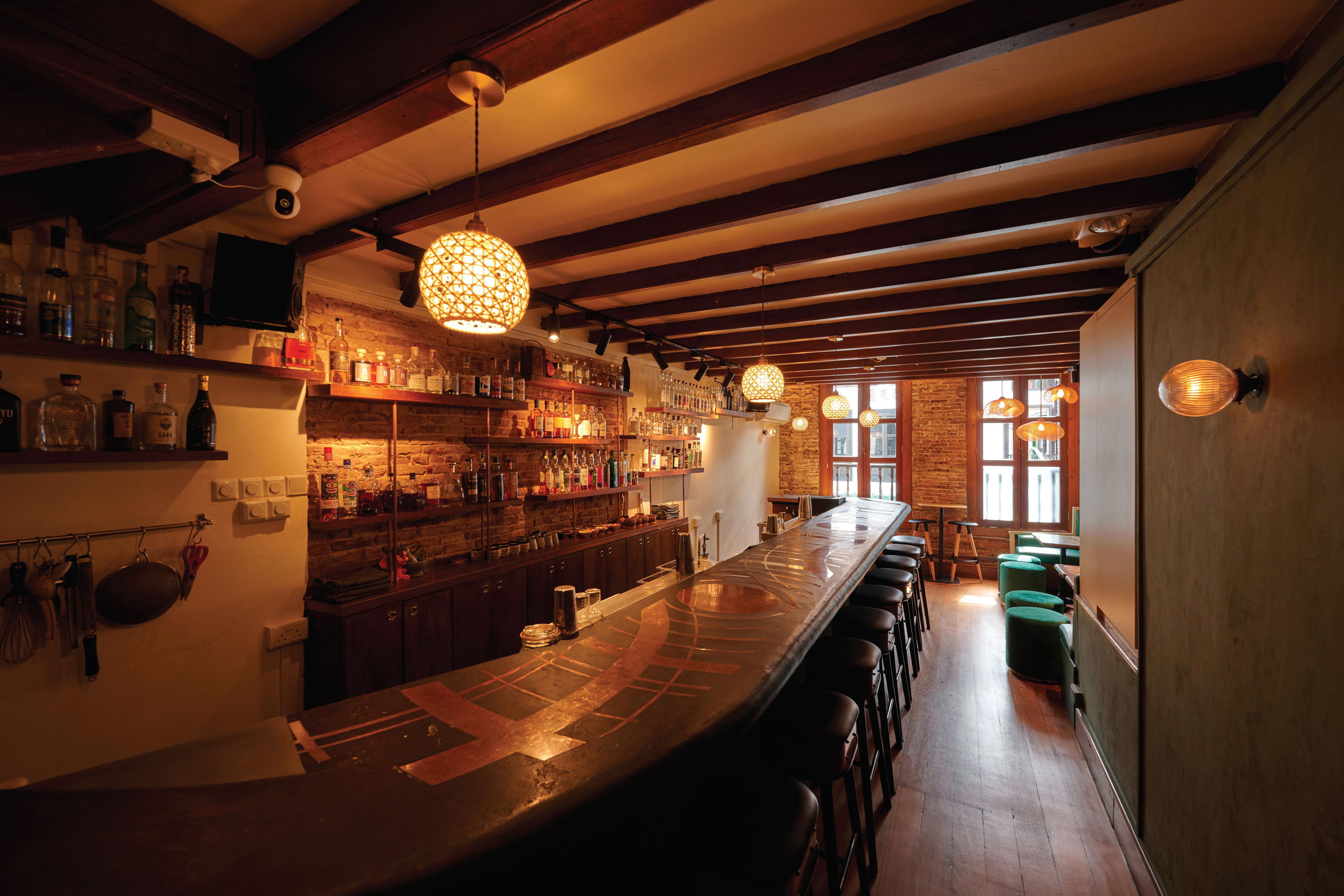
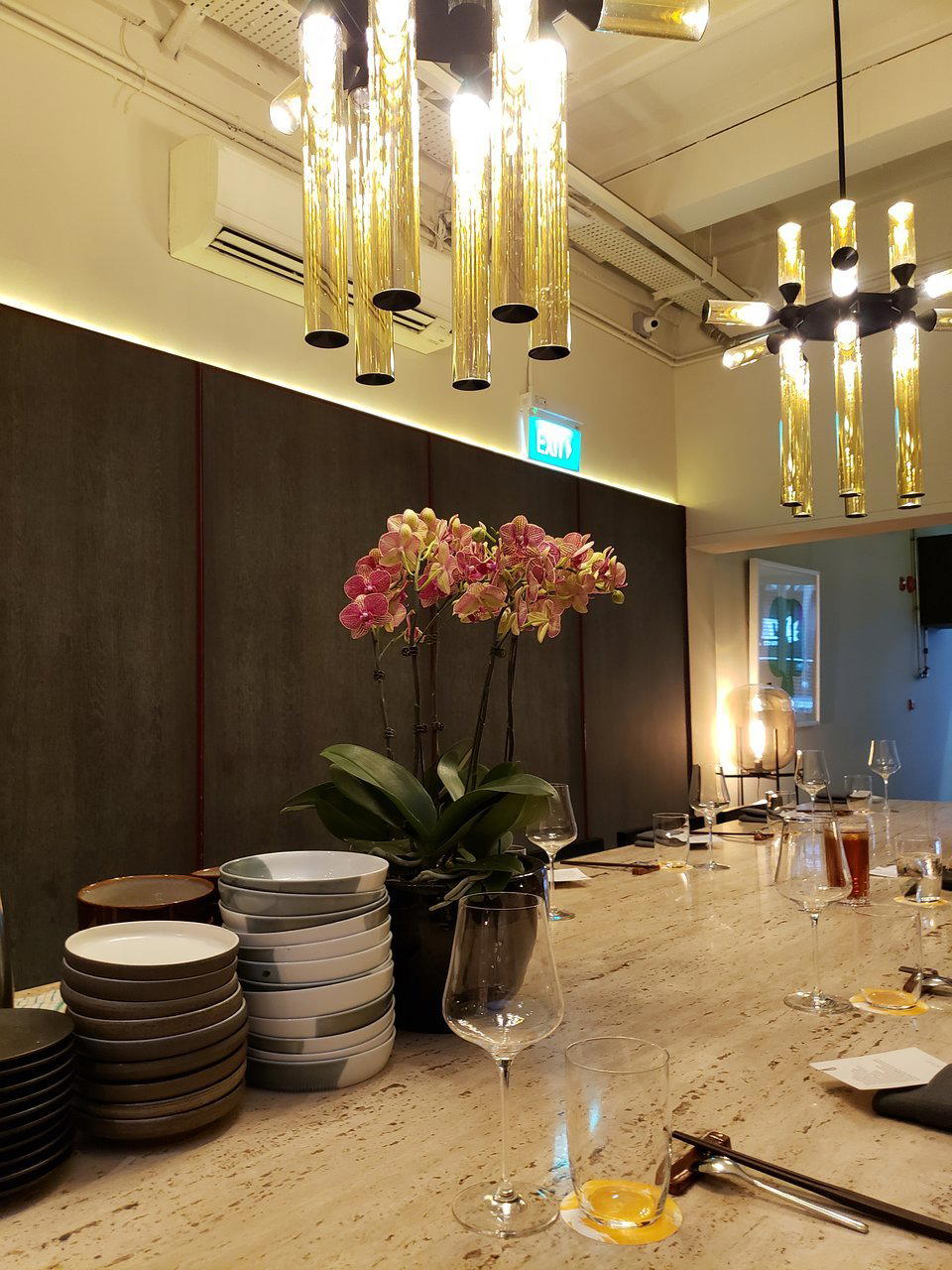
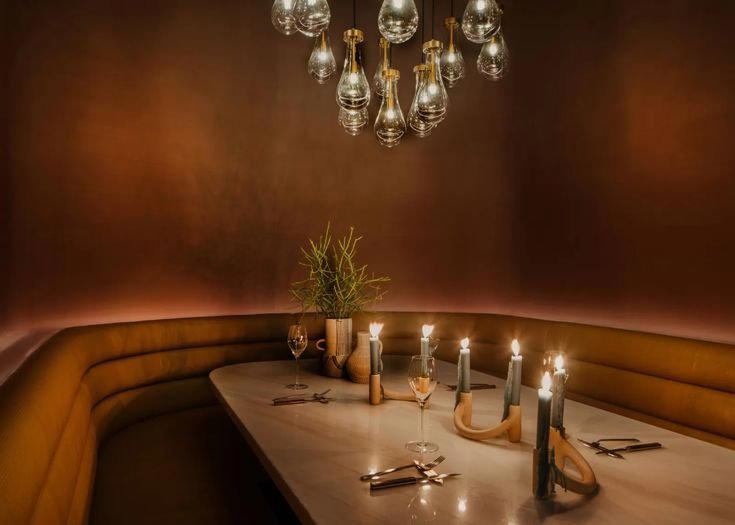
Clean, minimalist aesthetic with sleek lines and geometric design; intimate and cozy spaces enhanced by original Rococo-era windows and air wells; soft accent colors in lobby and bathrooms provide subtle warmth against the dominant monochrome palette.