Heavenly Mountain Resort
Heavenly Mountain Resort anchors the South Lake Tahoe winter scene with terrain that spans two states and a vertical drop of more than 3,500 feet. The resort's gondola serves as the de facto gateway between the California base village and the Nevada ridgeline, framing lake views that define the regional alpine experience. For ski-in access and four-season programming, it occupies a distinct position among Sierra Nevada mountain destinations.

Pearl is the En Primeur Club membership app, where members save venues, book tables and use the concierge.
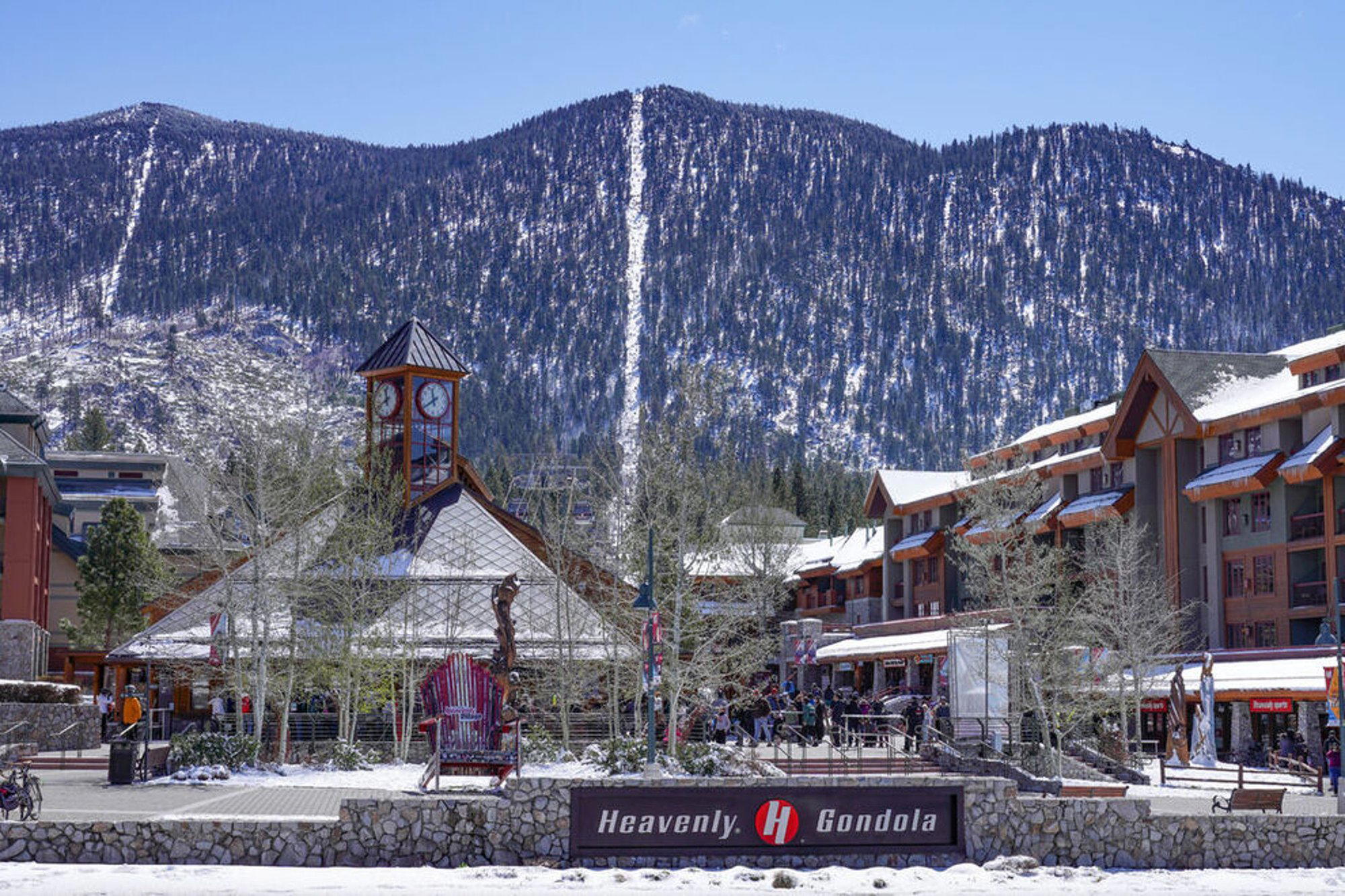
Where the Sierra Nevada Meets the State Line
South Lake Tahoe's identity as a winter destination rests, more than any other single factor, on the physical drama of its terrain. At this elevation, where California tips into Nevada along a ridgeline above 10,000 feet, the mountain itself becomes the architecture. Heavenly Mountain Resort operates at that threshold, and the gondola that lifts from the base village is less a piece of lift infrastructure than a defining structural feature of how the resort reads spatially. From the gondola cabin, Lake Tahoe expands across the western panorama as the California base shrinks below, and by the time the car reaches the mid-mountain observation deck, the Sierra crest is laid out in both directions. That sequence, the vertical lift from casino-adjacent flatland to exposed alpine ridge, is the experience that separates Heavenly from the more terrain-enclosed ski areas elsewhere in the Sierra.
The Logic of a Two-State Resort
Most large North American ski resorts are single-state operations. Heavenly's terrain spans California and Nevada, which means the resort's design had to account for two regulatory environments, two sets of base infrastructure, and two distinctly different guest populations arriving from opposite directions. The Nevada side, accessed via Stagecoach and Boulder lodges, draws a different flow of traffic than the California gondola base, and the mountain's trail network functions as the connective tissue between them. This is a resort where orientation matters more than at most comparable properties. Guests who arrive via the California gondola and migrate toward the Nevada basins encounter a different character of terrain: wider open bowls, more exposure, and sightlines that reach toward the Great Basin rather than the lake. For a destination in the American West, that geographic range is a structural argument for spending more than a single day on the mountain.
At those properties, the physical environment is so dominant that conventional hospitality programming becomes secondary to simply being present in the setting. Heavenly operates on the same principle at the mountain scale: the terrain is the product.
Architecture of the Mountain Village
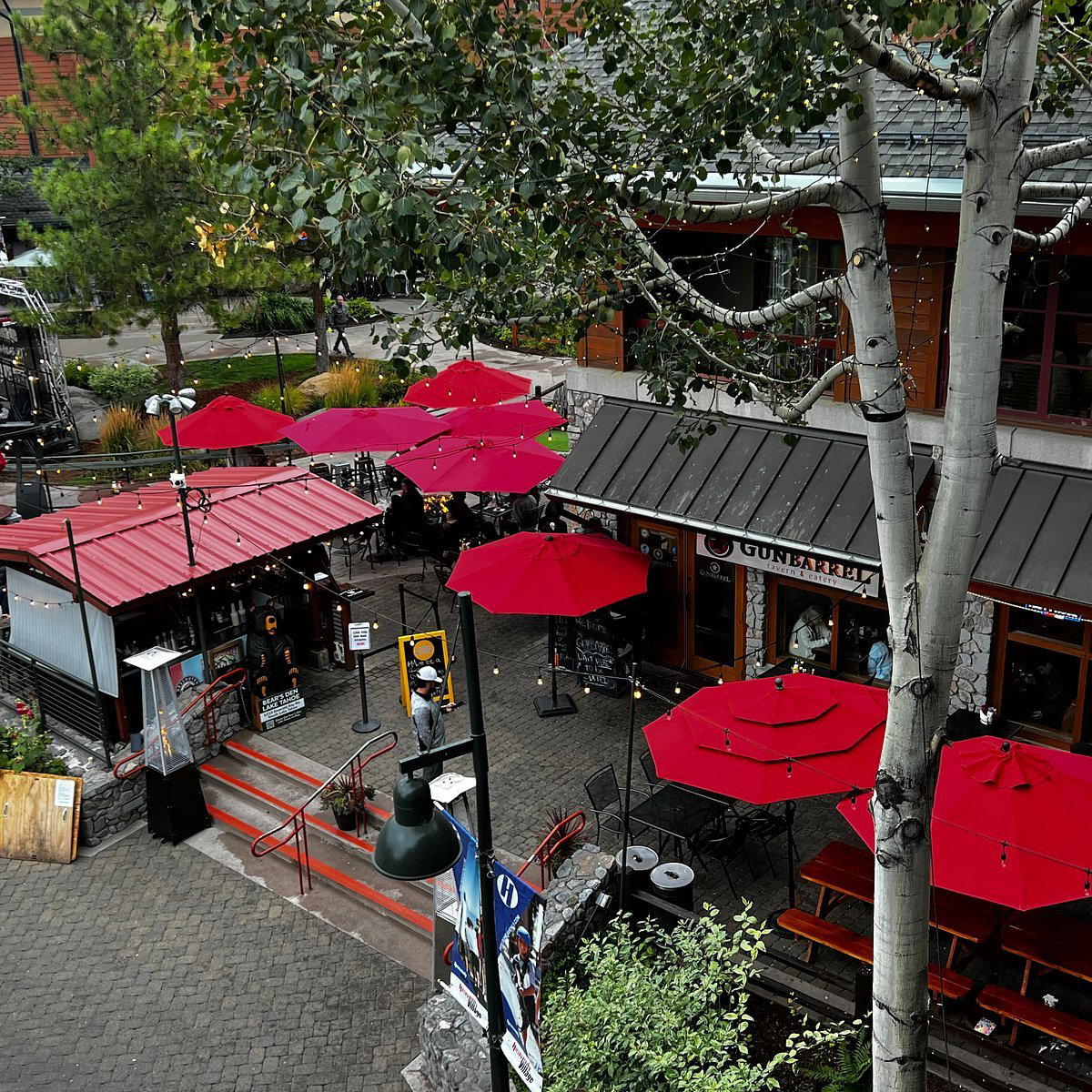
The base village at the California end of the gondola represents a particular moment in American ski resort development. Built out in the early 2000s under Vail Resorts' ownership, it reflects the planning logic of that era: a pedestrian-only village core with retail, dining, and accommodation concentrated around the gondola terminal. Compared to organically grown ski towns like those surrounding older New England resorts, the South Lake Tahoe base village is deliberately composed. The gondola building itself is the architectural anchor, and the surrounding structures defer to its sight lines. It is a planning approach that prioritizes legibility: arriving guests can orient themselves within minutes because the gondola terminal is unambiguously the center of gravity.
That clarity of layout has functional value at a resort of this size. With more than 4,800 acres of skiable terrain, guests need a reliable spatial anchor, and the base village provides one. Properties that follow similar design logic elsewhere in the American West, including Ambiente, A Landscape Hotel in Sedona and Sage Lodge in Pray, have used the same principle of aligning built structures around the dominant natural feature rather than competing with it.
Four Seasons at Elevation
Heavenly's programming calendar extends well beyond the ski season. Summer operations typically include the gondola running for sightseeing, mountain biking on designated trails, and access to the observation deck and ridge terrain for hikers. This positions the resort within a broader pattern of Sierra Nevada destinations that have extended their revenue model across multiple seasons rather than remaining exclusively winter operations. The lake itself, visible from the upper mountain in both directions, becomes the draw in summer in a way that the snowpack occupies in winter. South Lake Tahoe's position at the California-Nevada border also means the surrounding area carries a year-round density of activity that single-season ski destinations cannot match.
For a sense of how mountain resort hospitality operates at comparable altitude and ambition elsewhere in North America, Alpine Falls Ranch in Superior and Blackberry Farm in Walland both demonstrate how immersive landscape properties can sustain guest interest across seasons by building programming around the physical character of the land rather than a fixed activity type.
Positioning Within the Tahoe Basin
The Tahoe Basin contains a number of ski areas, and Heavenly's competitive position within that market is defined by two factors: its direct gondola access from a walkable base village, and its combination of lake views and high-altitude Nevada terrain. Resorts like Northstar and Kirkwood serve different segments of the Tahoe market. Northstar is oriented toward families and mid-mountain convenience; Kirkwood draws advanced skiers seeking more technical terrain in a less developed setting. Heavenly occupies a middle position that skews toward guests who want vertical drama and lake-facing aesthetics alongside serviceable on-mountain amenities. That positioning is closer to the experience logic of Post Ranch Inn in Big Sur than to either of its Tahoe Basin neighbors: the view from the building is as much a part of the product as what happens inside it.
For travelers building a California itinerary that includes multiple property types, Auberge du Soleil in Napa, Bernardus Lodge and Spa in Carmel Valley, and SingleThread Farm Inn in Healdsburg represent the wine country tier that pairs naturally with a Tahoe leg. The geographic logic of a California trip that moves from the Sierra to the coast is well-worn, and South Lake Tahoe functions as the mountain anchor in that kind of multi-destination itinerary. Our full South Lake Tahoe restaurants guide covers the dining options at the base and in the surrounding town for guests planning the full visit.
Planning Your Visit
Access to South Lake Tahoe from the San Francisco Bay Area runs approximately three to four hours by road depending on season and traffic, with the Highway 50 corridor being the primary California approach. Reno-Tahoe International Airport is the nearest commercial airport for guests flying in, sitting roughly an hour north of the resort on the Nevada side. Peak season demand concentrates in the December-to-March window, with President's Day weekend and the weeks around the winter holidays representing the highest-traffic periods. Booking accommodation and lift tickets well in advance of those windows is standard practice for the resort. The gondola operates on its own seasonal schedule that extends into summer, so confirming operational dates before a non-winter visit is worth doing. Comparable mountain resort properties, including Kona Village, A Rosewood Resort in Kailua Kona and Little Palm Island Resort and Spa in Little Torch Key, follow similar seasonal booking rhythms where advance planning provides access to better availability across the board.
At-a-Glance Comparison
| Venue | Price | Awards |
|---|---|---|
| Heavenly Mountain ResortThis venue (the venue you are viewing) | Not listed | Not listed |
| Aman New York | Not listed | 3 Michelin Keys · World's 50 Best #87 |
| Amangiri | $1,000–1,500 | 3 Michelin Keys · World's 50 Best #45 |
| Hotel Bel-Air | $750–1,000 | 3 Michelin Keys · World's 50 Best #57 |
| The Beverly Hills Hotel | Not listed | 3 Michelin Keys · World's 50 Best #65 |
| The Carlyle, A Rosewood Hotel | $1,500–2,500 | 2 Michelin Keys · World's 50 Best #64 |
Continue exploring
More in South Lake Tahoe
Hotels in South Lake Tahoe
All hotels in South Lake Tahoe →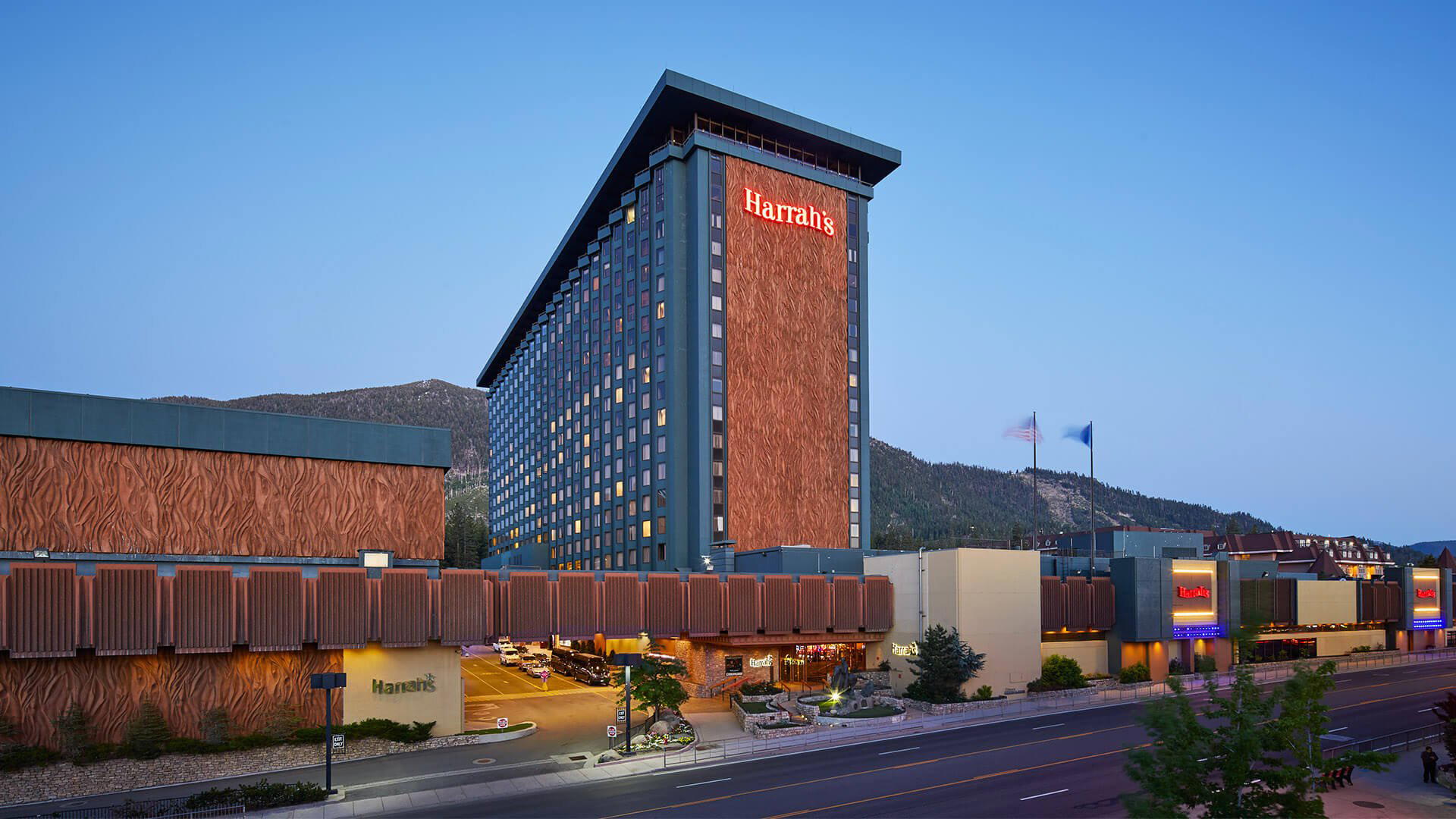
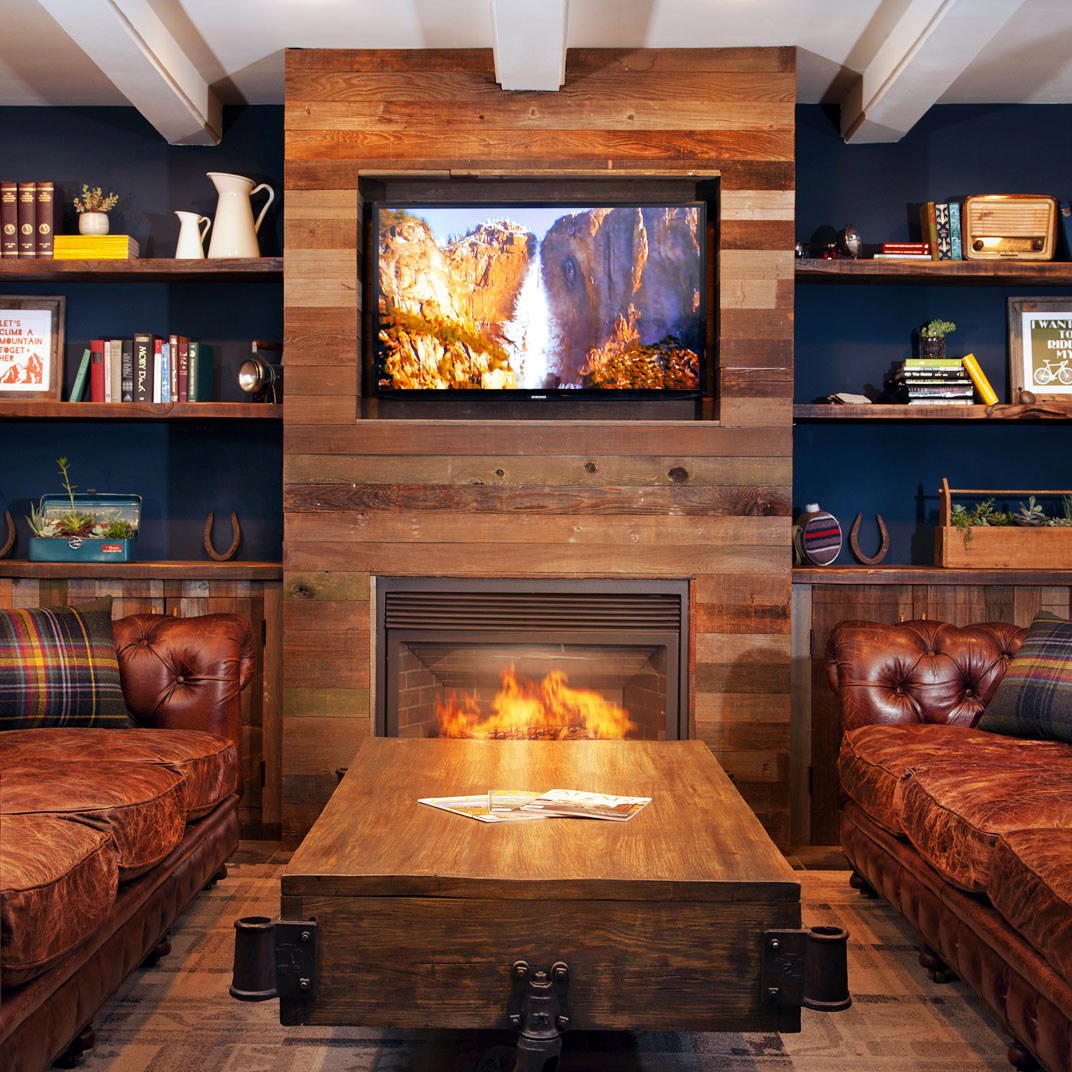
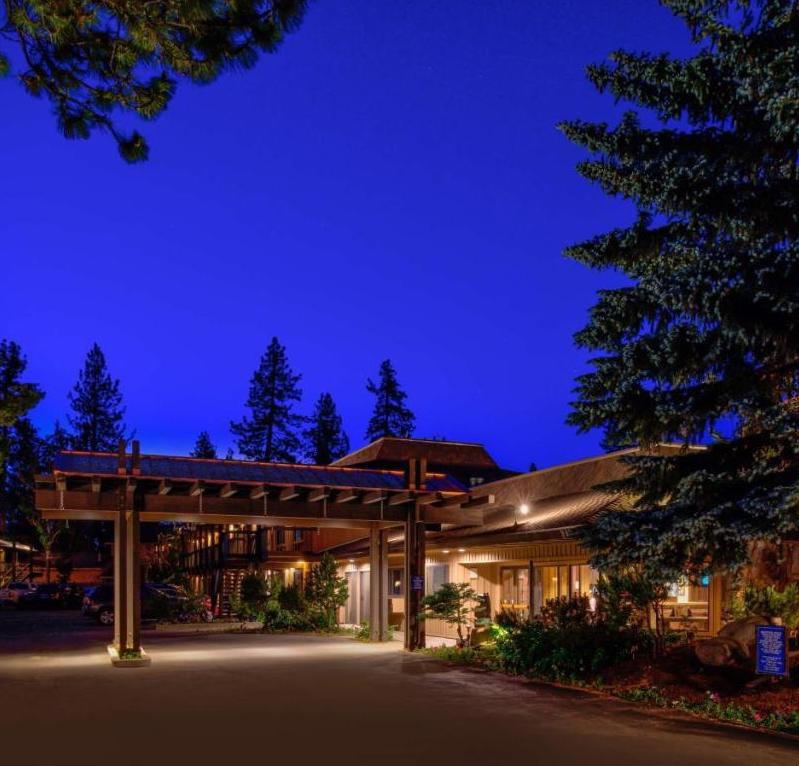

Details
- Scenic
- Rustic
- Cozy
- Family Vacation
- Weekend Escape
- Group Retreat
- Panoramic View
- Pool
- Spa
- Fitness Center
- Mountain
Current opening hours
- Monday
- Closed
- Tuesday
- Closed
- Wednesday
- Closed
- Thursday
- Closed
- Friday
- 10 am–5 pm
- Saturday
- 10 am–5 pm
- Sunday
- 10 am–5 pm
Hours can change for holidays and private events. Last verified .
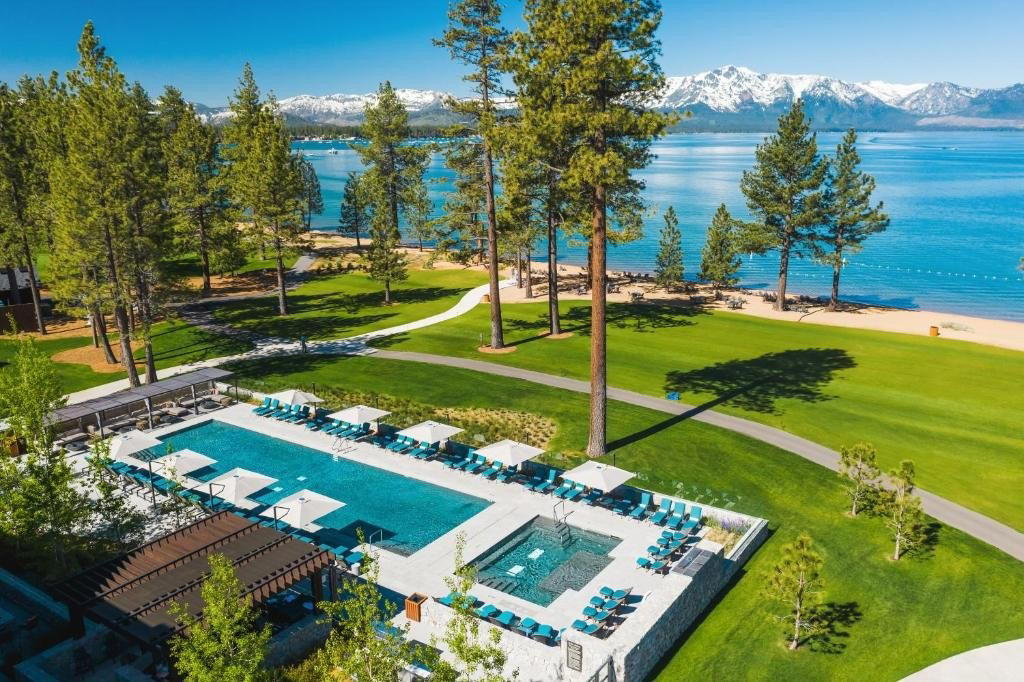
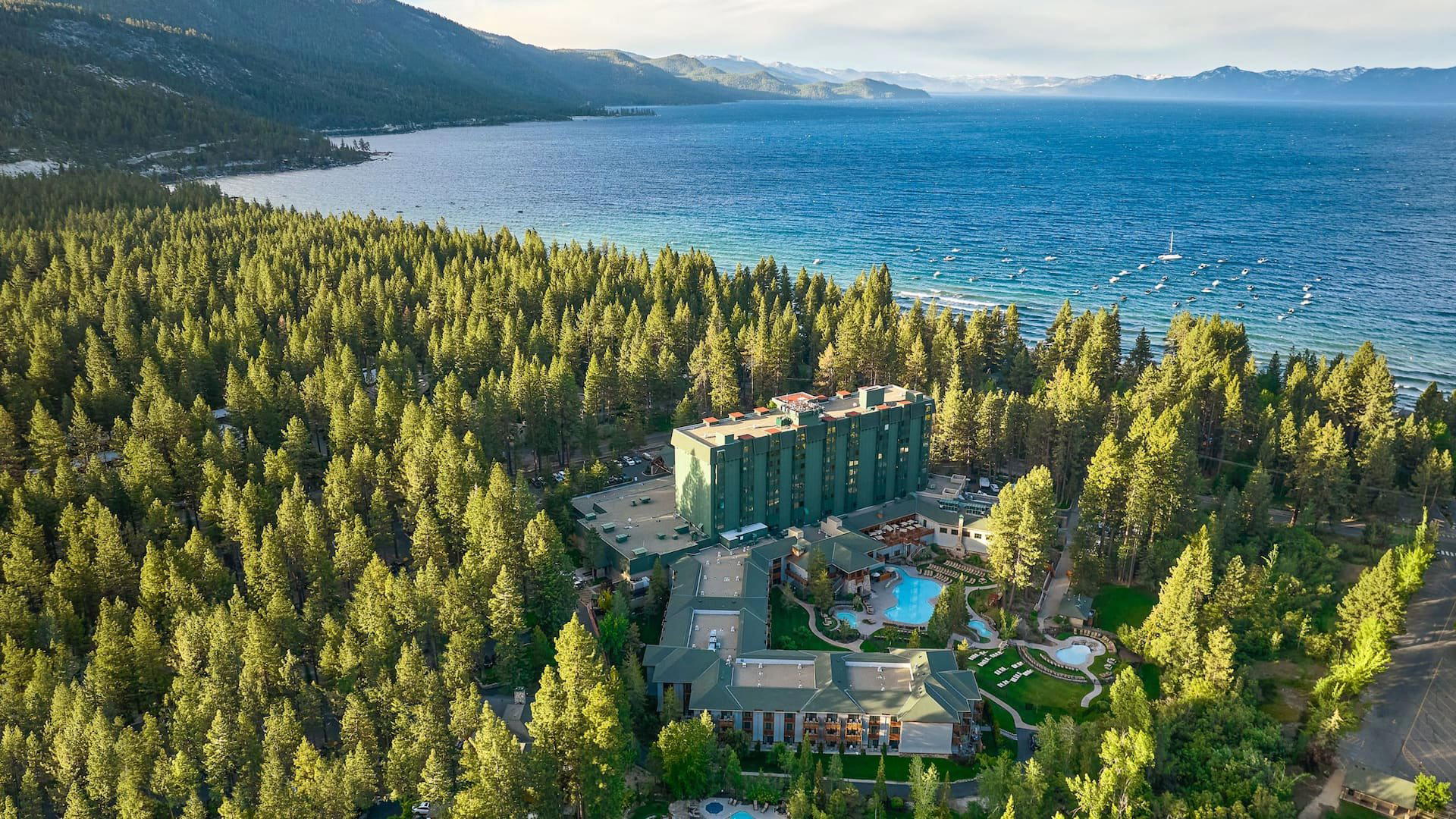
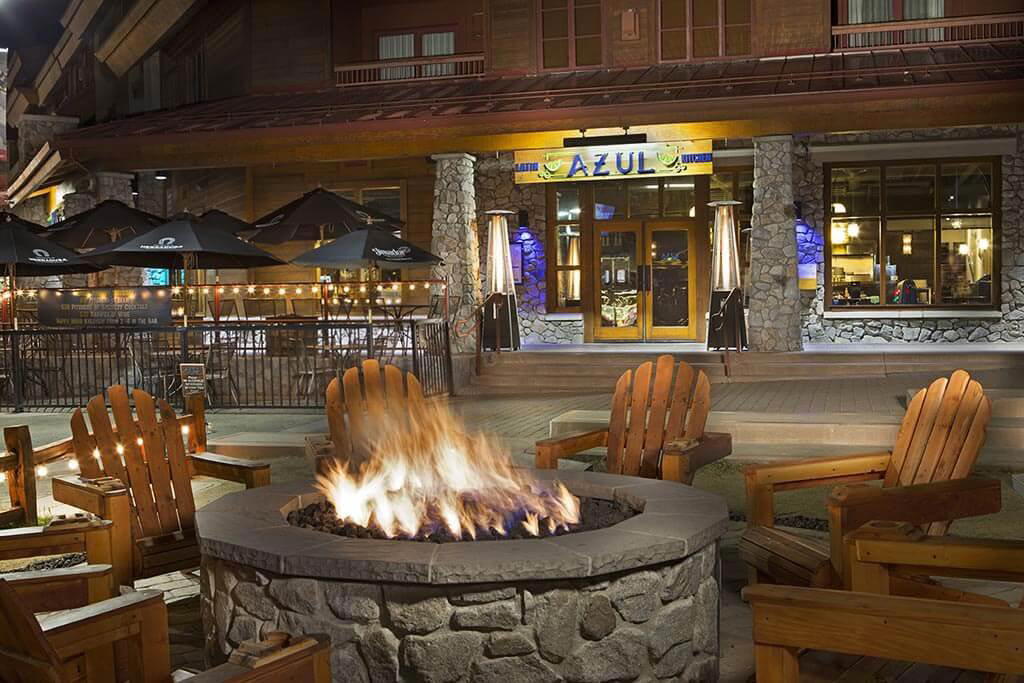
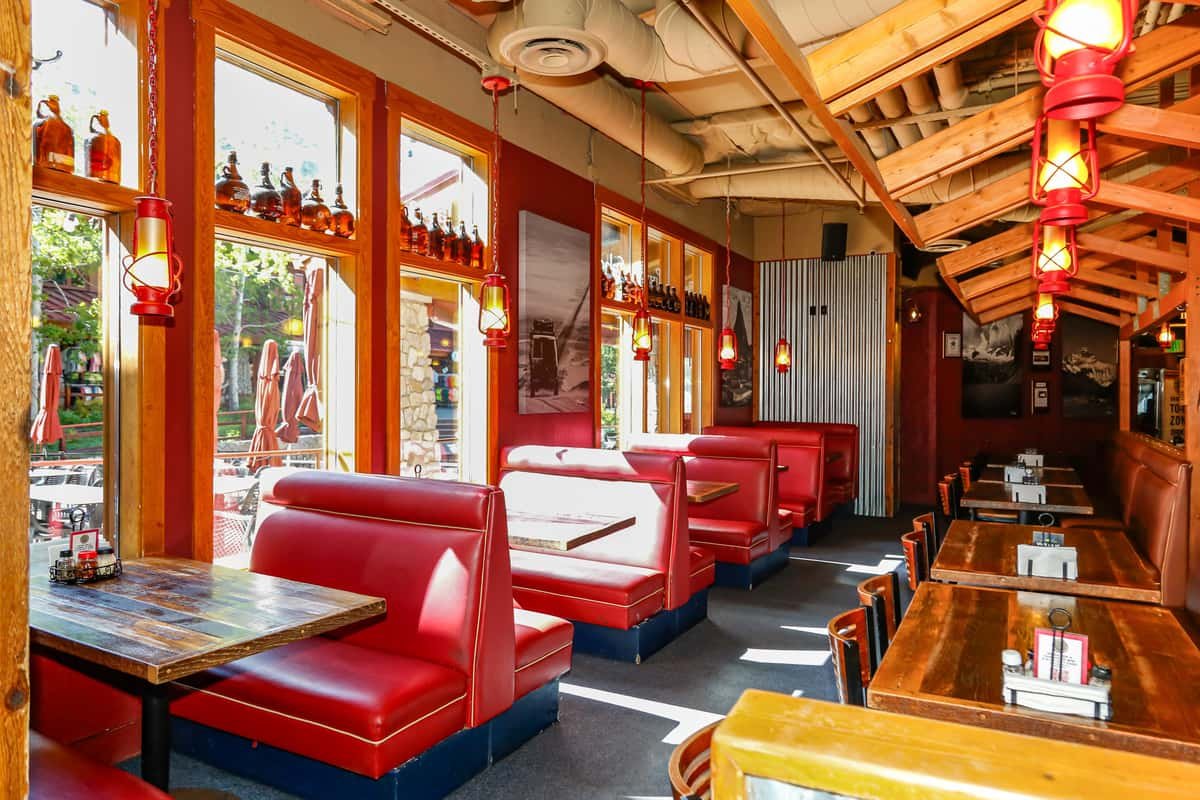
Alpine mountain atmosphere with dramatic vistas and energetic après-ski energy in surrounding village.