Great Plains Selinda

Relais Chateaux Award
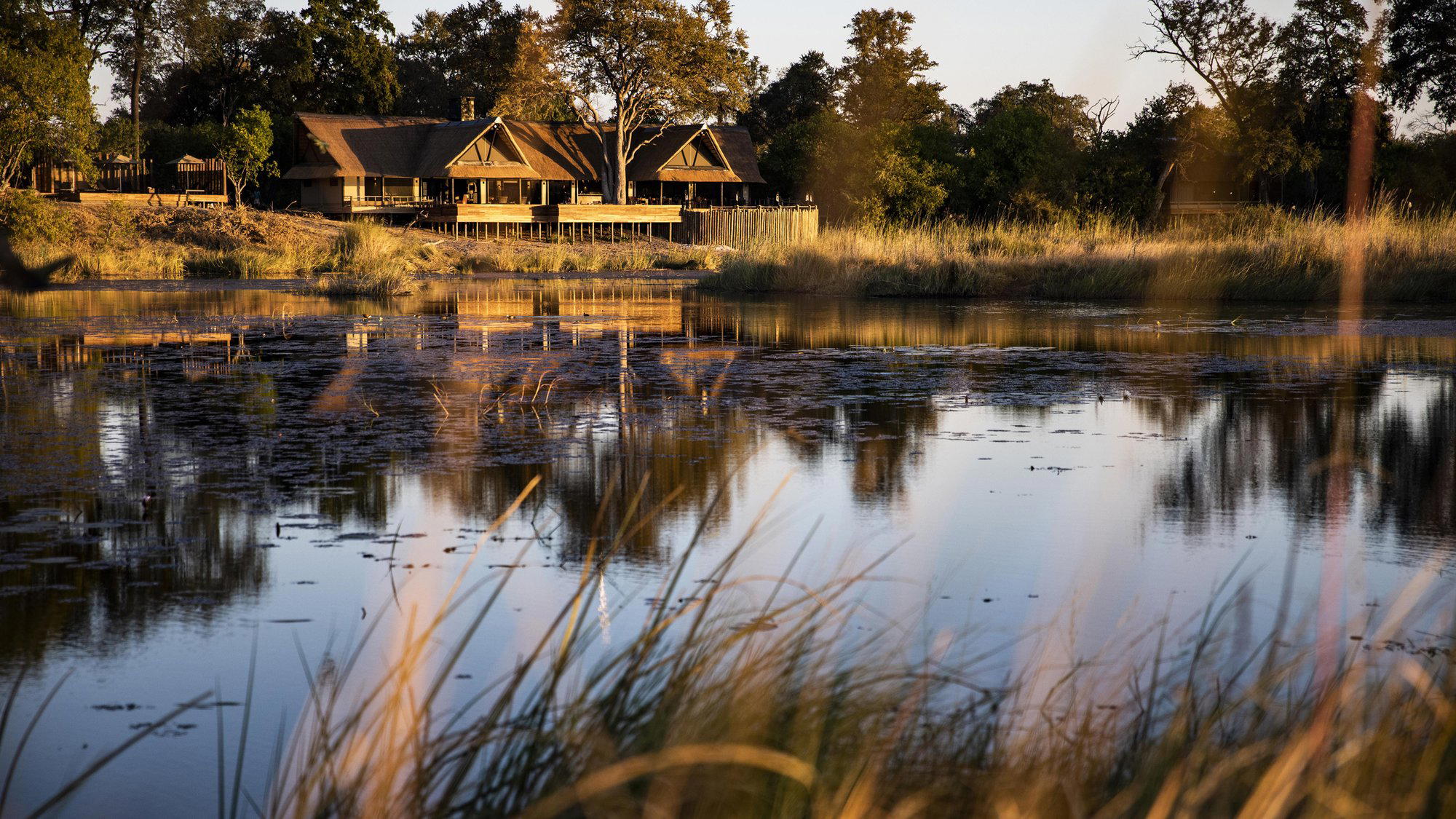
Great Plains Selinda belongs to Botswana’s low-density safari tradition, where design is measured by restraint rather than spectacle. In the private Selinda Reserve, between the Okavango Delta and the Linyanti-Savute systems, the experience is defined by canvas architecture, ecological intent, and access to a wildlife corridor known for lions, wild dogs, elephants, hippos, and lagoon country.

Pearl is the En Primeur Club membership app, where members save venues, book tables and use the concierge.
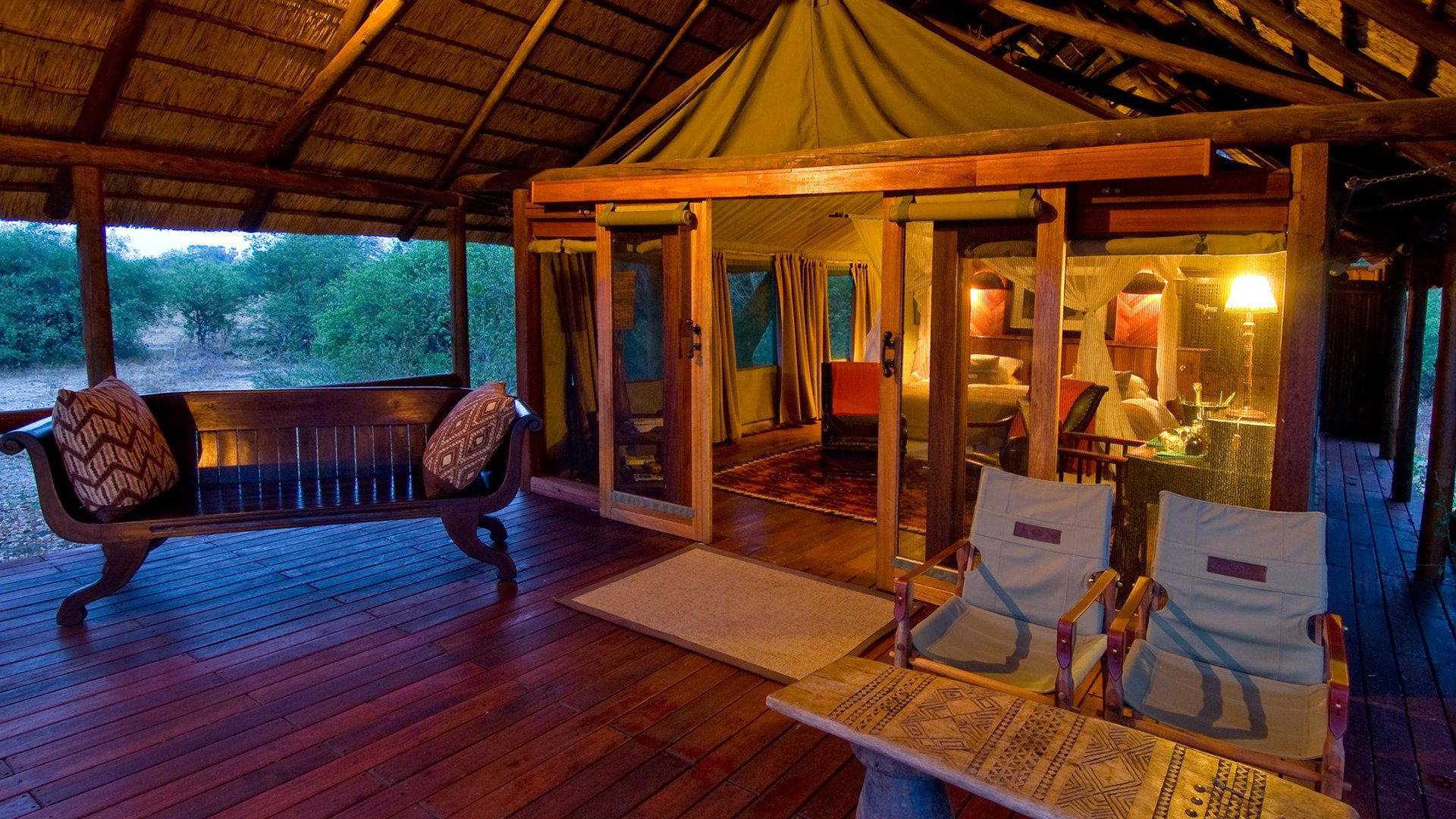
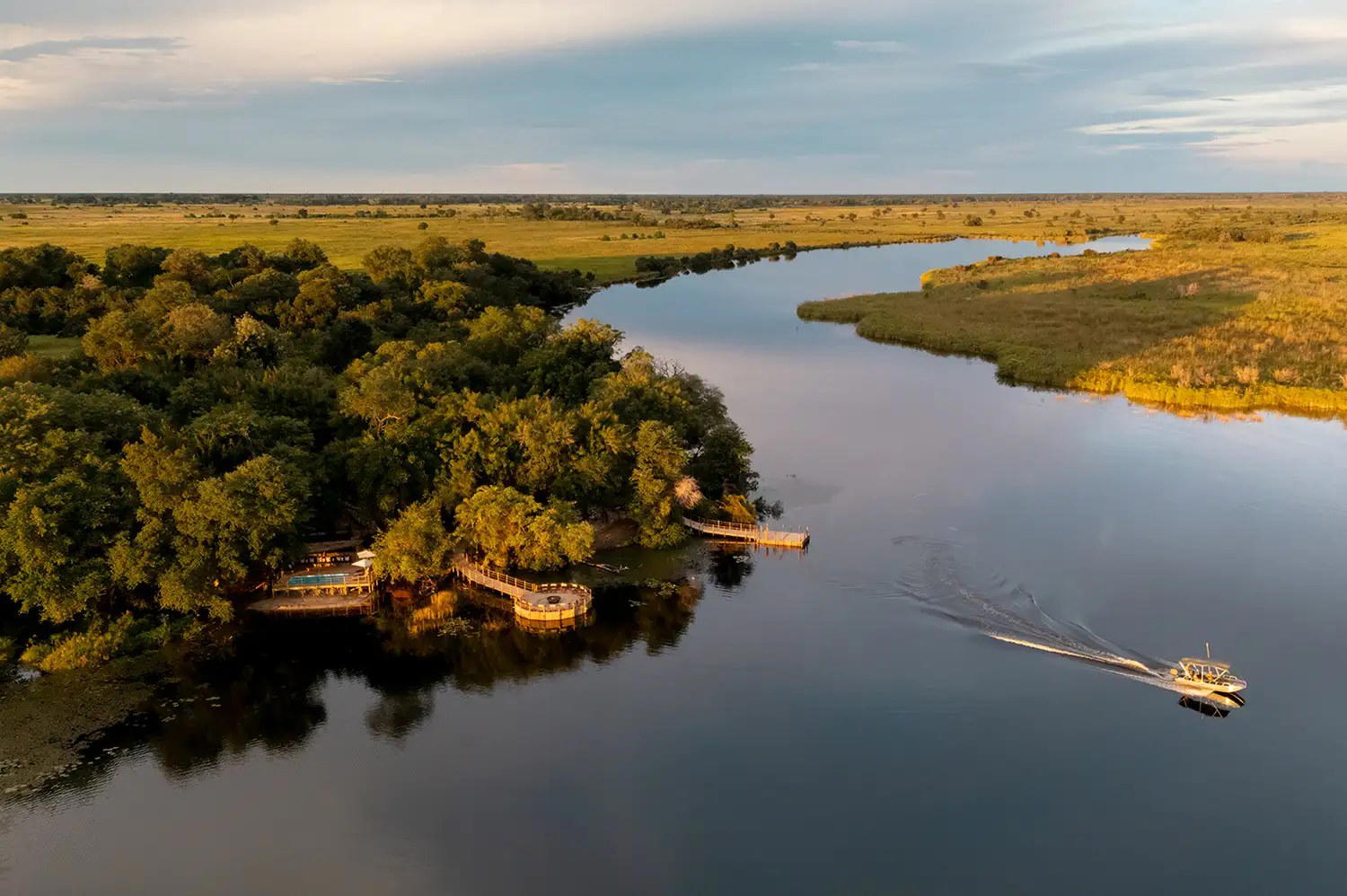
Approach in this part of northern Botswana is less about arrival theatre than scale: floodplain, woodland, lagoon edge, and long horizons replacing the usual hotel choreography. Great Plains Selinda sits in the Selinda Reserve, a private tract linking the Okavango Delta with the Linyanti and Savute river systems. That geography matters. It places the camp in a corridor rather than a single-view safari setting, where water, grassland, and predator country shape the rhythm of the stay.
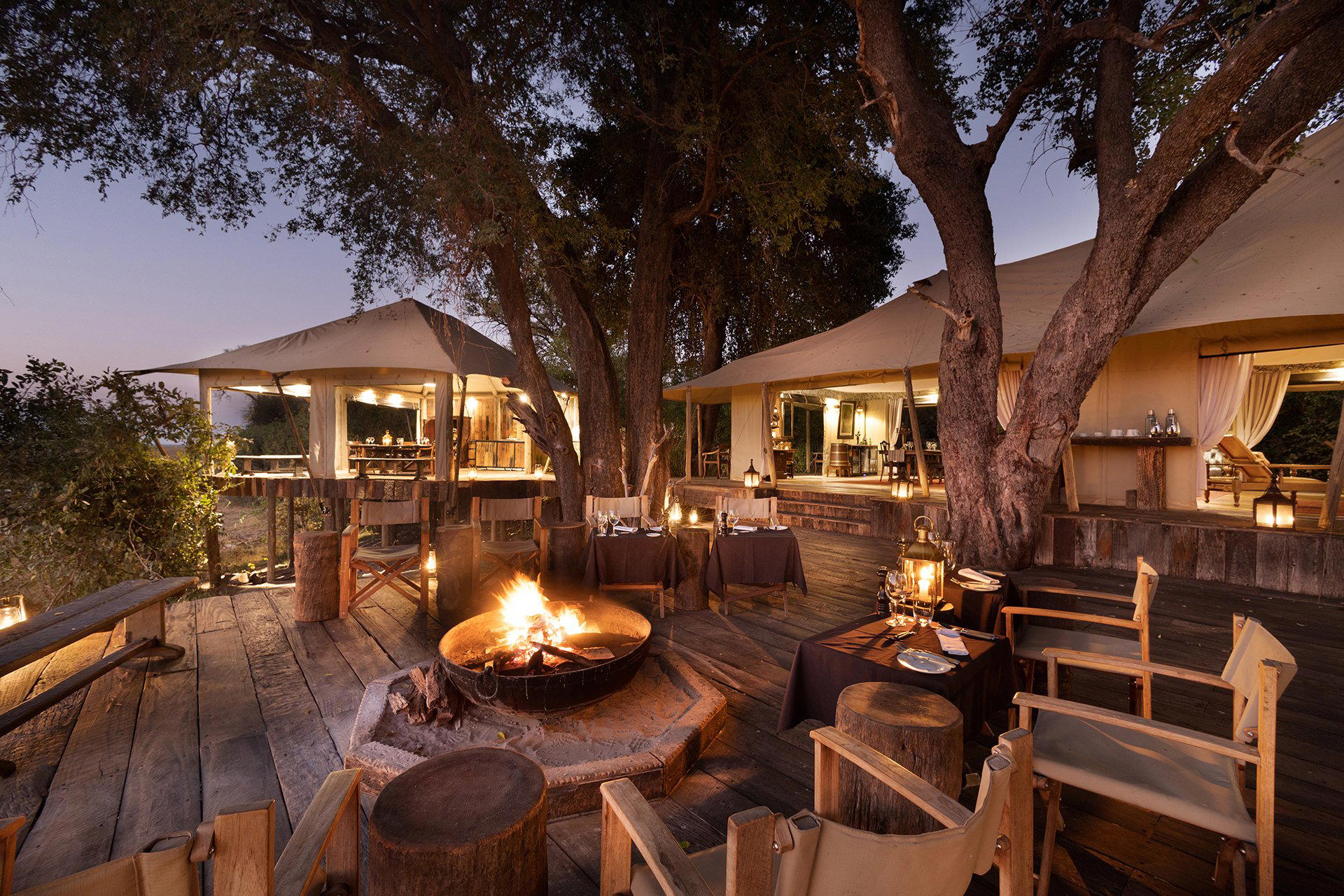
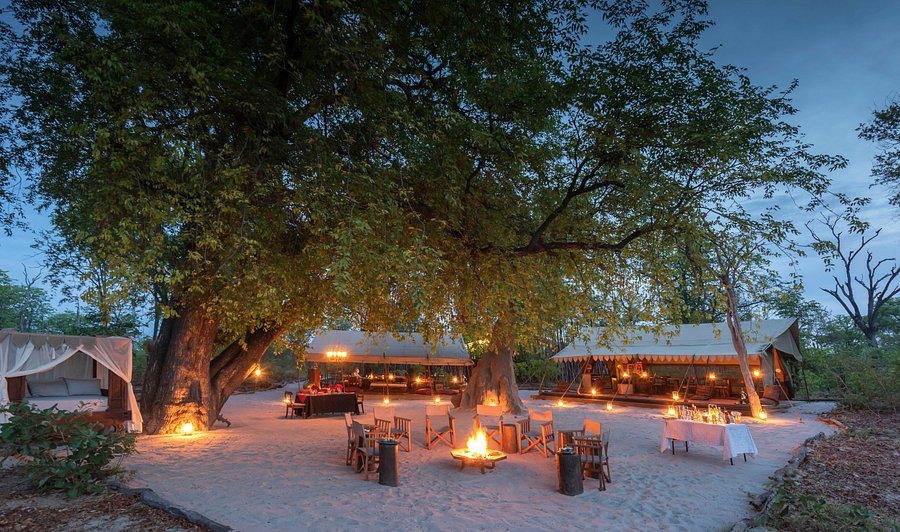
Botswana’s premium camps tend to divide into two camps of thought. Some lean into polished lodge architecture; others keep the safari grammar closer to canvas, timber, shade, and a lighter physical footprint. The Great Plains Conservation approach belongs to the second camp. The point is not rusticity. It is a controlled version of early safari aesthetics, updated for comfort but still dependent on the sensation that the built environment can recede behind the reserve.
Canvas architecture in a private corridor between Delta and Linyanti
The design interest here is the way the camp format borrows from traditional safari language without treating nostalgia as decoration. Tented suites, ecological intent, and a low-rise presence suit a reserve where the landscape is the primary architecture. In Botswana, that restraint is not incidental; it is part of the country’s higher-value, lower-density safari model, where exclusivity is created by concession access and space rather than by urban-hotel hardware.
The Selinda Reserve’s position gives the setting a different identity from camps fixed deep in the Delta or along a single riverfront. The Okavango influence brings water and lagoon systems into the broader picture, while the Linyanti and Savute connection adds the harsher, predator-rich northern Botswana register. For travellers comparing regional safari styles, that makes Selinda a useful middle ground: less purely aquatic than parts of the Delta, less river-cruise oriented than Chobe, and more private in feel than heavily trafficked national-park routes.
That context also explains why the camp’s design should be judged against other conservation-led safari properties rather than against conventional resort benchmarks. Nearby and regional comparisons help clarify the decision. Wilderness DumaTau in Linyanti speaks to the Linyanti riverine model; Wilderness King's Pool Camp belongs to the same broader northern Botswana conversation; Moremi Game Reserve and the Duba Concession point toward Delta and concession-based alternatives. Great Plains Selinda is most convincing for travellers who want the design to support wilderness immersion rather than compete with it.
Wildlife gives the design its purpose
The reserve is known for rare-animal density and broad species variety, including endangered African wild dogs, hippos in lagoon country, large elephant herds, and the lions associated with Birth of a Pride, the National Geographic film by Derek and Beverley Joubert. Those facts are the strongest trust signal here because they place the camp inside a documented conservation and wildlife narrative, not simply a luxury-safari category.
In practical terms, this is where architecture becomes operational. A camp in this setting has to frame anticipation: early light, shaded downtime, long outward views, and a sense that animals may define the day more than any internal schedule. The physical space works when it lets the reserve remain dominant. Heavy design gestures would feel wrong in a landscape where lion movement, wild dog sightings, elephant herds, and water levels carry more authority than decorative drama.
The camp also sits within a broader Botswana circuit that rewards careful sequencing. Travellers building a route might compare it with andBeyond Nxabega Okavango Tented Camp in Okavango Delta for a more Delta-focused stay, Sanctuary Chief's Camp in Moremi Game Reserve for a Moremi emphasis, andBeyond Chobe Under Canvas in Chobe National Park or Zambezi Queen in Chobe River for Chobe-oriented travel, and Jack's Camp in Makgadikgadi Salt Pans for a radically different desert-salt-pan counterpoint. Belmond Safaris in Maun is useful in the planning conversation because Maun often functions as a gateway in Botswana itineraries.
How to place Selinda in a wider luxury-safari itinerary
Selinda Reserve is not an urban destination with walk-out dining, bar-hopping, or independent cultural programming. It belongs to the fly-in safari logic of remote Botswana, where the value lies in concession access, guiding quality, and time in the field. Readers comparing local categories can use Our full Selinda Reserve hotels guide as the natural starting point, while Our full Selinda Reserve experiences guide is the more relevant companion than city-style nightlife research. The area’s standalone dining, drinking, and wine infrastructure is secondary to camp-based hospitality, though broader category pages remain useful for orientation: Our full Selinda Reserve restaurants guide, Our full Selinda Reserve bars guide, and Our full Selinda Reserve wineries guide.
International hotel comparisons can be misleading unless the design question is made precise. Urban sustainability-led properties such as 1 Hotel Brooklyn Bridge in New York City, 1 Hotel Central Park in New York City, 1 Hotel Mayfair in London, 1 Hotel Copenhagen in Copenhagen, 1 Hotel Austin in Austin, 1 Hotel Nashville in Nashville, 1 Hotel Melbourne in Melbourne, 1 Hotel Haitang Bay, Sanya in Sanya, and 1 Hotel Hanalei Bay in Princeville use nature as an urban or resort design language. Selinda operates in the reverse direction: the wilderness is already present, so the architecture has to reduce interference.
That distinction is also clear when set against smaller independent stays outside Africa, from! Xaus Lodge in Dawid Kruiper to. Here Baa Atoll Maldives in Baa Atoll, "Róże i Zen" Apartamenty. Pokoje Gościnne in Torun, and 〒600-8176 Kyoto, Shimogyo Ward, Kitamachi, 190 ホテルカンラ京都 in Kyoto Shi. Those properties are useful reminders that scale alone does not define intimacy. At Selinda, intimacy comes from remoteness, private-reserve context, and the discipline of a camp that lets Botswana’s northern wilderness carry the drama.
Fast Comparison
Comparable venues by cuisine and price in the same metro.
| Venue | Cuisine | Price | Awards | Notes |
|---|---|---|---|---|
| Great Plains SelindaThis venue (the venue you are viewing) | High-end, Relais & Châteaux–affiliated tented safari camp in a private wilderness reserve. | $1,500–2,500 | Relais Chateaux Award | Not listed |
| Xugana Island Lodge | luxury tented eco-lodge with classic safari elements and modern comforts | Not listed | Travel + Leisure It List Hotels | Okavango Delta |
| Tawana | Contemporary luxury safari camp rooted in local Batawana heritage and conservation. | $1,500–2,500 | AFAR Best New Hotels | Moremi Game Reserve |
| Savute Elephant Lodge, A Belmond Safari, Botswana | Luxurious tented safari camp with eco-conscious design | $1,000–1,500 | La Liste Top Hotels | Chobe National Park |
| andBeyond Chobe Under Canvas | mobile luxury tented camp blending rustic camping with five-star service | Not listed | Preferred Hotels Member | Chobe National Park |
| Wilderness King's Pool Camp | Luxurious tented safari camp with raised decks for wildlife viewing | Not listed | La Liste Top Hotels | Linyanti |
Recognition history
Dated appearances from independent guides and award organizations, with the underlying list record or original source where available.
Relais Chateaux Award
Relais Chateaux
Continue exploring
More in Selinda Reserve
Hotels in Selinda Reserve
All hotels in Selinda Reserve →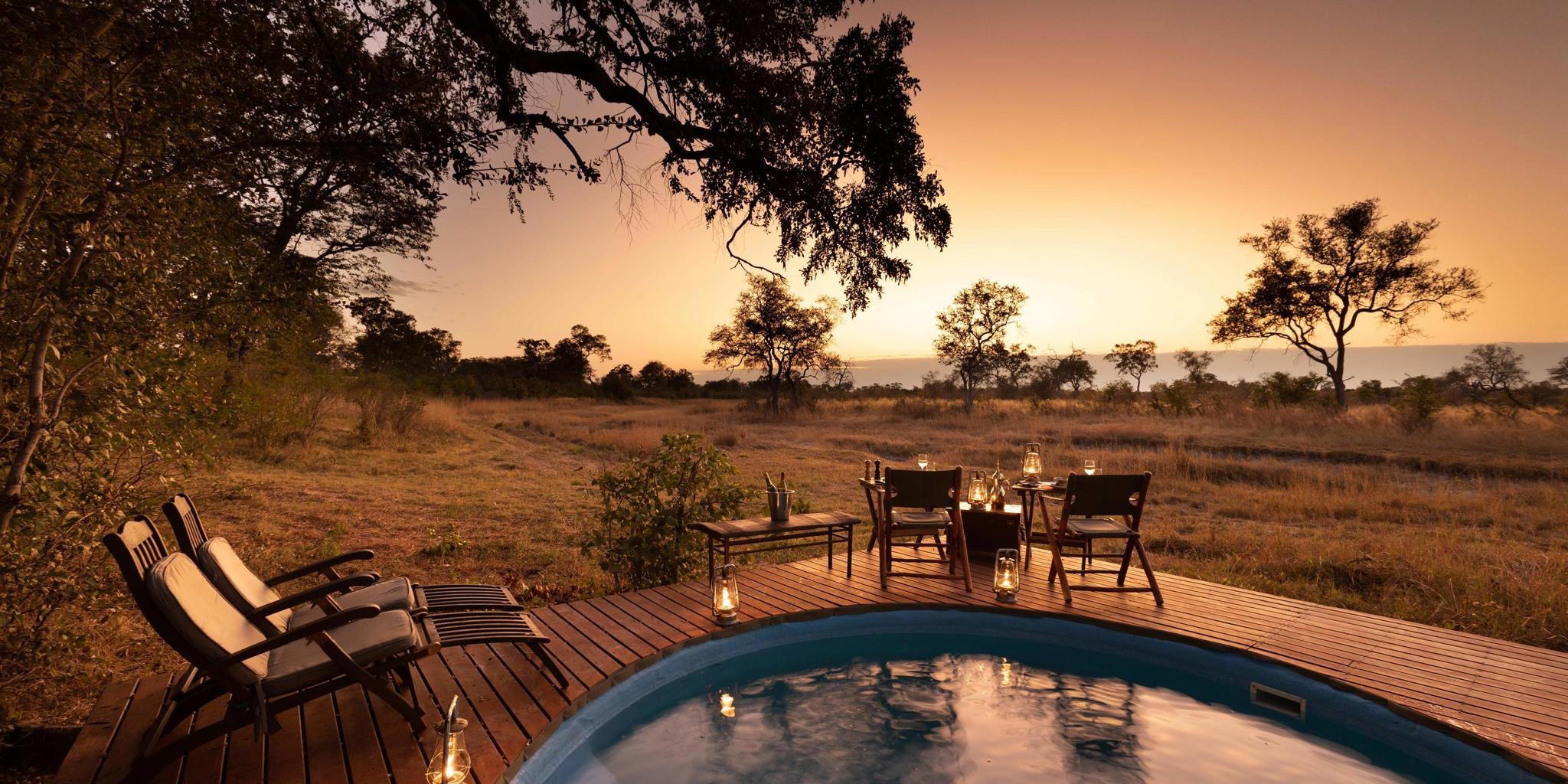
Details
- Scenic
- Romantic
- Elegant
- Rustic
- Intimate
- Honeymoon
- Romantic Getaway
- Family Vacation
- Anniversary
- Weekend Escape
- Group Retreat
- Waterfront
- Panoramic View
- Private Dining
- Wi Fi
- Pool
- Concierge
- Waterfront
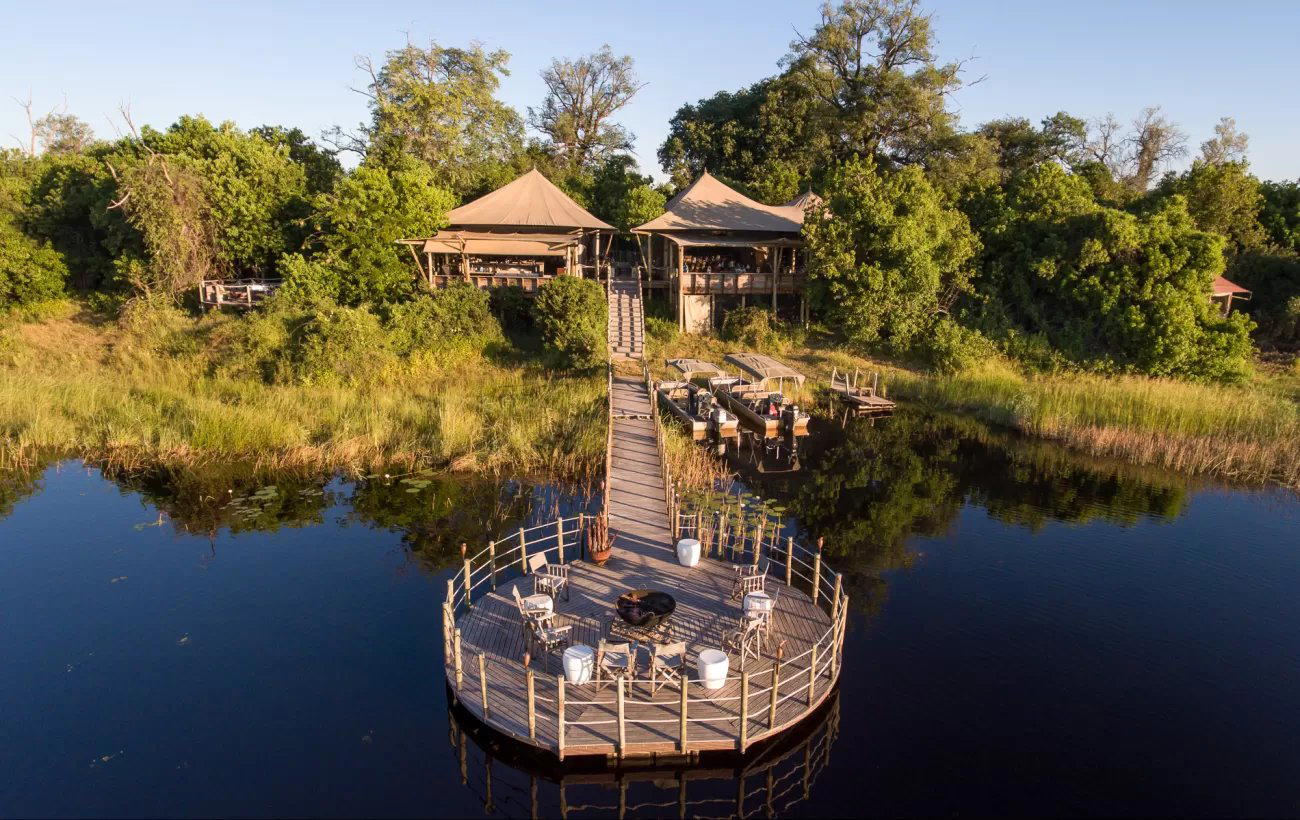
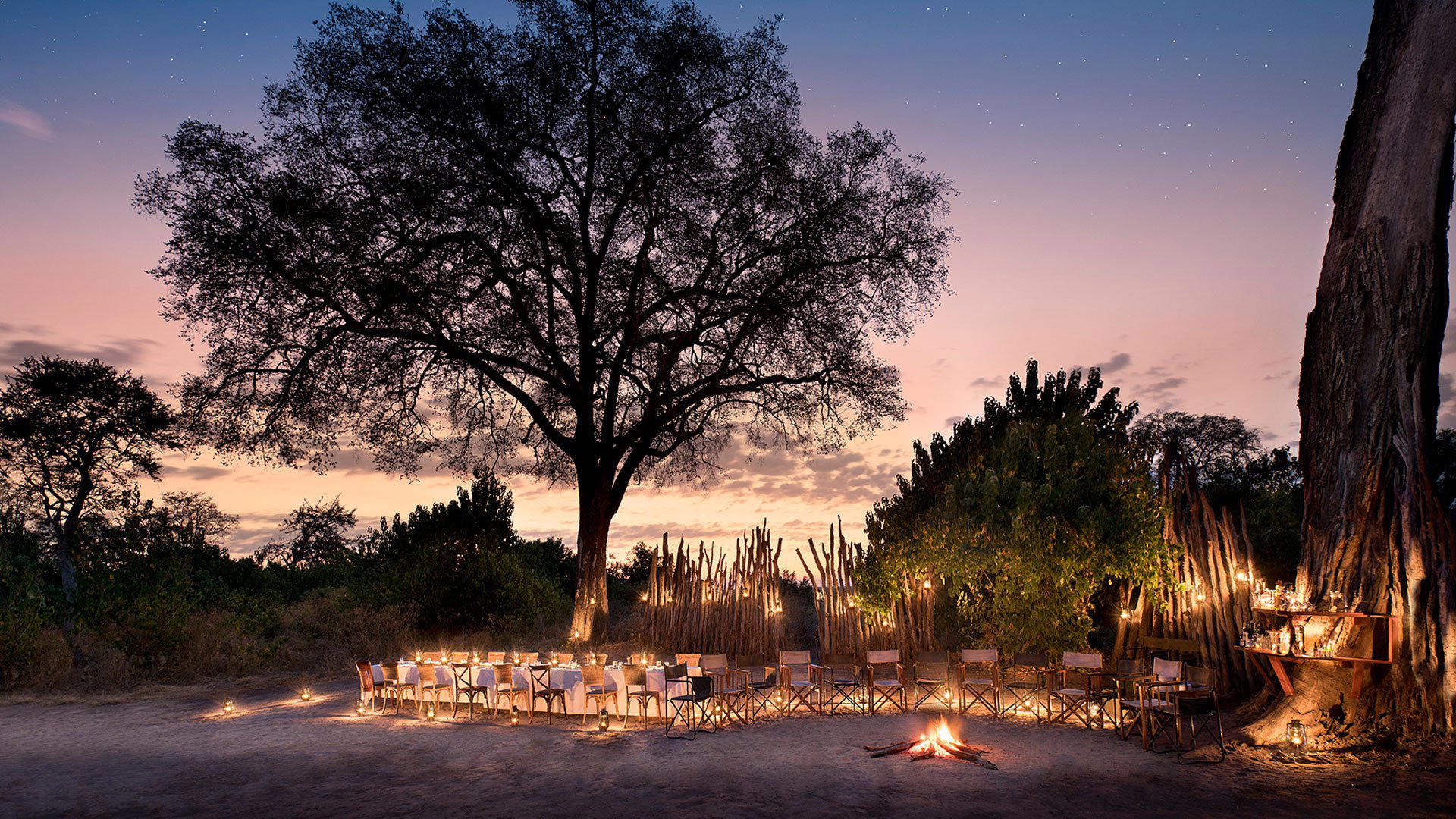
Secluded and tranquil with a refined safari atmosphere, combining canvas-and-timber rusticity with elegant, decadent décor and views over the watercourse and floodplains; evenings are typically candlelit and relaxed, focused on post-drive storytelling around the fire and communal dining.