Our verdict
Boma belongs to the safari-camp dining tradition of Linyanti, where the meal is shaped as much by fire, night air, and camp rhythm as by the plate. Its position behind the main pavilion gives it a different register from deck or poolside formats: less about restaurant ceremony, more about the communal grammar of a bush dinner.

Pearl is the En Primeur Club membership app, where members save venues, book tables and use the concierge.
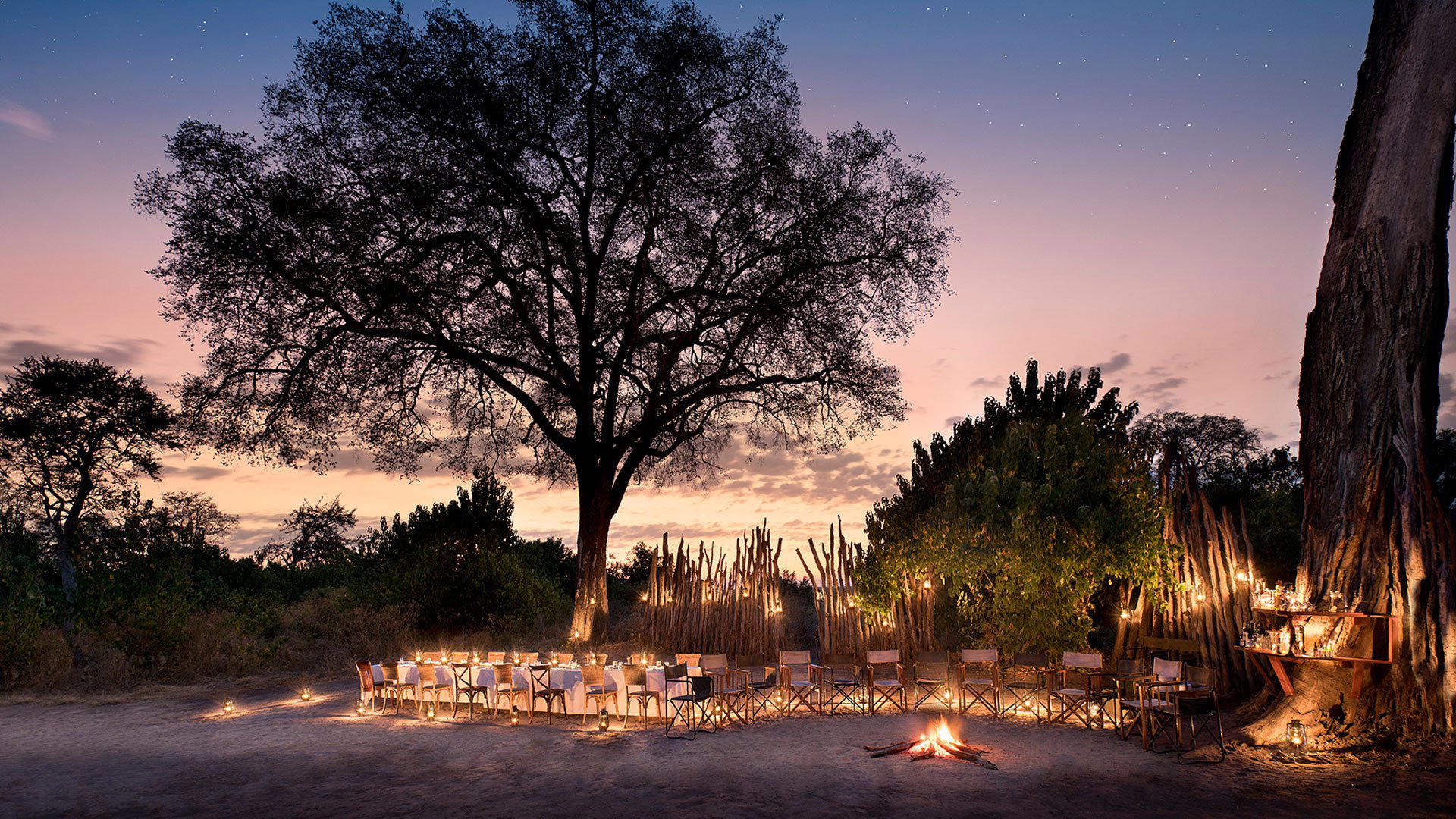
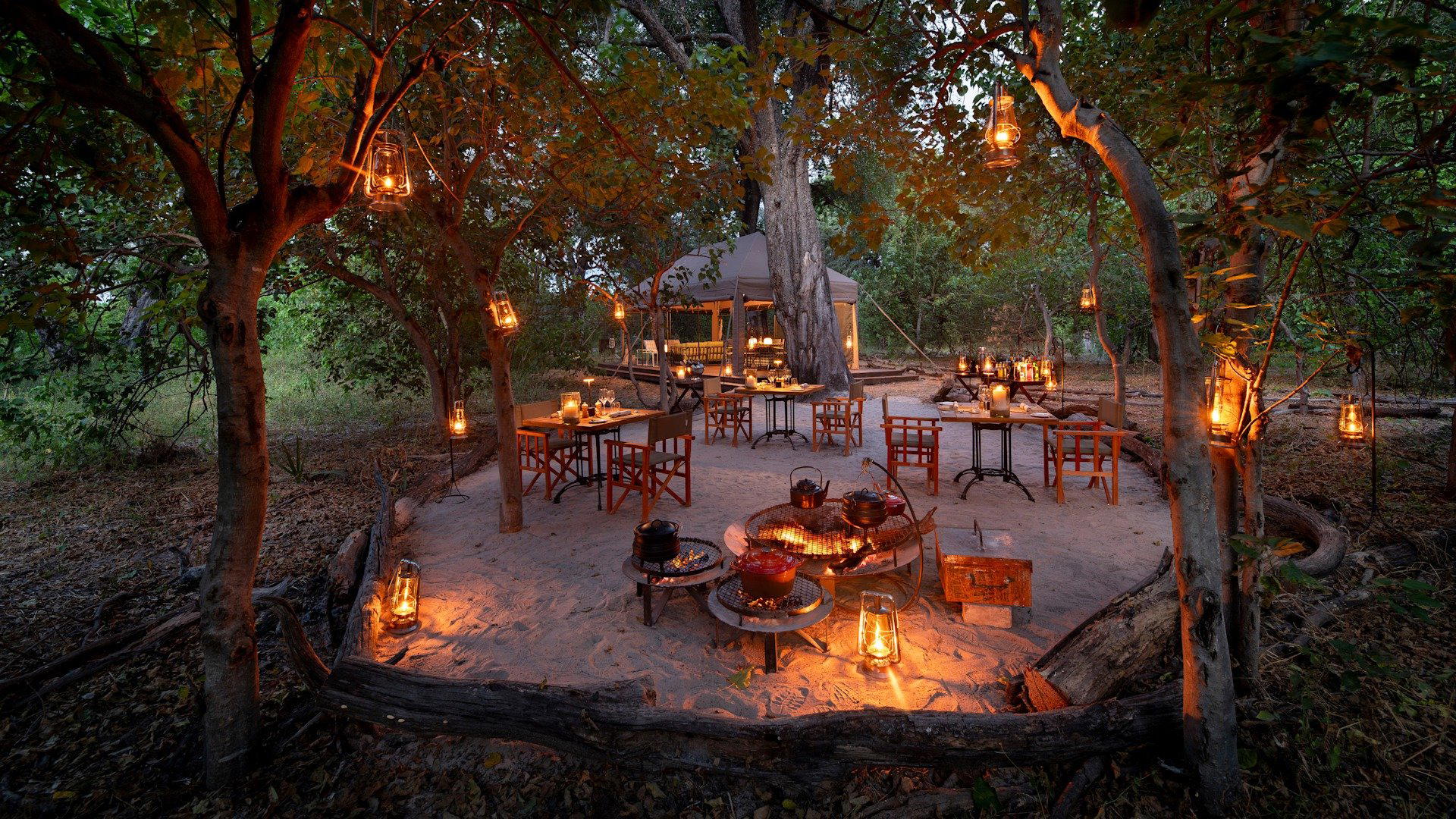
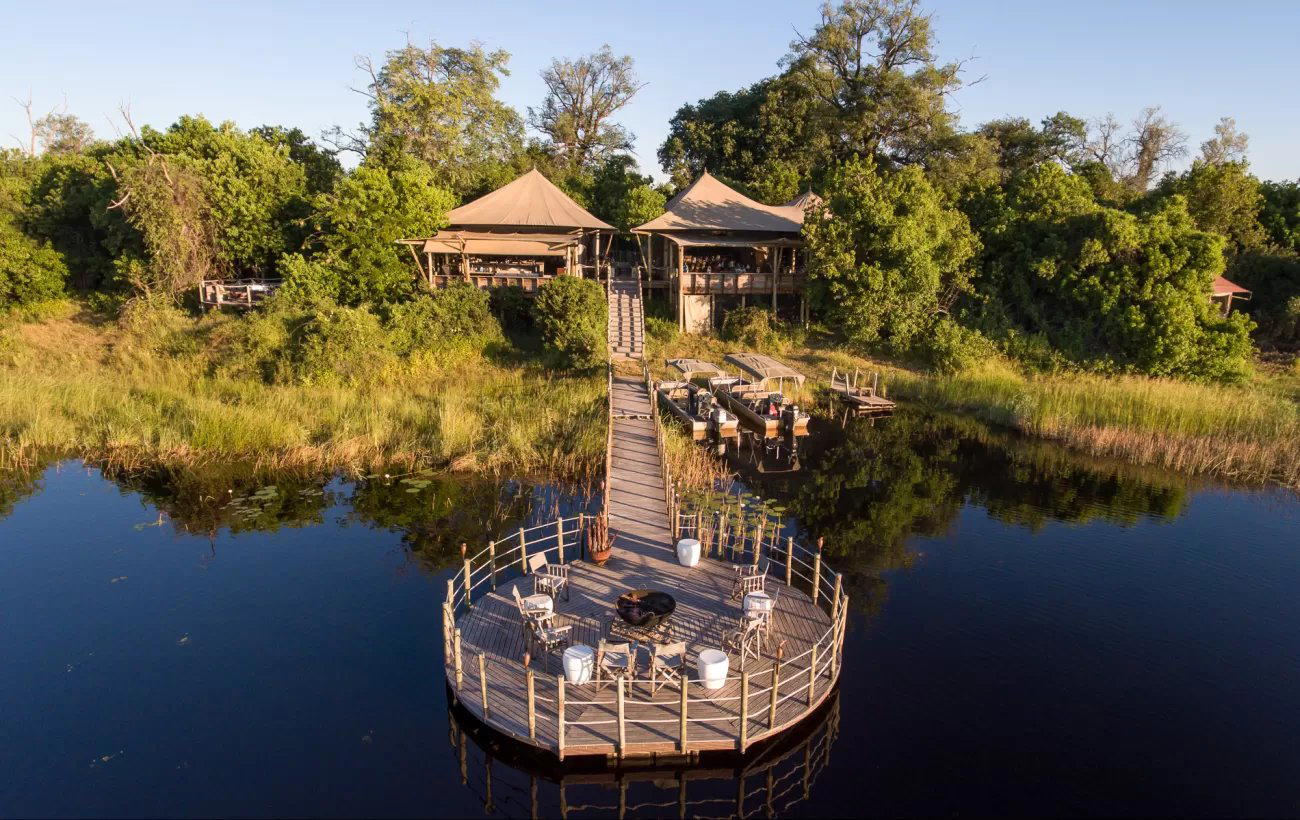
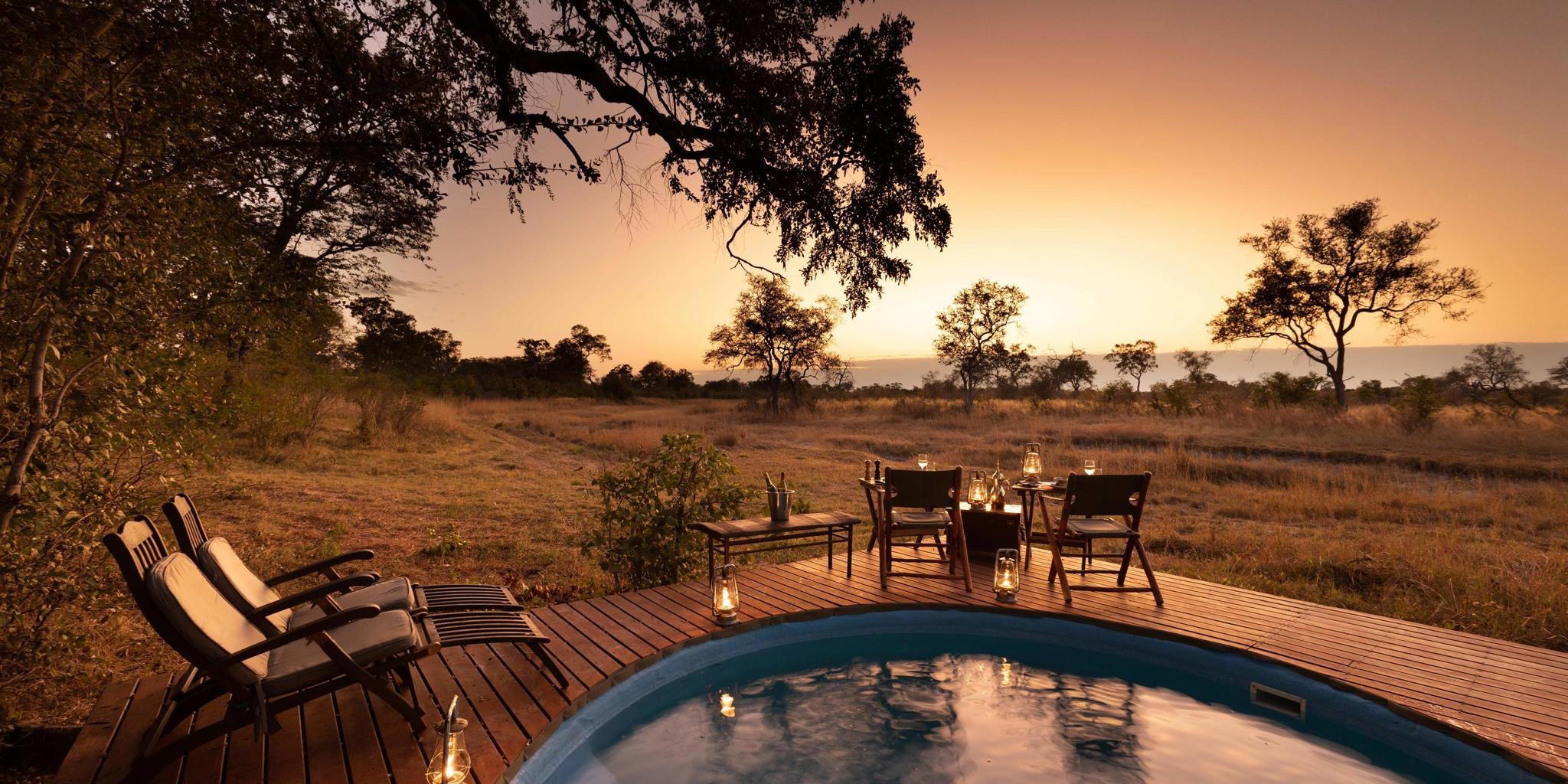
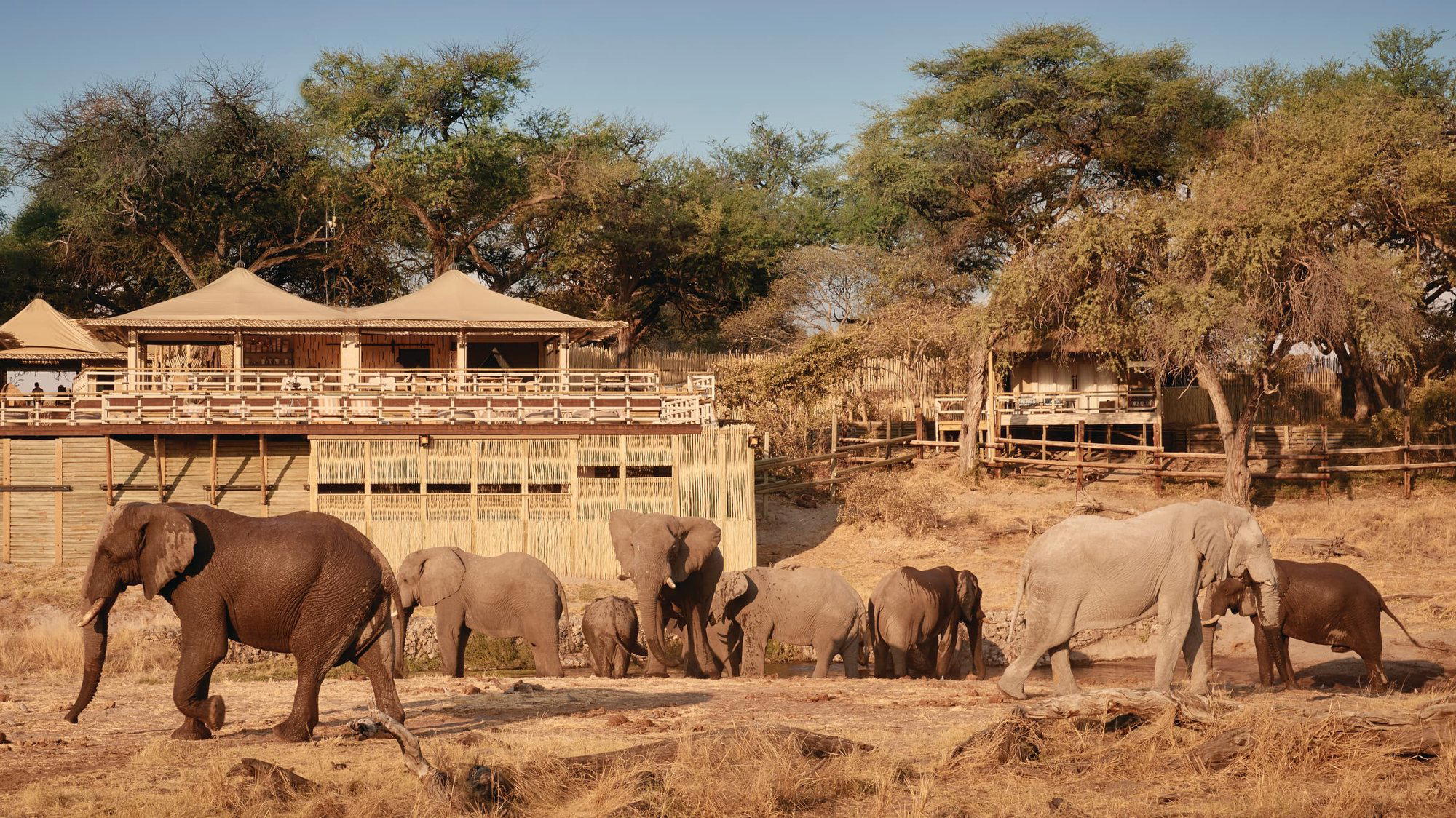
After dark in Linyanti, dining tends to move away from the logic of the city restaurant. The room is not the main event; the bush is. At a boma, the defining cues are elemental: open air, firelight, the short walk from camp infrastructure into a more informal setting, and a menu language that usually depends on what can be prepared with confidence in a remote concession. Boma sits in that tradition, placed behind the main pavilion rather than framed as a standalone destination restaurant, which is exactly the point. In safari country, the strongest meals often work because they accept the limits and advantages of place.
Fire, camp rhythm, and the Linyanti way of eating
Linyanti dining is shaped by logistics before aesthetics. Ingredients, staff, fuel, refrigeration, and timing all have to work within a wilderness operation, so the food culture leans toward formats that can serve guests efficiently without breaking the spell of the evening. That is why the boma format matters. It is not a tasting-menu theatre transplanted into the bush; it is a practical social form built around heat, shared pacing, and the post-drive appetite.
The ingredient-sourcing question is different here from major dining capitals. In remote safari areas, provenance is rarely about naming a single farm on a menu card. It is about supply discipline: what travels well, what can be held safely, what can be cooked over or near flame, and what feels appropriate after hours in a vehicle watching the region’s habitats shift from afternoon glare to night sounds. A good camp dinner does not need urban complexity. It needs timing, restraint, and a sense that the cooking has not fought its location.
That context separates this format from Linyanti’s more functional daytime options. Snack and Coffee Station at Pool Area answers a different need: speed, daylight, and between-activity convenience. Kgotla Dining Deck belongs closer to the open-air deck tradition, where the view and the architecture carry more of the occasion. Boma is better understood as the camp’s evening register, when the meal becomes part of the safari day’s closing sequence.
How it compares with other safari-camp tables
Across safari country, premium camp dining splits into two broad camps. One side borrows from resort hospitality, with plated service, formal pacing, and a dining room vocabulary familiar from high-end lodges. The other side keeps closer to older camp rituals: fire, communal timing, and a looser relationship between table and terrain. The latter can be more persuasive in Linyanti because the region’s appeal is not urban polish. It is remoteness, wildlife density, and the sensation that the day’s sightings have not been sealed off from dinner.
Comparison helps clarify the point. Great Plains Selinda is framed through an African safari lens, while other camp dining in Linyanti belongs to the broader wilderness restaurant conversation, where camp identity and setting matter as much as cuisine category. Within that field, a boma format should not be judged by the same criteria as a city counter or chef-led dining room. The useful questions are simpler and harder: does the meal suit the hour, does the sourcing feel adapted to remoteness, and does the format let the place remain present?
This is also why awards are a limited primary lens here. The stronger trust signal is contextual: Linyanti is a specialist safari environment, and dining formats in such places succeed when they understand the operational reality of camps. The strongest versions avoid overstatement. They let smoke, weather, staff cadence, and the day’s game-drive rhythm do some of the work.
Where Boma fits in a Linyanti itinerary
For travellers mapping meals across the area, Boma is the evening counterweight to lighter camp stops and deck-based dining. It suits guests who want the meal to feel connected to the bush rather than insulated from it. Families can read the format as relaxed rather than formal, though the right fit depends on children’s comfort with outdoor evening settings and camp schedules. Couples and small groups will find it most convincing when treated as part of the safari day, not as a restaurant detour.
For broader planning, use Our full Linyanti restaurants guide alongside Our full Linyanti hotels guide, since food here is usually tied closely to where guests sleep. The wider destination context sits in Our full Linyanti bars guide, Our full Linyanti wineries guide, and Our full Linyanti experiences guide. EP Club’s wider restaurant coverage ranges across city bars, casual counters, specialist dining rooms, neighbourhood restaurants, and destination kitchens, but Linyanti asks for a different critical scale: fewer urban signals, more attention to setting, sourcing constraints, and whether dinner belongs to the wilderness around it.
Frequently asked questions
Is Boma good for families?
Yes, for families staying in Linyanti. It fits a camp dining setup rather than a formal standalone restaurant.
How would you describe the vibe at Boma?
Expect camp dining with a practical, after-dark rhythm in Linyanti. The setup points to a lodge-led meal setting, not a separate dining room built for city traffic.
Where is Boma located?
Linyanti.
How far ahead should I plan for Boma?
Build it into your Linyanti stay from the start. Boma works as part of the camp schedule rather than as an independent restaurant to sort out on arrival.
Quick Comparison
Comparable venues by cuisine and price in the same metro.
| Venue | Cuisine | Price | Awards | Notes |
|---|---|---|---|---|
| Boma | Modern French Bistro | $20–30 | Michelin Bib Gourmand | Not listed |
| Great Plains Selinda | Fine Dining Safari Cuisine | Not listed | Relais Chateaux Award | African Safari |
| Kgotla Dining Deck | Safari Lodge Fine Dining | Not listed | Not listed | Not listed |
| Selinda Camp | Zarafa Camp Restaurant | Creative cooking | Not listed | Not listed | Not listed |
| Boma | Modern French Bistro | $20–30 | Michelin Bib Gourmand | Not listed |
Continue exploring
More in Linyanti
Restaurants in Linyanti
All restaurants in Linyanti →
Details
- Scenic
- Rustic
- Intimate
- Group Dining
- Special Occasion
- Waterfront
- Hotel Restaurant
- Waterfront
- A La Carte