Selinda Camp | Zarafa Camp Restaurant

Relais Chateaux Award
Our verdict
Safari dining in the Selinda Reserve works differently from city restaurant culture: access, rhythm, and appetite are shaped by the day’s game drives. Selinda Camp | Zarafa Camp Restaurant belongs to that lodge-led category, with Chef Matshidiso Ngoreng at Selinda Camp and Herold Gaosikilwe at Zarafa Camp giving the food program a grounded kitchen identity rather than a generic camp-catering feel.

Pearl is the En Primeur Club membership app, where members save venues, book tables and use the concierge.
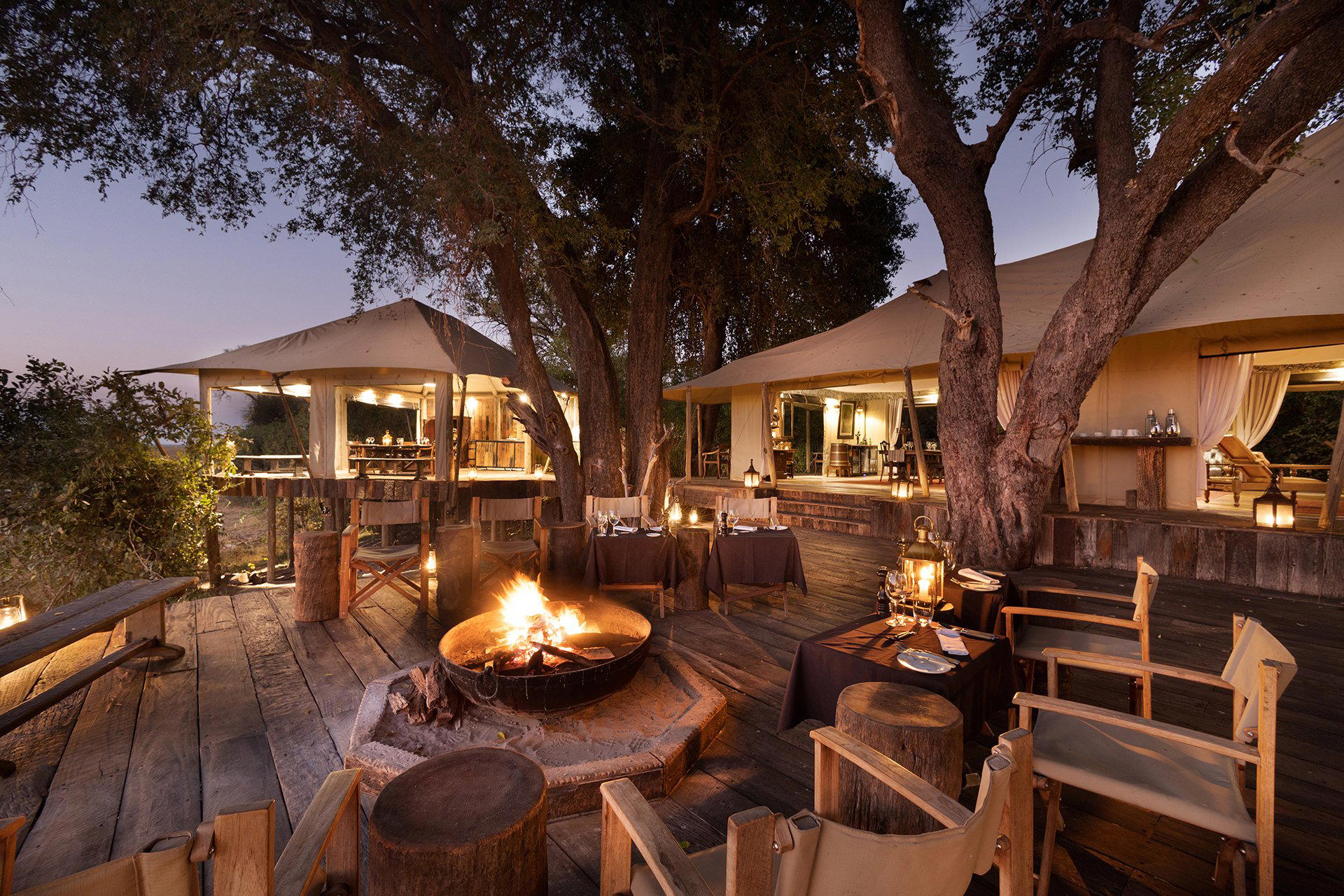
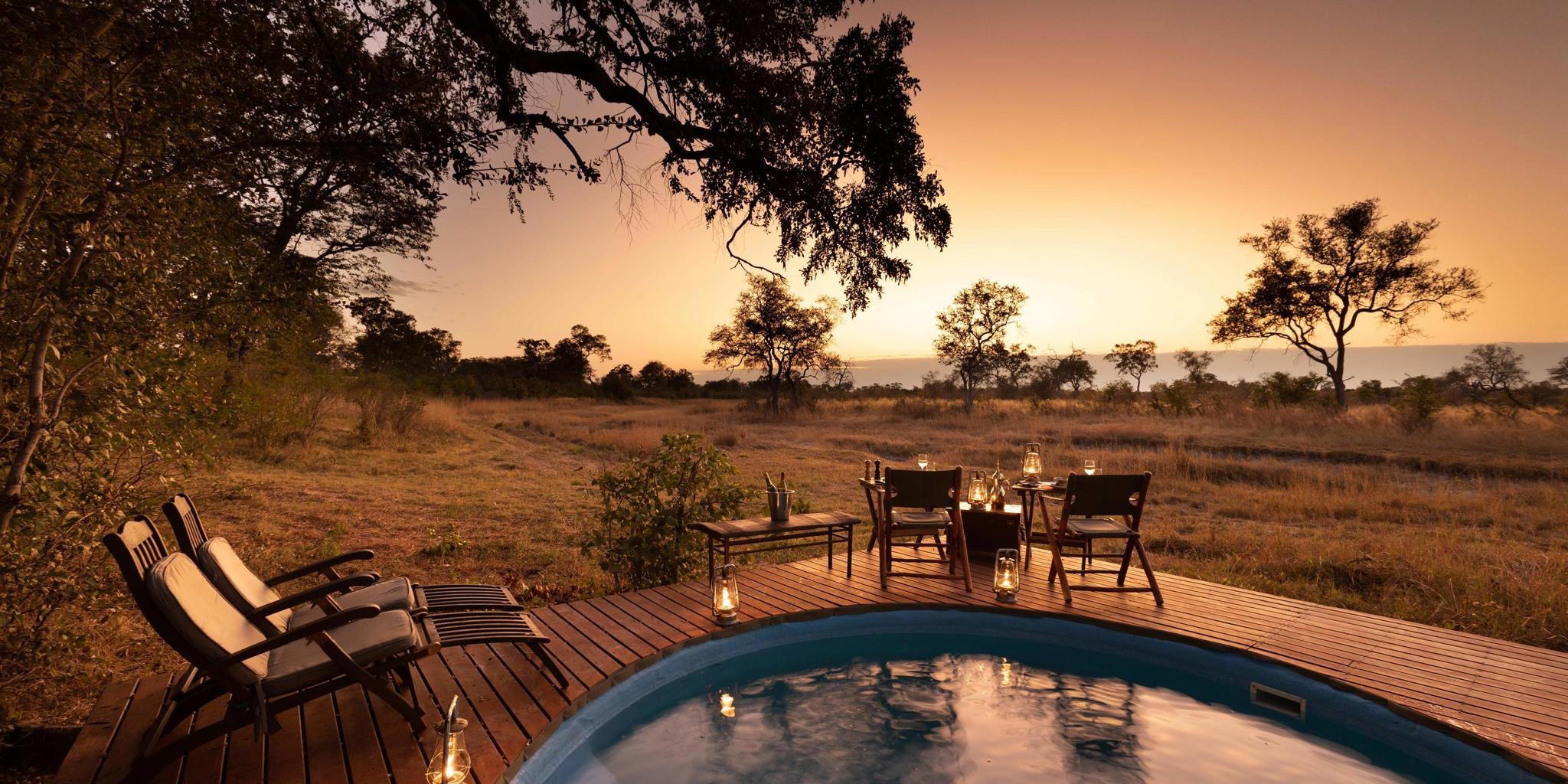
In the Selinda Reserve, dinner begins before any plate reaches the table. Light drops over floodplain and woodland, vehicles return from late drives, and the room shifts from daytime heat to the slower pace of a remote camp evening. This is not urban restaurant-going: the meal sits inside a safari day, shaped by early starts, long hours outdoors, and the quiet formality that settles over camp after dark.
That context matters because high-end safari kitchens are judged differently from city dining rooms. The challenge is not only cooking well; it is cooking with restraint in a remote environment where logistics, guest timing, and landscape set the frame. Selinda Camp | Zarafa Camp Restaurant belongs to that lodge-dining tradition in the Selinda Reserve, where the kitchen provides daily rhythm and evening punctuation rather than a public destination restaurant.
Remote-camp cooking shaped by the safari day
Creative cooking in a private reserve leaves little room for theatrics. The strongest safari dining rooms know guests have already had the spectacle outside: elephants at water, birdlife in reeds, the long silence after sundown. Food works well when it supports the camp cadence rather than competing with it. The category rewards clarity, adaptability, and a sense of place expressed through format, produce, and hosting, not a manifesto.
Culinary leadership is split across two camp identities: Chef Matshidiso Ngoreng at Selinda Camp and Herold Gaosikilwe at Zarafa Camp. That structure shows how lodge dining has matured. A serious camp no longer treats meals as a secondary amenity; kitchen authorship helps define a stay from morning coffee to final evening service. The Relais & Châteaux listing identifies the restaurant through creative cooking and named kitchen leadership, which reads less like a ranking claim than a signal of temperament: calm, personal, and craft-led.
For readers comparing safari dining within the Selinda Reserve, the relevant set is not a city tasting-menu circuit but other remote lodge tables where access comes through the stay and the meal is folded into the wildlife itinerary. Selinda Camp | Zarafa Camp Restaurant offers the closest local reference point, while Sitatunga Private Island dining room Restaurant and other Selinda Reserve dining rooms show how camp dining across the reserve depends on setting, hosting, and the day’s movement as much as menu category.
Why chef identity matters more in the bush than it first appears
The assigned editorial lens is chef evolution, and in a reserve setting that evolution is less about metropolitan résumé-building than command of constraints. A remote-camp chef thinks in sequences: pre-drive fuel, lunch at heat, dinner after fatigue, dietary requests, supply variability, and the social temperature of a small guest group. That is a different discipline from repeating a fixed urban menu nightly.
Chef Matshidiso Ngoreng and Herold Gaosikilwe are therefore not incidental names. They signal identifiable leadership on both sides of the camp structure. In a category where lodge meals can blur into anonymous hospitality, named chefs give the experience accountability. The story is not personal biography; it is the professionalization of safari cooking, where a kitchen must be polished enough for international travelers and grounded enough not to feel airlifted from another context.
Creative cooking is a broad label and can mean little when loose. Here, it is best read as flexibility rather than culinary exhibitionism. The kitchen can move between comfort, camp ritual, and contemporary presentation, but the Selinda Reserve sets the mood. A plate is part of a larger choreography: return from the bush, wash off dust, gather at table, and recalibrate after hours watching animals rather than screens.
That is why comparison with resort restaurants in beach or city destinations can mislead. A poolside, lounge, or waterfront setting uses leisure as its anchor. Safari-camp dining uses remoteness and daily expedition. The same cuisine label can sit across very different rooms, but appetite and attention are formed by different conditions when the meal follows a day in the bush.
How to read the Selinda Reserve dining scene
The Selinda Reserve occupies a quieter position in the luxury safari conversation than heavily trafficked gateway regions, shaping dining expectations. Meals are not designed for walk-in discovery, late-night bar-hopping, or independent restaurant crawls. They belong to an all-day hospitality system, closer to a private-house rhythm than a public restaurant scene. Readers planning around food should assess the camp as a complete environment: guides, rooms, wildlife access, and kitchen tone all matter together.
Those companion guides are useful because safari dining rarely separates from lodging and activity planning; the restaurant decision is usually embedded in the camp decision.
For broader creative-cooking context outside the Selinda Reserve, the category stretches across sharply different settings: wine lounges, beach restaurants, pool bars, lodge dining rooms, and other remote hospitality tables. The useful distinction is setting pressure: each may share a flexible culinary label, but only the camp kitchen must match wildlife viewing, remote logistics, and a small resident audience.
The editorial read is clear: come to this dining room as part of the Selinda Reserve experience, not as a standalone reservation hunt. Its value lies in how kitchen, camp rhythm, and chef leadership hold together after a day in the bush. In that frame, Selinda Camp | Zarafa Camp Restaurant belongs to the more serious end of lodge dining, where food is not decoration around the safari but one way the camp expresses discipline.
Frequently asked questions
Is Selinda Camp | Zarafa Camp Restaurant a family-friendly restaurant?
Selinda Camp | Zarafa Camp Restaurant is a camp dining experience in Selinda Reserve rather than a casual walk-in restaurant. The food style is listed as creative cooking, with Chef Matshidiso Ngoreng and Herold Gaosikilwe steering the kitchen.
What kind of setting is Selinda Camp | Zarafa Camp Restaurant?
This is a safari dining setting in Selinda Reserve, linked to Selinda Camp and Zarafa Camp. The location is Selinda Reserve, and the cooking is described as creative cooking.
What's Selinda Camp | Zarafa Camp Restaurant known for in terms of accolades?
Selinda Camp | Zarafa Camp Restaurant is listed by Relais & Châteaux with creative cooking and the chefs Chef Matshidiso Ngoreng at Selinda Camp and Herold Gaosikilwe at Zarafa Camp.
What should I expect cuisine-wise at Selinda Camp | Zarafa Camp Restaurant?
Selinda Camp | Zarafa Camp Restaurant serves creative cooking cuisine.
What's Selinda Camp | Zarafa Camp Restaurant's location?
Selinda Reserve.
Who's behind the kitchen at Selinda Camp | Zarafa Camp Restaurant?
The chef associated with Selinda Camp | Zarafa Camp Restaurant is Chef Matshidiso Ngoreng (Selinda Camp) & Herold Gaosikilwe (Zarafa Camp).
Side-by-Side Snapshot
Comparable venues by cuisine and price in the same metro.
| Venue | Cuisine | Awards |
|---|---|---|
| Selinda Camp | Zarafa Camp RestaurantThis venue (the venue you are viewing) | Relais & Châteaux safari fine dining | Relais Chateaux Award |
| Sitatunga Private Island dining room Restaurant | Creative cooking | Not listed |
Recognition history
Dated appearances from independent guides and award organizations, with the underlying list record or original source where available.
Relais Chateaux Award
Relais Chateaux
Continue exploring
More in Selinda Reserve
Restaurants in Selinda Reserve
All restaurants in Selinda Reserve →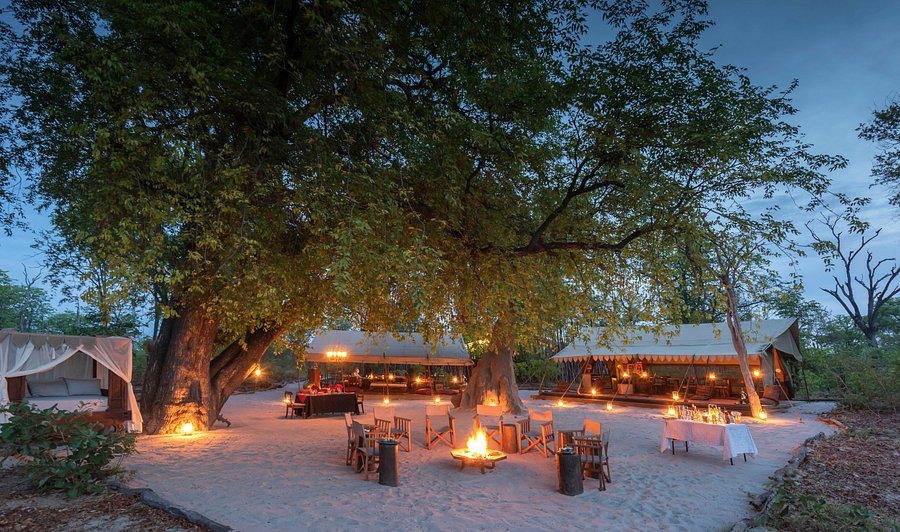
Selinda Camp | Zarafa Camp Restaurant
The wine
- Extensive wine list
Details
- Romantic
- Elegant
- Scenic
- Rustic
- Intimate
- Sophisticated
- Date Night
- Special Occasion
- Celebration
- Group Dining
- Family
- Private Event
- Waterfront
- Terrace
- Panoramic View
- Hotel Restaurant
- Private Dining
- Design Destination
- Extensive Wine List
- Local Sourcing
- Sustainable Seafood
- Waterfront
- Tasting Menu
- Set Menu
- A La Carte
- Wine
- Allergy Accommodating
- Vegetarian Friendly
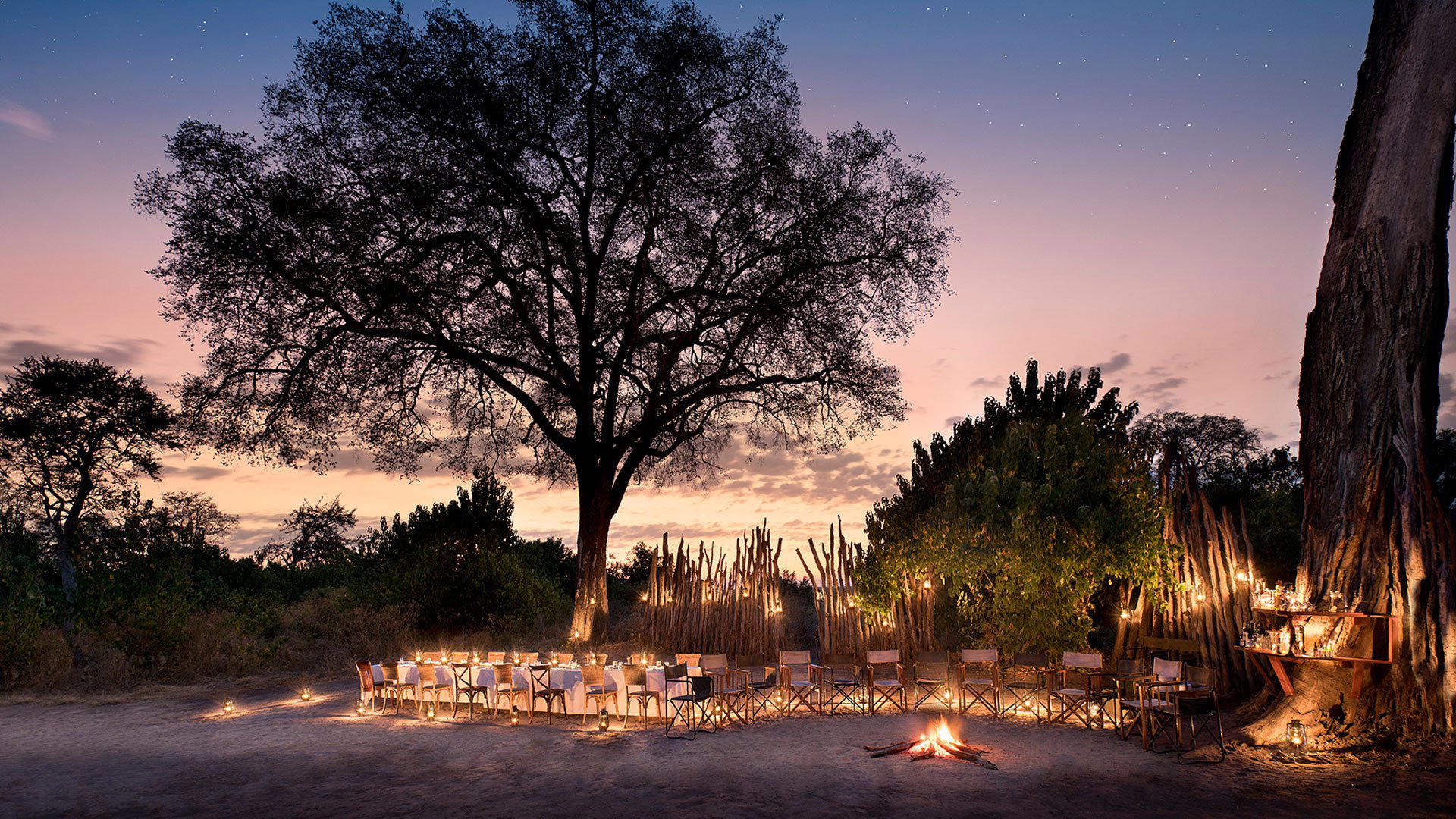
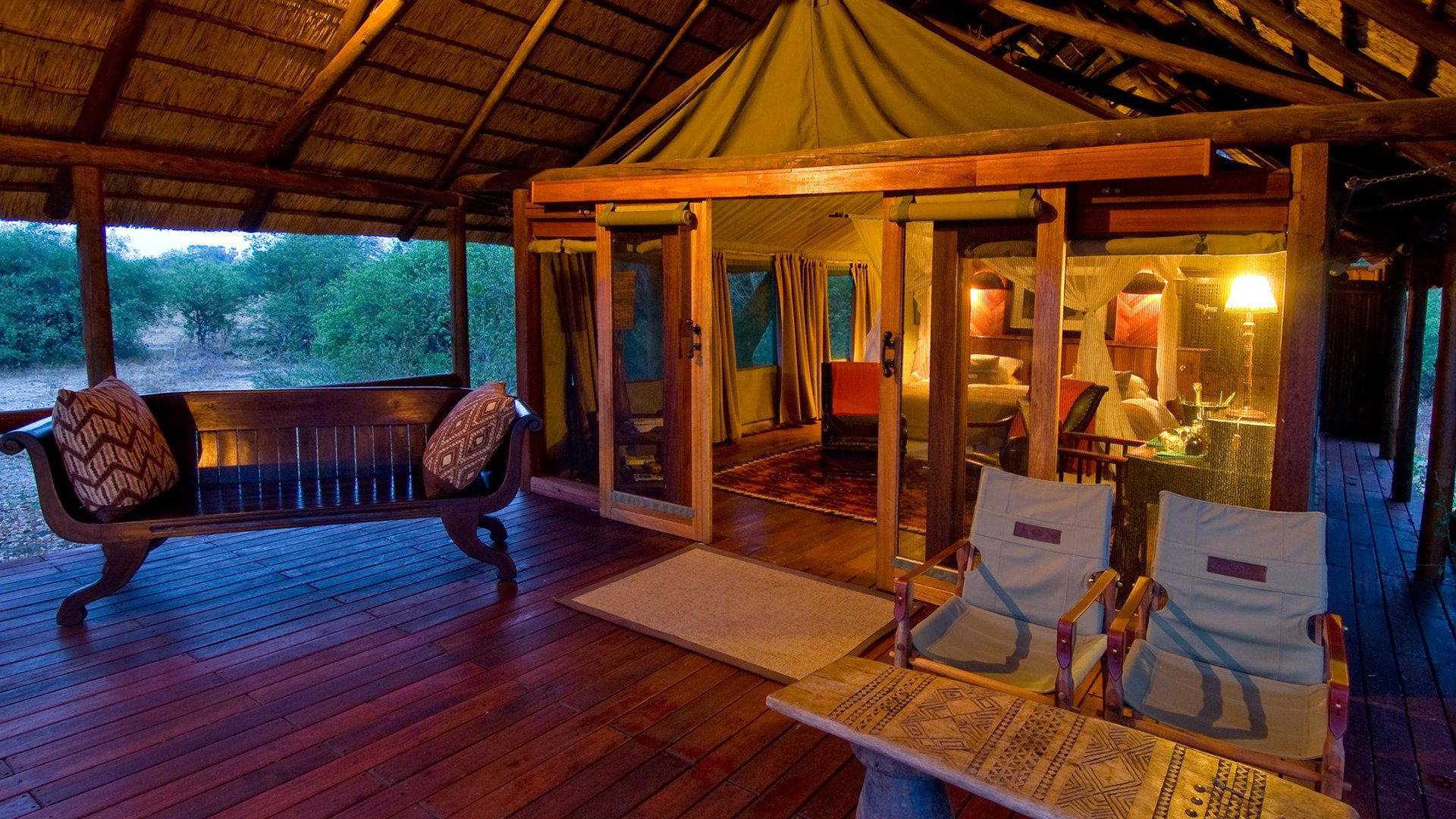
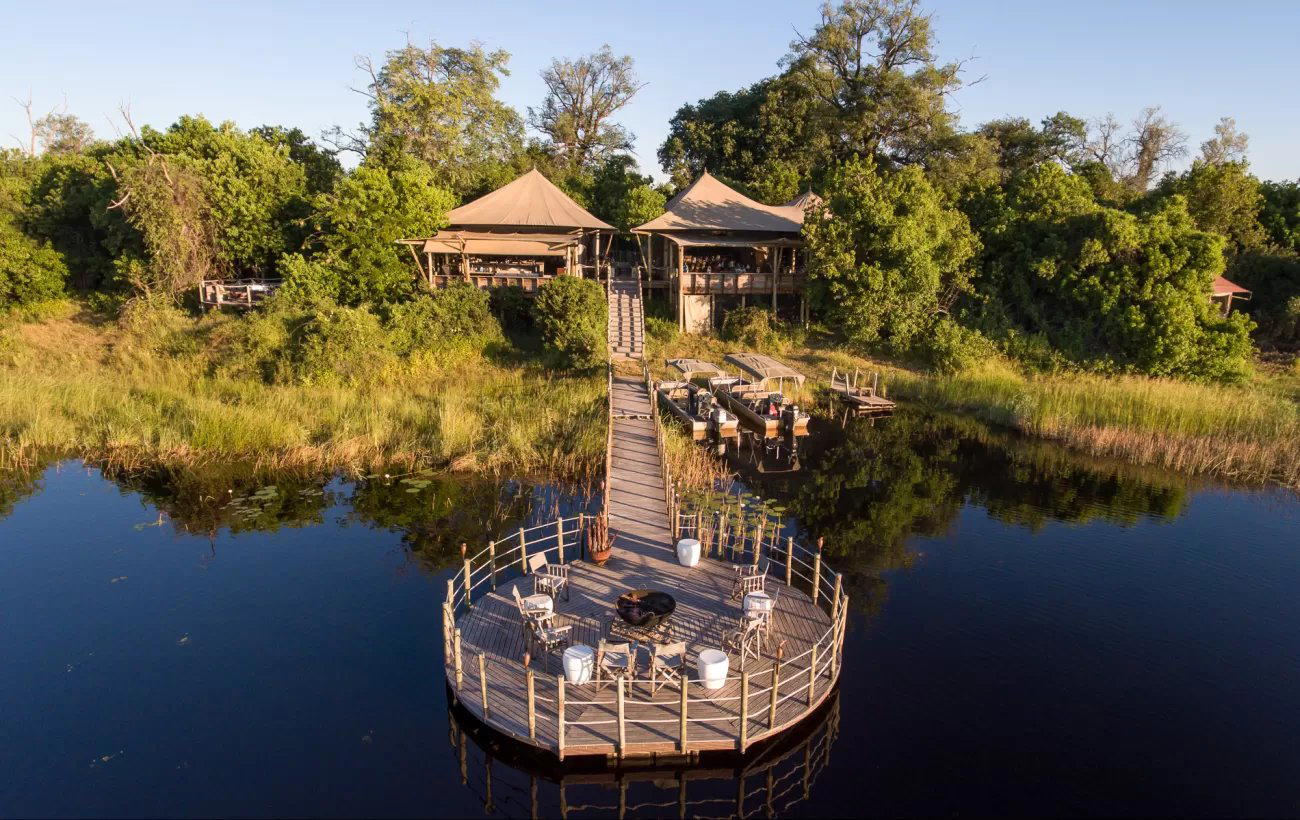
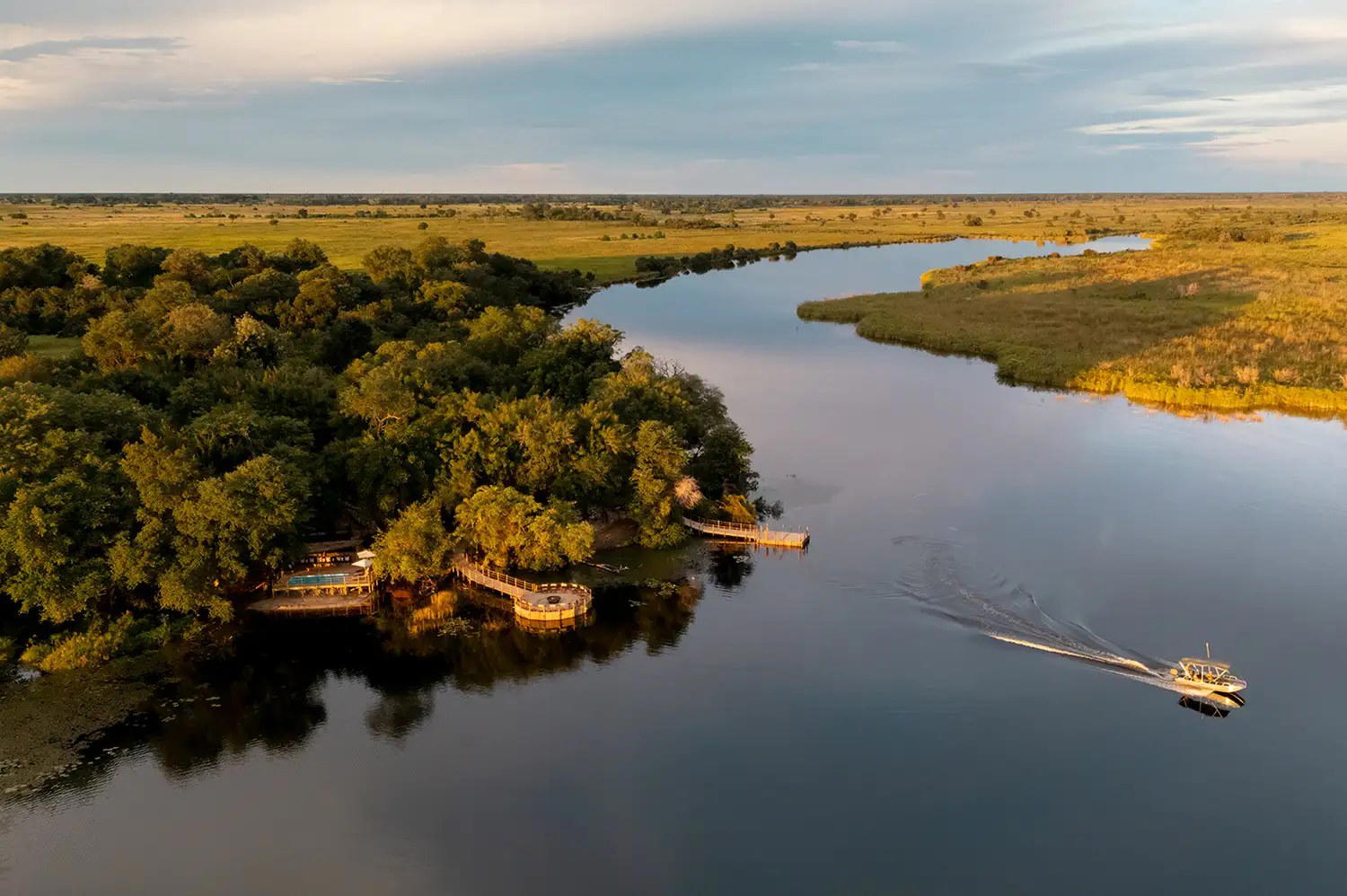
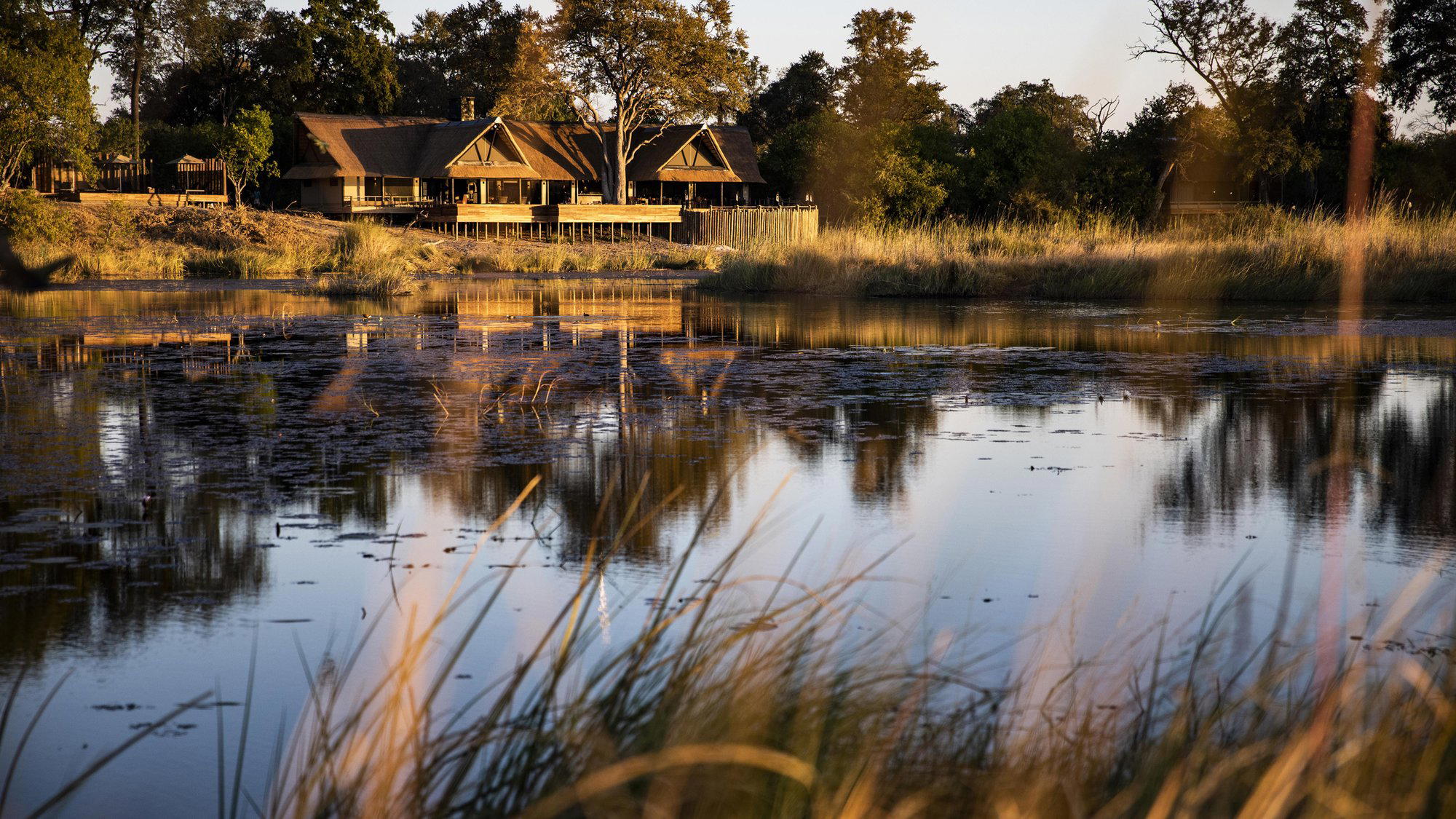
An intimate, torchlit safari-camp setting with views over water, combining refined Relais & Châteaux fine dining standards with the warmth of a tented lounge and deck under ebony trees, creating a tranquil and romantic atmosphere in the bush.