



1 Michelin Key · Virtuoso Luxury Hotel Partner · Mr & Mrs Smith Seal of Approval
A concrete and glass wine resort on 320 hectares in the Uco Valley, Casa de Uco positions itself at the serious end of Mendoza's luxury wine-stay category. Rates from $1,075 per night cover 21 accommodations ranging from rooms to private villas, set against Andes views and a reflecting lake. Wine consultant Alberto Antonini oversees the estate viticulture program, which extends to private vineyard ownership for guests.

Pearl is the En Primeur Club membership app — saves, bookings, and concierge access live there. Same editors, same standards.
- Address
- Ruta 94 Km. 14.5, M5560 Tunuyán, Mendoza
- Phone
- +54 9 261 469-0663
- Website
- casadeuco.com
- Directions
- Get directions
Architecture as Argument: What the Uco Valley's Design-Led Wine Resorts Say About the Region
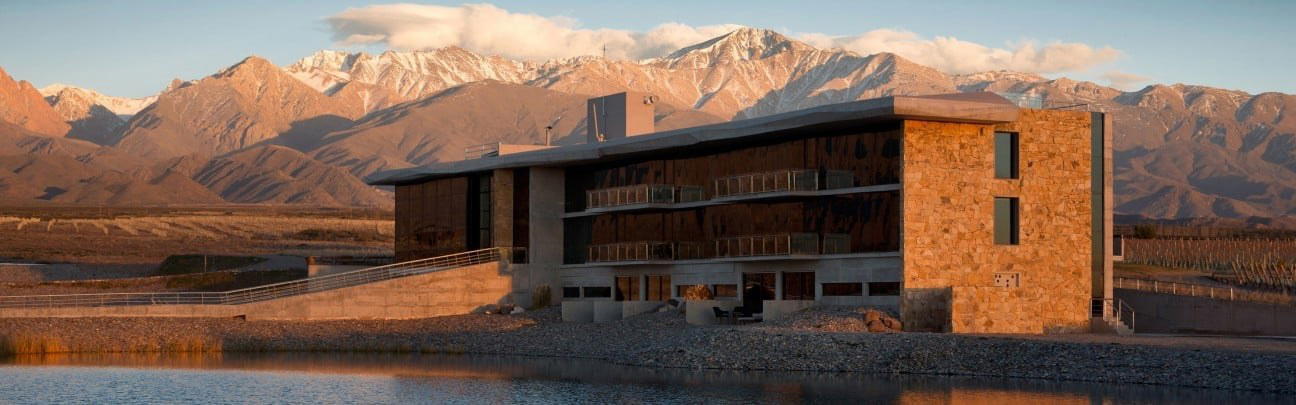
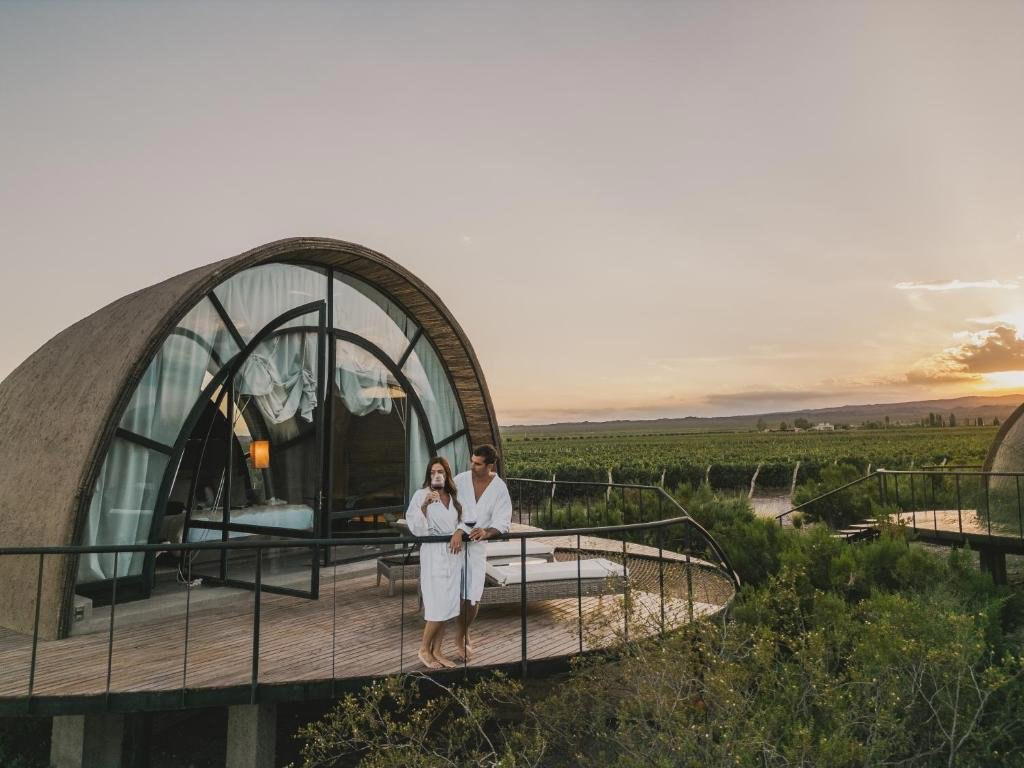
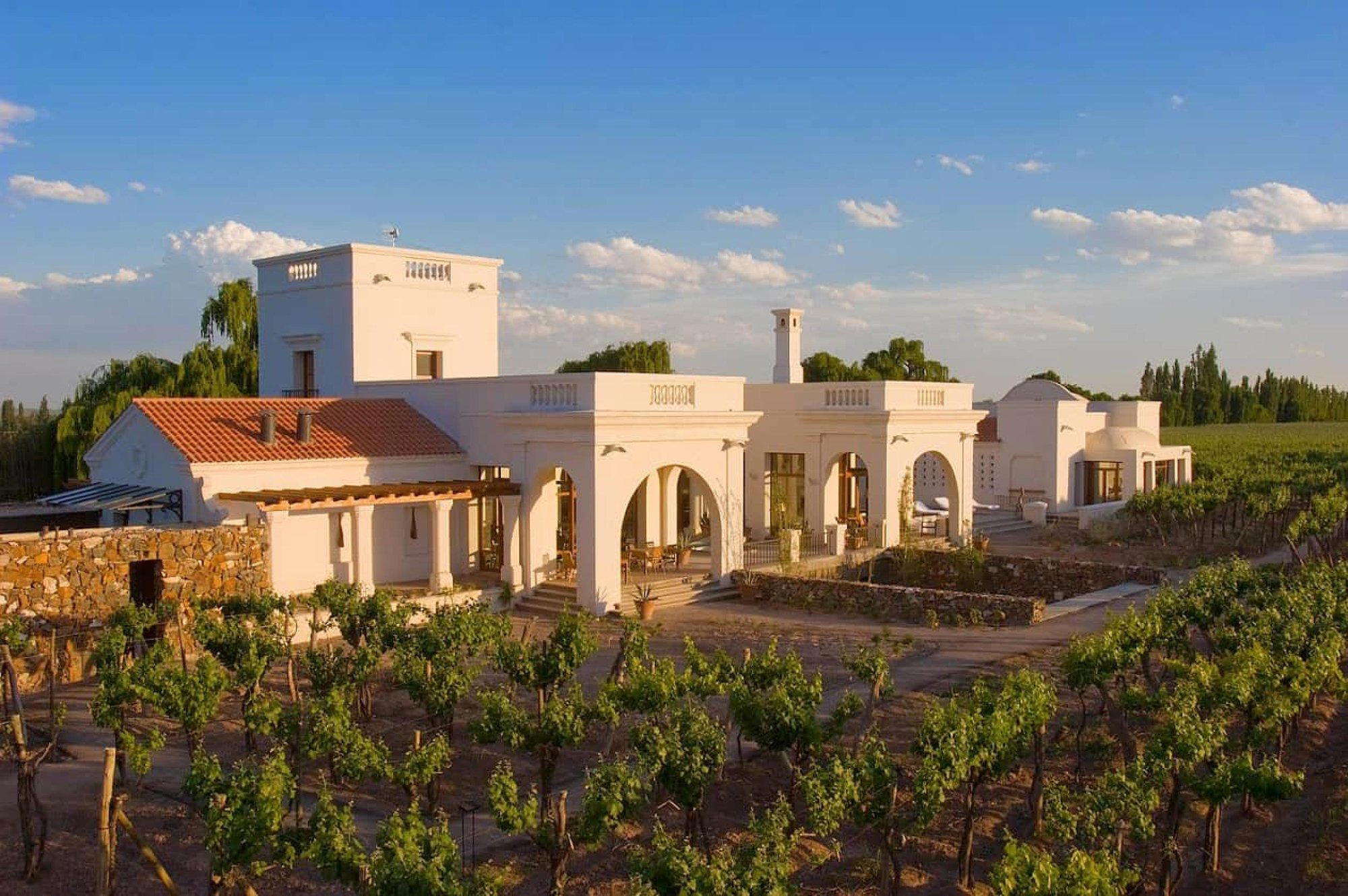
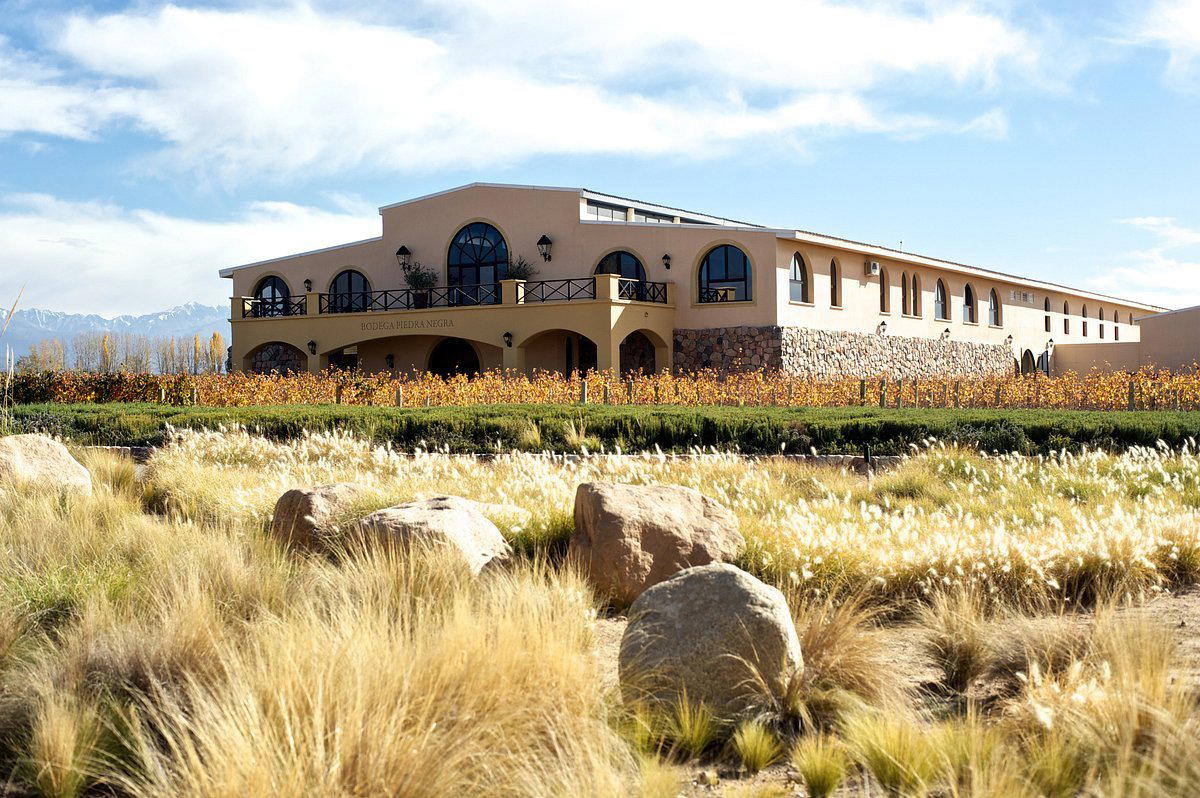
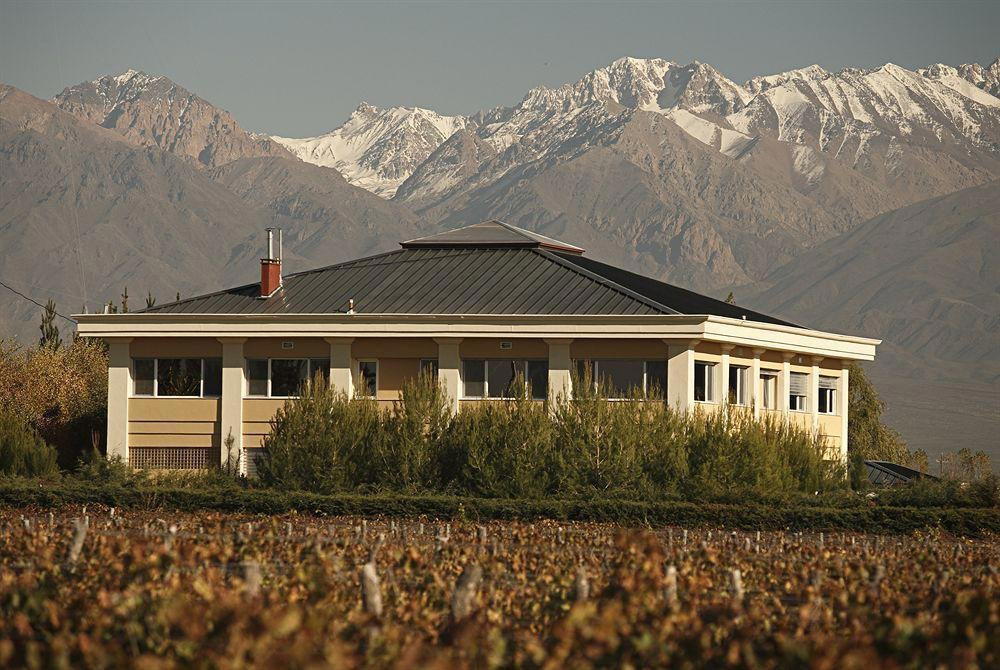
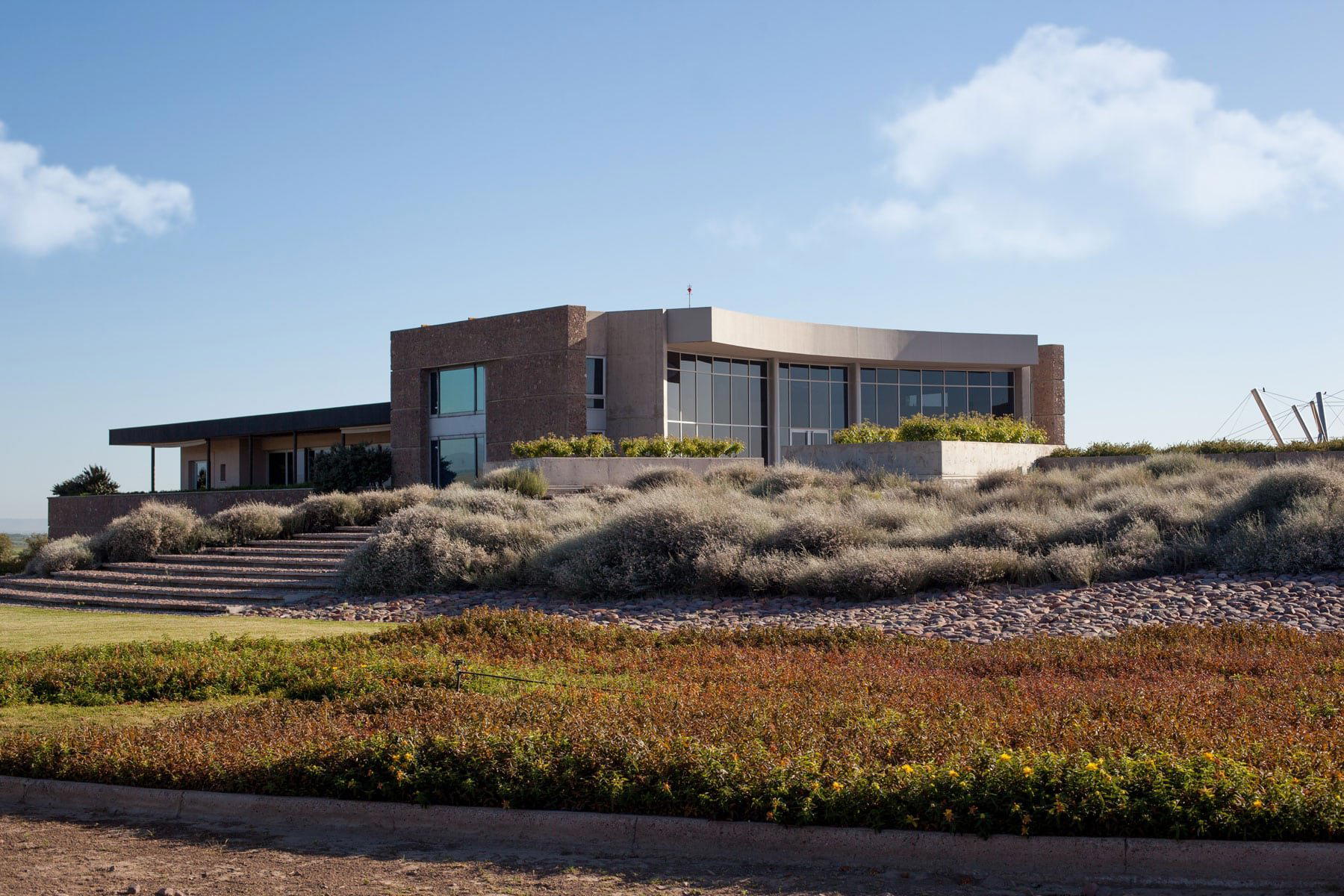
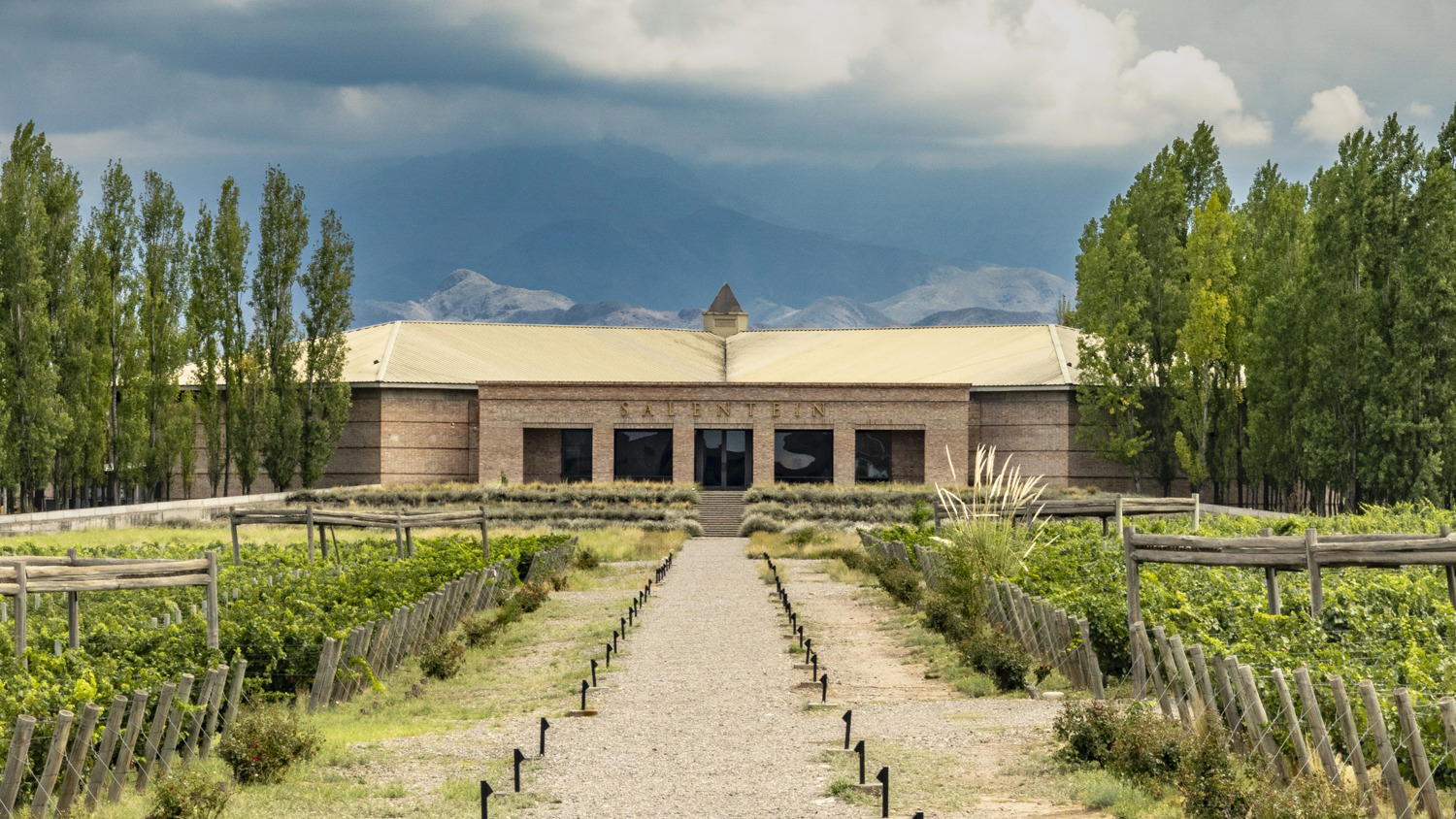
Approach Casa de Uco along Ruta 94 and the building makes its case before you've even parked. A low-slung structure in poured concrete and glass, it sits parallel to a reflecting lake with the Andes forming the backdrop, the whole composition reading less like a hospitality property and more like a piece of deliberate landmarking. The Uco Valley, southwest of Mendoza city, has attracted this kind of architectural confidence because the land demands it: at altitude, with mountain sight lines in every direction and vine rows stretching to the horizon, the architecture either competes with the setting or accepts its terms. Casa de Uco accepts its terms, using the topography as a structural argument rather than a backdrop.
This matters in the context of how Mendoza's wine-stay category has evolved. The region built its early luxury reputation around hacienda-style properties and traditional estancia formats, comfortable but essentially conservative in their relationship to landscape. The Uco Valley represents a different phase, one where architects and developers made a case for contemporary intervention, for structures that frame views through floor-to-ceiling glass rather than filtering them through rustic shutters. Casa de Uco sits firmly in this second wave, and its design vocabulary, clean lines, natural materials, blonde wood against concrete, reads as a deliberate position within that shift.
The Property: Scale, Layout, and the Logic of the 320-Hectare Estate
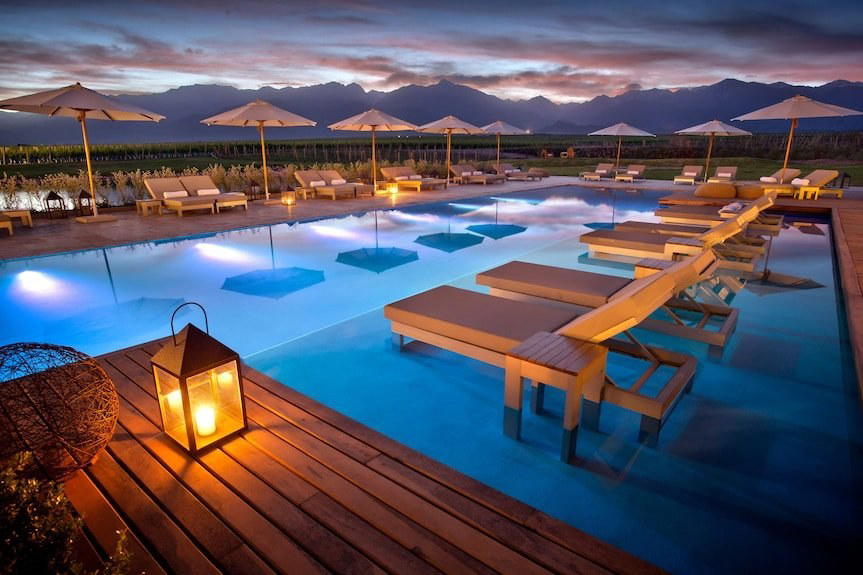
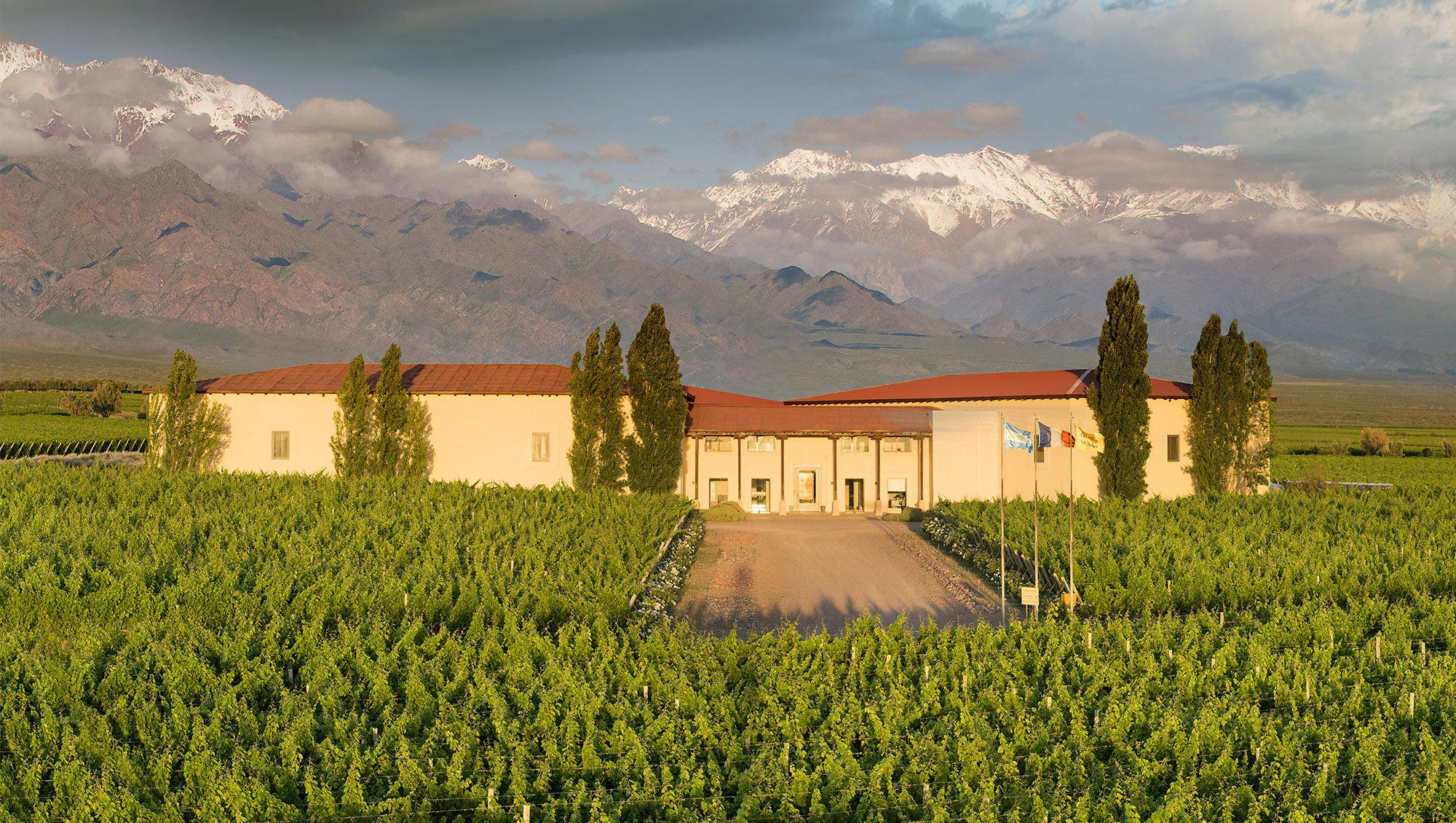
The estate covers 320 hectares (790 acres), bordered on one side by the Andes and threaded through with vineyards and a lake. That scale shapes the guest experience in practical terms: this is not a property where everything happens within fifty metres of the lobby. Strolling vine paths, a floating pool positioned over the lake, a hot tub, surrounding gardens, and a cedar sauna are distributed across the grounds, and guests explore on foot or on horseback. The spatial generosity is part of the offer, producing the kind of privacy that smaller, more concentrated wine properties cannot replicate.
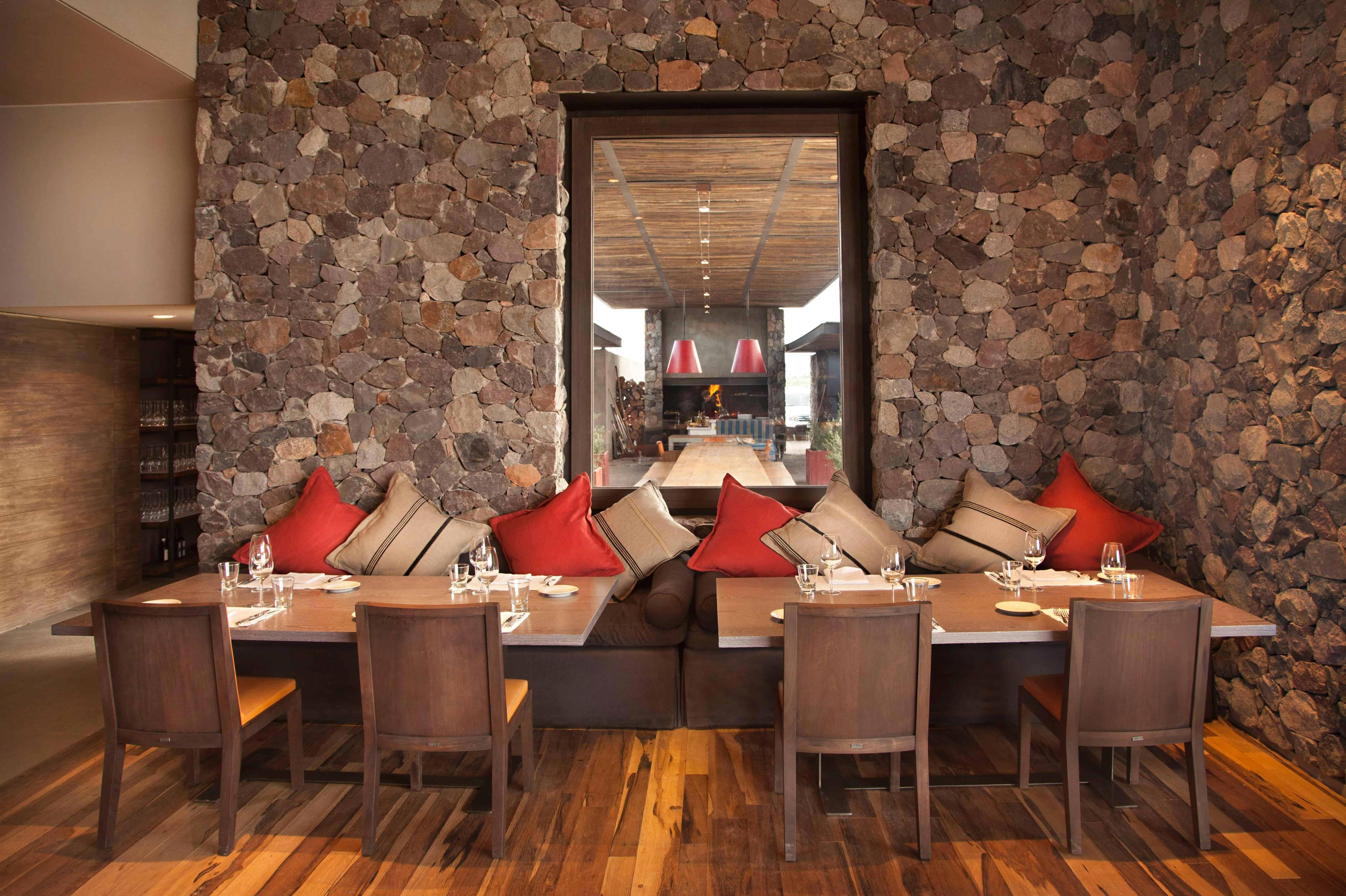
Organic vegetables grow on the rooftop, which connects the kitchen to the estate in a way that has become standard language at this tier of wine resort but takes on additional meaning here given the altitude and the agricultural discipline required to grow anything at this elevation. The restaurant operates in the evening in the Argentine tradition, with late steak dinners the expected format. Beyond the restaurant, the spa program runs on vine-based body treatments and hydrotherapy drawing on spring water described as mineral-rich, a concept that mirrors the winemaking philosophy of the estate: that the specific character of this valley's water and soil is the primary ingredient.
Rooms, Suites, and Villas: A Structured Hierarchy Worth Understanding
The accommodation at Casa de Uco divides into three meaningful tiers across 21 units: 7 rooms, 9 suites, 3 private villas, and 2 residences. The entry category, standard rooms, establishes the design tone with blonde wood, white and charcoal palettes, Egyptian cotton linens on king beds, glass-encased showers, and picture windows with daybeds facing the mountains. The visual language is consistent throughout, contemporary without being cold, material-led without being precious.
Suites shift the proposition significantly. Private terraces appear to float above the lake below, and certain configurations add large living rooms and deep soaking tubs. This is the tier where the lake orientation pays off most clearly: the relationship between interior space and the reflecting water below produces the kind of view that justifies the category premium. For the highest spend, the freestanding villas deliver rooftop terraces with hot tubs, modern fireplaces, and sliding wood screens that reconfigure the relationship between living and sleeping areas. At rates from $1,075 per night, the property prices against the small cluster of comparable wine resort stays in the Uco Valley rather than against broader Mendoza accommodation.
One logistical note that shapes the guest profile: Casa de Uco does not accommodate children under twelve. This places it clearly in the adults-focused segment of the market, alongside properties like Cavas Wine Lodge in Alto Agrelo and Lodge Atamisque in Tupungato, which similarly prioritise quietude and wine-program immersion over family amenity.
The Wine Program: Alberto Antonini and the Private Vineyard Model
The viticulture program at Casa de Uco operates on a model that goes beyond cellar-door tastings. Alberto Antonini, a consultant with a documented international reputation across multiple wine regions, oversees both winemaking and viticulture on the estate. Guests can acquire a section of vineyard and work with Antonini's team to produce wine under their own label, a format that places Casa de Uco in a different competitive conversation from most wine resort stays. This is not educational tourism; it is a structured ownership and production model aimed at a buyer who wants serious wine output, not just proximity to vines.
The Uco Valley context amplifies this. The valley has been positioned by producers and critics as the high-altitude frontier of Argentine wine, growing Malbec at elevations that produce more acid structure and slower phenolic ripening than the lower-lying Luján de Cuyo subregion. The comparison to Napa Valley, which appears in regional commentary, reflects ambition more than equivalence, but it signals the direction: this is a place where wine tourism has moved from casual to capital-intensive. For context on how other properties in the broader Mendoza wine belt approach the wine-stay format, Awasi Mendoza in Luján de Cuyo and Algodón Wine Estates in San Rafael represent the range of models operating across the region.
Getting There and Planning the Stay
Casa de Uco sits at Ruta 94 Km. 14.5 in Tunuyán, approximately 72 miles from Gobernador Francisco Gabrielli International Airport via National Route 40. The airport receives direct flights from Buenos Aires and Santiago, making the transfer manageable without a domestic connection for most international arrivals, though the drive itself is an hour and a half minimum from the terminal. Booking through the property directly is the recommended route given the private vineyard program and villa configurations, which typically require bespoke arrangement rather than standard online booking. For those building a broader Argentina itinerary, the country's wine-stay infrastructure extends well beyond Mendoza: Estancia Cristina in El Calafate, Explora El Chaltén, and Arakur Ushuaia Resort and Spa represent the southern Patagonian tier. For the northern wine country, Colomé Winery in Molinos offers a high-altitude counterpoint to the Uco Valley format. Travellers based in Buenos Aires before or after the wine country segment will find Home Hotel and the estancia circuit, including Estancia El Ombú de Areco and Estancia La Bandada, useful for bracketing the Mendoza trip. See our full Tunuyán restaurants guide for dining options beyond the estate.
Side-by-Side Snapshot
Comparable venues nearby, for context on price, style, and recognition.
| Venue | Cuisine | Price | Awards | Notes |
|---|---|---|---|---|
| Casa de UcoThis venue — the venue you are viewing | Eco-friendly boutique vineyard resort | $300–500 | 1 Michelin Key · Virtuoso Luxury Hotel Partner | Not listed |
| The Vines Resort & Spa | rustic-chic villas with modern comforts and private outdoor spaces | Not listed | 1 Michelin Key · La Liste Top Hotels | Uco Valley |
| The Vines Resort & Spa | rustic-chic laid-back luxury blending earthy elegance with contemporary comfort | Not listed | 1 Michelin Key · La Liste Top Hotels | Uco Valley |
| Chozos Resort by AKEN Spirit | Contemporary luxury wine resort merging ancestral architecture with modern hospitality standards, emphasizing local culture and vineyard immersion. | $300–500 | 1 Michelin Key | Alto Agrelo, Luján de Cuyo |
| Lodge Atamisque | Contemporary luxury winery lodge with industrial-chic design elements integrated into a rural wine estate setting. | Not listed | Not listed | San José, Tupungato |
| Park Hyatt Mendoza | Contemporary luxury urban hotel with French Neoclassical façade | $300–500 | Virtuoso Luxury Hotel Partner | City Center |
Recognition history
Dated appearances from independent guides and award organizations, with the underlying list record or original source where available.
Michelin 1 Key
Michelin
Mr & Mrs Smith Seal of Approval
Mr & Mrs Smith
Virtuoso Luxury Hotel Partner
Virtuoso
Small Luxury Hotels of the World Member
Small Luxury Hotels of the World
Full recognition history (5 entries)
Michelin 1 Key
Michelin
Continue exploring
More in Tunuyán
Hotels in Tunuyán
Browse all →
Bars in Tunuyán
Browse all →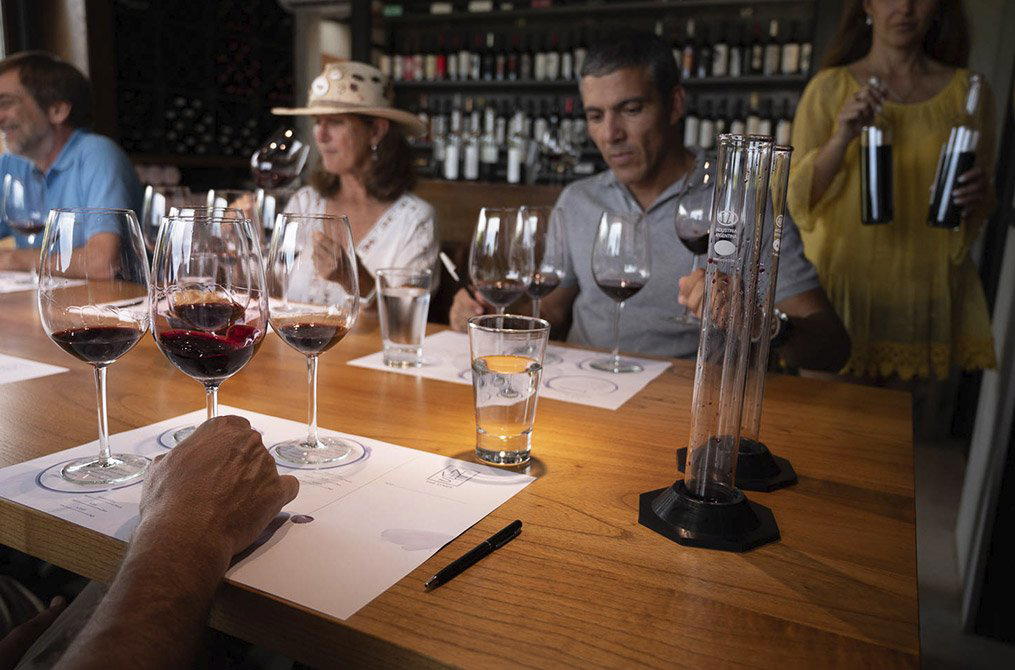
Restaurants in Tunuyán
Browse all →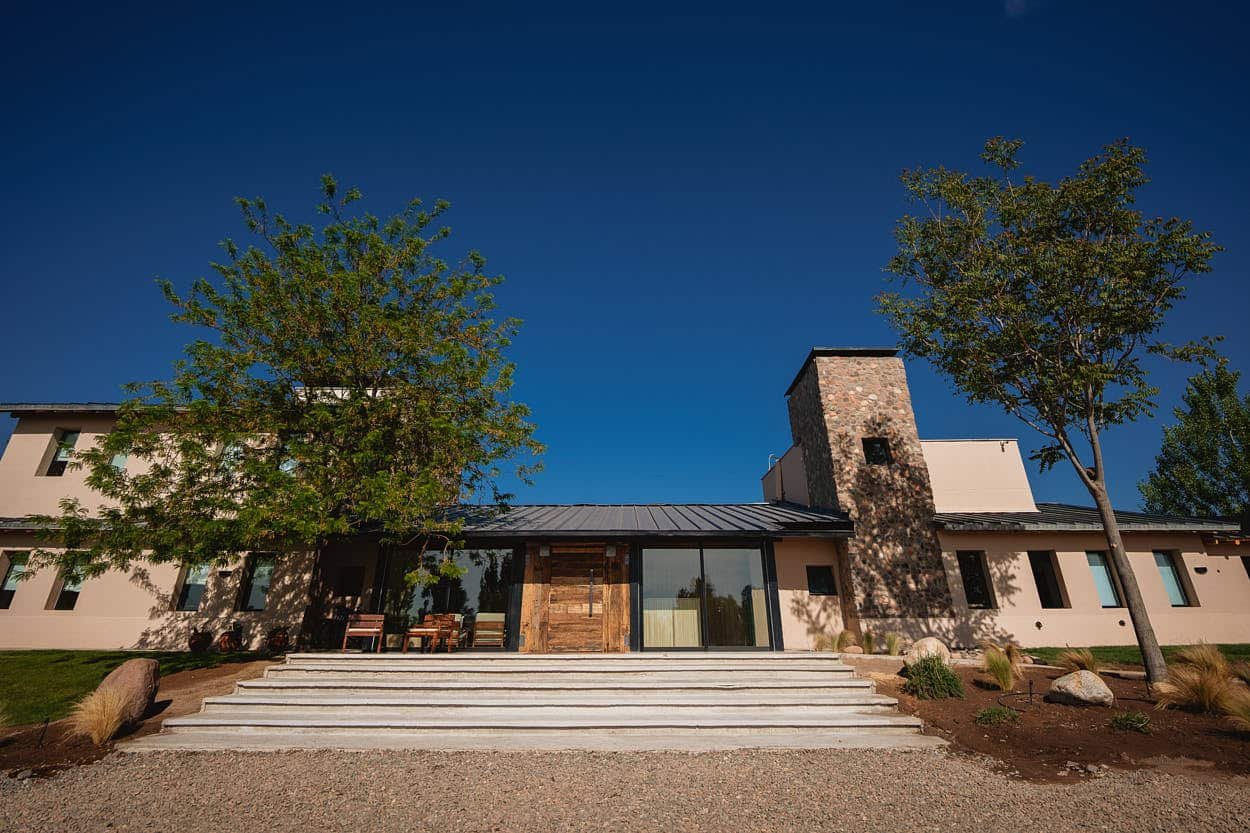

Details
- Romantic
- Elegant
- Scenic
- Sophisticated
- Intimate
- Honeymoon
- Romantic Getaway
- Wellness Retreat
- Anniversary
- Weekend Escape
- Panoramic View
- Terrace
- Garden
- Pool
- Spa
- Wi Fi
- Fitness Center
- Room Service
- Concierge
- Tennis Court
- Sauna
- Mountain
- Vineyard
- Step Free Entrance
Tranquil and relaxing atmosphere with floor-to-ceiling windows offering dramatic vineyard and mountain vistas, cozy fireplaces, and a peaceful natural setting praised for serenity.