Avila Beach Hotel

World Luxury Hotel Awards WLHA Regional Winner
A double-awarded heritage property on Willemstad's Penstraat, Avila Beach Hotel holds both the Regional Winner title for Luxury Heritage Resort and the Continent Winner designation for Luxury Beachfront Resort. For travellers choosing between heritage character and contemporary design, this is the clearest case for the former.

Pearl is the En Primeur Club membership app, where members save venues, book tables and use the concierge.
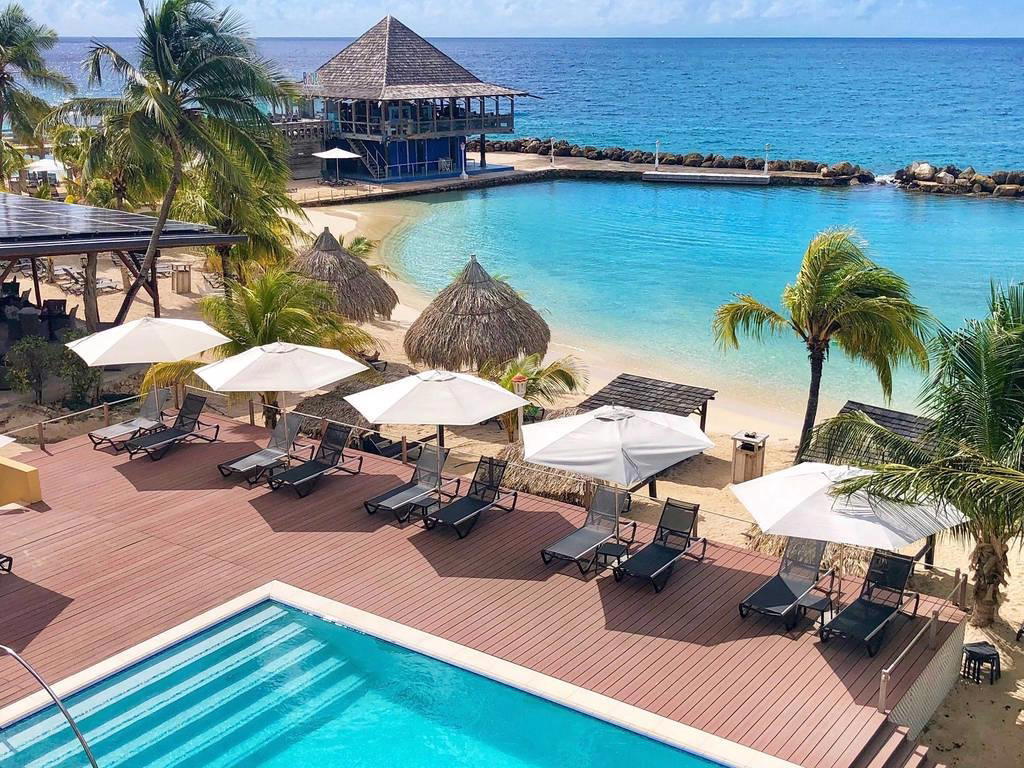
Colonial Architecture Meets Caribbean Shoreline
The Dutch colonial architecture that defines Willemstad's UNESCO World Heritage waterfront doesn't stop at the edge of the historic centre. At 130 Penstraat, a short walk from the Otrobanda district, Avila Beach Hotel occupies one of the more complete examples of 19th-century colonial residential architecture on the island, a pale-painted mansion whose proportions and detailing belong to a tradition of Dutch Caribbean building that was shaped as much by climate as by European precedent. The deep verandahs, the pitched rooflines, and the relationship between interior and exterior space all reflect an architectural logic developed specifically for the tropics. That context matters here, because the building is the argument.
In the Caribbean luxury tier, the split between heritage properties and purpose-built resort footprints has become more pronounced over the past decade. Properties like Baoase Luxury Resort represent one pole: contemporary design, controlled environments, and a self-contained aesthetic that could theoretically be transposed elsewhere. Avila sits at the opposite end of that spectrum. The structure predates modern resort development by well over a century, and that irreproducibility carries weight in a market where newer builds compete primarily on amenity stacks and room categories rather than physical character.
What the Awards Say About Positioning
Two Luxury Travel Awards recognitions frame where Avila sits in its competitive set. The Regional Winner designation for Luxury Heritage Resort places it against other heritage properties across the Caribbean and Latin America, a category that rewards architectural authenticity and historical continuity over contemporary design scores. The Continent Winner title for Luxury Beachfront Resort adds a second competitive layer, acknowledging that the property also functions as a working beach hotel, not merely a preserved building that happens to have rooms. Holding both designations simultaneously is the clearest signal of the hotel's dual positioning: historical fabric on one axis, genuine beach access on the other.
That combination is less common in Willemstad than it might appear. The historic core of the city is largely landlocked from a resort perspective, with most beachfront development pushed further along the coastline. Avila's location, colonial architecture at the address, direct beach access in practice, compresses what many travellers assume requires a trade-off. For context on how Willemstad's accommodation market divides, our full Willemstad restaurants guide maps the broader scene across the city's distinct neighbourhoods.
The Design Argument: Permanence Over Trend
Heritage hotel architecture operates on a different critical register than contemporary design. Where a property like Aman Venice or Castello di Reschio draws authority from the age and cultural weight of its European structure, Avila draws authority from what Dutch Caribbean colonial architecture represents in the context of Curaçao specifically: the built legacy of a trading economy that connected this island to Amsterdam, Sephardic merchant communities, and the wider Atlantic world. The architecture isn't decorative history, it's the material record of how Curaçao developed its particular urban character.
The practical consequence for guests is that the spatial logic of the building is genuinely different from purpose-built resorts. Rooms in the original colonial structure tend to have ceiling heights, window proportions, and room-to-outdoor ratios that reflect 19th-century residential design rather than contemporary hotel ergonomics. That's not a deficiency, it's the structural counterpart to what Hotel Sacher Wien offers in Vienna or Badrutt's Palace Hotel in St. Moritz: a physical environment that has its own logic, one that pre-dates and exceeds the guest's presence in it.
Curaçao's Beachfront Tier in Context
Willemstad's luxury accommodation market has expanded in recent years, with properties like Papagayo Beach Hotel and Resort and Papagayo Beach Resort establishing a contemporary beachfront tier that competes on design, amenities, and leisure programming. Avila doesn't compete directly in that register. Its Continent Winner designation for beachfront resort suggests it holds its own on the coastal access dimension, but the guest proposition is weighted differently, toward the architectural and historical experience rather than toward amenity volume.
That distinction matters most at the decision point. Travellers who place a premium on contemporary resort infrastructure, consistent design language, and purpose-built leisure facilities will find the Papagayo properties more aligned. Travellers who want the physical specificity of a colonial building with direct beach access, a combination that is structurally scarce in the Caribbean heritage tier, are likely to weight Avila differently. The peer comparison isn't really One&Only; Mandarina or Hotel Esencia; it's closer to properties where the building itself carries editorial weight independent of the amenity programme.
Planning Your Stay
Avila Beach Hotel is located at 130 Penstraat in Willemstad, within walking distance of the Otrobanda district and the pontoon bridge crossing to Punda. That central position makes it one of the more practical bases for guests who want both beach access and walkable proximity to the city's historic fabric, a combination that properties further along the western coastline can't easily replicate. Curaçao's dry season runs roughly from January through September, with the island sitting outside the main hurricane belt, which gives it a more reliably bookable calendar than many Caribbean destinations at the same latitude. The shoulder months of May and June typically offer the leading balance of availability and weather stability. Booking lead time for Caribbean heritage properties in this tier tends to mirror the wider luxury segment, peak season reservations, particularly around the December-to-April window, warrant several months' advance planning.
Quick Comparison
Comparable venues nearby, for context on price, style, and recognition.
| Venue | Cuisine | Price | Awards | Notes |
|---|---|---|---|---|
| Avila Beach HotelThis venue (the venue you are viewing) | Historic beachfront resort blending Caribbean charm with modern luxury. | Not listed | World Luxury Hotel Awards WLHA Regional Winner | Not listed |
| BijBlauw | Restored Dutch colonial boutique hotel | $100–200 | Michelin Selected | Pietermaai |
| Papagayo Beach Hotel & Resort | Modern beachfront resort within a plaza complex | $200–300 | World Luxury Hotel Awards WLHA Regional Winner | Jan Thiel |
| Baoase Luxury Resort | Balinese-Caribbean fusion luxury villas and suites | Not listed | Virtuoso Luxury Hotel Partner · Forbes Recommended | Willemstad |
| Papagayo Beach Resort | Contemporary resort blending European design with island luxury | $200–300 | World Luxury Hotel Awards WLHA Regional Winner | Jan Thiel |
Recognition history
Dated appearances from independent guides and award organizations, with the underlying list record or original source where available.
World Luxury Hotel Awards WLHA Regional Winner
World Luxury Hotel Awards
Full recognition history (2 entries)
World Luxury Hotel Awards WLHA Continent Winner
World Luxury Hotel Awards
Continue exploring
More in Willemstad
Hotels in Willemstad
All hotels in Willemstad →
Restaurants in Willemstad
All restaurants in Willemstad →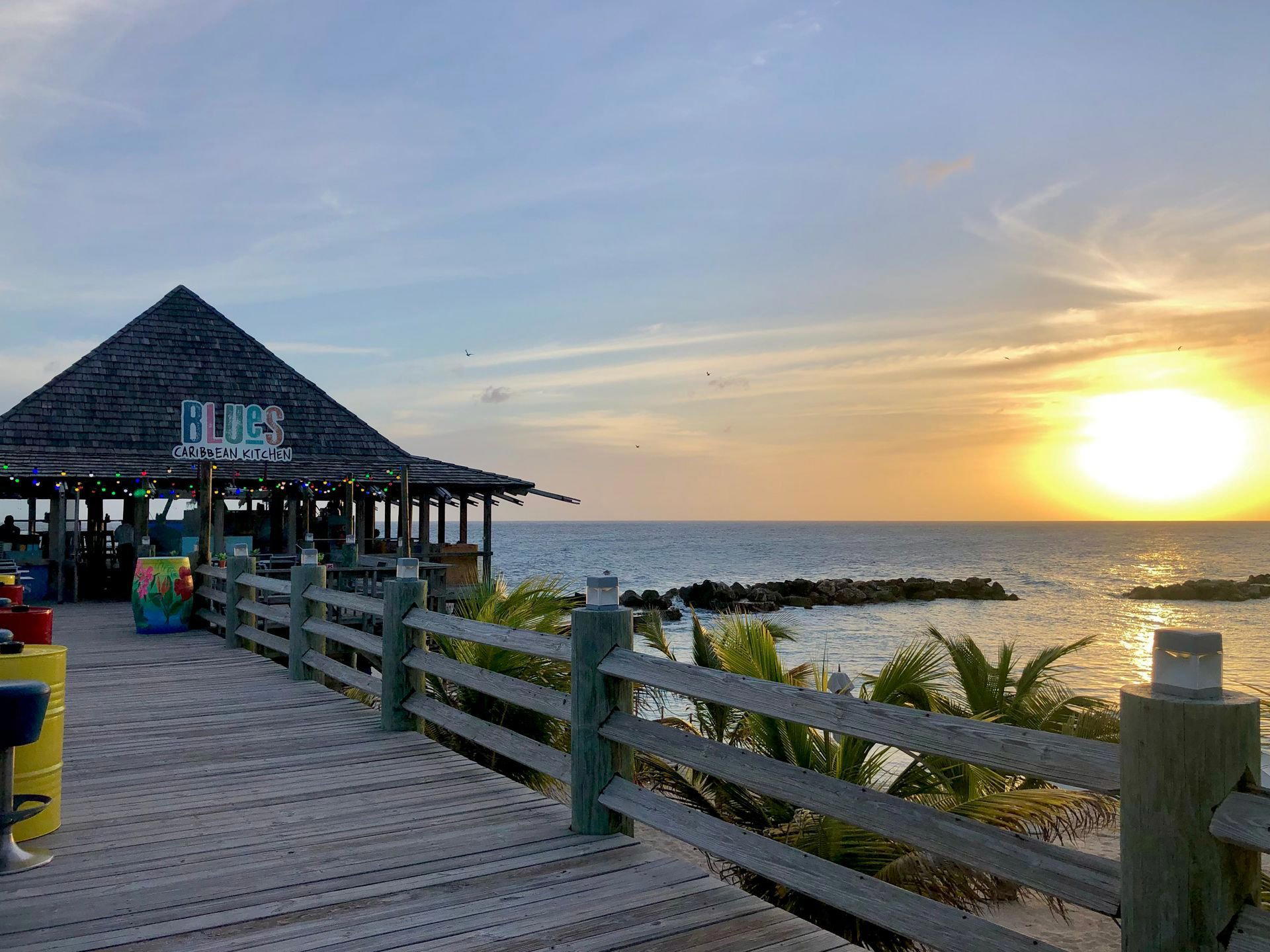

Details
- Romantic
- Scenic
- Elegant
- Cozy
- Classic
- Romantic Getaway
- Family Vacation
- Weekend Escape
- Beachfront
- Infinity Pool
- Wi Fi
- Pool
- Spa
- Fitness Center
- Room Service
- Concierge
- Business Center
- Waterfront
- Elevator
- Step Free Entrance
Relaxed Caribbean vibe with classic tropical elegance, calm beachfront atmosphere, and modern comforts in renovated wings.