
Falstaff Winery - Listed
Château Le Sartre belongs to the quieter, terroir-led side of Léognan: a small Pessac-Léognan estate known for still white and red Graves wines rather than spectacle. Its appeal rests on gravel soils, Sauvignon Blanc and Sémillon for the whites, Cabernet Sauvignon and Merlot for the reds, and a private-tasting format suited to travelers who want Bordeaux context at estate scale.

In Léognan, Château Le Sartre is best understood as a traditional Bordeaux wine estate rather than a conventional dining venue. That distinction matters: the appeal here is not built around a restaurant-style experience, a menu, or a clearly defined hospitality format, but around the presence and character of a wine property. The profile is restrained and terroir-driven: a small, highly prized property associated with elegant wines and a refined estate atmosphere. In that sense, it belongs to the quieter side of Bordeaux travel, where the setting, the château environment and the sense of place carry as much weight as any formal visitor offering.
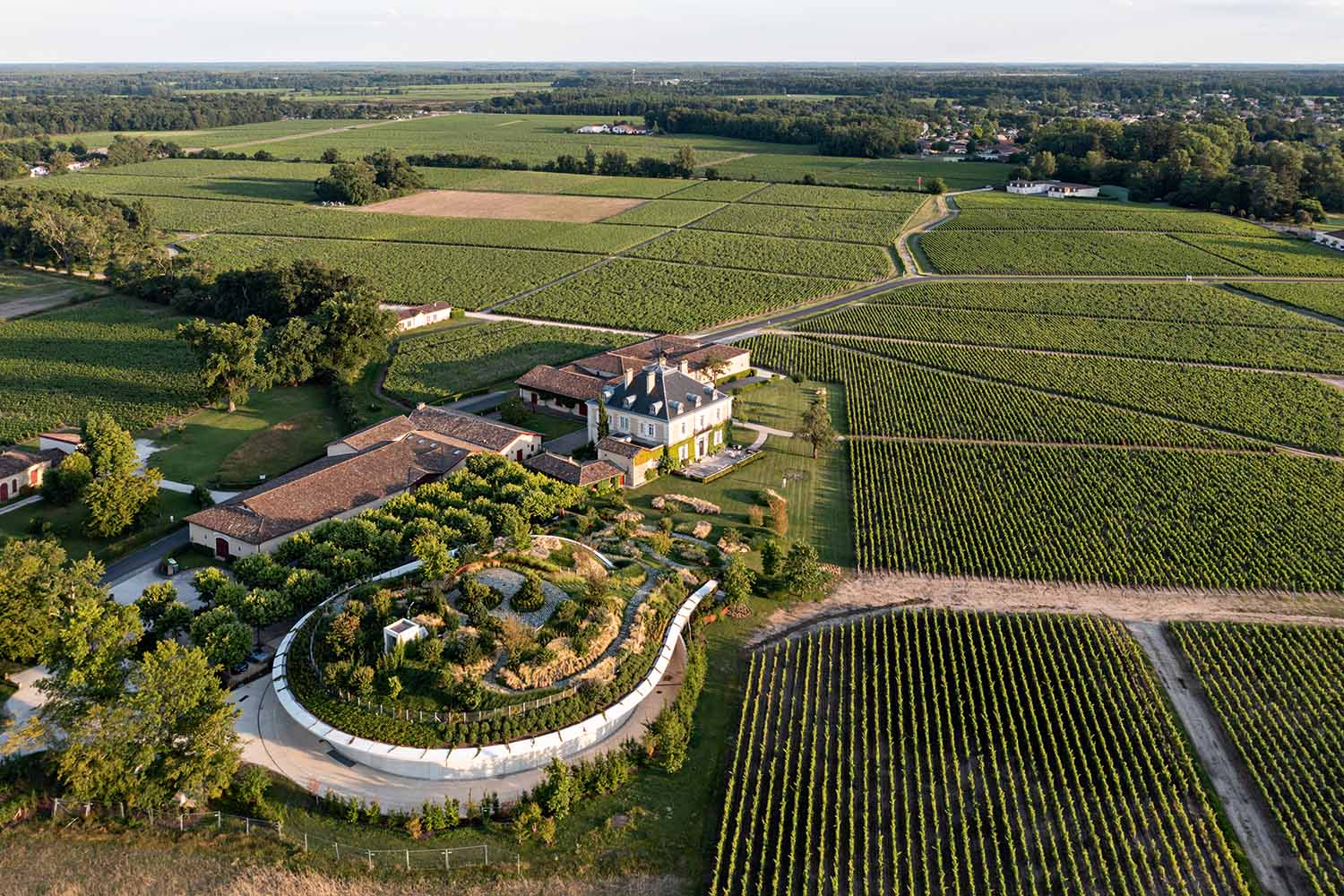
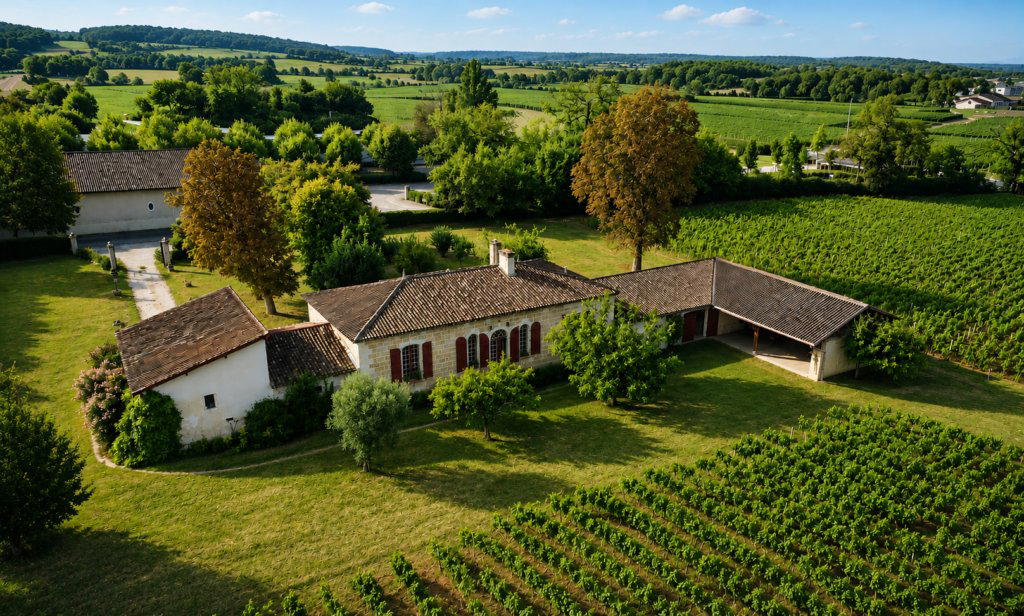
It is a Bordeaux wine estate in Léognan, with a renovated château building and state-of-the-art cellar equipment. Those two points give the property a useful balance: the visual and atmospheric cues of a traditional estate, paired with a more contemporary technical backdrop in the cellar. Specific claims about grape varieties, wine styles, visitor formats, tour timing, food service or appointment policies are not confirmed here, so the most accurate reading is deliberately measured. Château Le Sartre should be approached as an estate profile rather than as a fully documented dining or tour listing.
Estate character and terroir-driven atmosphere
Château Le Sartre’s appeal rests on a classic Bordeaux-estate mood: quiet, polished and tied to terroir rather than spectacle. Sources describe it as small in scale and highly prized, with wines characterized by elegance. That combination gives the estate a particular kind of presence. It is not being framed as a grand, high-volume destination, but as a more focused property whose value lies in refinement, proportion and a sense of connection to its place in Léognan.
The estate setting and renovated château help define the experience. A renovated château building adds a layer of composure and finish to the identity of the property, while still keeping it within the vocabulary of a traditional Bordeaux estate. The effect is less about theatrical luxury than about polish: a built environment that supports the impression of seriousness, care and continuity. For a wine traveler, that atmosphere can be central, especially when the estate’s public details are limited and the most reliable descriptors are scale, setting and elegance.
For travelers comparing wine addresses in Léognan, Château Le Sartre should be considered as part of the area’s broader estate landscape, with the emphasis here on atmosphere, setting and Bordeaux refinement. It may be especially relevant for those who value the idea of a property with a clear sense of place, rather than one defined by a long list of hospitality features. The available information points toward a restrained, terroir-led identity, and that is the most useful lens through which to understand it.
A small estate format in a serious wine setting
Scale is part of the appeal. Château Le Sartre is described as a small, highly prized property, which gives the estate a focused character. Its identity is tied to elegance, terroir and the renovated château environment. Smallness, in this context, should not be read as slightness; it suggests a more concentrated estate personality, where the property’s reputation and atmosphere are not dependent on volume or spectacle. The language around the estate points to a refined Bordeaux address with a deliberately composed feel.
The cellar is described as using state-of-the-art equipment, a useful signal for those interested in the meeting point between Bordeaux tradition and contemporary precision. That detail adds an important layer to the estate profile: the château setting may speak to heritage and place, while the cellar equipment points to technical seriousness. Together, they create a picture of an estate that is traditional in mood but not static in its working environment.
For broader context, it is best to read Château Le Sartre as one refined Léognan estate within a wider local wine landscape, rather than as a venue defined by visitor-program details. This is a useful distinction for planning. The confirmed information supports an estate-focused description: Bordeaux, Léognan, renovated château, state-of-the-art cellar equipment, small scale, prized reputation and elegant, terroir-driven wines. It does not support adding assumptions about tastings, meals, access or service style. The editorial value is therefore in careful placement, not overstatement.
How to place it in a Léognan itinerary
Château Le Sartre fits travelers who are drawn to Bordeaux wine estates with a quieter, terroir-led atmosphere. The price level is $$$, and the setting is best described as refined, traditional and estate-focused. In an itinerary, it belongs in the category of serious wine addresses where the estate identity is the point: the château building, the cellar context and the sense of Bordeaux restraint all contribute to its appeal.
The editorial case is direct: Château Le Sartre is a small, highly prized Bordeaux wine estate in Léognan, with a renovated château, state-of-the-art cellar equipment and an elegant, terroir-driven identity. That is enough to make it relevant for travelers mapping the wine culture of the area, particularly those who appreciate quieter properties and traditional estate settings. The most accurate recommendation is to value it for what is confirmed: scale, refinement, atmosphere and seriousness, rather than for visitor formats or hospitality promises.
Frequently asked questions
What's the vibe at Château Le Sartre?
It is a traditional Bordeaux wine estate in Léognan with a refined, terroir-driven atmosphere. Sources describe it as a small, highly prized property producing elegant wines.
What's the pricing like at Château Le Sartre?
Pricing at Château Le Sartre is listed as $$$.
What's Château Le Sartre's location?
Château Le Sartre is located in Léognan.
What should I know about Château Le Sartre before I go?
Château Le Sartre is a small Bordeaux wine estate in Léognan with a renovated château building and state-of-the-art cellar equipment.
Do I need a reservation for Château Le Sartre?
Check directly with Château Le Sartre before planning a visit to Léognan.
What kind of traveler is Château Le Sartre a good fit for?
It suits travelers interested in a refined Bordeaux wine-estate atmosphere, terroir-driven character and a smaller Léognan property known for elegant wines.
Recognition history
Dated appearances from independent guides and award organizations, with the underlying list record or original source where available.
Falstaff Winery - Listed
Falstaff
Request a visit to Château Le Sartre
Tell us when you would like to go and how many people, and we put the request to the estate and reply to you by email.
Continue exploring
More in Léognan
Wineries in Léognan
All wineries in Léognan →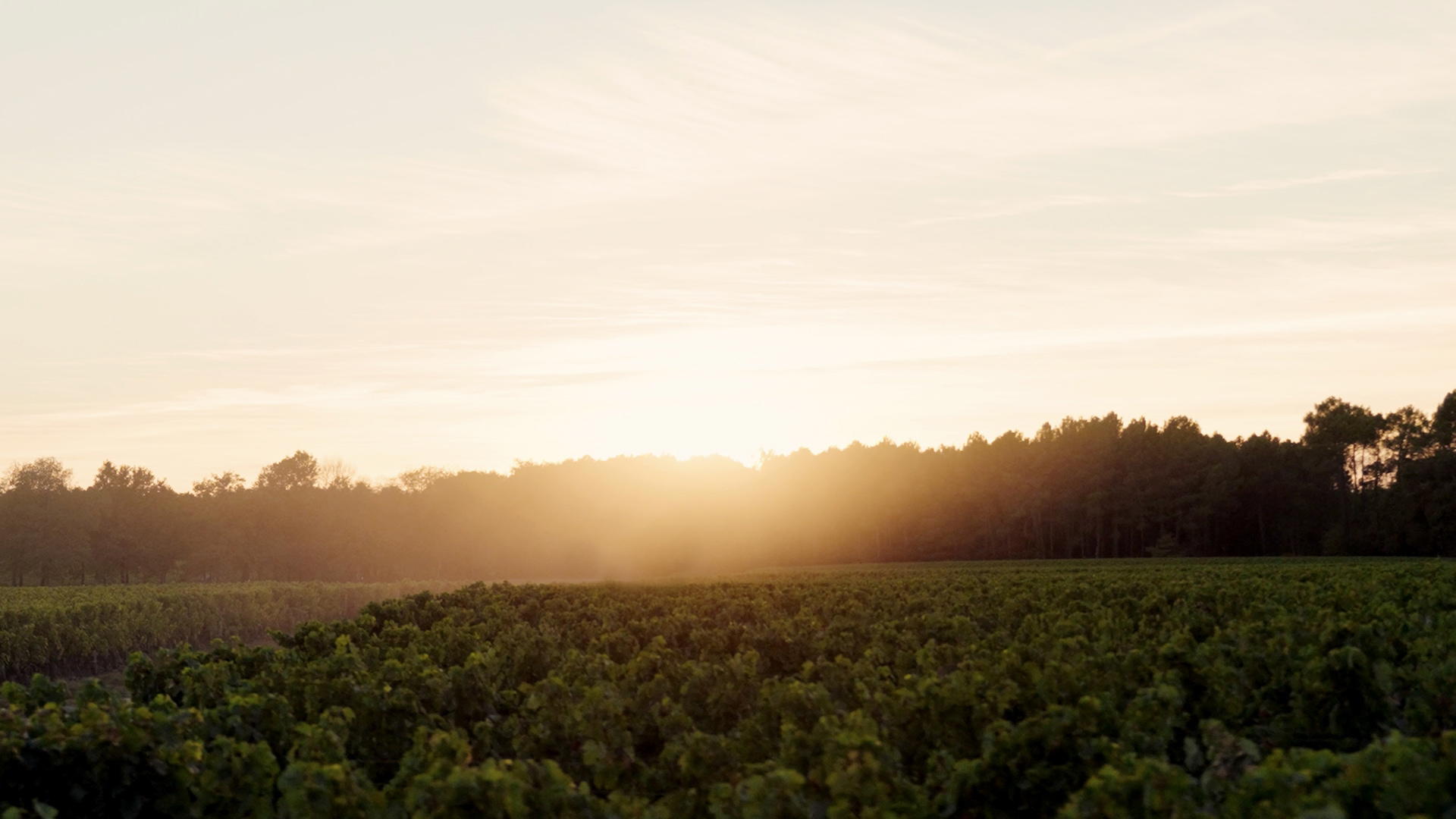
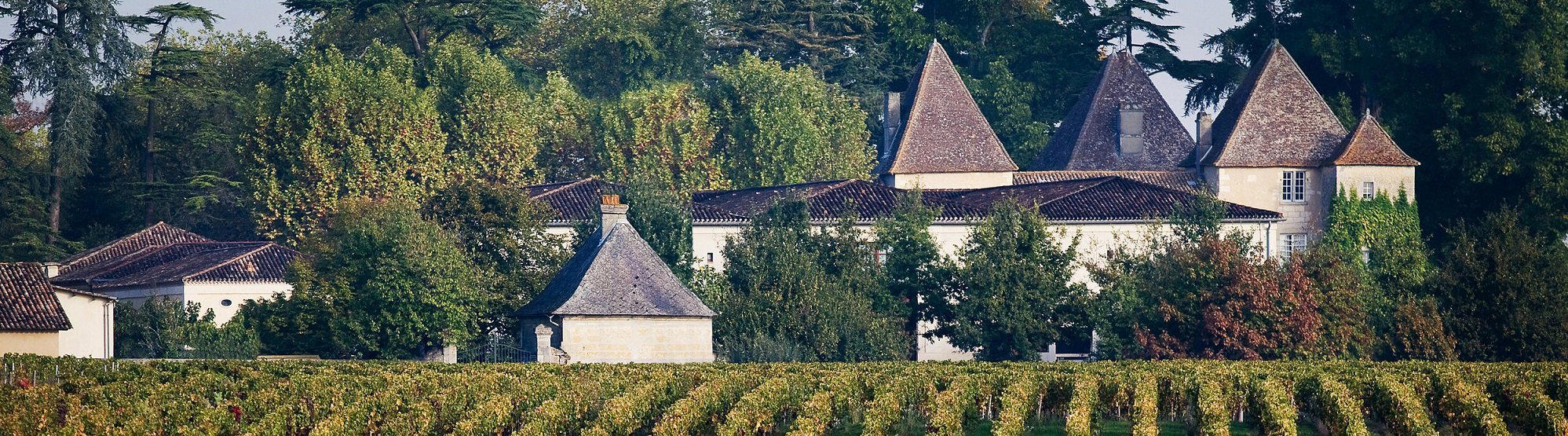
Restaurants in Léognan
All restaurants in Léognan →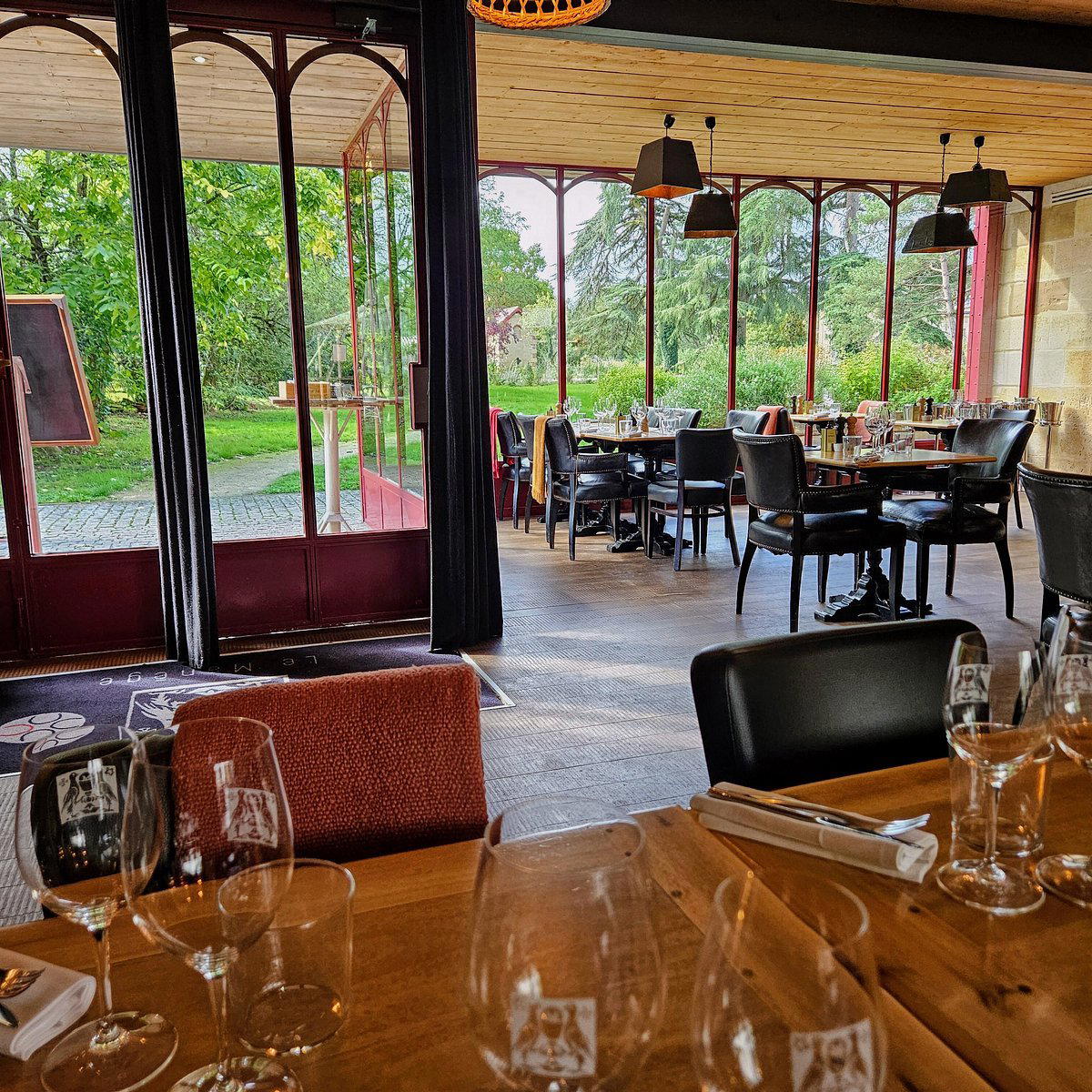
Hotels in Léognan
All hotels in Léognan →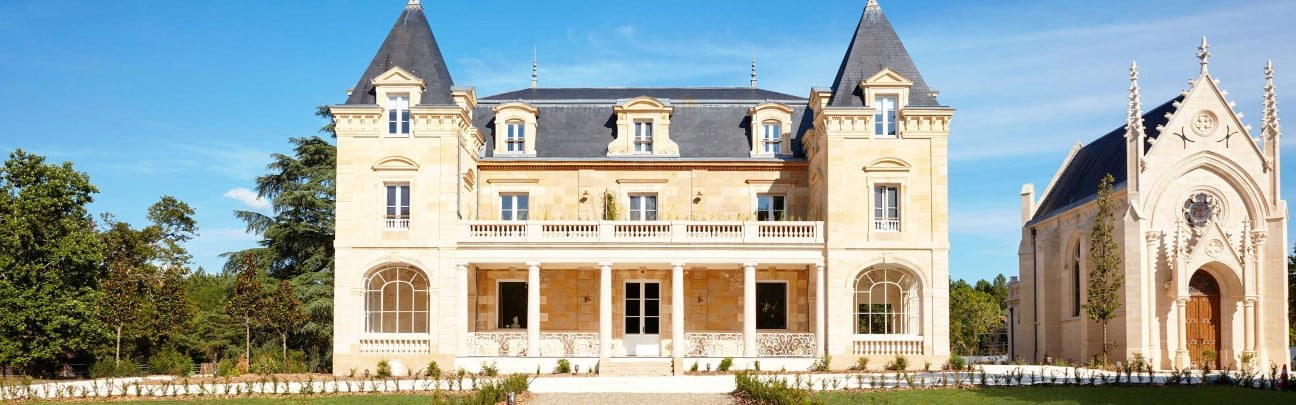
Details
- Classic
- Elegant
- Quiet
- Sophisticated
- Special Occasion
- Wine Education
- Solo Exploration
- Historic Building
- Estate Grounds
- Private Tasting
- Vineyard
- Sauvignon Blanc
- Sémillon
- Cabernet Sauvignon
- Merlot
- Still White
- Still Red
- Private Tasting
A traditional Bordeaux wine estate with a refined, terroir-driven atmosphere; sources describe it as a small, highly prized property producing elegant wines, and note a renovated château building with state-of-the-art cellar equipment.