Tokyo Sushi Omakase Restaurant
Fort Lauderdale's omakase scene is small, and Tokyo Sushi Omakase Restaurant on SE 17th Street occupies a specific tier within it: a counter-format experience built around the traditions of Japanese chef-driven sushi. Located near the marina corridor, it positions itself for diners who want the chef's-choice structure over à la carte ordering, and the sourcing philosophy that format demands.
- Address
- 1499 SE 17th St STE E, Fort Lauderdale, FL 33316
- Phone
- +1 954 955 3749
- Website
- tokyosushifort.com
- Directions
- Get directions
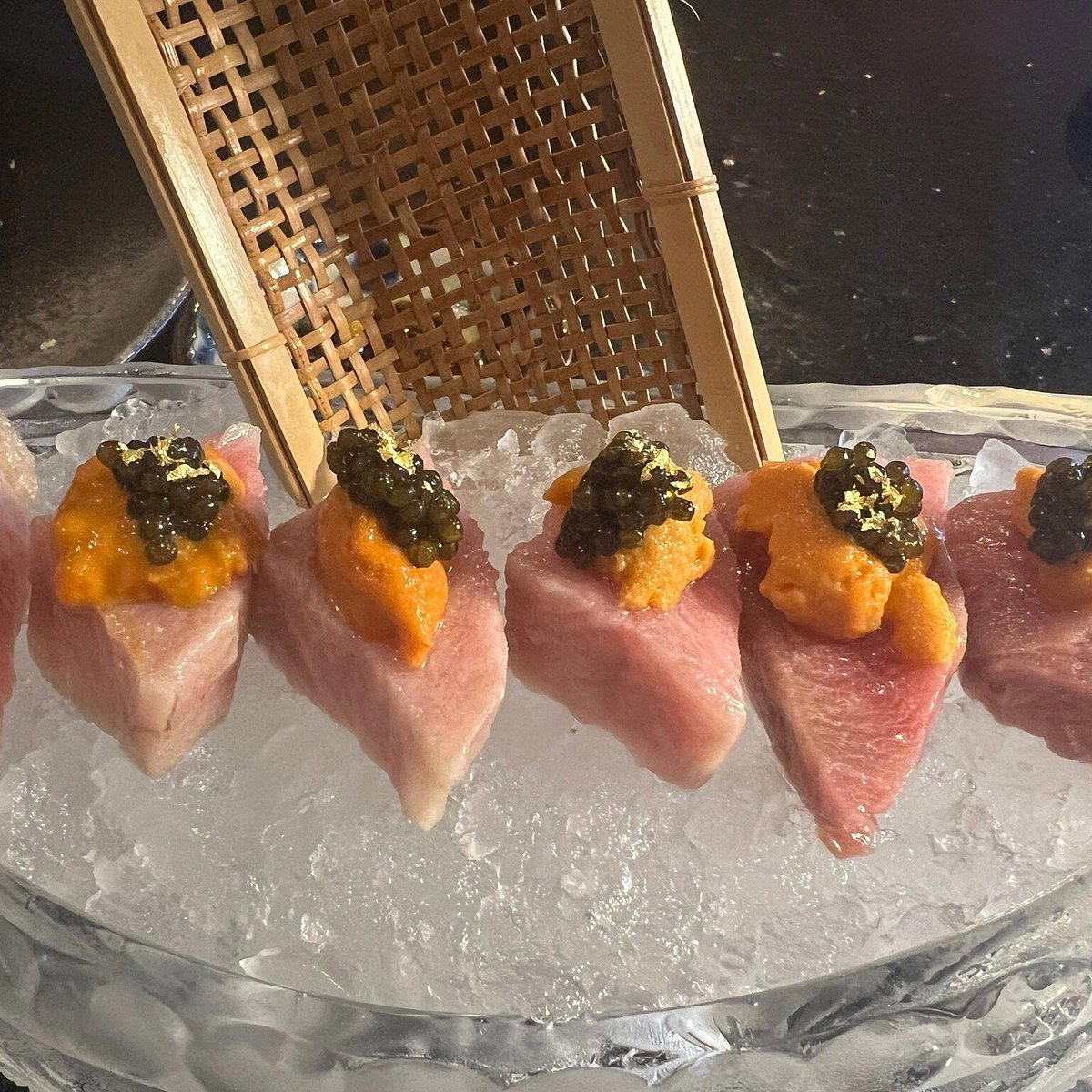
Omakase in South Florida: The Format Arrives on the 17th Street Corridor
Fort Lauderdale's dining scene has spent the past decade pulling away from its reputation as Miami's quieter neighbor, and nowhere is that shift more visible than in the emergence of counter-service Japanese formats along the 17th Street Causeway corridor. Tokyo Sushi Omakase Restaurant, addressed at 1499 SE 17th St, sits within that stretch, a block category defined more by its proximity to the marina district and its concentration of serious independent restaurants than by any single landmark. The omakase format, as a broader dining tradition, demands a particular kind of commitment from both kitchen and guest: the chef sequences the meal, the guest surrenders the menu, and the result is determined entirely by the discipline of the counter.
That format has migrated steadily from its origins in Tokyo's Ginza district to cities across the United States, arriving first in New York and Los Angeles, then filtering into secondary and tertiary markets where diners with travel experience began expecting the same intimacy and precision they found at counters abroad. Fort Lauderdale, with its transient population of yacht owners, international visitors, and Miami-adjacent food culture, represents exactly the kind of city where the format can take hold without requiring the density of a major metropolitan center.
The Counter as Environment
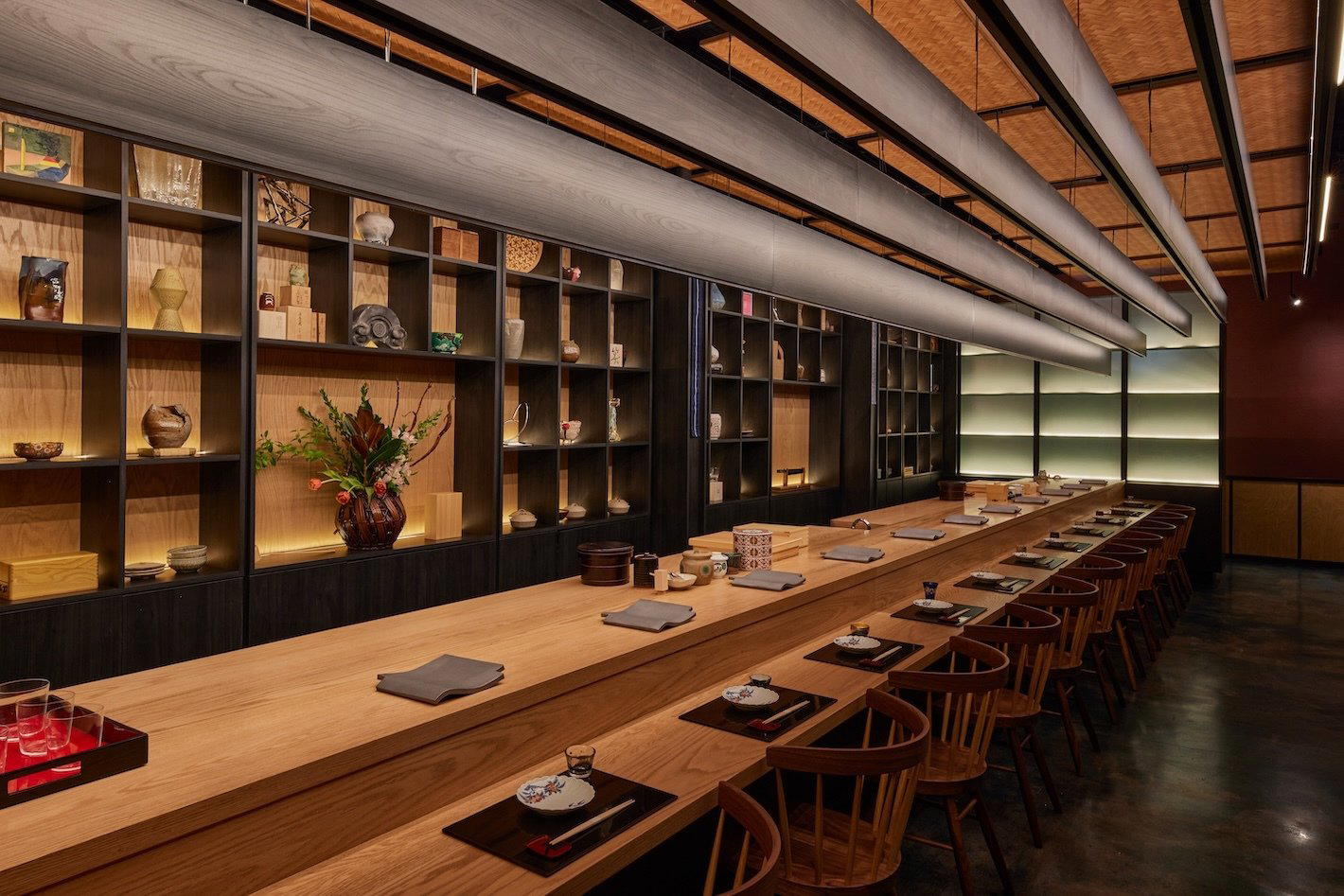
The sensory logic of an omakase counter is architectural before it is culinary. The format strips away the distance between kitchen and table, replacing it with direct sight lines to the chef's hands, the sound of a knife moving through fish, the faint chill of refrigerated display cases, and the warm grain of hinoki cypress or similar counter materials that define the aesthetic of serious sushi-ya. Where a conventional dining room distributes attention across dozens of tables, the counter concentrates it. Every movement becomes visible; every silence is deliberate.
In South Florida's climate, that enclosure takes on additional meaning. The contrast between the heat and brightness outside and the cool, controlled interior of a sushi counter is more pronounced here than in northern cities, and that shift registers immediately as guests move from the parking structure or harborside street into the restaurant. The counter format, wherever it operates, rewards guests who arrive without an agenda and surrender to the sequencing the kitchen has prepared. That psychological adjustment is part of what distinguishes an omakase experience from any other format in the category.
Fort Lauderdale's Competitive Position for Japanese Dining
South Florida's Japanese dining market has historically concentrated in Miami, where the density of high-income residents and international tourism supports multiple high-volume sushi operations. Fort Lauderdale has operated in that shadow, with its Japanese restaurant options tending toward accessible sushi lounges and Asian fusion formats. The appearance of omakase-forward venues in Fort Lauderdale represents a market signal: the city's dining clientele has matured enough to support a format that requires advance booking, a higher per-head spend, and a longer meal duration than a conventional sushi restaurant.
Comparison venues in the local category include Koi Sushi Lounge and KUBO Asian Fusion and Bar, both of which operate in the accessible sushi lounge tier, and the broader Fort Lauderdale restaurant community, which spans everything from the old-guard Italian format of Anthony's Runway 84 to the marina-adjacent casual dining of Boatyard. The omakase format sits above all of those in terms of format precision and per-guest investment, positioning itself for a different occasion and a different guest profile entirely. For the broader picture of what Fort Lauderdale's dining scene currently offers across all categories, the full Fort Lauderdale restaurants guide maps the territory in detail.
What the Format Demands of the Guest
Omakase dining in the United States has developed its own etiquette layer distinct from the Japanese original. Guests are expected to communicate dietary restrictions at booking rather than at the counter, to arrive on time given that many counters seat all guests simultaneously and sequence courses together, and to engage with the meal at its own pace rather than accelerating toward a finish. In cities with established omakase cultures, like New York, Chicago, and Honolulu, that etiquette is broadly understood. At venues in emerging markets like Fort Lauderdale, the format often encounters guests who are experiencing it for the first time, which shifts the counter experience in subtle ways.
For context on what counter-driven Japanese dining looks and feels like at the highest tier in other American cities, the bar and cocktail programs at Kumiko in Chicago and Bar Leather Apron in Honolulu offer adjacent examples of the precision-service format applied to drinks rather than food, with a similar emphasis on counter dialogue and sequencing. The craft cocktail scene in cities like New York, where venues such as Superbueno apply focused program discipline, and San Francisco, where ABV has long operated in the serious-bar tier, reflects the same broader shift toward format-over-volume that omakase dining represents. Similar movements are visible at Jewel of the South in New Orleans, Julep in Houston, and The Parlour in Frankfurt, each of which treats service precision as a primary value rather than a secondary amenity.
Planning a Visit
The 17th Street Causeway address places Tokyo Sushi Omakase Restaurant within easy reach of the Fort Lauderdale cruise port and the marina district, making it accessible to guests staying in the downtown or harbor-area hotel corridor. Parking in this stretch of SE 17th Street tends to be available in the adjacent retail complex. The format is not suited to walk-in dining; the kitchen calibrates purchasing and preparation to a confirmed headcount. Checking current booking availability, hours, and any seasonal menu details directly with the restaurant is the appropriate first step for anyone planning a meal here, as those details are not confirmed in public channels at the time of this writing.
For guests building a full evening around the neighborhood, the bar scene in Fort Lauderdale offers pre- or post-dinner options at Apothecary 330, which operates in the cocktail-forward tier, and the more casual setting of Brew Next Door.
Continue exploring
More in Fort Lauderdale
Bars in Fort Lauderdale
Browse all →
Restaurants in Fort Lauderdale
Browse all →
At a Glance
- Elegant
- Intimate
- Sophisticated
- Special Occasion
- Counter Only
- Sake
Know Before You Go
- Getting there
- 1499 SE 17th St STE E, Fort Lauderdale, FL 33316