The Giddy Goat Coffee Roasters Plaza
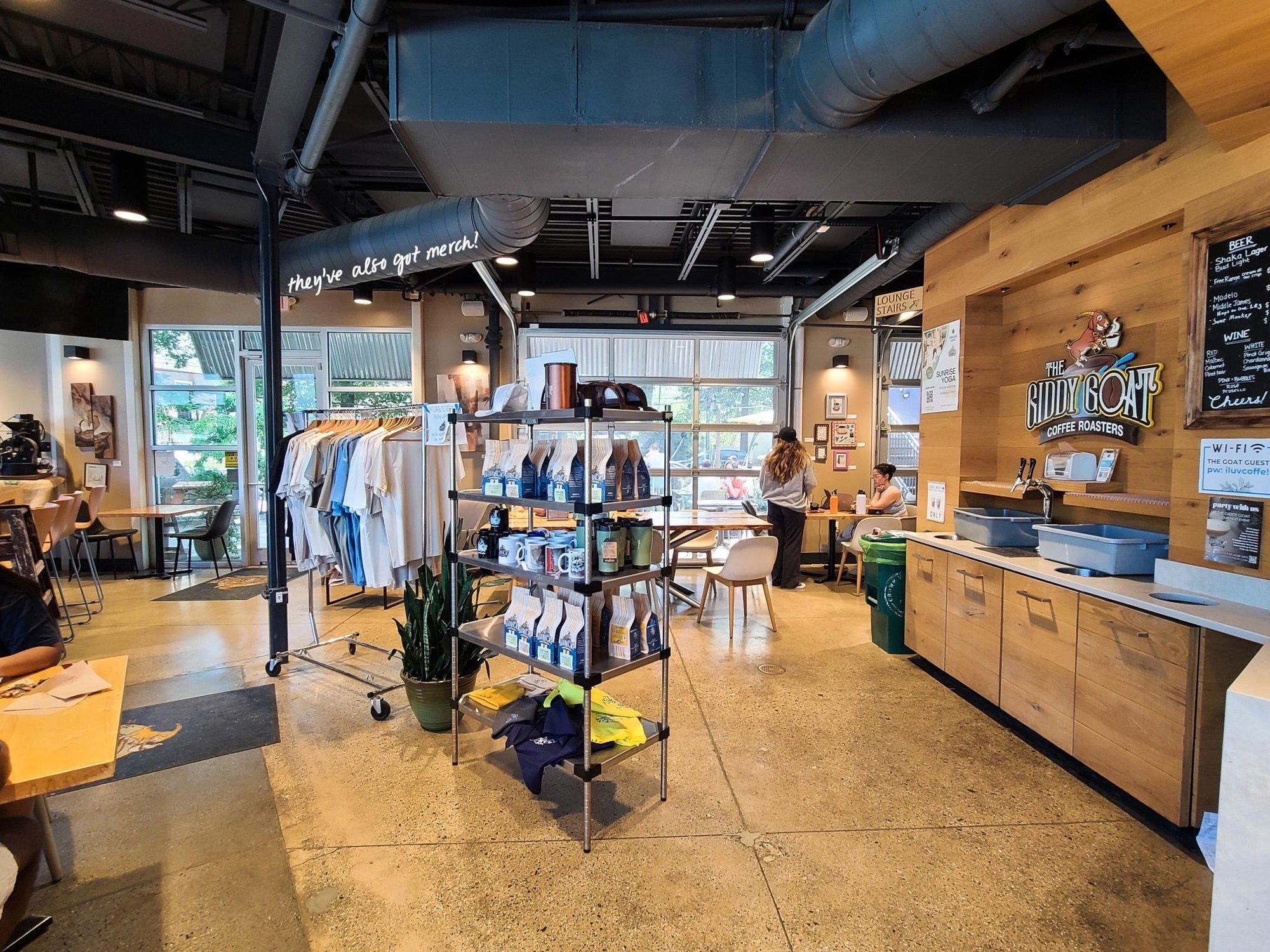
On The Plaza corridor in Charlotte's NoDa-adjacent east side, Giddy Goat Coffee Roasters has become a reference point for how specialty coffee culture takes root in mid-sized American cities. The roastery-café format puts sourcing and craft at the centre rather than atmosphere alone, positioning it squarely within the neighbourhood's shift toward independent, production-led retail. For Charlotte's growing coffee-aware crowd, it operates as both a daily habit and a deliberate destination.

Pearl is the En Primeur Club membership app — saves, bookings, and concierge access live there. Same editors, same standards.
- Address
- 1217 The Plaza, Charlotte, NC 28205
- Hours
- Daily 7 AM–7 PM
- Website
- giddygoat.com
- Directions
- Get directions
The Plaza Corridor and the Specialty Coffee Turn
Charlotte's independent coffee scene developed later than its counterparts in Asheville or Durham, but the east side of the city has made up ground quickly. The stretch of The Plaza running through the 28205 zip code has attracted a particular kind of operator: production-oriented, neighbourhood-anchored, and more interested in the quality of the product than in the theatrics of the space. Giddy Goat Coffee Roasters, operating from 1217 The Plaza, belongs to that cohort. Its presence on this corridor is less a coincidence than a reflection of where Charlotte's independent hospitality energy has concentrated over the past decade.
Specialty coffee in American mid-sized cities tends to follow a recognisable arc. A first wave of café operators opens spaces that prioritise community feel over sourcing discipline. Then, usually within a decade, a second generation arrives that treats the roaster function as primary and the café as an extension of the production operation. Giddy Goat sits in that second generation for Charlotte, where the roasting identity shapes what ends up in the cup rather than the other way around.
A Roastery Format in a Neighbourhood Setting
The roastery-café model carries specific expectations that differ from a conventional coffee shop. The distinction matters practically: when roasting happens on site or under the same brand umbrella, the menu is structured around what the roaster produces rather than sourced from a wholesale supplier. For the customer, that means the relationship between origin, roast profile, and brew method is more direct and more legible. Charlotte has seen a handful of operators adopt this format, and the east-side corridor has been a natural landing point given lower commercial rents relative to South End and the demographic mix of the surrounding neighbourhoods.
The evolution of the Giddy Goat brand across Charlotte reflects a broader pattern visible in cities like Portland, Denver, and Richmond: local roasters that begin as single-location operations gradually extend their footprint through additional retail sites while keeping production centralised. Each new location functions partly as a quality-control signal — consistency across sites is harder to fake when the product is roasted in-house. For the reader considering a visit, that means The Plaza location carries the same sourcing logic as any other point in the network.
Charlotte's East Side as a Reference Point
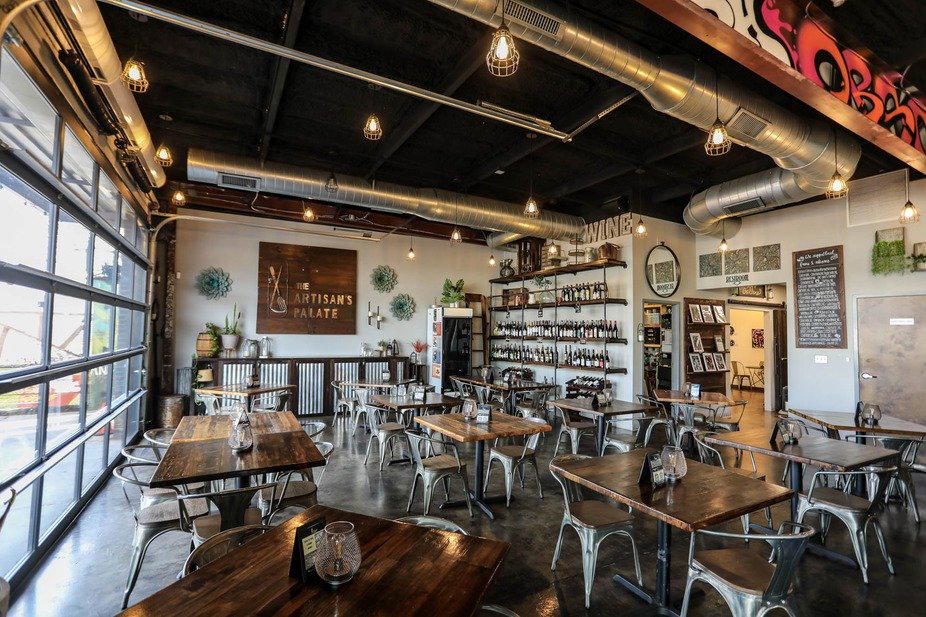
Understanding why The Plaza location works requires some context about the neighbourhood itself. The corridor connects the NoDa arts district to the older residential blocks of Plaza Midwood, and it has absorbed a mix of independent restaurants, bars, and retail that skews toward operators with a point of view. Charlotte's dining and drinking scene has diversified substantially since 2015, with venues like 300 East, Artisan's Palate, Azul Tacos And Beer, and BAKU anchoring different segments of that scene. Coffee has followed the same pattern: as the evening economy on the east side has matured, morning and afternoon retail has found a more committed customer base.
This is a pattern that repeats in cities across the South and Midwest. Where evening hospitality leads, daytime coffee culture follows, because the same residents who care about their cocktail programs tend to care about their espresso. It is the kind of feedback loop that has shaped neighbourhood coffee economies in cities ranging from Houston to Chicago. For a broader sense of how Charlotte's independent scene maps across its districts, our full Charlotte restaurants guide covers the territory in detail.
How the Category Has Shifted
The shift in specialty coffee retail over the past fifteen years has been from atmosphere-first to craft-first. Early third-wave operators competed on interior design, playlist curation, and the social legibility of their brand. The current generation competes on sourcing transparency, roast consistency, and barista competence. Giddy Goat's positioning as a roaster rather than simply a café places it in the craft-first bracket, which carries implications for what a visit actually delivers.
Across American cities, the roastery-café format has proven more durable than the atmosphere-only model because it gives the operator a production identity that is harder for larger chains to replicate at speed. The analogy to bars is instructive: the same turn from spectacle to technical discipline that reshaped cocktail programs at venues like Kumiko in Chicago, Jewel of the South in New Orleans, and Bar Leather Apron in Honolulu has played out in parallel in specialty coffee. The venues that have built lasting reputations in both categories share a common trait: the product discipline is legible to the customer without requiring a guided explanation. Similar trajectories are visible at Julep in Houston, Superbueno in New York City, ABV in San Francisco, and The Parlour in Frankfurt, each of which has built its identity around craft legibility rather than surface-level branding.
Planning a Visit
Giddy Goat Coffee Roasters Plaza sits at 1217 The Plaza, Charlotte, NC 28205, in a section of the corridor that is walkable from Plaza Midwood's main retail cluster. Street parking along The Plaza is generally available during off-peak hours; the surrounding residential blocks also offer on-street options. As a roastery-café rather than a full-service restaurant, the format rewards visits during the morning or mid-afternoon window when production-oriented coffee programs are at their sharpest. No booking is required for a standard café visit.
Cuisine Lens
| Venue | Cuisine | Price |
|---|---|---|
| The Giddy Goat Coffee Roasters PlazaThis venue — the venue you are viewing | This venue | $10–20 |
| Legion at the Trolley Barn | Not listed | $20–30 |
| Azul Tacos And Beer | Not listed | $10–20 |
| Hestia Rooftop | Not listed | $50–100 |
Continue exploring
More in Charlotte
Bars in Charlotte
Browse all →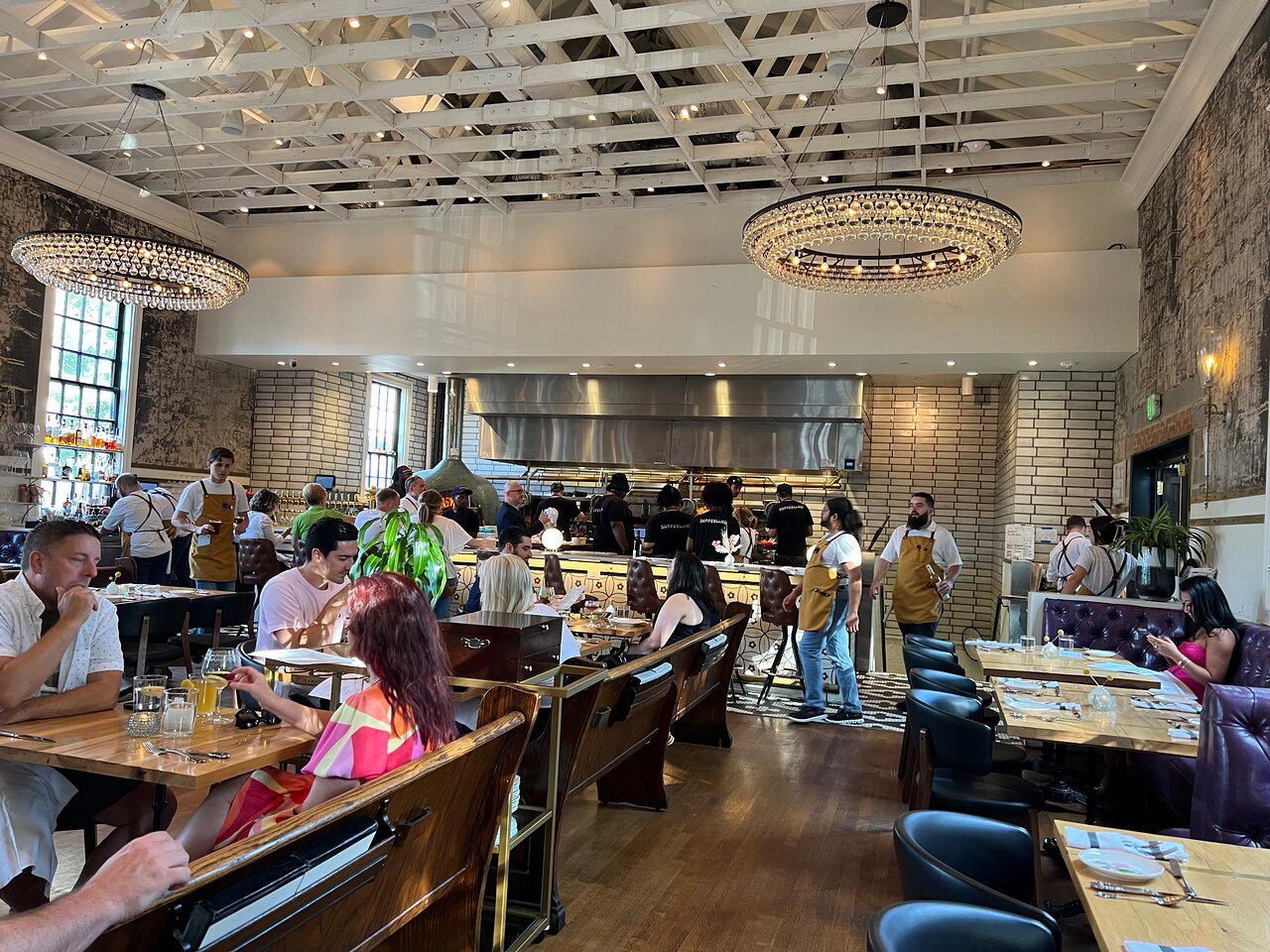
Restaurants in Charlotte
Browse all →
Hotels in Charlotte
Browse all →
Wineries in Charlotte
Browse all →
The Giddy Goat Coffee Roasters Plaza
The drinks
- Craft cocktails
- Craft beer
Signature drinks: Coffee Martini, Espresso Martini, Dirty Chai.
Details
- Trendy
- Lively
- Cozy
- Casual Hangout
- After Work
- Group Outing
- Private Event
- Live Music
- Terrace
- Standalone
- Design Destination
- Seated Bar
- Lounge Seating
- Outdoor Terrace
- Private Rooms
- Craft Cocktails
- Conventional Wine
- Craft Beer
- Low Abv
Current opening hours
- Monday
- 7 AM–7 PM
- Tuesday
- 7 AM–7 PM
- Wednesday
- 7 AM–7 PM
- Thursday
- 7 AM–7 PM
- Friday
- 7 AM–7 PM
- Saturday
- 7 AM–7 PM
- Sunday
- 7 AM–7 PM
Hours can change for holidays and private events. Last verified .
Laidback and trendy with a community-focused atmosphere, featuring visible coffee roasting, a two-sided fireplace, and environmentally conscious design.