Maiz Agua Sal - MAS
Maiz Agua Sal - MAS brings a corn-forward, sustainability-conscious approach to Charlotte's West End dining corridor. Located at 1018 Jay St in the Arts District, the restaurant draws on elemental Latin pantry traditions, anchoring its menu in the foundational trio its name announces: maize, water, and salt. For Charlotte diners tracking the city's shift toward ingredient-led, low-waste cooking, MAS occupies a distinct position in that conversation.
Pearl is the En Primeur Club membership app — saves, bookings, and concierge access live there. Same editors, same standards.
- Address
- 1018 Jay St #110, Charlotte, NC 28208
- Phone
- +1 704 910 6010
- Website
- mastortilleria.com
- Directions
- Get directions
 Saves & bookings on Pearl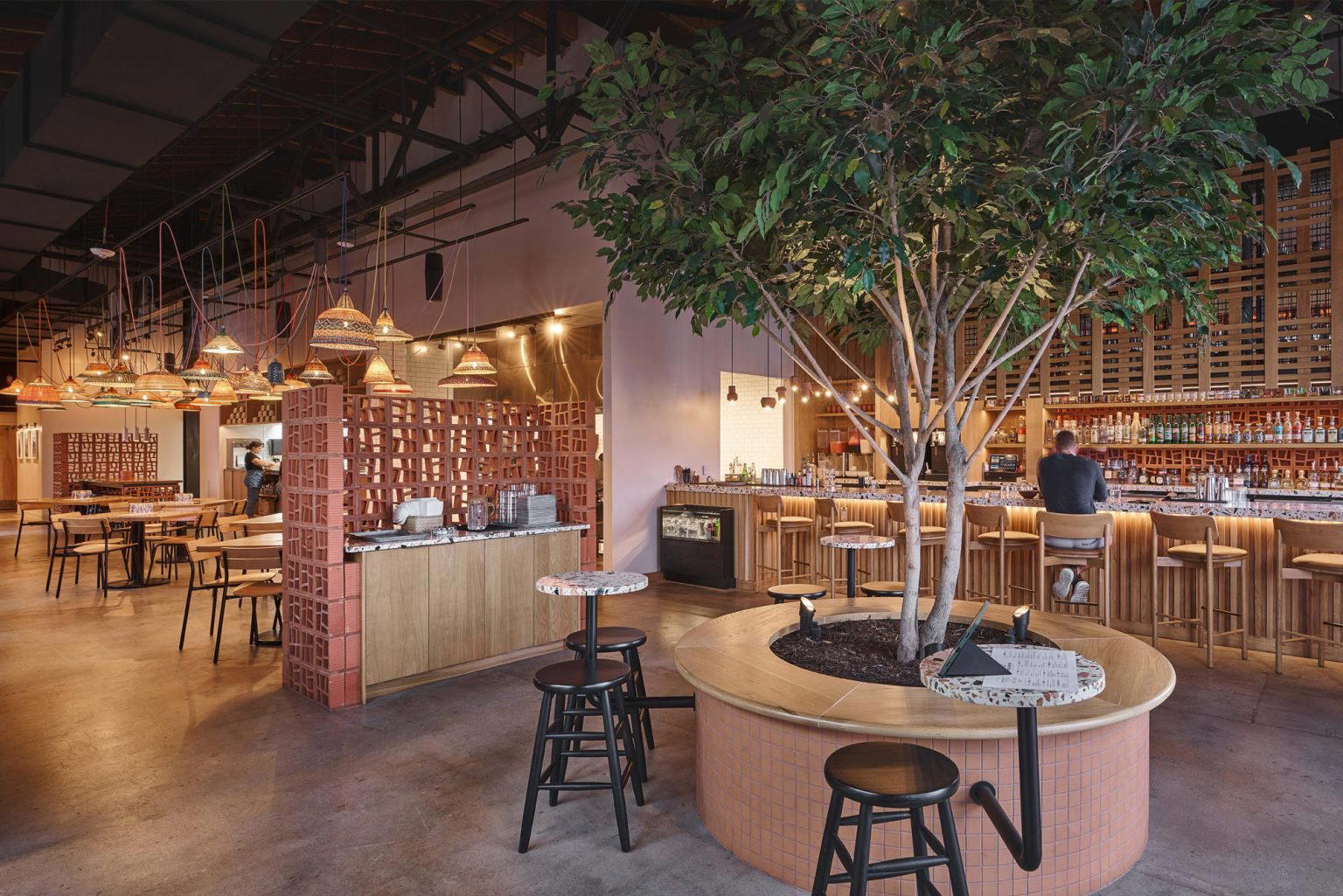
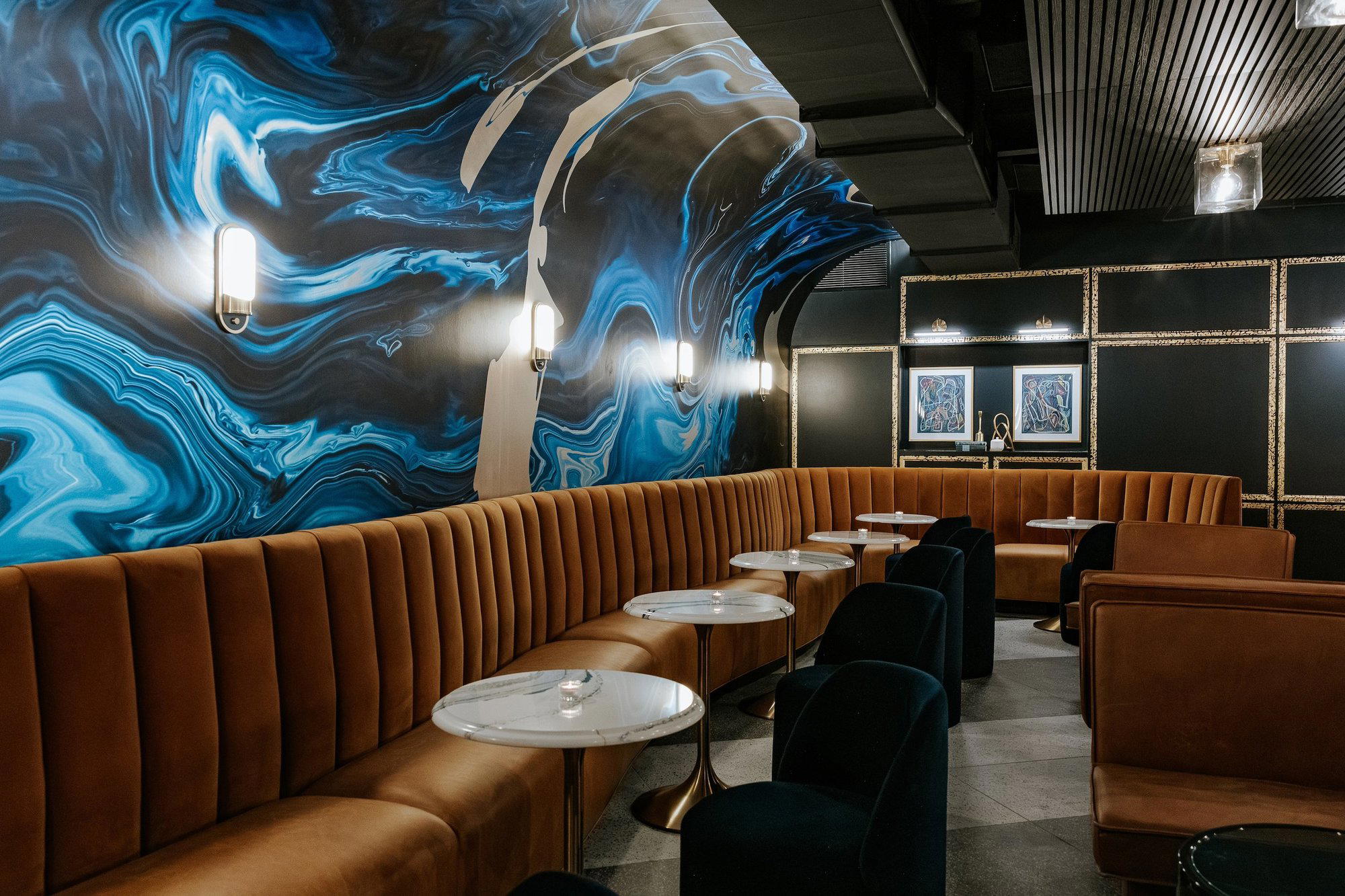
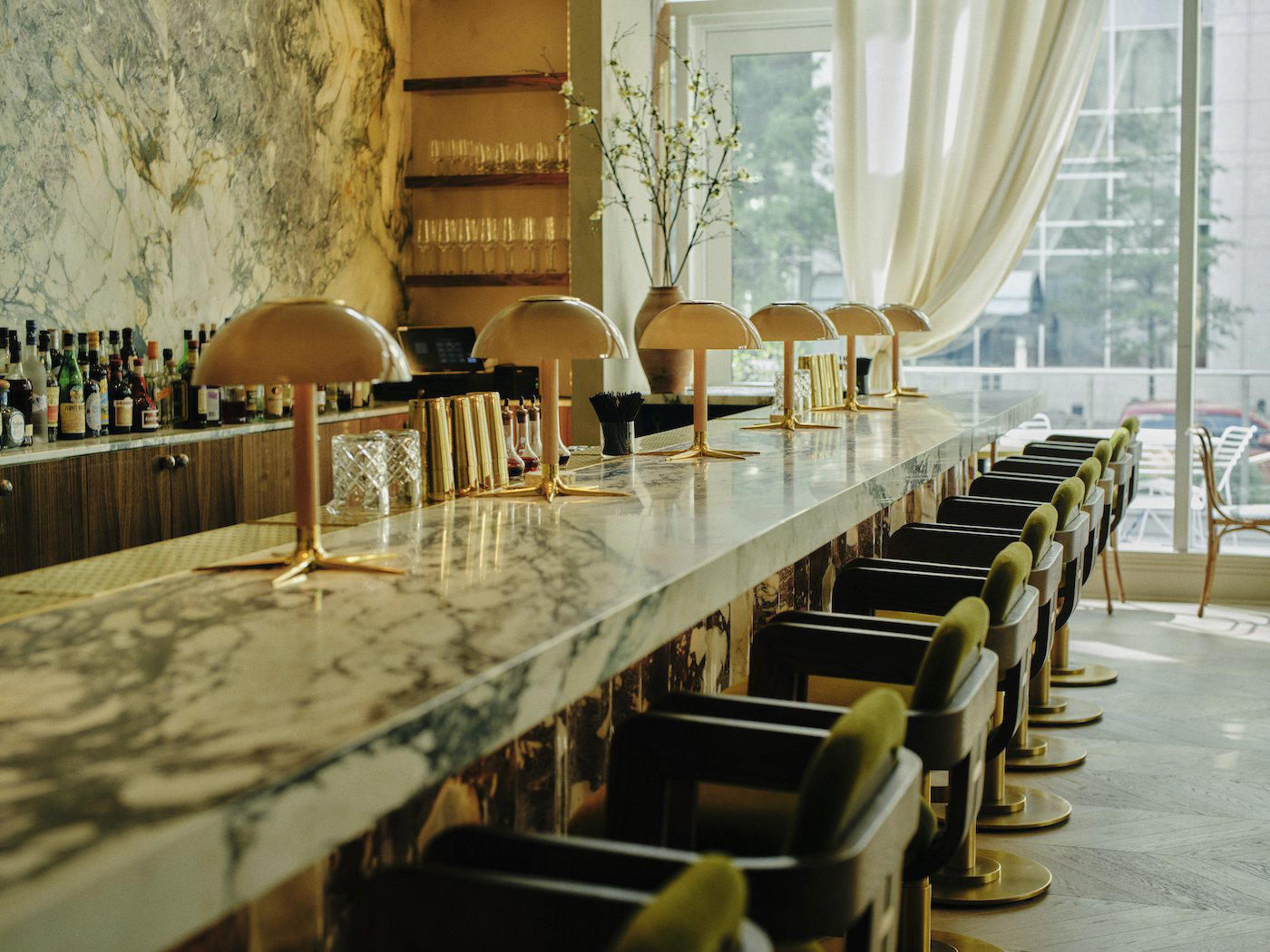
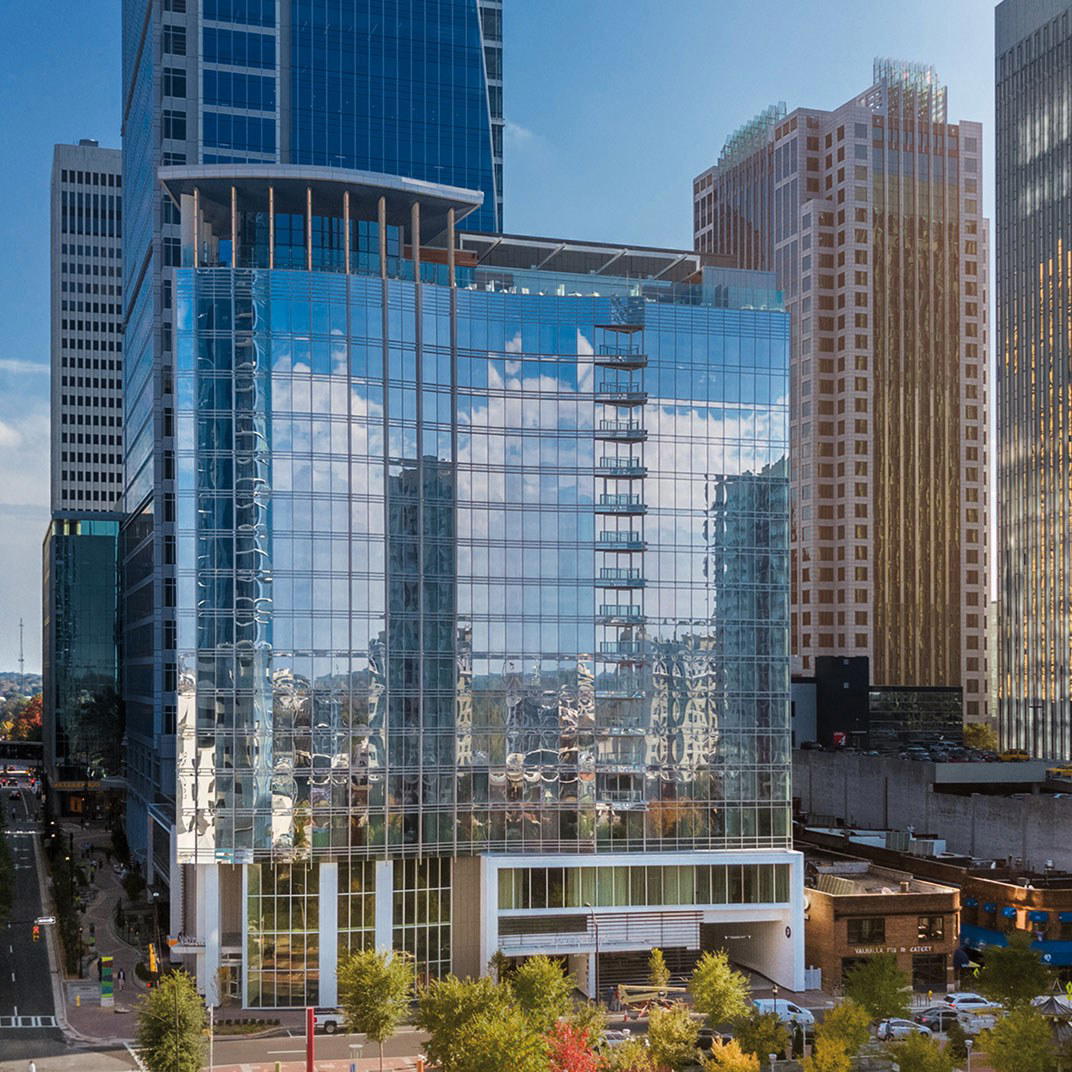
Maiz Agua Sal - MAS is a bar in Charlotte’s West End Arts District. The address at 1018 Jay St places Maiz Agua Sal - MAS inside this corridor, a stretch of the Arts District where converted industrial space and neighborhood-scale dining have started to define a character distinct from the Uptown restaurant cluster. Approaching the building, the industrial framing signals that the ambience inside will not chase conventional fine-dining cues. What it offers instead is something more considered.
The Elemental Premise: Corn, Water, Salt
Few ingredients carry more cultural and ecological weight in the Americas than corn. The name Maiz Agua Sal is not a branding exercise; it is a culinary thesis. Masa-based cooking traditions trace back thousands of years through Mesoamerican communities, and the discipline required to honor that lineage, nixtamalization, stone-grinding, controlled fermentation, represents a form of low-intervention, high-craft food production that aligns almost exactly with contemporary sustainability thinking. When a restaurant takes corn this seriously, the sourcing implications run deep: heritage maize varietals, regional growers, and a rejection of commodity supply chains that strip flavor in favor of standardized yield. Charlotte has seen a wave of taco-forward concepts in recent years, from casual options like Azul Tacos And Beer to broader Latin-inflected menus, but MAS operates from a different premise, one rooted in the elemental rather than the assembled.
Water and salt complete the trinity. Salt, in traditional Latin cooking, is not merely seasoning; it is preservation, transformation, and terroir. The pairing of these three anchors as the restaurant's stated identity suggests a menu philosophy oriented toward reduction rather than accumulation. That is the sustainability story in culinary form: what you leave out matters as much as what you put in.
Where MAS Sits in Charlotte's Dining Conversation
Charlotte's restaurant scene has matured considerably in the past decade. The city's growth has attracted both national chains filling volume and independent operators carving out more specific positions. Within the independent tier, there is now a legible split between venues chasing broad appeal and those addressing a more defined proposition. MAS belongs to the latter category. Its location in the West End Arts District rather than the Uptown core or South End corridor is itself a positioning signal: the neighborhood attracts operators less interested in foot-traffic economics and more interested in building a regular clientele around a coherent identity.
For context across the city's current bar and dining scene, 300 East and Artisan's Palate represent the more established wing of Charlotte's independent operators, while newer entrants like BAKU are pushing into distinct culinary territories. MAS occupies a niche that none of these directly address: the corn-centered, sustainability-framed Latin table.
The Sustainability Frame: Why It Matters Here
Across American cities, the sustainability conversation in restaurants has fractured into two broad streams. The first is performative: recycled menus, a composting mention on the website, seasonal language applied to dishes that change infrequently. The second is structural: supply chain decisions, waste protocols built into recipe design, and ingredient choices that reflect a consistent sourcing philosophy rather than a marketing layer. The conceptual architecture of Maiz Agua Sal suggests the latter orientation. A restaurant that names itself after three of particularly ancient and ecologically freighted ingredients in Western Hemisphere cooking is making a structural claim, not a decorative one.
Corn, specifically heritage corn, is a front line in the biodiversity conversation. Industrial monoculture has reduced thousands of maize varietals to a handful of commodity strains. Restaurants that source from heritage corn growers actively support the economic viability of small-scale agricultural preservation. Water stewardship in food production, the second element of the name, is increasingly a marker of serious environmental thinking. Salt sourcing, while less discussed, connects to artisanal production traditions that run counter to mass-market mineral extraction. If MAS executes on the promise implied by its name, it joins a cohort of American restaurants treating ingredient provenance as a kitchen-level discipline rather than a front-of-house talking point.
For comparison, restaurants like Superbueno in New York City have demonstrated how Latin culinary traditions can be reframed through a contemporary lens with both critical and commercial success. On the cocktail side, programs at venues like Kumiko in Chicago, Jewel of the South in New Orleans, and Bar Leather Apron in Honolulu have shown how ingredient discipline translates into beverage programs as readily as into food menus. Closer to Charlotte's regional identity, Julep in Houston offers a model of Southern-Latin crossover executed with sourcing rigor. Whether MAS develops a cocktail program that reflects the same elemental philosophy as its food menu is one of the more interesting open questions about the concept.
Planning a Visit
Maiz Agua Sal - MAS is located at 1018 Jay St, Suite 110, in Charlotte's West End Arts District, a neighborhood most easily reached by car given its position outside the walkable Uptown core. Dress code expectations at West End spots of this type skew casual, reflecting the neighborhood's industrial-creative character rather than the more dressed-up conventions of Uptown dining rooms. The Jay Street address places MAS within a short distance of other Arts District destinations, making it a workable anchor for a longer evening in the area.
Cuisine Context
Comparable venues nearby, for context on price, style, and recognition.
| Venue | Cuisine | Price | Notes |
|---|---|---|---|
| Maiz Agua Sal - MASThis venue — the venue you are viewing | mezcaleria | $$ | Not listed |
| Gin Mill South End | sports_bar | $$ | South End |
| Yunta | cocktail_bar | $$ | Brookhills |
| Whiskey Warehouse | rooftop_bar | $$ | Commonwealth Park |
| Iron Dish Korean BBQ | lounge | $$ | University City |
| The Olde Mecklenburg Brewery & Biergarten | beer_bar | $$ | Lower South End |
Continue exploring
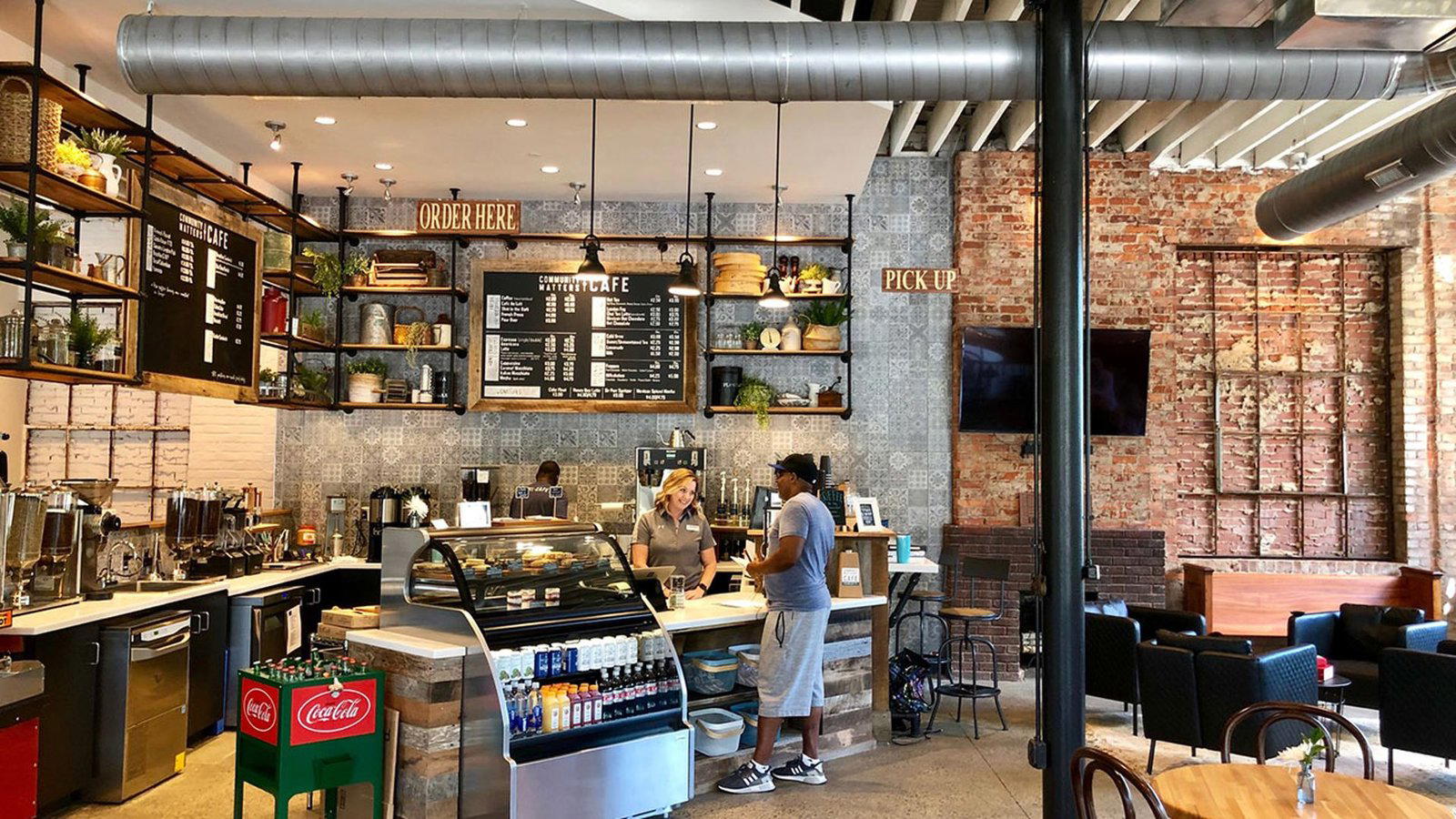
More in Charlotte
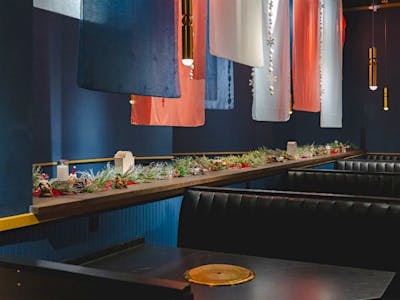
Bars in Charlotte
Browse all →
Restaurants in Charlotte
Browse all →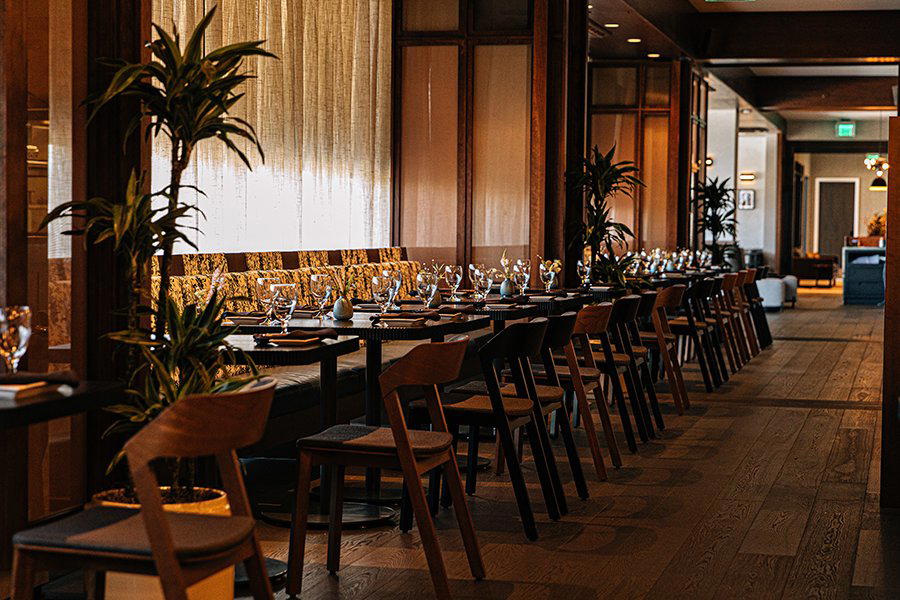
At a Glance
- Lively
- Modern
- Trendy
- Group Outing
- Casual Hangout
- After Work
- Celebration
- Standalone
- Terrace
- Design Destination
- Seated Bar
- Lounge Seating
- Outdoor Terrace
- Mezcal
- Tequila
- Craft Cocktails
- Zero Proof
- Craft Beer
- Skyline
Current opening hours
- Monday
- Closed
- Tuesday
- 10:30 AM–9 PM
- Wednesday
- 10:30 AM–9 PM
- Thursday
- 10:30 AM–9 PM
- Friday
- 10:30 AM–10 PM
- Saturday
- 10:30 AM–10 PM
- Sunday
- 10:30 AM–4 PM
Hours can change for holidays and private events. Last verified .
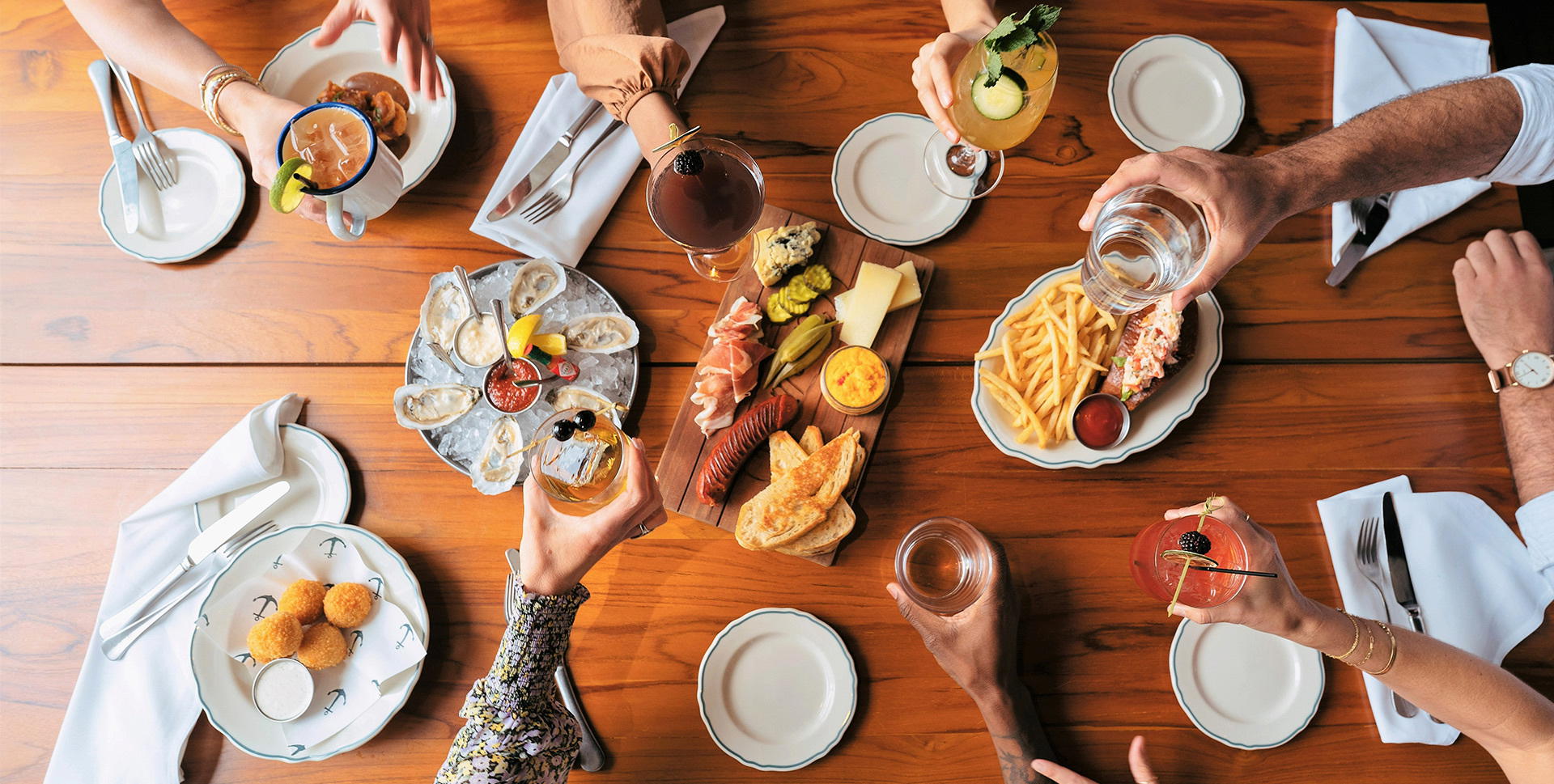
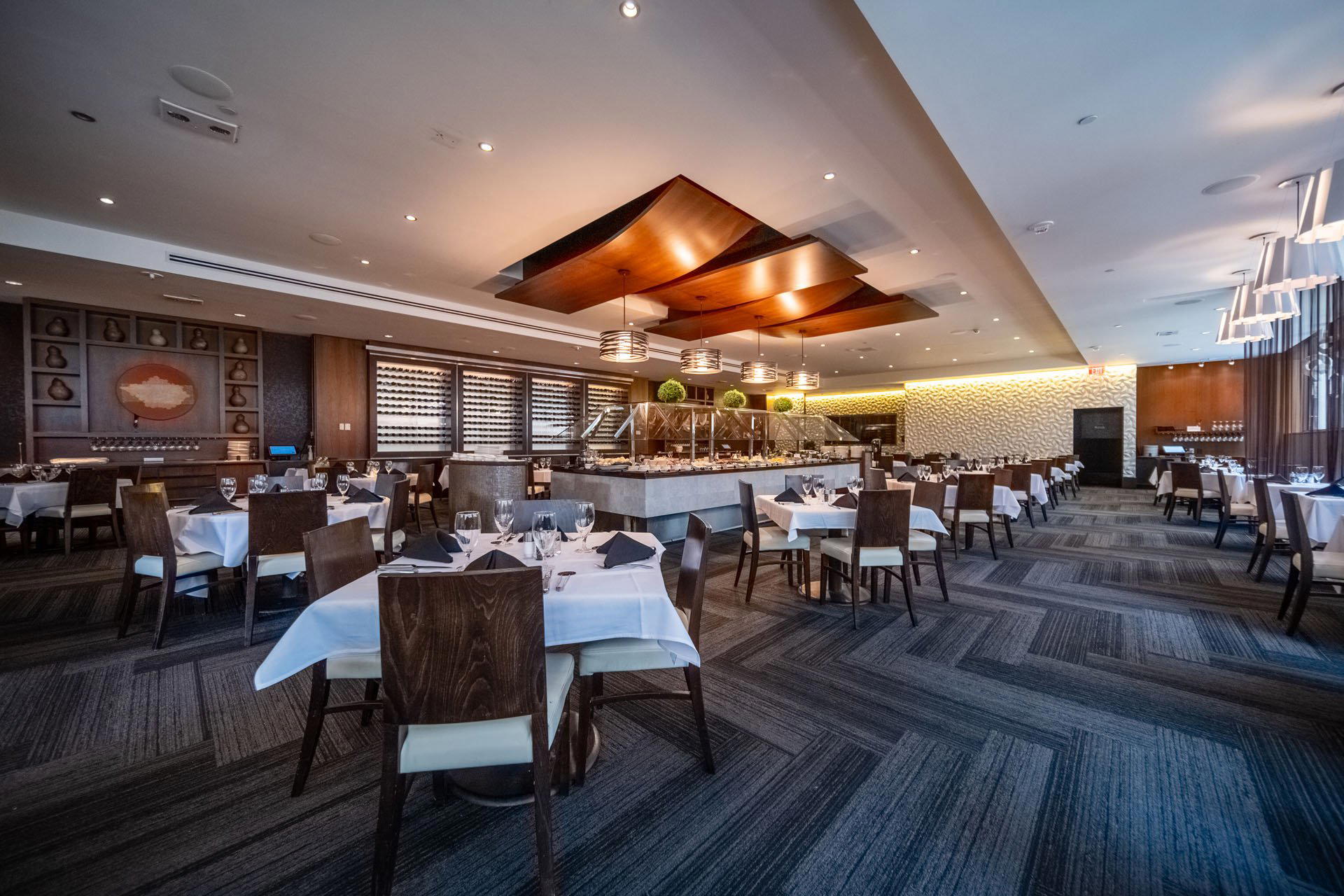
Lively and welcoming atmosphere with modern Mexican aesthetic, designed to evoke the spirit of Mexico City with community-focused energy.