Tenjin Japanese Restaurant
Tenjin Japanese Restaurant occupies a quietly consistent position on West Touhy Avenue in Lincolnwood, Illinois, where the north suburban Chicago dining corridor has long supported Japanese kitchens that fly below the city's critical radar. The address at 3956 W Touhy Ave places it inside a stretch that rewards those willing to look past downtown zip codes for serious Japanese cooking.
Pearl is the En Primeur Club membership app — saves, bookings, and concierge access live there. Same editors, same standards.
- Address
- 3956 W Touhy Ave, Lincolnwood, IL 60712
- Phone
- +1 847 675 5177
- Website
- tenjinrestaurant.com
- Directions
- Get directions
 Saves & bookings on Pearl
Japanese Dining on the North Shore Corridor
The stretch of West Touhy Avenue that runs through Lincolnwood has never attracted the critical attention of Chicago's River North or Fulton Market corridors, but that absence of hype has allowed a certain kind of restaurant to operate without the pressure of performing for reviewers. Japanese kitchens on the north suburban corridor tend to serve neighbourhood regulars rather than destination diners, and that orientation shapes everything from portion logic to pacing. Tenjin Japanese Restaurant, at 3956 W Touhy Ave, sits inside that pattern: a suburban address that signals consistency over spectacle, and a position within the broader Lincolnwood dining scene that our full Lincolnwood restaurants guide covers in more detail.
For context, this corridor occupies a different tier from the Japanese dining that earns column inches in downtown Chicago. The city's most discussed Japanese drinking and dining rooms, among them Kumiko in Chicago, operate in a framework of editorial recognition and cocktail programme ambition that is simply not the reference point for suburban Japanese restaurants. That is not a criticism of either end of the spectrum. It is a structural observation about how Japanese dining fragments across a major American metro: downtown flagships court awards and press, suburban establishments maintain the actual daily feeding of communities.
The Role of the Bar in Japanese-American Dining Rooms
One of the more interesting developments in Japanese-American restaurant culture over the past decade has been the gradual sophistication of the drinks programme in venues that once treated the bar as an afterthought. Across American cities, Japanese restaurants that were built around the dining room have begun to pay closer attention to what arrives in the glass alongside the food. The national conversation around cocktail programmes in Japanese-adjacent spaces has been led by bars with distinct identities: Bar Leather Apron in Honolulu works with Japanese whisky and precise technique; Jewel of the South in New Orleans applies historical research to its format; Julep in Houston demonstrates how a focused thematic brief can define a programme entirely.
What these programmes share is intentionality: every element on the drinks list connects to a declared creative position. That standard has raised expectations even in markets far from the cities where those bars operate. Suburban Japanese restaurants face a version of this shift when diners arrive having drunk well elsewhere and expect something beyond a perfunctory sake list and domestic beer. The bar at a Japanese restaurant in a suburban American setting is, increasingly, a competitive differentiator rather than a utility.
Lincolnwood as a Dining Address
Lincolnwood is an incorporated village immediately north of Chicago, bordered by Rogers Park and Skokie, and it functions as a practical dining destination rather than a draw for destination travel. Restaurants here serve a dense, mixed residential population that includes a significant proportion of diners with direct familiarity with Japanese cuisine. That demographic context matters for understanding what a Japanese restaurant in this location needs to deliver: the customer base is not easily impressed by approximation, and longevity in this market is its own form of credential.
The north suburban corridor also connects to a wider set of serious eating rooms that operate without city-centre profile. The pattern holds across American metros: cities like San Francisco, Washington D.C. Seattle, and Miami all have analogous suburban or neighbourhood Japanese operations that sustain themselves through quality and repeat business rather than editorial attention. ABV in San Francisco, Allegory in Washington, D.C., Canon in Seattle, and Bar Kaiju in Miami each illustrate how serious drinking and dining culture radiates outward from a city's highest-profile venues into its surrounding geography over time.
Cocktail Culture and Japanese Dining: A National Frame
The intersection of Japanese culinary tradition and American cocktail culture has produced some of the more interesting programme development of the past several years. Japanese whisky, yuzu, shiso, and fermented rice derivatives have moved from specialty ingredients into the mainstream toolkit of American bartenders. Bars like Superbueno in New York City, Bitter and Twisted in Phoenix, and The Parlour in Frankfurt on the Main each demonstrate, in their different ways, how a coherent technical brief can define a bar's identity across markets and contexts.
For a Japanese restaurant operating in suburban Illinois, the question is less about competing with these programmes directly and more about how much of that national shift in drinks expectation has filtered into the local market. Lincolnwood diners who travel to Chicago regularly will have encountered the city's more developed cocktail culture, and the gap between what the leading Chicago bars offer and what a suburban restaurant provides is narrower than it was five years ago. That narrowing is a function of ingredient availability, training, and rising customer expectation rather than any single venue's initiative.
Planning a Visit
Tenjin Japanese Restaurant is located at 3956 W Touhy Ave, Lincolnwood, IL 60712, accessible by car from central Chicago in roughly twenty minutes under normal traffic conditions, with the venue sitting on a commercial strip that offers street-level parking. Phone and website details are not confirmed in current available records, so prospective visitors should verify operating hours and current booking arrangements through a direct search before travelling. For context on how Tenjin fits within the broader Lincolnwood dining picture, including neighbouring options and area logistics, the EP Club Lincolnwood guide provides a mapped overview of the corridor.
Continue exploring
More in Lincolnwood
Bars in Lincolnwood
Browse all →
Restaurants in Lincolnwood
Browse all →
At a Glance
- Classic
- Cozy
- Casual Hangout
- Group Outing
- Family
- Standalone
- Seated Bar
Current opening hours
- Monday
- 11:30 AM–2 PM, 4–8 PM
- Tuesday
- Closed
- Wednesday
- 11:30 AM–2 PM, 4–8 PM
- Thursday
- 11:30 AM–2 PM, 4–8 PM
- Friday
- 11:30 AM–2 PM, 4–9 PM
- Saturday
- 4–9 PM
- Sunday
- 4–8 PM
Hours can change for holidays and private events. Last verified .
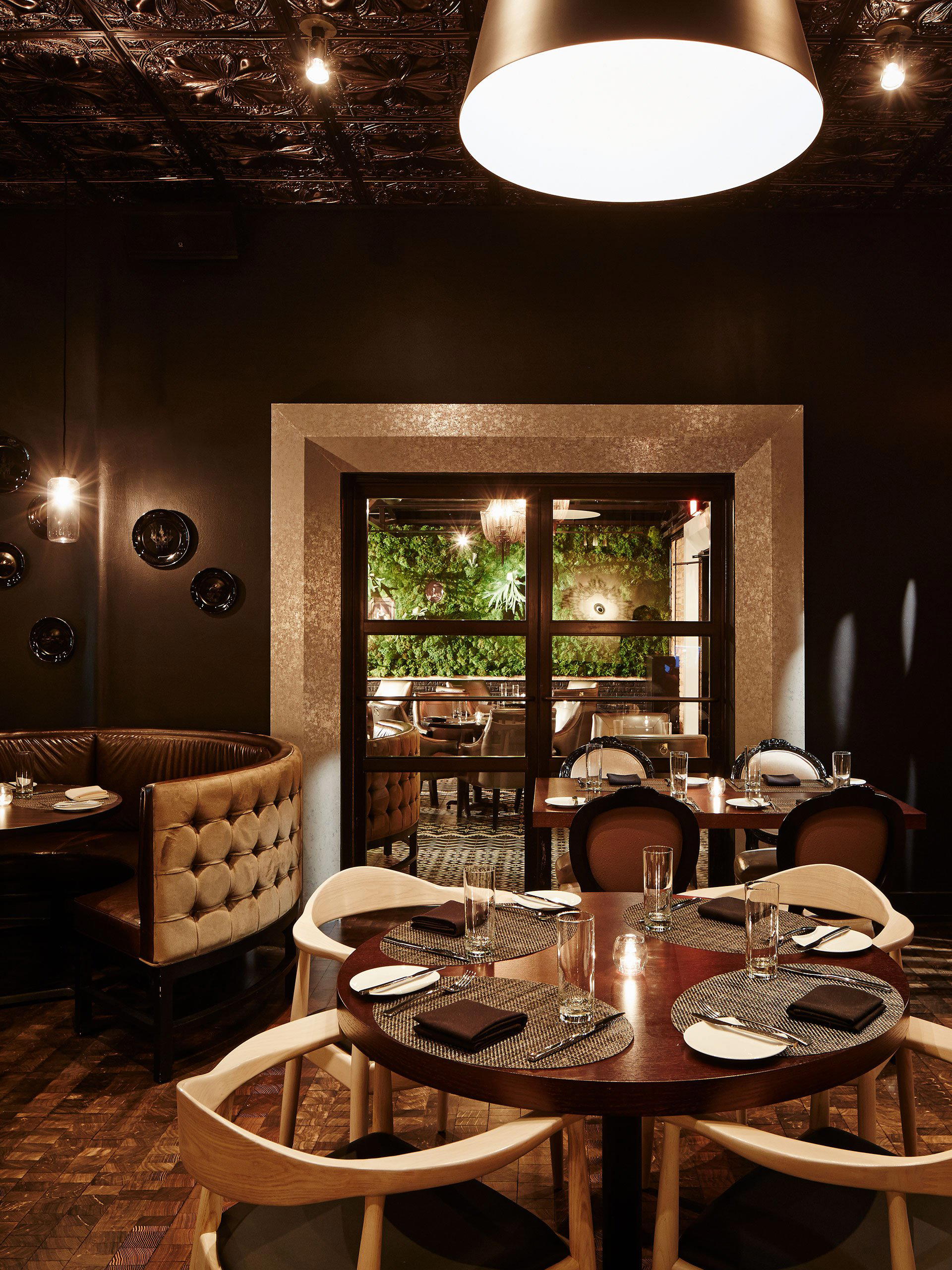
Warm and welcoming family-friendly atmosphere in a strip mall location, known for polished service.
Know Before You Go
- Getting there
- 3956 W Touhy Ave, Lincolnwood, IL 60712