Sushi Suzuki
On a residential stretch of Madison Street in Seattle's Madison Valley, Sushi Suzuki operates at the quieter end of the city's omakase tier — low-profile by design, with a booking process that functions as its own filter. For those who track Seattle's serious Japanese counter scene, the address on East Madison is already on the radar.
Pearl is the En Primeur Club membership app — saves, bookings, and concierge access live there. Same editors, same standards.
- Address
- 4116 1/2 E Madison St, Seattle, WA 98112
- Phone
- +1 206 466 6621
- Website
- sushisuzuki.com
- Directions
- Get directions
 Saves & bookings on Pearl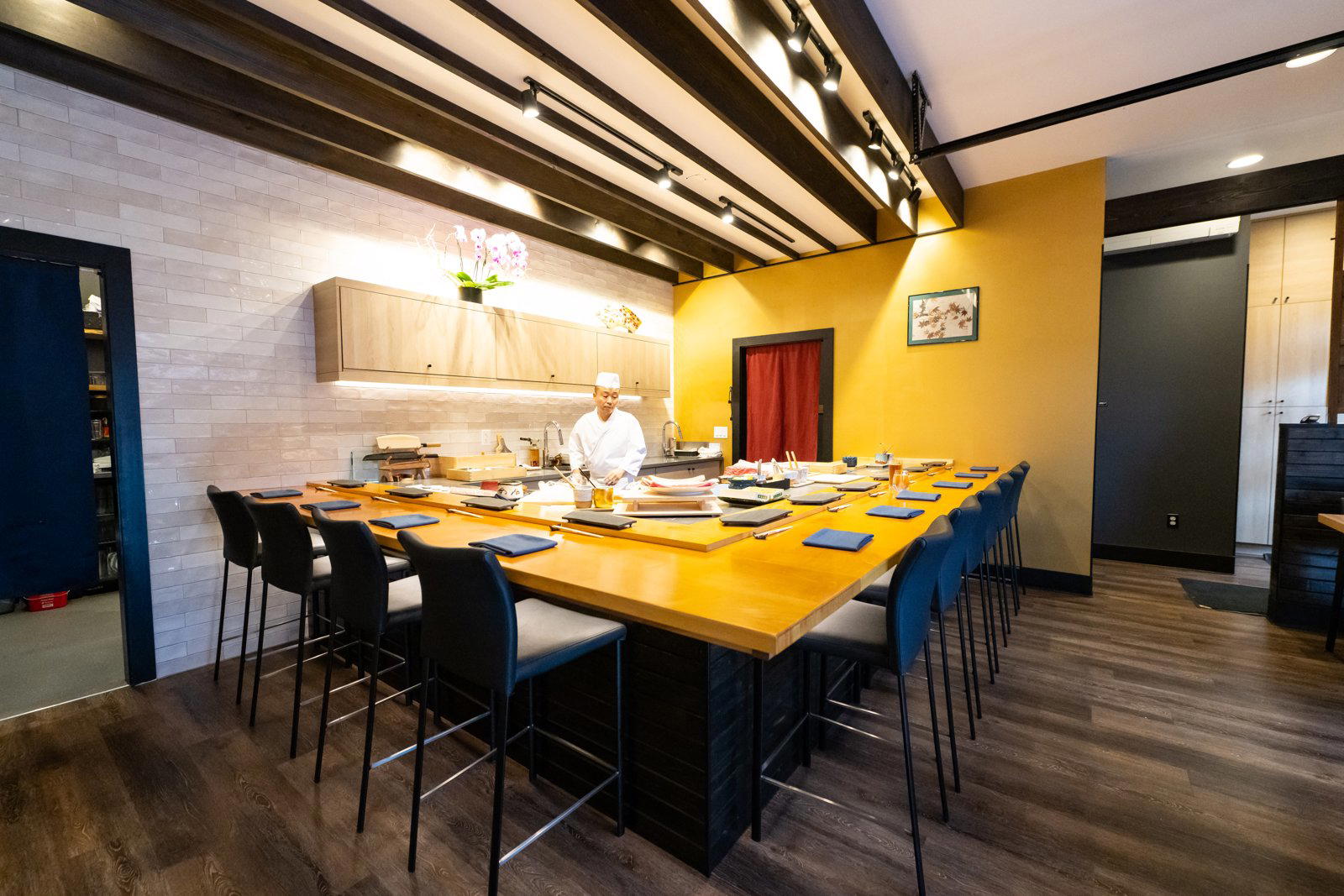
The Approach Matters Here
Madison Valley is not where most visitors expect to find a serious sushi counter. The neighbourhood sits east of Capitol Hill, away from the restaurant corridors that attract weekend crowds, and the block around 4116½ E Madison St reads more residential than culinary. That context is part of the point. Seattle's most considered omakase counters have historically avoided the high-traffic zones — the format does not depend on walk-in volume, and the dining room works better without it.
This geography places Sushi Suzuki in a pattern visible across the country's mid-sized omakase cities: counters that operate in quieter locations because their reputation travels by word-of-mouth and reservation list rather than foot traffic. The physical approach — a side-street address, limited signage, the kind of entrance that requires you to already know you're going, sets the register before you sit down.
Planning Around the Booking
Seattle's premium omakase tier is defined less by its price points than by its access mechanics. Counters in this bracket typically run small seat counts, advance reservation windows measured in weeks rather than days, and limited public-facing information, no phone number listed, no walk-in expectation. Sushi Suzuki fits that profile. The address is on the record; the rest of the logistics require direct engagement with the venue.
That scarcity structure is not unique to Seattle, but it operates differently here than in New York or Los Angeles, where the density of comparable options creates a secondary market of alternatives. In Seattle, the number of counters operating at this level is small enough that each one carries weight. Missing a reservation window at one counter is not easily offset by pivoting to another.
The editorial angle worth understanding before you plan: counters like this one do not use third-party booking aggregators in the way that mid-market restaurants do. Availability intelligence tends to come from the venue directly or from people already inside the reservation system. If you are arriving in Seattle with a specific date and limited flexibility, the omakase tier requires earlier planning than the city's broader dining scene.
How This Compares to Peer Counters
| Venue | Location | Booking Access | Format Signal |
|---|---|---|---|
| Sushi Suzuki | Madison Valley, Seattle | Direct contact required | Omakase counter, residential setting |
| Bar Miriam | Seattle | Varies | Japanese-influenced, bar-forward |
| Rob Roy | Seattle | Walk-in friendly | Classic cocktail bar |
| Roquette | Seattle | Reservation recommended | Cocktail-forward, European reference |
| Canon | Capitol Hill, Seattle | Reservation recommended | Spirits-focused, award-documented |
What the Format Asks of You
Omakase dining at this level is a contract as much as a meal. The kitchen sets the sequence, the pace, and the portion logic. The diner's role is to arrive on time, respect the counter's rhythm, and resist the impulse to redirect the meal toward personal preferences mid-service. Counters that operate without public phone listings or website booking portals tend to self-select for guests who already understand this arrangement.
Seattle's serious Japanese counter scene has grown steadily over the past decade, shaped partly by the Pacific Northwest's access to quality seafood and partly by a dining culture that has consistently rewarded technically disciplined formats. The city's proximity to major fishing ports, and its longstanding Japanese-American community, gives the local omakase scene a different supply chain logic than inland American cities. That access matters at a counter where the sourcing is the program.
Reading the Room: Seattle's Omakase Scene
American omakase has split into two recognisable tiers over the past several years. The first is the theatrical, heavily documented counter found in major coastal cities, where the experience is designed partly for visibility and the pricing reflects both the food and the cultural capital. The second is the quieter, technically focused counter that operates below that noise level, smaller, less photographed, sustained by repeat guests rather than first-time visitors chasing a trend.
Sushi Suzuki sits in the second category. The Madison Valley address, the absence of a listed phone number, and the lack of a public website all point toward a counter that operates on its own terms. That is not a criticism of accessibility, it is a description of a specific format that has its own logic and rewards patience in the planning phase.
For visitors building a fuller Seattle evening around a counter booking, the city's cocktail scene offers strong options within a short distance. The Doctor's Office and 2963 4th Ave S both operate in the considered end of the Seattle bar scene and are worth factoring into the same evening. For broader context on how Seattle's dining and drinking culture fits together, our full Seattle restaurants guide maps the city's key venues by neighbourhood and format.
For Context: How Seattle Fits the Wider Omakase Picture
The American cities that have developed credible omakase scenes outside of New York and Los Angeles tend to share a few structural traits: a technically interested dining public, access to premium seafood supply chains, and a small cohort of chefs willing to work in a format that rewards depth over volume. Seattle qualifies on all three counts.
Elsewhere in the US, the counter format has taken root in cities with similarly structured dining cultures. Kumiko in Chicago represents how Japanese precision translates into beverage programming in a non-coastal market. The discipline is comparable even if the format differs. For travellers who move between cities and track the quiet end of each city's Japanese dining scene, the pattern is consistent: the most considered counters are usually the least visible ones.
Internationally, the same split between high-visibility theatrical formats and technically focused quiet counters exists across Asia and Europe. The format at Madison Valley connects to that wider tradition, counter dining as a focused, low-distraction environment where the food is the entire argument.
Before You Go
Arrive having done the research. Sushi Suzuki at 4116½ E Madison St is not the kind of venue that benefits from improvised logistics. Build that time into your planning, particularly if you are visiting Seattle from outside the city and are working with a fixed itinerary.
For those exploring the Pacific Coast's broader bar and dining scene before or after a Seattle trip, ABV in San Francisco and Bar Leather Apron in Honolulu operate in comparable registers of considered, technically focused hospitality. Further afield, Jewel of the South in New Orleans, Julep in Houston, Superbueno in New York City, and The Parlour in Frankfurt on the Main each represent the same instinct toward format discipline over spectacle, useful reference points for understanding where Sushi Suzuki sits in a broader map of serious hospitality.
Comparison Snapshot
| Venue | Cuisine |
|---|---|
| Sushi SuzukiThis venue — the venue you are viewing | This venue |
| Canon | World's 50 Best |
| Roquette | World's 50 Best |
| The Doctor's Office | World's 50 Best |
Continue exploring
More in Seattle
Bars in Seattle
Browse all →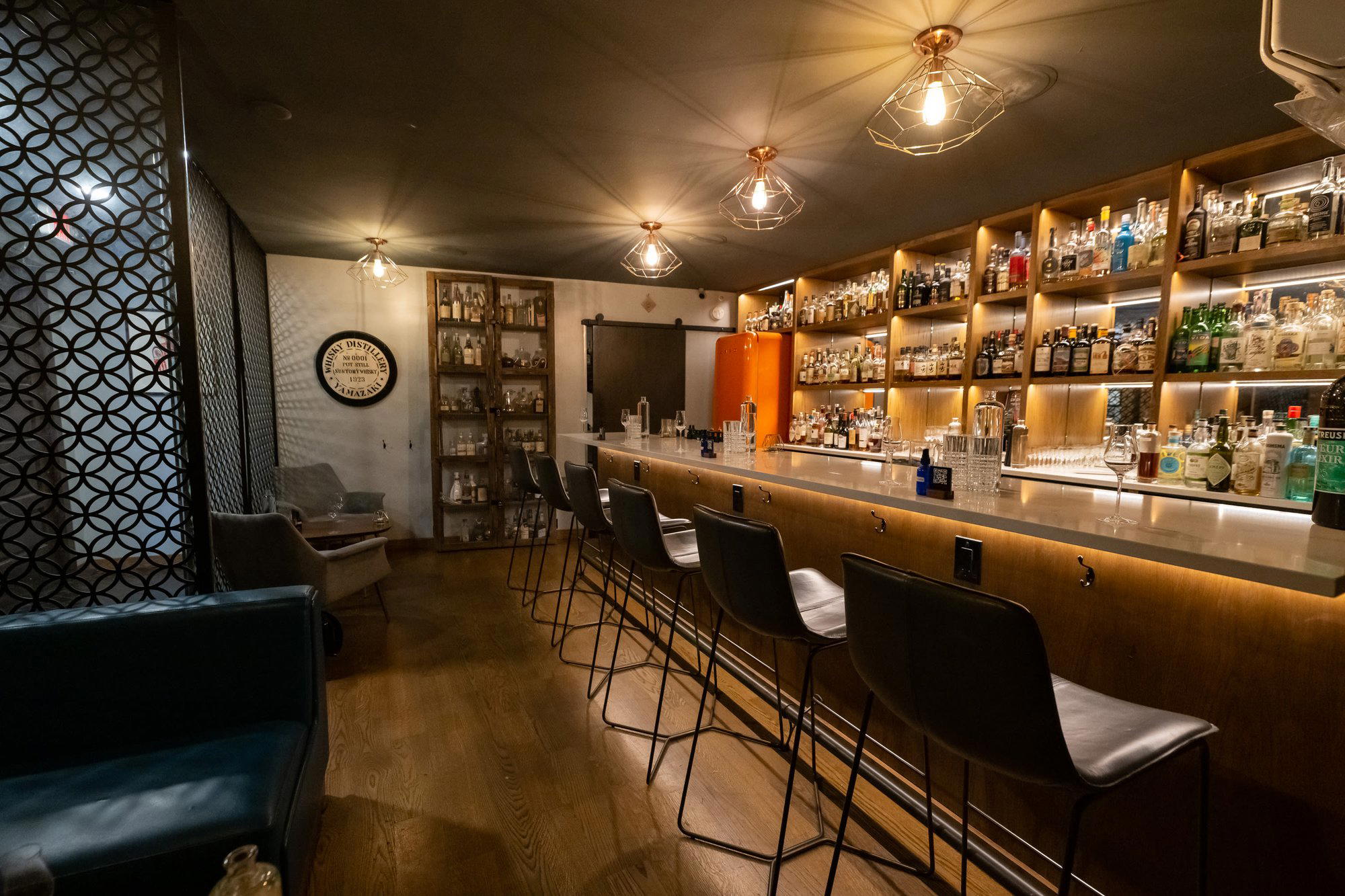
Restaurants in Seattle
Browse all →
Hotels in Seattle
Browse all →
At a Glance
- Intimate
- Elegant
- Minimalist
- Sophisticated
- Celebration
- Special Occasion
- Date Night
- Standalone
- Design Destination
- Counter Only
- Sake
Current opening hours
- Monday
- Closed
- Tuesday
- Closed
- Wednesday
- 5–10:30 PM
- Thursday
- 5–10:30 PM
- Friday
- 5–10:30 PM
- Saturday
- 5–10:30 PM
- Sunday
- 5–10:30 PM
Hours can change for holidays and private events. Last verified .
Minimalist, refined atmosphere in an intimate 10-seat setting with attentive service that never disrupts the dining experience; described as a small, tasteful space with meticulous attention to detail.
Know Before You Go
- Getting there
- 4116 1/2 E Madison St, Seattle, WA 98112