Osteria
On Westover Terrace in Greensboro, Osteria occupies a corner of the city's dining scene where Italian tradition and bar craft converge. The room draws a neighbourhood-loyal crowd that returns for the kind of hospitality that feels earned rather than performed. Among Greensboro's mid-to-upper dining tier, it holds a position built on consistency rather than spectacle.
Pearl is the En Primeur Club membership app — saves, bookings, and concierge access live there. Same editors, same standards.
- Address
- Westover Terrace, Greensboro, NC 27408
- Phone
- +1 336 275 2550
- Website
- osteriagso.com
- Directions
- Get directions
 Saves & bookings on Pearl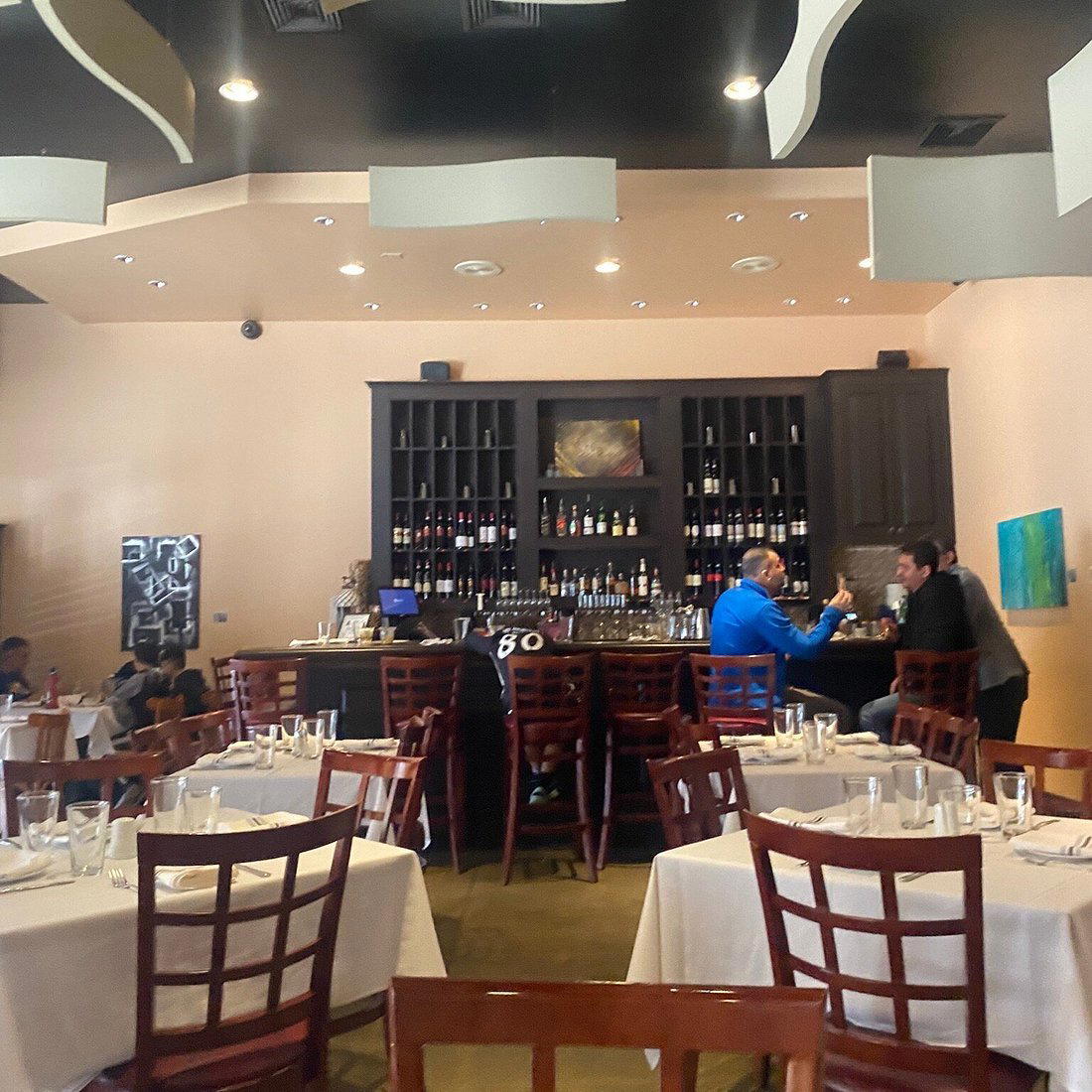
Westover Terrace and the Question of the Neighbourhood Table
There is a particular kind of restaurant that resists classification by menu alone. Along Westover Terrace in Greensboro's established northwest residential corridor, Osteria occupies that category: a place where the dining room functions less as a stage for culinary ambition and more as a communal anchor for the people who live nearby. The name gestures toward the Italian tradition of the neighbourhood osteria, a format historically defined not by its food alone but by its role as the place locals return to without occasion, the counter where regulars are greeted by name and strangers are quickly made familiar.
In mid-sized American cities, this kind of venue is rarer than it sounds. The restaurant economy tends to cluster around downtown cores and entertainment districts, leaving residential pockets underserved. Westover Terrace is one of Greensboro's older, more settled neighbourhoods, and its dining options reflect a community that values consistency and comfort over novelty. Osteria positions itself within that context, serving a crowd that likely walked or drove five minutes, not fifty.
The Gathering-Place Format: What It Means in Practice
The osteria model, as it developed in Italian towns, operated on a logic of accessibility. You did not dress for it. You did not plan weeks in advance. You arrived, found a table or a seat at the bar, ordered whatever was good that evening, and stayed longer than you intended. The American interpretation of this format varies considerably: some venues keep the spirit and lose the food quality; others lean into the culinary ambition and shed the welcoming looseness that made the original format matter in the first place.
At its finest, a neighbourhood restaurant in this mould works because the regulars do the work of atmosphere for you. A room half-full of people who know each other, and know the staff, generates a warmth that no amount of designed lighting can replicate. For visitors, that dynamic can feel either welcoming or exclusive, depending almost entirely on how the front-of-house handles the unfamiliar face. Greensboro's dining culture, shaped partly by its university presence and partly by a long-established professional class, tends to run hospitable rather than precious.
For context on how Greensboro's bar and restaurant scene is structured across price tiers and formats, see our full Greensboro restaurants guide, which maps the city's key neighbourhoods and dining corridors in more detail.
Where Osteria Sits in the Greensboro Conversation
Greensboro's mid-range dining tier has grown meaningfully over the past decade, with venues like 1618 West Seafood Grille anchoring a more polished, occasion-oriented end of the market, and neighbourhood spots like Freeman's Grub & Pub holding the more casual, community-bar position. MACHETE represents the city's appetite for tighter, more concept-driven formats. Oden Brewing Company pulls a crowd that prioritises the tap list above the kitchen.
Osteria occupies a different register from all of them. The Italian trattoria-to-osteria spectrum in American cities typically runs from white-tablecloth formality down through casual pasta bars to the neighbourhood spot that simply happens to serve Italian-influenced food in a room that feels lived-in. Where Osteria lands on that spectrum shapes everything about how you should approach it: not as a destination for a special occasion, but as the kind of place that rewards proximity and repetition.
Nationally, the neighbourhood-osteria format has found a more defined critical vocabulary in cities with larger Italian-American communities, where the standard is set by decades of comparison. In cities like Greensboro, the format is judged against a different baseline: whether the place actually functions as a community table, and whether the food is good enough to bring you back. Both questions matter more than any award or press recognition.
Comparing Formats: What the Leading Neighbourhood Bars Get Right
Across the country, the venues that have earned sustained recognition in this category share a few structural qualities. Jewel of the South in New Orleans holds its neighbourhood identity while maintaining a drinks program with genuine technical depth. Julep in Houston has built a community-facing format around a specific regional drinks tradition. Kumiko in Chicago demonstrates that a considered, restrained approach to both food and drink can anchor a neighbourhood without alienating regulars who aren't looking for a seminar.
What each of these venues shares is a coherence between format, audience, and execution. The room matches the crowd. The menu matches the room. That coherence is harder to achieve than it looks, and it's the quality most worth assessing when you visit a venue in this category for the first time. ABV in San Francisco and Bar Leather Apron in Honolulu both demonstrate that a bar can carry serious technical credentials without losing its sense of place. Superbueno in New York City and The Parlour in Frankfurt on the Main show that the neighbourhood-gathering format translates across very different cultural contexts when the fundamentals are in place.
Planning Your Visit
Westover Terrace sits in the northwest quadrant of Greensboro, a short drive from the Bryan Park area and comfortably accessible from the downtown core without requiring the kind of navigation that discourages spontaneous visits. For first-time visitors, the most honest advice is to arrive without a fixed agenda. The neighbourhood-osteria format rewards the visit that isn't over-planned. If specific menu details, current hours, or reservation options matter to your planning, contacting the venue directly before you go is the practical route, since those details shift seasonally and are not always published in real time.
The Westover Terrace corridor draws a local crowd throughout the week, which means weekday evenings often carry a quieter, more regular-heavy atmosphere than weekends, when the mix broadens. Either timing works; they just produce different room dynamics.
Awards and Standing
| Venue | Awards |
|---|---|
| OsteriaThis venue — the venue you are viewing | This venue |
Continue exploring
More in Greensboro
Bars in Greensboro
Browse all →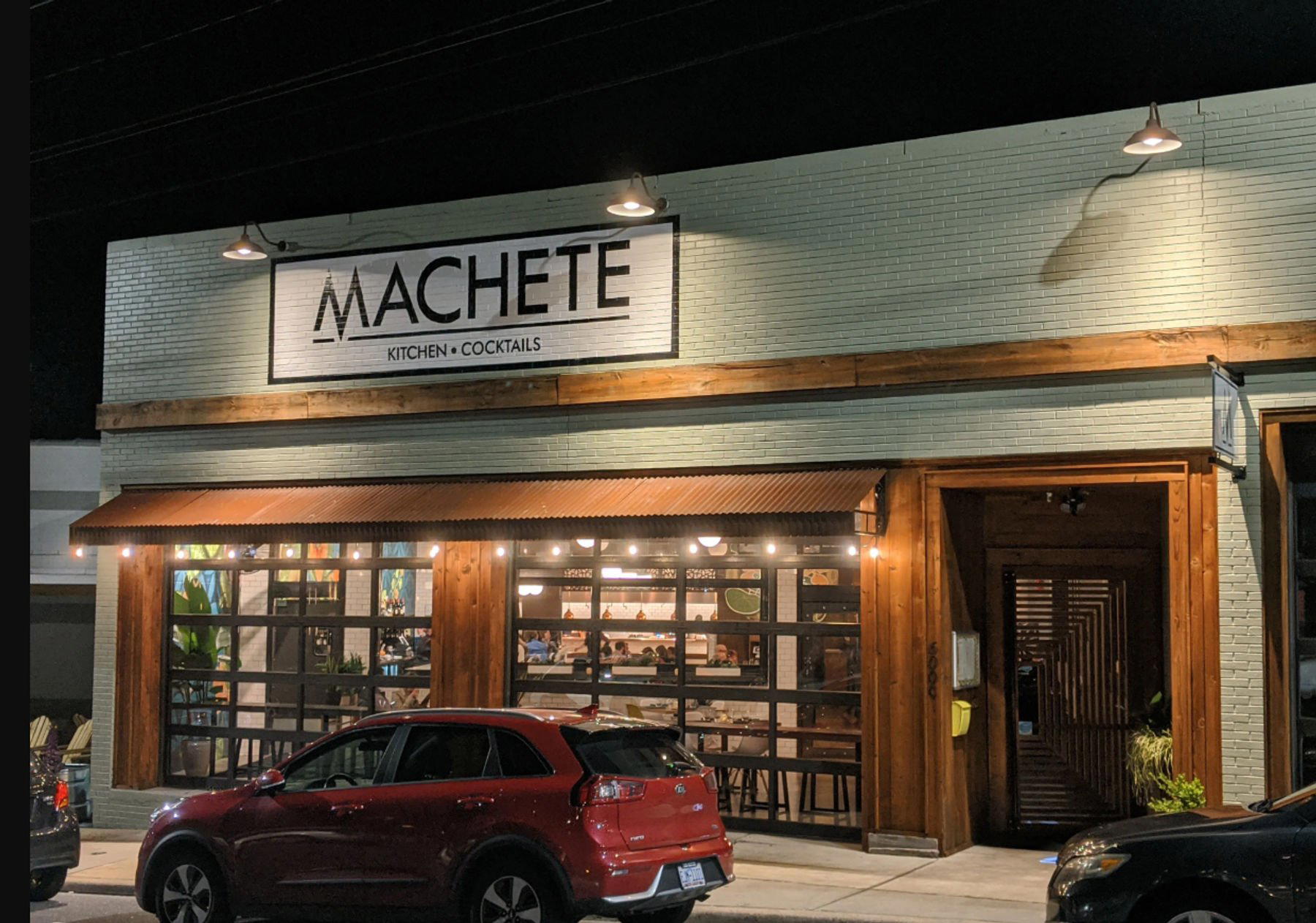
Restaurants in Greensboro
Browse all →
At a Glance
- Cozy
- Elegant
- Intimate
- Romantic
- Date Night
- Special Occasion
- Booth Seating
- Conventional Wine
Current opening hours
- Monday
- 11:30 AM–2 PM, 4:30–9 PM
- Tuesday
- 11:30 AM–2 PM, 4:30–9 PM
- Wednesday
- 11:30 AM–2 PM, 4:30–9 PM
- Thursday
- 11:30 AM–2 PM, 4:30–9 PM
- Friday
- 11:30 AM–2 PM, 4:30–10 PM
- Saturday
- 11:30 AM–2 PM, 4:30–10 PM
- Sunday
- Closed
Hours can change for holidays and private events. Last verified .
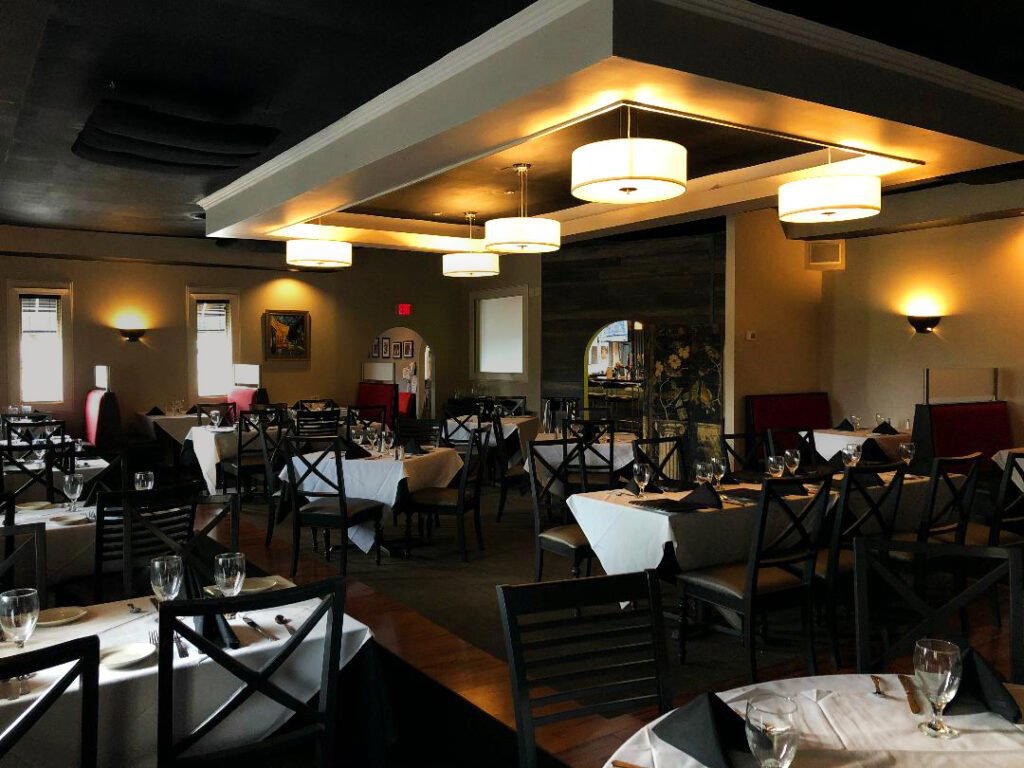
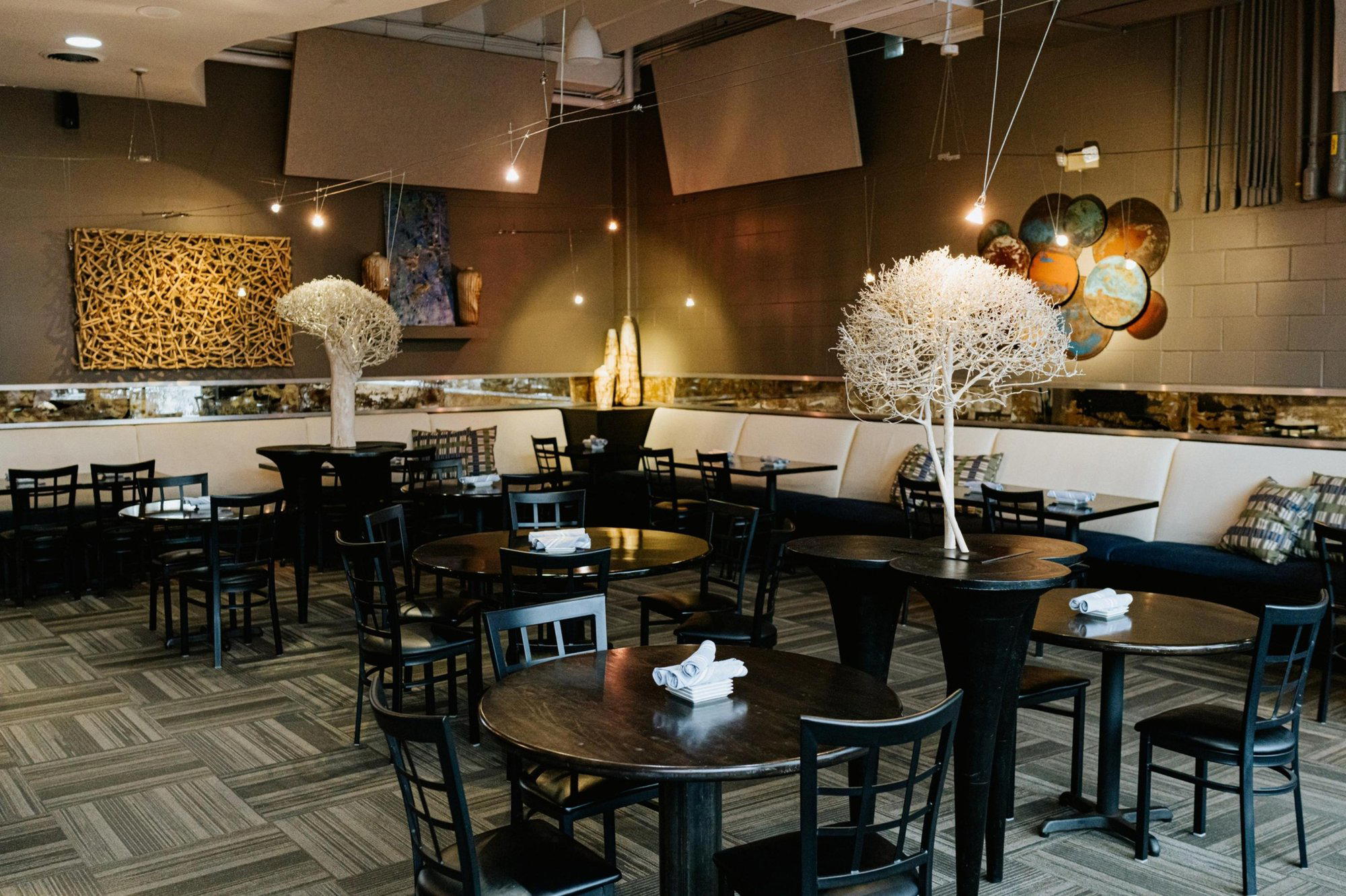
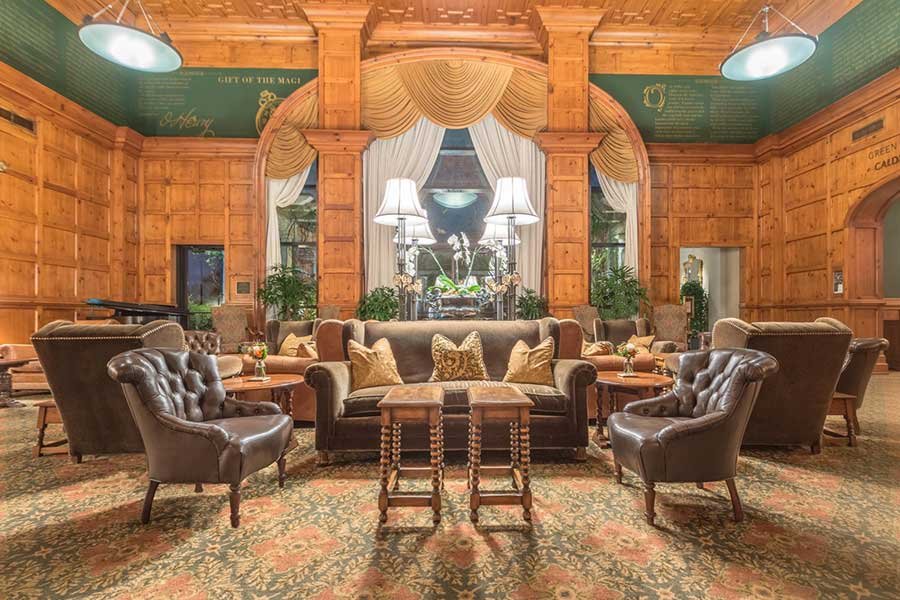
Warm and welcoming main dining room ideal for intimate dinners or special occasions.
Know Before You Go
- Getting there
- Westover Terrace, Greensboro, NC 27408