Miyabi Japanese Cuisine
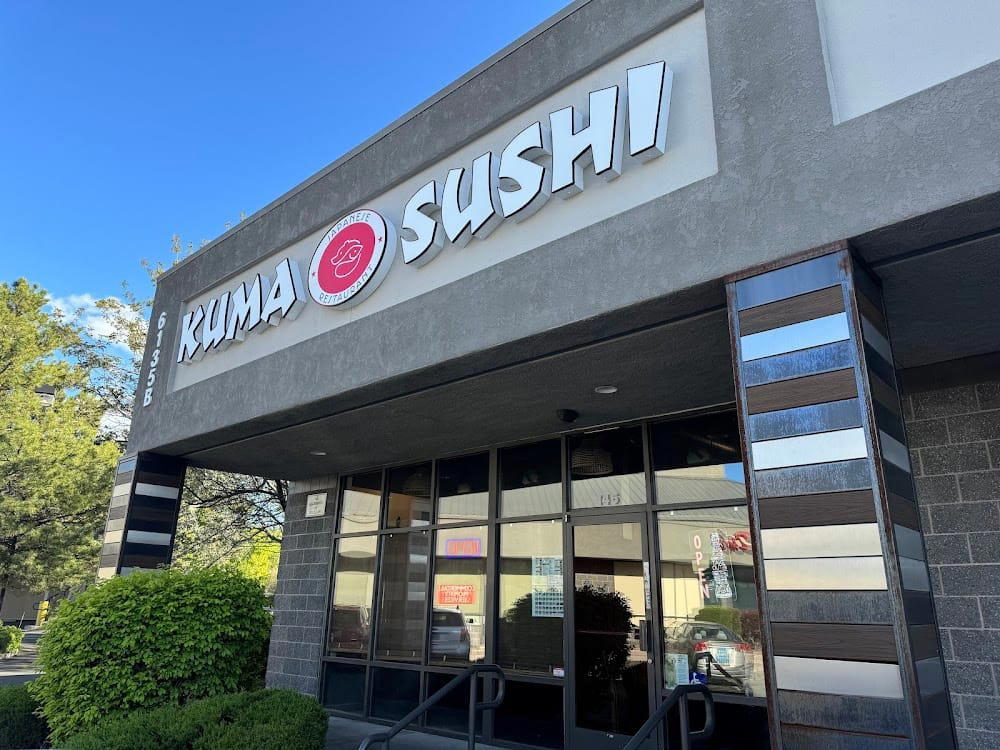
Miyabi Japanese Cuisine sits in south Reno's Virginia Street corridor, operating within a small but growing cohort of Japanese restaurants serving a city that has developed real appetite for the format. The room and menu sit at a level above casual Japanese chains, positioning Miyabi alongside Reno spots like Kuma Sushi and Hinoki Sushi in the mid-to-upper tier of the local Japanese dining scene.

Pearl is the En Primeur Club membership app, where members save venues, book tables and use the concierge.
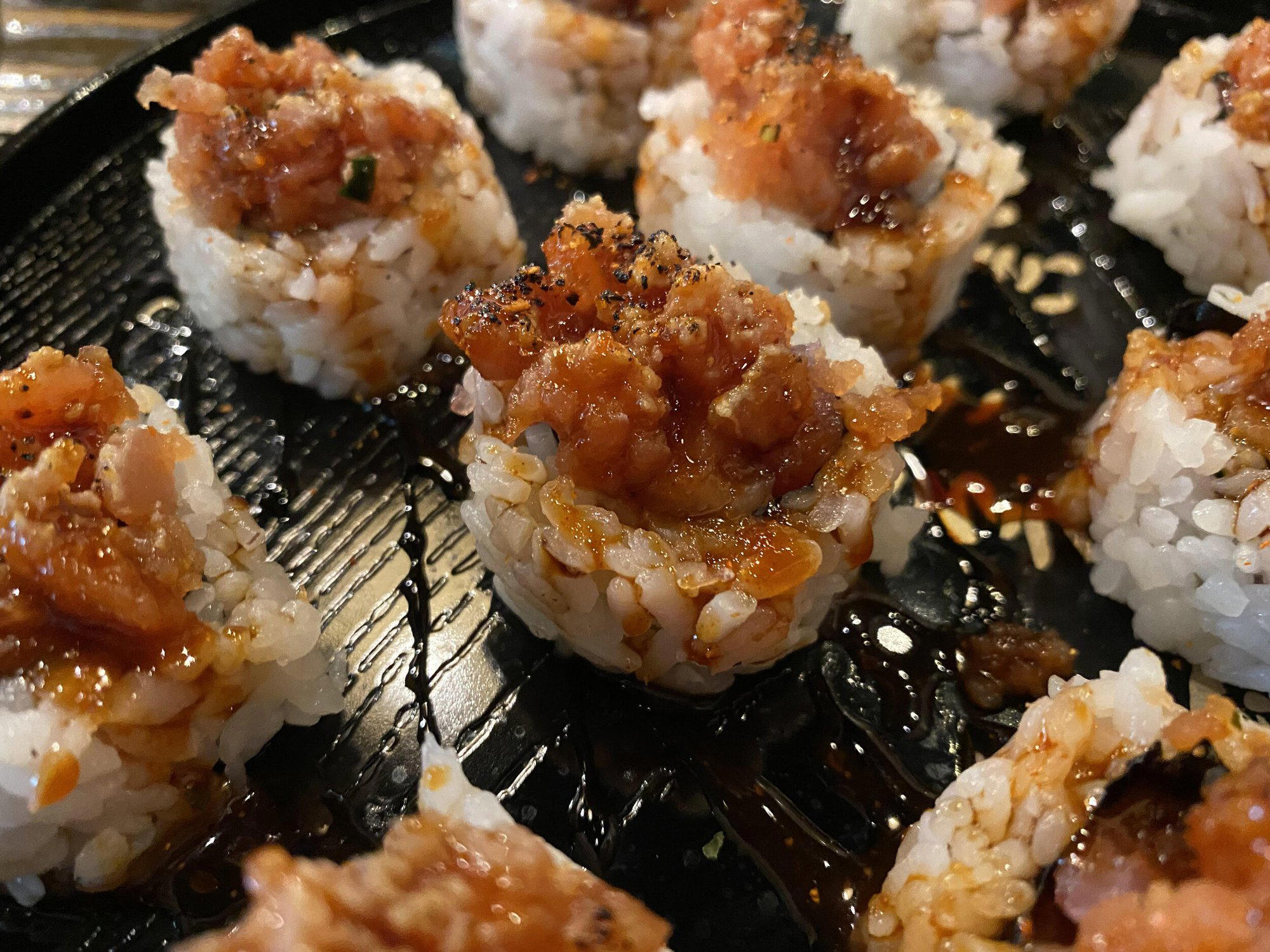
Japanese Dining in Reno: Where Miyabi Fits
Reno's restaurant scene has shifted meaningfully over the past decade. The city's dining corridor along South Virginia Street now holds a more varied range of cuisines and formats than it did when the market was dominated by casino buffets and chain concepts. Japanese cuisine has been part of that expansion, with a small cluster of independent operators establishing credibility at price points that require more than a conveyor belt and a soy sauce bottle. Miyabi Japanese Cuisine, located at 13967 S Virginia St in the southern stretch of that corridor, sits within this developing tier. It occupies space in a retail-adjacent format that has become increasingly common for independent Japanese restaurants outside major metros, where freestanding buildings carry costs that the cuisine's margin structure rarely supports.
Reno's Japanese dining scene is not Tokyo's Ginza, where omakase counters operate in rarefied tiers and three Michelin stars signal placement in a global competitive bracket. Here, the reference points are local: Kuma Sushi, Hinoki Sushi, and a handful of other operators who have staked a position in a market where the competition for the informed diner's attention is growing. Miyabi's address places it near south Reno's residential and commercial growth zones, drawing from a different demographic base than the downtown casino corridor while still feeding into the broader dining conversation tracked in our full Reno restaurants guide.
The Room and the Register
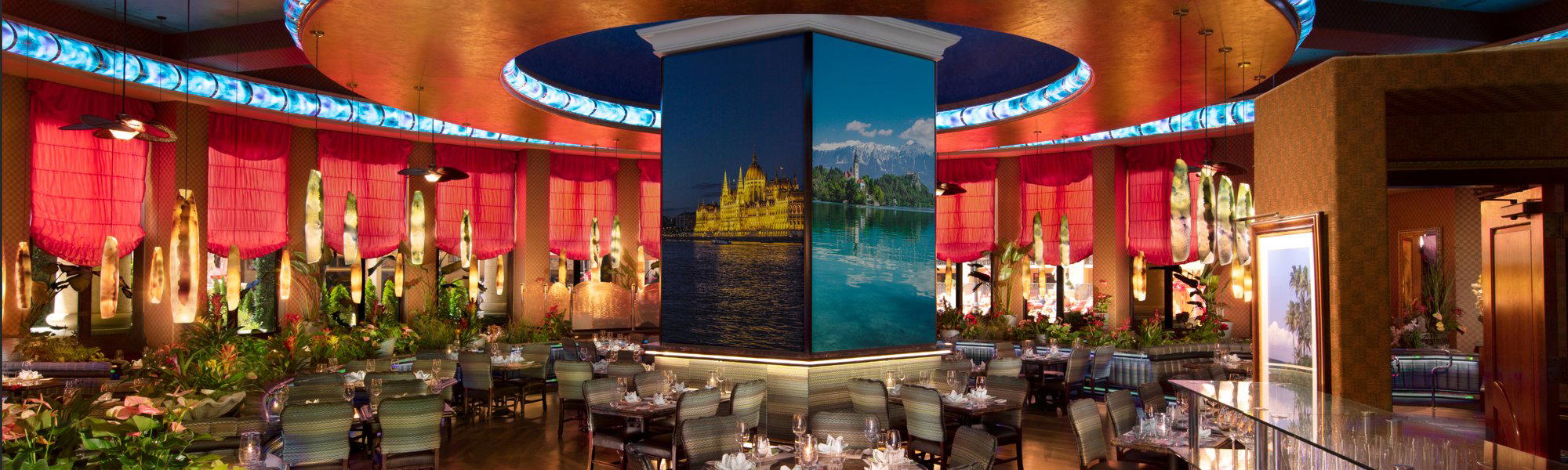
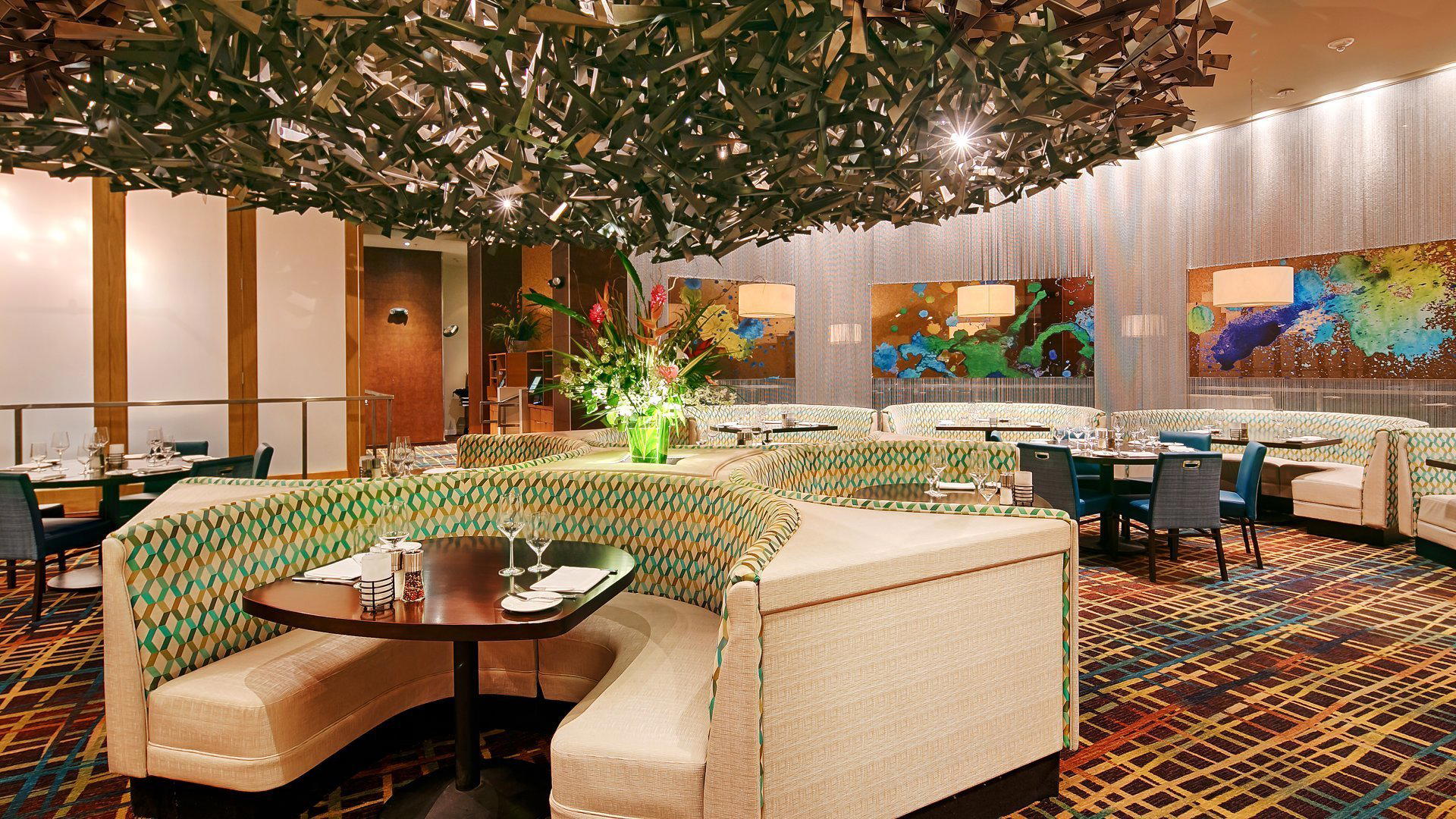
Japanese restaurant design in American mid-sized cities tends to resolve into one of two modes: a stripped-back, minimal aesthetic that signals seriousness, or a warmer, wood-heavy format that prioritizes comfort over statement. The latter has proven more durable in markets like Reno, where the dining room needs to hold families, date-night pairs, and solo counter regulars without defaulting to the clinical quiet of a high-format omakase space. Miyabi's position within a retail complex on South Virginia follows a model seen across similar markets, where the surrounding retail environment frames the entry experience before the room itself takes over.
What separates mid-tier Japanese restaurants in this format from their more casual neighbors is typically the depth of the menu and the consistency of the kitchen's execution across categories. A restaurant operating at a credible mid-to-upper level in a city like Reno will generally hold its standard across sushi, cooked items, and specials rather than anchoring everything to a single crowd-pleasing dish. That range is what differentiates operators in the same price band and what generates the repeat business that mid-format restaurants in secondary markets depend on.
Team Structure and Service Character
The editorial angle that most clarifies a Japanese restaurant's actual quality is often less about any single chef and more about the coordination between kitchen and floor. In the leading Japanese operations at this format level, the front-of-house carries real knowledge of the menu: able to explain preparation methods, steer toward better-value options on the day, and communicate between a diner's expressed preferences and what the kitchen is actually doing well that evening. This kind of floor intelligence, common at the better end of Japanese restaurant culture globally, separates a functional service team from one that adds genuine value to the meal.
At the level where Miyabi operates, that dynamic plays out differently than it would at, say, Kumiko in Chicago, where the integration of beverage and kitchen is a formal, deliberate program with named personnel and a defined philosophy. In a mid-format Reno restaurant, the equivalent coordination is less theatrical but no less meaningful: a server who knows the fish list, a kitchen that communicates what's arrived fresh, a pace that doesn't rush a table through courses. These are the signals worth attending to when assessing this category in a market like Reno.
The beverage side at Japanese restaurants in this tier has also evolved. The broader American market has absorbed sake knowledge more thoroughly than it did fifteen years ago, and restaurants operating above the casual level are now expected to hold at least a working sake list alongside wine and beer. How a restaurant handles that list, whether it's curated with some intelligence or simply present as a checkbox, is a reasonable proxy for the overall care the operation puts into the dining experience. Comparable conversations are happening at Japanese-influenced bars further afield: Bar Leather Apron in Honolulu and ABV in San Francisco both demonstrate how beverage curation at the mid-to-upper level of American dining has become a signal of overall program quality rather than a secondary consideration.
Miyabi in Reno's Broader Dining Context
Reno's dining scene now sustains enough variety that a single cuisine type has a genuine competitive set rather than operating in isolation. Japanese restaurants compete not only against each other but against the full range of independent operators who have raised the baseline expectation for food quality across the city. Venues like Beaujolais Bistro and Centro Bar and Kitchen represent the kind of independent, format-specific operators who have lifted the overall standard of Reno dining in recent years. Mexican formats have similarly developed, with Antojitos Colibrí occupying a distinct position in Reno's evolving independent restaurant scene. Arario Midtown represents a different slice of that same independent-restaurant momentum, building out Asian-influenced dining in the midtown corridor.
For the diner choosing between Japanese options in Reno, the relevant question is less about which restaurant is definitively superior and more about what format matches the occasion. A quick, high-quality weeknight dinner operates differently from a longer meal where the table wants to work through a sake list and take time with the menu. Miyabi's south Virginia address puts it in a part of the city with a residential character that suits the former more than the latter, though that read should be tested against an actual visit rather than assumed from geography.
It is worth noting how operators at this level benchmark against the wider national conversation in Japanese dining. Cities like New York and Chicago set the reference standard for serious Japanese cuisine in America, and restaurants in secondary markets are increasingly measured against that standard by diners who travel and read widely. The leading independent Japanese restaurants outside the major metros have responded by tightening their procurement, sharpening their service, and building menus that hold up to that comparison. Whether Miyabi is operating at that level is a question the specific detail of an actual meal would answer more reliably than the address and format alone.
Planning Your Visit
Miyabi Japanese Cuisine is located at 13967 S Virginia St, suite 910, in south Reno. The South Virginia corridor is car-accessible from most parts of the city, and the retail-complex format means parking is generally available. For current hours, booking availability, and menu specifics, checking directly with the restaurant is the most reliable approach, as venue data of this kind changes more frequently than editorial content. Those building a fuller Reno dining itinerary should read our complete Reno guide, which maps the city's independent operators across formats and neighborhoods.
For readers whose interest in Japanese-influenced dining extends to the bar and beverage side, the format developed at venues like Jewel of the South in New Orleans, Julep in Houston, Superbueno in New York City, and The Parlour in Frankfurt offers a useful reference for how the craft beverage conversation connects to the broader dining culture that venues like Miyabi are operating within.
Price Lens
| Venue | Price |
|---|---|
| Miyabi Japanese CuisineThis venue (the venue you are viewing) | Not listed |
| Liberty Food & Wine Exchange | $30–50 |
| DOPO Pizza & Pasta | $30–50 |
| Hinoki Sushi | $20–30 |
Continue exploring
More in Reno
Bars in Reno
All bars in Reno →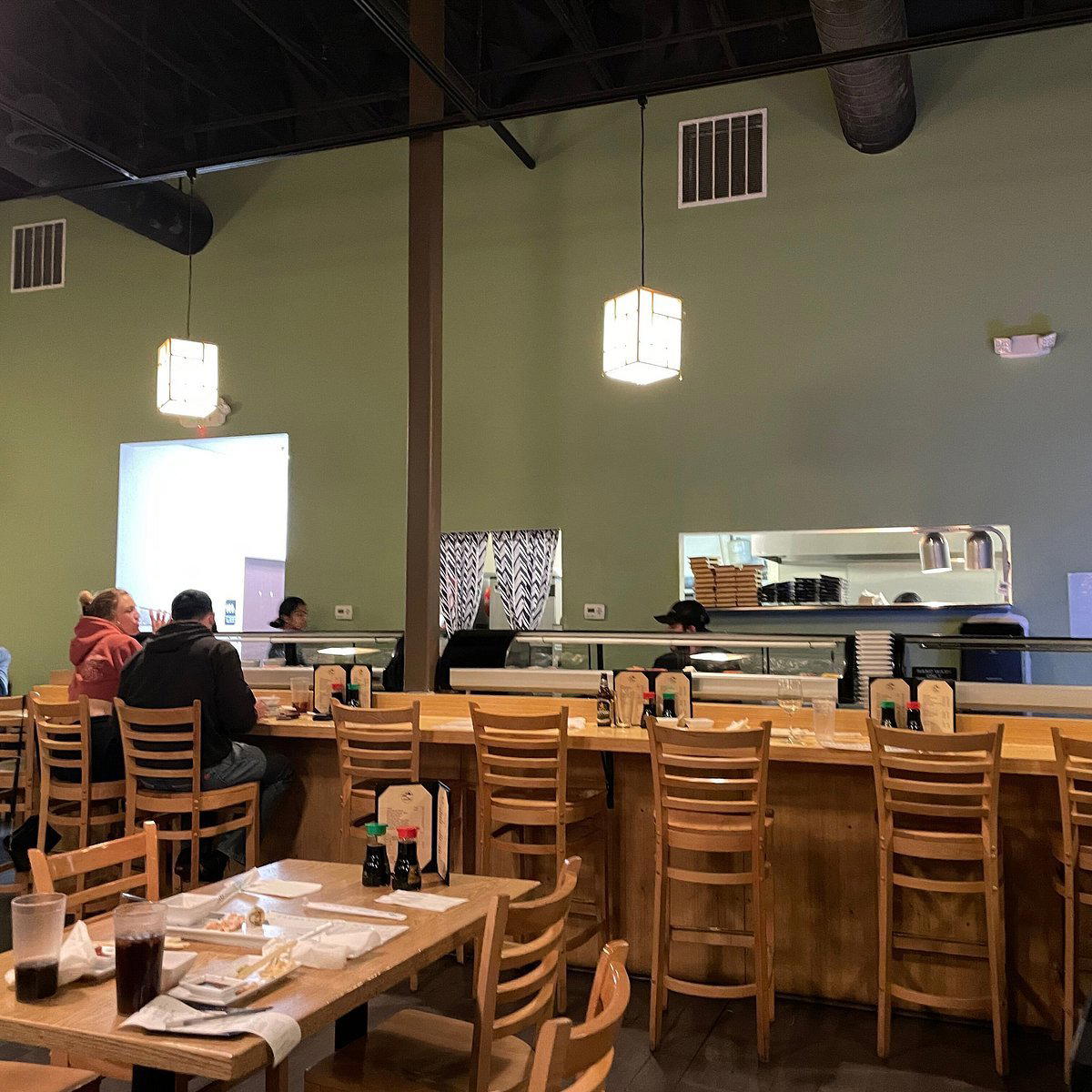
Restaurants in Reno
All restaurants in Reno →
Details
- Cozy
- Intimate
- Casual Hangout
- Standalone
- Seated Bar
- Sake
Current opening hours
- Monday
- Closed
- Tuesday
- 11:30 AM–8:30 PM
- Wednesday
- 11:30 AM–8:30 PM
- Thursday
- 11:30 AM–8:30 PM
- Friday
- 11:30 AM–8:30 PM
- Saturday
- 11:30 AM–8:30 PM
- Sunday
- 11:30 AM–8:30 PM
Hours can change for holidays and private events. Last verified .
Small cafe-like atmosphere with a compact bar area.