Kaizen
On South Central Street in Knoxville's Old City, Kaizen occupies a stretch of the city's most concentrated dining and bar corridor. The name signals a philosophy of continuous improvement, and the address places it squarely within a neighbourhood that has become the reference point for Knoxville's independent food and drink scene. It warrants attention from anyone building an itinerary around the city's best blocks.
Pearl is the En Primeur Club membership app — saves, bookings, and concierge access live there. Same editors, same standards.
- Address
- 127 S Central St, Knoxville, TN 37902
- Phone
- +1 865 409 4444
- Website
- knoxkaizen.com
- Directions
- Get directions
 Saves & bookings on Pearl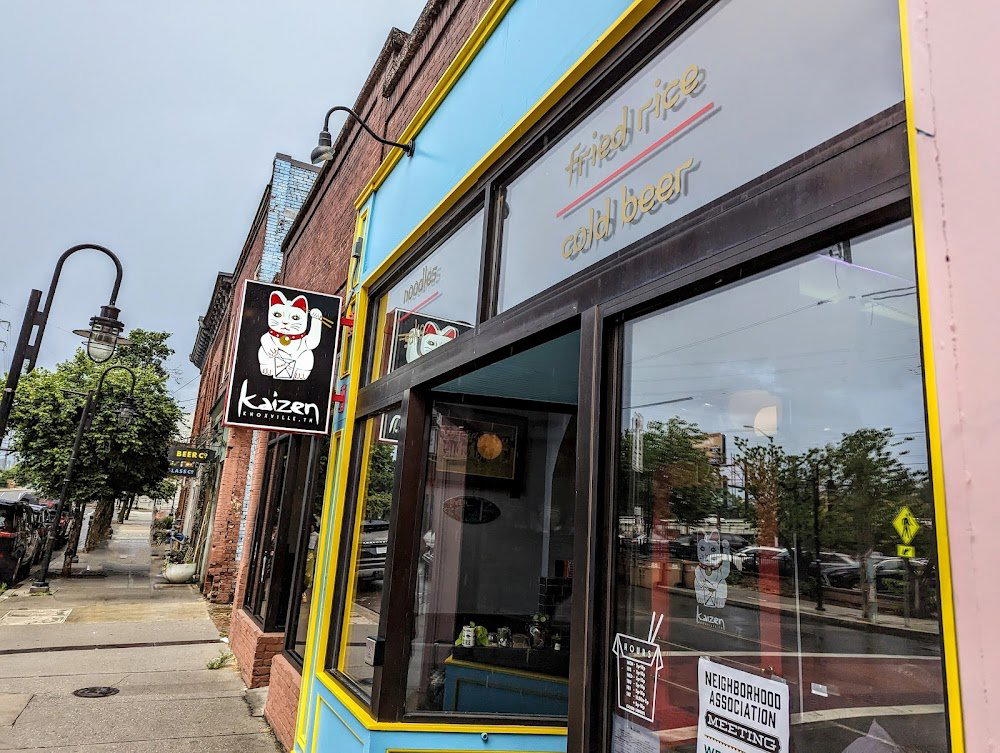
South Central Street and the Case for Ingredient-Driven Eating in Knoxville
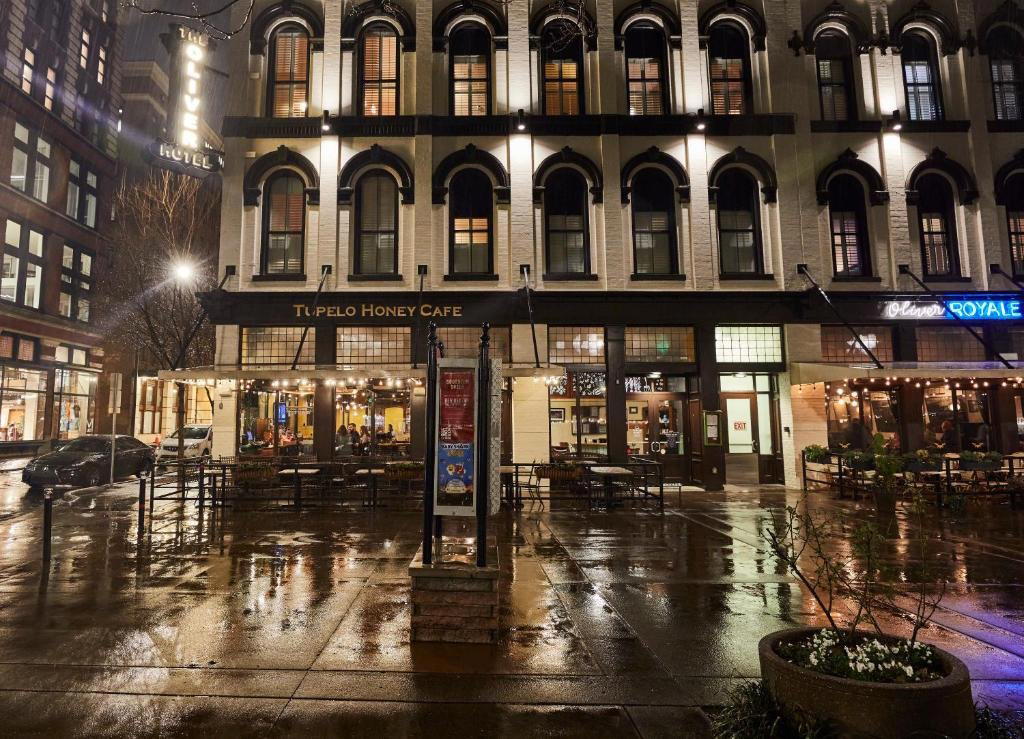
Old City Knoxville has spent the better part of a decade converting its warehouse-era blocks into one of the more compelling independent dining corridors in the mid-South. South Central Street anchors that corridor, and Kaizen, at 127 S Central St, sits inside the heart of it. The street rewards walking: breweries, cocktail bars, and food-forward independents stack within a few hundred feet of each other, and the cumulative effect is less a collection of individual venues than a coherent neighbourhood food culture with its own logic and standards.
That neighbourhood context matters when reading what Kaizen is doing. The Old City's dining evolution has tracked a broader American pattern: cities that once deferred entirely to Nashville or Atlanta for serious food and drink credentials have developed local scenes with enough internal competition to push quality upward. Knoxville is in that category now, and South Central Street is its clearest evidence. Kaizen's address is as much an argument as a location, it signals participation in a specific tier of the local independent scene, not a suburban outpost or a tourist-facing approximation of craft culture.
What the Name Implies About the Approach
Kaizen, the Japanese concept of continuous improvement through incremental refinement, is a word that has migrated from manufacturing philosophy into culinary culture precisely because it describes something real about how serious kitchen and bar programs develop. It implies iteration over perfection, process over spectacle, and a sustained attention to sourcing and technique that compounds over time rather than arriving fully formed at opening. Venues that invoke the concept, whether deliberately or in passing, tend to align themselves with programs where ingredient quality and method are the actual subject of the menu rather than its backdrop.
In the mid-South context, that emphasis on sourcing carries specific weight. Tennessee sits within reach of Appalachian produce networks, a constellation of small-scale farms and foragers whose output has begun reaching urban kitchens in Knoxville, Nashville, and Chattanooga. The pattern at venues in this tier, whether dealing in bar food, full tasting formats, or something between, is to let the origin of ingredients do visible work: provenance named on the menu, preparation kept close enough to the raw material that the source remains legible on the plate.
The Old City Bar Corridor: Where Kaizen Sits Competitively
Understanding Kaizen requires understanding the block. Central Flats and Taps operates nearby and represents the craft-tap approach to the same street, a broad draught selection with food positioned as serious rather than incidental. Abridged Beer Company brings a production-brewery sensibility to the neighbourhood, with taproom culture built around the house product. Balter Beerworks and Cafe 4 extend the corridor's range further, each occupying a distinct format niche. What this means for Kaizen is that the surrounding competition has already established a baseline of quality. A venue at this address is not filling a void; it is entering a conversation already in progress.
For visitors building a day around the Old City, the proximity of these venues to one another is the practical argument for starting on South Central and staying there.
Ingredient Sourcing as the Structural Argument
Across American independent dining, the past ten years have produced a cleaner split between venues where sourcing is decorative language and venues where it is the actual organizational principle of what gets cooked and served. The decorative version produces menus that mention farm names while serving produce that could have come from a broadline distributor. The structural version, the one that corresponds to the Kaizen philosophy, organizes the menu around what is available and good rather than what is consistent and convenient.
This matters more in secondary cities like Knoxville than it does in established culinary capitals, because the supply chains connecting small producers to urban kitchens in places like New York or Chicago are decades old and well-documented. In Knoxville, those relationships are newer, the networks are smaller, and the venues that commit to them are doing something that requires more active effort and more tolerance for seasonal constraint. When a South Central Street kitchen operates that way, it is not replicating a trend from a larger city; it is building something from regional materials that is specific to this place and this moment.
Knoxville in the Broader Mid-South Drinking Context
The bar dimension of the Old City corridor connects Knoxville to a wider American conversation about what serious drinking looks like outside the coastal cities. The programs that have defined that conversation over the past decade, venues like Kumiko in Chicago, Jewel of the South in New Orleans, Julep in Houston, and Bar Leather Apron in Honolulu, have demonstrated that craft cocktail culture with real technical depth is not confined to New York or San Francisco. ABV in San Francisco, Superbueno in New York City, and The Parlour in Frankfurt on the Main each represent different national contexts for the same underlying shift: the professionalization of bar culture as a distinct discipline with its own sourcing logic, seasonal rhythm, and critical standards.
Knoxville's Old City is operating within that shift, not outside it. The venues on South Central Street are not aspirational approximations of what is happening elsewhere; they are participants in a distributed national evolution where the geography of serious drinking keeps widening.
Planning a Visit
Kaizen sits at 127 S Central St in Knoxville's Old City, a walkable neighbourhood where the concentration of independent venues makes an evening that moves across multiple stops both easy and logical.
Comparison Snapshot
Comparable venues nearby, for context on price, style, and recognition.
| Venue | Cuisine | Price | Notes |
|---|---|---|---|
| KaizenThis venue — the venue you are viewing | cocktail_bar | $$ | Not listed |
| The Brass Pearl | cocktail_bar | $$ | Market Square |
| Fred's Around the Corner: Kitchen + Bar | pub | $$ | near Market Square |
| Southern Grit | lounge | $$ | Old City |
| Pretentious Beer Co | beer_bar | $$ | Old City |
| Stock & Barrel | pub | $$ | Market Square |
Continue exploring
More in Knoxville
Bars in Knoxville
Browse all →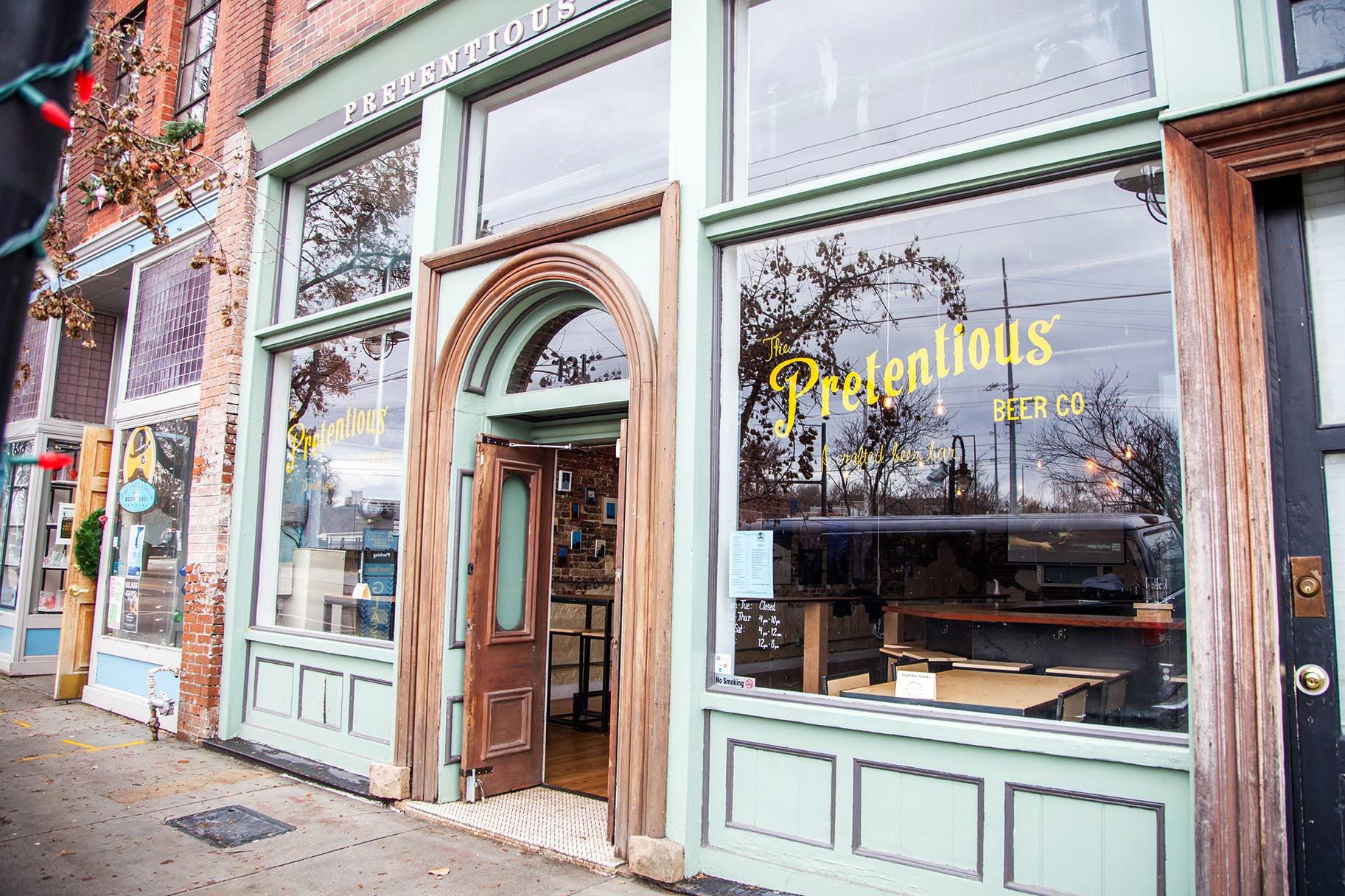
Restaurants in Knoxville
Browse all →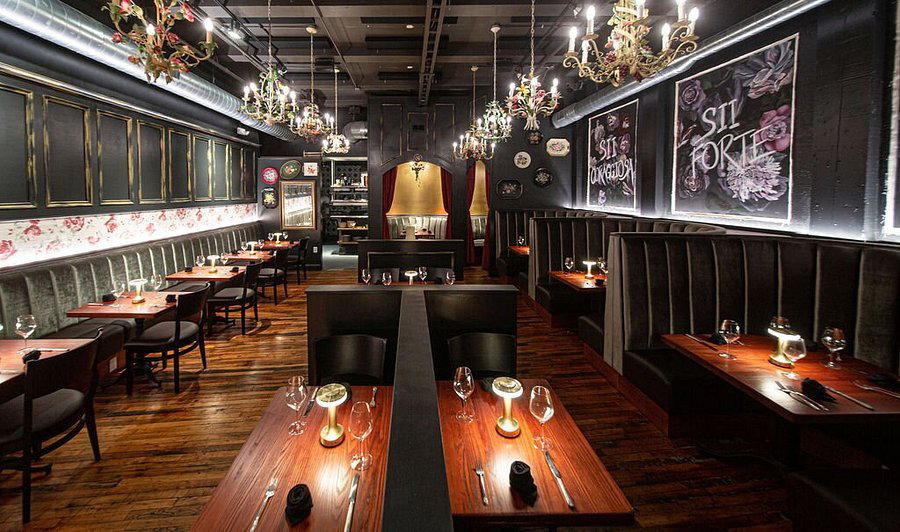


At a Glance
- Lively
- Trendy
- Cozy
- Casual
- Date Night
- After Work
- Casual Hangout
- Group Outing
- Standalone
- Seated Bar
- Lounge Seating
- Outdoor Terrace
- Craft Cocktails
- Sake
- Whiskey
Current opening hours
- Monday
- 5–10 PM
- Tuesday
- 5–10 PM
- Wednesday
- 5–10 PM
- Thursday
- 11:30 AM–3 PM, 5–10 PM
- Friday
- 11:30 AM–3 PM, 5–10 PM
- Saturday
- 11:30 AM–3 PM, 5–10 PM
- Sunday
- Closed
Hours can change for holidays and private events. Last verified .
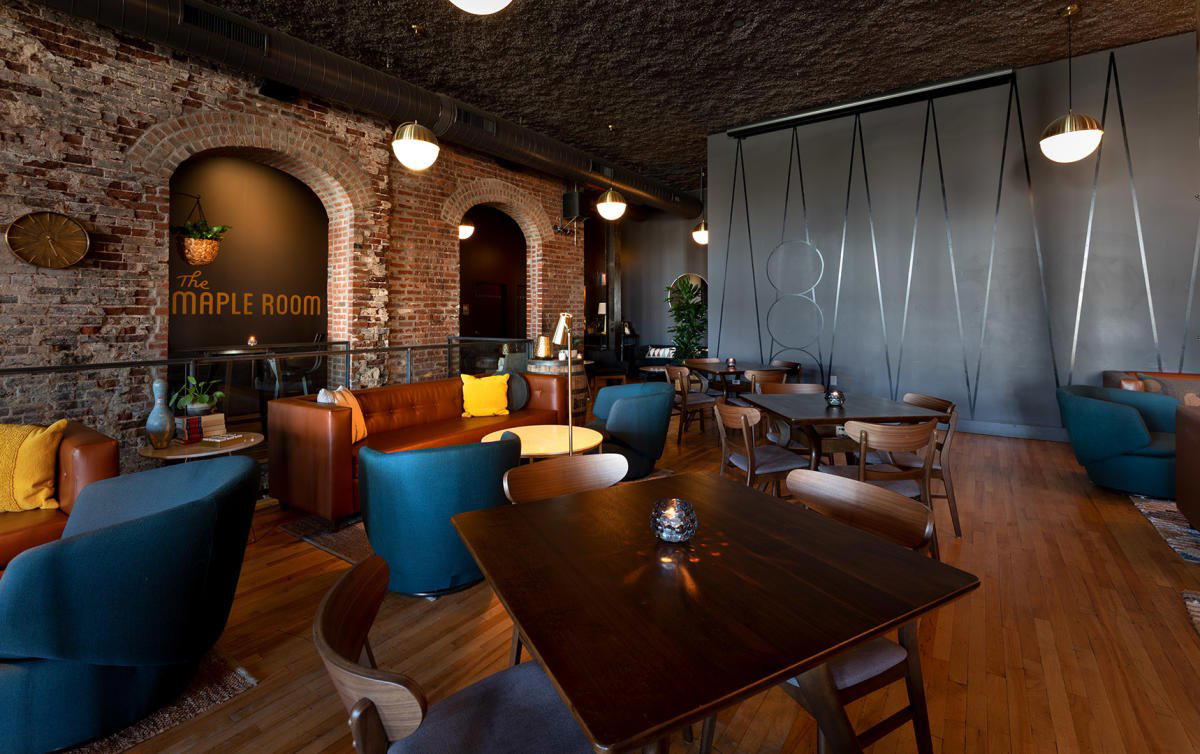
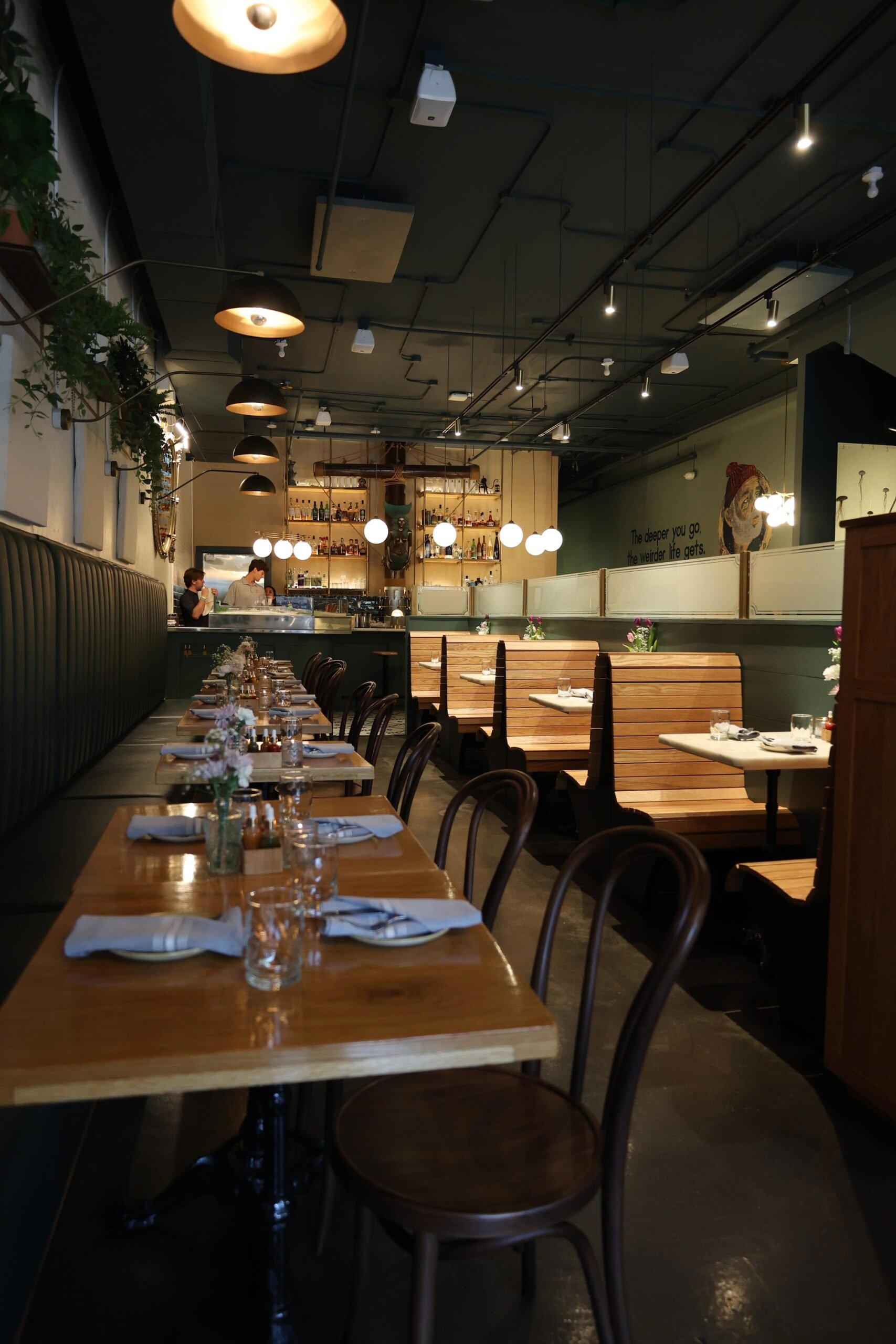
Trendy, hipster casual vibe with clean, bright lighting, fun background music, and inviting izakaya-style energy.