Heim Barbecue
The pit program here draws a serious local following, placing Heim in the conversation alongside the state's most discussed barbecue operations rather than the tourist-facing options clustered downtown.

Texas barbecue has always been a geography-inflected category. Central Texas traditions around oak smoke and beef-forward menus set one benchmark; East Texas styles with their sauce-heavier, pork-inclusive approaches set another. Fort Worth's position, closer to the cattle and ranch culture of the West Texas corridor, has historically kept beef at the center. Heim lands in that tradition without being reducible to it. The Near Southside's character, a neighbourhood that has urbanised without gentrifying into sterility, gives the operation room to be neighbourhood-facing and genre-serious simultaneously.
Where Heim Sits in the Fort Worth Barbecue Conversation
Fort Worth has older, more established barbecue names. Angelo's Bar-B-Que, open since 1958, holds the institutional position in the city's smoked-meat history. Heim belongs to a different generation: operations that emerged after Texas barbecue's national critical reappraisal in the early 2010s, when publications including Texas Monthly and the New York Times began mapping a new cohort of pit-focused restaurants with craft-kitchen sensibilities. That reappraisal changed what the category could mean commercially. A barbecue restaurant could now attract an audience that also frequents places like Aventino's Italian Restaurant on the same strip, without either audience feeling the venue was misaligned with their expectations.
Heim's bacon burnt ends became the dish most frequently cited in coverage of the operation, which places the restaurant in an important subcategory: barbecue programs where a single item drives significant word-of-mouth and functions almost as a signature that identifies the kitchen in competitive conversation. That dynamic is common to the most-discussed Texas pits. Franklin Barbecue in Austin built an outsized national profile on its brisket specifically. Heim's burnt ends occupy a similar rhetorical role at a regional scale, giving the restaurant a specific identity rather than a general-quality position.
The Near Southside as Context for the Experience
Arriving on foot or by rideshare positions the visit differently than a drive-and-park approach. Before or after a meal at Heim, the same strip offers options that round out an afternoon or evening: Big Kat Burgers at Crystal Springs Hideaway operates nearby for a different register of the same casual-but-serious food culture that defines the corridor. That framing shifts Heim from a standalone barbecue destination into part of a broader half-day itinerary, which is how the neighbourhood's own operators and regulars tend to approach it. For visitors building a Fort Worth itinerary, the practical implication is clear: anchor the Near Southside visit around a Heim lunch or early dinner, then move along the strip rather than returning to a hotel or moving to a distant neighbourhood for the next stop.enprimeurclub.com/cities/fort-worth">full Fort Worth restaurants guide.
Texas Barbecue in National Critical Context
American barbecue criticism has matured considerably since the regional-guide era. Publications and critics who once treated smoked meat as a category separate from fine dining now apply the same analytical frameworks to pit programs that food writers apply to tasting menus. That shift has benefited Texas operators disproportionately because the state's beef-centric traditions and hardwood smoke techniques align with what the national critical conversation values: sourcing specificity, technique depth, and regional authenticity. Heim operates in an environment where those values are now legible to a wider audience than the local regulars who built the restaurant's initial following.
The comparison set for serious Texas barbecue now extends well beyond state lines in critical conversation, even if the eating remains firmly local. Visitors arriving in Fort Worth from markets with their own serious food cultures, whether from cities like Chicago, New York, or San Francisco, arrive with a more developed barbecue literacy than they might have a decade ago.
For those building a broader American food-travel itinerary, the Southern and Gulf Coast bar and restaurant scene offers useful comparison points. Operations like Jewel of the South in New Orleans and Julep in Houston represent the same genre-serious, neighbourhood-rooted approach that Heim applies to barbecue, in their respective categories. Further afield, the craft cocktail seriousness of Kumiko in Chicago, Superbueno in New York City, ABV in San Francisco, Bar Leather Apron in Honolulu, and The Parlour in Frankfurt reflect the same broader movement toward technically grounded, place-specific hospitality that Heim represents within barbecue. Texas barbecue operations at this level of local demand commonly sell out of popular cuts before closing, making an earlier arrival the more reliable approach if specific items are the priority. The Near Southside's density of independent restaurants and bars means the visit integrates naturally into a longer afternoon, with the surrounding blocks providing ample options for pre- or post-meal drinks and browsing.
| Venue | Price | Awards |
|---|---|---|
| Heim BarbecueThis venue (the venue you are viewing) | Not listed | Not listed |
| LOT 12 Rooftop Bar | $30–50 | Not listed |
| Walloon's Restaurant | $50–100 | Not listed |
| 61 Osteria | $50–100 | Wine Spectator Best of Award of Excellence |
Continue exploring
More in Fort Worth
Bars in Fort Worth
All bars in Fort Worth →

Restaurants in Fort Worth
All restaurants in Fort Worth →
Hotels in Fort Worth
All hotels in Fort Worth →
Wineries in Fort Worth
Browse all →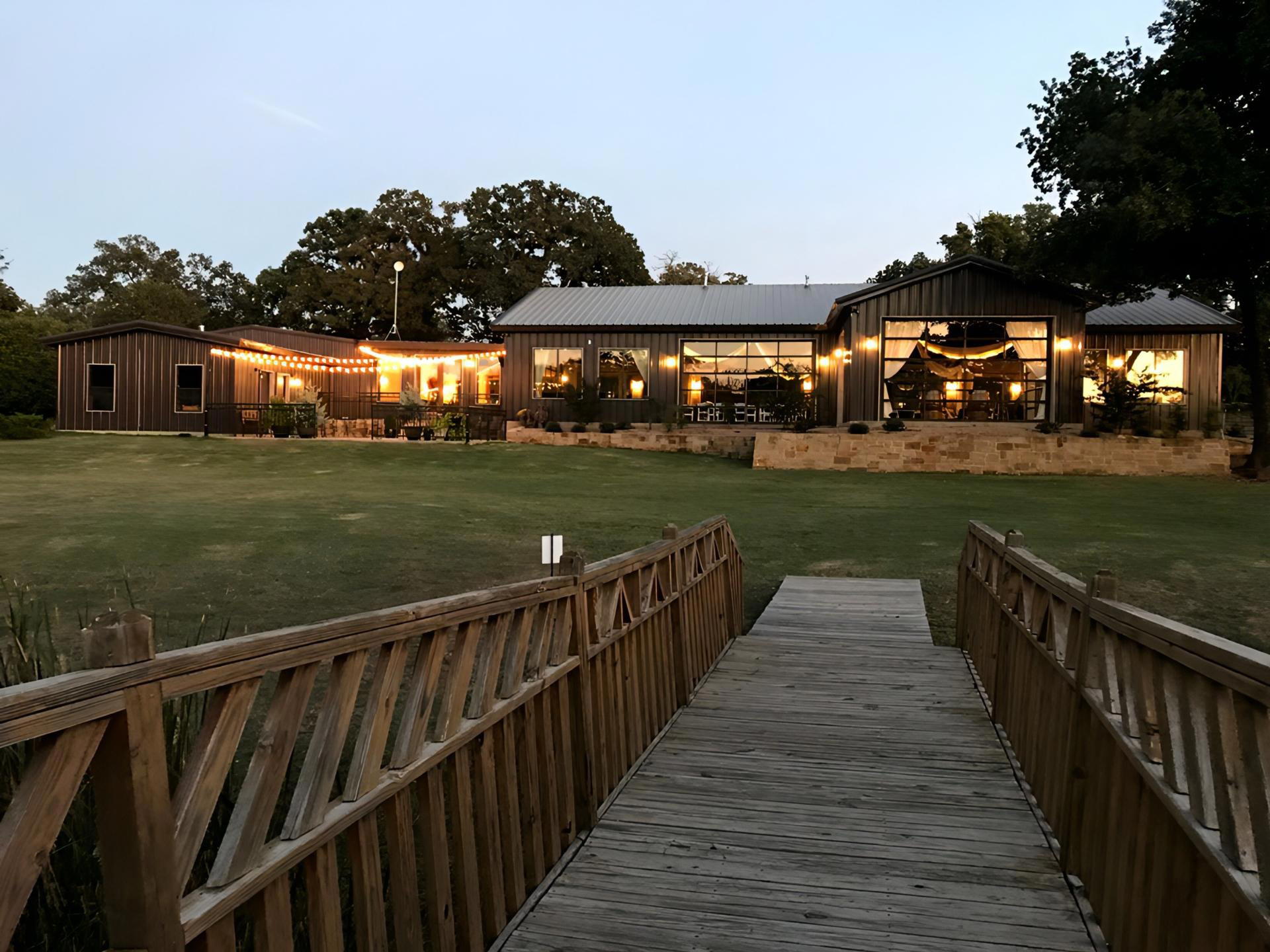
Details
- Rustic
- Lively
- Casual
- Group Outing
- Casual Hangout
- Beer Garden
- Lounge Seating
- Outdoor Terrace
- Craft Cocktails
- Craft Beer
Casual and laid-back with a down-to-earth atmosphere, featuring a covered patio and beer garden ideal for enjoying drinks and BBQ.