Food & Wine Top 10 Global Hotel Bars #3
El Bar at Casa Gangotena gives Quito’s cocktail scene a strong Ecuadorian argument: national celebrations, regional ingredients, and bar technique treated as cultural interpretation rather than garnish. Its Fiesta menu draws from Andean cacao, Amazonian spices, coastal palo santo resin, and the September corn harvest, making it a sharp choice for travelers who want Ecuador in the glass rather than another international hotel-bar template.

Pearl is the En Primeur Club membership app, where members save venues, book tables and use the concierge.
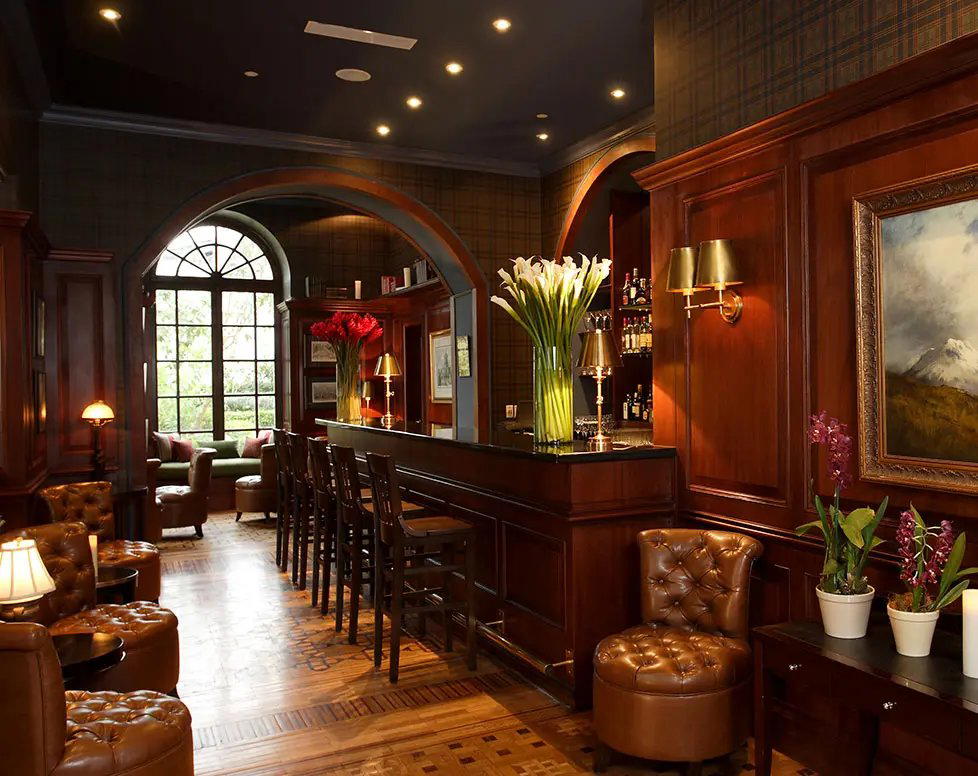
In Quito’s historic center, the stronger drinking rooms are judged less by volume than by point of view. El Bar at Casa Gangotena belongs to the small group of hotel bars where the cocktail list is not simply an amenity beside the lobby; it is a compact reading of Ecuador’s geography, ritual calendar, and agricultural range. The room’s appeal starts with that change in pace: a bar inside a heritage hotel setting, close to the city’s colonial core, where the drinks make more sense when read against mountains, coast, and Amazon rather than against the usual global cocktail canon.
A Quito cocktail programme built around national celebrations
The useful way to understand this bar is through its Fiesta menu, which interprets six Ecuadorian celebrations through mixed drinks. That structure matters. Across Latin America, cocktail programs often borrow local fruit, cacao, or herbs as flavor accents while leaving the framework unchanged. Here, the organizing principle is cultural: the drink list uses festivals as the map, then builds flavor through ingredients tied to specific regions and rituals.
The Corn Festival gives the clearest example. The September harvest celebration, associated with the exchange of corn varieties and the production of chicha, becomes a drink built with bourbon, corn, gooseberry IPA, and gin. The reference is not decorative. Corn sits at the center of Andean foodways, chicha carries ceremonial and communal weight, and the cocktail translates that history into a format international drinkers can parse without flattening the source material into novelty.
Ingredient range also gives the programme its authority. Rare Andean plants and flowers, cacao transformed into a distillate, Amazonian spices, and coastal palo santo resin are not everyday bar-back materials. In a city where altitude already shapes appetite and alcohol tolerance, this kind of regional sourcing turns the bar into a more precise introduction to Ecuador than a generic pisco sour list or imported-spirit showcase. The stronger argument is not that every drink will suit every palate; it is that the menu has a thesis.
Why the format works in Quito's historic center
Quito rewards context. The city’s old quarter is often approached through churches, plazas, and restored facades, but its contemporary hospitality scene is more interesting when it connects those surfaces to living food and drink traditions. A bar program tied to national festivals does that neatly: it gives visitors a reason to think about harvest, exchange, coastal aromatics, and Amazonian spice while staying within a polished urban setting.
That balance is the point. El Bar at Casa Gangotena is not trying to compete with louder nightlife rooms or high-volume cocktail counters. Its lane is interpretive and composed, closer to a cultural aperitif than a late-night crawl. For travelers building a Quito itinerary, it pairs naturally with a broader look at the city’s dining and hotel scene: Our full Quito restaurants guide, Our full Quito hotels guide, and Our full Quito bars guide map the surrounding choices more clearly than treating one bar as the whole story.
The bar also sits within a wider shift in premium drinking: the stronger programs are moving away from theatrical secrecy and toward menus with research, provenance, and discipline. For comparison across formats rather than direct local rivalry, EP Club’s wider bar coverage ranges from Exchange Bar & Kaori Sushi Bar to Aperitif Lounge in Puerto Ayora, ¡BE! Club in San Sebastián, and a ’70s-inspired bar in Sydney. Those links are useful because they show how far the category has stretched: hotel bar, island lounge, club room, retro drinking room, each with a different relationship to place.
The editorial read: go for Ecuador in the glass
The smart order here is not to chase a familiar international benchmark. The stronger move is to use the Fiesta menu as the frame and let Ecuadorian references lead the decision. Cacao distillate, Amazonian spice, palo santo resin, and corn are not interchangeable flourishes; they signal a bar trying to place national ingredients inside a controlled cocktail language. That makes the experience especially relevant for travelers who have limited time in Quito and want one polished stop that does more cultural work than a standard nightcap.
It is also a reminder that Quito’s premium scene should not be read only through restaurants. Bars, wineries, and guided experiences increasingly shape how visitors understand a destination’s produce, rituals, and regional identities. For that broader planning layer, use Our full Quito wineries guide and Our full Quito experiences guide alongside the bar shortlist.
For readers tracking how place-led drinking appears in other cities, EP Club’s wider archive includes 'a veo veo yu in Alishan, 'O Munaciello MiMo District Neapolitan Pizza in Miami, and 't Dreupelkot in Ghent. The useful comparison is not sameness; it is how serious bars now encode local drinking culture through format, ingredient choice, and restraint. In Quito, El Bar at Casa Gangotena’s case rests on that exact discipline.
Comparable Venues Nearby
Comparable venues nearby, for context on price, style, and recognition.
| Venue | Cuisine | Price | Awards |
|---|---|---|---|
| El Bar at Casa GangotenaThis venue (the venue you are viewing) | hotel_bar | $30–50 | Food & Wine Top 10 Global Hotel Bars #3 |
Recognition history
Dated appearances from independent guides and award organizations, with the underlying list record or original source where available.
Food & Wine Top 10 Global Hotel Bars #3
Food & Wine
Continue exploring
More in Quito
Restaurants in Quito
All restaurants in Quito →
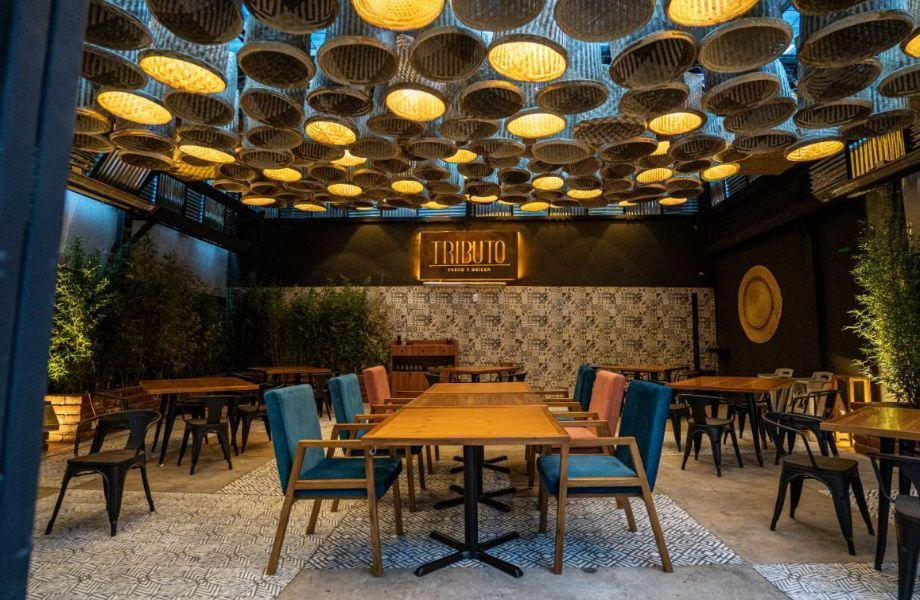
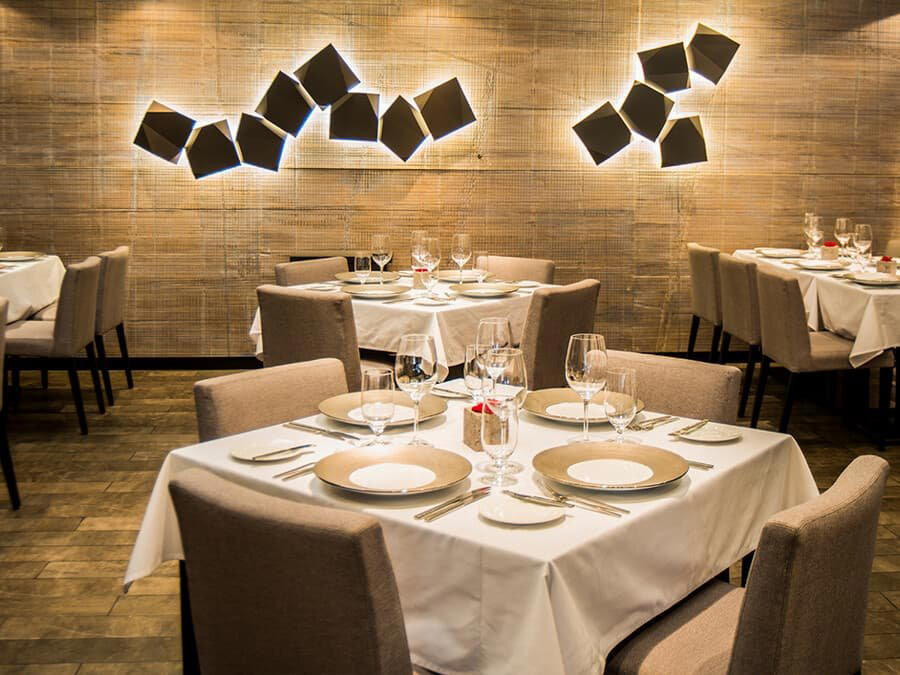
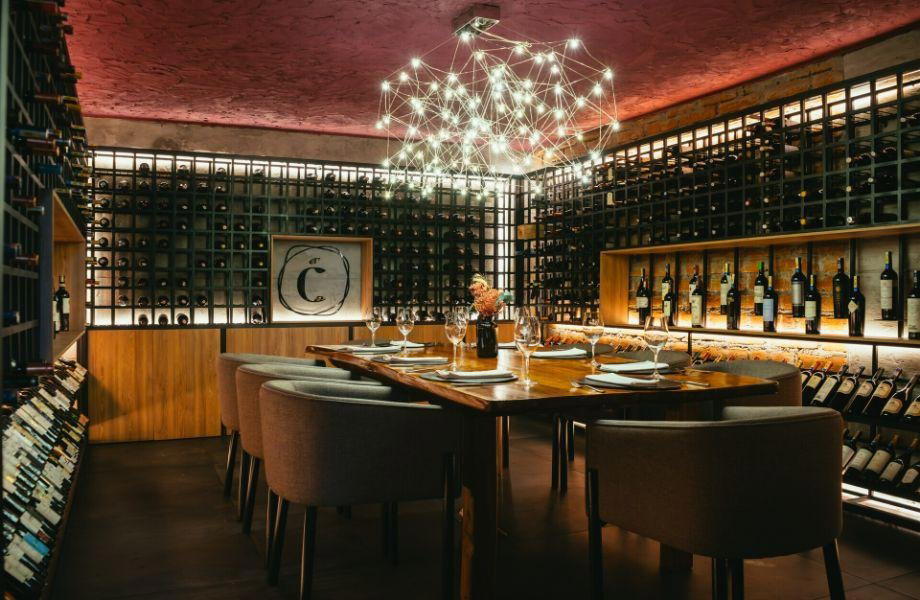
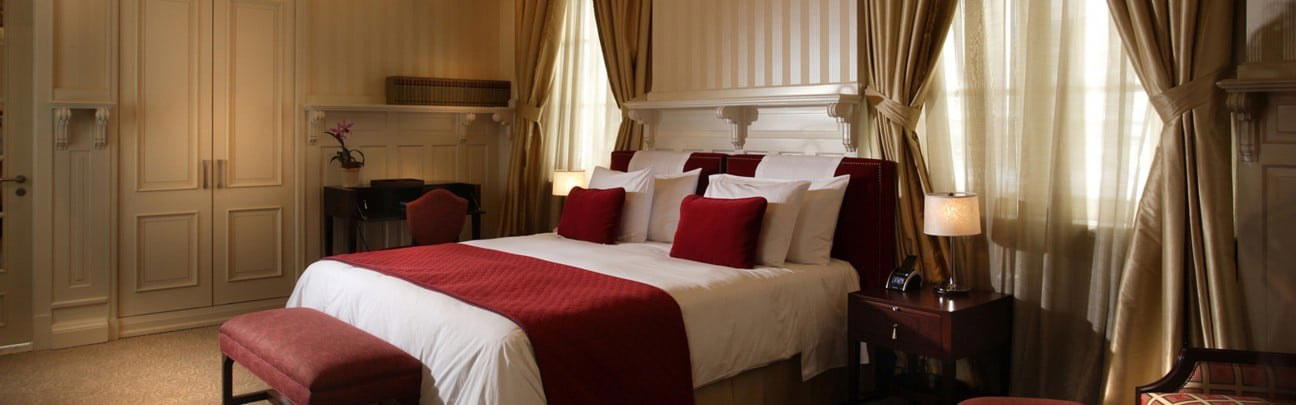
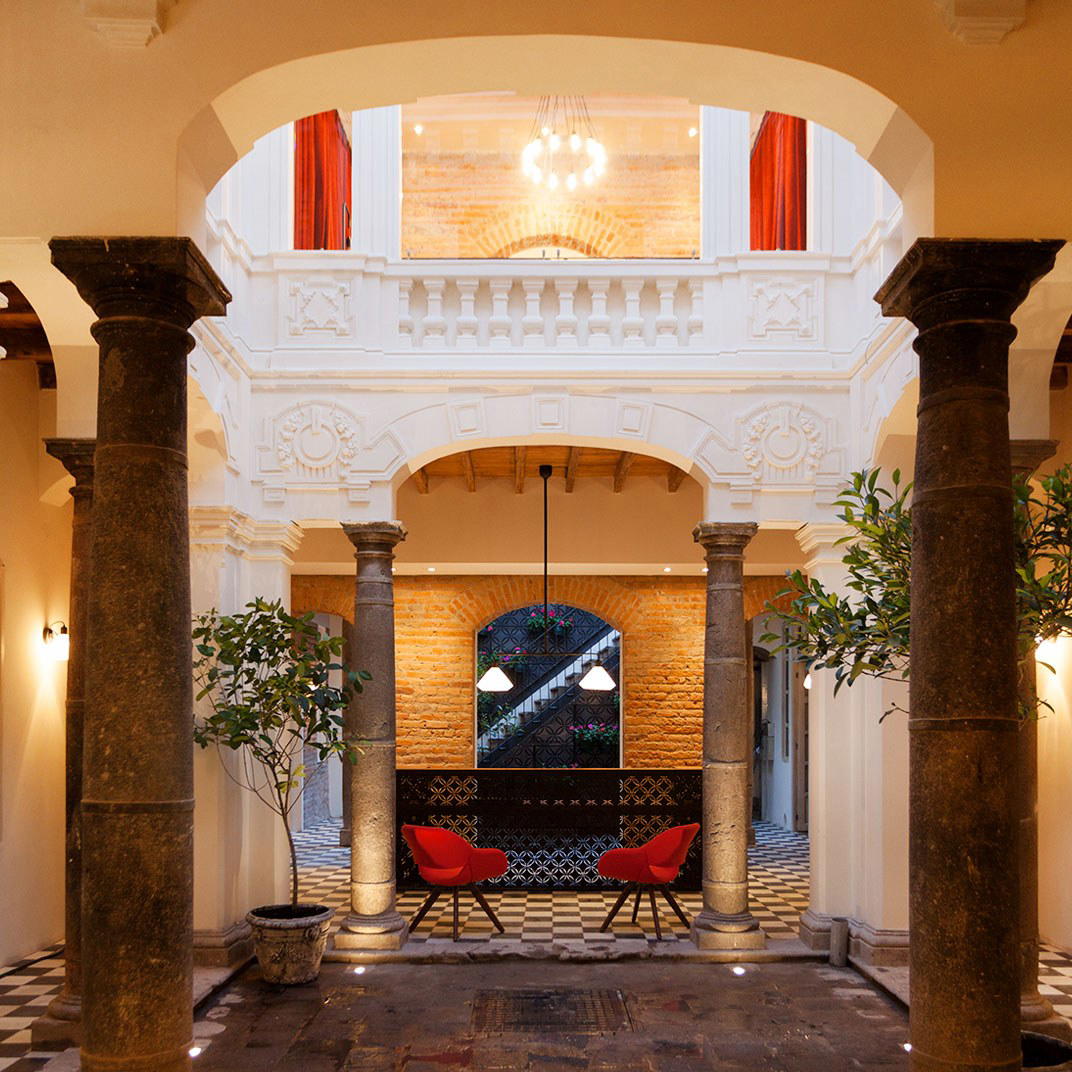
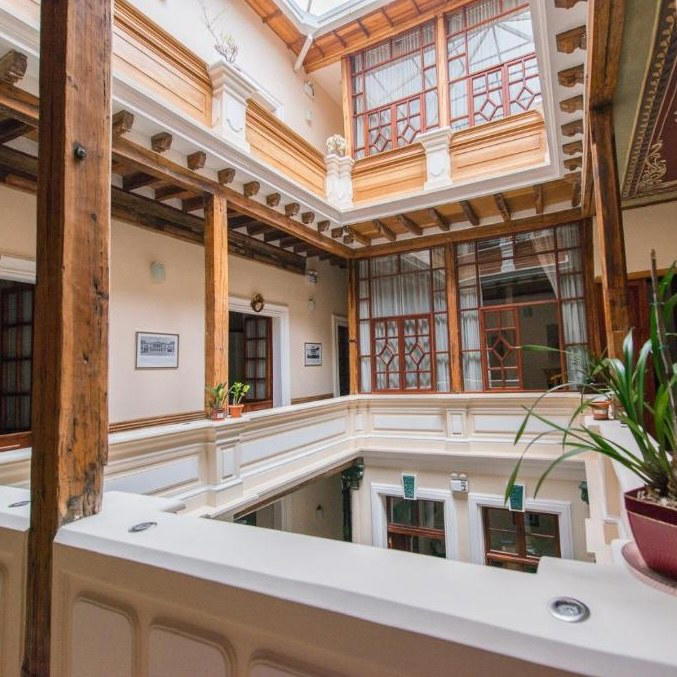
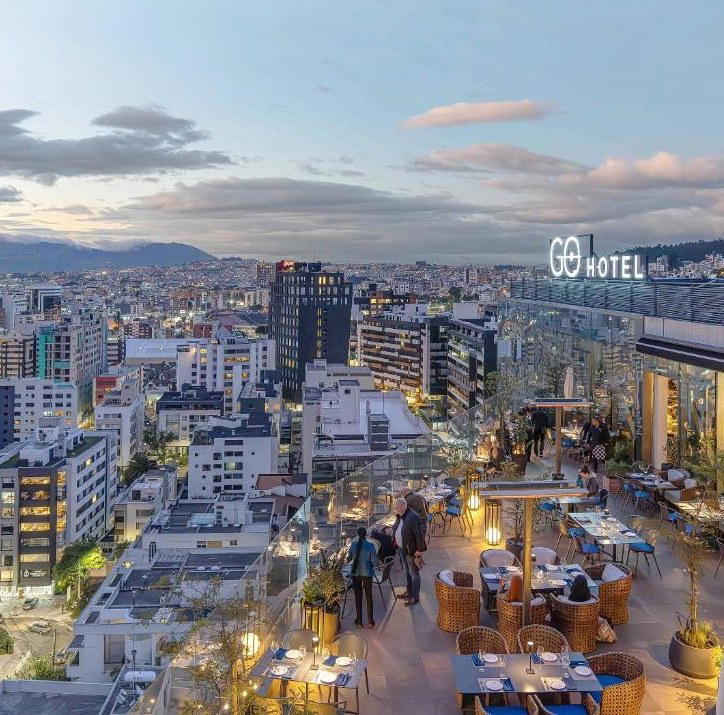
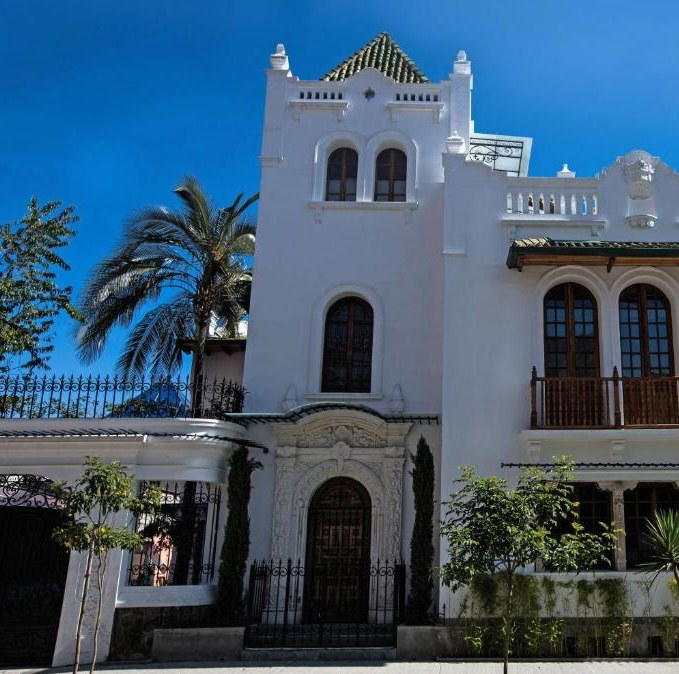
El Bar at Casa Gangotena
The drinks
- Craft cocktails
- Classic cocktails
- Zero-proof drinks
Signature drinks: Homenaje Ecuadorian cocktail, hibiscus- and coconut-infused caña manabita cocktail.
Details
- Sophisticated
- Classic
- Cozy
- Elegant
- Intimate
- Well Known
- Date Night
- After Work
- Solo
- Special Occasion
- Private Event
- Historic Building
- Design Destination
- Hotel Bar
- Courtyard
- Seated Bar
- Lounge Seating
- Booth Seating
- Private Rooms
- Craft Cocktails
- Classic Cocktails
- Gin
- Conventional Wine
- Zero Proof
- Street Scene
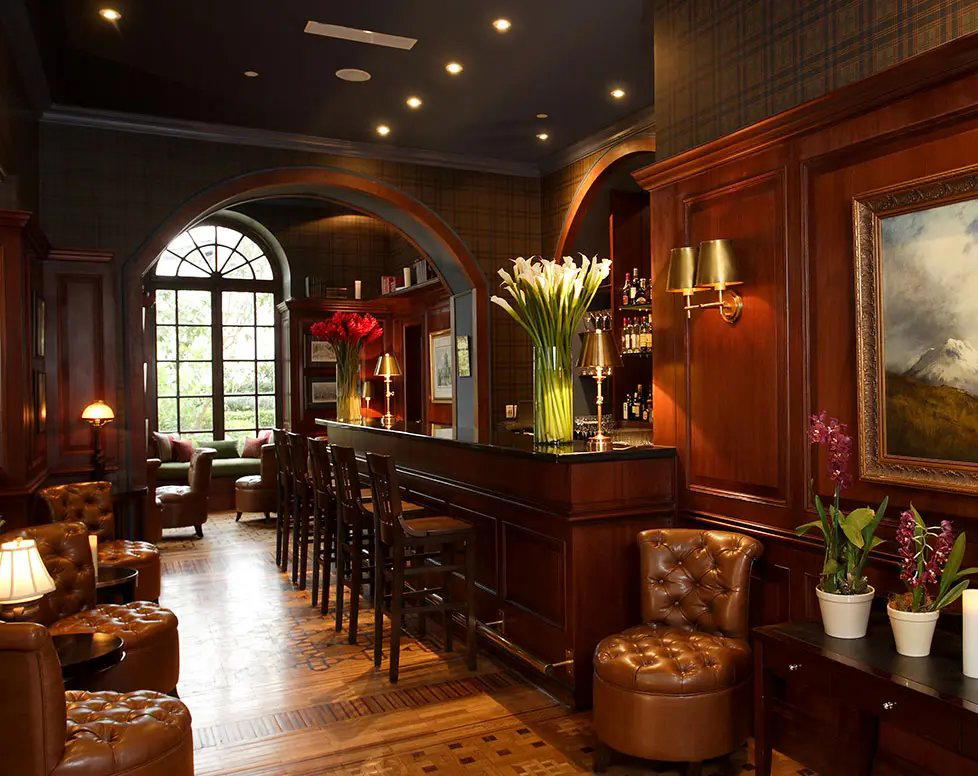
Low-lit and hushed, with leather chairs, tartan or wood-paneled walls, classic art and a clubby, British-style feel that invites slow, relaxed drinks rather than a loud party atmosphere.