Desta Ethiopian Restaurant
Desta Ethiopian Restaurant on Greenville Avenue sits inside Dallas's broader East African dining corridor, where communal injera-based meals represent one of the most structurally distinct dining formats in the city. The restaurant draws a cross-section of the Ethiopian diaspora and curious regulars to a stretch of North Dallas that has quietly accumulated serious ethnic dining depth over the past two decades.
Pearl is the En Primeur Club membership app — saves, bookings, and concierge access live there. Same editors, same standards.
- Address
- 12101 Greenville Ave #105, Dallas, TX 75243
- Phone
- +1 214 575 9004
- Website
- destaethiopiaresturant.com
- Directions
- Get directions
 Saves & bookings on Pearl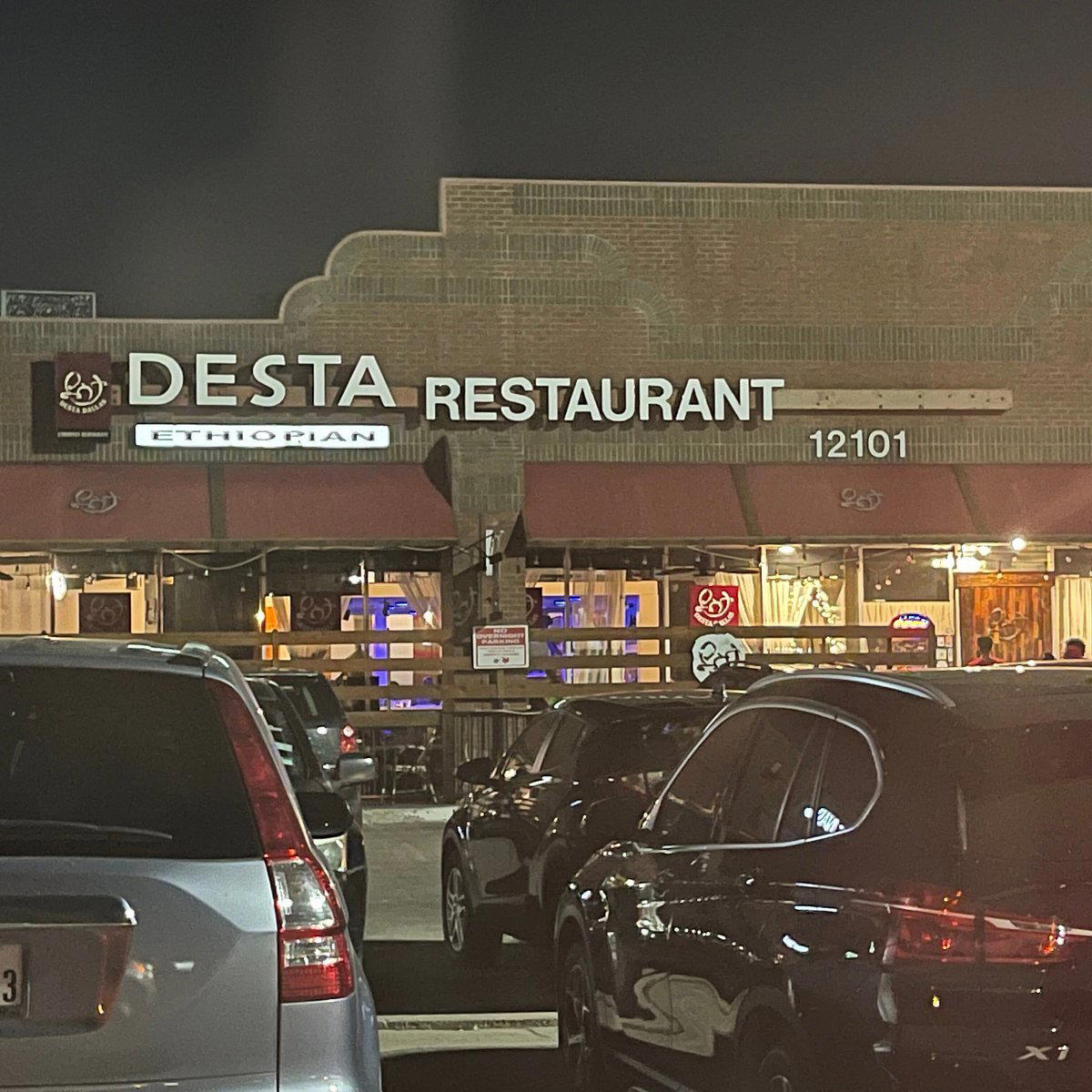
Greenville Avenue and the Ethiopian Dining Corridor
Dallas has built a surprisingly layered East African dining scene across its northern corridors, and the stretch of Greenville Avenue near Forest Lane sits at the center of it. This is not the flashy restaurant row of Knox-Henderson or the curated density of Uptown — it is a strip of working neighborhood retail where the food often outpaces the surroundings. Ethiopian restaurants here compete less on design theatrics and more on the quality of their berbere spice blends, the sourness of their injera fermentation, and the depth of their stew reduction. Desta Ethiopian Restaurant, at 12101 Greenville Ave, occupies that competitive space directly.
Ethiopian dining as a format is structurally unlike most of what Dallas otherwise offers. There are no individual plates, no forks by default, and no conventional service cadence. Meals arrive as a shared platter, with injera — the spongy, fermented teff flatbread, functioning simultaneously as plate liner and primary utensil. Stews are spooned across it in separate mounds: lentils, split peas, collard greens, beef or lamb tibs, and slow-cooked chicken in a dark, chile-forward sauce. The logic of the meal is communal and sequential, and first-time visitors often spend the first few minutes recalibrating their expectations before settling into a rhythm that tends to feel natural by the second round of injera.
The Craft Behind the Cup: Tej, Coffee, and Ethiopian Drink Culture
Ethiopian drink culture is among the most distinct any restaurant in this category can offer, and it is often where the editorial angle on hospitality and craft becomes clearest. Tej, the traditional Ethiopian honey wine, is the most structurally interesting option on any genuine Ethiopian drinks list. Fermented from honey and gesho (a bittering buckthorn plant native to the Horn of Africa), tej sits in a category of its own: not wine in the European sense, not mead in the northern European sense, but a fermented honey beverage with a slightly funky, resinous bitterness that takes a few sips to calibrate to. When a restaurant sources or serves tej with any seriousness, it signals kitchen depth beyond the obvious.
The Ethiopian coffee ceremony, when offered, represents a different register entirely. Coffee originated in Ethiopia, the Kaffa region gives the drink its name, and the ceremonial preparation involves roasting green beans tableside, grinding by hand, and brewing through successive rounds in a clay pot called a jebena. The resulting coffee is served in small handle-less cups, often alongside frankincense smoke and popcorn, and the process can take thirty to forty-five minutes from roast to first pour. It is one of the few beverage rituals in any cuisine that embeds hospitality so explicitly into the preparation itself. Across the American Ethiopian restaurant scene, how seriously a restaurant takes this ceremony tends to reflect how seriously it takes everything else. Bars in other American cities doing comparable ceremony-forward work, places like Jewel of the South in New Orleans and Kumiko in Chicago, demonstrate that committed beverage programming can anchor a broader hospitality identity regardless of cuisine type.
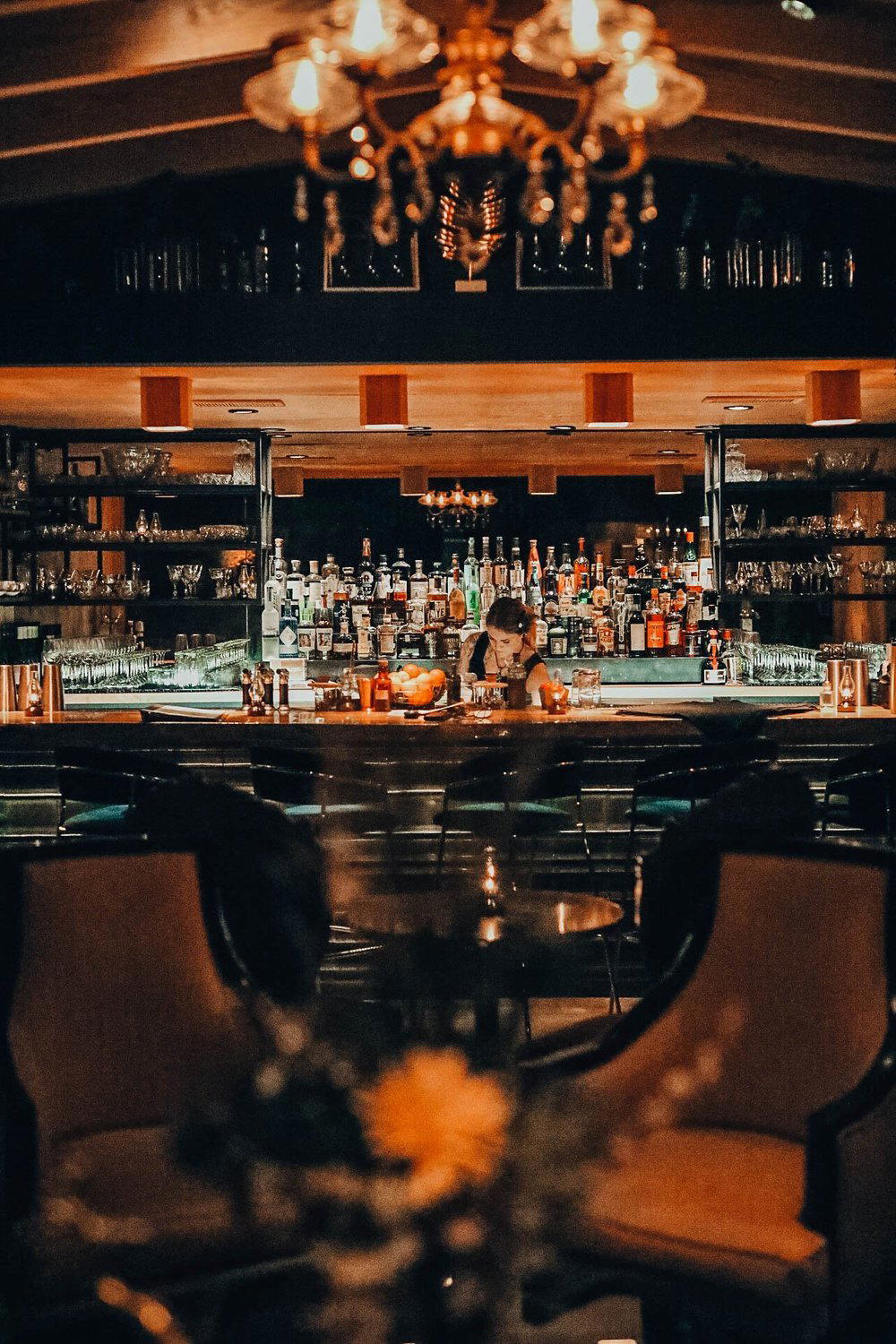
The cocktail and wine bar scene that has developed across Dallas in parallel, venues like Alcove Wine Bar, Ampelos Wines, and 4525 Cole Ave, operates in a completely different hospitality register, but the underlying logic of intentional beverage service is the same: the person managing what goes in the glass shapes the character of the experience as much as the kitchen does. At an Ethiopian restaurant, that role falls to whoever understands the tej, the honey wine, and the coffee ceremony well enough to present them with confidence.
Reading the Room: Format, Community, and What the Dining Style Signals
Greenville Ave address places Desta inside a North Dallas zip code that has accumulated considerable ethnic dining density without attracting the kind of food-media attention that flows to trendier areas. That pattern is consistent across American cities: neighborhoods with working-population anchors and lower commercial rents often support more technically authentic cooking than the neighborhoods food critics tend to congregate in. The injera at restaurants in this corridor reflects a fermentation culture that takes days, a natural lacto-fermentation of teff batter that produces the characteristic sourness and the open, slightly chewy texture. Shortcut versions use baking soda, and the difference is noticeable within a few bites.
Dining at an Ethiopian restaurant as a solo visitor is technically possible but misses the structural point. The format scales with group size, a platter for two reads differently from a platter for five, where multiple wot varieties and tibs preparations can be arranged together without any single protein dominating. The communal meal format has a specific social logic: eating from the same plate, using only the right hand, tearing injera and wrapping small portions is both practical and relational. Regulars at established Ethiopian restaurants often treat the shared platter as a form of conversation structuring, the passing of bites, the recommendations across the table, that has no equivalent in conventional Western table service.
For visitors cross-referencing the Dallas dining scene more broadly, the EP Club full Dallas restaurants guide maps the city's spread from the Deep Ellum corridor to the Greenville Ave ethnic dining strip and beyond. Comparable beverage-forward venues in other cities, Julep in Houston, ABV in San Francisco, Superbueno in New York City, Bar Leather Apron in Honolulu, and The Parlour in Frankfurt on the Main, illustrate how beverage intention varies by cultural context, which makes the Ethiopian ceremony model all the more distinct by comparison.
Dallas bars in the traditional sense, Adair's Saloon being the clearest contrast, occupy a completely separate category from an Ethiopian restaurant's hospitality model, but positioning the two alongside each other clarifies what makes the latter specific: you are not there for a drink in isolation, you are there for a format where food, beverage, and shared ceremony reinforce each other.
Planning Your Visit
Desta Ethiopian Restaurant is located at 12101 Greenville Ave #105, Dallas, TX 75243, in a suite-format strip development on the east side of Greenville near Forest Lane. North Dallas along this corridor is car-dependent, and street parking or surface lot access is the practical approach. No booking method, posted hours, or pricing information is confirmed in current records, so checking directly with the restaurant before visiting is advisable, particularly for larger groups who may want to request specific platters or the coffee ceremony in advance. The price tier for Ethiopian restaurants at this category and location in Dallas typically falls well below the Knox-Henderson or Uptown averages, making this a format where the spend-to-depth ratio tends to favor the diner.

At a Glance
- Cozy
- Group Outing
- Casual Hangout
- Communal Tables
Current opening hours
- Monday
- 10 AM–10 PM
- Tuesday
- 10 AM–10 PM
- Wednesday
- 10 AM–10 PM
- Thursday
- 10 AM–10 PM
- Friday
- 10 AM–11 PM
- Saturday
- 10 AM–11 PM
- Sunday
- 10 AM–10 PM
Hours can change for holidays and private events. Last verified .
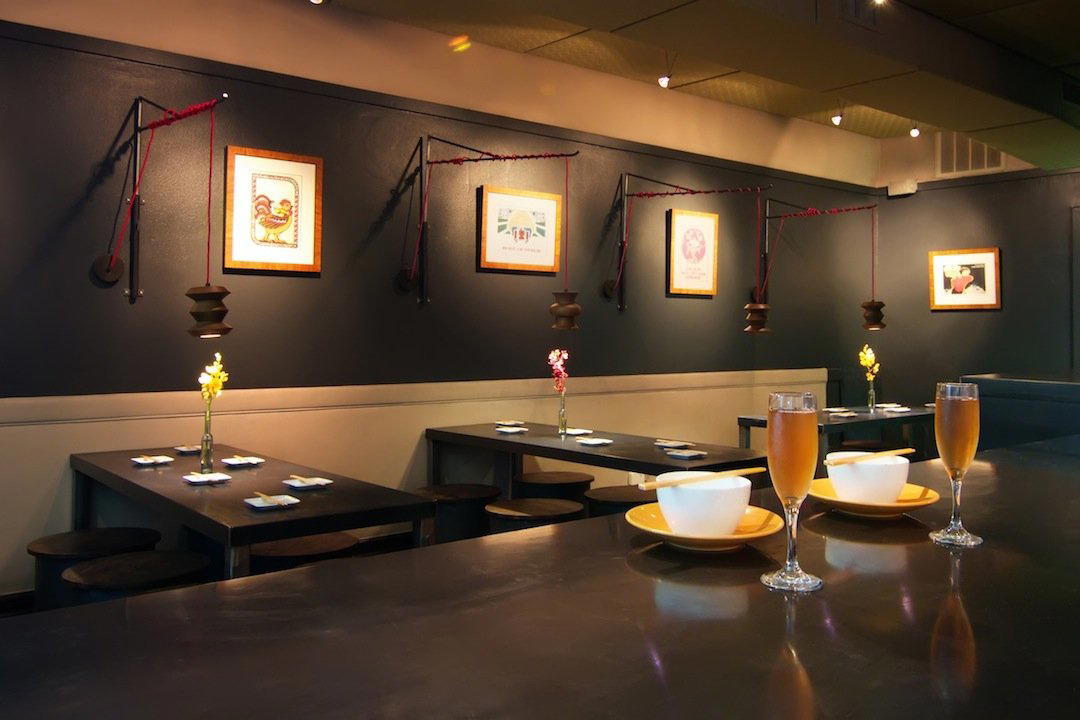
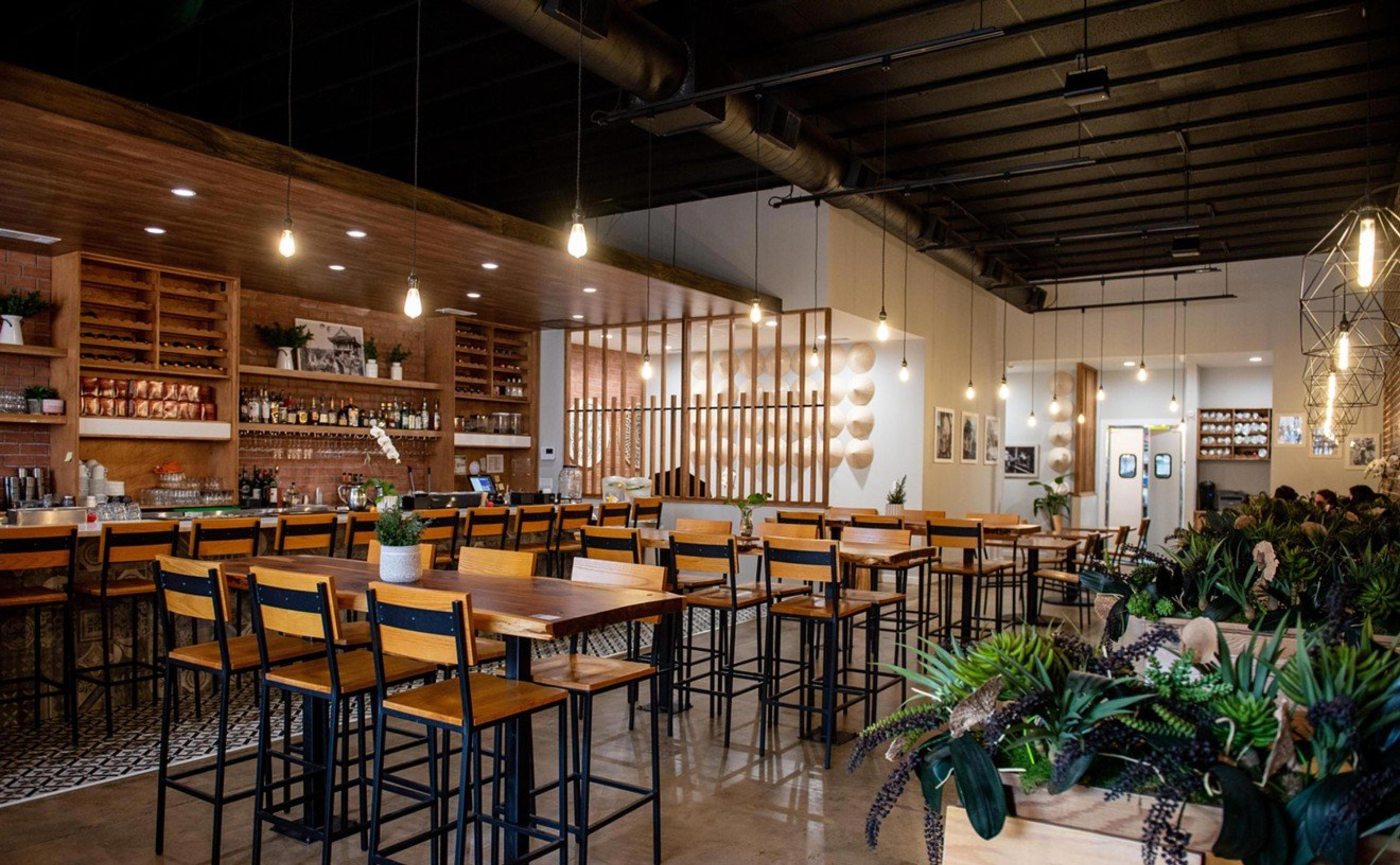
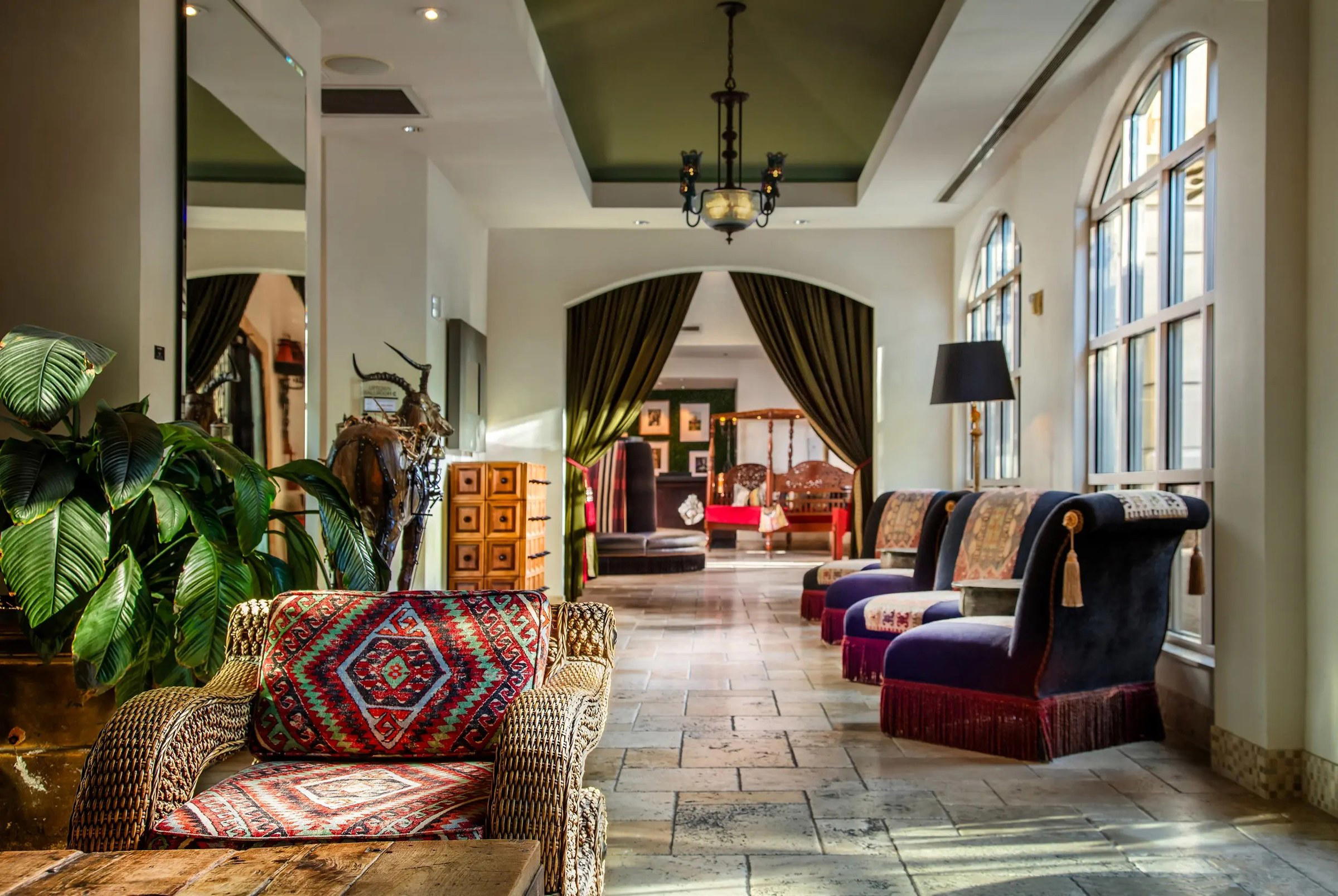
Cozy and social atmosphere focused on shared platters and hand-eating tradition.
Know Before You Go
- Getting there
- 12101 Greenville Ave #105, Dallas, TX 75243