Coda Del Pesce
On Ocean Boulevard in Isle of Palms, Coda Del Pesce sits where the Atlantic sets the pace and coastal Carolina drinking culture meets considered technique. The bar program here draws from a broader American craft movement that has reshaped beachside drinking over the past decade. For Isle of Palms visitors looking beyond standard resort pours, this address warrants attention. See our full Isle Of Palms guide for context.
Pearl is the En Primeur Club membership app — saves, bookings, and concierge access live there. Same editors, same standards.
- Address
- 1130 Ocean Blvd, Isle of Palms, SC 29451
- Phone
- +1 843 242 8570
- Website
- codadelpesce.com
- Directions
- Get directions
 Saves & bookings on Pearl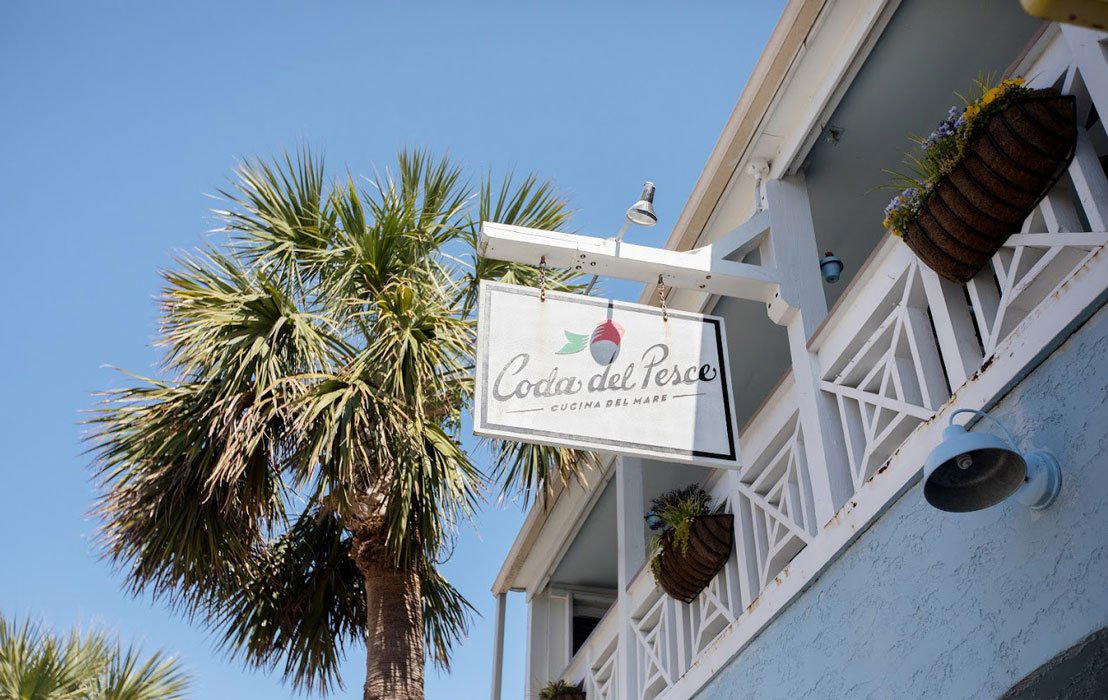
Where the Coast Meets the Counter
Ocean Boulevard in Isle of Palms is not a street that typically signals serious drinking. The barrier island sits roughly twenty miles northeast of Charleston, and its main strip runs the predictable register of beach-town hospitality: frozen drinks, sun-faded bar stools, the smell of sunscreen carried on a salt breeze. Against that backdrop, Coda Del Pesce occupies 1130 Ocean Blvd with a different set of ambitions. The approach from the boulevard gives you the full coastal frame first — low-slung, open to the water, the kind of address that makes you expect a rum punch in a plastic cup. What you find inside is something the surrounding scene doesn't immediately prepare you for.
The American craft cocktail movement spent most of the 2010s concentrating in urban cores. Cities like Chicago, San Francisco, Seattle, and New York received the bulk of the technical investment, the house-made bitters programs, the clarified stock drinks, the fermented syrups. Coastal resort towns came later to that shift, and many haven't arrived yet. The ones that have tend to offer something the city bars don't: a physical environment that strips away the urban performance. You're drinking well, but the Atlantic is also thirty seconds away. That particular combination is rarer than it should be, and it's the context that makes an address like Coda Del Pesce worth understanding on its own terms rather than measuring it purely against Kumiko in Chicago or ABV in San Francisco.
The Cocktail Program in Context
Across the American bar scene, the most durable programs have moved away from complexity-for-its-own-sake toward clarity of intention. The clarified-drink wave, the low-ABV turn, the serious engagement with Southern spirits — bourbon, rye, American brandy, have all reshaped what a considered cocktail list looks like in 2024. Jewel of the South in New Orleans built its reputation on historical American cocktail recovery. Julep in Houston made a sustained case for Southern spirits as a legitimate technical category. Canon in Seattle turned bottle depth into its core editorial statement. Each of these programs reflects a distinct position within a broader movement that has permanently raised the floor for what serious bar work looks like in the United States.
A coastal South Carolina address enters that conversation with specific regional material to draw from. The Lowcountry has its own ingredient logic: local citrus windows, Carolina Gold rice-based spirits, the influence of West African flavor traditions on Southern cooking and drinking alike. Bars that pay attention to place rather than simply importing urban trends tend to produce menus with more internal coherence. The drink that uses a regional honey or a Charleston-distilled spirit communicates something that a technically identical drink built from generic ingredients cannot. Whether Coda Del Pesce's program presses hard on that regional identity or works from a broader American craft template is the question worth asking when you sit down at the counter.
For comparison, Bar Leather Apron in Honolulu demonstrated that a geographically isolated market could sustain a program measured against the leading urban bars in the country when the technique and sourcing commitment are genuine. Bitter and Twisted in Phoenix built a deep list in a desert city not traditionally associated with cocktail culture. Geography, in other words, is not a ceiling. It can be a creative parameter.
The Broader Isle of Palms Drinking Scene
Isle of Palms draws two distinct visitor types: families in rental houses who want ease and volume, and Charleston day-trippers and second-home owners who arrive with higher baseline expectations from spending time in one of the American South's most food-serious cities. Charleston's bar scene has matured considerably over the past decade, absorbing the same craft influences that reshaped New York and San Francisco programs, and visitors carrying those reference points read a menu differently than a tourist who landed at the beach airport and wants a frozen margarita.
That bifurcated audience shapes what a serious bar on the island has to do. It cannot pitch exclusively to technique-fluent drinkers without losing the casual walk-in trade that a beach-town location generates. The bars that work in this kind of environment tend to run accessible entry points alongside more considered options, letting the menu do the sorting. Superbueno in New York City demonstrated that a playful exterior register and genuine technical depth are not mutually exclusive. Allegory in Washington, D.C. built a full theatrical concept without sacrificing drink quality. The coastal setting at Coda Del Pesce offers its own ambient theater; the question is how the program calibrates to it.
For a fuller map of where this address sits within the island's options, our full Isle of Palms restaurants guide places it alongside the broader dining and drinking scene.
Regional Peers and the Southern Bar Conversation
The American South has developed a distinct strand within the national craft bar movement, one that draws on bourbon and rye heritage, on the legacy of agricultural ingredients, and increasingly on the culinary ambitions of cities like Charleston, Nashville, and New Orleans. Bar Kaiju in Miami represents the Florida coastal entry into that conversation, with a program that operates at a different register from the Gulf South tradition. The Parlour in Frankfurt shows how American cocktail influence has traveled internationally, with the Southern American tradition now recognized as a reference point well outside its geographic origin.
Within the South Carolina context, the bar scene is still developing its own competitive vocabulary. Charleston leads the state in technical ambition, and that gravitational pull shapes what venues on the surrounding islands have to contend with. A bar that draws favorably to the Charleston standard while offering the physical irreplaceability of an ocean-facing address holds a position no urban competitor can replicate.
Planning Your Visit
Coda Del Pesce sits at 1130 Ocean Blvd, Isle of Palms, SC 29451, accessible from Charleston via the Isle of Palms Connector. The island operates on seasonal rhythms, with peak traffic concentrated between May and September; shoulder-season visits in April or October tend to offer a quieter counter and more attentive service. Given the limited data currently available on hours and booking, confirming directly before arrival is advisable, particularly for weekend evenings in high season when beach-town demand spikes across every category of venue. Dress follows the coastal Carolina register: smart-casual sits comfortably, and the beach-adjacent setting means the gap between formal and relaxed narrows considerably.
Continue exploring
More in Isle Of Palms
Bars in Isle Of Palms
Browse all →

Restaurants in Isle Of Palms
Browse all →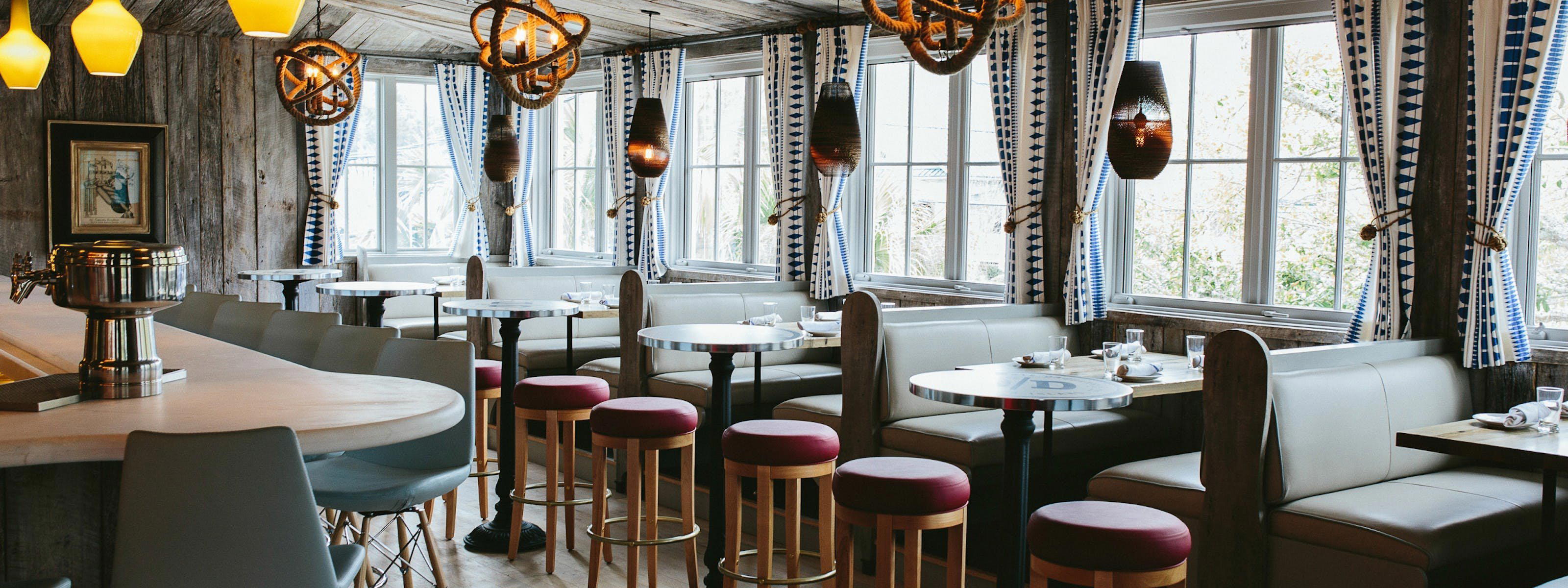
At a Glance
- Romantic
- Elegant
- Scenic
- Sophisticated
- Date Night
- Special Occasion
- Celebration
- Waterfront
- Standalone
- Panoramic View
- Seated Bar
- Outdoor Terrace
- Booth Seating
- Conventional Wine
- Waterfront
Current opening hours
- Monday
- Closed
- Tuesday
- 5:30–9 PM
- Wednesday
- 5:30–9 PM
- Thursday
- 5:30–9 PM
- Friday
- 5:30–9 PM
- Saturday
- 5:30–9 PM
- Sunday
- Closed
Hours can change for holidays and private events. Last verified .
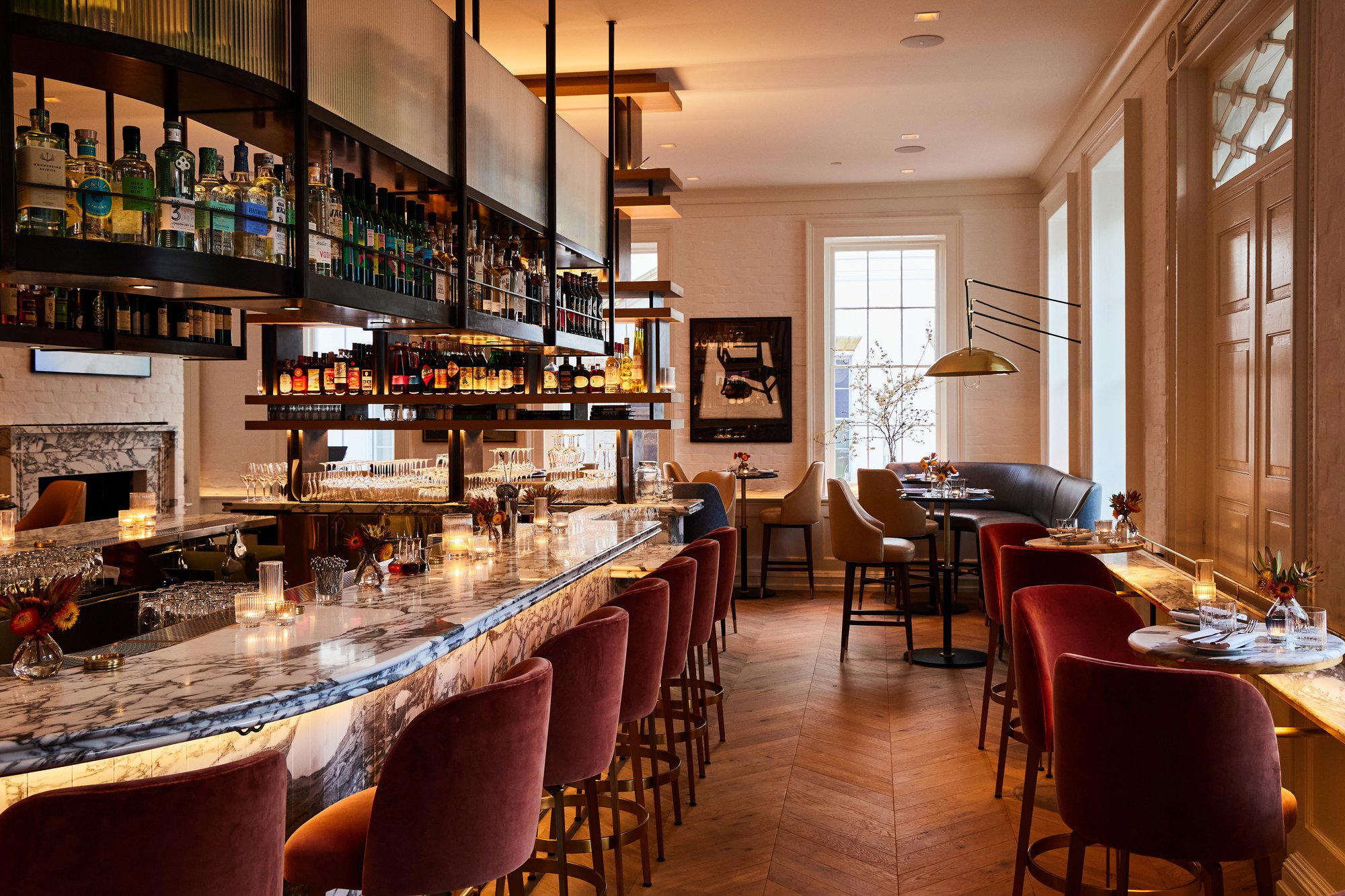
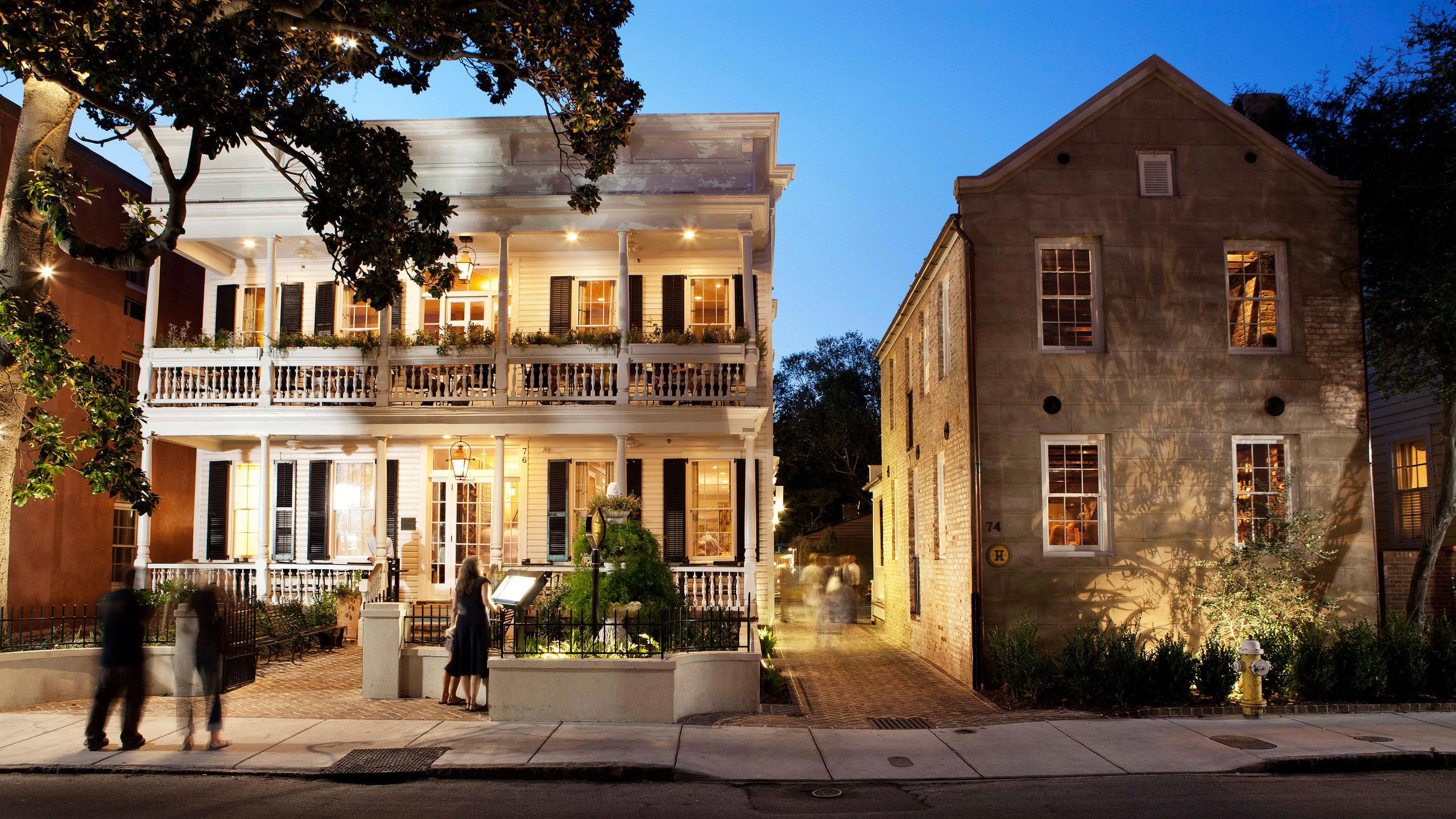
Contemporary coastal elegance with natural materials including reclaimed wood, driftwood accents, beachy blues and grays, and an intimate setting overlooking the Atlantic Ocean.
Know Before You Go
- Getting there
- 1130 Ocean Blvd, Isle of Palms, SC 29451