BAR/terre belongs to Vienna’s newer drinking geography around Praterstraße, where the city’s bar culture moves beyond grand hotel lobbies and old-town theatrics. With little public data on awards, pricing, hours, or a named bar lead, the useful reading is contextual: treat it as a contemporary Vienna bar to assess by technique, pacing, and how confidently the room handles the first round.
Pearl is the En Primeur Club membership app — saves, bookings, and concierge access live there. Same editors, same standards.
- Address
- Praterstraße 1, 1020 Wien, Austria
- Phone
- +43 1 906160
- Website
- so-vienna.com
- Directions
- Get directions
 Saves & bookings on Pearl
Praterstraße After Dark: A Vienna Bar Address With a Different Rhythm
Praterstraße has a particular night-time tension: the formality of the Ringstrasse sits nearby, the Danube Canal pulls a younger current through the district, and Leopoldstadt keeps enough residential grain to stop the area from becoming a pure entertainment strip. Approaching a bar at Praterstraße 1 means entering Vienna through a hinge point rather than a postcard. The first district is close, but the mood is less ceremonial than the hotel bars and salon rooms that have long defined the city’s polished drinking habits.
That setting matters because Vienna’s cocktail culture is no longer a single story of American bars, grand cafés, and late-night beer halls. The city now splits into several drinking modes: design-conscious hotel bars, neighbourhood rooms with serious bottles, natural-wine-adjacent counters, and cocktail-led places where the first question is not what spirit the guest prefers, but how the drink has been built. BAR/terre belongs in that contemporary conversation. Rather than treating it as an award-defined destination, the useful lens is the programme: what a modern Vienna bar at this address needs to prove when competing with better-documented peers.
The Cocktail Programme Is the Point
In a city with deep ritual around coffee, wine, and beer, cocktail bars have to work harder for their identity. A polished room alone is not enough; the serious test is whether the bar can move beyond a list of classics into a clear technical argument. The contemporary cocktail programme in Vienna tends to fall into three camps. Some bars lean on international luxury cues, with crystal-clear service scripts and familiar prestige spirits. Others lean into local mood: Austrian fruit, alpine bitter notes, vermouth, schnapps, and the dry snap of Grüner Veltliner culture translated into mixed drinks. A third camp uses technique as the signature, favouring clarification, pre-batching, controlled dilution, low-waste prep, or texture-led serves.
The main draw should therefore be assessed through structure rather than hype: how the menu is organised, whether house drinks have a point of view, whether the classics are handled with discipline, and whether the staff can explain technique without turning the evening into a lecture. In Vienna, where service traditions can be formal, the strongest modern bars often succeed by relaxing the guest while keeping the drink construction exact.
Technique Over Theatre
The move away from hidden-door speakeasy performance has been visible across many European bar cities. Vienna has its share of theatrical rooms, but the more durable trend is quieter: menus that reveal a bar’s internal grammar. A drink list organised by flavour, texture, or strength says more than one organised by vague mood. A compact menu can be a virtue if it signals prep discipline. A long menu only works when the back bar and mise en place can support it during a busy service.
Because verified menu details are not available here, specifics such as house infusions, garnish style, or signature serves should not be assumed. The editorial point is narrower and more useful: at this address and in this category, the first round tells the reader almost everything. A well-run cocktail room should show its hand quickly through glassware temperature, dilution control, the balance between acid and sweetness, and whether the bartender steers indecisive guests toward a profile rather than a brand name.
What Vienna Adds to the Glass
Vienna is not London or New York, and its bars are better when they stop pretending otherwise. The city has access to a strong Austrian wine culture, a long aperitif habit, Central European fruit traditions, and a café sensibility that understands pacing. The sharper cocktail programmes use those references without turning every drink into folklore. A Vienna bar can nod to apricot, elderflower, vermouth, herbs, or local wine acidity and still feel contemporary.
That is where a Praterstraße bar can be interesting. Leopoldstadt is close enough to the centre to attract visitors, but not so enclosed by the first district’s heritage economy that every drink has to perform “Vienna” for a camera. The more credible version is less literal: restrained sweetness, a lighter hand with aromatic modifiers, and enough bitterness to make a second drink plausible.
How BAR/terre Fits Vienna's Bar Map
Vienna’s drinking geography is more fragmented than first-time visitors expect. The Ringstrasse and old town deliver ceremony, hotel bars, and late-evening polish. Neubau and the MuseumsQuartier area bring design hotels, restaurants, and bars that fold into the cultural-night-out circuit; the bar at 25hours Hotel Vienna at MuseumsQuartier belongs to that more theatrical, hotel-adjacent lane. Along the water, Alte Donau points to another Vienna altogether, where seasonal leisure and lakeside drinking shape the mood rather than cocktail precision.
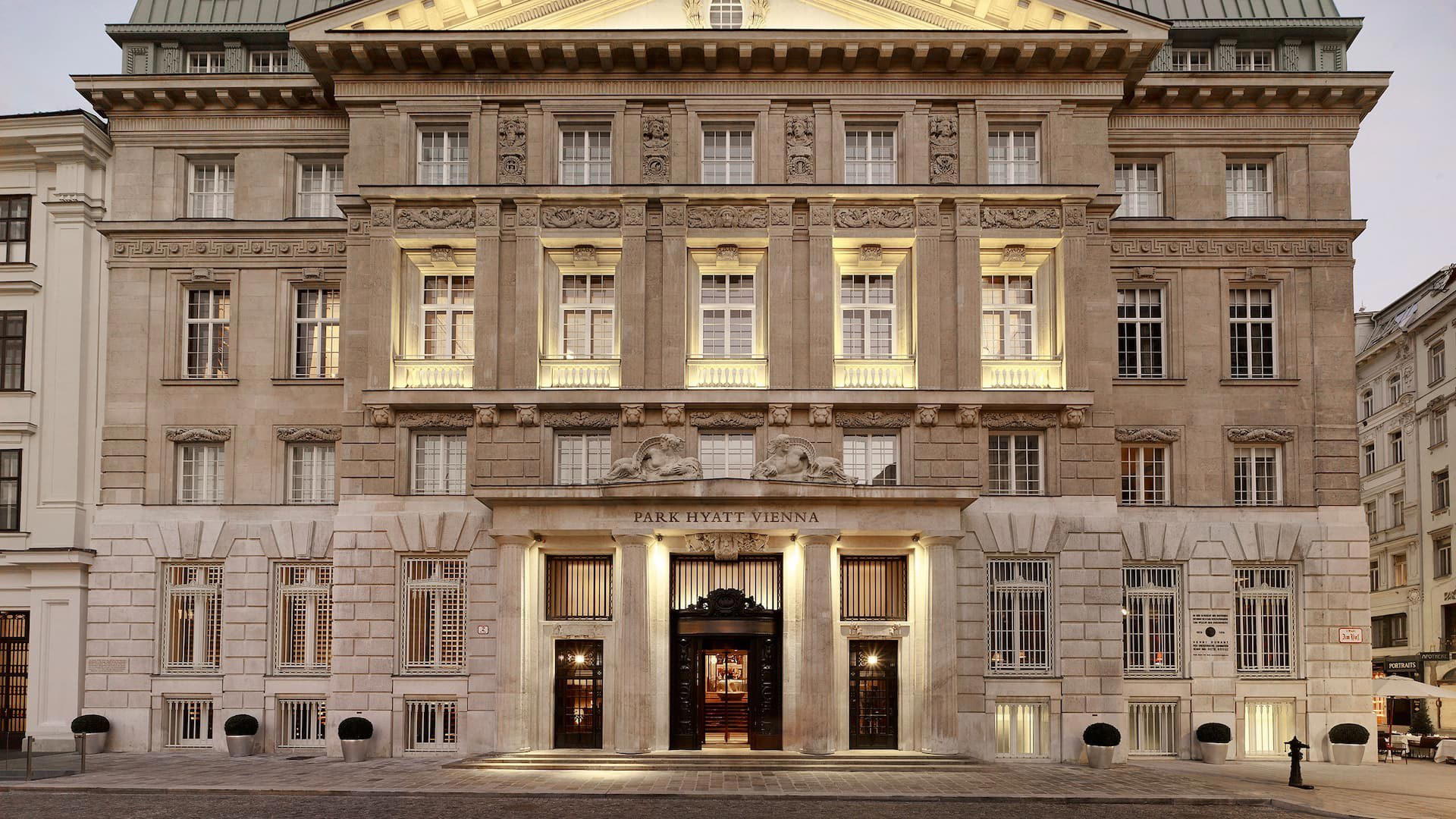
Leopoldstadt occupies a useful middle position. The second district has tourist movement, transport convenience, residential life, and a sharper edge after dark. BAR/terre’s address at Praterstraße 1 places it at the threshold between central Vienna and the Prater-facing side of the city. That is not a minor logistical detail. Bars in this pocket can serve as first-stop aperitif rooms before dinner, late-night resets after a first-district evening, or destination counters for guests who prefer a less gilded version of Vienna drinking.
For comparison, Amerlingbeisl sits in a different tradition: the Viennese beisl as social infrastructure, where courtyard, conversation, and easygoing food-and-drink rhythms matter more than cocktail technique. Atelier 7 Izakaya and Bar reflects another city pattern, the hybrid food-and-drink address where Japanese casual dining vocabulary informs the evening. BAR/terre’s useful distinction, based on the assigned bar category and Praterstraße address, is its likely position in the cocktail-first lane rather than the tavern, hotel, or restaurant-bar lane.
The Scene Around the Address
Praterstraße has gained cultural weight because it connects several versions of Vienna in a short walk: the canal-side evening circuit, the first district’s formal core, and the more mixed life of Leopoldstadt. A bar here does not need to imitate grand Vienna to feel local. Its credibility comes from understanding the in-between nature of the street. Guests may arrive dressed for dinner, come in after a gallery opening, or use the room as a final drink before crossing back toward the old town.
This is also where Vienna’s bar culture differs from cities that run primarily on reservations and rankings. The city has serious cocktail rooms, but it also retains a café-derived tolerance for lingering. That can make atmosphere more important than volume. A bar with a small public footprint and limited available data should be approached with a flexible plan: arrive earlier if the night depends on a seat, use the first drink as the test, and move on without drama if the room is full or the programme does not match the evening’s purpose.
For readers building a wider itinerary, the category map helps. Dinner planning belongs with Our full Vienna restaurants guide, especially because Vienna’s serious restaurant scene is spread across hotel dining rooms, modern Austrian kitchens, and neighbourhood addresses rather than clustered in one strip. Hotel context matters too; Our full Vienna hotels guide helps separate grand first-district stays from design-led and residential-feeling choices. For a broader drinking comparison, Our full Vienna bars guide is the cleaner reference point.
What to Look for in the First Round
The absence of published awards or verified menu data should not be seen only as a gap. It forces a more useful kind of scrutiny. Awarded bars tell guests how to think before they arrive; less documented bars have to earn the room drink by drink. The first round should answer several practical questions. Are the house drinks described in terms of flavour and structure, or only by ingredient lists? Does the bartender ask about sweetness, strength, bitterness, or preferred base spirit? Is the menu compact enough to suggest control? Are classics offered with confidence when the guest wants a benchmark rather than a house creation?
In cocktail criticism, a daiquiri, martini, highball, negroni, or sour can be more revealing than a maximalist signature serve. Classics expose dilution, temperature, citrus handling, and balance. House drinks expose imagination and restraint. A bar that can do both has depth. A bar that hides behind elaborate descriptions usually reveals itself by the second sip.
The Bartender’s Creative Vision, Without Biography
No chef, founder, or bar lead is listed in the provided record, and no biography should be invented. That does not prevent a reading of creative direction. In bars, the creative vision is often visible in the menu architecture rather than in a personal story. A programme that groups drinks by texture is different from one organised around spirits. A list that includes low-alcohol options without treating them as an afterthought signals a different view of hospitality. A room that can discuss non-alcoholic structure with the same seriousness as gin or whisky has moved with the better end of contemporary bar culture.
Vienna has an advantage here because the city already understands long evenings. A cocktail programme at Praterstraße 1 does not need to push guests into three heavy drinks. A sharper approach would allow aperitif, low-ABV, spirit-forward, and nightcap modes to coexist. The test is whether the bar makes those choices legible.
Planning the Night
The confirmed address is Praterstraße 1, 1020 Wien, Austria. Vienna’s central districts can compress quickly around dinner hours, after concerts, and late on weekends, so earlier arrival is the safer strategy for anyone using the bar as the first stop of the night.
Price should also be left open. Vienna cocktail pricing varies meaningfully by setting: hotel bars and highly technical programmes usually sit above casual neighbourhood rooms, while beer halls and beisls operate on a different economy entirely. Since no price range is listed, the sensible assumption is not cheap or expensive, but unresolved. Check the menu before settling in, then judge value by technique, service pacing, and the coherence of the drink list rather than by décor alone.
Dress code is unlisted. Vienna rewards a little polish, but the Praterstraße context is less rigid than formal hotel-bar territory. Smart casual clothing usually travels well across the city’s contemporary bar rooms, restaurants, and cultural venues. If the night includes dinner, theatre, or a hotel bar, dress for the more formal stop rather than for the least formal one.
Austria Beyond Vienna: Useful Comparisons
Vienna should not be treated as Austria’s only drinking reference point. Salzburg’s beer culture has a different scale and ritual, with Augustiner Bräu Mülln in Salzburg representing the communal brewery-hall tradition rather than cocktail modernism. In Carinthia, Bar 19null7 in Klagenfurt points to the regional city bar as a different social animal, often more compact and locally anchored.
Those comparisons are useful because they stop Vienna from being judged only against global cocktail capitals. Austria’s drinking culture is plural: wine heurigen, beer halls, café tables, hotel bars, and modern cocktail counters all coexist. For wine context within the capital, Our full Vienna wineries guide helps explain why local acidity, field blends, and urban vineyards matter to the city’s palate. For cultural programming around a night out, Our full Vienna experiences guide rounds out the non-restaurant side of the itinerary.
International comparison is also clarifying. A bar such as Café La Trova in Miami operates in a music-led, Cuban-American register where performance and drink culture are inseparable. Vienna’s better cocktail rooms tend to work with a cooler temperature: conversation, control, and pace. BAR/terre should be judged by that Viennese standard, not by imported expectations of spectacle.
At a Glance
- Modern
- Trendy
- Elegant
- Sophisticated
- After Work
- Group Outing
- Casual Hangout
- Solo
- Business Dinner
- Design Destination
- Hotel Bar
- Seated Bar
- Lounge Seating
Current opening hours
- Monday
- 11 AM–5 PM
- Tuesday
- 11 AM–5 PM
- Wednesday
- 11 AM–5 PM
- Thursday
- 11 AM–5 PM
- Friday
- 11 AM–5 PM
- Saturday
- 11 AM–5 PM
- Sunday
- 11 AM–5 PM
Hours can change for holidays and private events. Last verified .
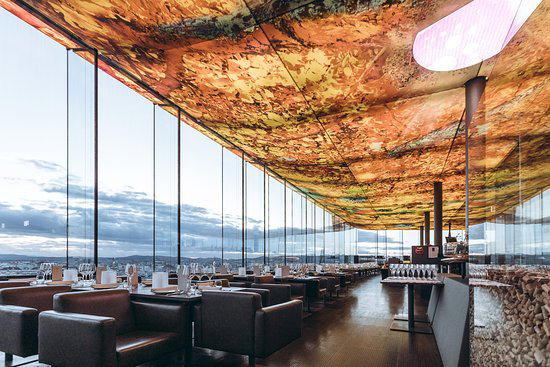
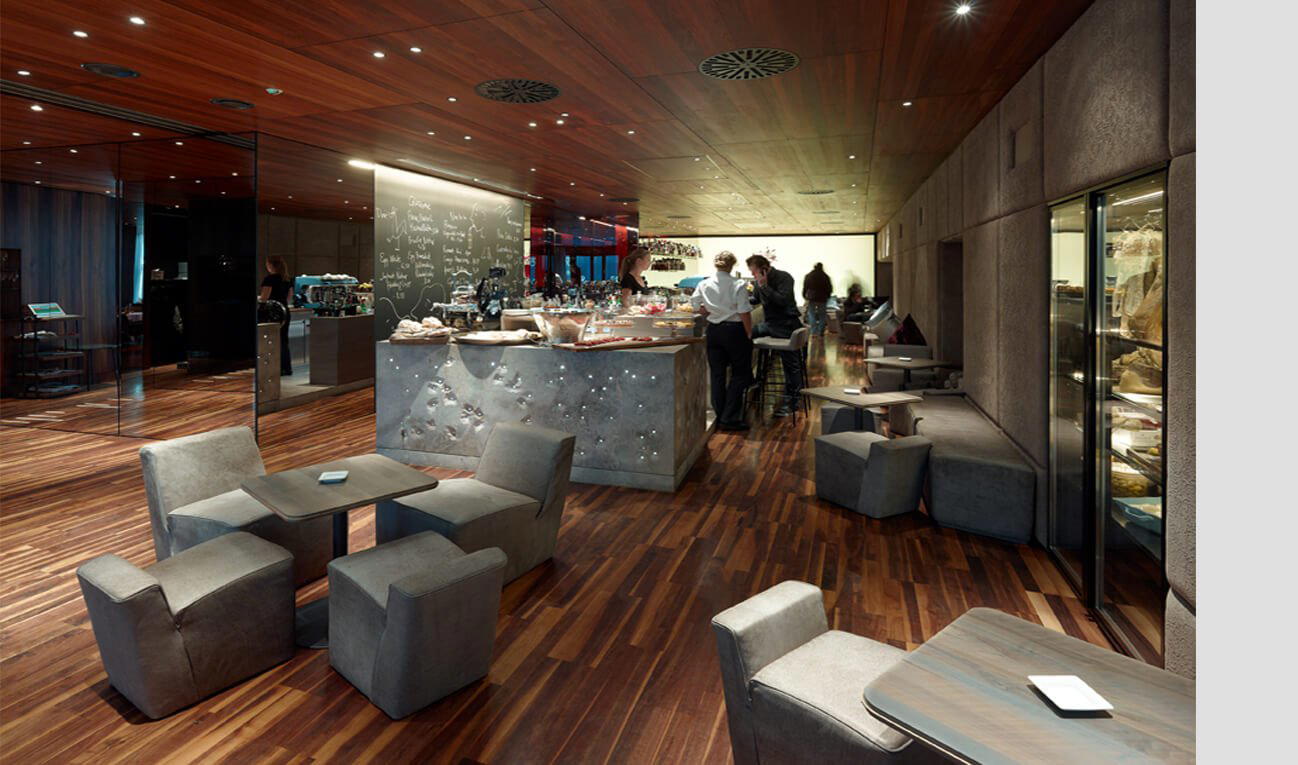
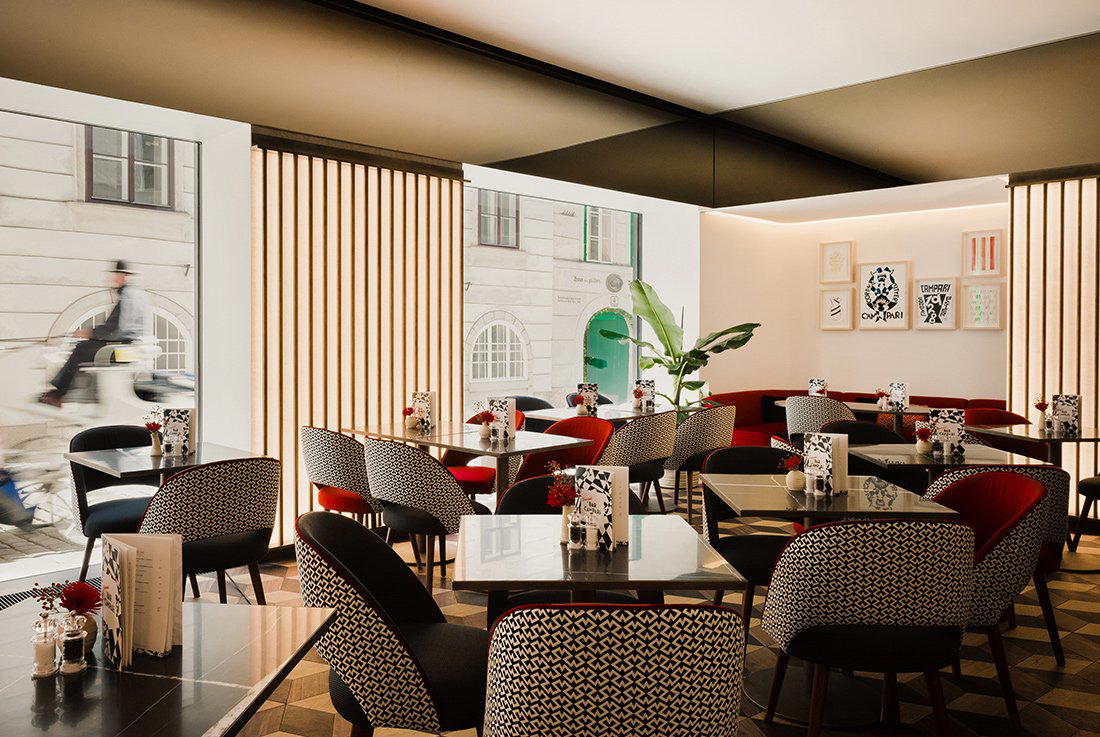
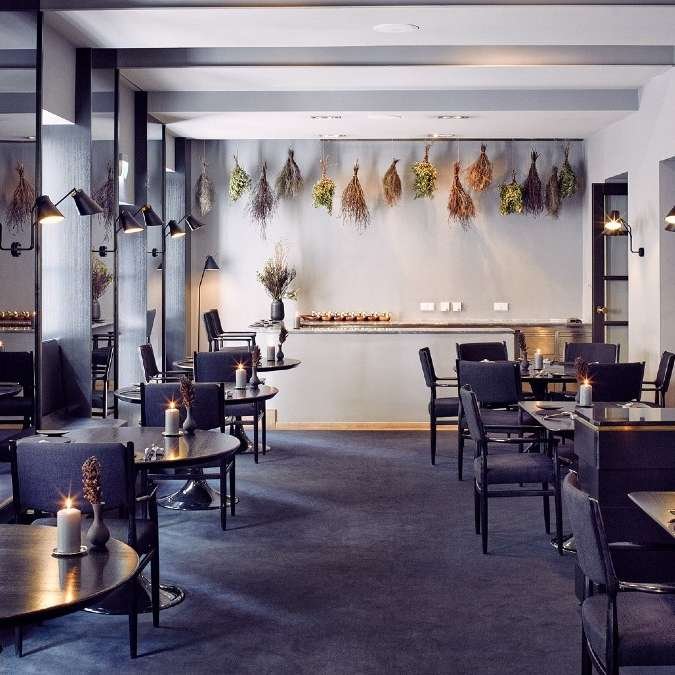
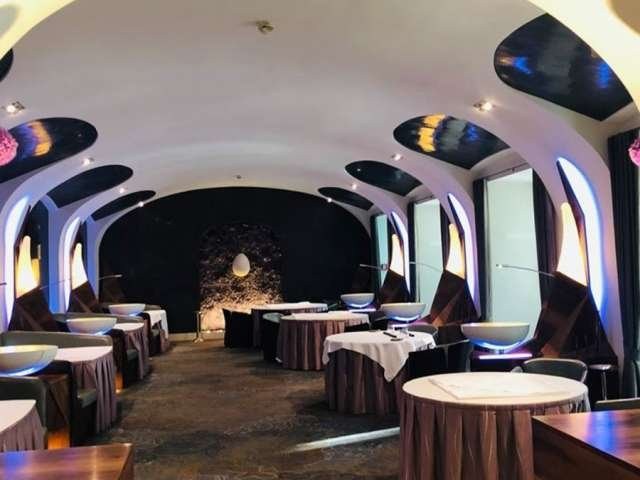
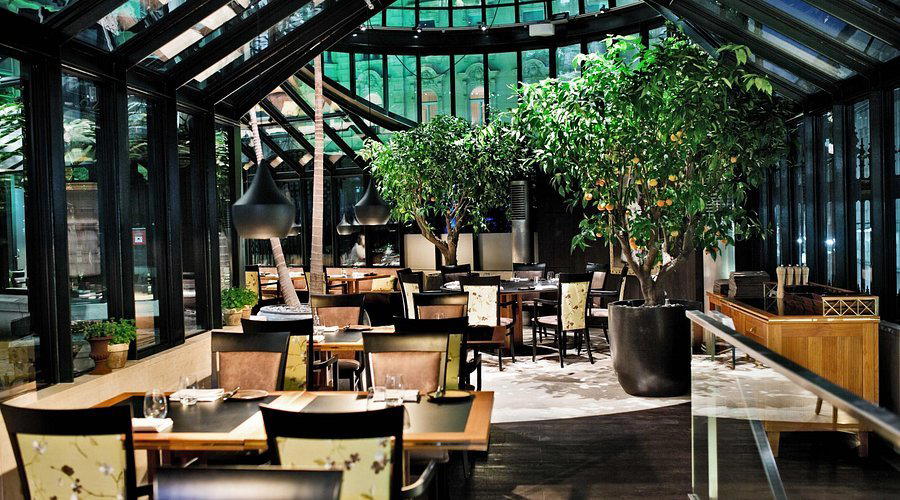
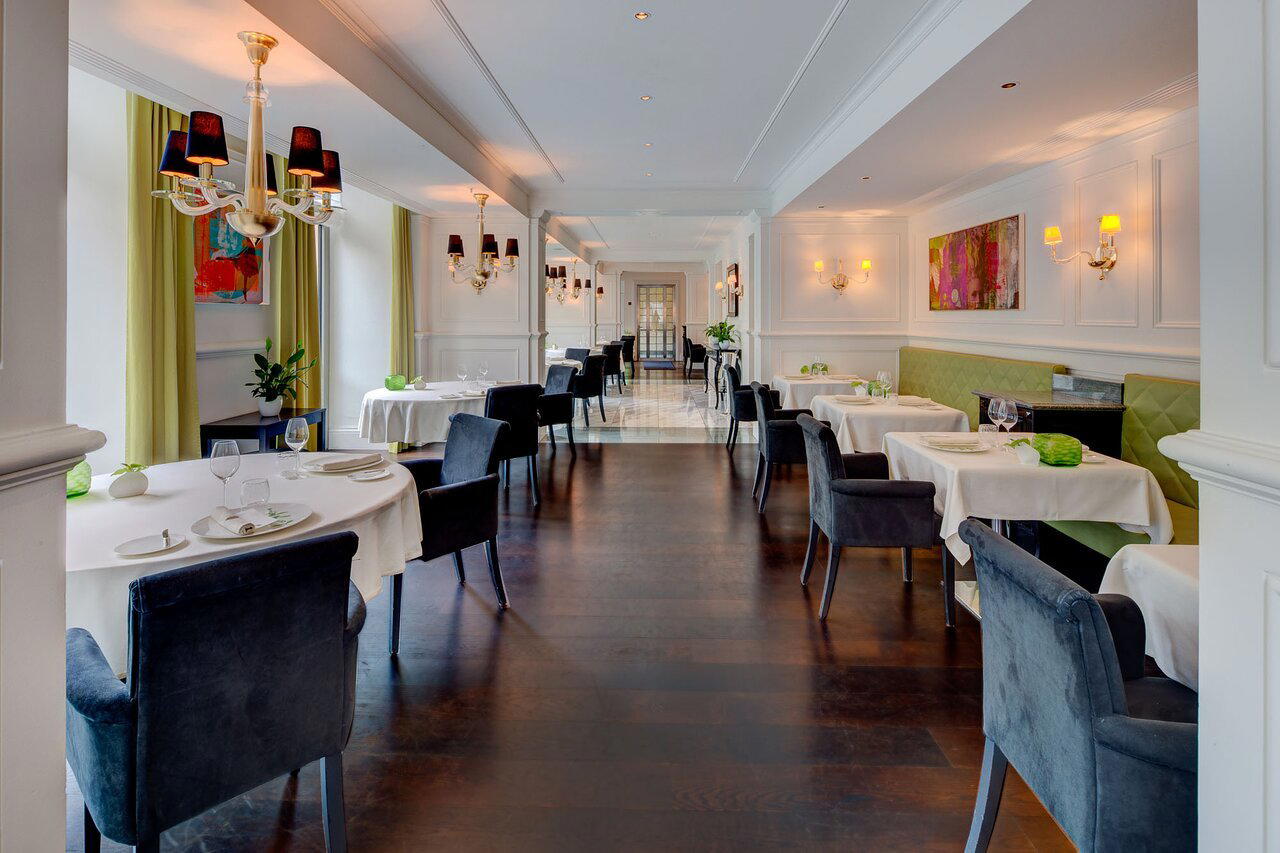
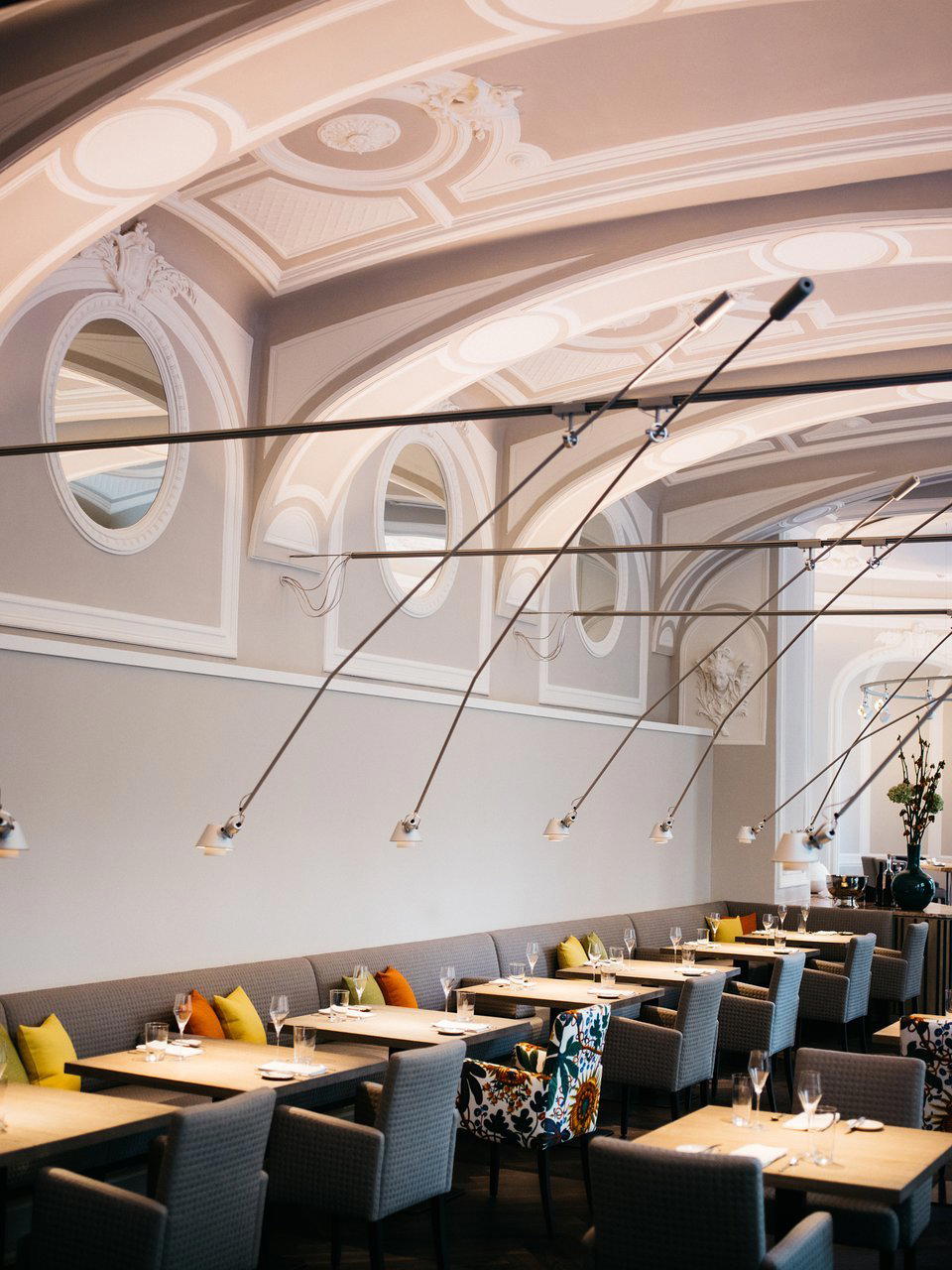
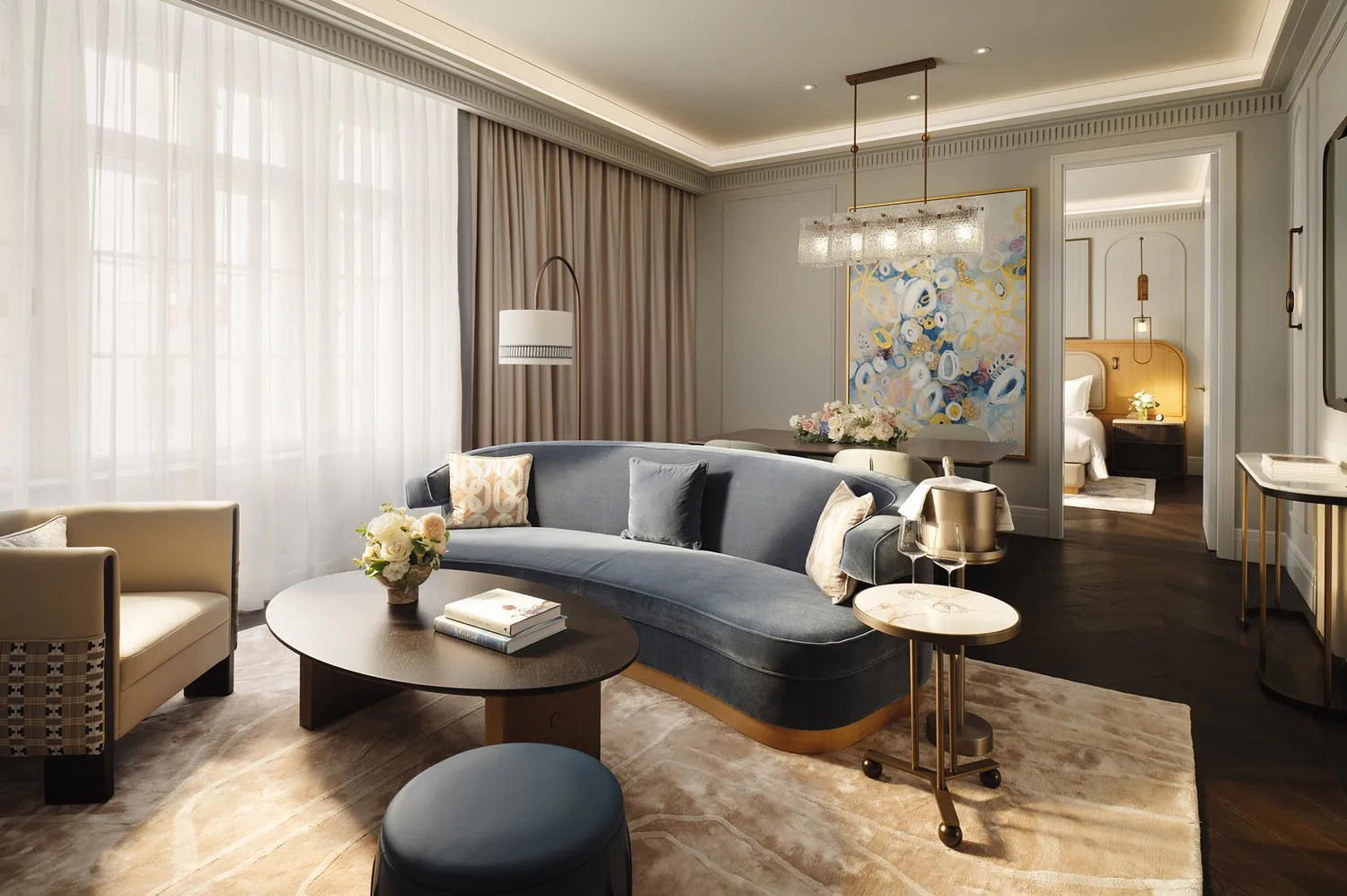
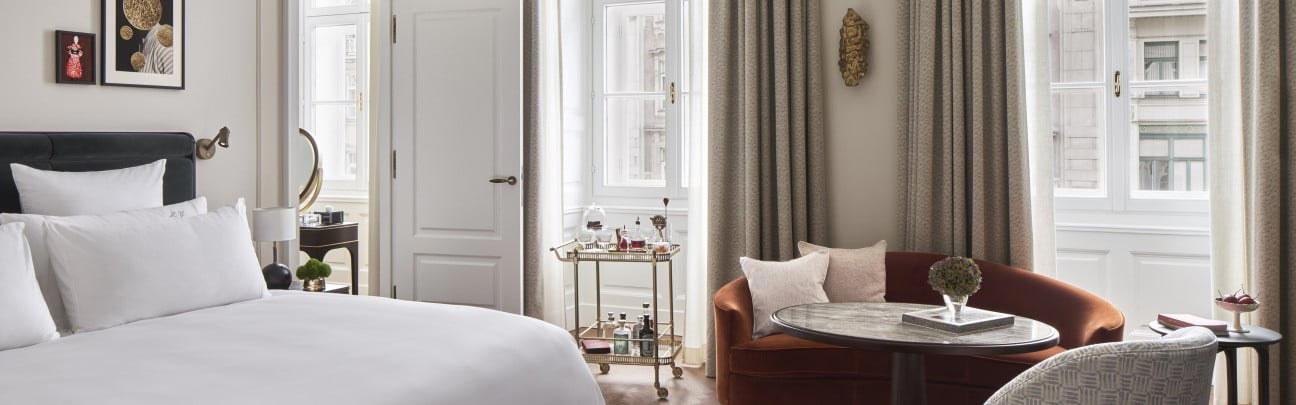
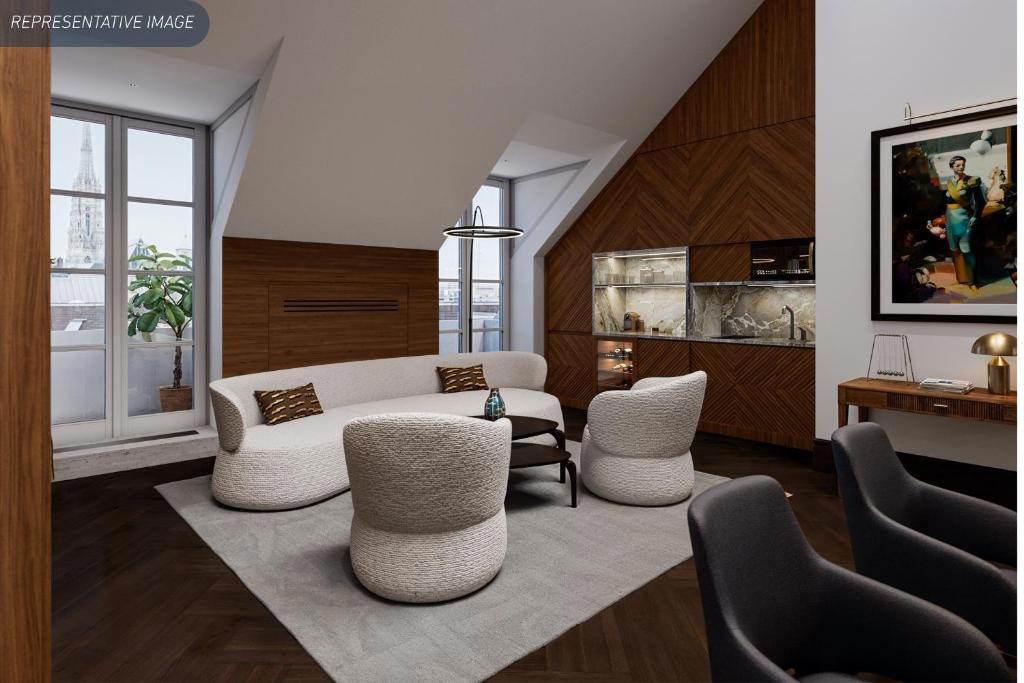
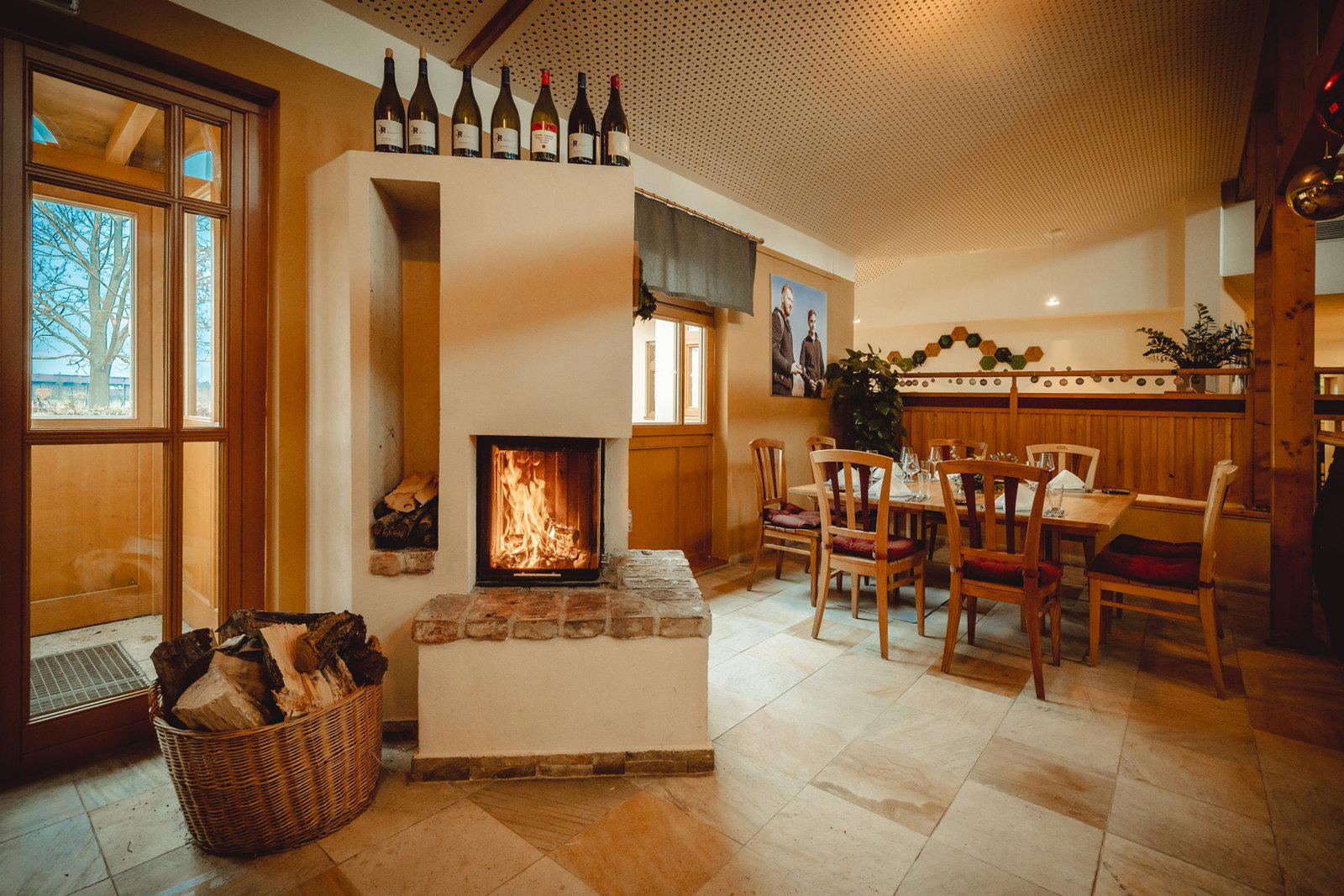
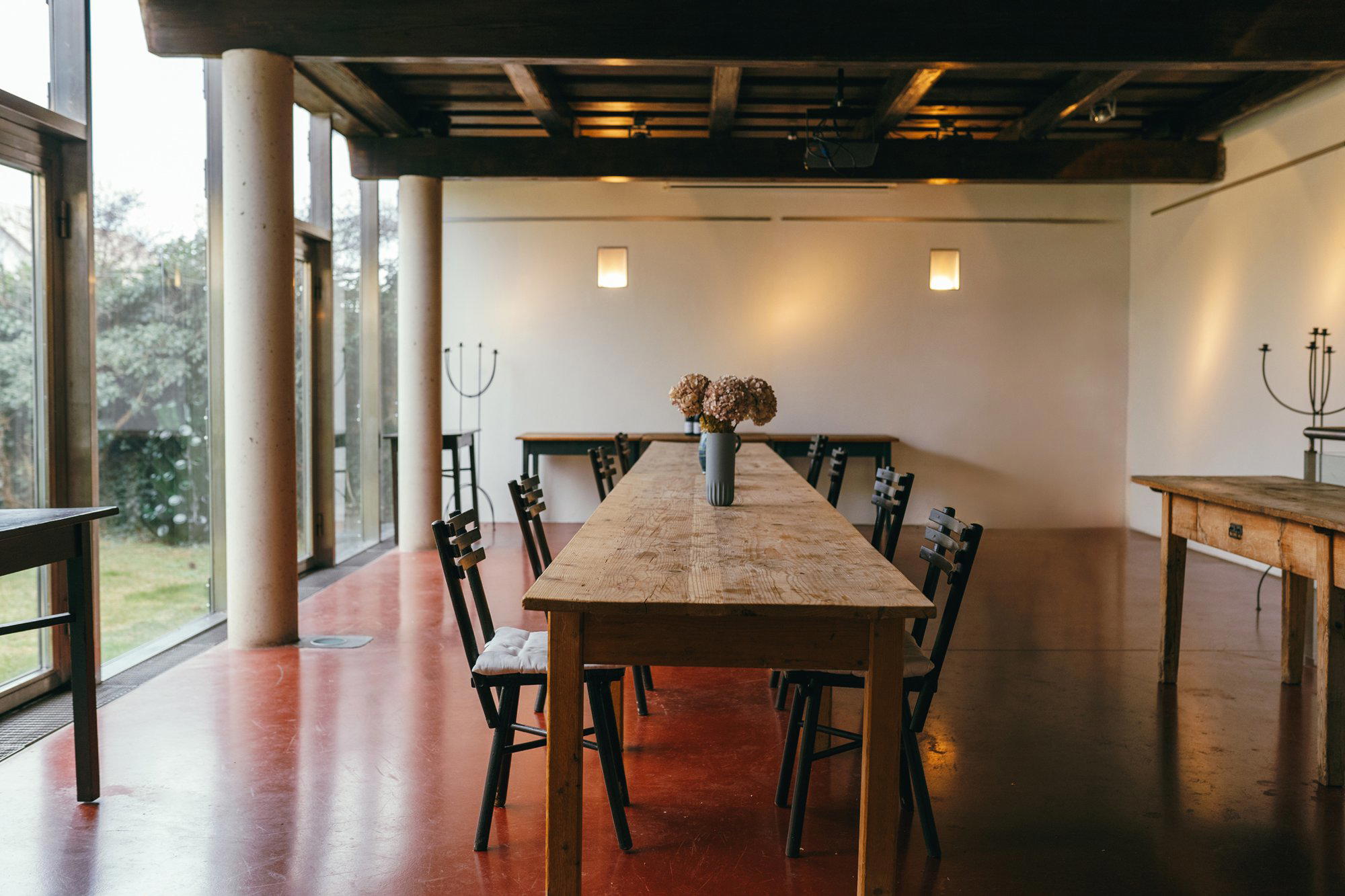
Contemporary lobby bar with dark, sleek finishes and plush seating, offering a relaxed but upscale atmosphere that shifts from coffee-and-meetings during the day to a more lively, social vibe in the evening.
Know Before You Go
- Getting there
- Praterstraße 1, 1020 Wien, Austria