Barramon sits at Sommerrogata 1 in Oslo, placing it in the city’s west-side drinking circuit rather than the late-night Grünerløkka crawl. With no published awards, price range, hours, phone, or booking channel in the available record, it is a bar to assess through neighbourhood context and cocktail intent rather than trophy shorthand.
Pearl is the En Primeur Club membership app — saves, bookings, and concierge access live there. Same editors, same standards.
- Address
- Sommerrogata 1, 0255 Oslo, Norway
- Phone
- +47 91 92 77 25
- Website
- barramon.no
- Directions
- Get directions
 Saves & bookings on Pearl
At Sommerrogata, Oslo's cocktail conversation turns west
Sommerrogata has a different rhythm from Oslo’s denser bar streets. The approach is more measured: embassy-side pavements, hotel traffic, residential calm, and a west-end audience that tends to drink earlier and with more purpose than the roaming weekend crowd. Barramon occupies that context at Sommerrogata 1, a useful address for understanding how Oslo’s bar culture has moved beyond a single-centre map. The city’s serious drinking scene is no longer defined only by the high-profile cocktail rooms around the centre, or by natural-wine corners that blur into restaurant service. It now includes smaller addresses where the point is not spectacle, but the disciplined handling of a drink list in a neighbourhood that expects polish without theatre.
Oslo is a demanding city for bars because the audience is not especially forgiving. Alcohol pricing in Norway pushes casual experimentation into a narrower lane, and the local standard for service has been shaped by restaurants, hotels, and coffee bars that take technique seriously. A cocktail programme here has to justify itself quickly. That does not mean every drink needs laboratory language or rare ingredients. It means balance, pacing, glassware, and the confidence to edit matter more than a long menu. In that setting, Barramon reads as part of a wider Oslo shift: bars that are judged less by volume and more by whether the room understands why a guest has chosen one address over another.
The cocktail programme as the real category
It belongs to Oslo’s cocktail-bar conversation, and that category carries particular expectations in Norway. The stronger rooms tend to avoid the old split between hotel-bar formality and club-bar looseness. Instead, they work in a middle register: technically literate drinks, concise hospitality, and a room that can suit a first round before dinner or a longer evening when the bartender has the guest’s trust.
The useful comparison is with Oslo’s better-known cocktail addresses. Himkok gives the city an international-reference point, the kind of bar that places Norwegian ingredients and production methods inside a broader global drinks conversation. Svanen shows another side of the same maturity, where the room itself carries historic weight and cocktail service has to match an architectural setting. Arakataka points toward the restaurant-adjacent model, where food culture and drinking culture share an address logic, while Atlas Bar belongs to the hotel-driven side of the city’s bar map. Barramon is useful because it adds a west-side node to that network, at an address where the drinking decision is likely tied to neighbourhood movement rather than destination-chasing alone.
What the west side changes about the room
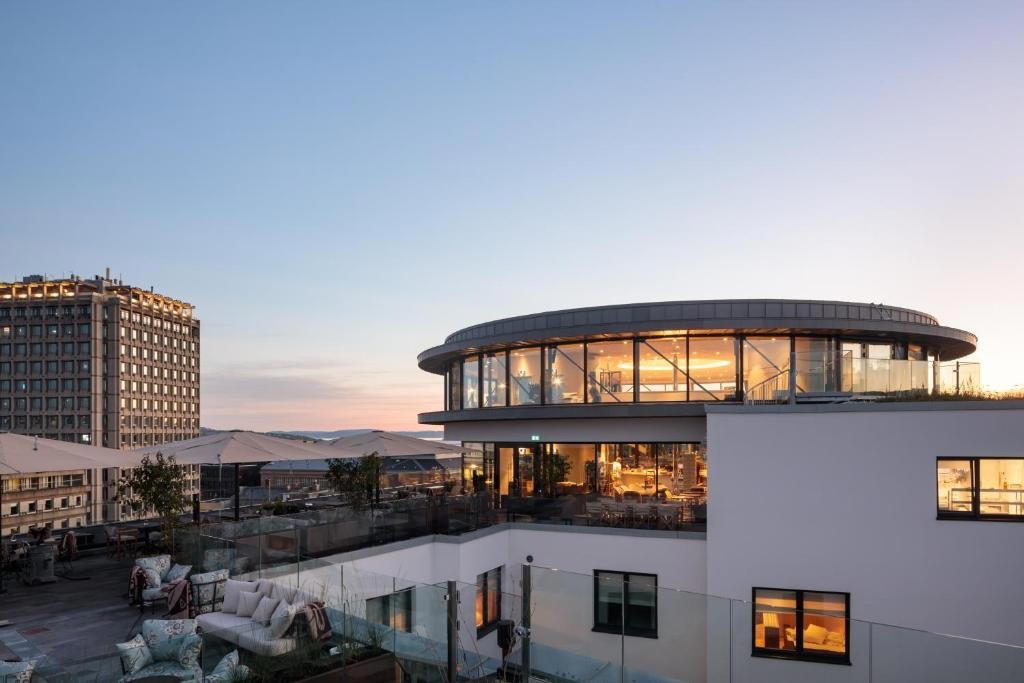
Neighbourhood matters in Oslo drinking. Grünerløkka has the loose, bar-hopping energy. Sentrum and Torggata bring density, quick decisions, and proximity to late trains. Frogner and the area around Sommerro carry a different social code: fewer accidental crowds, more pre-arranged meetings, and a guest who may be coming from dinner, a hotel lobby, or an early evening appointment rather than an open-ended night out. A bar at Sommerrogata 1 has to work with that tempo. The room needs enough atmosphere to justify lingering, but not so much noise that it fights the address.
That is where the cocktail programme becomes more than a drinks list. In this part of the city, a bar’s credibility rests on whether it can handle several modes at once: a single aperitif before a restaurant booking, a two-drink conversation, or a slower evening for guests who want the bartender to steer. The stronger version of this format is not loud about its ambition. It uses technique in service of repeatability. If the menu is brief, it needs range. If the menu is broad, it needs structure. If the bartender is improvising, the room has to make that feel deliberate rather than improvised in the wrong sense.
Oslo’s bar culture has become more technical, not less social
The broader Scandinavian cocktail scene has spent the past decade absorbing lessons from kitchens: fermentation, clarification, house ferments, local botanicals, and tighter mise en place behind the bar. Oslo’s version is distinct because Norwegian alcohol rules and costs make excess feel clumsy. A drink that fails at this price level is remembered. That pressure has made the city’s better bars more concise, and it has made guests more alert to whether technique is doing actual work.
Barramon should be read inside that context. The available record does not support claims about a particular clarified drink, house cordial, bartender biography, or signature serve. What can be said is that a cocktail-focused address in Oslo now competes against a high-information drinking public. Guests who have spent time at Himkok or Svanen arrive with an understanding of what a serious bar can do. Guests who use Our full Oslo restaurants guide to plan dinner increasingly expect the bar before or after that meal to meet the same level of intention. A weak drink is not rescued by mood in this market. Technique, temperature, dilution, and pacing carry the evening.
How to compare Barramon with Oslo peers
In Oslo, restaurants have claimed part of the drinking occasion, particularly through aperitif lists, low-intervention wine, and tighter by-the-glass programmes. That makes a standalone bar work harder. It has to offer a reason to leave the restaurant table or to choose a drink-led evening from the start. The comparison with Arakataka is useful here because restaurant bars trade on culinary proximity. A separate address such as Barramon needs the bar itself to be the decision, not simply the waiting room for dinner.
Hotel bars create another kind of competition. They bring consistency, comfortable seating, and a natural audience of travellers. Our full Oslo hotels guide is a good way to read that side of the city: Oslo’s newer hotel culture has increased the number of polished rooms where a cocktail can be had without much planning. Against that backdrop, a neighbourhood cocktail address has to be sharper in identity. It cannot rely only on convenience. It needs a point of view in the glass, a room that works for locals as well as visitors, and enough service discipline to keep the evening from feeling accidental.
There is also a national comparison worth making. Norwegian drinking culture outside the capital is increasingly confident, even if Oslo still absorbs much of the international attention. Blomster og Vin in Trondheim and Vino Bar Ålesund in Ålesund show how smaller Norwegian cities are building their own bar and wine identities rather than imitating the capital. For travellers, this matters because Barramon is not an isolated curiosity. It is one expression of a national drinking culture that is becoming more confident, more regional, and less dependent on borrowed metropolitan codes.
What is known, and what is not
The confirmed details are the name, city, country, and address: Barramon, Oslo, Norway, at Sommerrogata 1, 0255 Oslo.
This is not a weakness in editorial terms; it changes the nature of the recommendation. Some bars are easy to file by trophies, rankings, named bartenders, or published menus. Others require a more conservative reading: location, category, city context, and peer comparison. Barramon currently sits in the latter group. The smarter lens is Oslo west-side cocktail culture and the role of a bar address in a city where drinking well is rarely cheap.
Planning a night around Sommerrogata 1
The address places the bar in a practical part of Oslo for pairing with dinner, hotel drinks, or a west-side evening, but the lack of confirmed logistics means guests should verify current opening times through a trusted live source before committing the night around it. That is especially relevant in Norway, where public holidays, seasonal trading patterns, and private events can affect bar hours more noticeably than in larger nightlife capitals.
The cleanest way to use Barramon is as part of a compact Oslo plan rather than a cross-city sprint. Start by deciding whether the evening is drink-led or dinner-led. If dinner is the anchor, use the restaurant map first, then select the bar based on timing and neighbourhood. If cocktails are the anchor, compare the west-side setting with the more central cocktail circuit. Our full Oslo bars guide gives the broader city frame, while Our full Oslo experiences guide helps with the cultural side of the same evening. Oslo rewards compact routing. A plan that respects neighbourhood geography usually produces a better night than one built around scattered names.
Visitors with a wider drinks itinerary can also use the address as a calibration point. A city such as Miami, for example, treats cocktail culture with more performance and music-driven energy, and Café La Trova in Miami sits in that different tradition. Oslo is cooler in both climate and service temperature. The better rooms do not need to shout. They ask whether the drink is balanced, whether the room is comfortable, and whether the service reads the guest quickly. Barramon’s confirmed data is too limited for claims beyond that frame, but the location alone places it inside a meaningful Oslo pattern.
For wine-minded travellers
Oslo’s cocktail bars increasingly share guests with wine bars and restaurants, not just with late-night drinking rooms. That overlap matters for travellers who plan through wine first. Norway does not have the same winery-visit culture as classic wine regions, and Our full Oslo wineries guide is therefore a different kind of planning tool than a Napa or Burgundy route would be. In the capital, the relevant question is often where wine, cocktails, and food intersect during a single evening.
That makes a bar like Barramon useful even when the drink order is not yet decided. A cocktail address in this neighbourhood can operate as an aperitif stop, a digestif room, or a self-contained evening, depending on how much information the guest can confirm before arrival. The absence of a published price range in the source record is important: Norway’s baseline cost for alcohol is high by international standards, so visitors should expect a premium-city spend even without venue-specific pricing. That is a country-level planning point, not a claim about this particular menu.
Questions travellers ask about Barramon
What's the vibe at Barramon?
Sommerrogata 1 places it in a west-side setting with a more composed evening rhythm than the city’s denser bar streets.
What is Barramon in Oslo?
Barramon is a bar in Oslo, Norway, with a confirmed address at Sommerrogata 1, 0255 Oslo. Editorially, it belongs in the Oslo cocktail conversation, but specific menu or personnel claims should not be made without updated source data.
What makes Barramon worth visiting?
Visit for the placement in Oslo’s west-side drinks circuit and for the chance to compare a Sommerrogata cocktail address with the city’s better-known central bars. Since no awards or price data are listed in the record, the reason to include it is contextual: it adds another neighbourhood register to an Oslo bar itinerary rather than repeating the same central route.
Can I walk in to Barramon?
Check current availability before going. Treat it as a flexible stop unless live venue information confirms hours and access for the date in question.
What's the signature drink at Barramon?
That means any named cocktail would be speculation. The better approach is to ask for the current house direction once there, especially in Oslo, where serious bars often adjust menus around technique, season, and ingredient availability.
Is Barramon worth visiting?
It is worth considering if the evening is already oriented toward Sommerrogata, Frogner, or Oslo’s west-side hotel and dining circuit. Its appeal is comparative: it broadens an Oslo bar itinerary beyond the familiar central names.
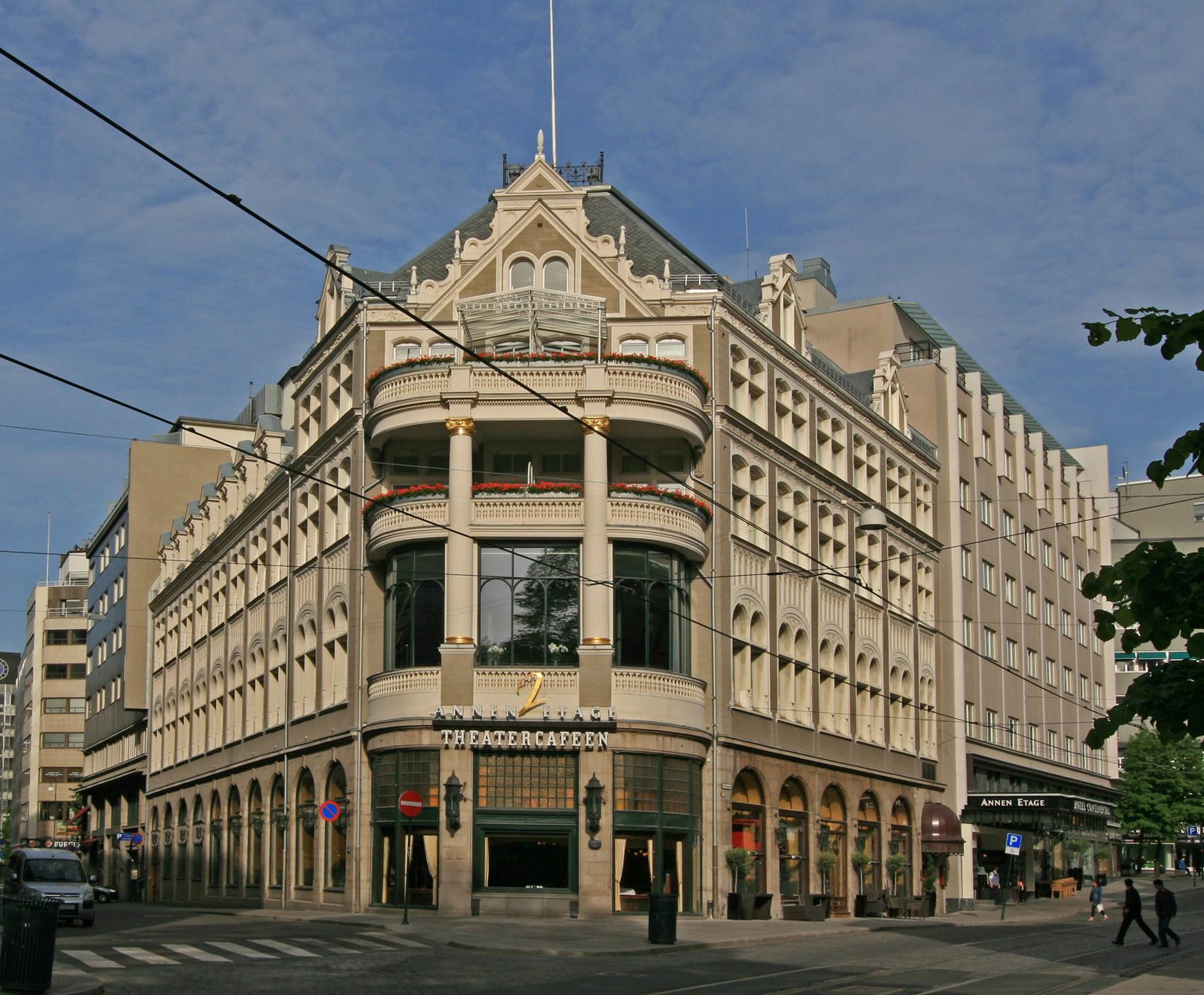
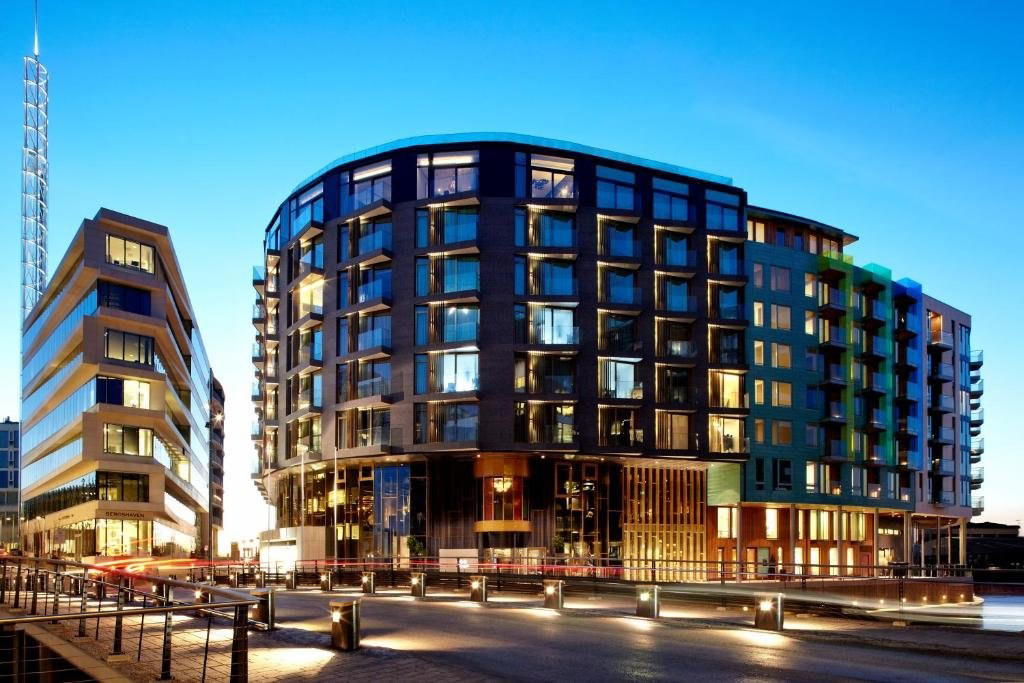
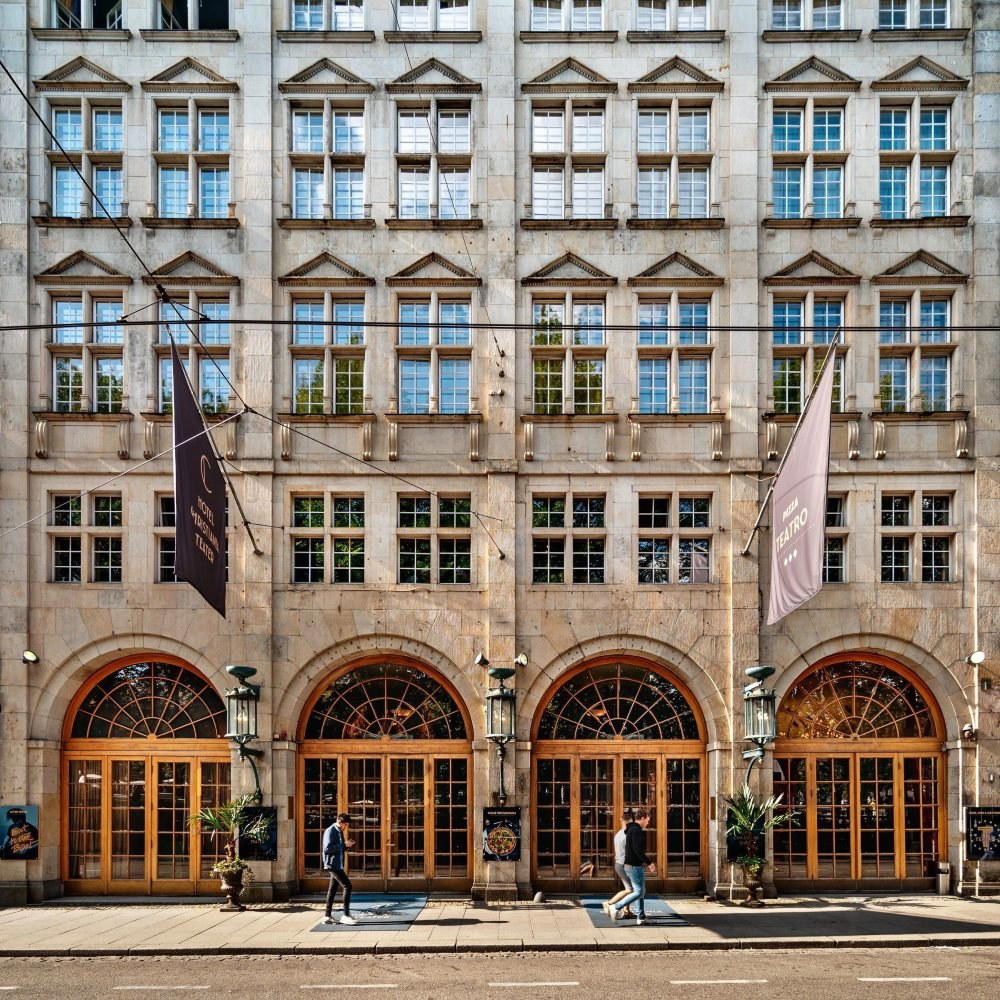
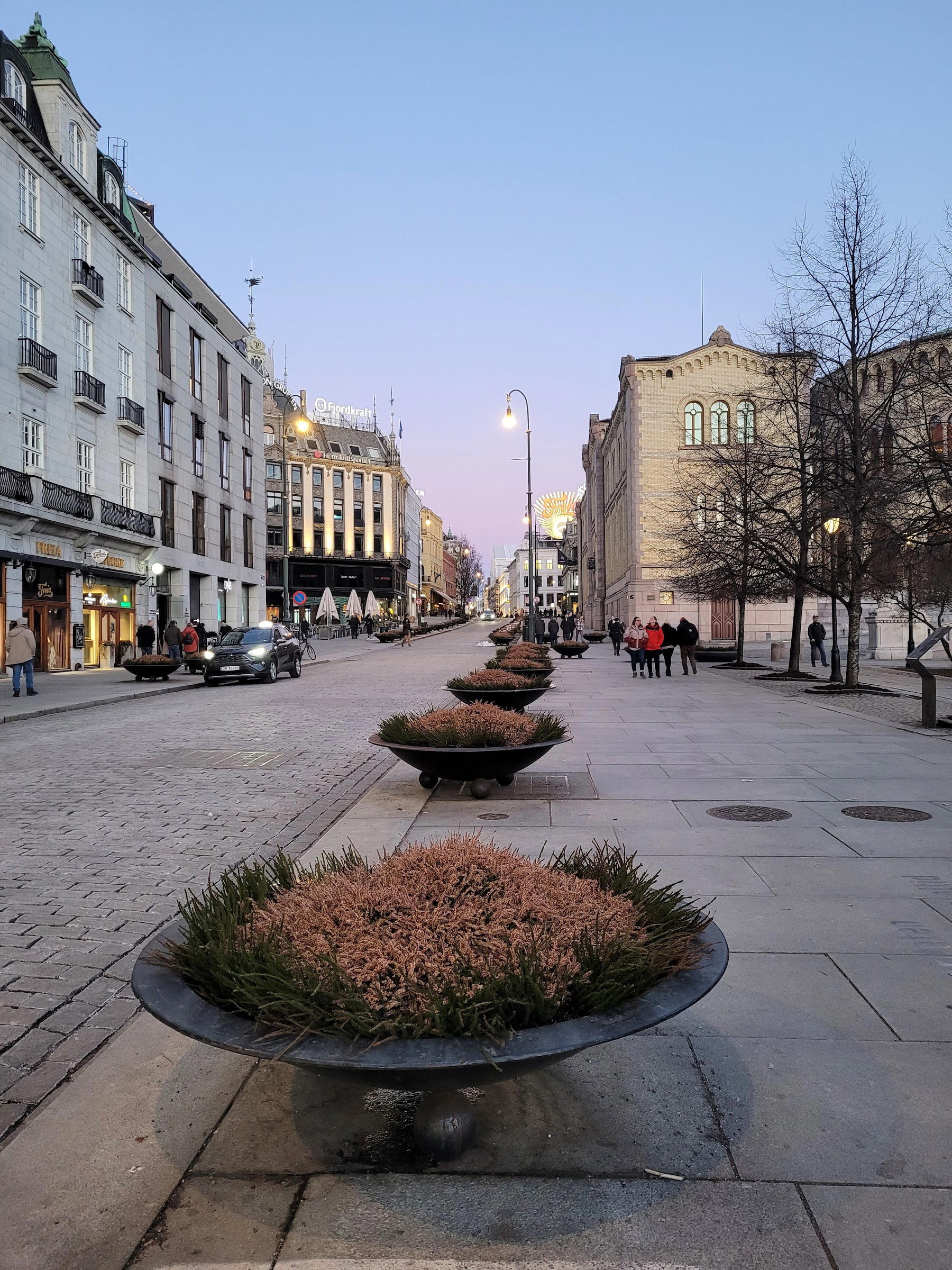
At a Glance
- Lively
- Cozy
- Trendy
- Intimate
- After Work
- Date Night
- Casual Hangout
- Group Outing
- Hotel Bar
- Design Destination
- Seated Bar
- Lounge Seating
- Communal Tables
- Natural Wine
- Conventional Wine
- Low Abv
- Street Scene
Current opening hours
- Monday
- Closed
- Tuesday
- 12–11 PM
- Wednesday
- 12–11 PM
- Thursday
- 12–11 PM
- Friday
- 12 PM–12 AM
- Saturday
- 12 PM–12 AM
- Sunday
- Closed
Hours can change for holidays and private events. Last verified .
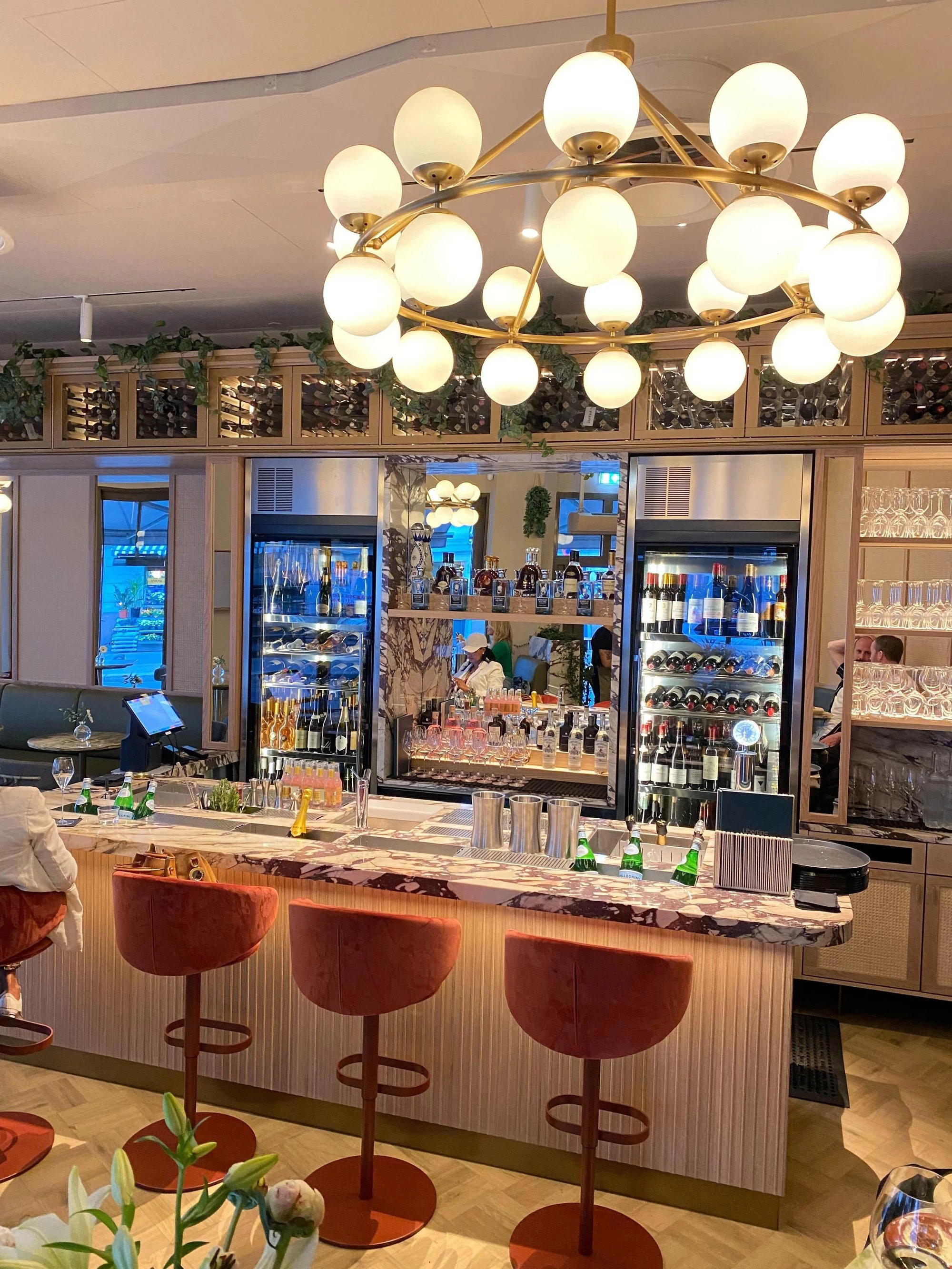
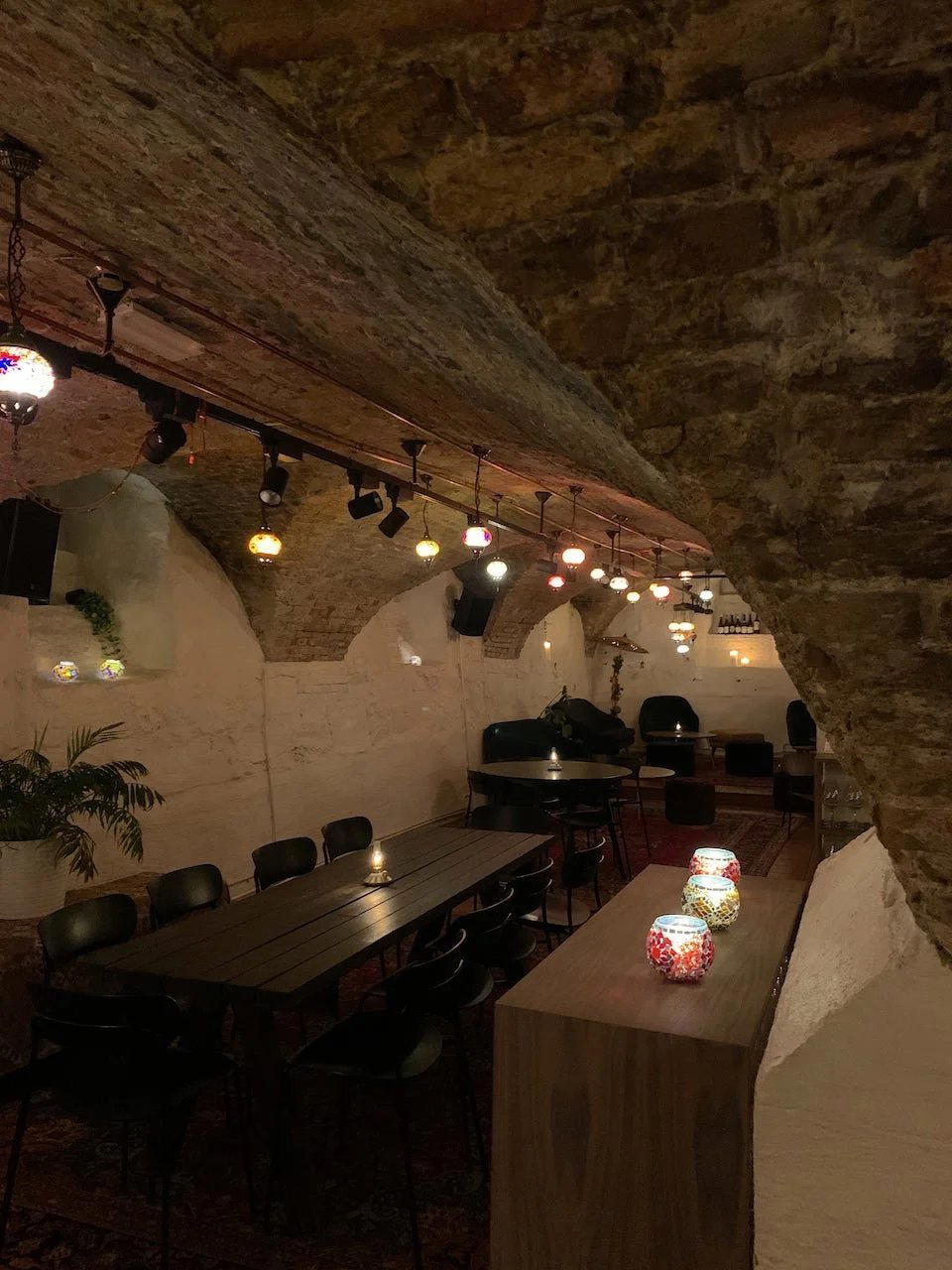
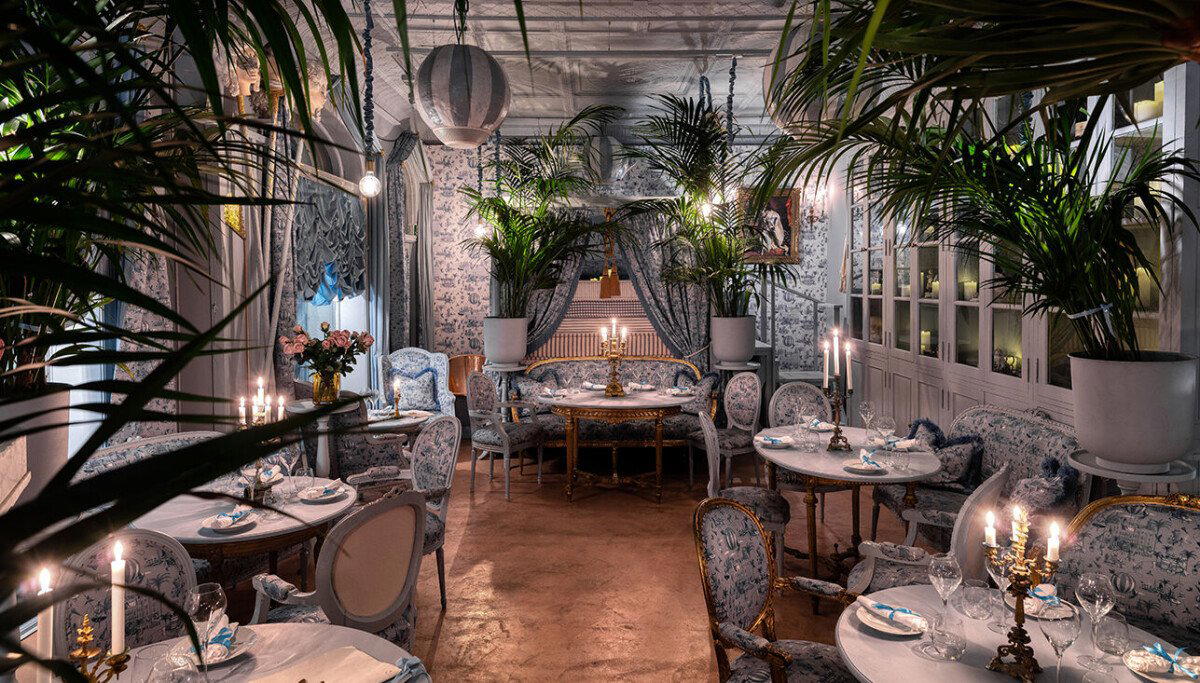
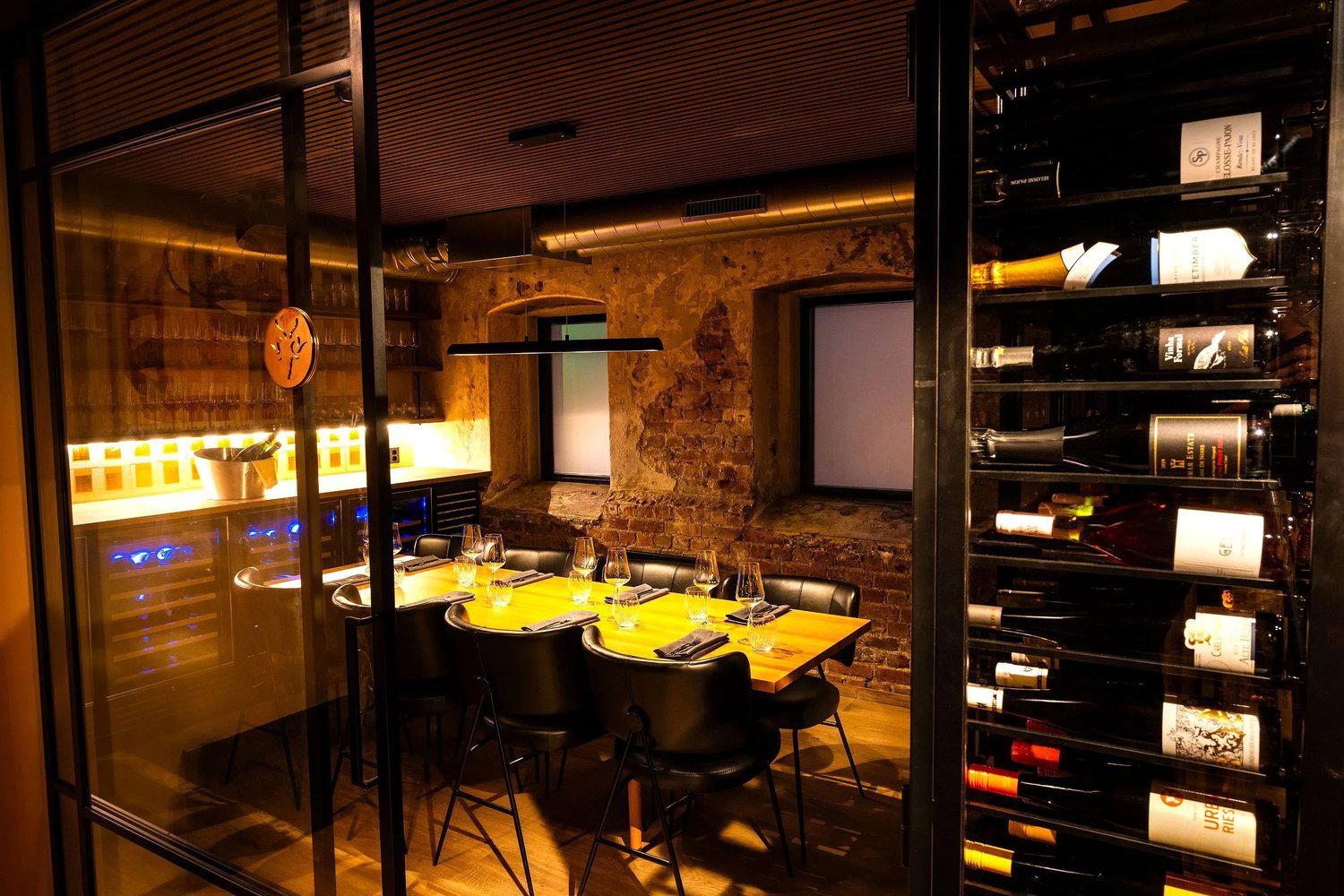
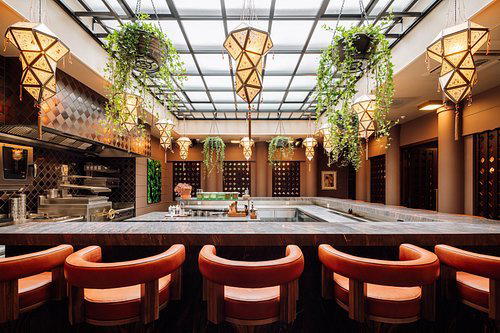
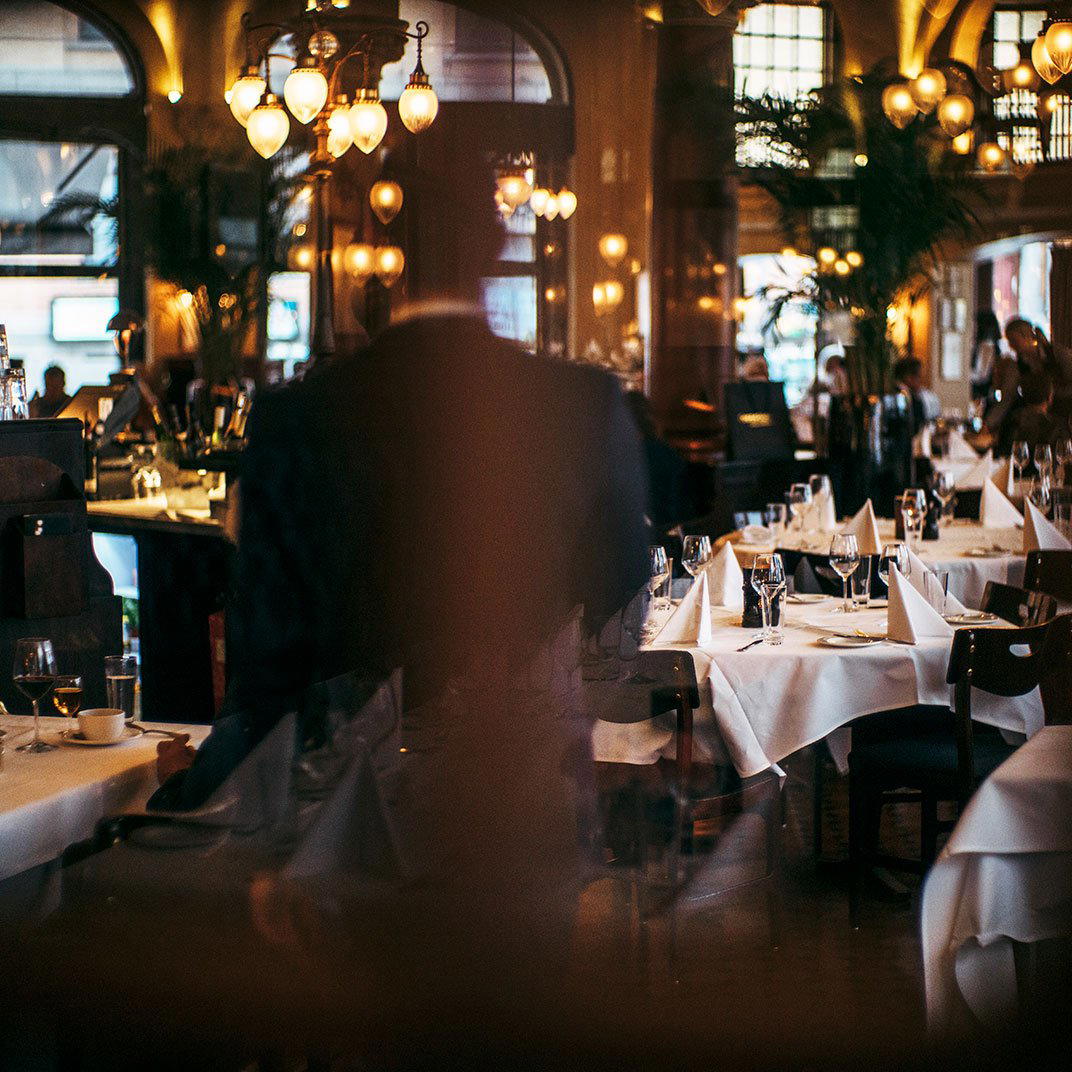
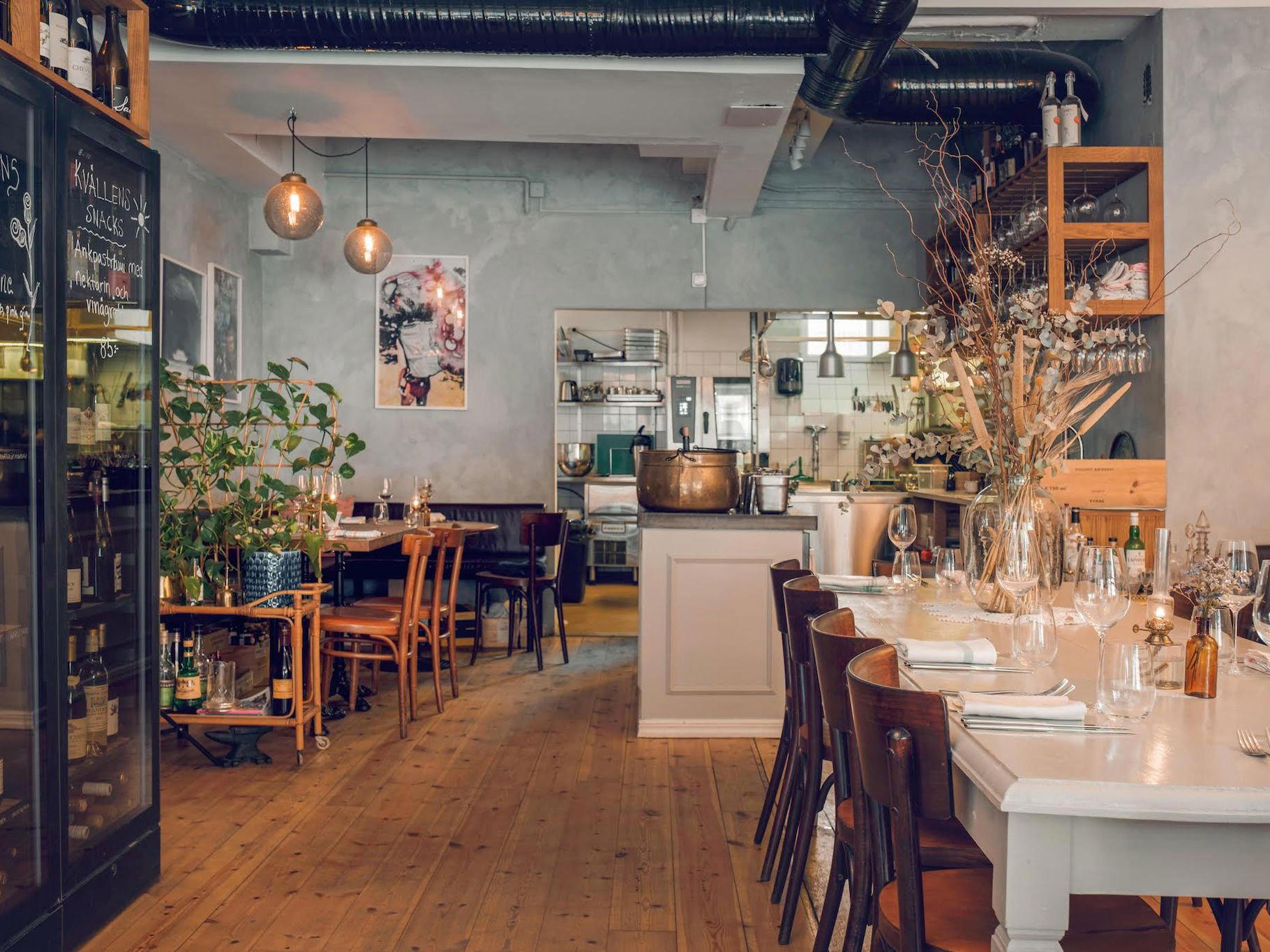
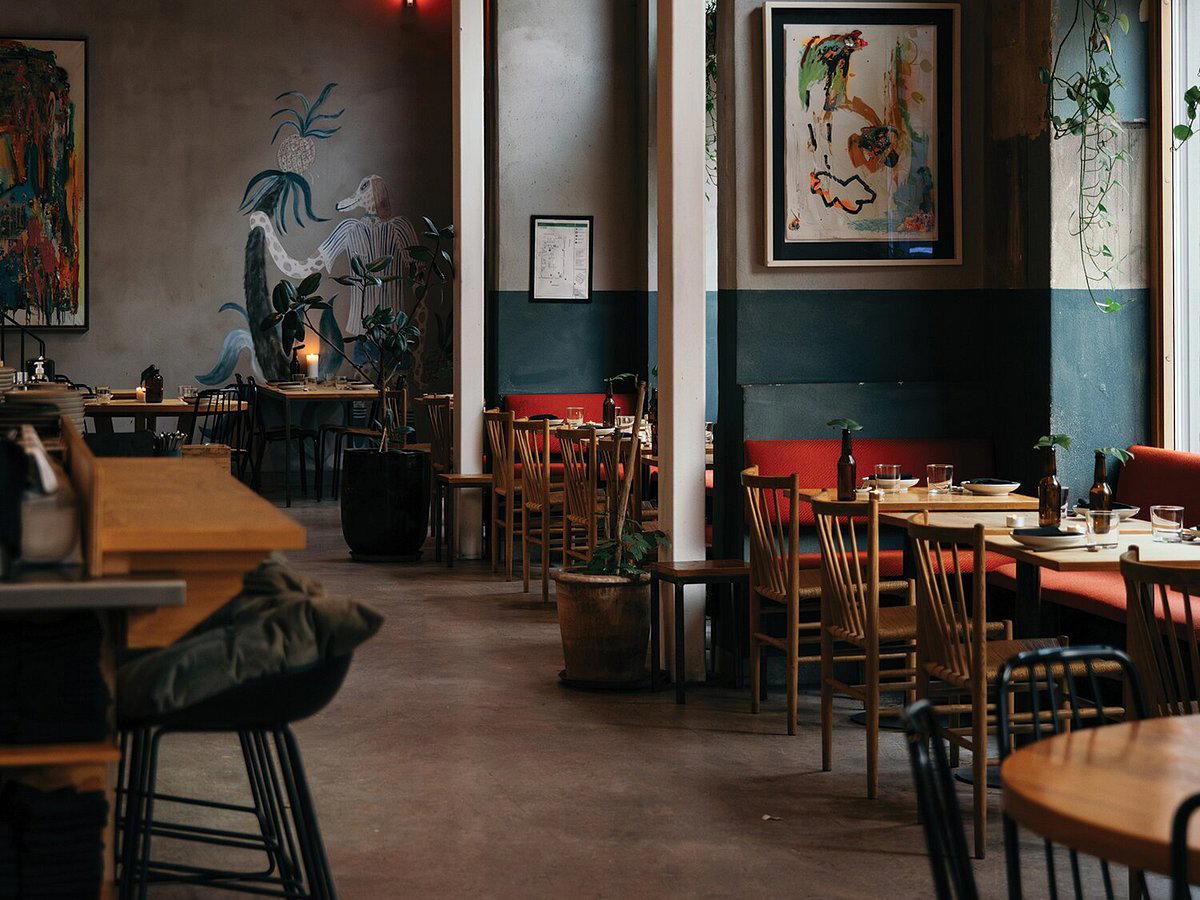
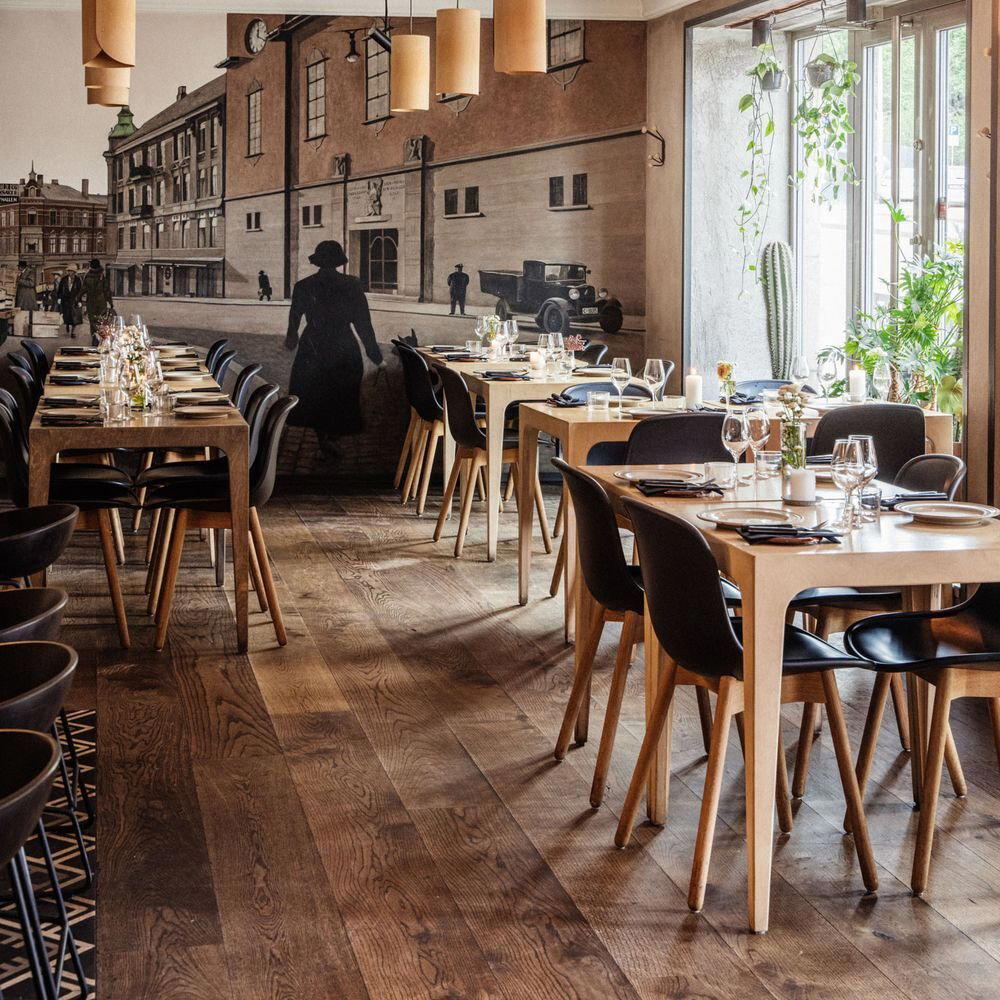
Intimate small tables and bar seating in a stylish hotel setting, with a lively but relaxed pintxos-bar feel and a strong Spanish/Basque wine-bar atmosphere focused on social grazing and drinks.
Know Before You Go
- Getting there
- Sommerrogata 1, 0255 Oslo, Norway