Bar on the Rocks sits in central Cascais at Alameda Combatentes da Grande Guerra 5, placing it within the town’s compact evening circuit rather than a destination that requires a separate coastal detour. Public data does not confirm awards, prices, hours, reservations, chef, or signature drinks, so the useful reading is contextual: a Cascais bar to assess through back-bar depth, bottle curation, and its role in the resort town’s after-dinner rhythm.
Pearl is the En Primeur Club membership app — saves, bookings, and concierge access live there. Same editors, same standards.
- Address
- Alameda Combatentes da Grande Guerra 5, 2750-474 Cascais, Portugal
- Website
- farol.com.pt
- Directions
- Get directions
 Saves & bookings on Pearl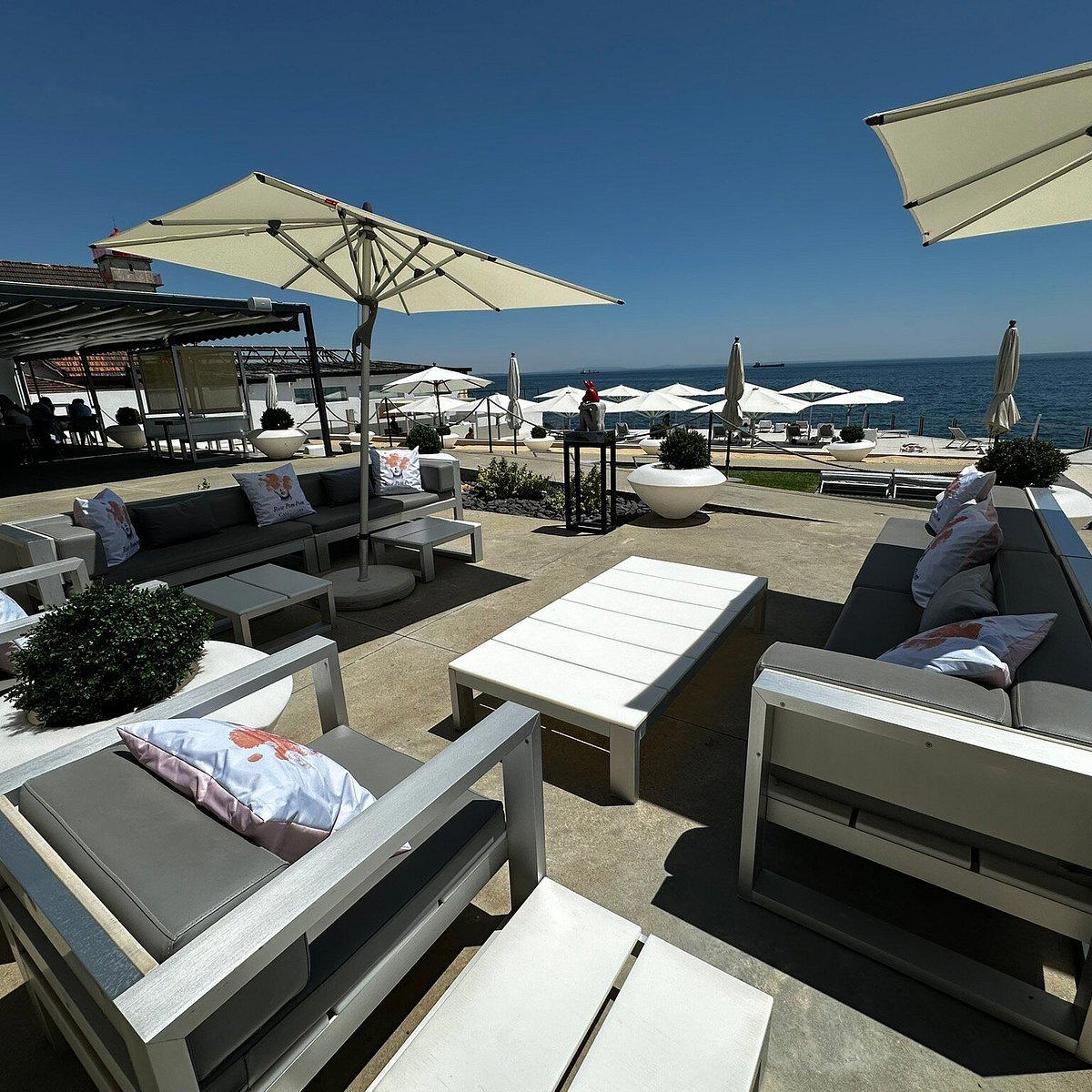
Glassware, Bottles, and the Cascais Evening Circuit
Cascais changes register after sunset. The daytime town is Atlantic light, tiled façades, marina walks, and visitors moving between beaches, seafood lunches, and hotel terraces. By evening, the centre tightens into a smaller drinking circuit: side streets near the historic core, restaurants closing their first sittings, hotel guests walking in from the waterfront, and locals using the town as something more lived-in than a resort postcard. Bar on the Rocks belongs to that compact central pattern. Its listed address, Alameda Combatentes da Grande Guerra 5, 2750-474 Cascais, Portugal, places it in the town centre rather than on a remote coastal road, which matters for how a bar functions here. In Cascais, convenience is not a minor detail; the evening often moves on foot, from dinner to a final glass, from a terrace to a darker counter, from the marina edge back into the old-town grid.
The useful way to read this address is through the back bar. In a Lisbon cocktail room, technique often carries the conversation: clarified serves, house ferments, theatrical glassware, and a reservation culture that treats the bar almost like a tasting counter. Cascais works differently. The town’s drinking culture has to serve several audiences at once: weekend Lisbon residents, international hotel guests, yacht-club traffic, restaurant spillover, and residents who do not want every night to feel staged. A spirits-led bar in this setting is judged less by spectacle and more by range, pacing, and whether the shelves suggest intent rather than accumulation. Rare bottles, aged spirits, limited releases, and a bartender who can point a guest toward the right pour are the markers that separate a serious back bar from a decorative wall of labels.
Public venue data for Bar on the Rocks does not list awards, price range, hours, website, phone number, seat count, dress code, or a confirmed signature drink. That absence should shape expectations rather than invite invention. This is not a page for fabricated tasting notes or invented house classics. The editorial value lies in placing the bar inside the Cascais drinking scene and explaining what to look for when the venue’s public footprint is spare. In a town with a strong hotel and restaurant infrastructure, the difference between an average nightcap and a considered bar program usually appears in small signals: how the spirits are grouped, whether Portuguese bottles appear beyond the obvious, whether the whisky or rum selection has age statements with purpose, whether vermouth and fortified wine are treated as living ingredients rather than dusty afterthoughts.
The Spirits Collection as the Main Event
Back-bar depth has become a more serious measure of bar identity across Portugal. Lisbon helped accelerate the cocktail conversation, but coastal towns such as Cascais have a separate advantage: they receive an audience that is already in leisure mode but not always looking for a formal tasting menu. A spirits collection can answer that demand with flexibility. It can support a neat pour, a short classic, a late digestif, or a long conversation about cask finish and producer style. When a bar leans into bottles rather than pure menu invention, the guest’s experience depends on curation. A large collection is only useful when it has hierarchy.
For Cascais, that hierarchy should include Portugal’s own drinking traditions. The country is not defined by cocktails alone. Port, Madeira, brandy, ginjinha, herbal liqueurs, and regional aguardentes belong to the broader conversation, even when the room presents itself as a modern bar. A serious spirits shelf in Cascais can connect resort drinking with Portuguese cellar culture. That is where the local context becomes interesting: the coast attracts international expectations, but Portugal gives the bar a deeper pantry than imported gin and Scotch. The stronger programs in the country know how to use that tension, allowing a guest to move from a familiar whisky or rum into something more specific to the Iberian table.
Bar on the Rocks is therefore better understood as part of a category than as an isolated venue portrait. Cascais has restaurants for long seafood lunches, hotels with polished terrace service, and bars that absorb the after-dinner crowd. The critical question on arrival is simple: does the collection show a point of view? A back bar with verticals, mature stock, or a thoughtful spread across agave, whisky, rum, brandy, and fortified wine tells a different story from a generic international selection. In premium travel terms, the difference is not decoration; it is the bar’s argument for why a second drink should happen there.
How Cascais Drinking Differs from Lisbon
Cascais should not be judged as a smaller Lisbon. The capital has a denser cocktail map and more competition among destination bars, including places such as Red Frog in Lisbon, where the city’s modern bar culture has been shaped by speakeasy-era references and technical service. Cascais is more elastic. A bar here may need to handle an early aperitif, a post-beach drink, a hotel-guest nightcap, and a late local gathering without turning each occasion into the same performance. That makes the spirits collection especially useful: it allows the room to serve different tempos without rebuilding the entire experience around a single tasting format.
This distinction matters for travellers planning evenings along the Lisbon coast. A Lisbon bar crawl rewards reservations, taxis, and a willingness to cross neighbourhoods. A Cascais night often rewards proximity and sequencing. Dinner may happen near the centre, then a drink follows within walking range, then the night ends at a hotel or apartment without a complicated transfer. In that rhythm, the bar’s practical location becomes an editorial asset. Bar on the Rocks has a central Cascais address, and that places it in the zone where an after-dinner drink can be a continuation rather than a separate expedition.
Portugal’s broader bar scene also gives useful comparison points. Porto venues such as Base Porto in Porto often benefit from the city’s outdoor-social character and wine-country gravity. Algarve addresses such as Aperitivo 18 in Albufeira contend with resort-season energy and a holiday crowd that changes sharply by month. Coimbra’s drinking culture, represented in EP Club by Garrafeira Baga in Coimbra, draws more naturally from wine-shop and academic-city habits. Cascais sits between these models: coastal leisure, Lisbon proximity, and an international audience that expects polish but often prefers ease over ceremony.
What to Look for at the Bar
Start with the shelves. A serious spirits collection will not necessarily be huge, but it should be organized in a way that makes categories legible. Whisky should not read as a random run of familiar labels. Rum should show whether the program understands style differences rather than treating the category as sweet and interchangeable. Agave should have enough range to move beyond basic blanco tequila. Brandy and fortified wine deserve attention in Portugal because they connect the bar to local drinking history.
The second signal is glass-by-glass conversation. A back-bar-led venue depends on staff who can translate the collection into choices. Not every guest wants a rare pour, and not every rare bottle deserves ceremony. The stronger experience is often a guided adjustment: lighter or richer, peated or not, dry or sweet, familiar or more regional. If the bar can move that conversation cleanly, the bottle collection becomes service rather than inventory. If it cannot, the shelves become theatre.
The third signal is ice and dilution. A venue built around spirits cannot ignore temperature. The phrase “on the rocks” may sound casual, but ice separates a generous pour from a diluted one. Large-format cubes, correct glass choice, and an understanding of when a spirit should be lengthened or left alone matter. These details are not listed in the public record for Bar on the Rocks, so they should be assessed in person rather than assumed. The point is not to demand laboratory precision from every coastal bar; it is to recognize when a room treats spirits with enough care to justify a dedicated stop.
Position in the Cascais Map
For travellers building a Cascais itinerary, the bar makes the most sense as part of a wider local circuit rather than a standalone anchor for the entire evening. The town’s food and drink experience is strongest when planned by neighbourhood sequence: seafood or contemporary Portuguese cooking first, a bar within the central grid after, then a hotel lounge or late walk if the night stretches. EP Club’s Our full Cascais restaurants guide is the practical starting point for the dinner side of that equation, while Our full Cascais bars guide helps compare how different bars handle the after-hours role.
Hotel context also matters in Cascais because much of the area’s premium travel infrastructure is tied to properties along the coast and around Estoril. Readers choosing where to stay can pair bar planning with Our full Cascais hotels guide, especially if walking distance is part of the evening strategy. Nearby Estoril has its own social identity, more casino-and-hotel inflected than old-town Cascais, and Estoril in Estoril offers a useful neighbouring reference point for comparing how adjacent resort towns frame drinking.
The surrounding region also rewards broader planning. Wine interest around Cascais often leads travellers toward Lisbon-region producers, coastal whites, fortified traditions, or cellar-led experiences rather than a single urban tasting room. EP Club’s Our full Cascais wineries guide and Our full Cascais experiences guide place bar drinking in that larger travel pattern. A spirits-led evening reads differently after a day shaped by wine, seafood, or Atlantic weather; the better choice may be a concise nightcap instead of a long cocktail sequence.
Planning the Visit
The confirmed practical data is limited, which makes planning discipline more important. Bar on the Rocks is listed at Alameda Combatentes da Grande Guerra 5 in Cascais. No public database fields confirm opening hours, reservation method, phone number, website, price range, dress code, or seat count. Travellers should verify current operating details through current local listings or direct channels before building a night around the address, especially outside peak summer weeks or on quieter midweek evenings. In Cascais, seasonality affects footfall: summer brings heavier international traffic, while shoulder months can make the centre feel more local and less hurried.
That means the safer editorial stance is to treat the bar as a place to verify before arrival rather than assume walk-in availability or formal booking. The same applies to pricing. Without a confirmed range, the useful comparison is category-based: a spirits-focused bar with rare bottles can vary widely by pour, particularly if aged whisky, limited rum, or allocated bottles are involved. Ask for prices before choosing rare spirits if the list is not printed clearly. That is not a lack of confidence; it is how serious back-bar drinking works in any city where bottle values can diverge sharply.
Dress code is also unconfirmed. Cascais generally allows a relaxed coastal polish in central bars, but resort casual does not mean beachwear fits every room after dinner. The practical middle ground is simple: dress for a smart dinner in town and the bar will likely fit into the same evening. For comparison within Portugal and beyond, EP Club readers can look at the different registers represented by Bar Mare and Café La Trova in Miami, two references that underline how bar identity can be shaped as much by cultural rhythm as by the liquid in the glass.
Continue exploring
More in Cascais
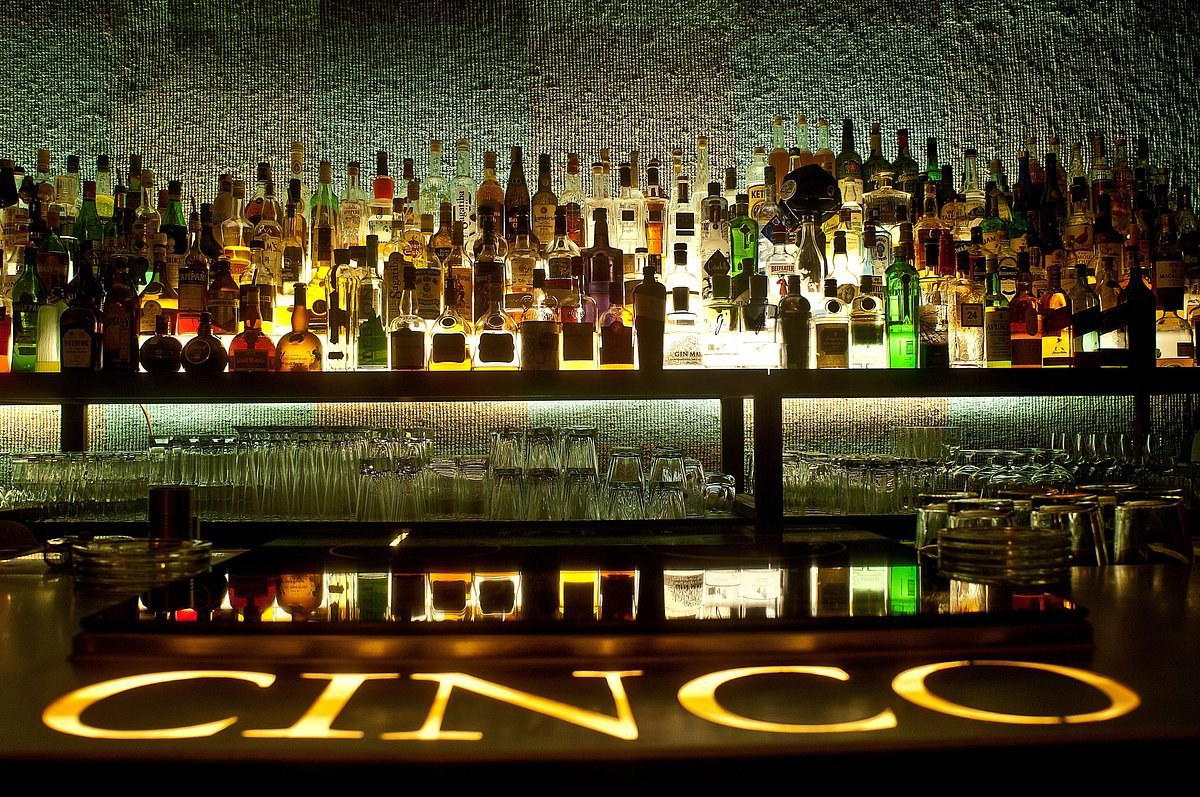
Bars in Cascais
Browse all →
Restaurants in Cascais
Browse all →
Hotels in Cascais
Browse all →

At a Glance
- Scenic
- Elegant
- Romantic
- Sophisticated
- Date Night
- After Work
- Group Outing
- Celebration
- Special Occasion
- Private Event
- Waterfront
- Terrace
- Panoramic View
- Design Destination
- Hotel Bar
- Seated Bar
- Lounge Seating
- Outdoor Terrace
- Private Rooms
- Classic Cocktails
- Craft Cocktails
- Waterfront
Current opening hours
- Monday
- 12–9 PM
- Tuesday
- 12–9 PM
- Wednesday
- 12–9 PM
- Thursday
- 12–9 PM
- Friday
- 12–9 PM
- Saturday
- 12–9 PM
- Sunday
- 12–9 PM
Hours can change for holidays and private events. Last verified .
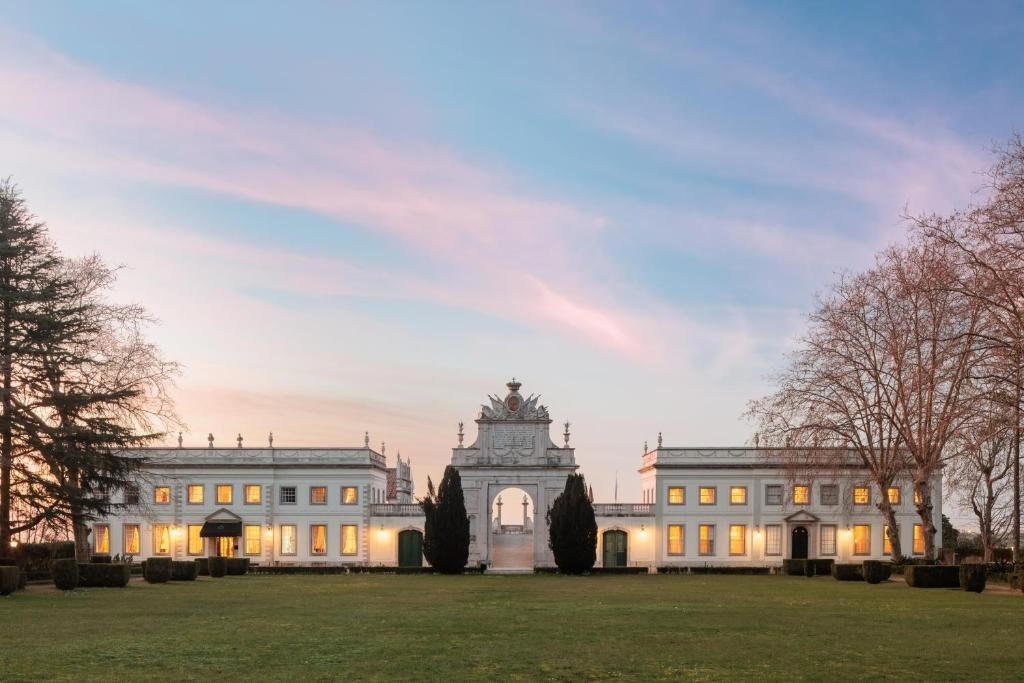
Refined yet relaxed hotel bar atmosphere where guests can sit indoors or on the rocks overlooking the Atlantic, enjoying crafted cocktails and snacks with the sound of the waves and sunset views.
Know Before You Go
- Getting there
- Alameda Combatentes da Grande Guerra 5, 2750-474 Cascais, Portugal