Bambuco
With little public detail on awards, pricing, chef, or formal cocktail signatures, its value is contextual: a stop to assess how the coast’s bar scene balances low-key roadside access, Mexican spirits, and the region’s steady flow of international guests.

Pearl is the En Primeur Club membership app — saves, bookings, and concierge access live there. Same editors, same standards.
- Address
- Carr. Cancún - Tulum Km 51, 77710 Riviera Maya, Q.R., Mexico
- Phone
- +52 984 370 0400
- Hours
- Daily 5:30–11 PM
- Website
- belmond.com
- Directions
- Get directions
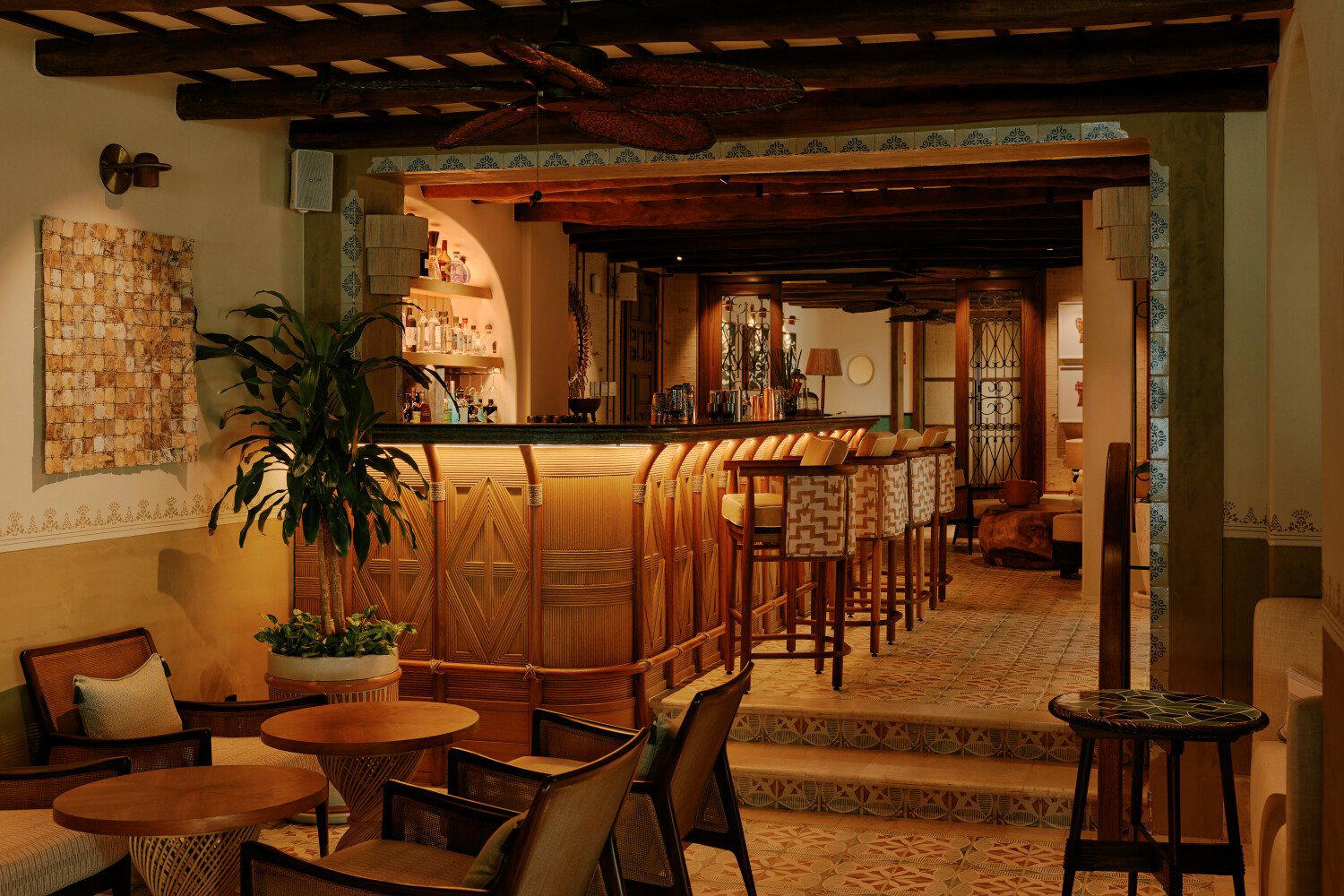
That road context shapes expectations. A bar on this stretch does not compete with the same terms as a Mexico City speakeasy or a Guadalajara agave specialist. It competes with transfer fatigue, dinner plans, humidity, group logistics, and the question every Riviera Maya visitor eventually asks: stay inside the resort bubble, or step into the road-bound network that gives the coast its messier, more revealing character. For a broader sense of where Bambuco sits within the area’s dining and drinking map, Our full Riviera Maya restaurants guide is the useful companion rather than a star-rating chart.
The Cocktail Question in a Region Built on Contrast
Riviera Maya has a complicated relationship with cocktails. The coast has enough luxury travel demand to support serious bar programs, yet enough high-volume nightlife to flatten drinks into sugar, fruit, and noise. The better drinking decisions here come from reading format before ordering: hotel bar, beach club, restaurant counter, late-night show venue, roadside stop, or destination cocktail room.
That distinction is useful. In Mexico’s stronger cocktail cities, a venue often declares its identity through a known drink, bartender résumé, or award signal. Hanky Panky in Mexico City sits in the capital’s serious cocktail conversation, where reservations, hidden-room culture, and international bar recognition have shaped the guest expectation. El Gallo Altanero in Guadalajara is read through agave and regional drinking grammar. La Capilla in Tequila carries historic weight because the Batanga has a documented place in Mexican bar culture.
The practical ordering strategy follows from that. In a corridor where visitors often arrive after beach hours or before dinner, a concise, spirit-led order can be a better test than a long, sweet build. That is a general coastal rule rather than a venue-specific claim: in humid destinations, balance and dilution reveal more than garnish.
How Bambuco Compares with Mexico’s Cocktail Map
Mexico’s bar culture is not a single hierarchy. It is a set of regional languages. Oaxaca has mezcal density and late-evening conversation, which is why Sabina Sabe in Oaxaca reads differently from a beach bar on the Caribbean coast. San Miguel de Allende attracts a design-literate, international crowd, and Bekeb in San Miguel de Allende fits that city’s slower, rooftop-driven rhythm. Tijuana’s drinking culture moves with border energy, daylight sessions, and a different sense of pace, making Aruba Day Drink in Tijuana a useful contrast for travelers who track how cities shape the glass.
Riviera Maya’s point of difference is transience. Guests are often not residents, not regulars, and not moving through the city on foot in the way they might in Roma Norte, Oaxaca Centro, or Guadalajara’s Americana district. That creates a bar scene where location and logistics carry unusual weight. A place along Carr. It is a different competitive set from a destination bar with a fixed reservation culture.
This is why comparison within the coast is more instructive than comparison with capital-city bars alone. Zapote Bar in Playa del Carmen belongs to the area’s more explicitly developed cocktail conversation, where travelers expect a designed program. Coco Bongo in Cancún is the reference point for that style, where the drink is part of the show rather than the center of the evening. Riviera Maya’s smaller bars and restaurant-adjacent venues often work on the opposite logic: they become useful when the traveler wants a drink without surrendering the whole night to spectacle.
Bambuco should be read through that conditional lens. If the plan is a high-energy night with theatrical pacing, Cancún’s show-bar circuit is the clearer match. If the plan is a lower-key stop along the Riviera Maya route, especially for travelers already moving between resorts, cenotes, or dinner reservations, Bambuco’s address gives it practical relevance. There is no supplied awards data or price range to support a claim of luxury positioning, and that absence is meaningful. It should not be sold as an accolade-led cocktail room when the record does not support that reading.
For North American travelers, one helpful parallel sits outside Mexico: Café La Trova in Miami shows how a bar can be powered by music, service cadence, and Cuban cocktail memory rather than silence and laboratory technique. That comparison helps clarify the Riviera Maya decision. Not every good drinking night needs the same formality; some require a room that fits the route, the hour, and the group.
Travel writing often becomes less reliable when it tries to cover gaps with decorative certainty. The one concrete anchor is the address, Carr.R. Mexico. For an EP Club reader, that means planning should be flexible and verification should happen close to the day of travel, especially in a coast where operating hours, seasonal demand, and road traffic can shift the shape of an evening.
The lack of public award data also changes how to judge the place. Awards are useful shortcuts when they exist, especially in crowded bar cities where recognition from Michelin, 50 Best, or national bar lists can help separate serious programs from polished noise. Here, there is no such listed signal.
That does not make it lesser; it makes the brief different. Riviera Maya rewards travelers who match venue format to the night. A bar without documented tasting menus, reservation rules, or a named cocktail does not demand a pilgrimage structure. It asks for a lighter plan: confirm access, arrive with an open order, and judge the room on pacing, drink balance, and how well it suits the route.
Planning Bambuco Into a Riviera Maya Evening
Because the record gives no verified hours or booking channel, Bambuco is better planned with a buffer than as the fixed center of the night. Build it around an existing route rather than forcing a special detour without confirmation. Travelers staying in large resorts should factor in gate exits, taxi coordination, and return transport before ordering a second drink; travelers moving by rental car should assign a non-drinking driver or arrange a ride in advance.
The most sensible use case is early evening or a transitional stop, especially if dinner is elsewhere along the corridor. If the night is meant to revolve around a researched cocktail program with published signatures, compare against known regional options first. If the night calls for a less scripted drink in Riviera Maya, Bambuco has a clearer role. That is not a faint compliment; in a destination crowded with overproduced experiences, a practical, low-pressure bar can be exactly the right category.
Continue exploring
More in Riviera Maya
Bars in Riviera Maya
Browse all →
Restaurants in Riviera Maya
Browse all →
Details
- Trendy
- Sophisticated
- Whimsical
- Intimate
- Date Night
- Special Occasion
- Celebration
- Hotel Bar
- Garden
- Lounge Seating
- Craft Cocktails
- Mezcal
- Tequila
- Garden
Current opening hours
- Monday
- 5:30–11 PM
- Tuesday
- 5:30–11 PM
- Wednesday
- 5:30–11 PM
- Thursday
- 5:30–11 PM
- Friday
- 5:30–11 PM
- Saturday
- 5:30–11 PM
- Sunday
- 5:30–11 PM
Hours can change for holidays and private events. Last verified .
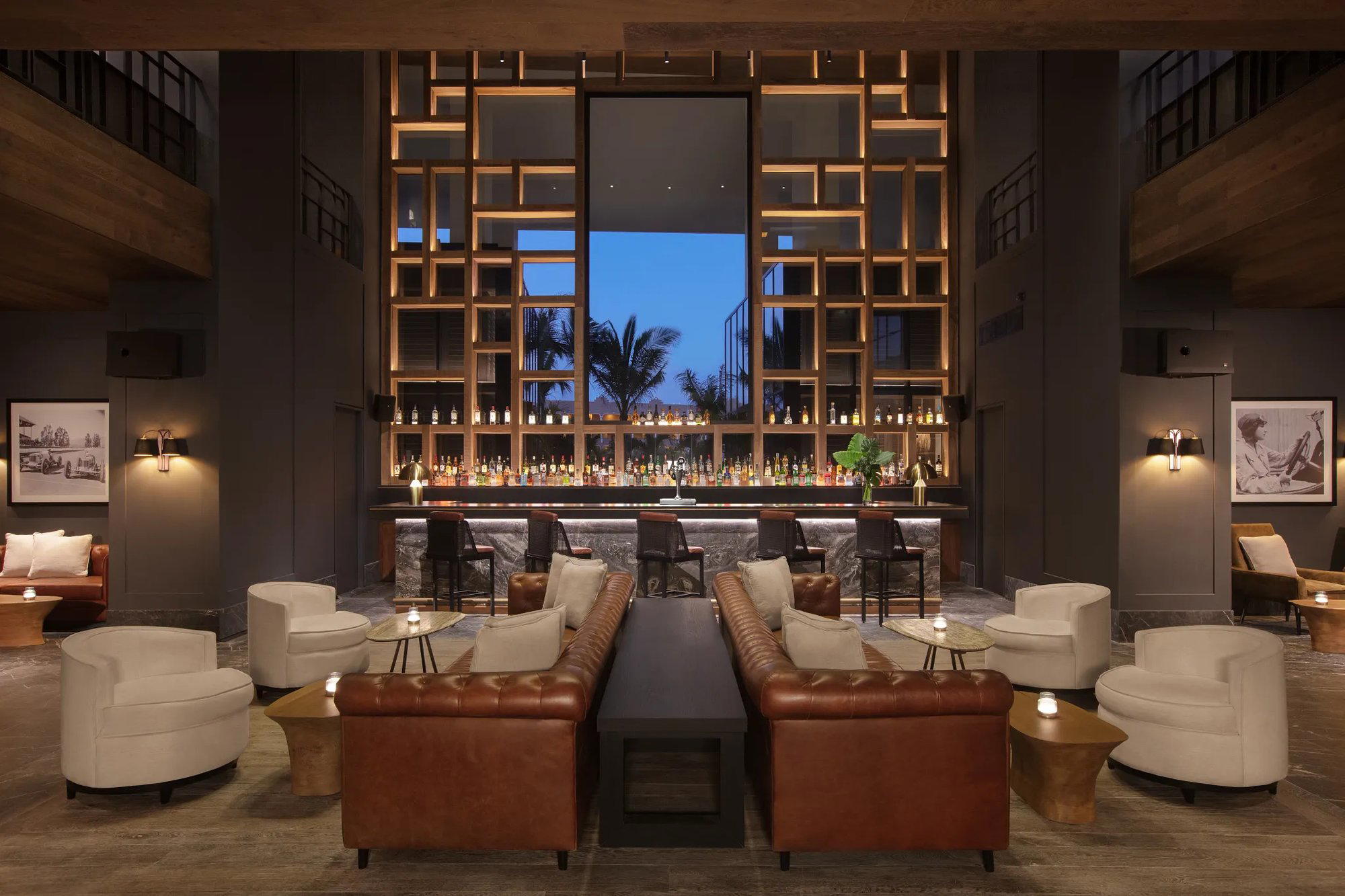
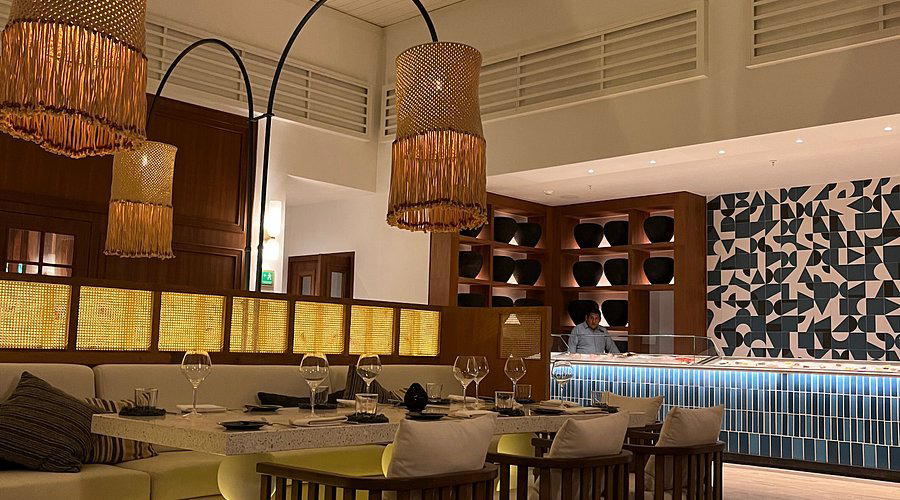
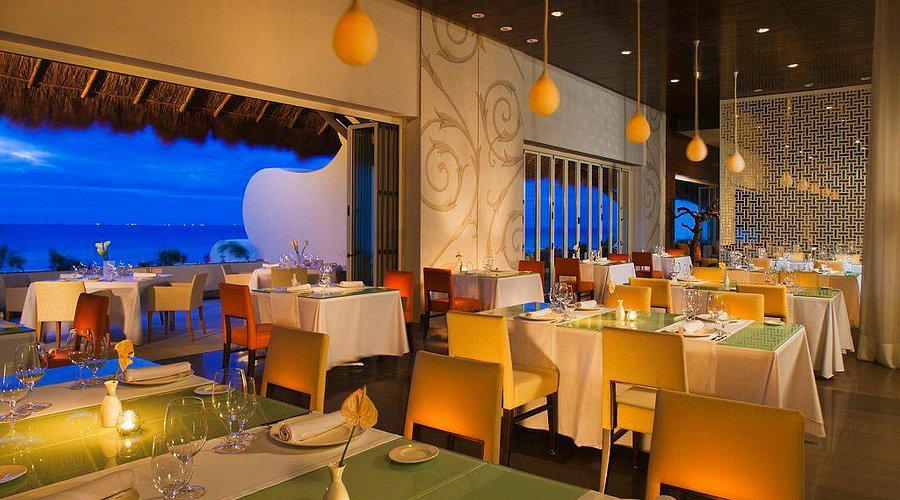
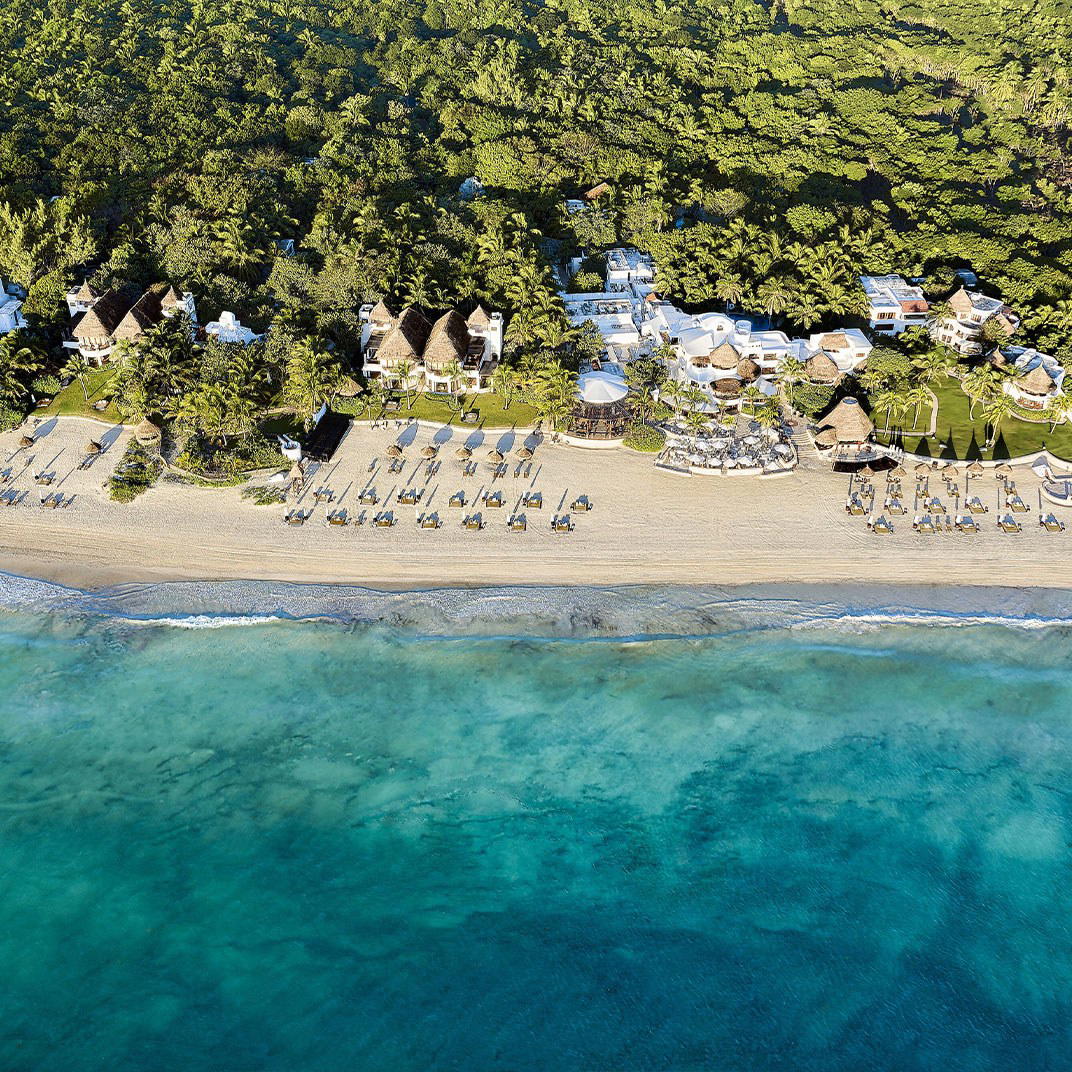
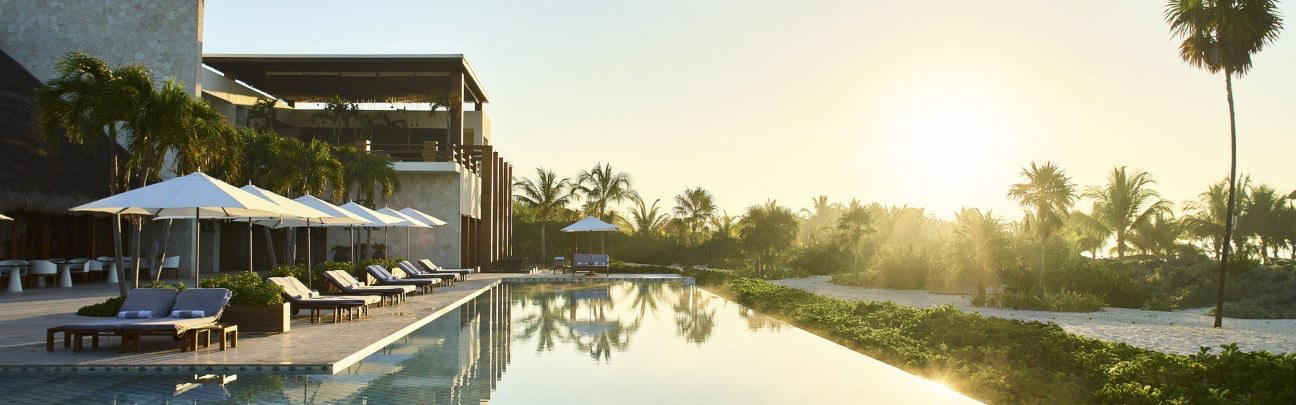
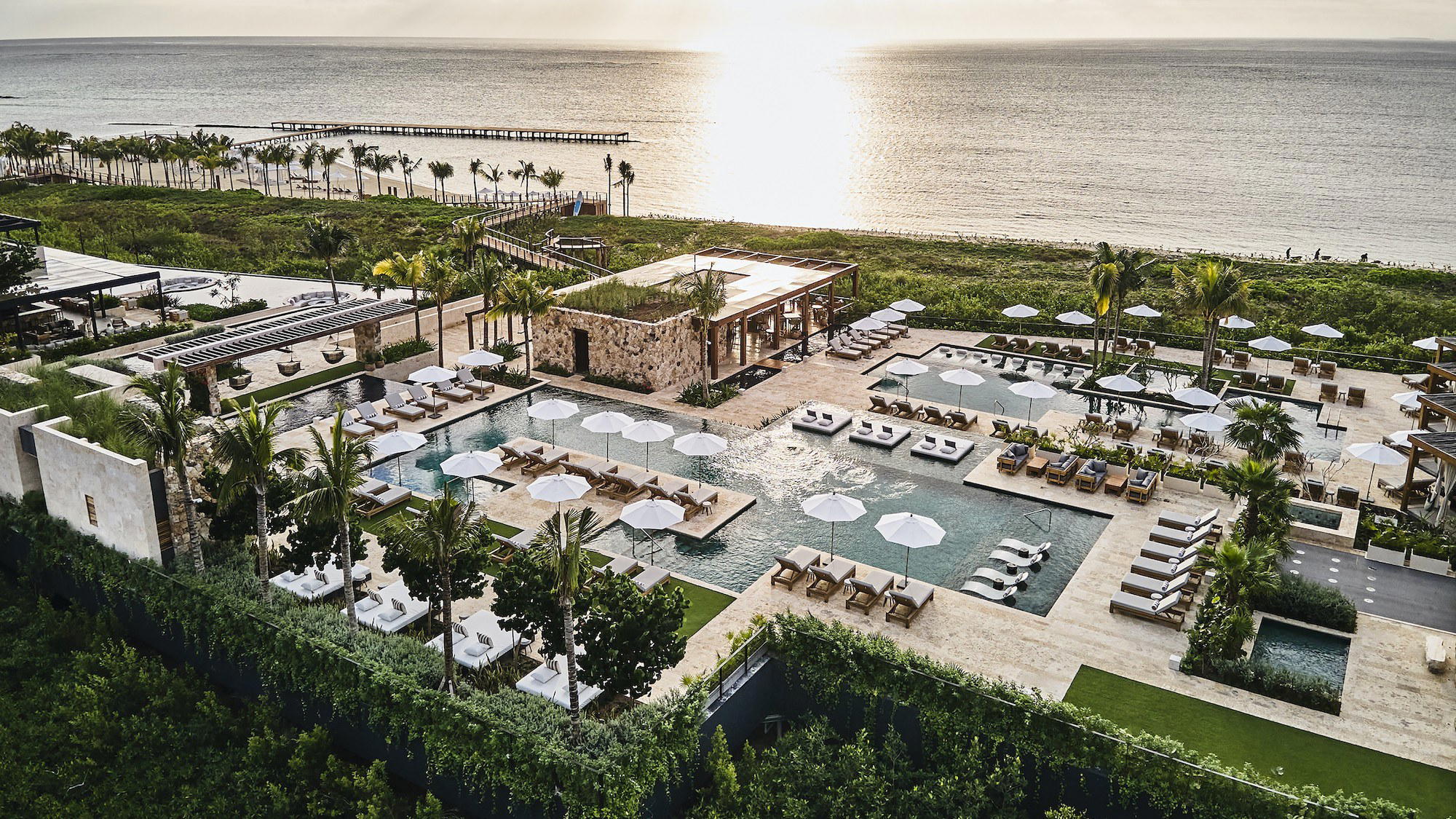
Playful Mexican interiors among lush tropical palms, evoking storied bars of the past with expert mixology and zero-waste ethos.