Altered Species Ales
Altered Species Ales occupies a suite on Sioux Falls' west side, operating within the city's growing independent craft brewing scene. The taproom format positions it alongside a small cohort of breweries that treat ingredient sourcing and small-batch production as editorial statements rather than marketing copy. For visitors exploring the city's drinking culture, it represents a worthwhile stop on the local independent circuit.
Pearl is the En Primeur Club membership app — saves, bookings, and concierge access live there. Same editors, same standards.
- Address
- 2101 W 41st St suite 25, Sioux Falls, SD 57105
- Phone
- +1 605 271 3283
- Website
- alteredspeciesales.com
- Directions
- Get directions
 Saves & bookings on Pearl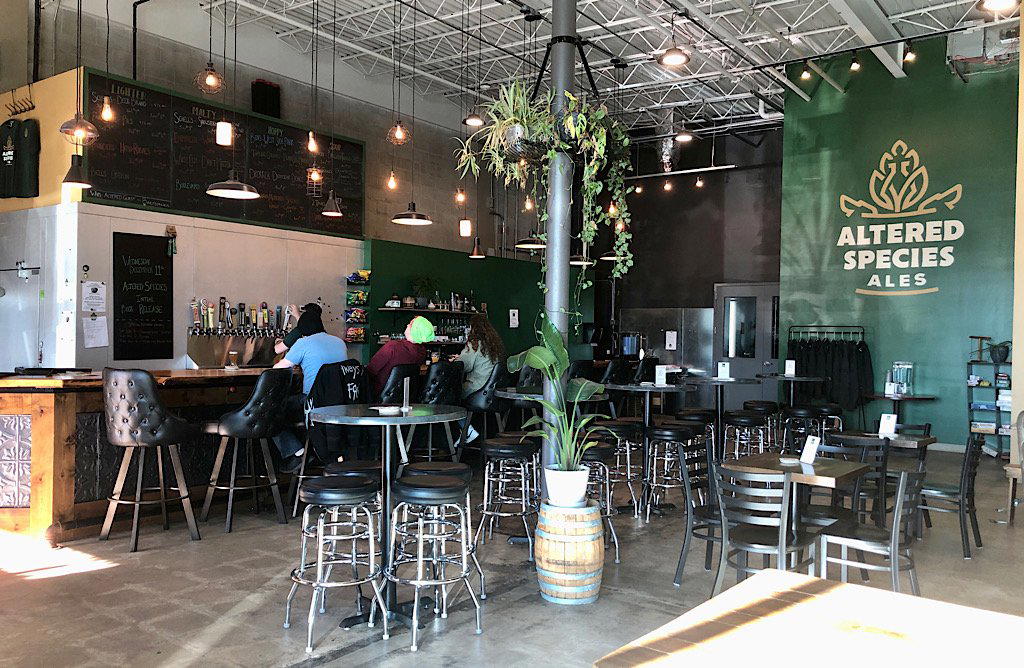
West Side Brewing in a City Finding Its Voice
Sioux Falls has spent the better part of the last decade building a drinking culture that holds its own against larger Midwestern cities. The craft brewery segment in particular has grown from a handful of production facilities into a more textured scene, with taprooms occupying converted commercial suites, repurposed warehouses, and standalone buildings across the city's expanding footprint. Altered Species Ales sits at 2101 W 41st Street, suite 25, in the west side commercial corridor — a location that reflects a broader pattern in American craft brewing, where proximity to residential neighborhoods and accessible parking often matters more than a heritage address downtown.
That west-side positioning is not incidental. Many of the more interesting small-batch breweries in mid-sized American cities have found their footing away from the tourist-facing blocks, building a loyal local following before any wider recognition arrives. The taproom format, when it works, functions as a neighborhood gathering point as much as a drinking destination, and the beer program becomes the reason people return rather than the reason they first show up.
The Craft Brewing Model and What Ingredient Sourcing Signals
In American craft brewing, the sourcing of raw materials has become one of the clearest signals of a producer's seriousness. The industrial brewing model standardizes grain bills and hop varieties for consistency at scale. The small-batch independent model does the opposite: it treats the origin of malt, the provenance of hops, and the character of local water as variables worth interrogating. Breweries operating under the "altered species" kind of naming logic — names that signal biological curiosity, experimentation, or mutation, tend to align themselves with a style-forward, process-conscious approach to production.
Across the broader American craft scene, the breweries that have built the most durable reputations are those that treat sourcing as a constraint that produces character rather than a burden that limits consistency. A hop variety selected for its specific aromatic profile, a grain sourced from a regional maltster, or a yeast strain maintained in-house rather than purchased commercially: each of these decisions has cumulative effects on what ends up in the glass. Whether Altered Species Ales operates with that level of sourcing intentionality is not documented in available records, but the small-batch, independent taproom format it occupies is the format where those decisions are most likely to be made and most likely to matter.
For a different angle on the city's eating and drinking options, Cascata Italian Cuisine and Antigua Taco House complete a useful cross-section of what Sioux Falls currently offers across price points and cuisines.
Reading the Taproom Format
The suite-style taproom, a commercial unit within a larger retail or office complex, is a specific format within American craft brewing, and it carries its own logic. Overhead is lower than a standalone building, which allows producers to invest more directly in raw materials and equipment. The tradeoff is usually in atmosphere: suite taprooms rarely have the architectural drama of a converted brewery or the warmth of a purpose-built bar. What they offer instead is directness. The beer is the point. The conversation at the bar is the entertainment. The absence of elaborate food programs or designed interiors forces the liquid to carry the room.
That directness is not a limitation if the product justifies the visit. In cities where the independent drinking scene is still developing, suite taprooms often serve as proof-of-concept spaces: the brewery tests its market, refines its recipes, and builds the local following that eventually justifies a larger footprint. Sioux Falls is at a stage in its craft brewing development where that kind of low-overhead experimentation is still producing interesting results.
How Sioux Falls Compares to Larger Craft Brewing Markets
Comparing Sioux Falls to craft brewing markets like Chicago or San Francisco is less useful than comparing it to similar-scale Midwestern cities. The conditions that produce interesting small breweries, affordable commercial space, a population with growing interest in provenance-conscious food and drink, a community willing to support local producers over national brands, are all present in Sioux Falls to a meaningful degree. The city lacks the density of a Kumiko in Chicago or the technical sophistication of the bar programs you'd find at ABV in San Francisco, but those are different categories operating in different markets at different price tiers.
What Sioux Falls has is a drinking scene in motion. Venues like Jewel of the South in New Orleans, Julep in Houston, Bar Leather Apron in Honolulu, Superbueno in New York City, and The Parlour in Frankfurt on the Main represent what happens when independent drink culture matures in a city: specialization deepens, sourcing becomes more deliberate, and the bar program becomes a statement of values as much as a menu. Sioux Falls is earlier in that arc, which means the breweries and bars currently operating there carry a certain formative weight, they are, in a meaningful sense, defining what the city's drinking identity will become.
Planning a Visit
Altered Species Ales is located at 2101 W 41st Street, suite 25, in Sioux Falls, South Dakota. The west-side location is accessible by car with parking available in the commercial complex. No phone number or website is listed in current available records, so the practical approach is to confirm current hours and any ticketed events through local Sioux Falls event listings or social media search before visiting. Taprooms in suite-format commercial spaces occasionally operate on reduced or event-driven schedules, particularly in markets where weekday foot traffic is lighter than weekend traffic. For a broader orientation to what the city offers, our full Sioux Falls restaurants guide maps the dining and drinking scene across neighborhoods and categories.
Fast Comparison
| Venue | Cuisine |
|---|---|
| Altered Species AlesThis venue — the venue you are viewing | This venue |
Continue exploring
More in Sioux Falls
Bars in Sioux Falls
Browse all →
At a Glance
- Cozy
- Trendy
- Casual Hangout
- Group Outing
- Standalone
- Seated Bar
- Craft Beer
Current opening hours
- Monday
- 2–10 PM
- Tuesday
- 2–10 PM
- Wednesday
- 2–10 PM
- Thursday
- 2–10 PM
- Friday
- 12–11 PM
- Saturday
- 12–11 PM
- Sunday
- 2–8 PM
Hours can change for holidays and private events. Last verified .
Plant-filled taproom with a welcoming, casual atmosphere suitable for families, dogs, and quiet events like book clubs.
Know Before You Go
- Getting there
- 2101 W 41st St suite 25, Sioux Falls, SD 57105