Rua Jau and the Bar Tradition It Belongs To Alcântara has spent the better part of a decade absorbing Lisbon's creative spillover, as LX Factory brought foot traffic and a younger, internationally minded crowd to a neighbourhood that previously read as purely residential and industrial. The bars that took root in its wake split into two identifiable camps: high-design cocktail rooms engineered for visibility, and quieter addresses that operate on the logic of the counter. Allegro Bar, on Rua Jau 54, belongs to the second group. The address places it close to the restaurant it neighbours, which already tells you something about the register it aims for: this is a drinking space conceived as an extension of a dining culture, not as a destination built around its own spectacle. That distinction matters when you map Lisbon's current bar geography. The city's premium cocktail tier is anchored by a handful of well-documented rooms: Red Frog operates on a members-club model with a locked-door format and a menu that rewards return visits; 146 Bar positions itself around an edited list and a studied calm. Allegro sits in a different register from both, closer in spirit to the kind of bar where the craft is present but the room doesn't announce it. What the Craft Bar Format Looks Like Here In European cities that developed serious cocktail cultures after the London and New York waves of the early 2010s, the bartender's role evolved from showmanship toward something quieter. The focus shifted to sourcing, technique, and the kind of hospitality that reads as attentive rather than performative. Lisbon followed that arc, and Allegro reflects it. The bar's position on a relatively low-traffic Alcântara street means it doesn't sustain itself on walk-in volume. That self-selection produces a particular kind of room: the people who arrive have usually chosen to be there, which changes the energy on both sides of the counter. For context within Portugal's wider bar geography, the craft approach that defines places like Allegro has counterparts in other cities: Base Porto in Porto operates on a similar neighbourhood-intimacy model, while Garrafeira Baga in Coimbra takes the specialist format into wine. Along the coast, Bar do Guincho in Alcabideche and Bar e Duna da Cresmina in Cascais anchor their offer in setting rather than technique. Estoril draws on the area's older glamour associations. Allegro's frame of reference is different from all of these: it is a city bar, mid-neighbourhood, where the quality signal comes from what's in the glass and the person who put it there. The Counter and the Person Behind It The editorial angle on craft bars in Lisbon increasingly runs through the bartender rather than the room. When a bar operates at low volume with a focused list, the person behind the counter carries the program. Training lineage matters here: a bartender who has worked through Spanish or Scandinavian programs, or who came up through a Lisbon restaurant group with serious beverage credentials, arrives at the counter with a different set of defaults than someone self-taught in a high-volume environment. The discipline shows in pacing, in how questions are answered, in whether the ice is right. Allegro's proximity to its neighbouring restaurant is a structural detail worth reading. Bars attached to or adjacent to serious dining operations often inherit a food-culture sensibility: the ingredient logic is similar, the palate calibration is shared, the hospitality register maps across. That adjacency also tends to anchor the bar's identity to a local dining crowd rather than a tourist circuit, which has downstream effects on the menu's ambition and the room's consistency. For a reference point outside Portugal, Café La Trova in Miami demonstrates what happens when a bar is built explicitly around a bartender's cultural lineage and craft legacy: the program becomes inseparable from the person running it. Allegro operates on a smaller scale, but the underlying logic, that the counter experience depends on who is behind it, holds. Placing Allegro in Lisbon's Drinking Week Lisbon now has enough serious bars that a considered drinker can map a week around distinct registers. 38º 41' Gastrobar tilts toward the food-and-drink pairing format; A Cabreira anchors a more traditional tavern tradition. Mosto Wine Shop and Bar in Lagos shows how the format travels to smaller Portuguese cities. Within that map, Allegro reads as an Alcântara option for an evening that doesn't need a big room or a long trek to Bairro Alto. The neighbourhood is walkable from Belém on one side and Santos on the other, which makes it a logical stop on a western Lisbon evening rather than a standalone destination requiring its own journey. For the full picture of where Allegro sits within Lisbon's broader food and drink geography, the EP Club Lisbon guide maps the city's dining and drinking options by neighbourhood and register. Planning a Visit Rua Jau 54 is in the 1300 postal zone, which places it in western Lisbon, accessible by tram or taxi from Cais do Sodré in under ten minutes. Because no booking data is currently listed for Allegro Bar, the most reliable approach for a specific evening is to call ahead or arrive on the earlier side of evening service, when counter space at small bars tends to be more available. Lisbon's bar scene runs late by northern European standards, with serious drinking crowds arriving from 21:00 onward, so an earlier window, particularly on weeknights, generally offers a calmer room and more direct access to the bartender's attention. The bar's street address near a restaurant rather than a nightlife strip means parking is more feasible than in Bairro Alto or Príncipe Real, though public transport remains the more practical option from the city centre. Frequently Asked Questions What's the must-try cocktail at Allegro Bar? Specific menu details are not available in EP Club's current records. At bars of this format in Lisbon, the most reliable approach is to ask the bartender directly for a recommendation based on your preference: at a counter-focused bar where the person behind the bar is running a considered program, that conversation tends to produce better results than a menu order made in isolation. What is Allegro Bar leading at? Based on its format and position in Alcântara, Allegro operates at the quieter, craft-focused end of Lisbon's bar spectrum. It is not a high-volume cocktail theatre, and it is not a wine bar in the Grapes and Bites mould. Its strongest register appears to be the counter experience: a small room, a direct bartender relationship, and a program that rewards engaged drinkers rather than those passing through. Do I need a reservation for Allegro Bar? No booking infrastructure is currently listed for Allegro Bar in EP Club's database. For a bar of this size and format in Lisbon, the standard approach is to arrive without a reservation, though arriving before 21:00 on busier nights reduces the risk of a full counter. If your visit falls on a Friday or Saturday, confirming availability by phone before arriving is sensible, though contact details are not currently available through EP Club's records. Is Allegro Bar a good fit for solo drinkers or pairs rather than groups? Bars in the counter-led format, where the bartender's attention and the quality of the glass are the main draws, typically work better for one or two people than for large groups. Alcântara's Rua Jau address and the bar's proximity to a restaurant rather than a nightlife cluster reinforce that read: this is a destination for a considered evening drink, not a group pre-party stop. Solo drinkers in particular tend to do well at bars of this type in Lisbon, where the bartender's hospitality approach is often the defining part of the experience.
Pearl is the En Primeur Club membership app — saves, bookings, and concierge access live there. Same editors, same standards.
- Address
- R. Jau 54, 1300-314 Lisboa (near the restaurant)
- Directions
- Get directions
 Saves & bookings on Pearl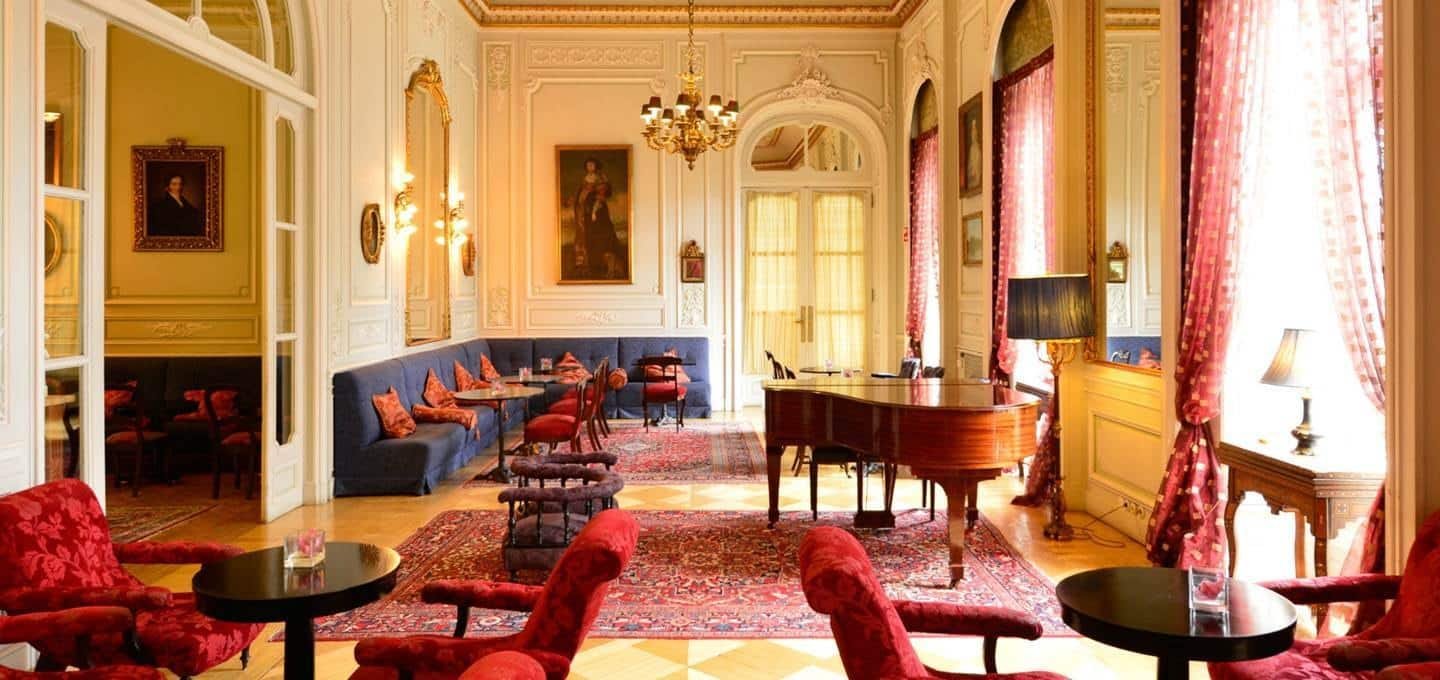
Rua Jau and the Bar Tradition It Belongs To
Alcântara has spent the better part of a decade absorbing Lisbon's creative spillover, as LX Factory brought foot traffic and a younger, internationally minded crowd to a neighbourhood that previously read as purely residential and industrial. The bars that took root in its wake split into two identifiable camps: high-design cocktail rooms engineered for visibility, and quieter addresses that operate on the logic of the counter. Allegro Bar, on Rua Jau 54, belongs to the second group. The address places it close to the restaurant it neighbours, which already tells you something about the register it aims for: this is a drinking space conceived as an extension of a dining culture, not as a destination built around its own spectacle.
That distinction matters when you map Lisbon's current bar geography. The city's premium cocktail tier is anchored by a handful of well-documented rooms: Red Frog operates on a members-club model with a locked-door format and a menu that rewards return visits; 146 Bar positions itself around an edited list and a studied calm. Allegro sits in a different register from both, closer in spirit to the kind of bar where the craft is present but the room doesn't announce it.
What the Craft Bar Format Looks Like Here
In European cities that developed serious cocktail cultures after the London and New York waves of the early 2010s, the bartender's role evolved from showmanship toward something quieter. The focus shifted to sourcing, technique, and the kind of hospitality that reads as attentive rather than performative. Lisbon followed that arc, and Allegro reflects it. The bar's position on a relatively low-traffic Alcântara street means it doesn't sustain itself on walk-in volume. That self-selection produces a particular kind of room: the people who arrive have usually chosen to be there, which changes the energy on both sides of the counter.
For context within Portugal's wider bar geography, the craft approach that defines places like Allegro has counterparts in other cities: Base Porto in Porto operates on a similar neighbourhood-intimacy model, while Garrafeira Baga in Coimbra takes the specialist format into wine. Along the coast, Bar do Guincho in Alcabideche and Bar e Duna da Cresmina in Cascais anchor their offer in setting rather than technique. Estoril draws on the area's older glamour associations. Allegro's frame of reference is different from all of these: it is a city bar, mid-neighbourhood, where the quality signal comes from what's in the glass and the person who put it there.
The Counter and the Person Behind It
The editorial angle on craft bars in Lisbon increasingly runs through the bartender rather than the room. When a bar operates at low volume with a focused list, the person behind the counter carries the program. Training lineage matters here: a bartender who has worked through Spanish or Scandinavian programs, or who came up through a Lisbon restaurant group with serious beverage credentials, arrives at the counter with a different set of defaults than someone self-taught in a high-volume environment. The discipline shows in pacing, in how questions are answered, in whether the ice is right.
Allegro's proximity to its neighbouring restaurant is a structural detail worth reading. Bars attached to or adjacent to serious dining operations often inherit a food-culture sensibility: the ingredient logic is similar, the palate calibration is shared, the hospitality register maps across. That adjacency also tends to anchor the bar's identity to a local dining crowd rather than a tourist circuit, which has downstream effects on the menu's ambition and the room's consistency.
For a reference point outside Portugal, Café La Trova in Miami demonstrates what happens when a bar is built explicitly around a bartender's cultural lineage and craft legacy: the program becomes inseparable from the person running it. Allegro operates on a smaller scale, but the underlying logic, that the counter experience depends on who is behind it, holds.
Placing Allegro in Lisbon's Drinking Week
Lisbon now has enough serious bars that a considered drinker can map a week around distinct registers. 38º 41' Gastrobar tilts toward the food-and-drink pairing format; A Cabreira anchors a more traditional tavern tradition. Mosto Wine Shop and Bar in Lagos shows how the format travels to smaller Portuguese cities. Within that map, Allegro reads as an Alcântara option for an evening that doesn't need a big room or a long trek to Bairro Alto. The neighbourhood is walkable from Belém on one side and Santos on the other, which makes it a logical stop on a western Lisbon evening rather than a standalone destination requiring its own journey.
For the full picture of where Allegro sits within Lisbon's broader food and drink geography, the EP Club Lisbon guide maps the city's dining and drinking options by neighbourhood and register.
Planning a Visit
Rua Jau 54 is in the 1300 postal zone, which places it in western Lisbon, accessible by tram or taxi from Cais do Sodré in under ten minutes. Because no booking data is currently listed for Allegro Bar, the most reliable approach for a specific evening is to call ahead or arrive on the earlier side of evening service, when counter space at small bars tends to be more available. Lisbon's bar scene runs late by northern European standards, with serious drinking crowds arriving from 21:00 onward, so an earlier window, particularly on weeknights, generally offers a calmer room and more direct access to the bartender's attention.
The bar's street address near a restaurant rather than a nightlife strip means parking is more feasible than in Bairro Alto or Príncipe Real, though public transport remains the more practical option from the city centre.
Continue exploring
More in Lisbon
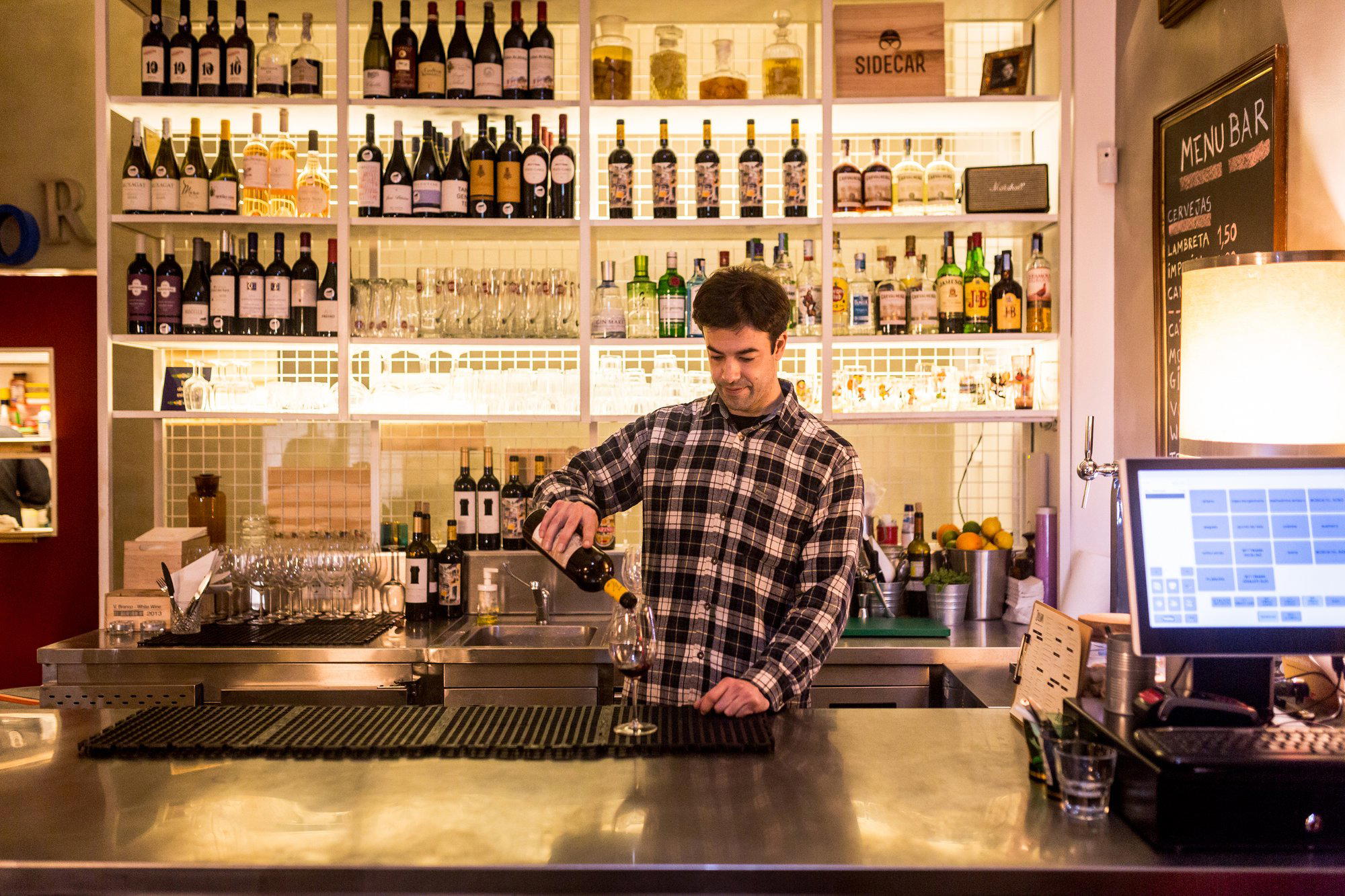
Bars in Lisbon
Browse all →
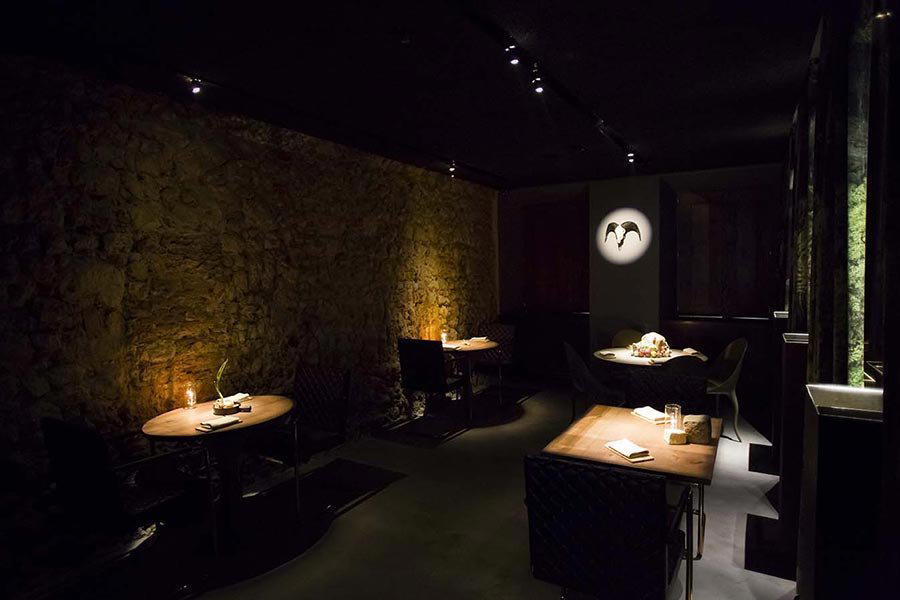
Restaurants in Lisbon
Browse all →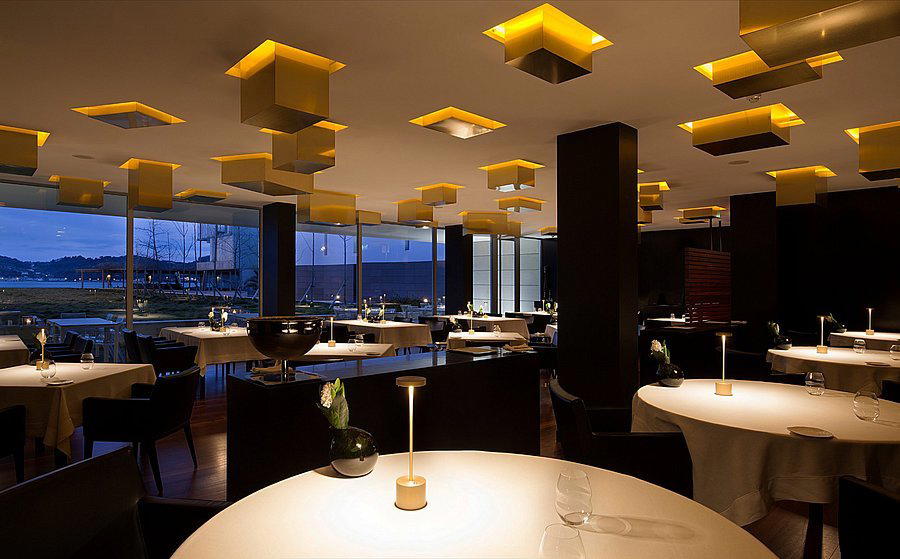
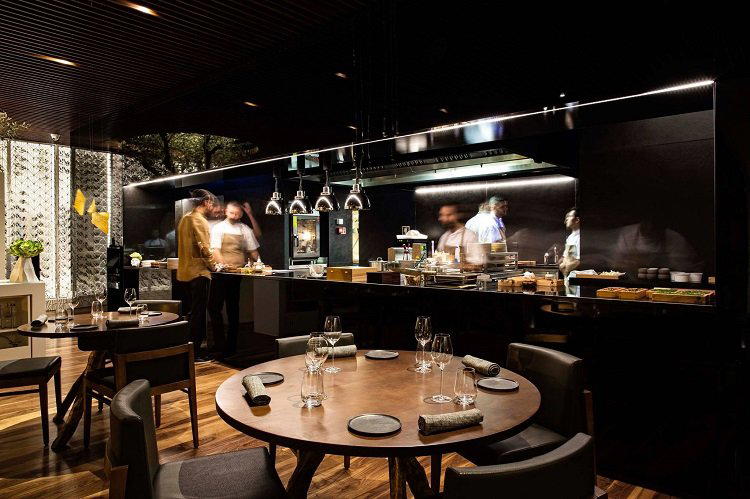
Hotels in Lisbon
Browse all →

At a Glance
- Elegant
- Sophisticated
- Ornate
- Date Night
- Special Occasion
- Live Music
- Historic Building
- Hotel Bar
- Lounge Seating
- Classic Cocktails
- Garden
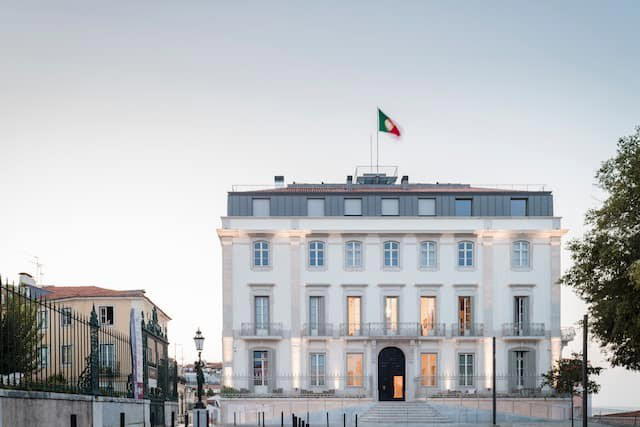
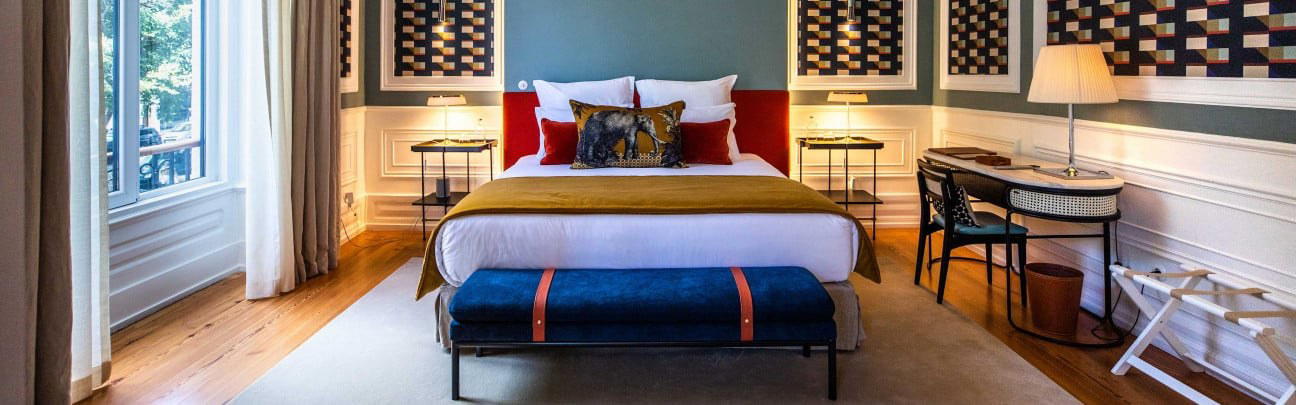
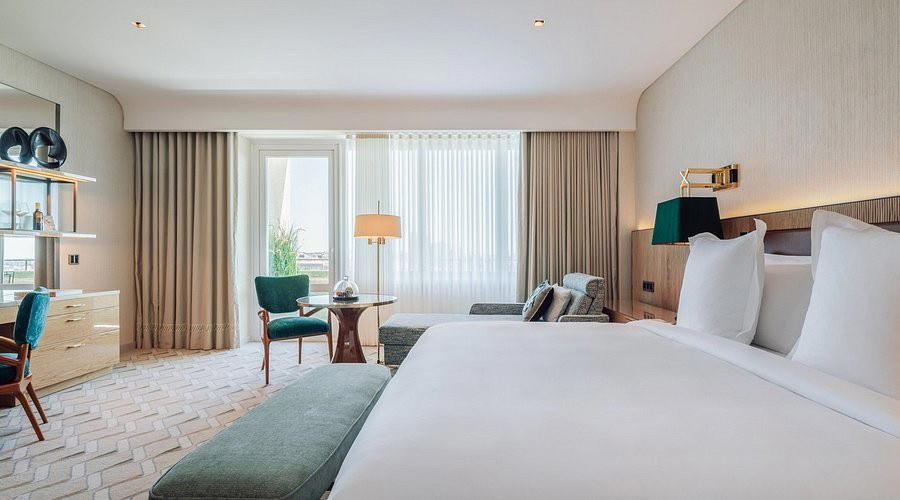
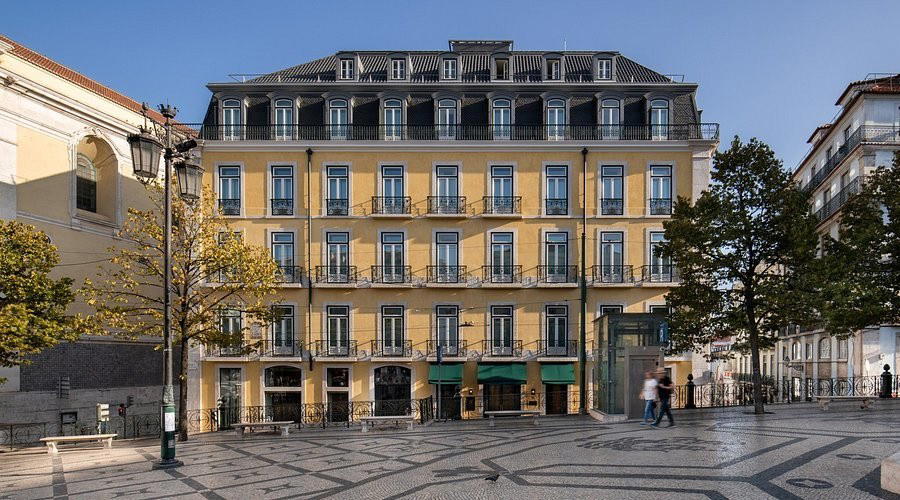
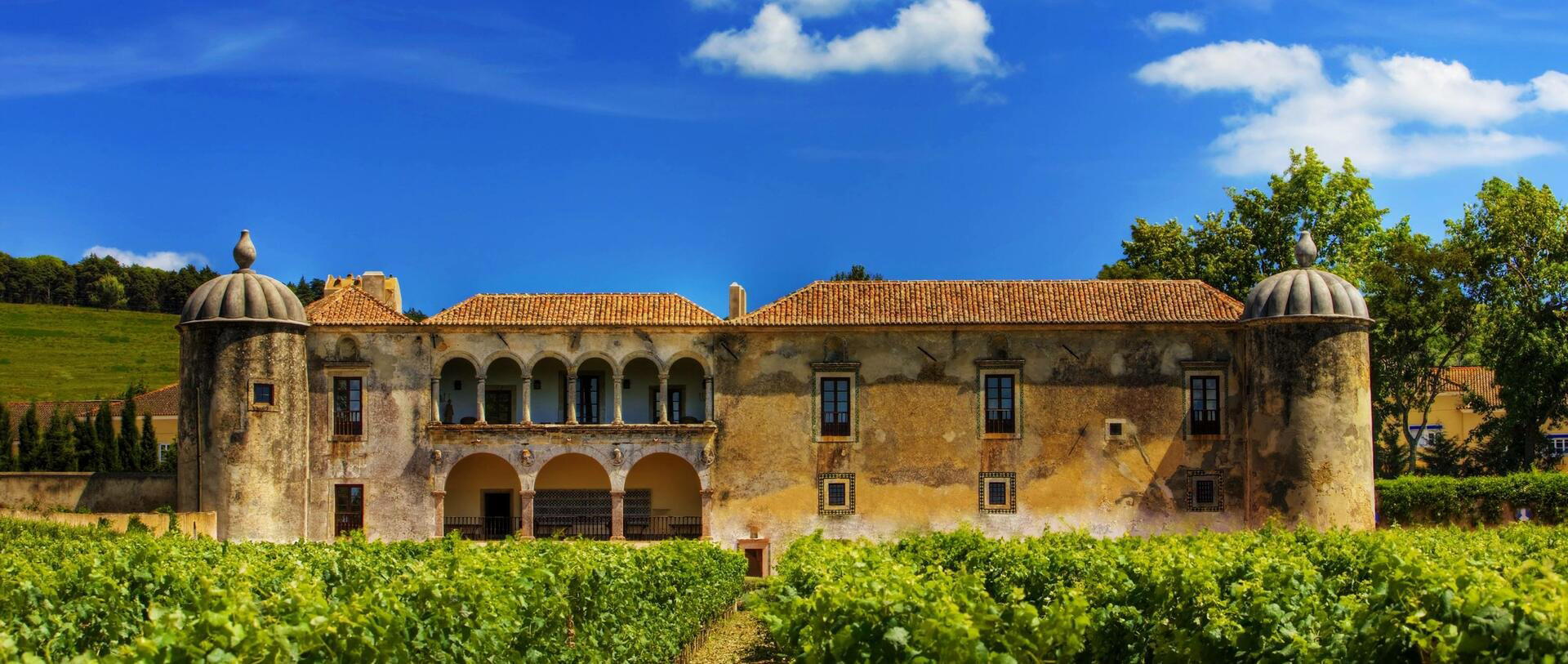
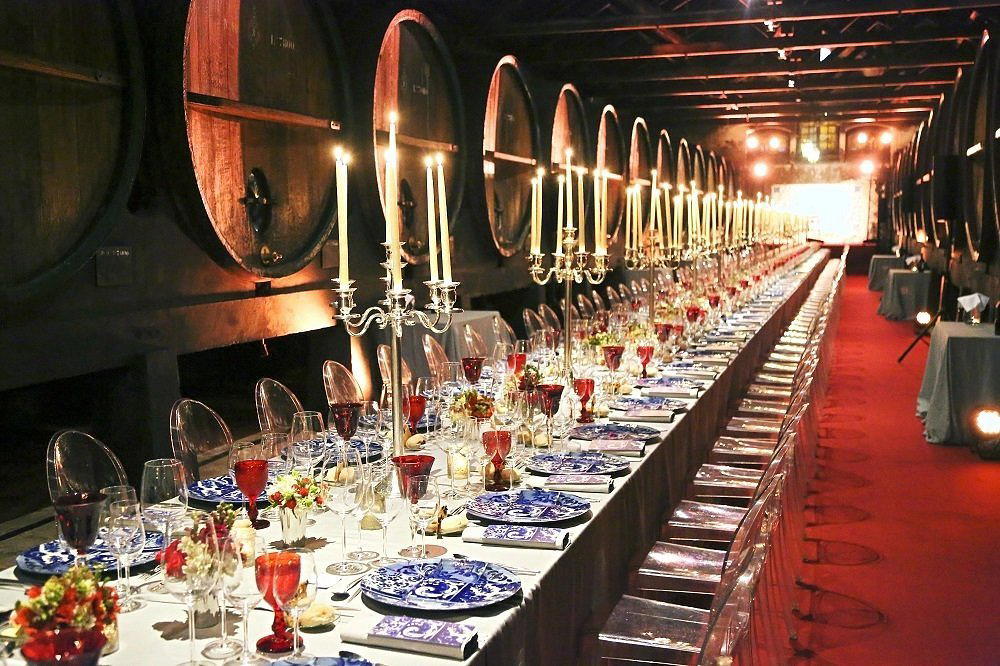
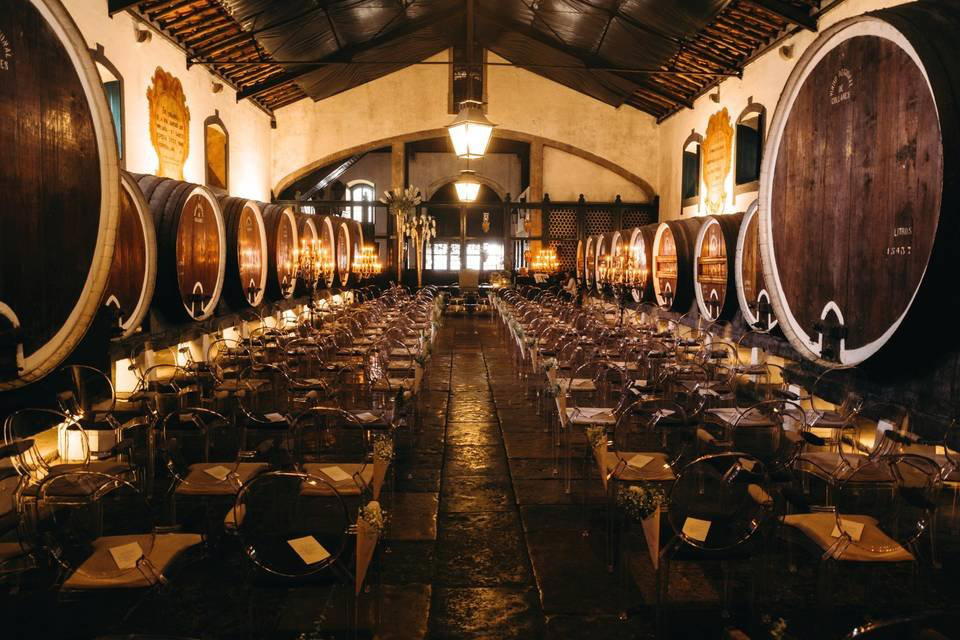
Pretty and elegant atmosphere with grand interiors, well-suited for cocktails and light meals amid historic opulence.
Know Before You Go
- Getting there
- R. Jau 54, 1300-314 Lisboa (near the restaurant)