Weingut Willi Haag

Falstaff Winery - Listed
A low-key Brauneberg Riesling estate with more than 500 years of family ownership, Weingut Willi Haag is framed by south-facing Mosel slate and a 15th-century half-timbered house. The draw is terroir rather than spectacle: Riesling from Brauneberger Juffer and Brauneberger Juffer-Sonnenuhr, a rock-carved cellar, VDP membership, and small-scale tastings shaped by the rhythms of a working family estate.

Pearl is the En Primeur Club membership app, where members save venues, book tables and use the concierge.

In Brauneberg, Weingut Willi Haag is best understood as a quiet Mosel wine estate rather than a high-gloss destination venue. The picture is spare but distinctive: a traditional, family-run property in a village setting, centered on Riesling, with a historic half-timbered house and a deep cellar carved into rock. Those details are enough to set the tone. This is a place whose appeal comes from Mosel atmosphere, family continuity and mineral Riesling, not from a long list of public amenities or a restaurant-style format.
The estate’s identity is rooted in a classic Mosel vocabulary: village scale, old architecture, cellar depth and Riesling as the main point of attention. For that reason, the most reliable way to describe Weingut Willi Haag is as a rustic, traditional Brauneberg estate with a focus on pure, mineral Riesling in a quiet setting.
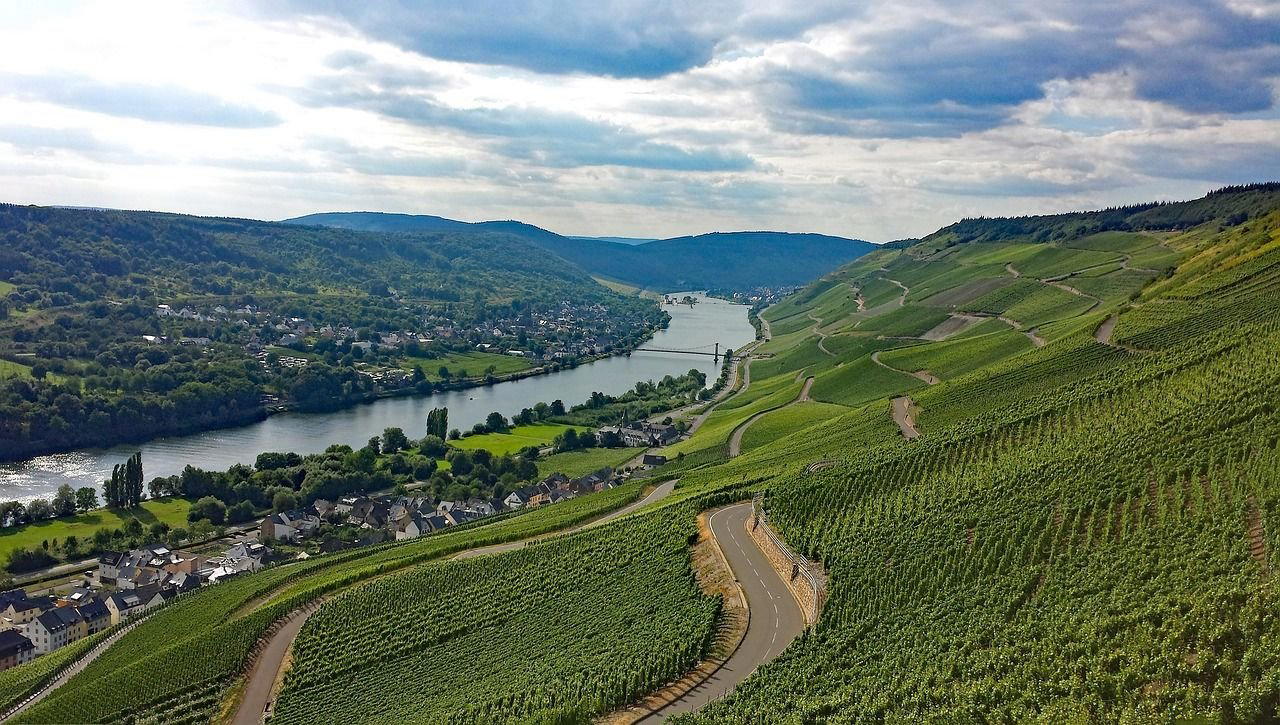
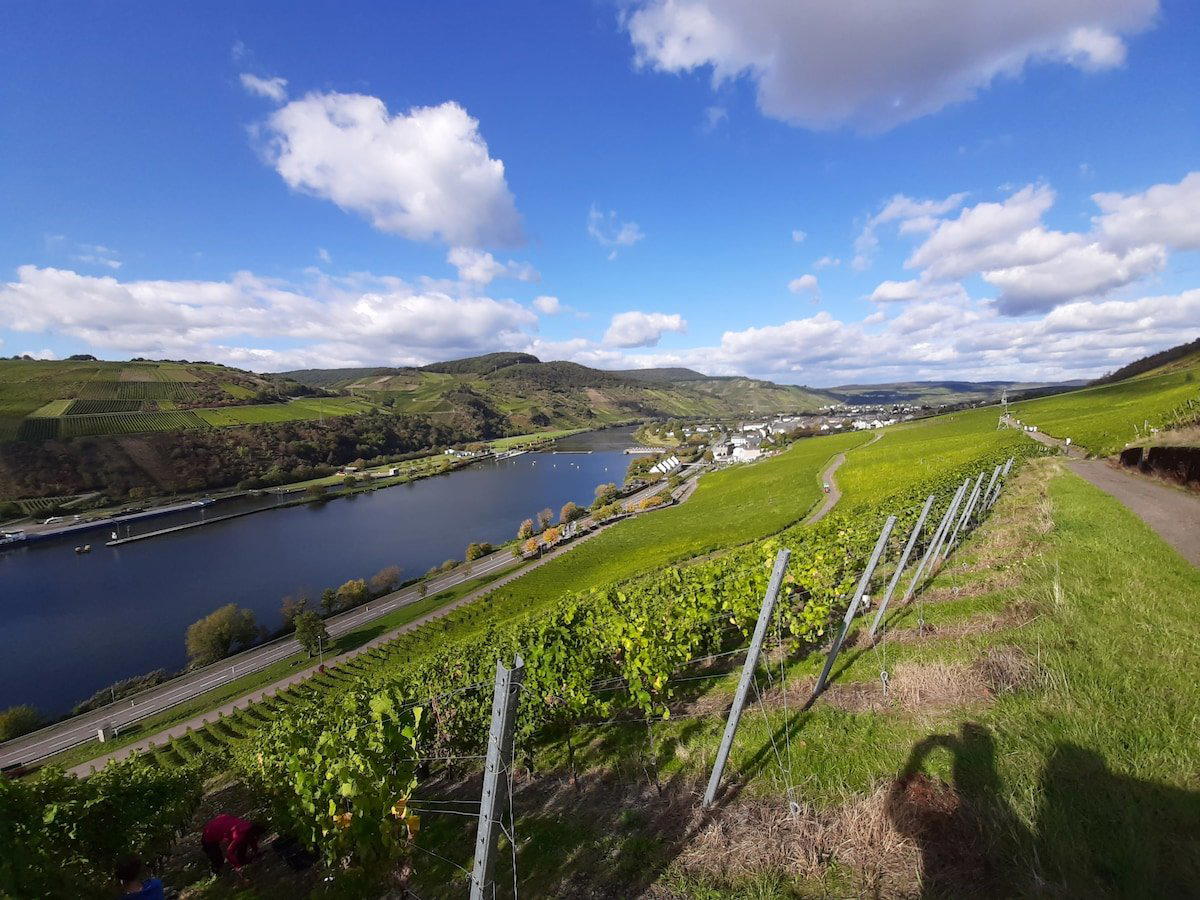
South-facing slate is the main argument in the glass
The broader Mosel context matters because it explains why a Brauneberg Riesling estate can feel so specific even when the public details are limited. The region is strongly associated with Riesling grown in steep river-valley conditions, where stone, slope, exposure and cellar tradition shape how wines are discussed. For Weingut Willi Haag, the grounded claim is not a precise technical profile or a named vineyard roster, but a clear stylistic emphasis: pure, mineral Riesling.
That focus gives visitors and readers a useful frame. Expect the conversation around the estate to be about Riesling and place rather than breadth of grape varieties or a wide hospitality program. The historic half-timbered house supports that impression, giving the property a visibly traditional character. The deep rock-carved cellar adds another important cue: this is an estate where the physical setting is part of the experience, even if specific visitor arrangements should not be assumed from the available facts.
It is also important not to overstate recognition. Weingut Willi Haag can still be presented as a notable Brauneberg wine stop, but the case should rest on what is confirmed: a family-run Mosel estate, rustic and classic in mood, with a Riesling focus and a historic cellar setting.
A family cellar format, not a high-volume wine stop
The descriptors point toward a low-key estate rather than a large, entertainment-driven wine venue. Words such as quiet, classic, rustic, cozy and are more appropriate than claims about formal programming, group size, seating, private tasting structure or daily walk-in service.
The same caution applies to price and service expectations. The price marker is $$, which suggests a moderate positioning, but it does not confirm the cost of a tasting, bottle range, food availability or any specific package. Those details should not be inferred from the estate’s character or from the broader Mosel wine scene.
What can be said with confidence is that the appeal is narrow in the best sense. Weingut Willi Haag is not presented as a multi-concept venue. Its draw is the combination of Brauneberg, Mosel tradition, a family-run setting, a historic half-timbered house, a deep rock-carved cellar and Riesling with a pure, mineral emphasis. For travelers who value atmosphere and regional specificity, those elements may be more relevant than a long amenities checklist.
How it fits into a Brauneberg wine day
For a wine-led day in Brauneberg, Weingut Willi Haag fits best as a quieter, traditional stop. Plan around Brauneberg itself, leave room for slow pacing, and verify current access directly with the estate before making the trip.
The estate also works as a useful reference point for understanding Brauneberg’s wine identity more generally. Rather than presenting a fabricated list of nearby producers, restaurants or attractions, the honest comparison is broader: other dining and wine options in Brauneberg may offer different levels of service, food or visitor infrastructure, while Weingut Willi Haag’s strengths are its traditional Mosel character, family-run feel, historic building, rock-carved cellar and Riesling focus.
That restrained profile is the reason to keep the description simple. Weingut Willi Haag should not be sold through claims about awards, vineyard holdings, named cuvées, tasting capacity or hospitality polish. Its confirmed identity is compelling enough: a quiet, classic and rustic Brauneberg estate where the story centers on mineral Riesling and a historic Mosel setting.
Recognition history
Dated appearances from independent guides and award organizations, with the underlying list record or original source where available.
Falstaff Winery - Listed
Falstaff
Continue exploring
More in Brauneberg
Wineries in Brauneberg
All wineries in Brauneberg →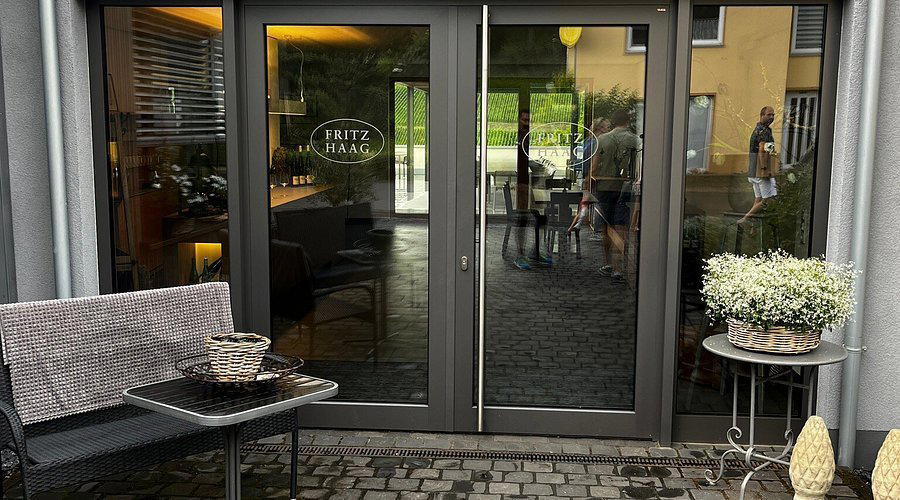
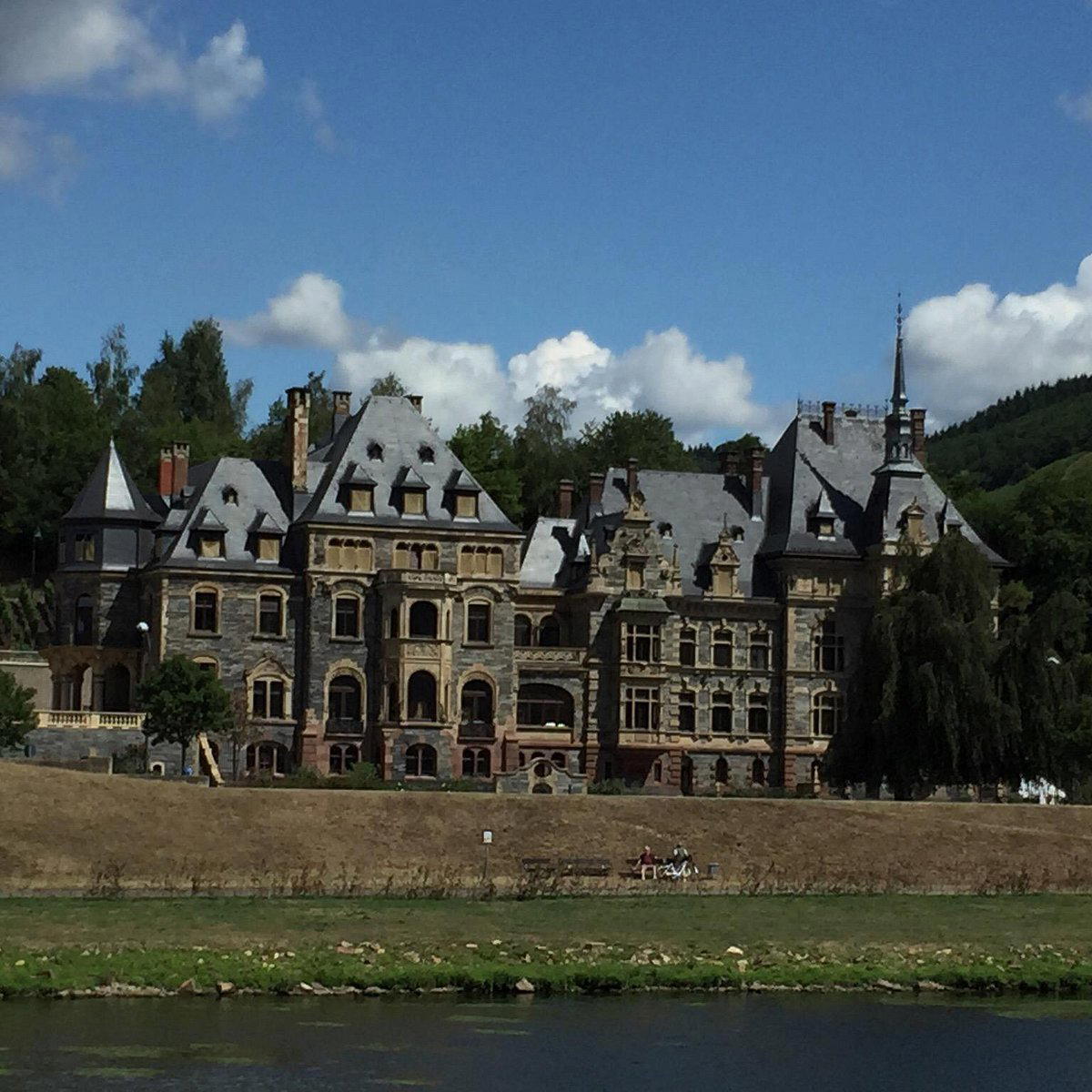
Bars in Brauneberg
Browse all →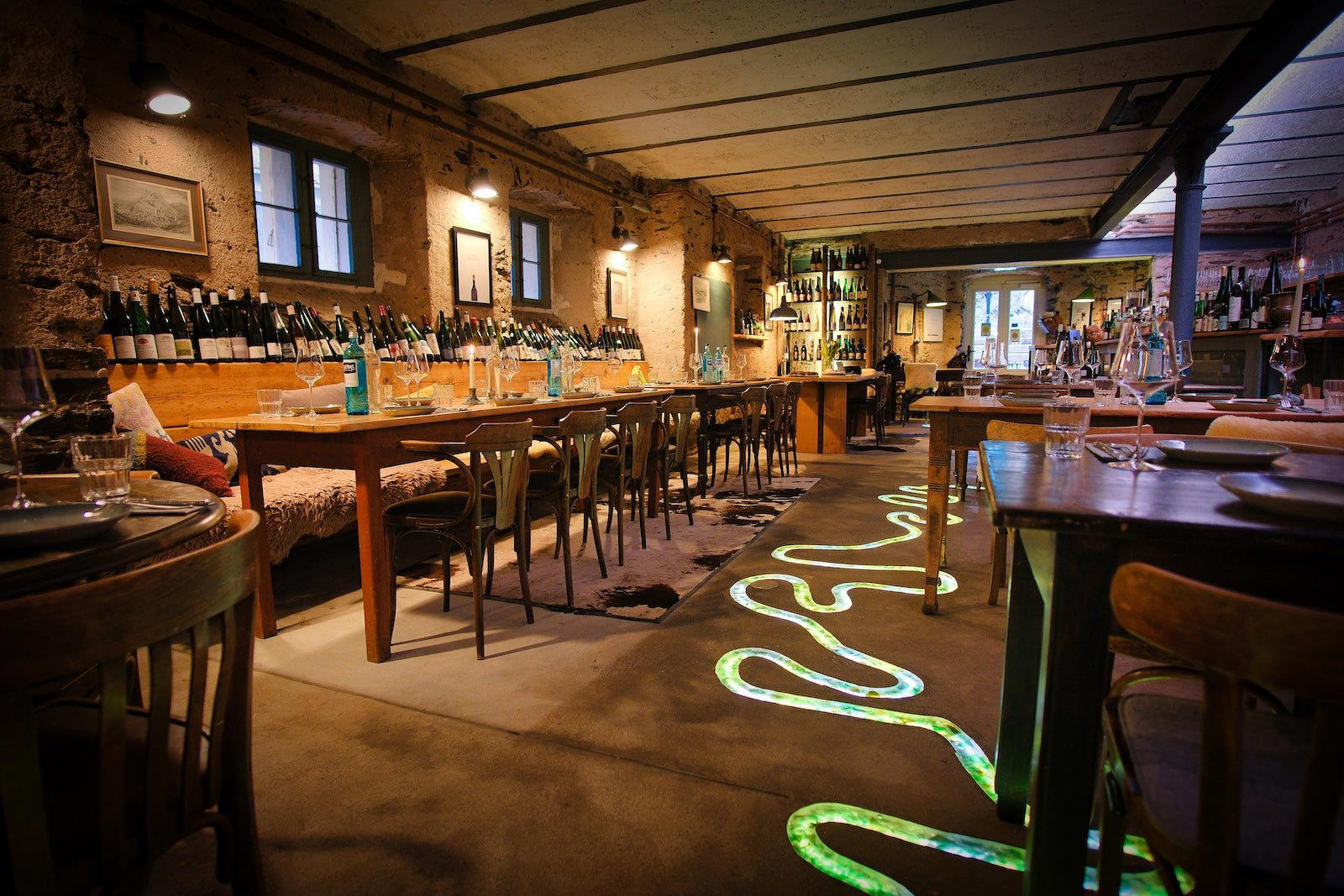
Details
- Quiet
- Classic
- Rustic
- Cozy
- Wine Education
- Solo Exploration
- Special Occasion
- Group Outing
- Historic Building
- Private Tasting
- Barrel Room
- Sustainable
- Vineyard
- Riesling
- Still White
- Dessert
- Seated Tasting
- Private Tasting
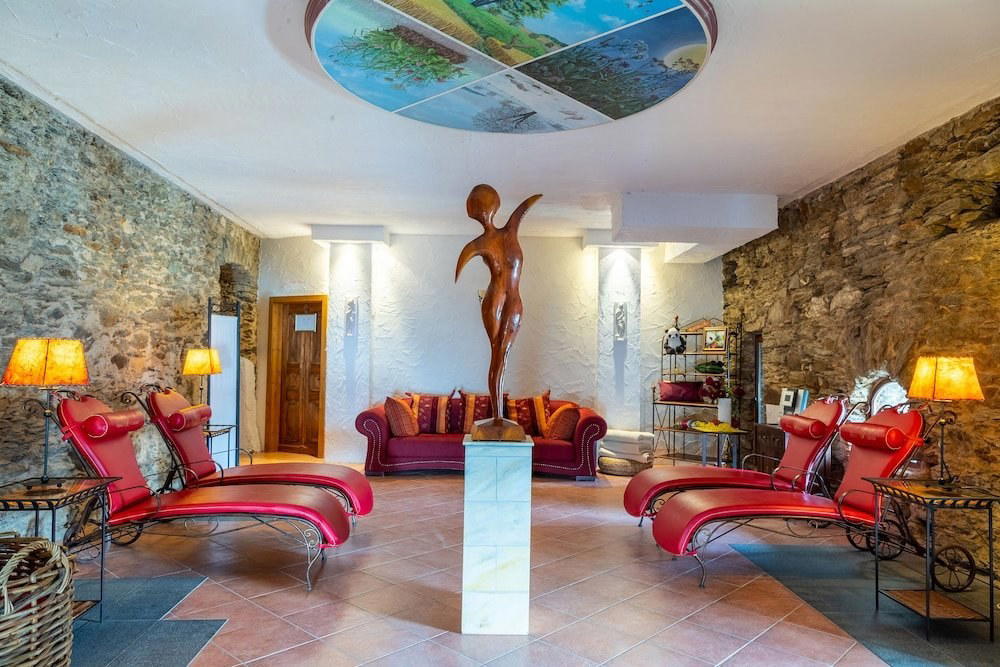
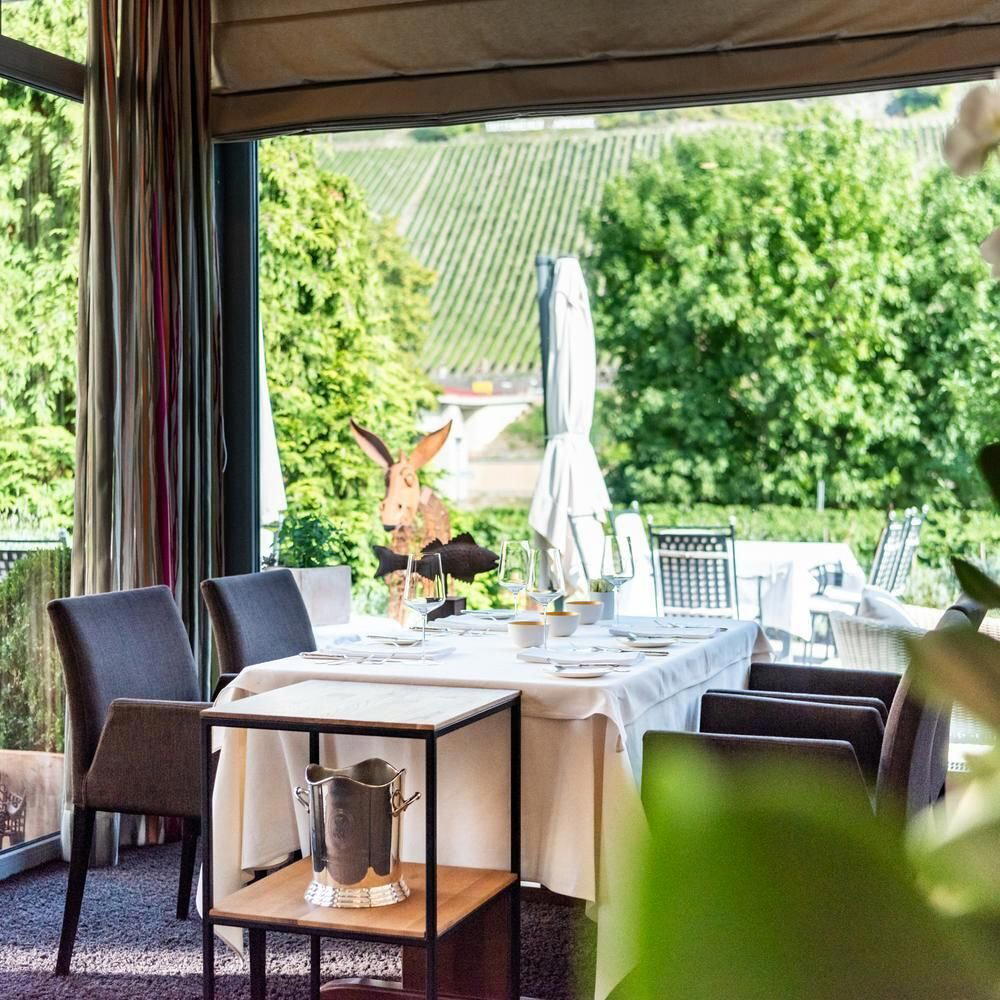
Traditional, family-run Mosel estate with a historic half-timbered house, deep rock-carved cellar, and a focus on pure, mineral Riesling in a quiet village setting.